Results for “Arid”
 Image
Image
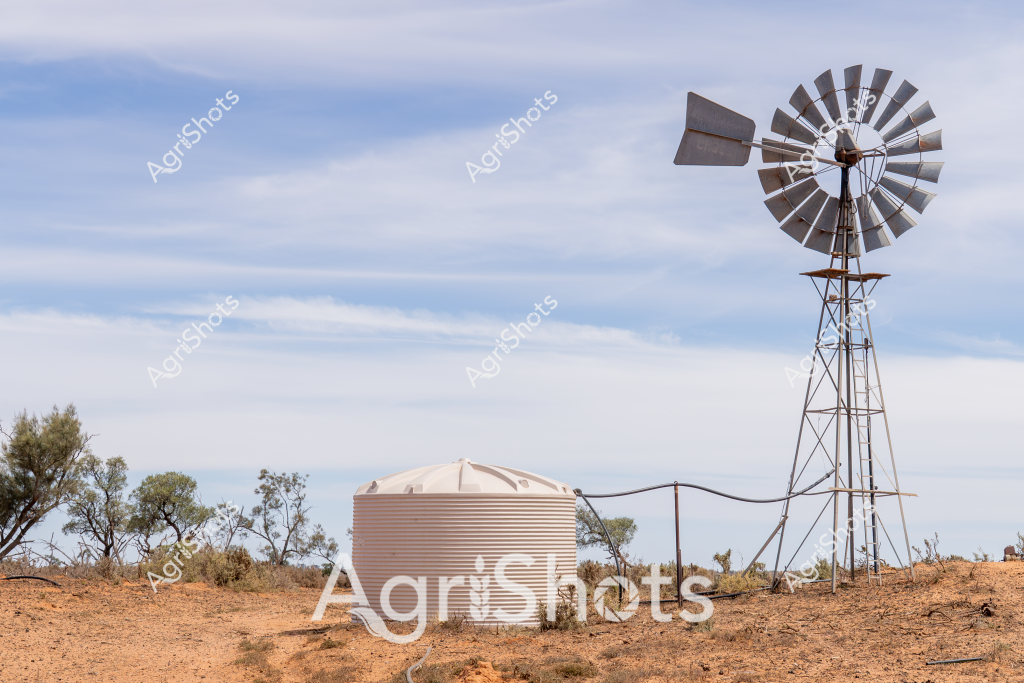
A classic Australian rural landscape captures a weathered windmill and water tank in an arid, drought-affected setting. The tall metal windmill stands prominently against a soft blue sky, its metal blades positioned to catch any available breeze. A corrugated steel water tank sits nearby, providing crucial water storage for the surrounding sparse landscape. Scattered native scrub and sparse trees dot the reddish-brown earth, highlighting the challenging environmental conditions typical of inland Australia. The scene embodies the resilience of rural infrastructure, with the windmill representing generations of agricultural adaptation to harsh, dry environments. The muted color palette of dusty browns, soft blues, and silvery metal tones speaks to the austere beauty of Australia's agricultural heartland.
 Image
Image
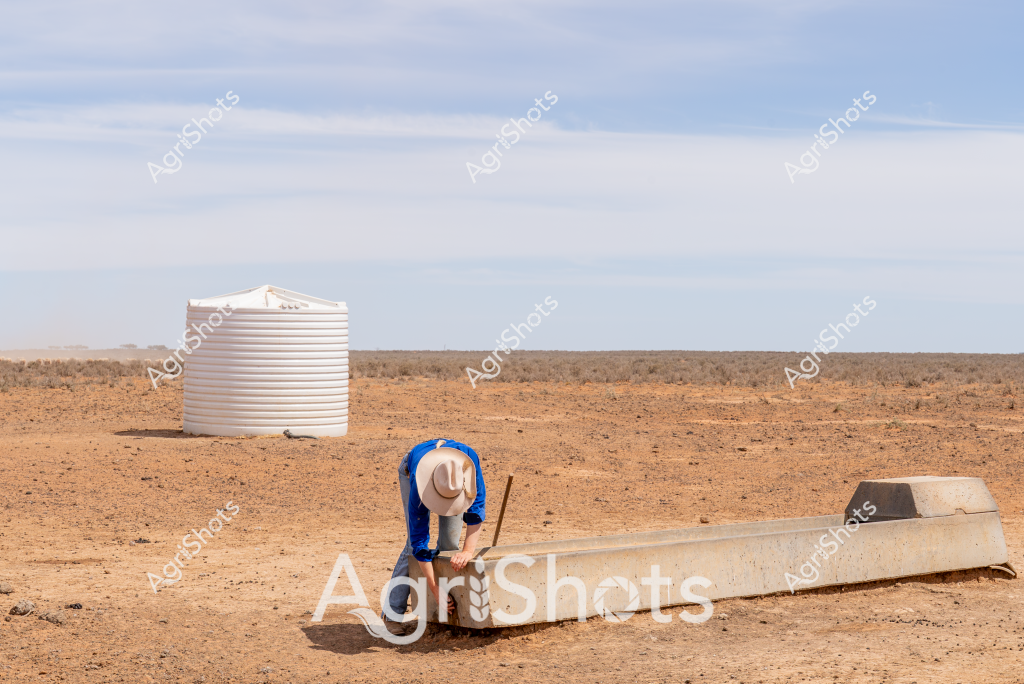
A man in a blue shirt and wide-brimmed hat bends over a concrete water trough in a sun-baked, arid landscape. The expansive paddock stretches to a distant horizon, with sparse, dry vegetation covering the reddish-brown earth. A large white water tank stands sentinel nearby, highlighting the critical importance of water infrastructure in this harsh, drought-affected environment. The scene captures the challenging conditions faced by farmers in rural Australia, with the lone figure working diligently to maintain essential water resources for livestock or agricultural needs. The pale blue sky and flat, open terrain emphasize the isolation and resilience required in such remote agricultural settings.
 Image
Image
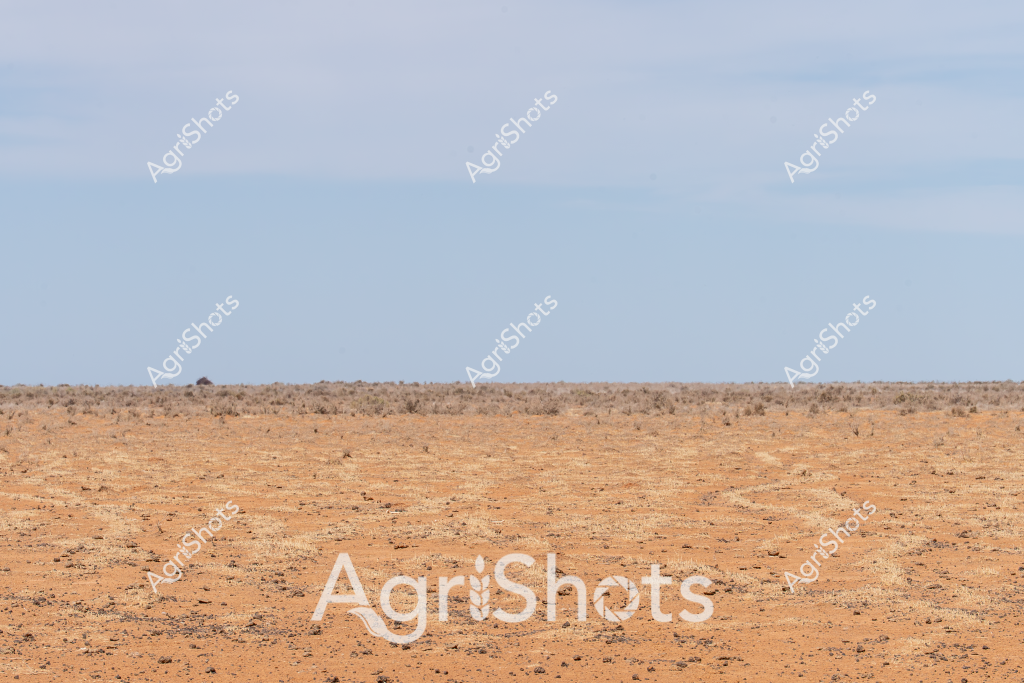
A barren, rust-colored landscape stretches beneath a pale blue sky, depicting an arid agricultural region experiencing severe drought conditions. The ground is parched and rocky, with sparse scattered low shrubs and minimal vegetation, creating a stark testimony to the harsh environmental challenges faced by Australian farmers. Small stones and compacted earth dominate the foreground, revealing a landscape that has been stripped of moisture and vitality. The horizon line is flat and uninterrupted, emphasizing the expansive and unforgiving nature of this drought-affected terrain. This image powerfully illustrates the environmental stress and resilience required in Australian agricultural landscapes, where farmers must constantly adapt to extreme climatic conditions. The scene captures the raw, uncompromising reality of drought - a critical challenge for agricultural production in Australia's interior regions. The monochromatic palette of burnt orange, dusty brown, and pale blue communicates the severity of water scarcity and its profound impact on rural ecosystems and agricultural sustainability.
 Image
Image
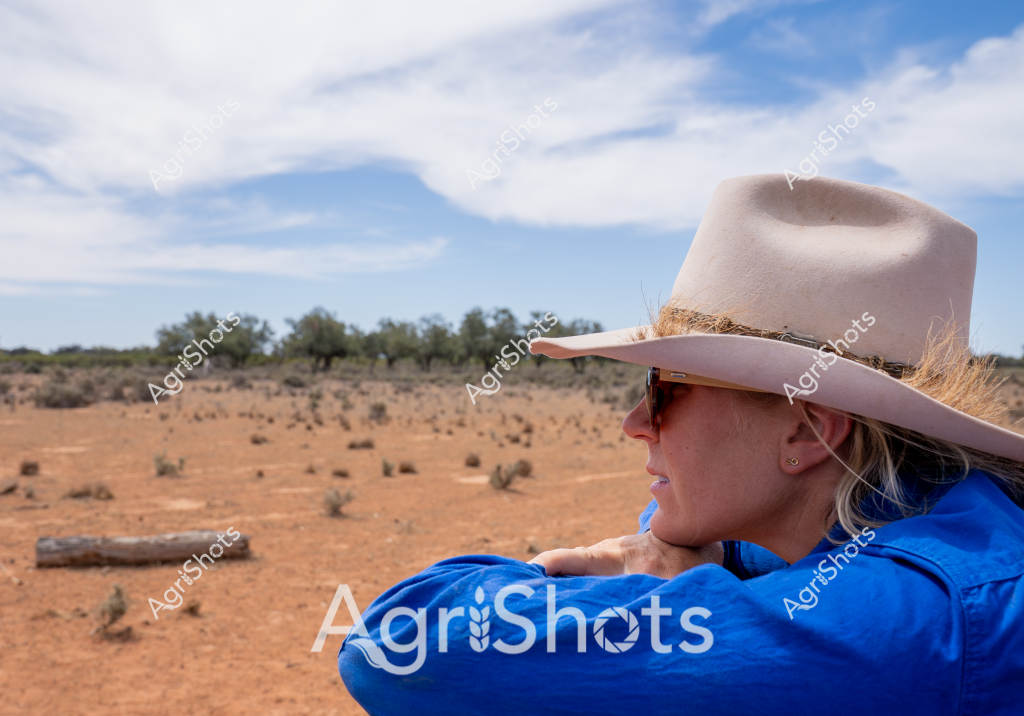
A woman wearing a light-colored wide-brimmed hat and sunglasses surveys a dry, rocky Australian outback landscape from a vantage point. Dressed in a bright blue long-sleeved shirt, she looks pensively across a rust-colored terrain scattered with sparse scrub vegetation and occasional rocks. The expansive sky overhead is a soft blue with wispy white clouds, suggesting a typical arid region scene. The landscape appears parched and rugged, characteristic of inland Australian pastoral regions, with scattered low bushes and a distant treeline indicating a remote station or grazing property. Her posture and attire suggest she is likely a station worker or rural professional observing the condition of the land, embodying the resilient spirit of Australian rural workers.
 Image
Image
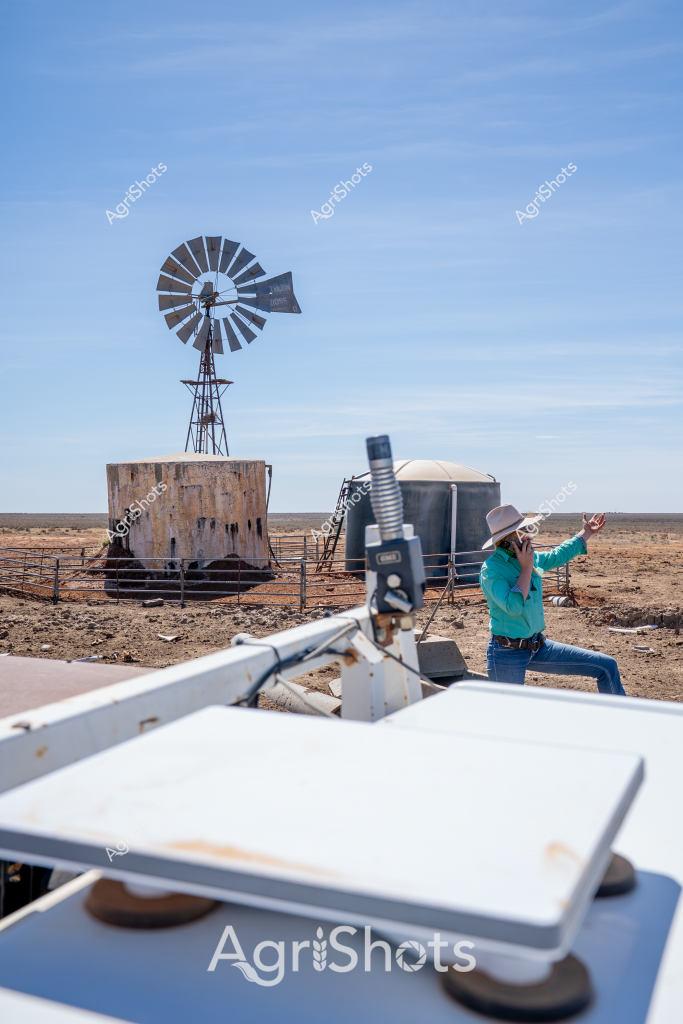
A woman in a teal shirt and wide-brimmed hat stands near a classic windmill and water tank in a stark, arid landscape. The windmill's metal blades rise against a clear blue sky, positioned next to a weathered cylindrical water tank enclosed by a metal fence. In the foreground, scientific or surveying equipment is visible, suggesting the woman is conducting environmental or agricultural research in this remote, dry terrain. The landscape appears to be a typical Australian outback scene - flat, dusty ground stretching to a distant horizon, with minimal vegetation indicating challenging drought conditions. The bright turquoise of the woman's shirt provides a vivid contrast to the muted browns and grays of the surrounding environment, highlighting human presence in this harsh but essential agricultural setting.
 Image
Image
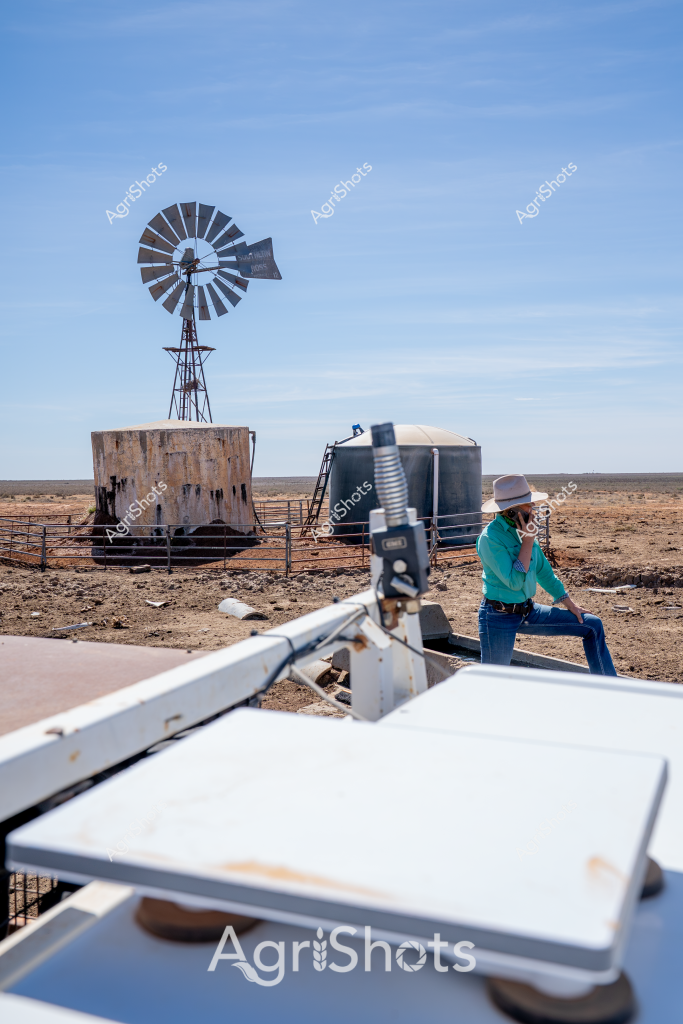
A windmill and water storage setup dominates this arid rural landscape, capturing the essence of remote Australian farming infrastructure. A person wearing a turquoise shirt and a wide-brimmed hat sits contemplatively near water tanks, surrounded by a stark, dusty terrain that stretches to a flat horizon under a clear blue sky. An old metal windmill stands prominently, its multiple blades positioned to catch even the slightest breeze, alongside a weathered concrete water storage tank enclosed by metal fencing. The scene epitomizes the resilience of agricultural operations in harsh, dry environments, where water management is critical for survival. Rusted equipment and minimal vegetation underscore the challenging conditions of this remote agricultural setting, highlighting the technological adaptations farmers use to sustain operations in Australia's unforgiving outback landscape.
 Image
Image
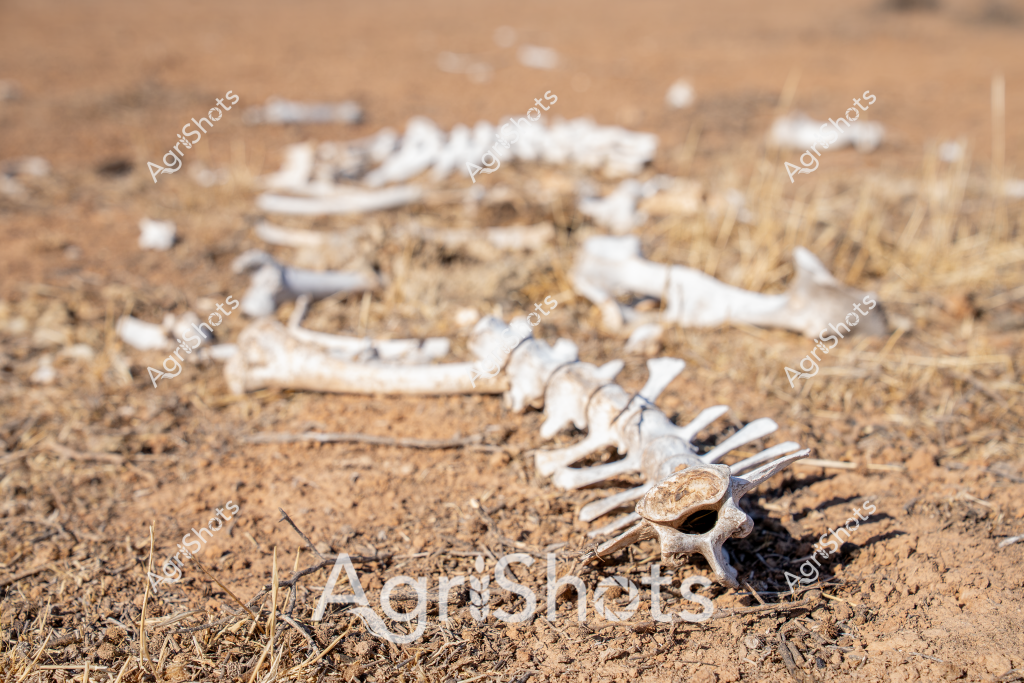
A haunting scene of scattered animal skeletal remains lies across a dry, dusty landscape with sparse grasses and sandy-brown earth. The bleached white bones are arranged in a fragmented, disarticulated pattern, suggesting the skeletal remains of a single animal that has decomposed over time. The stark white bones contrast sharply against the muted tan and brown tones of the ground, creating a poignant visual representation of environmental harshness and the cycle of life and death in an arid ecosystem. Each vertebra, rib, and bone fragment is weathered and sun-bleached, indicating prolonged exposure to the elements. The image evokes a sense of desolation and the unforgiving nature of drought-affected landscapes, where survival is a constant struggle and life can quickly fade into these fragile, skeletal reminders.
 Image
Image
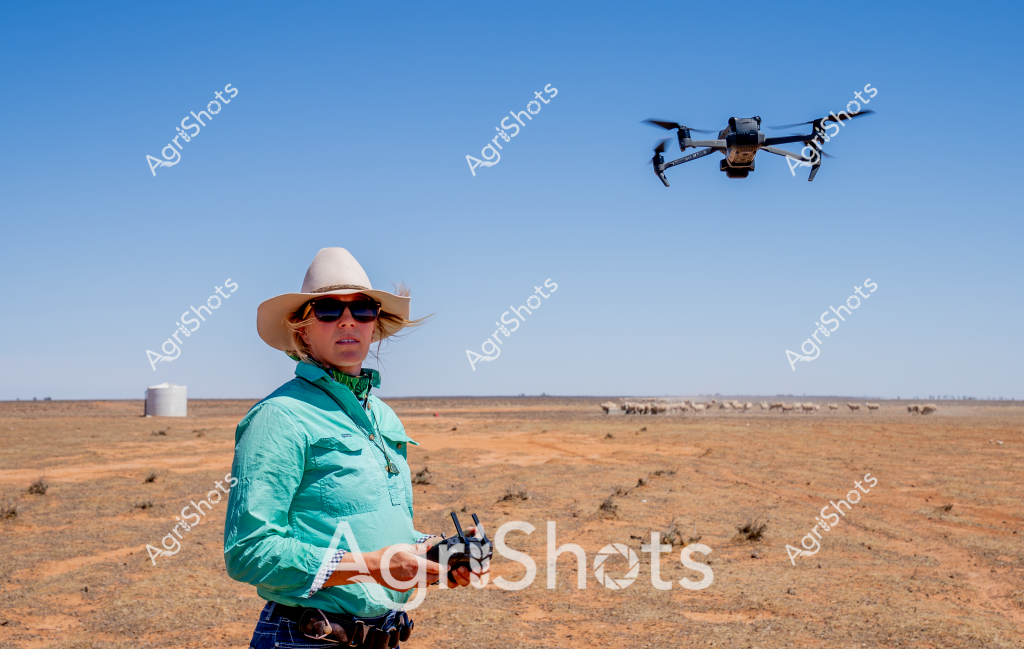
A woman agricultural worker operates a drone in a dry, expansive outback landscape, surveying livestock and monitoring farm conditions. Wearing a light turquoise long-sleeved shirt, a wide-brimmed sun hat, and sunglasses, she stands confidently in the arid terrain, controlling a quadcopter drone hovering above the reddish-brown earth. In the distant background, a small white water tank and a scattered herd of cattle can be seen, highlighting the remote and challenging agricultural environment. The clear blue sky and sparse, scrubby vegetation emphasize the harsh conditions of this rural Australian setting. The drone provides a critical tool for modern farm management, allowing for aerial surveillance and data collection across vast, hard-to-access properties.
 Image
Image
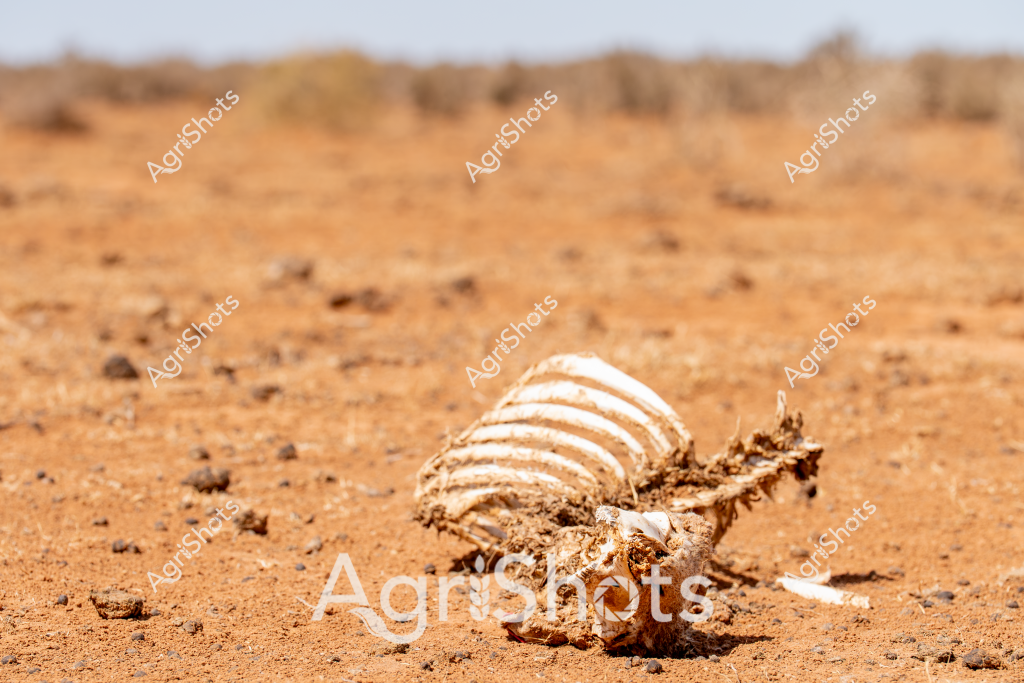
A bleached animal skeleton lies partially decomposed on a dry, reddish-orange desert landscape, revealing the stark ribcage and skeletal structure against the arid, rocky ground. The parched earth surrounding the bones is cracked and barren, with sparse vegetation and distant shrubs indicating an extreme drought environment typical of Australia's interior regions. Weathered and sun-bleached, the skeletal remains tell a grim story of survival and the unforgiving nature of the outback's harsh conditions. The monochromatic palette of rust-colored soil and white bone fragments creates a haunting visual that captures the raw, unrelenting reality of life and death in an uncompromising landscape. This image powerfully illustrates the challenging environmental conditions that test the resilience of both wildlife and agricultural systems in Australia's most arid zones.
 Image
Image
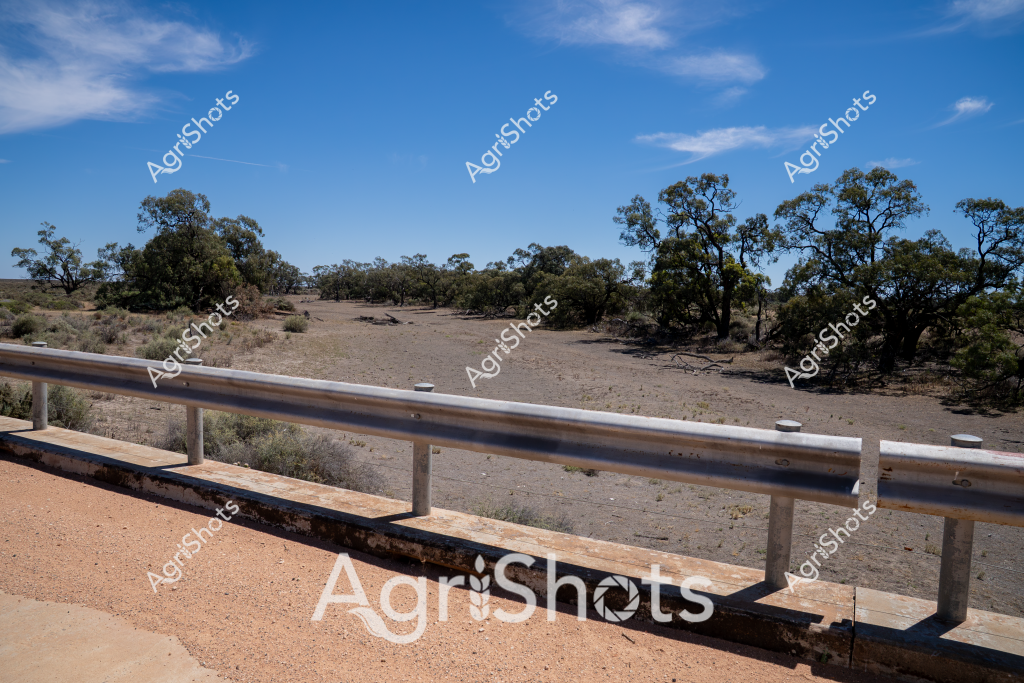
A dry, drought-affected landscape reveals the challenging environmental conditions of an Australian rural setting. Sparse trees and scrubby vegetation dot the dusty terrain, with a metal guardrail in the foreground marking what appears to be a rural road or access track. The ground is parched and cracked, with a pale brown earth tone stretching across the paddock, punctuated by scattered eucalyptus trees with their characteristic silvery-green foliage. The sky is a brilliant clear blue with wispy white clouds, providing a stark contrast to the arid landscape below. This scene captures the harsh reality of drought conditions in the Australian outback, where the land appears stressed and water-starved, highlighting the ongoing environmental challenges faced by rural and agricultural communities. The landscape suggests this is likely an area in western New South Wales or inland Queensland, where prolonged dry periods can dramatically transform the natural environment. The guardrail provides a sense of scale and human presence, though no people are visible in this stark representation of agricultural resilience in the face of challenging climatic conditions.
 Image
Image
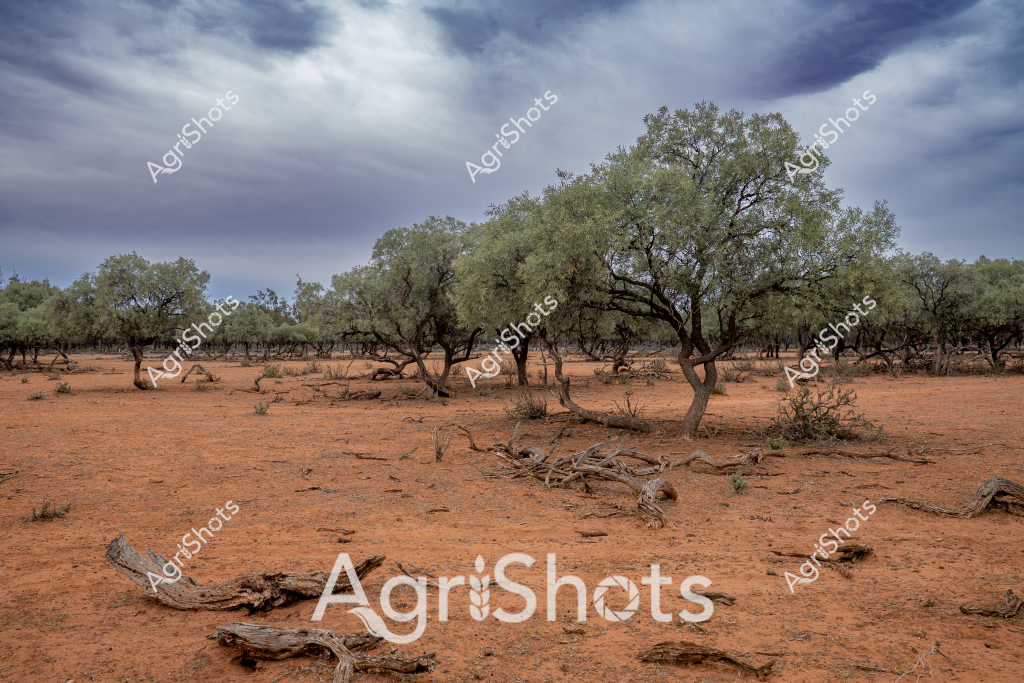
A stark olive grove stands resilient amid a harsh, rust-colored landscape under a brooding storm sky. Gnarled and weathered olive trees with silvery-green foliage are spaced across the parched, cracked earth, their twisted branches testament to years of survival in challenging conditions. Fallen branches and dried woody debris scatter across the ground, emphasizing the severe drought-like environment. Thunderclouds gather overhead in deep slate and gray tones, creating a dramatic backdrop that highlights the landscape's arid, unforgiving nature. The reddish soil speaks to the mineral-rich but water-starved terrain typical of Australia's challenging agricultural regions. This image powerfully captures the resilience of agricultural landscapes during prolonged dry periods, where trees and vegetation maintain a delicate balance of survival against harsh environmental conditions.
 Image
Image
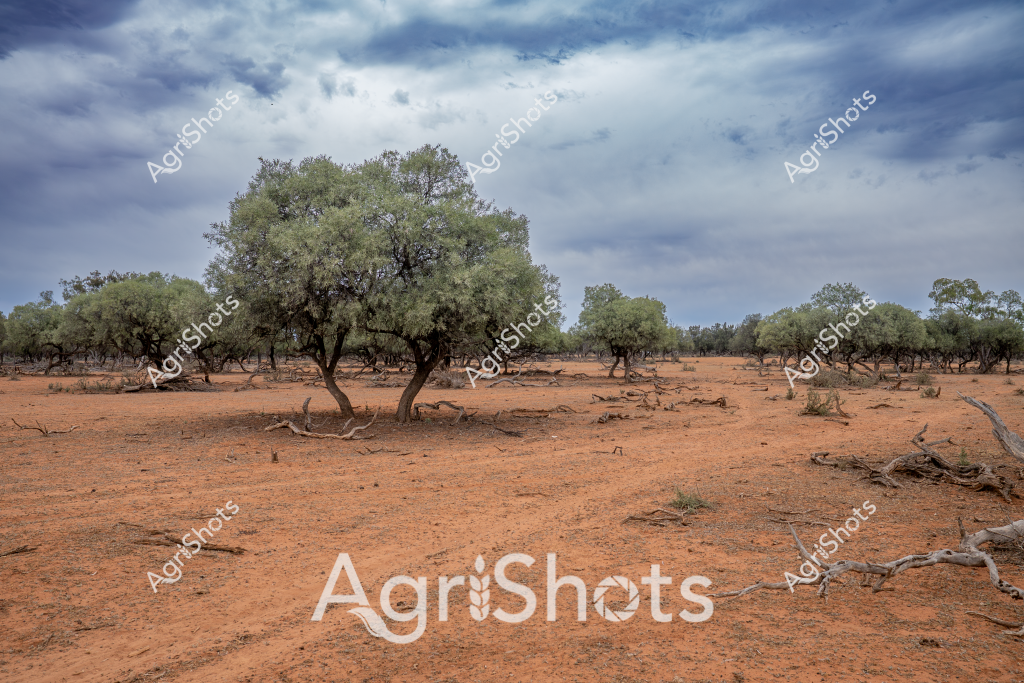
A stark landscape of drought-affected terrain dominates this image, with sparse olive-green trees standing resilient against a moody, cloud-laden sky. The ground is a rich, rusty-orange soil punctuated by scattered dead branches and minimal ground cover, revealing the harsh conditions of an arid agricultural region. Mature trees with silvery-green foliage are sparsely distributed across the landscape, their twisted trunks and broad canopies suggesting years of survival in challenging environmental conditions. The dramatic sky, filled with layered blue-gray clouds, adds a sense of atmospheric tension to the scene, highlighting the precarious balance between survival and environmental stress in this Australian agricultural landscape. The barren ground and weathered trees eloquently communicate the ongoing challenges of farming in drought-affected regions, where resilience is measured in the ability of vegetation to endure and persist against seemingly insurmountable conditions.
 Image
Image
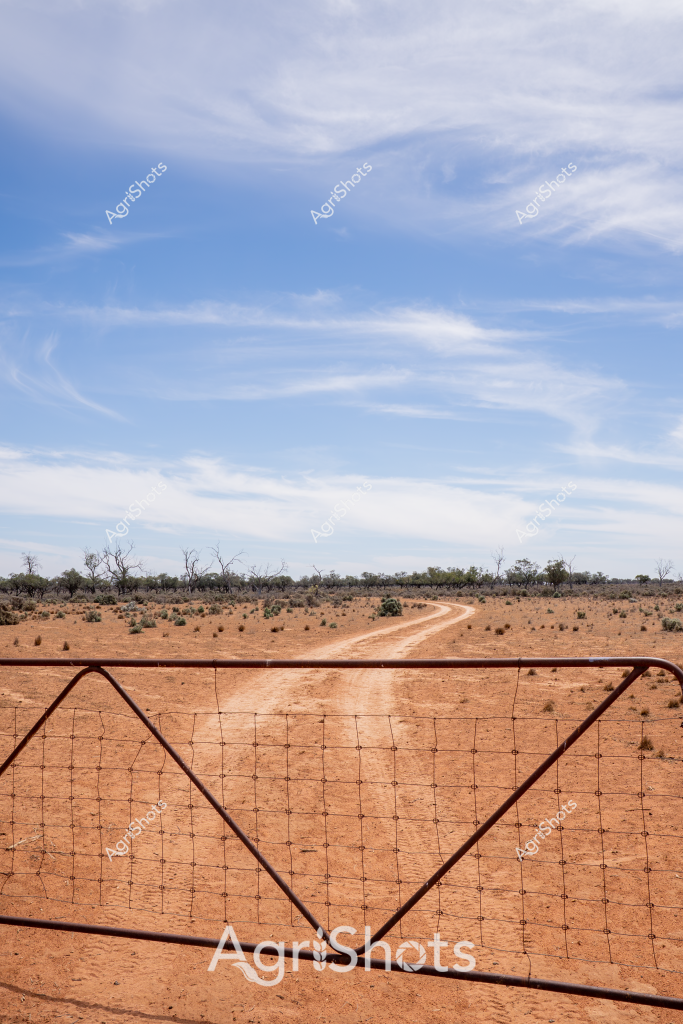
A stark rural landscape captures the essence of the Australian outback, with a rusty farm gate framing a sweeping dirt track across a dry, ochre-colored paddock. Sparse vegetation and scattered dead trees punctuate the arid horizon, creating a textural landscape that speaks to the challenging conditions of the region. Wispy cirrus clouds stretch across a pale blue sky, suggesting the intense heat and limited rainfall characteristic of inland Australia. The weathered farm gate, constructed of metal mesh and robust steel poles, stands as a symbol of resilience in this unforgiving environment. The dirt track winds through the landscape, disappearing into a distant treeline, hinting at the vast distances and isolation of rural agricultural regions. The scene embodies the harsh beauty of Australian dryland farming, where survival requires strength and adaptability.
 Image
Image
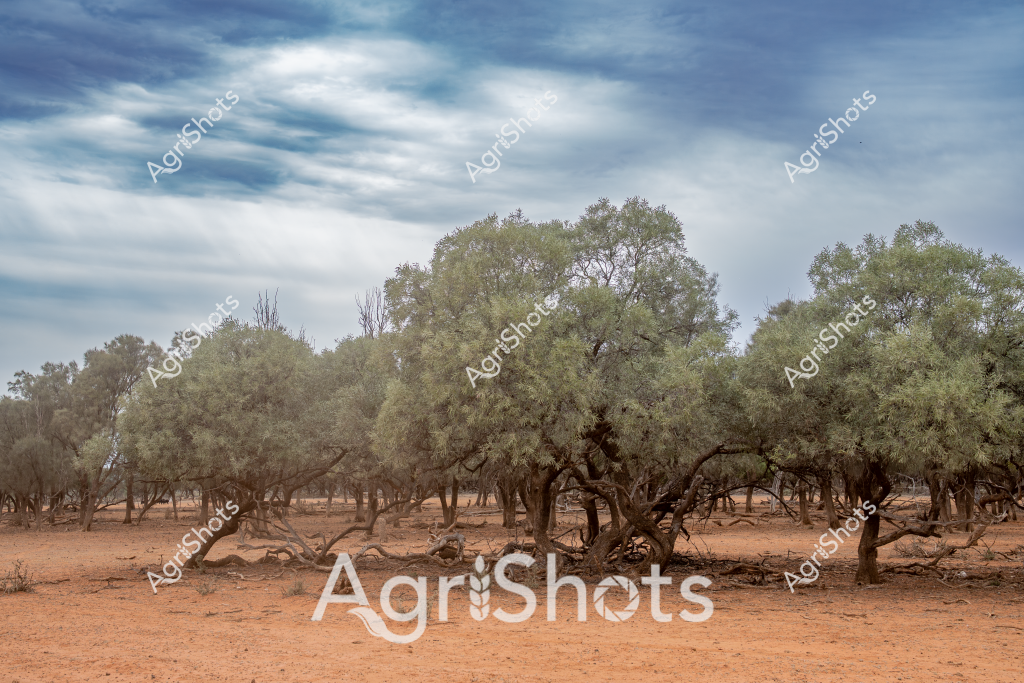
A gnarled grove of olive trees stands resilient in a stark, arid landscape, their silvery-green foliage contrasting dramatically with the rich terracotta-colored earth. The trees exhibit twisted, weathered branches that speak to years of surviving harsh drought conditions, their roots anchored deeply into the parched ground. Clouded blue skies drift overhead, creating a moody backdrop that emphasizes the landscape's challenging environment. The trees are spaced deliberately, suggesting this is likely an olive plantation in one of Australia's more arid agricultural regions, possibly in Western Australia or South Australia. The scene powerfully captures the resilience of Australian agricultural landscapes, where farmers and plant life alike must adapt to extreme and unforgiving conditions. The muted color palette of dusty browns, soft greens, and steel-blue skies creates a sense of both fragility and endurance characteristic of rural Australian ecosystems.
 Image
Image
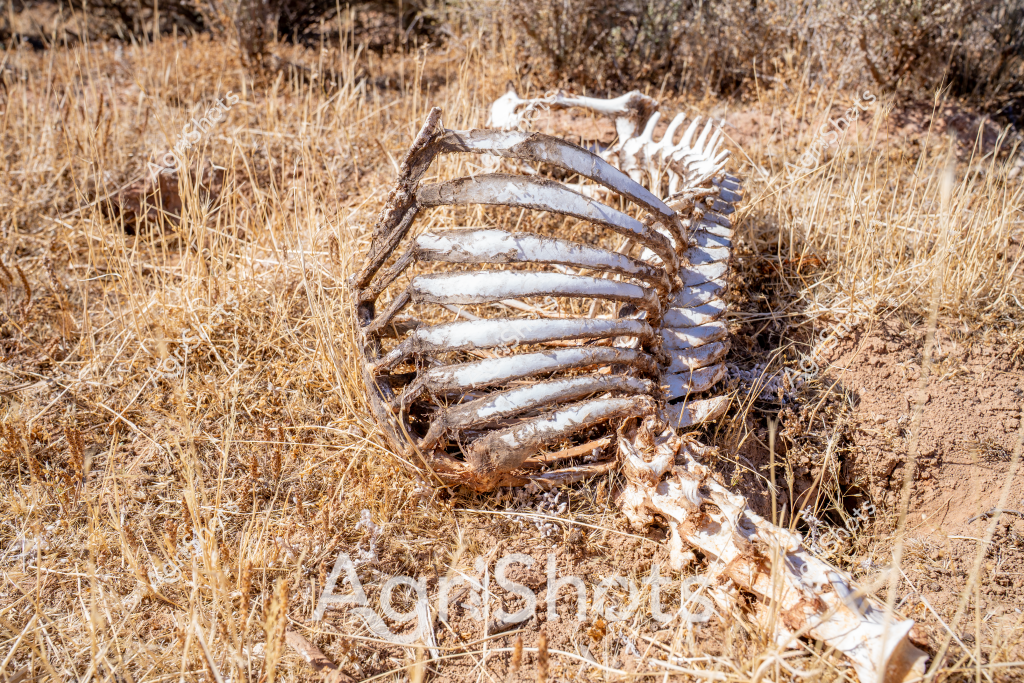
A skeletal ribcage of an animal, likely a large mammal, lies decomposing in dry golden grassland. The bleached white bones are fully exposed, with the curved ribs still connected to the spine, creating an arc-like structure against the sun-dried grass and sparse shrubs. The skeletal remains appear weathered and bleached by extended exposure to the elements, suggesting this is an arid or semi-arid landscape typical of Australian outback or pastoral regions. Scattered around the bones are tufts of dry, straw-colored grass, indicating a potentially drought-affected environment where vegetation is sparse and brittle. The stark white of the bones contrasts sharply with the muted browns and tans of the surrounding landscape, creating a powerful visual representation of the harsh ecological conditions and the cyclical nature of life and death in challenging agricultural terrain.
 Image
Image
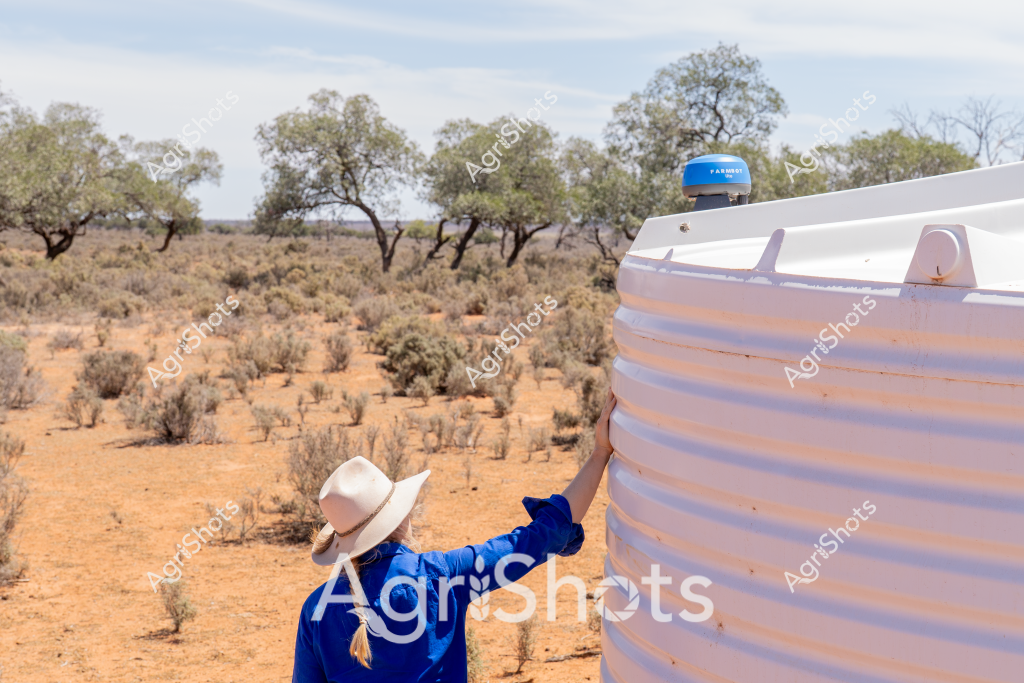
A woman wearing a blue shirt and a wide-brimmed sun hat stands beside a large white water tank in a dry, arid Australian landscape. Sparse trees and low scrubby bushes stretch across the dusty, reddish-brown terrain, typical of an inland pastoral region. The water tank appears to be a critical resource in this harsh environment, with a blue sensor or monitoring device mounted on its top. The scene captures the challenging conditions of rural Australian agriculture, where water storage is essential for survival in drought-prone areas. The woman's posture suggests she is checking or maintaining the water infrastructure, highlighting the ongoing management required in such remote and challenging landscapes.
 Image
Image
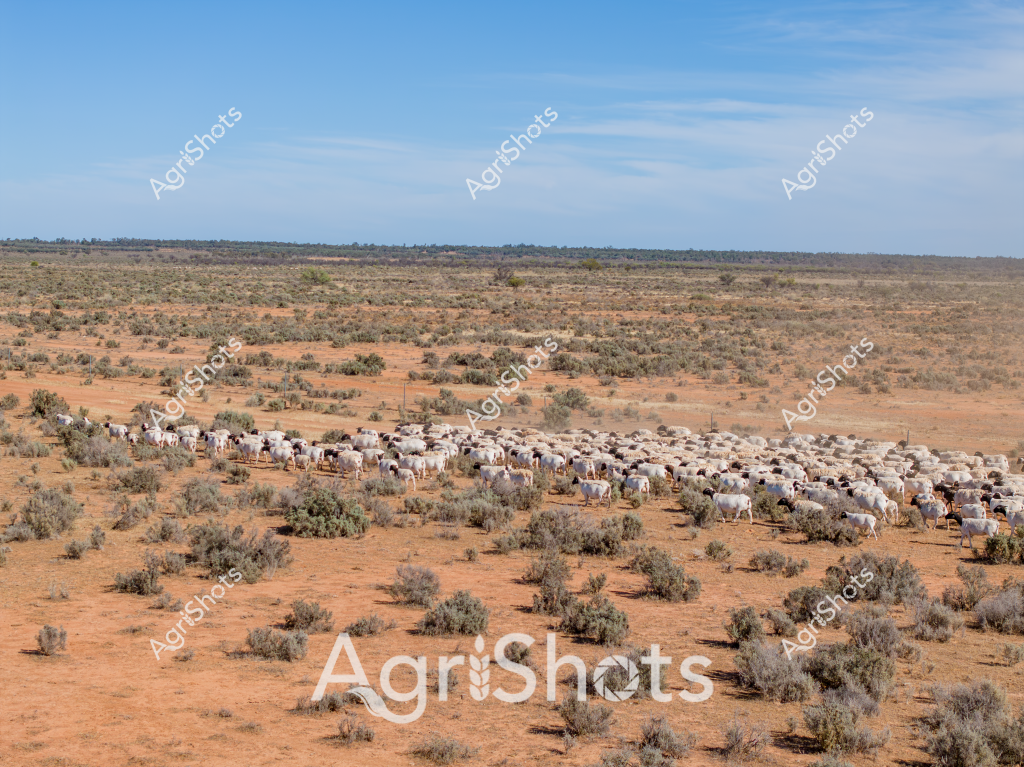
A large mob of white cattle graze across a vast, arid landscape in the Australian outback, their pale bodies standing out against the rusty orange soil and scattered gray-green scrubland. The expansive scene depicts a typical pastoral setting, with low saltbush and sparse vegetation stretching to a distant horizon under a soft blue sky. These appear to be Brahman or Brahman-cross cattle, well-adapted to the harsh conditions of Australia's inland regions, clustered together for protection and foraging across the dry pastoral station country. The landscape speaks to the challenging environmental conditions of central Australia, where livestock management requires resilience and strategic grazing practices. The wide-open terrain showcases the immense scale of Australian cattle stations, where herds roam across thousands of hectares of seemingly endless, rugged terrain.
 Image
Image
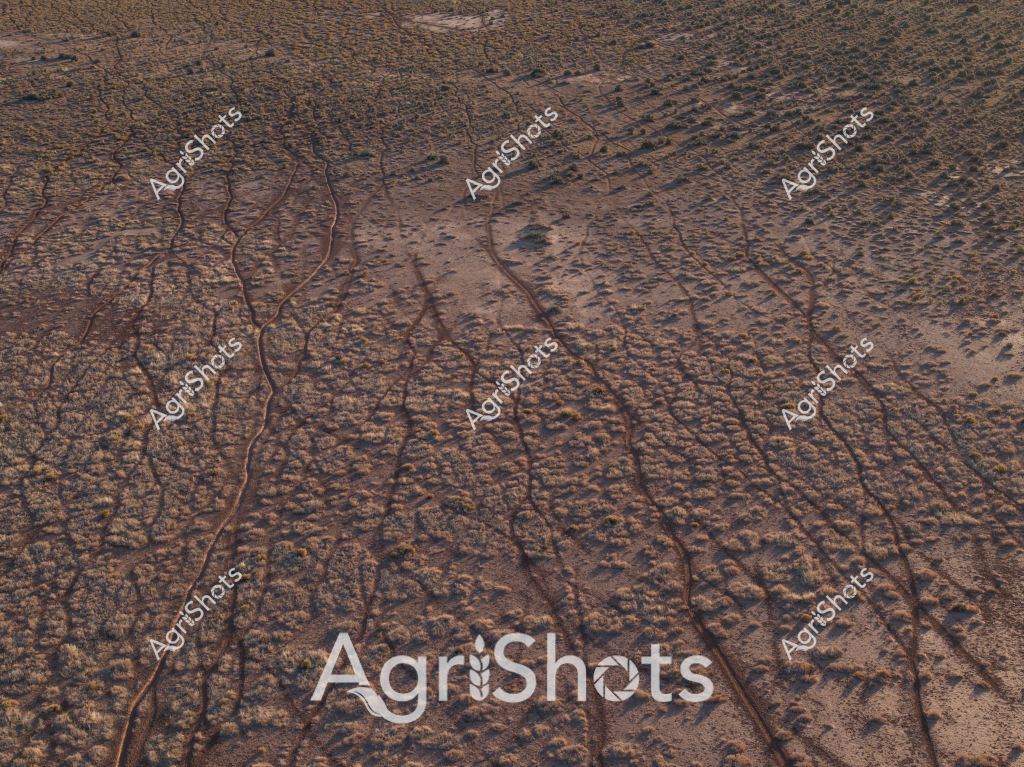
This image reveals a stark, drought-affected landscape characterized by cracked, parched earth with intricate patterns of dried mud and sparse vegetation. The terrain appears completely arid, with a textured surface of brown and reddish-tan tones creating a mosaic of deep cracks and weathered ground. Thin, serpentine lines trace across the landscape, likely dried-up water channels or erosion patterns, highlighting the extreme dryness of the environment. The ground looks heavily desiccated, with a tight, compressed texture that suggests prolonged lack of moisture. This aerial view captures the harsh reality of drought conditions, where the earth has been baked and fractured by intense heat and absence of rainfall, presenting a raw and unforgiving agricultural landscape typical of Australia's more challenging environmental regions. The image powerfully illustrates the impact of drought on agricultural lands, showing how the ground becomes a network of interconnected cracks and dried-out surfaces, transforming what was once potentially fertile ground into a challenging terrain for farming and livestock management. The monochromatic palette of browns and tans emphasizes the severity of the environmental stress, serving as a stark visual document of the climate challenges faced by Australian farmers and land managers.
 Image
Image
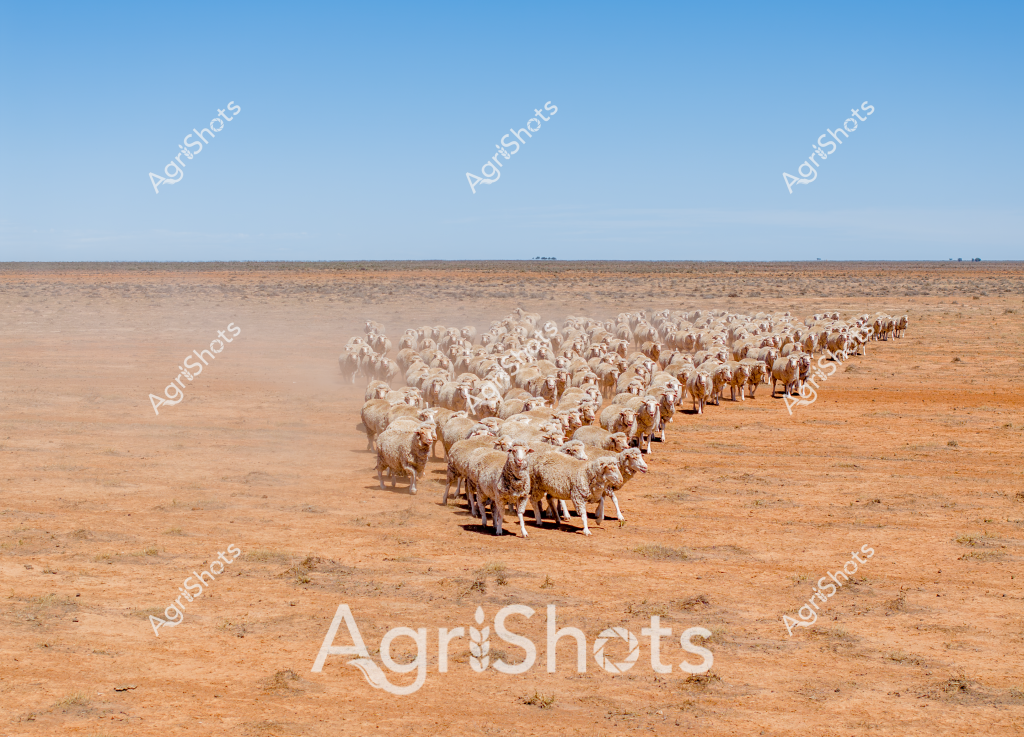
A large flock of Merino sheep stands tightly grouped in a stark, rust-colored landscape under a clear blue sky, showcasing the challenging conditions of an Australian outback station. The woolly white and cream-colored sheep create a dense, uniform mass against the arid, dusty ground, highlighting the resilience of both the animals and the agricultural enterprise. Sparse, low vegetation dots the surrounding terrain, emphasizing the harsh, dry environment typical of inland Australia. The sheep appear well-maintained, their thick fleeces suggesting they are being carefully managed despite the challenging drought-like conditions. The expansive horizon and flat landscape create a sense of isolation and vastness characteristic of large Australian pastoral properties. This image captures the essence of extensive sheep farming in Australia's challenging interior regions, where livestock management requires skill, persistence, and adaptation to extreme environmental conditions.
 Image
Image
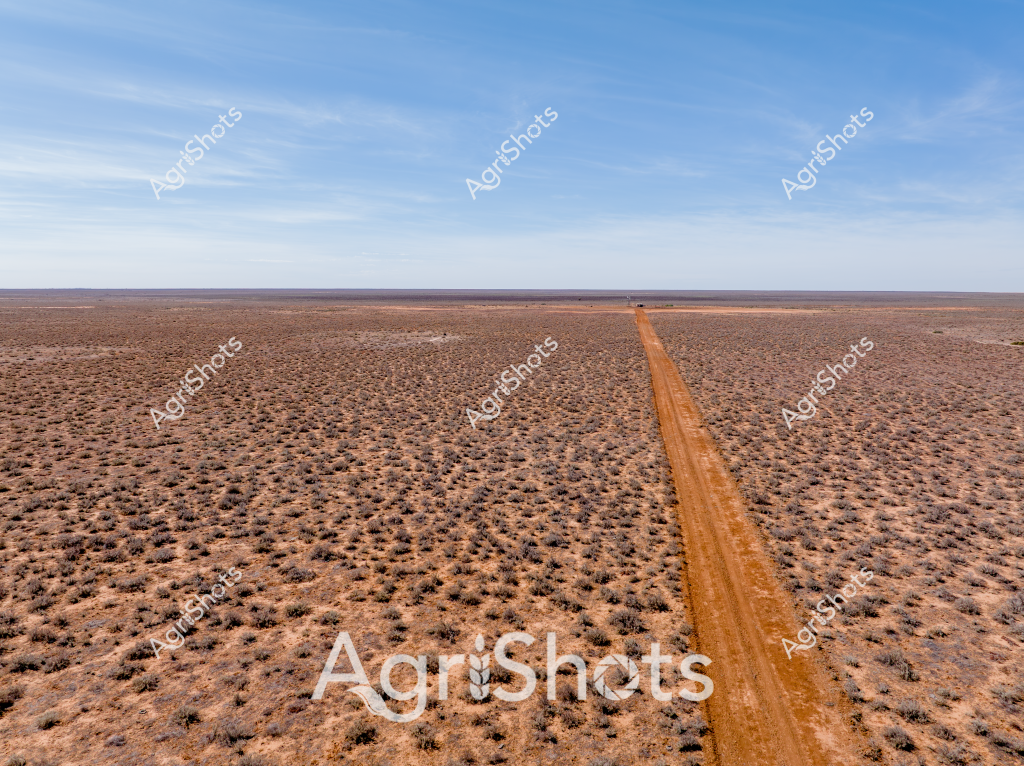
A stark aerial view captures the expansive, arid landscape of the Australian interior, where a long, rust-colored dirt track cuts a perfectly straight line through a sparse, rocky terrain. The landscape is dominated by reddish-brown earth scattered with low, weathered shrubs, creating a textured surface that stretches to the horizon. Wispy clouds drift across a pale blue sky, emphasizing the immense emptiness and isolation of this remote region. The dirt road provides the only visible sign of human intervention, stretching like a precise line drawn across the rugged, drought-affected landscape. The image powerfully illustrates the challenging environmental conditions of Australia's outback, where vast, seemingly endless spaces are punctuated only by the most minimal signs of human presence or infrastructure. The scene evokes the resilience required to traverse and survive in such a harsh, unforgiving environment, where the landscape itself becomes a testament to the extreme conditions of Australia's interior regions.
 Image
Image
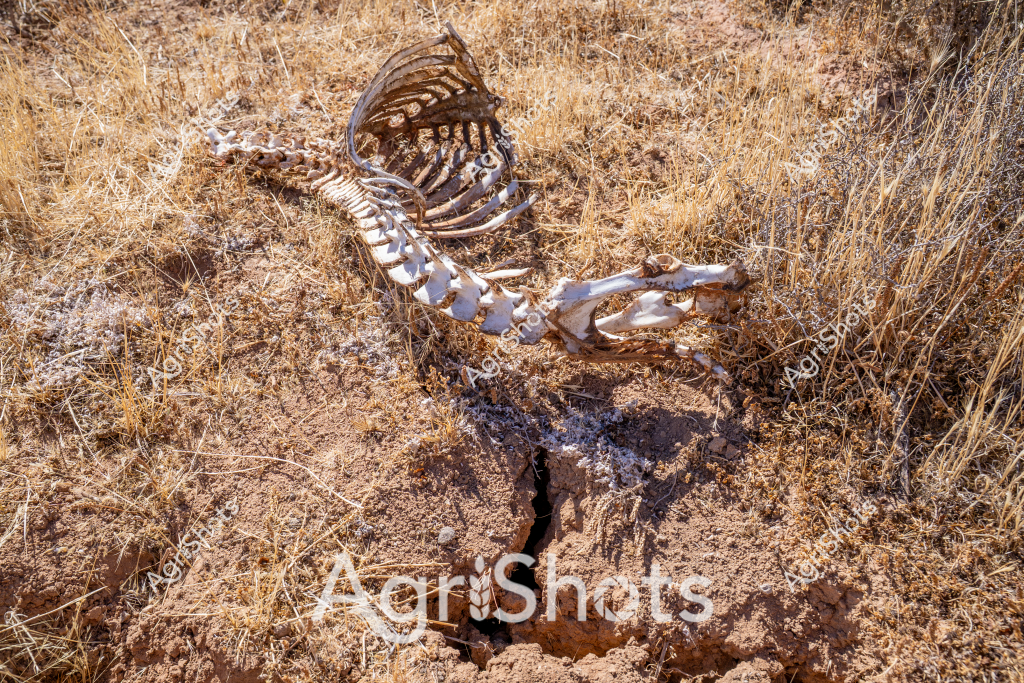
A skeletal remains of an animal lies exposed in a dry, golden grassland, partially nestled in a small eroded ground crack. The bleached white bones are fully articulated, showing the complete skeletal structure from skull to tail, with the ribcage prominently curved and limbs extended. Surrounding the skeleton is a landscape of drought-parched grass in shades of tan and brown, with sparse, weathered vegetation indicating harsh environmental conditions. The skeletal remains appear to have been naturally exposed by environmental processes, suggesting a potentially long period of decomposition in this arid setting. The stark white bones create a striking contrast against the muted, sun-bleached landscape, offering a raw and unfiltered glimpse of the natural cycle of life and death in an unforgiving ecosystem.
 Image
Image
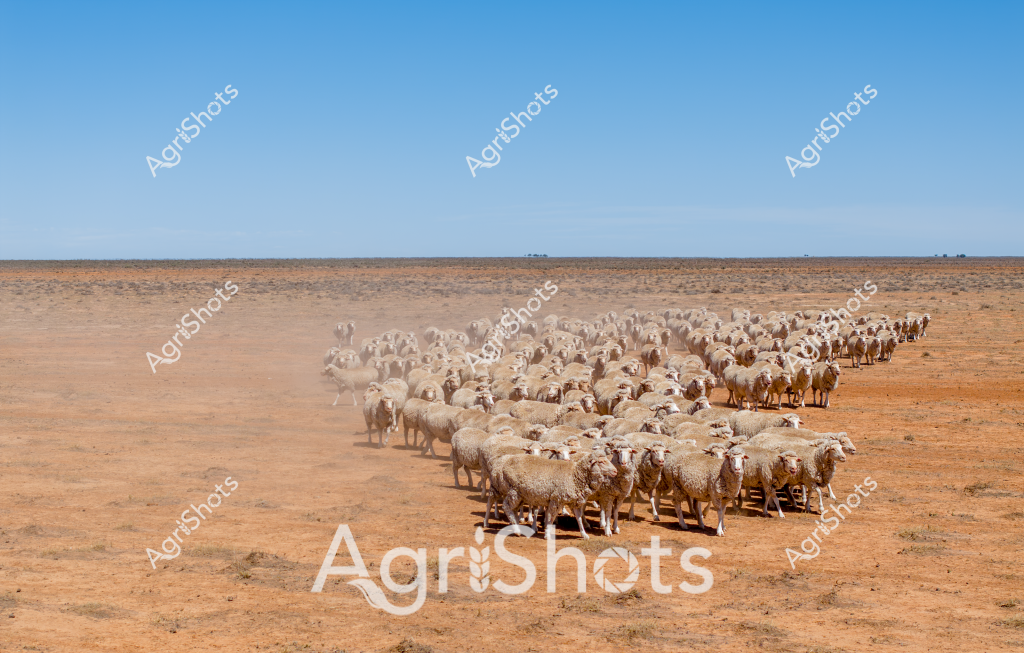
A large flock of Merino sheep traverses a dry, expansive pastoral landscape under a clear blue sky, kicking up dust as they move across the arid terrain. The densely packed mob of woolly sheep creates a tight, uniform group stretching across the ochre-colored ground, highlighting the resilience of Australian sheep farming in challenging drought conditions. The barren paddock extends to a distant horizon, with minimal vegetation and a stark landscape that emphasizes the harsh environmental conditions these livestock must endure. Dust billows around the sheep's legs, creating a misty effect that softens the edges of the flock and underscores the challenging dry environment typical of inland Australian grazing properties. The uniform white-cream coloration of the Merino sheep stands in sharp contrast to the reddish-brown earth, creating a powerful visual representation of Australia's extensive sheep farming industry and its ability to sustain livestock in marginal agricultural lands.
 Image
Image
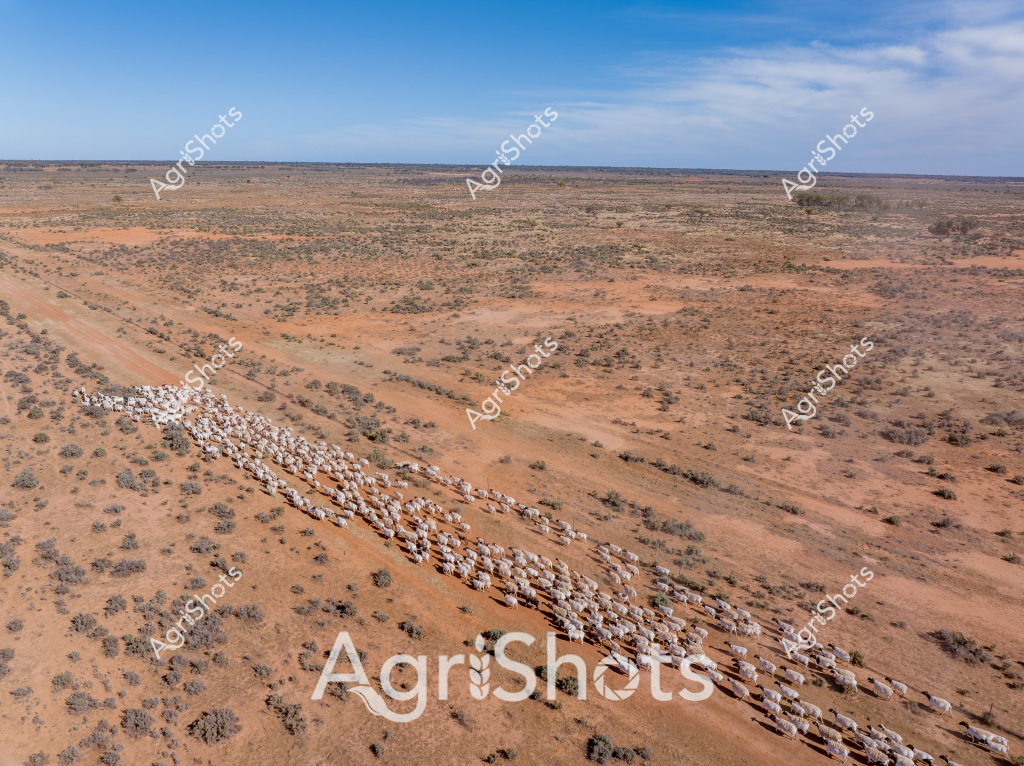
A large herd of white cattle traverses a dusty, arid landscape in the Australian outback, their white coats standing out against the reddish-brown earth and sparse scrubland. The aerial view captures a long, winding mob of livestock moving along a dirt track, surrounded by a classic Australian semi-desert terrain of scattered low bushes and occasional trees. The landscape stretches to a distant horizon under a pale blue sky with wispy clouds, showcasing the vast, open expanses typical of remote pastoral regions. The cattle appear to be moving purposefully, likely being mustered by unseen stockmen across what seems to be a remote cattle station in central Australia. The scene demonstrates the challenging environment of Australian livestock farming, where herds must traverse vast, dry landscapes to find grazing and water. The intricate pattern of the herd's movement creates a striking visual contrast against the ochre and rust-colored ground, highlighting the resilience of both the cattle and the agricultural workers who manage them in these harsh conditions.
 Image
Image
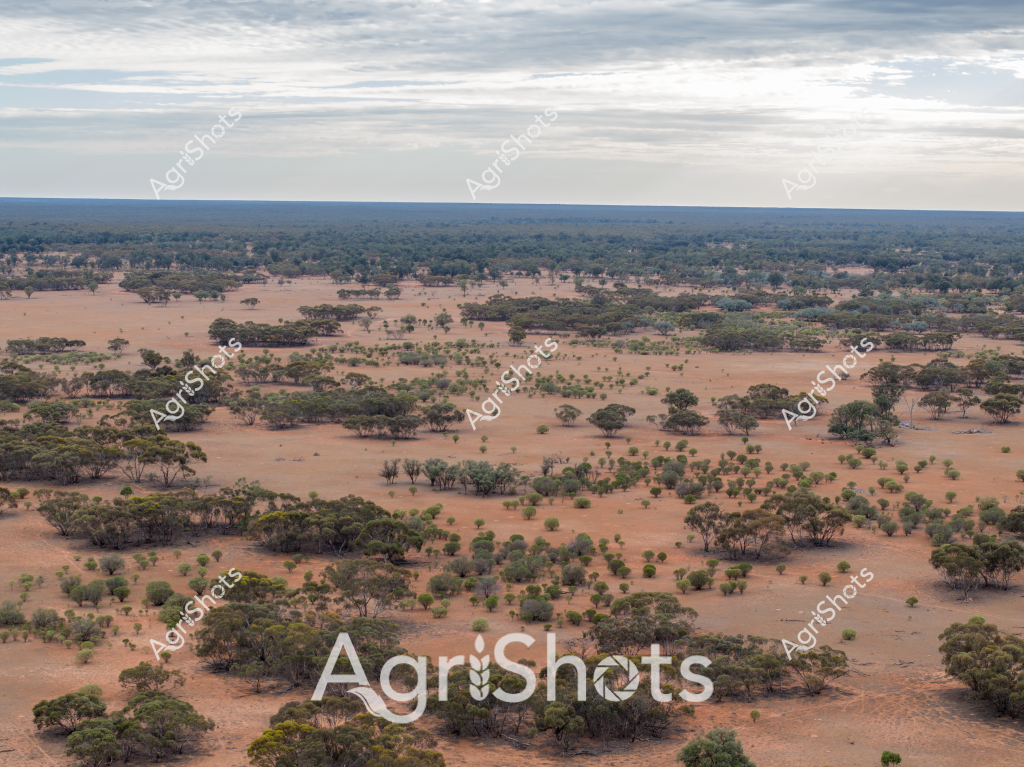
A vast, arid landscape stretches across the horizon, featuring scattered eucalyptus trees and sparse vegetation across a rich terracotta-colored soil. The expansive scene depicts a typical Australian outback landscape, with dense tree clusters breaking up the wide, open terrain under a soft, overcast sky. Multiple layers of vegetation create a textured view, with green trees standing in stark contrast against the dry, reddish-brown ground. Scattered tree groupings punctuate the landscape, showing resilient vegetation adapted to challenging environmental conditions. The image captures the essence of Australia's challenging agricultural environments, where vegetation survives in sparse, strategic clusters across seemingly inhospitable terrain. The wide-angle perspective emphasizes the immense scale and rugged beauty of the Australian landscape, revealing the natural resilience of plant life in a harsh, drought-prone ecosystem.