About this image
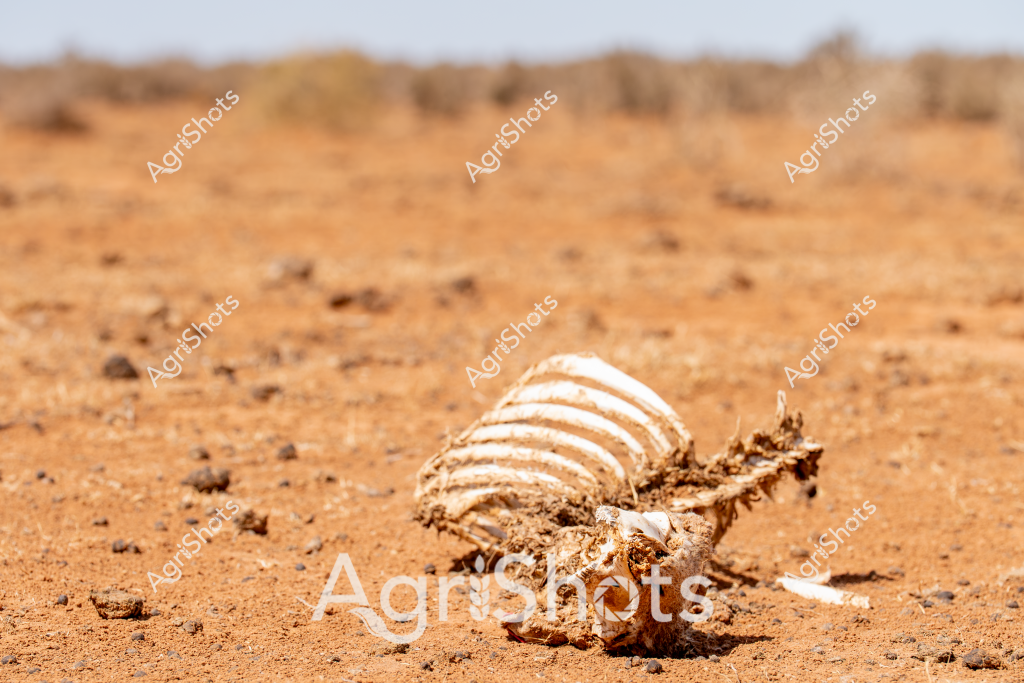
A bleached animal skeleton lies partially decomposed on a dry, reddish-orange desert landscape, revealing the stark ribcage and skeletal structure against the arid, rocky ground. The parched earth surrounding the bones is cracked and barren, with sparse vegetation and distant shrubs indicating an extreme drought environment typical of Australia's interior regions. Weathered and sun-bleached, the skeletal remains tell a grim story of survival and the unforgiving nature of the outback's harsh conditions. The monochromatic palette of rust-colored soil and white bone fragments creates a haunting visual that captures the raw, unrelenting reality of life and death in an uncompromising landscape. This image powerfully illustrates the challenging environmental conditions that test the resilience of both wildlife and agricultural systems in Australia's most arid zones.
Similar media
 Image
Image
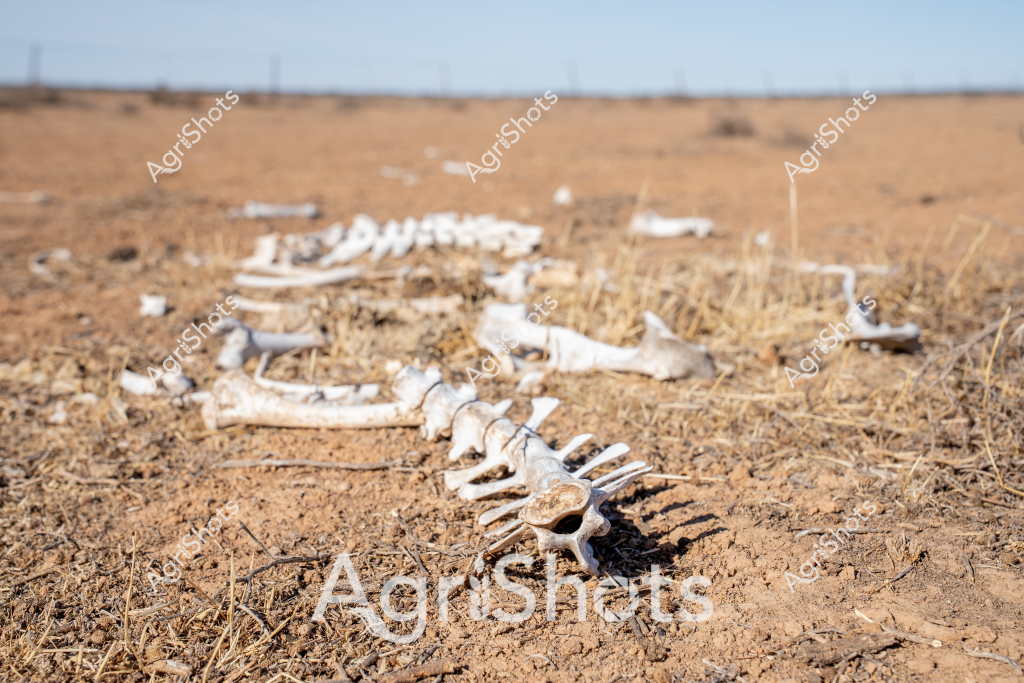
Based on the image and our agricultural stock photography guidelines, here's a detailed description: Skeletal remains of an animal are scattered across a dry, arid landscape, revealing the harsh realities of drought conditions in the Australian outback. Bleached white bones are carefully positioned against the parched, reddish-brown earth, with sparse dry grasses and scattered stones surrounding the skeletal fragments. The barren terrain stretches to a distant horizon, punctuated by faint power lines or fence posts, creating a stark visual representation of environmental stress. The bone structure appears to be from a large mammal, possibly cattle or a large wild animal, with vertebrae and other skeletal elements spread across the ground in a fragmented pattern. The image captures the unforgiving nature of extreme drought, where life struggles to survive and the landscape becomes a bleached memorial to the challenges of survival in Australia's most challenging agricultural regions. The scene powerfully illustrates the impact of prolonged dry conditions on livestock and wildlife, serving as a stark reminder of the environmental challenges faced by Australian farmers and graziers in arid and semi-arid zones.
 Image
Image
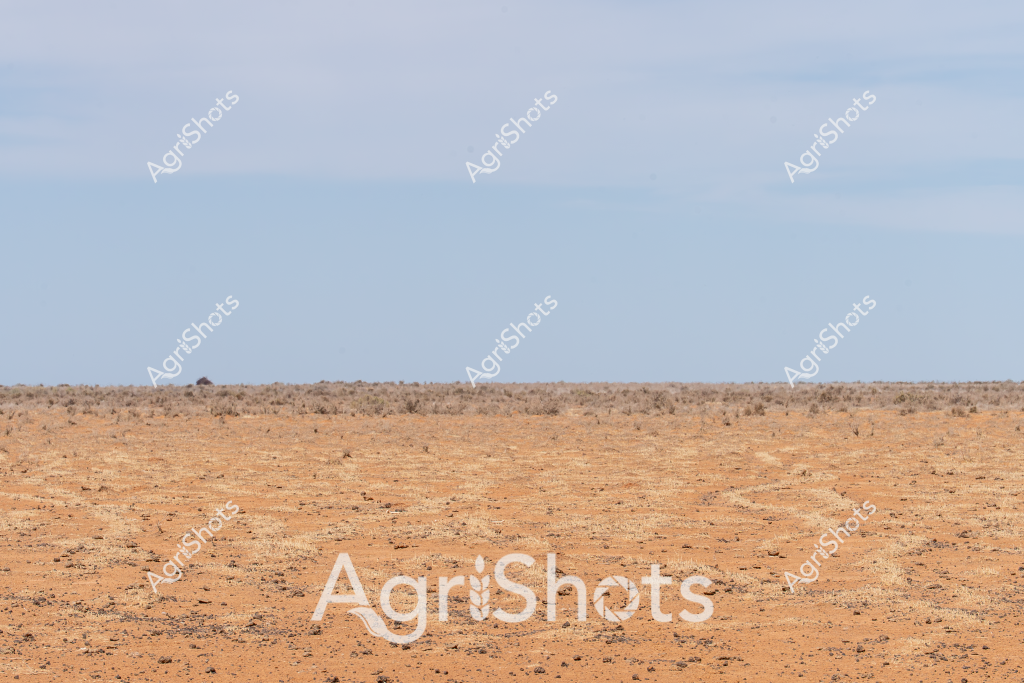
A barren, rust-colored landscape stretches beneath a pale blue sky, depicting an arid agricultural region experiencing severe drought conditions. The ground is parched and rocky, with sparse scattered low shrubs and minimal vegetation, creating a stark testimony to the harsh environmental challenges faced by Australian farmers. Small stones and compacted earth dominate the foreground, revealing a landscape that has been stripped of moisture and vitality. The horizon line is flat and uninterrupted, emphasizing the expansive and unforgiving nature of this drought-affected terrain. This image powerfully illustrates the environmental stress and resilience required in Australian agricultural landscapes, where farmers must constantly adapt to extreme climatic conditions. The scene captures the raw, uncompromising reality of drought - a critical challenge for agricultural production in Australia's interior regions. The monochromatic palette of burnt orange, dusty brown, and pale blue communicates the severity of water scarcity and its profound impact on rural ecosystems and agricultural sustainability.
 Image
Image
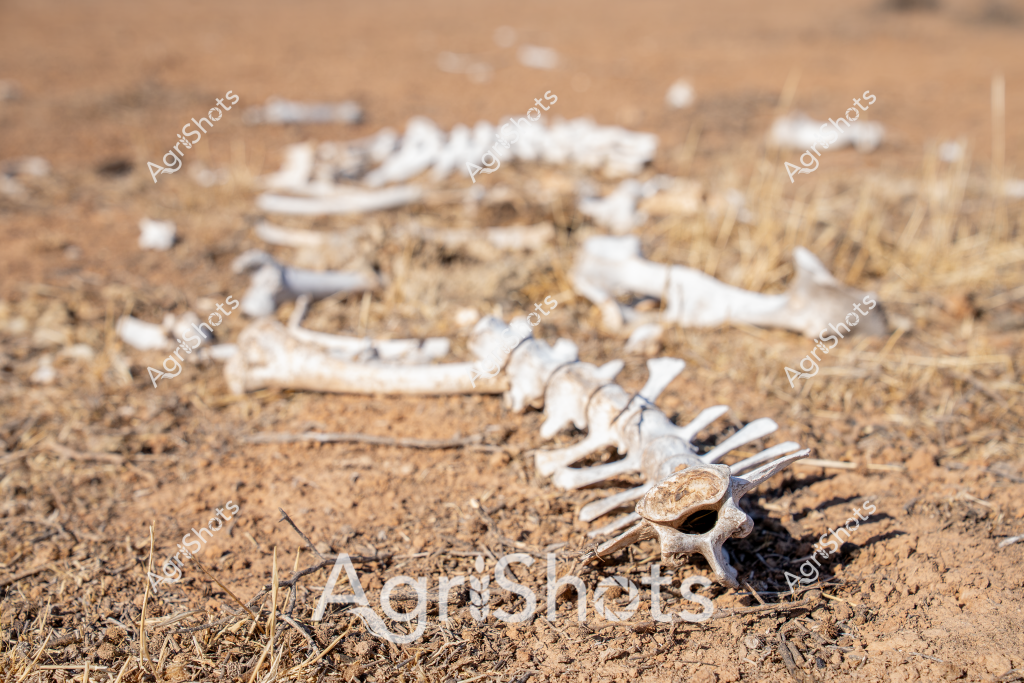
A haunting scene of scattered animal skeletal remains lies across a dry, dusty landscape with sparse grasses and sandy-brown earth. The bleached white bones are arranged in a fragmented, disarticulated pattern, suggesting the skeletal remains of a single animal that has decomposed over time. The stark white bones contrast sharply against the muted tan and brown tones of the ground, creating a poignant visual representation of environmental harshness and the cycle of life and death in an arid ecosystem. Each vertebra, rib, and bone fragment is weathered and sun-bleached, indicating prolonged exposure to the elements. The image evokes a sense of desolation and the unforgiving nature of drought-affected landscapes, where survival is a constant struggle and life can quickly fade into these fragile, skeletal reminders.
 Image
Image
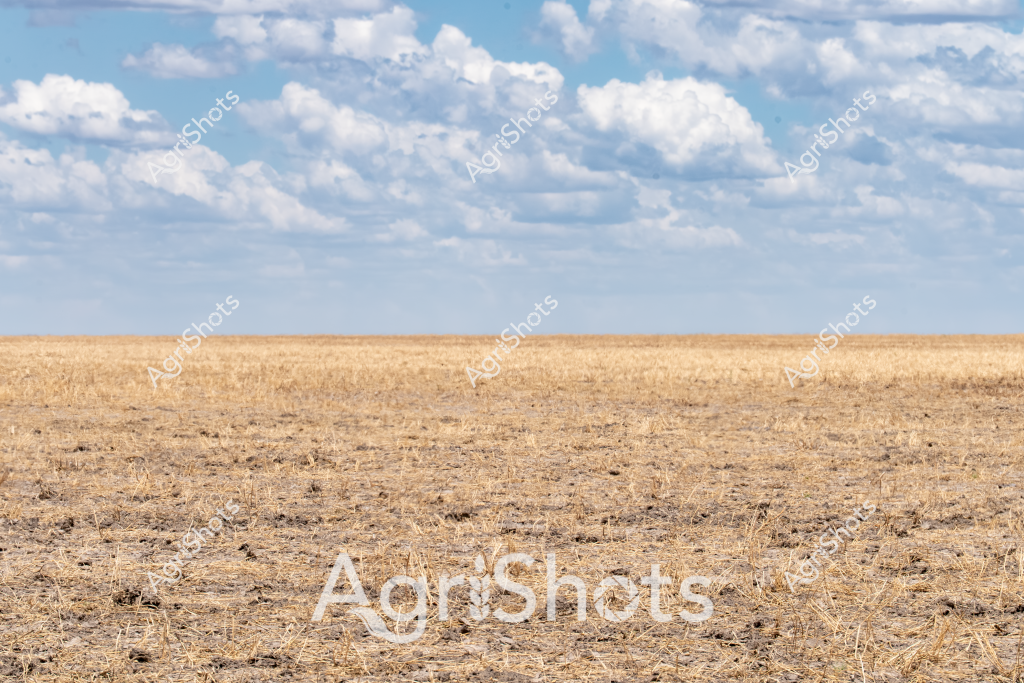
A vast, drought-affected landscape stretches beneath an expansive cloudy sky, capturing the harsh realities of Australian agricultural conditions. The foreground reveals a parched, golden-brown paddock with short stubble and scattered dry vegetation, indicating a severely water-stressed environment. Wispy white clouds drift across a pale blue sky, creating a sense of openness and desolation typical of arid rural regions. The landscape appears completely flat, extending to a distant horizon where the earth seems to merge seamlessly with the sky. The coloration suggests late summer or early autumn, when crops have been harvested and the land shows the intense effects of prolonged dry conditions. This image powerfully illustrates the challenging environmental context faced by Australian farmers, where drought can transform productive agricultural land into a seemingly barren expanse.
 Image
Image
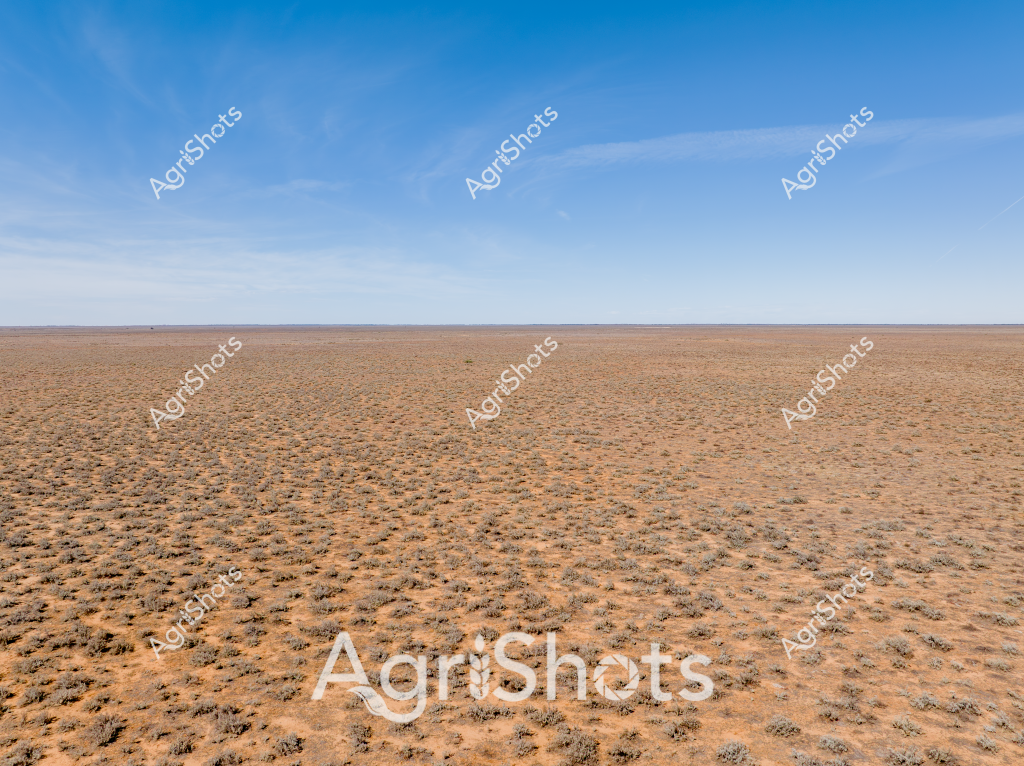
A vast, arid landscape stretches to the distant horizon, revealing a sparse, rocky terrain typical of Australia's dry inland regions. The ground is covered in a mottled pattern of reddish-brown earth interspersed with low, scattered sparse vegetation - characteristic of drought-affected pastoral lands. The sky is a clear, pale blue with subtle wispy clouds, suggesting an expansive and unforgiving environment that challenges agricultural productivity. This scene captures the harsh reality of drought conditions in the Australian outback, where vegetation struggles to survive in the minimal rainfall and extreme temperatures. The landscape speaks to the resilience required in Australian agriculture, where farmers and graziers must adapt to some of the most challenging environmental conditions on the planet. The image provides a raw, unfiltered view of the Australian interior, showcasing the rugged terrain that defines much of the continent's agricultural frontier. Every detail emphasizes the stark, minimalist beauty of a landscape shaped by extreme climatic conditions.
 Image
Image
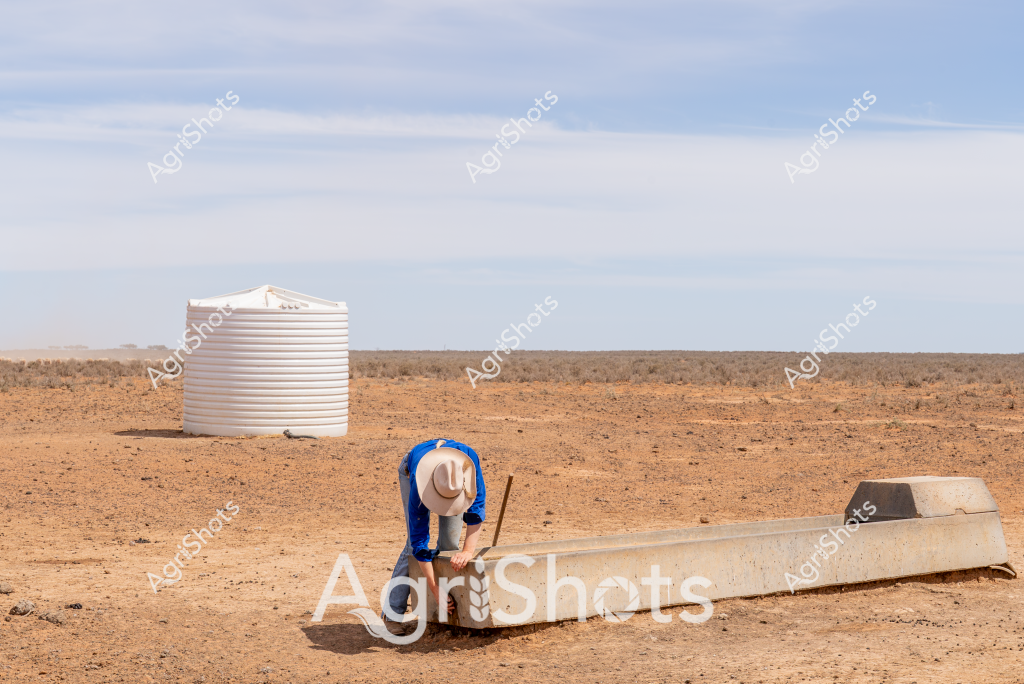
A man in a blue shirt and wide-brimmed hat bends over a concrete water trough in a sun-baked, arid landscape. The expansive paddock stretches to a distant horizon, with sparse, dry vegetation covering the reddish-brown earth. A large white water tank stands sentinel nearby, highlighting the critical importance of water infrastructure in this harsh, drought-affected environment. The scene captures the challenging conditions faced by farmers in rural Australia, with the lone figure working diligently to maintain essential water resources for livestock or agricultural needs. The pale blue sky and flat, open terrain emphasize the isolation and resilience required in such remote agricultural settings.
 Image
Image
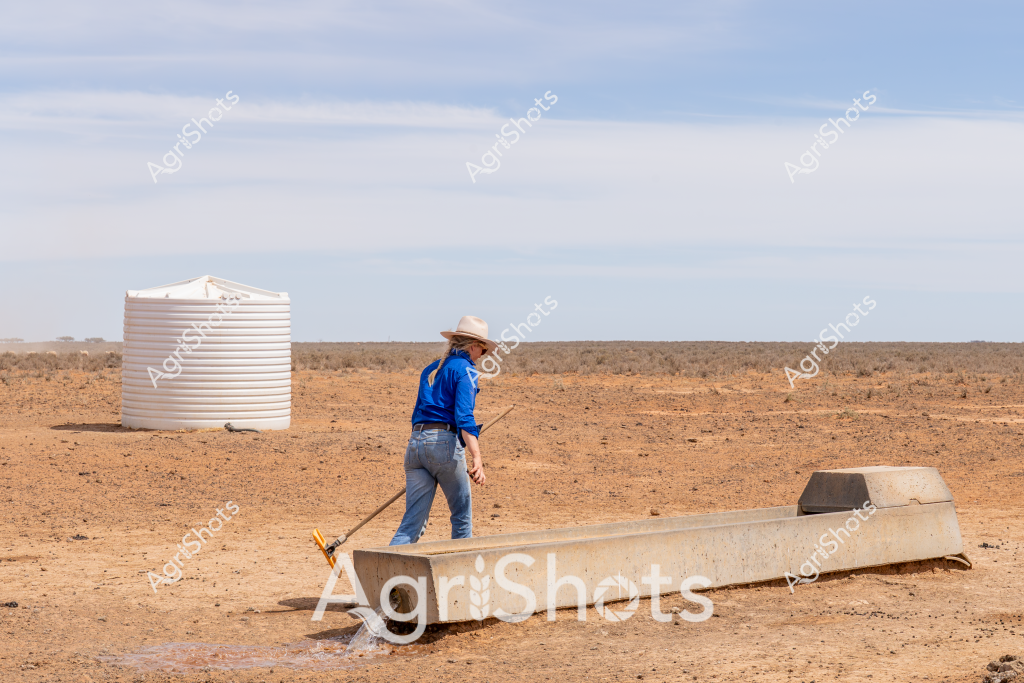
A woman in a blue long-sleeved shirt and wide-brimmed hat stands in a dry, expansive rural landscape, examining a concrete water trough beside a large white water storage tank. The arid paddock stretches to the horizon, with reddish-brown soil and sparse vegetation typical of drought-affected Australian agricultural regions. Her stance suggests careful inspection of critical water infrastructure, highlighting the challenges of managing agricultural resources in harsh, water-scarce environments. The wide-open landscape and essential water infrastructure underscore the resilience required in Australian farming, where water management is crucial for survival during extended dry periods.
 Image
Image
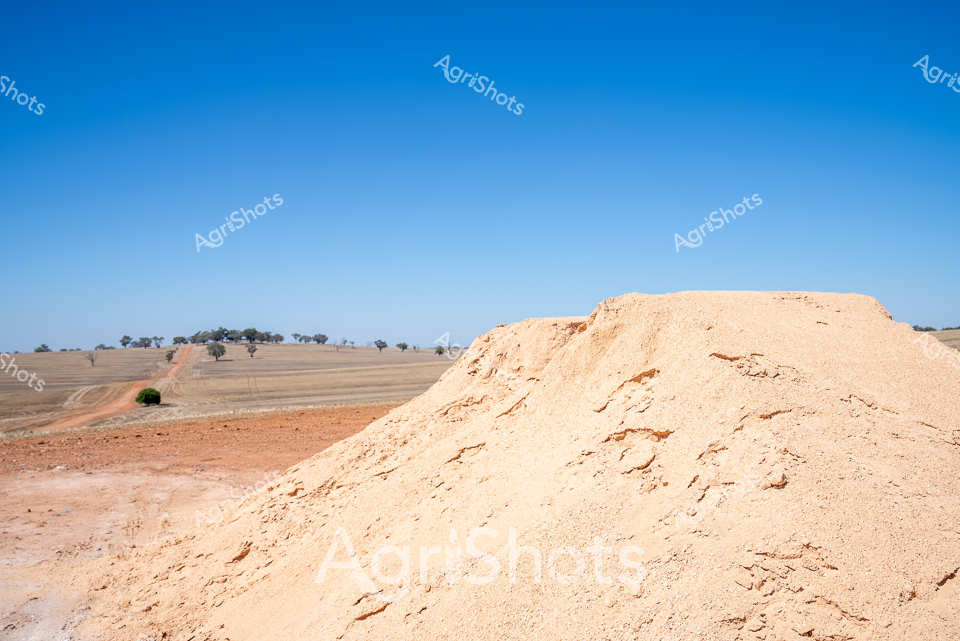
Towering against an expansive azure sky, a massive mound of gypsum rises from the arid agricultural landscape of the Riverina region in New South Wales. The pale sandy-beige pile dominates the foreground, its irregular surface textured with wind and machinery marks, suggesting recent mining or agricultural processing activity. In the mid-distance, a rust-colored dirt track winds through sparse paddocks, lined with scattered eucalyptus trees that punctuate the stark rural horizon. The harsh summer light bleaches the landscape, creating a palette of ochre, terracotta, and pale gold that speaks to the challenging agricultural environment of inland Australia. This gypsum heap represents a critical component of soil management - a mineral used to improve soil structure, reduce erosion, and enhance crop productivity in challenging dryland farming conditions. The image captures the raw, unadorned essence of agricultural resource management, where every element of the landscape is carefully considered and utilized to support farming sustainability.