About this image
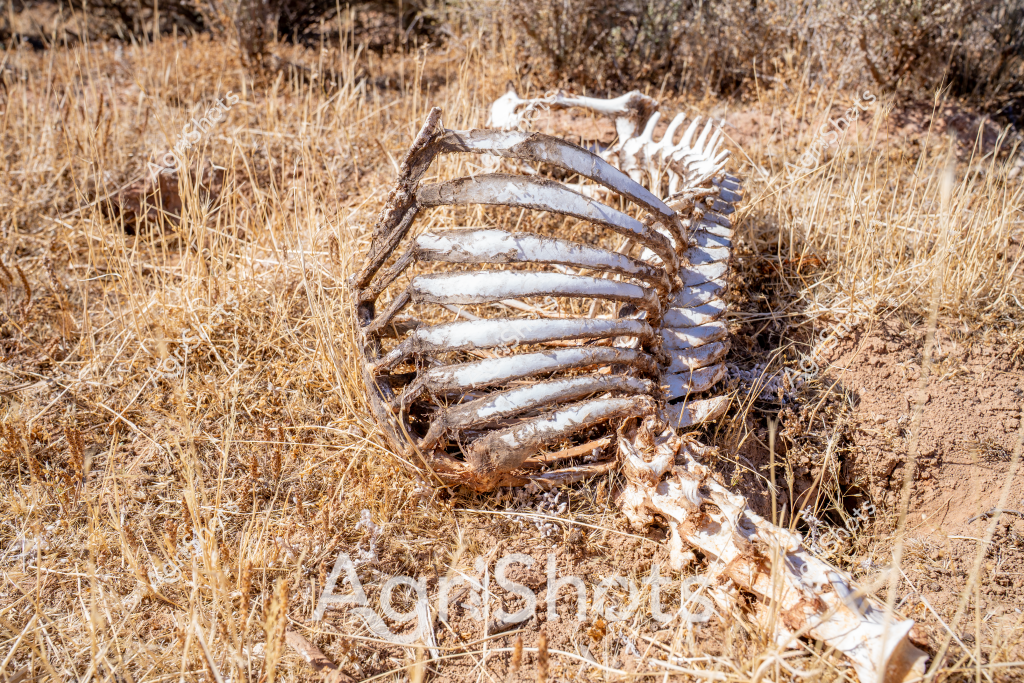
A skeletal ribcage of an animal, likely a large mammal, lies decomposing in dry golden grassland. The bleached white bones are fully exposed, with the curved ribs still connected to the spine, creating an arc-like structure against the sun-dried grass and sparse shrubs. The skeletal remains appear weathered and bleached by extended exposure to the elements, suggesting this is an arid or semi-arid landscape typical of Australian outback or pastoral regions. Scattered around the bones are tufts of dry, straw-colored grass, indicating a potentially drought-affected environment where vegetation is sparse and brittle. The stark white of the bones contrasts sharply with the muted browns and tans of the surrounding landscape, creating a powerful visual representation of the harsh ecological conditions and the cyclical nature of life and death in challenging agricultural terrain.
Similar media
 Image
Image
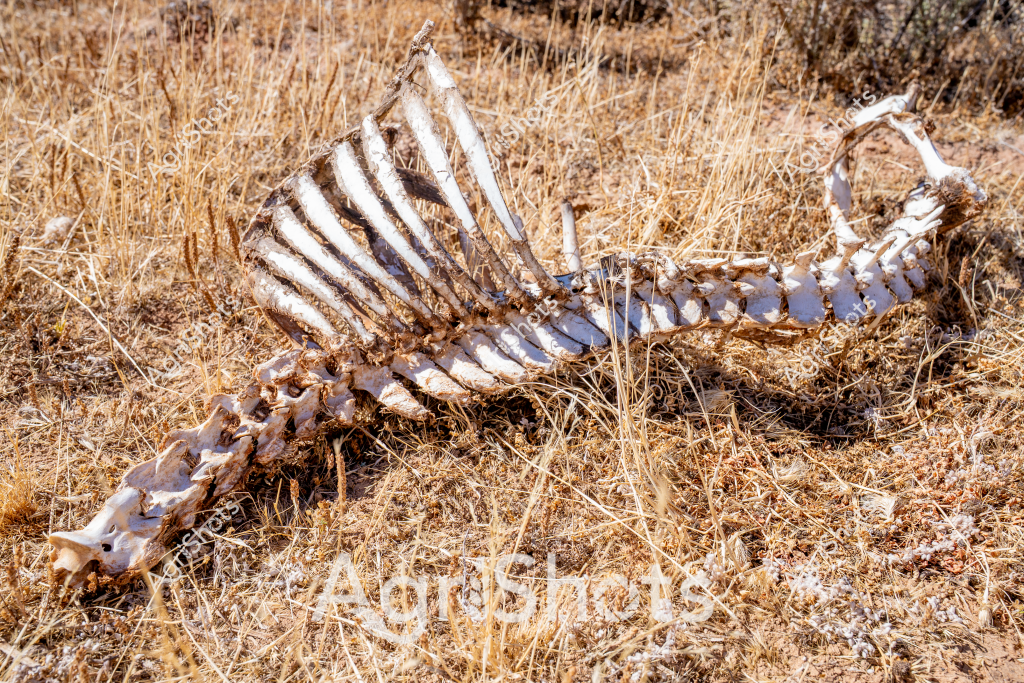
A skeletal remains of an animal, likely a large mammal, lies decomposing in dry golden grasslands. The bleached white bones are completely exposed, with vertebrae, ribs, and skeletal structure clearly visible against the sun-bleached grass and sparse shrubs. The skeleton appears weathered and scattered, suggesting it has been exposed to the elements for an extended period. The arid, drought-like environment indicates a harsh landscape where animal mortality is a natural part of the ecosystem's cycle. Subtle earth tones of browns and tans dominate the scene, creating a stark and somber portrait of the raw, unforgiving nature of an agricultural or wilderness landscape.
 Image
Image
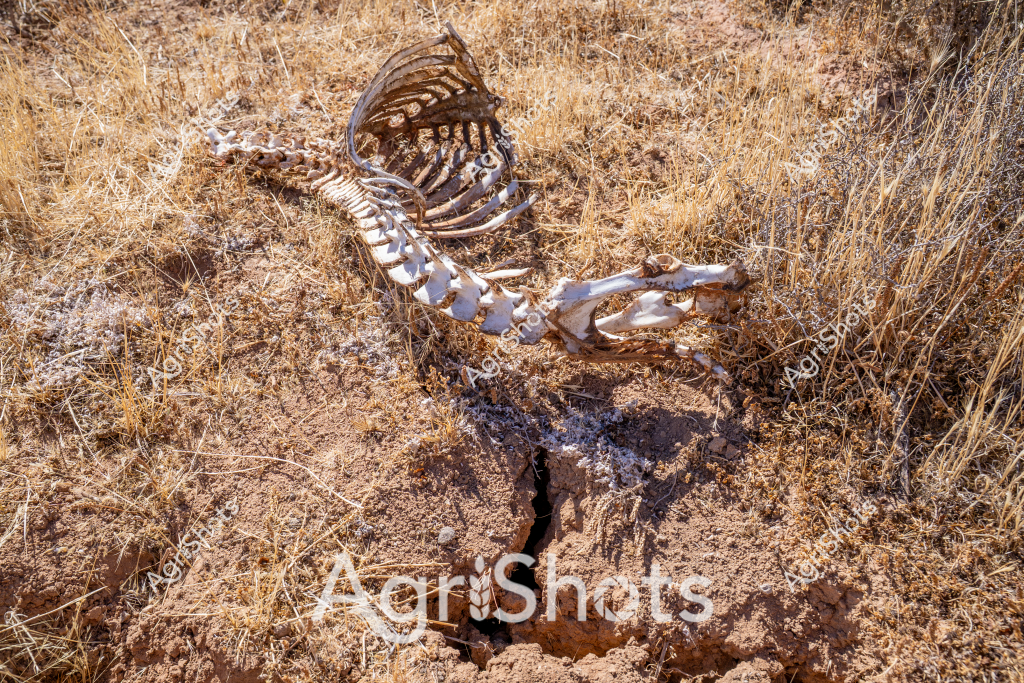
A skeletal remains of an animal lies exposed in a dry, golden grassland, partially nestled in a small eroded ground crack. The bleached white bones are fully articulated, showing the complete skeletal structure from skull to tail, with the ribcage prominently curved and limbs extended. Surrounding the skeleton is a landscape of drought-parched grass in shades of tan and brown, with sparse, weathered vegetation indicating harsh environmental conditions. The skeletal remains appear to have been naturally exposed by environmental processes, suggesting a potentially long period of decomposition in this arid setting. The stark white bones create a striking contrast against the muted, sun-bleached landscape, offering a raw and unfiltered glimpse of the natural cycle of life and death in an unforgiving ecosystem.
 Image
Image
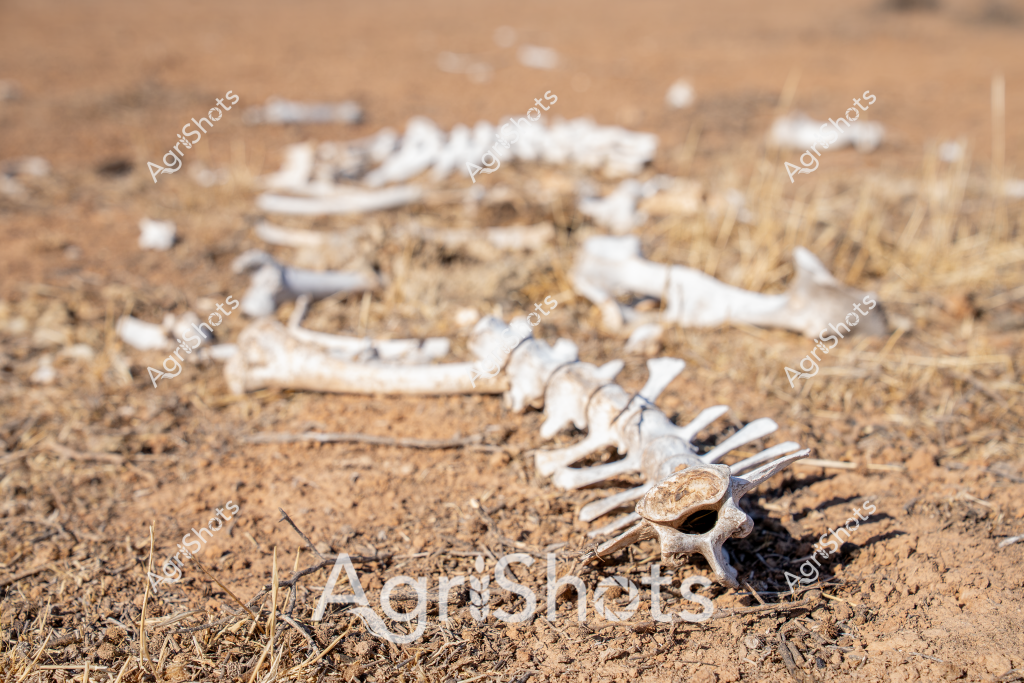
A haunting scene of scattered animal skeletal remains lies across a dry, dusty landscape with sparse grasses and sandy-brown earth. The bleached white bones are arranged in a fragmented, disarticulated pattern, suggesting the skeletal remains of a single animal that has decomposed over time. The stark white bones contrast sharply against the muted tan and brown tones of the ground, creating a poignant visual representation of environmental harshness and the cycle of life and death in an arid ecosystem. Each vertebra, rib, and bone fragment is weathered and sun-bleached, indicating prolonged exposure to the elements. The image evokes a sense of desolation and the unforgiving nature of drought-affected landscapes, where survival is a constant struggle and life can quickly fade into these fragile, skeletal reminders.
 Image
Image
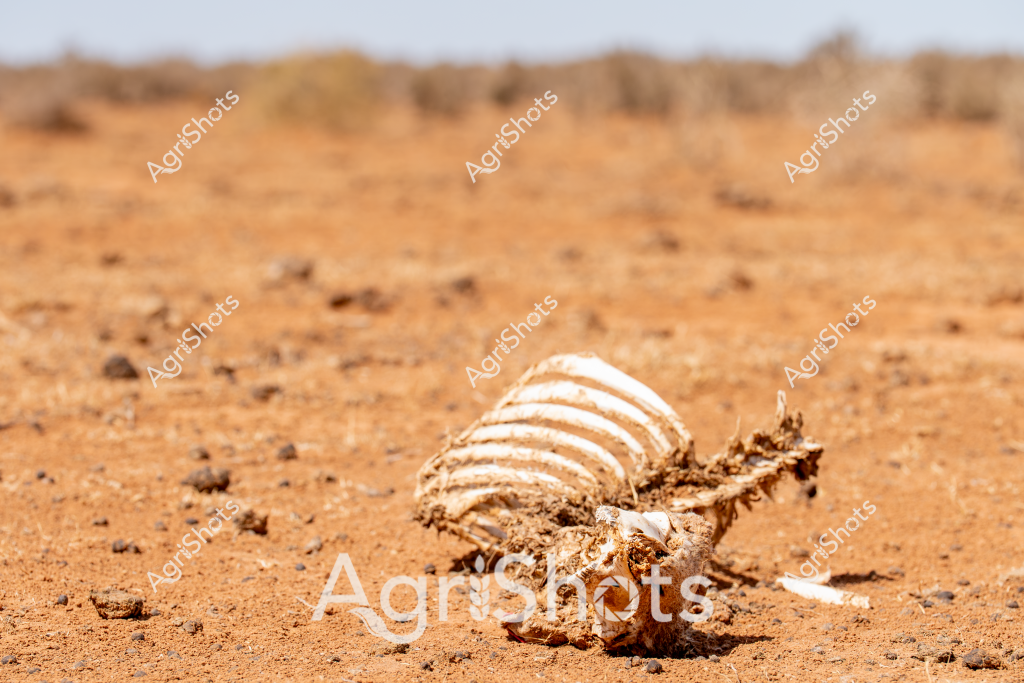
A bleached animal skeleton lies partially decomposed on a dry, reddish-orange desert landscape, revealing the stark ribcage and skeletal structure against the arid, rocky ground. The parched earth surrounding the bones is cracked and barren, with sparse vegetation and distant shrubs indicating an extreme drought environment typical of Australia's interior regions. Weathered and sun-bleached, the skeletal remains tell a grim story of survival and the unforgiving nature of the outback's harsh conditions. The monochromatic palette of rust-colored soil and white bone fragments creates a haunting visual that captures the raw, unrelenting reality of life and death in an uncompromising landscape. This image powerfully illustrates the challenging environmental conditions that test the resilience of both wildlife and agricultural systems in Australia's most arid zones.
 Image
Image
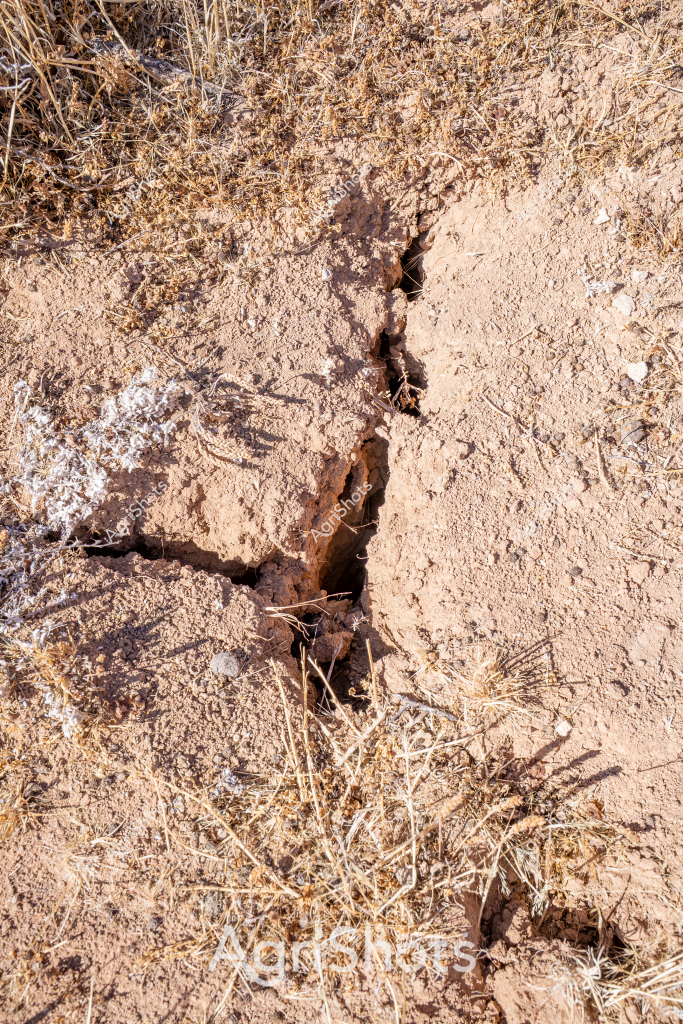
A deep, cracked earth reveals the harsh reality of drought conditions in this stark agricultural landscape. The ground is parched and fractured, with wide fissures splitting the dry, sandy soil, creating a network of deep crevices that stretch across the frame. Sparse, yellowed grass and dry vegetation cling to the edges of the cracking ground, highlighting the extreme dryness and water stress affecting the land. The earthy tones of tan, brown, and pale straw-colored vegetation emphasize the severity of the environmental conditions, presenting a raw and unforgiving portrayal of agricultural challenges during prolonged dry periods. This image powerfully captures the physical manifestation of drought, showing how the lack of moisture can literally tear the earth apart, creating a landscape that speaks to the resilience and hardship of Australian rural environments.
 Image
Image
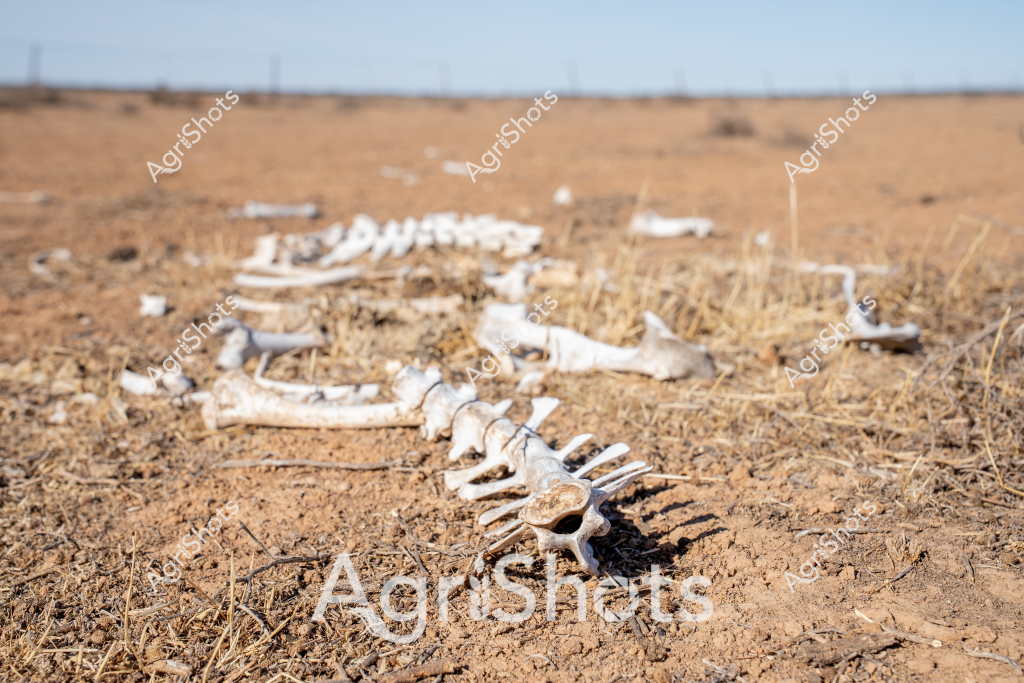
Based on the image and our agricultural stock photography guidelines, here's a detailed description: Skeletal remains of an animal are scattered across a dry, arid landscape, revealing the harsh realities of drought conditions in the Australian outback. Bleached white bones are carefully positioned against the parched, reddish-brown earth, with sparse dry grasses and scattered stones surrounding the skeletal fragments. The barren terrain stretches to a distant horizon, punctuated by faint power lines or fence posts, creating a stark visual representation of environmental stress. The bone structure appears to be from a large mammal, possibly cattle or a large wild animal, with vertebrae and other skeletal elements spread across the ground in a fragmented pattern. The image captures the unforgiving nature of extreme drought, where life struggles to survive and the landscape becomes a bleached memorial to the challenges of survival in Australia's most challenging agricultural regions. The scene powerfully illustrates the impact of prolonged dry conditions on livestock and wildlife, serving as a stark reminder of the environmental challenges faced by Australian farmers and graziers in arid and semi-arid zones.
 Image
Image
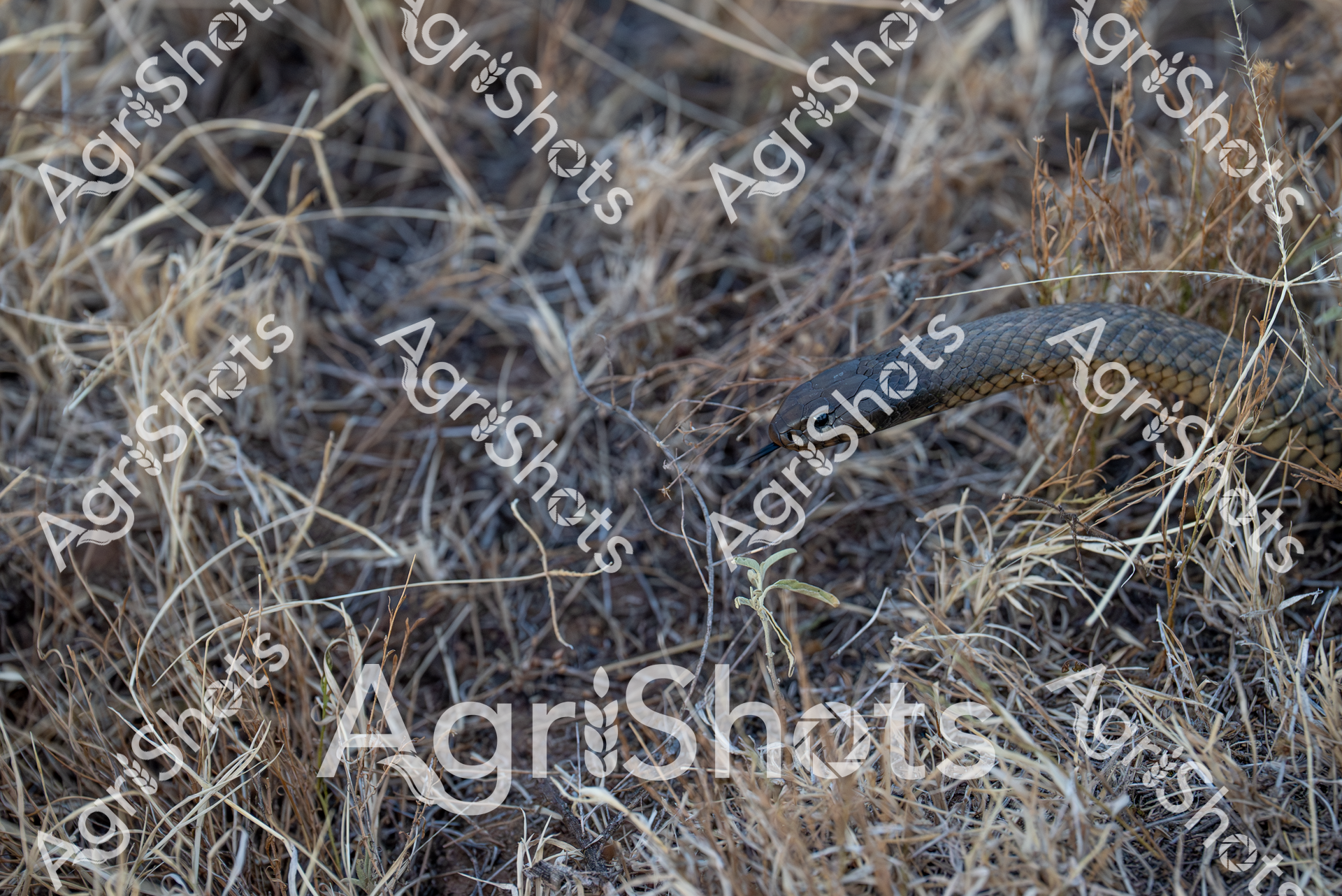
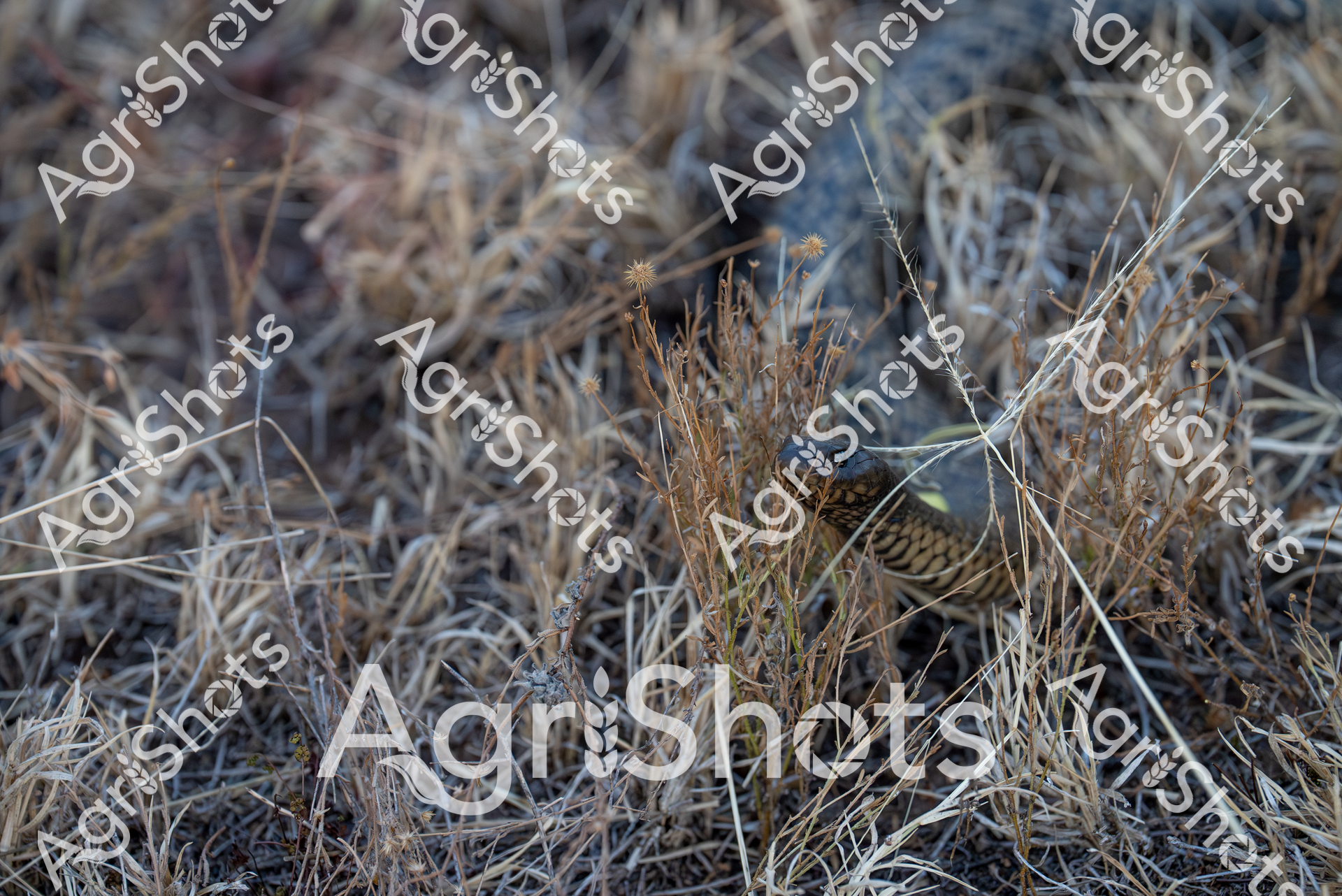
A menacing eastern brown snake slithers through drought-parched grasslands, its sleek ebony-black body perfectly camouflaged among the brittle, sun-bleached grass stalks. The dense, tangled undergrowth of dry pasture suggests a challenging agricultural landscape, typical of Queensland's harsh summer conditions. This serpent represents both an environmental hazard and an ecological indicator of the delicate balance within rural ecosystems. The monochromatic palette of browns, greys, and tans speaks to the unforgiving nature of Australia's agricultural terrains during peak dry seasons. Every withered grass blade and the snake's scaled surface tells a story of survival in an environment where water and resources are scarce. The image captures the raw, unfiltered essence of rural Australian wilderness - a landscape where wildlife and agricultural challenges intersect with brutal, beautiful precision.
 Image
Image
A serpentine silhouette emerges amid the frost-bleached grasslands, its scaled form perfectly camouflaged against the weathered, straw-colored vegetation of a Queensland summer pasture. The snake, a master of concealment, winds through brittle grass stems and sun-dried herbage, its intricate patterning blending seamlessly with the parched landscape. Delicate seed heads punctuate the dry environment, capturing the harsh brilliance of the overhead sunlight and emphasizing the arid conditions of the rural setting. The muted palette of browns, tans, and silvery grays speaks to the unforgiving nature of the Australian agricultural terrain during the peak of the dry season. Every blade of grass and subtle curve of the reptile suggests a profound adaptation to survival in this challenging ecosystem. The image captures the raw, unfiltered essence of the Queensland outback - a landscape of resilience, where life persists through extraordinary camouflage and endurance.