Results for “Decay”
 Image
Image
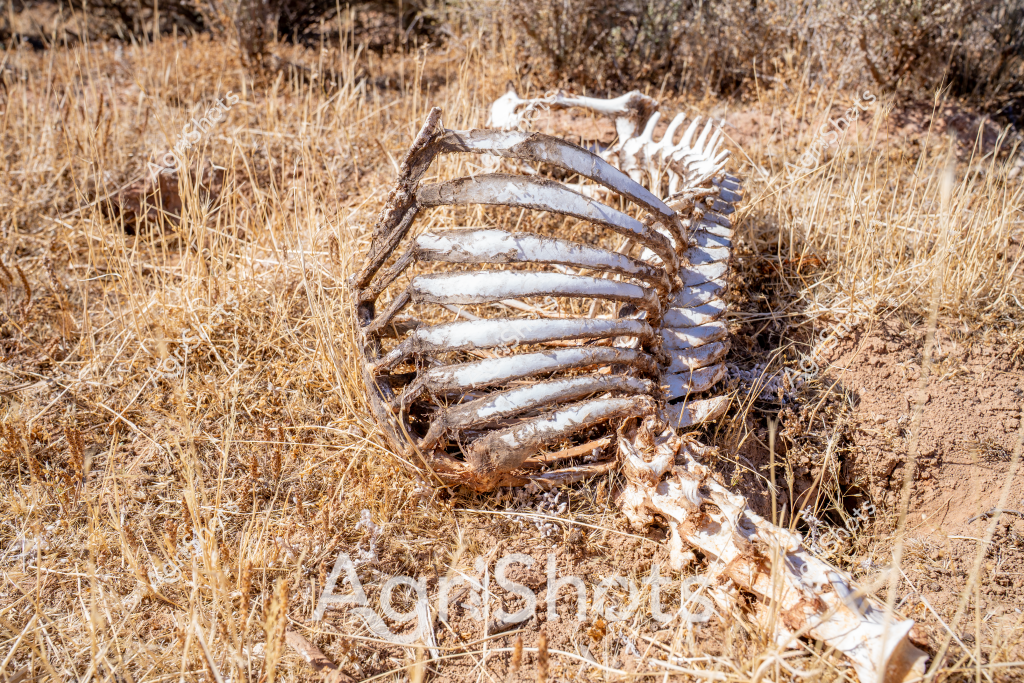
A skeletal ribcage of an animal, likely a large mammal, lies decomposing in dry golden grassland. The bleached white bones are fully exposed, with the curved ribs still connected to the spine, creating an arc-like structure against the sun-dried grass and sparse shrubs. The skeletal remains appear weathered and bleached by extended exposure to the elements, suggesting this is an arid or semi-arid landscape typical of Australian outback or pastoral regions. Scattered around the bones are tufts of dry, straw-colored grass, indicating a potentially drought-affected environment where vegetation is sparse and brittle. The stark white of the bones contrasts sharply with the muted browns and tans of the surrounding landscape, creating a powerful visual representation of the harsh ecological conditions and the cyclical nature of life and death in challenging agricultural terrain.
 Image
Image
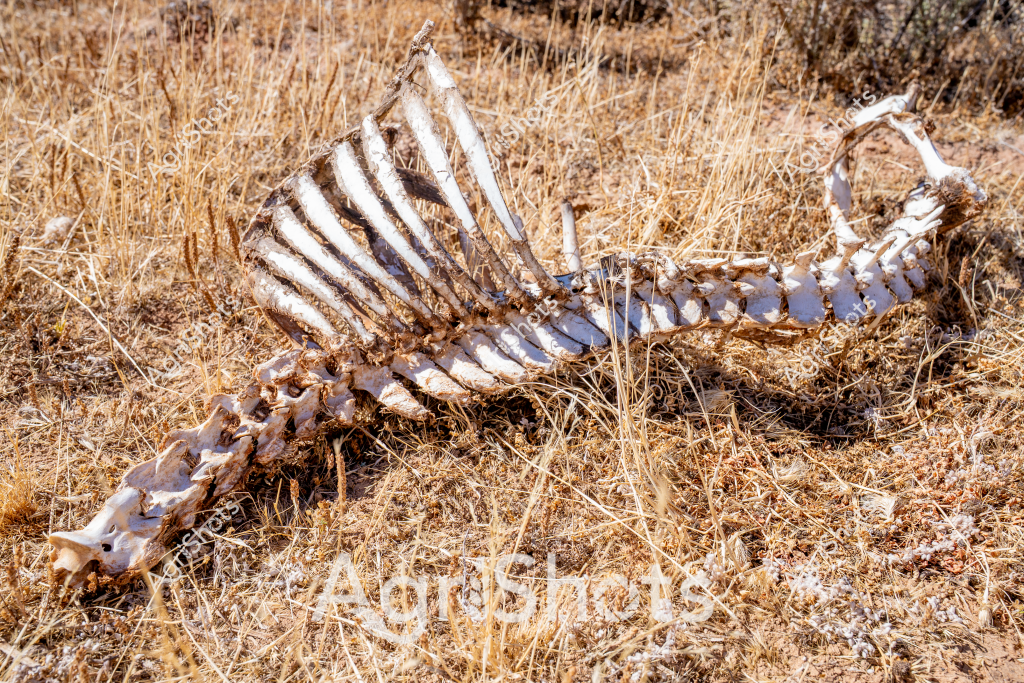
A skeletal remains of an animal, likely a large mammal, lies decomposing in dry golden grasslands. The bleached white bones are completely exposed, with vertebrae, ribs, and skeletal structure clearly visible against the sun-bleached grass and sparse shrubs. The skeleton appears weathered and scattered, suggesting it has been exposed to the elements for an extended period. The arid, drought-like environment indicates a harsh landscape where animal mortality is a natural part of the ecosystem's cycle. Subtle earth tones of browns and tans dominate the scene, creating a stark and somber portrait of the raw, unforgiving nature of an agricultural or wilderness landscape.
 Image
Image
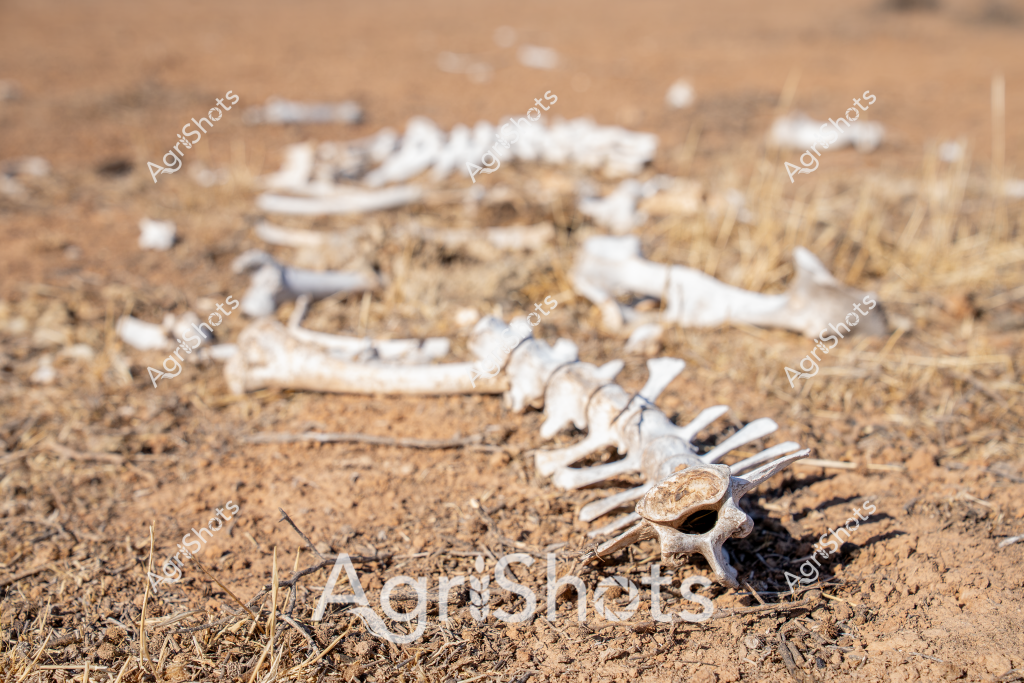
A haunting scene of scattered animal skeletal remains lies across a dry, dusty landscape with sparse grasses and sandy-brown earth. The bleached white bones are arranged in a fragmented, disarticulated pattern, suggesting the skeletal remains of a single animal that has decomposed over time. The stark white bones contrast sharply against the muted tan and brown tones of the ground, creating a poignant visual representation of environmental harshness and the cycle of life and death in an arid ecosystem. Each vertebra, rib, and bone fragment is weathered and sun-bleached, indicating prolonged exposure to the elements. The image evokes a sense of desolation and the unforgiving nature of drought-affected landscapes, where survival is a constant struggle and life can quickly fade into these fragile, skeletal reminders.
 Image
Image
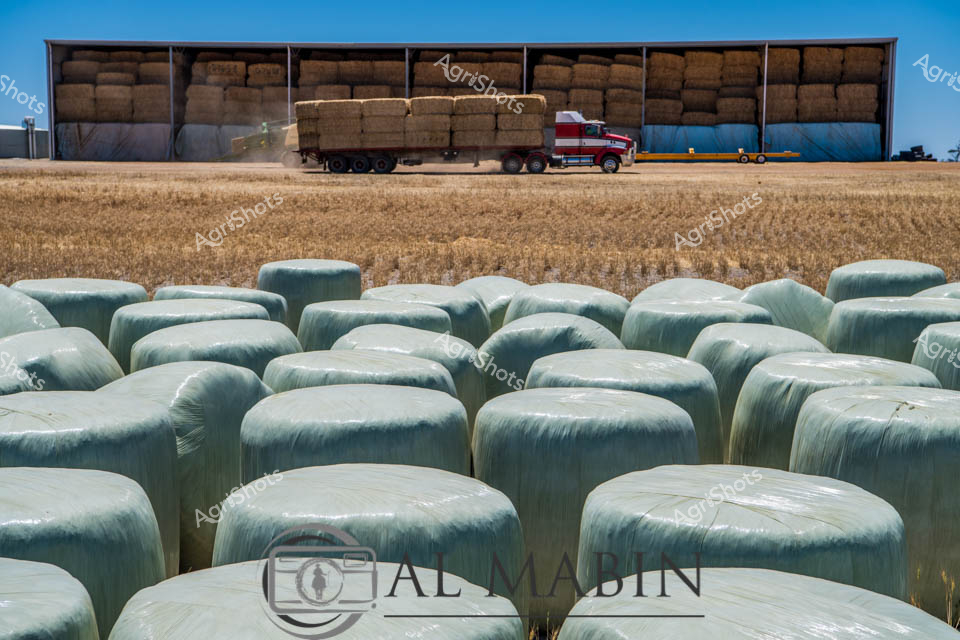
Harvest whispers across the golden wheat fields of Western Australia, where round hay bales wrapped in pale green plastic create a geometric landscape of agricultural precision. A robust red and white semi-trailer stands sentinel beside a massive hay storage shed, loaded with rectangular bales and poised to transport the season's bounty. Rows of tightly wrapped silage bales dominate the foreground, their uniform cylindrical shapes and smooth plastic sheaths gleaming under the bright, clear sky - a testament to modern agricultural storage techniques that preserve nutritional quality and protect valuable fodder from moisture and decay. The scene captures the intersection of traditional farming and contemporary agricultural engineering, with the weathered wheat field stretching out behind the meticulously organized storage area. Each wrapped bale represents weeks of careful cultivation, cutting, and preservation - a critical resource for livestock feed during leaner seasons. The crisp blue sky and sun-bleached landscape speak to the harsh yet beautiful conditions of rural Western Australian farming, where every harvest is a triumph of human skill and natural resilience.
 Image
Image
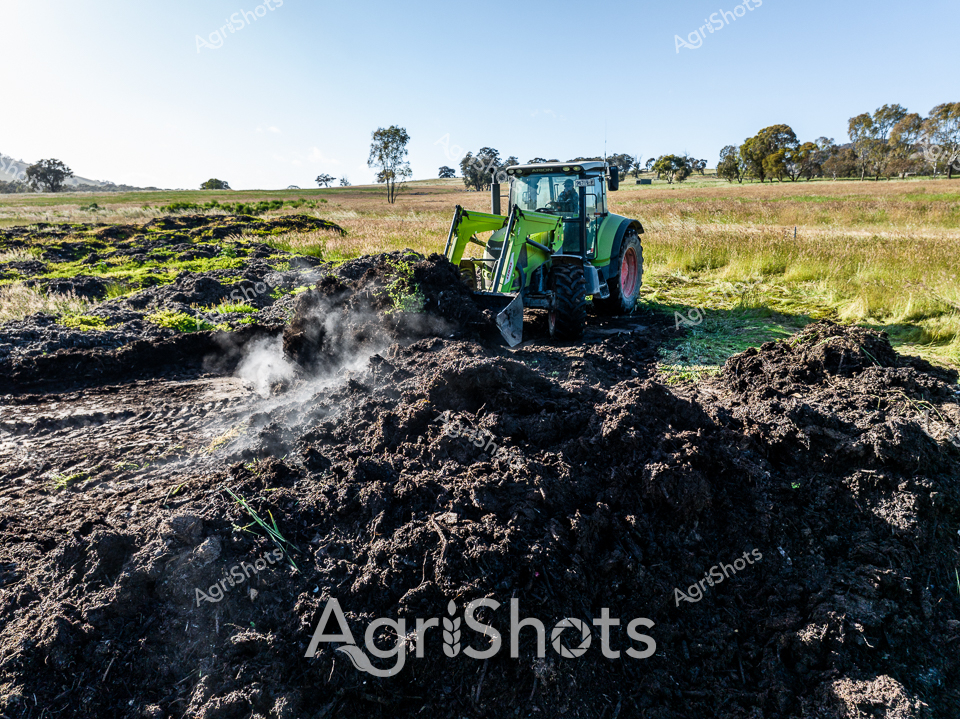
Steam rises from a massive mound of rich, dark compost as a vibrant green Claas tractor meticulously turns organic matter in a sweeping Victorian agricultural landscape. The early morning sunlight casts long shadows across the undulating pasture, revealing scattered eucalyptus trees on the horizon and highlighting the textural complexity of the decomposing materials. This regenerative farming practice demonstrates a sophisticated approach to soil health, recycling green waste and agricultural byproducts into nutrient-dense fertiliser that will reinvigorate the surrounding fields. The tractor's powerful front loader carefully manipulates the steaming compost heap, breaking down organic matter and facilitating the microbial processes that transform waste into valuable agricultural resources. Patches of moss and emerging vegetation hint at the biological activity within the composting mound, symbolizing the interconnected cycles of growth, decay, and renewal that are fundamental to sustainable agricultural practices. The scene captures the intersection of technological innovation and ecological wisdom, showcasing how modern farming techniques can work in harmony with natural systems to enhance biodiversity and soil vitality.
 ▶ Video
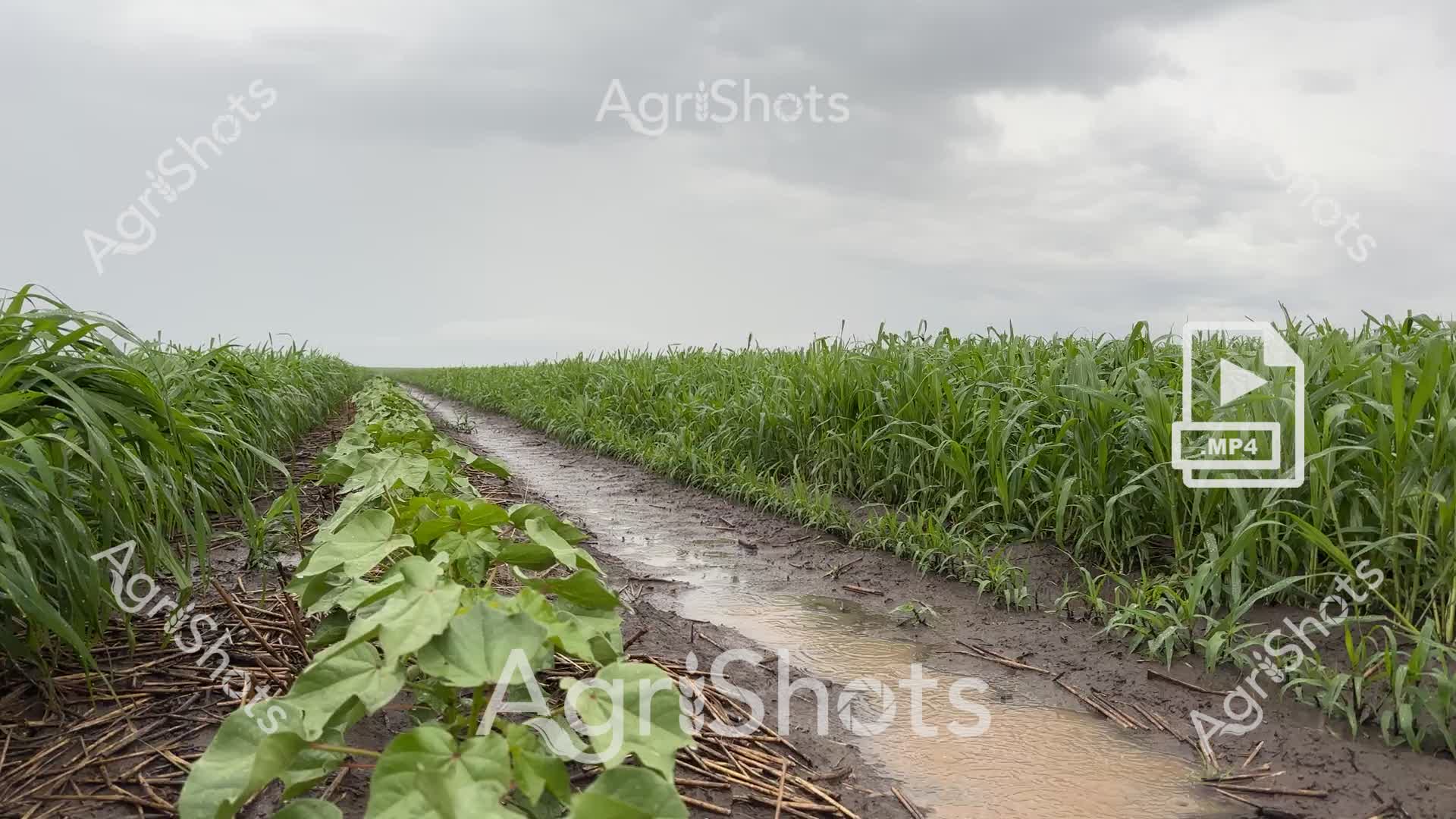
A muddy irrigation channel bisects lush green sugarcane fields under an overcast sky, revealing the intricate water management systems of modern agriculture. Recent rainfall has transformed the dirt track into a flowing stream, with murky water reflecting the gray clouds above. Dense sugarcane plants rise uniformly on either side of the channel, their bright green leaves creating a vibrant contrast against the brown earth and wet ground. Remnant crop debris and fallen leaves line the channel's edges, highlighting the natural cycle of agricultural growth and decay. The landscape speaks to the precision of crop irrigation, where carefully designed water channels ensure optimal moisture for crop development. The image captures a quintessential moment of agricultural infrastructure, showing how farmers manipulate water resources to support crop growth in challenging environmental conditions.
 Image
Image
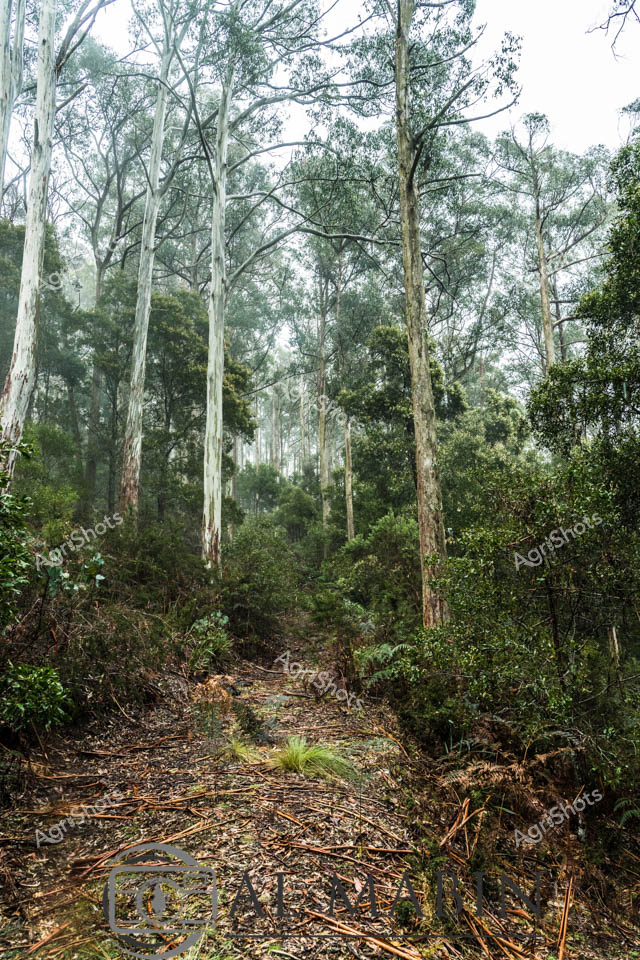
Towering blue gum eucalyptus trees rise majestically through a misty Tasmanian forest landscape, creating a luminous green-grey woodland corridor. A weathered walking track winds through the dense understory, carpeted with fallen bark, branches, and decaying leaf litter that speaks to the natural cycles of regeneration. Slender pale tree trunks stretch skyward, their smooth bark peeling in elegant strips, revealing subtle variations of white, grey, and soft green hues. Ferns and low shrubs crowd the forest floor, creating a rich tapestry of textures and muted green tones that suggest the damp, cool climate of Tasmania's temperate rainforest regions. Morning fog softens the background, lending an ethereal quality to the scene and highlighting the vertical lines of the ancient forest. This image captures the raw, untouched beauty of Tasmania's wilderness - a testament to the remarkable forest ecosystems that are integral to the state's agricultural and environmental heritage.
 Image
Image
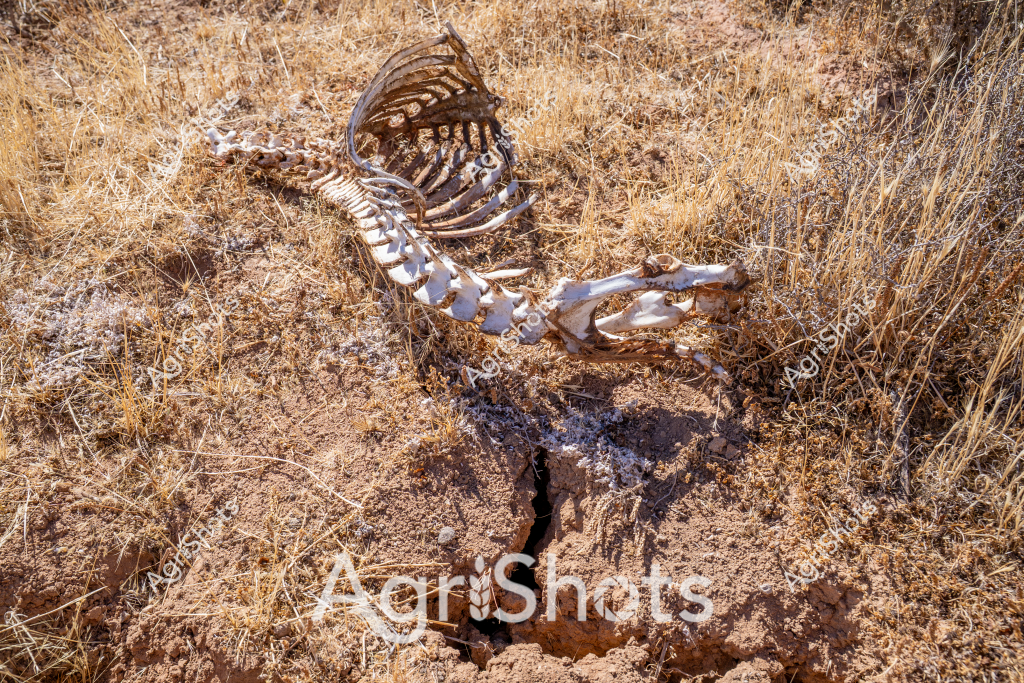
A skeletal remains of an animal lies exposed in a dry, golden grassland, partially nestled in a small eroded ground crack. The bleached white bones are fully articulated, showing the complete skeletal structure from skull to tail, with the ribcage prominently curved and limbs extended. Surrounding the skeleton is a landscape of drought-parched grass in shades of tan and brown, with sparse, weathered vegetation indicating harsh environmental conditions. The skeletal remains appear to have been naturally exposed by environmental processes, suggesting a potentially long period of decomposition in this arid setting. The stark white bones create a striking contrast against the muted, sun-bleached landscape, offering a raw and unfiltered glimpse of the natural cycle of life and death in an unforgiving ecosystem.
 Image
Image
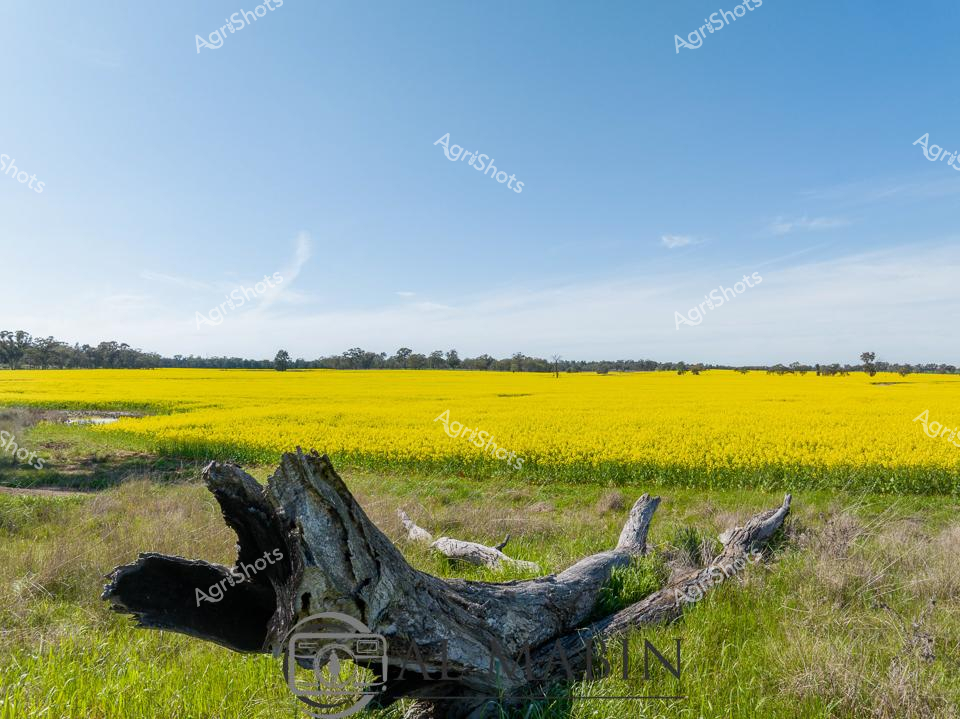
Golden waves of canola stretch across the undulating landscape, creating a vibrant yellow carpet that contrasts dramatically with the weathered, silvered remnants of an old tree trunk in the foreground. The brilliant flowering crop blankets the horizon, punctuated by scattered eucalyptus trees along the distant treeline, capturing the quintessential Australian agricultural vista of New South Wales in springtime. Soft blue skies with delicate wispy clouds provide a perfect backdrop to this agricultural masterpiece, highlighting the rich productivity of the region's cropping lands. The decaying log in the immediate foreground adds textural complexity, its twisted, sun-bleached wood a testament to the enduring nature of rural landscapes. This scene epitomizes the cyclical beauty of Australian agriculture - renewal, growth, and the persistent resilience of both the land and those who work it. The luminous yellow canola field represents not just a crop, but a symbol of agricultural prosperity and the critical role of broadacre farming in the nation's rural economy.
 Image
Image
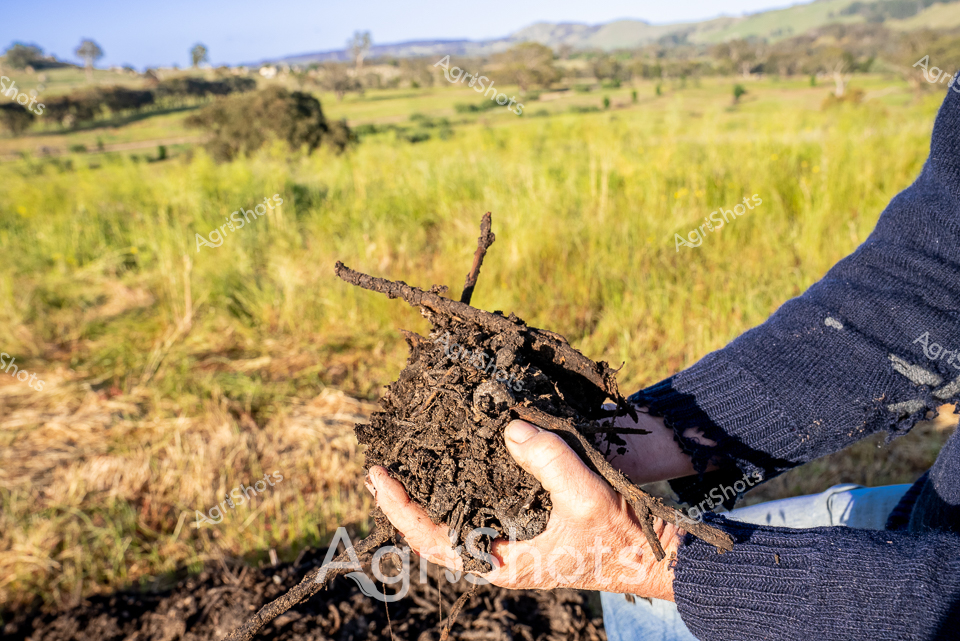
Weathered hands cradle a clump of rich, dark soil studded with organic matter and decaying roots, revealing the intricate ecosystem thriving beneath the surface of this golden grassland in rural Victoria. The late afternoon sunlight bathes the undulating paddock in warm hues, highlighting the textural complexity of regenerative agricultural practices that prioritize soil health and biodiversity. A gnarled branch emerges from the soil cluster, symbolizing the interconnected network of underground life that supports sustainable farming approaches. The deep navy blue sleeve of a worker's garment contrasts against the earthy browns and vibrant greens of the landscape, suggesting the human connection to land restoration and ecological stewardship. This image captures a moment of careful examination, where every handful of soil represents a microcosm of potential - a testament to the intricate relationships between waste reduction, organic recycling, and sustainable agricultural innovation. The expansive backdrop of rolling hills and scattered trees frames this intimate interaction, emphasizing the broader ecological context of regenerative land management.
 Image
Image
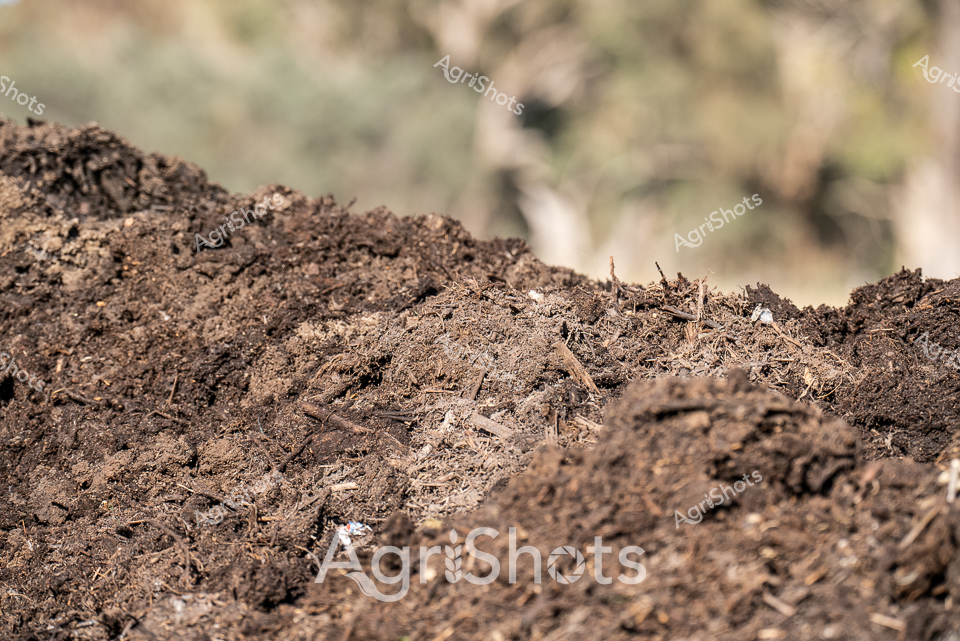
Rich, dark compost mounds rise like earthen waves, revealing the intricate textures of decomposing organic matter. Fragments of plant material, woody stems, and decaying debris interweave through the rich brown substrate, creating a complex tapestry of regenerative agricultural practice. This close-up captures the vital process of composting - transforming green waste and organic materials into nutrient-dense soil amendment that supports sustainable farming ecosystems. The granular, layered composition speaks to the intricate biological processes of decomposition, where microorganisms break down complex materials into simple, life-giving nutrients. Soft-focus background hints at a rural Victorian landscape, suggesting this composting operation is part of a broader regenerative farming strategy focused on soil health and waste reduction. The earthy palette of deep browns, ranging from rich chocolate to warm umber, highlights the textural complexity of this fundamental agricultural practice that turns waste into valuable resource.