Results for “Cracked Earth”
 Image
Image
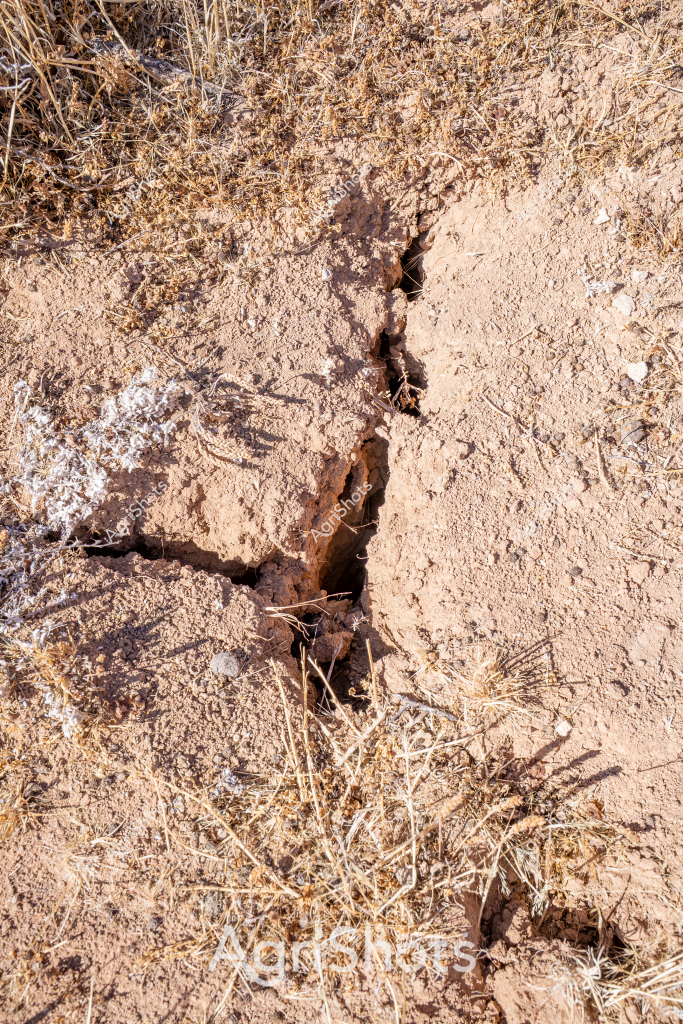
A deep, cracked earth reveals the harsh reality of drought conditions in this stark agricultural landscape. The ground is parched and fractured, with wide fissures splitting the dry, sandy soil, creating a network of deep crevices that stretch across the frame. Sparse, yellowed grass and dry vegetation cling to the edges of the cracking ground, highlighting the extreme dryness and water stress affecting the land. The earthy tones of tan, brown, and pale straw-colored vegetation emphasize the severity of the environmental conditions, presenting a raw and unforgiving portrayal of agricultural challenges during prolonged dry periods. This image powerfully captures the physical manifestation of drought, showing how the lack of moisture can literally tear the earth apart, creating a landscape that speaks to the resilience and hardship of Australian rural environments.
 Image
Image
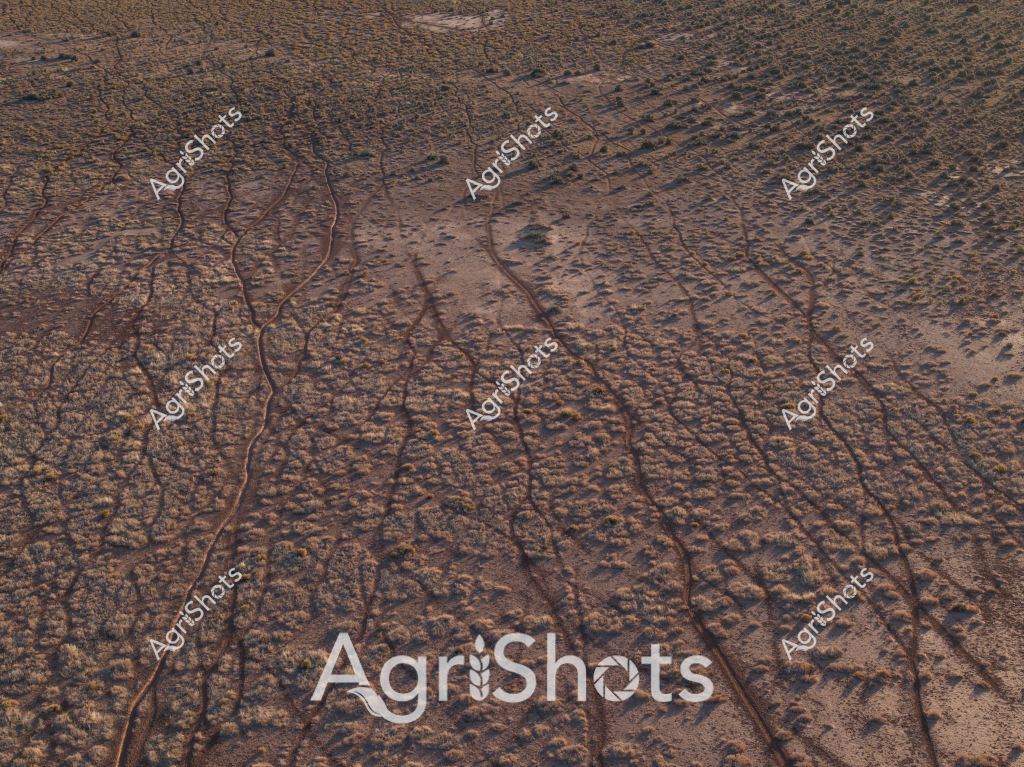
This image reveals a stark, drought-affected landscape characterized by cracked, parched earth with intricate patterns of dried mud and sparse vegetation. The terrain appears completely arid, with a textured surface of brown and reddish-tan tones creating a mosaic of deep cracks and weathered ground. Thin, serpentine lines trace across the landscape, likely dried-up water channels or erosion patterns, highlighting the extreme dryness of the environment. The ground looks heavily desiccated, with a tight, compressed texture that suggests prolonged lack of moisture. This aerial view captures the harsh reality of drought conditions, where the earth has been baked and fractured by intense heat and absence of rainfall, presenting a raw and unforgiving agricultural landscape typical of Australia's more challenging environmental regions. The image powerfully illustrates the impact of drought on agricultural lands, showing how the ground becomes a network of interconnected cracks and dried-out surfaces, transforming what was once potentially fertile ground into a challenging terrain for farming and livestock management. The monochromatic palette of browns and tans emphasizes the severity of the environmental stress, serving as a stark visual document of the climate challenges faced by Australian farmers and land managers.
 Image
Image
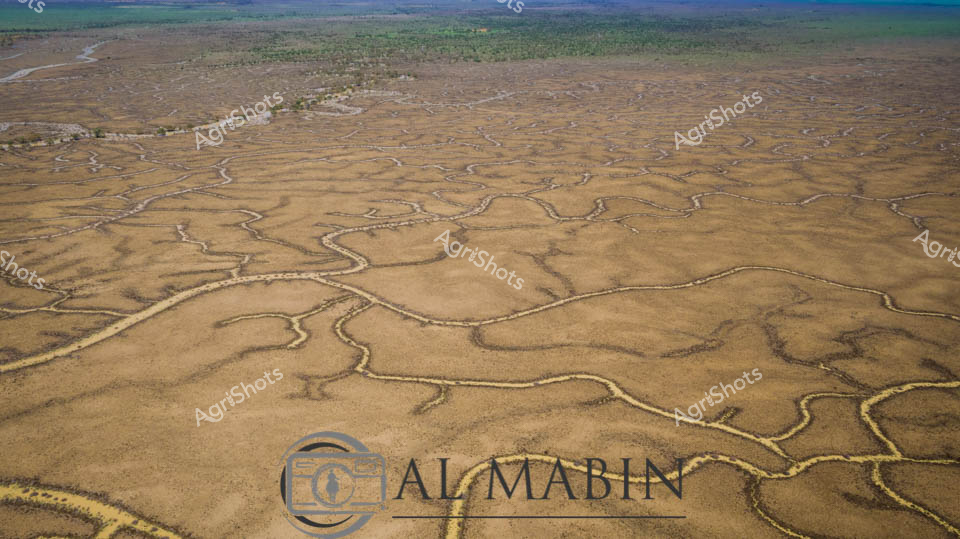
An aerial view reveals the intricate, serpentine waterways of Channel Country in Queensland, where dry creek beds and floodplains create a mesmerizing network of sinuous lines across the arid landscape. The branching water channels, etched into the dusty earth, showcase the complex hydrology of this remote Australian region, highlighting the resilient geography that supports pastoral activities during seasonal flooding. Green vegetation clusters along the horizon, contrasting with the golden-brown tones of the expansive, water-carved terrain.
 Image
Image
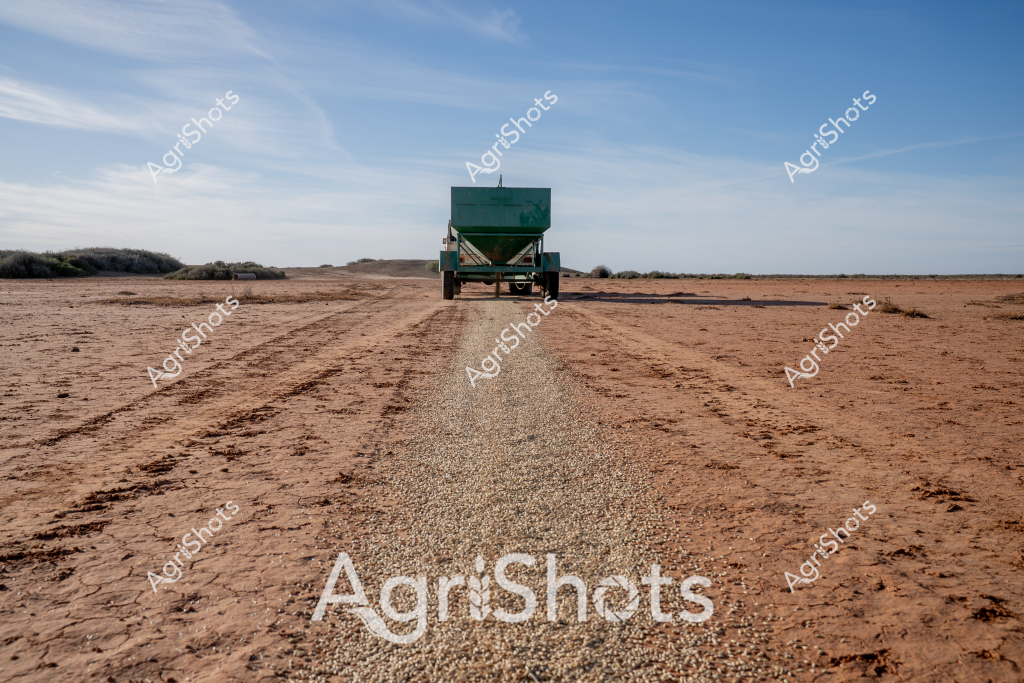
A green agricultural trailer sits alone on a dry, dusty landscape under a pale blue sky, creating a stark scene of agricultural isolation. The trailer, likely a grain or seed cart, is positioned centrally on a barren paddock with reddish-brown cracked earth stretching in all directions. Tire tracks lead away from the vehicle, suggesting recent movement across this arid terrain. The environment speaks to challenging drought conditions typical of Australian agricultural regions, where farmers must navigate harsh landscapes and limited water resources. The green of the trailer stands in sharp contrast to the monochromatic browns and tans of the surrounding landscape, symbolizing resilience and hope in an unforgiving environment. The image captures the solitude and determination inherent in Australian agricultural practice, where sophisticated equipment must operate in extreme and uncompromising conditions.
 Image
Image
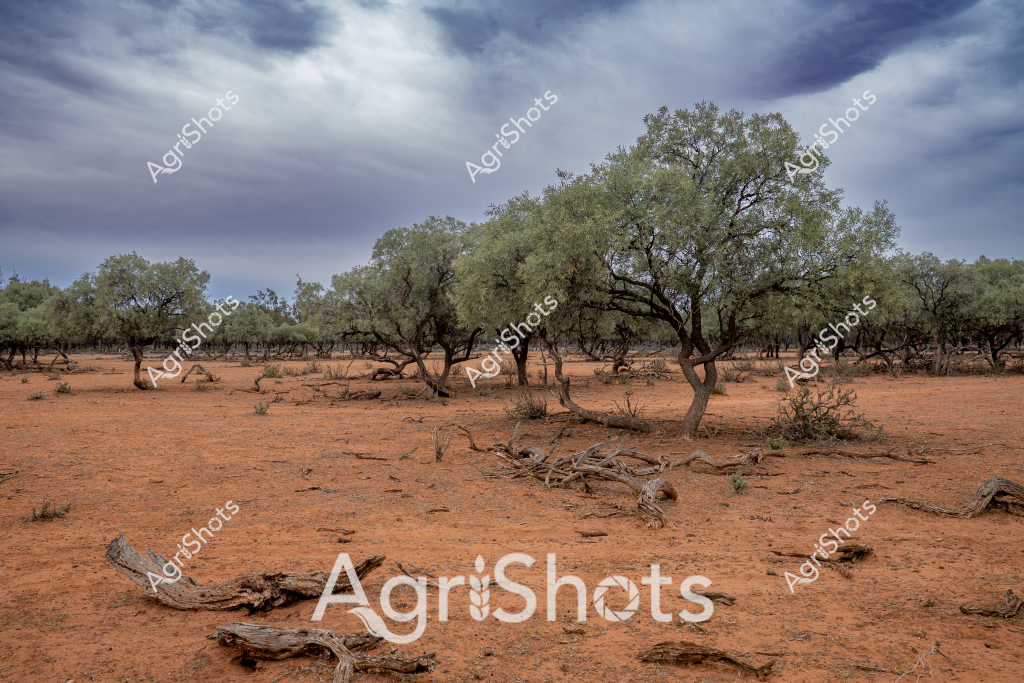
A stark olive grove stands resilient amid a harsh, rust-colored landscape under a brooding storm sky. Gnarled and weathered olive trees with silvery-green foliage are spaced across the parched, cracked earth, their twisted branches testament to years of survival in challenging conditions. Fallen branches and dried woody debris scatter across the ground, emphasizing the severe drought-like environment. Thunderclouds gather overhead in deep slate and gray tones, creating a dramatic backdrop that highlights the landscape's arid, unforgiving nature. The reddish soil speaks to the mineral-rich but water-starved terrain typical of Australia's challenging agricultural regions. This image powerfully captures the resilience of agricultural landscapes during prolonged dry periods, where trees and vegetation maintain a delicate balance of survival against harsh environmental conditions.
 ▶ Video
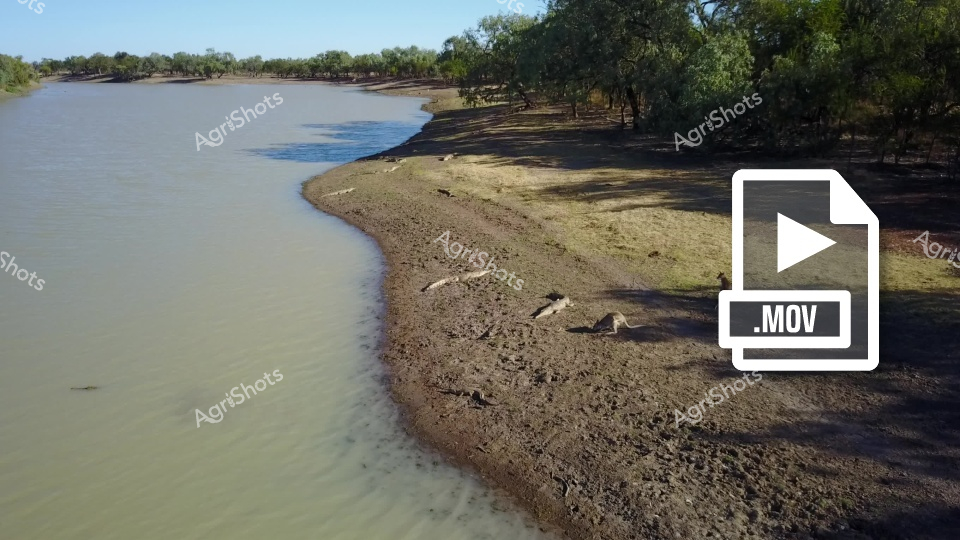
Parched riverbank reveals the harsh realities of drought along an inland waterway, with muddy shorelines and sparse vegetation marking the water's receding edge. Gnarled river red gums and sparse woodland punctuate the landscape, casting long shadows across the dry, cracked earth. A series of wildlife - likely kangaroos - rest on the exposed riverbed, seeking respite in the shade and proximity to the diminishing water source. The .MOV video file tag suggests this is a dynamic scene capturing the living landscape of an Australian river system during an extended dry period. Muted browns, greys, and dusty greens dominate the color palette, emphasizing the arid conditions. The scene powerfully illustrates the environmental challenges faced by rural and agricultural communities during prolonged drought conditions.
 ▶ Video
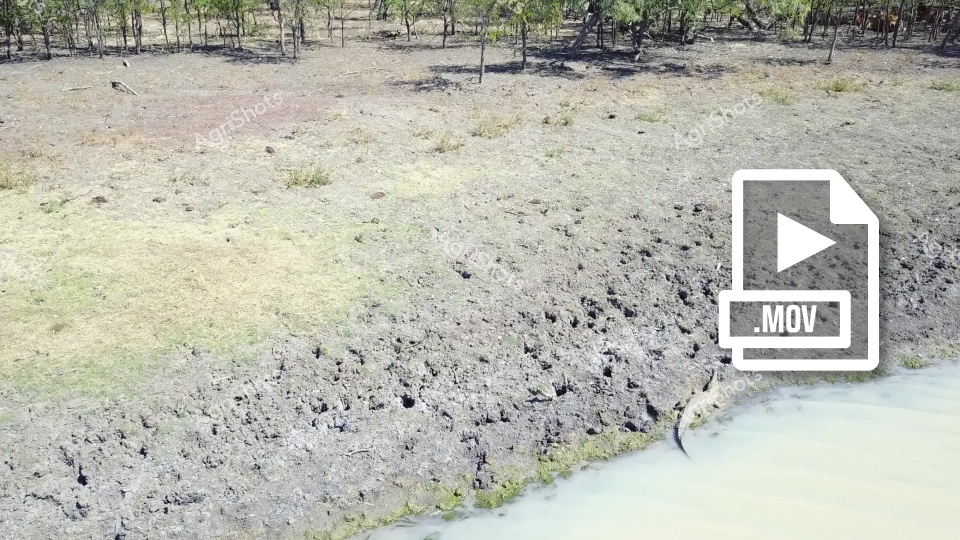
This image depicts a severely drought-affected landscape, characterized by dry, cracked earth and sparse vegetation. A parched terrain stretches across the frame, with scattered trees casting long shadows on the barren ground. The ground appears heavily weathered, with a distinct boundary between the dry land and a small area of murky water or mud at the bottom of the image. Sparse grass and vegetation struggle to survive in the harsh conditions, highlighting the extreme environmental stress of the region. The . The landscape's muted colors - ranging from pale yellows to gray-browns - emphasize the lack of moisture and the challenging agricultural conditions facing the area.
 ▶ Video
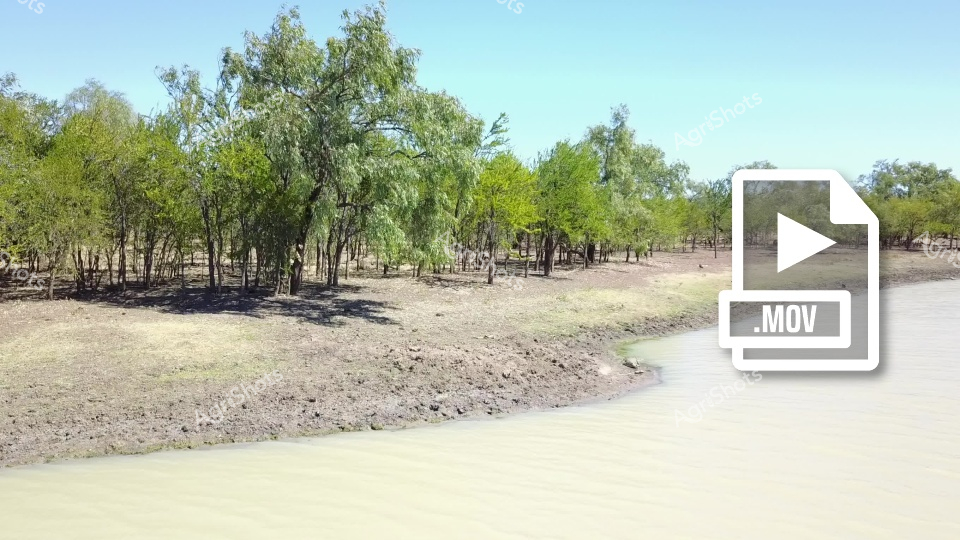
A parched Queensland river station landscape reveals a muddy waterway bordered by sparse trees and dry ground. The scene depicts a typical drought-affected cattle property, with minimal vegetation and cracked earth surrounding the water source. The terrain suggests challenging environmental conditions for livestock management in rural Australia.
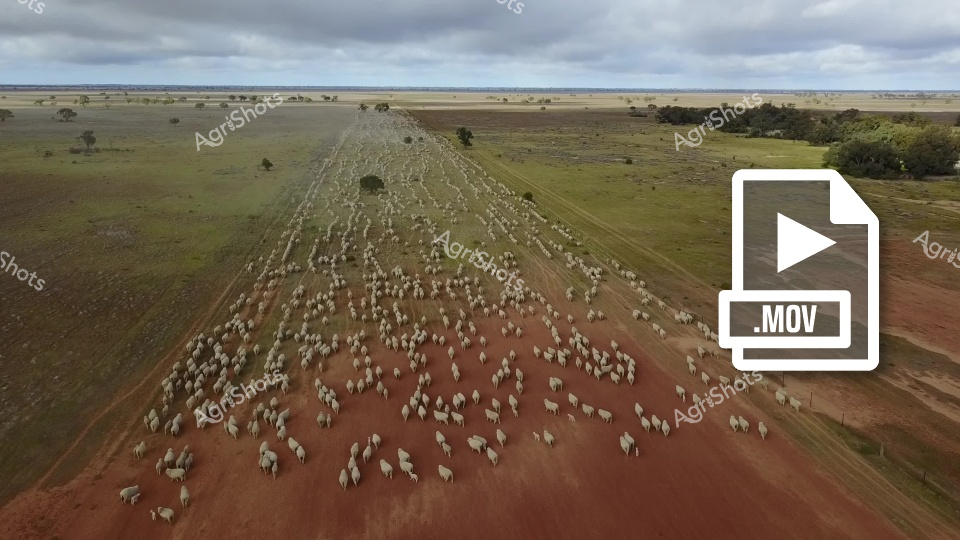 ▶ Video
A vast stretch of the drought-affected landscape unfolds under a moody sky, where low-hanging clouds cast a soft, diffused light over the scene. The ochre-colored earth, cracked and dry, contrasts with the lush green pastures in the distance, highlighting the resilience of the land. A large herd of white cattle, their distinctive markings breaking the uniformity of their coats, moves in unison across the terrain, driven by a diligent farmer on horseback who wears a broad-brimmed hat to shield against the elements. As the cattle graze on the sparse grass, the sound of hooves thuds softly against the parched ground, and the occasional low moo echoes through the air, contributing to an atmosphere of gentle but purposeful activity. The farmer, dressed in rugged denim and a light blue shirt, guides the herd with practiced ease, demonstrating the close bond and vital understanding between man and livestock, particularly in challenging conditions. The horizon bends beneath an expansive sky tinted with grays and hints of muted blue, evoking a sense of unease blended with the beauty of rural life. The scene encapsulates the ongoing struggles and triumphs of Australian agriculture, where every day brings a renewed hope for sustainability and recovery.
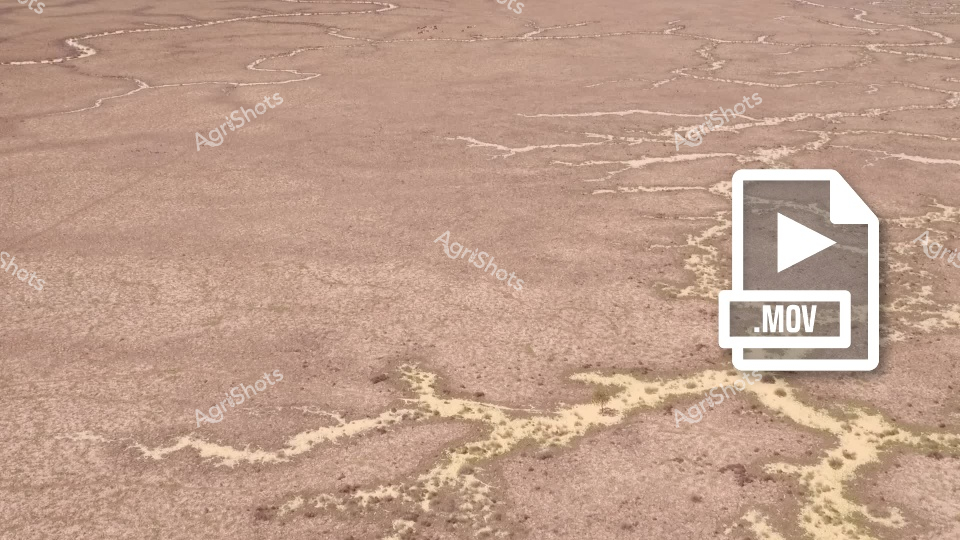 ▶ Video
A barren, cracked earth landscape with winding dry creek beds or salt patterns stretching across a dusty brown terrain. The ground appears parched and weathered, with yellowish-pale lines tracing irregular paths across the arid surface, suggesting extreme drought or desert-like conditions.
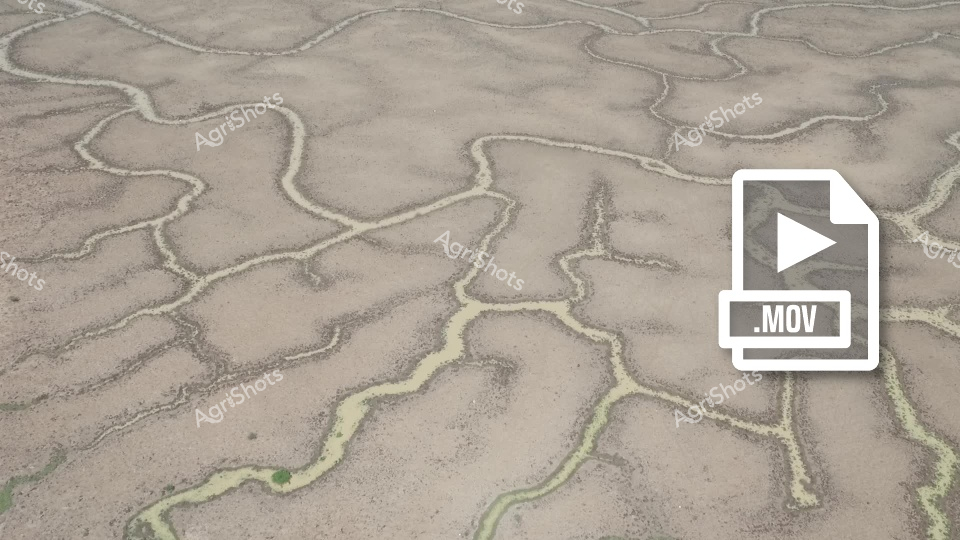 ▶ Video
A detailed aerial view revealing intricate, serpentine patterns of dry, cracked earth with subtle green-tinged channels weaving through the parched landscape, suggesting potential water routes or geological formations in an arid environment. The texture resembles a complex network of dried river beds or erosion patterns, highlighting the dramatic impact of drought or climate conditions on the terrain.
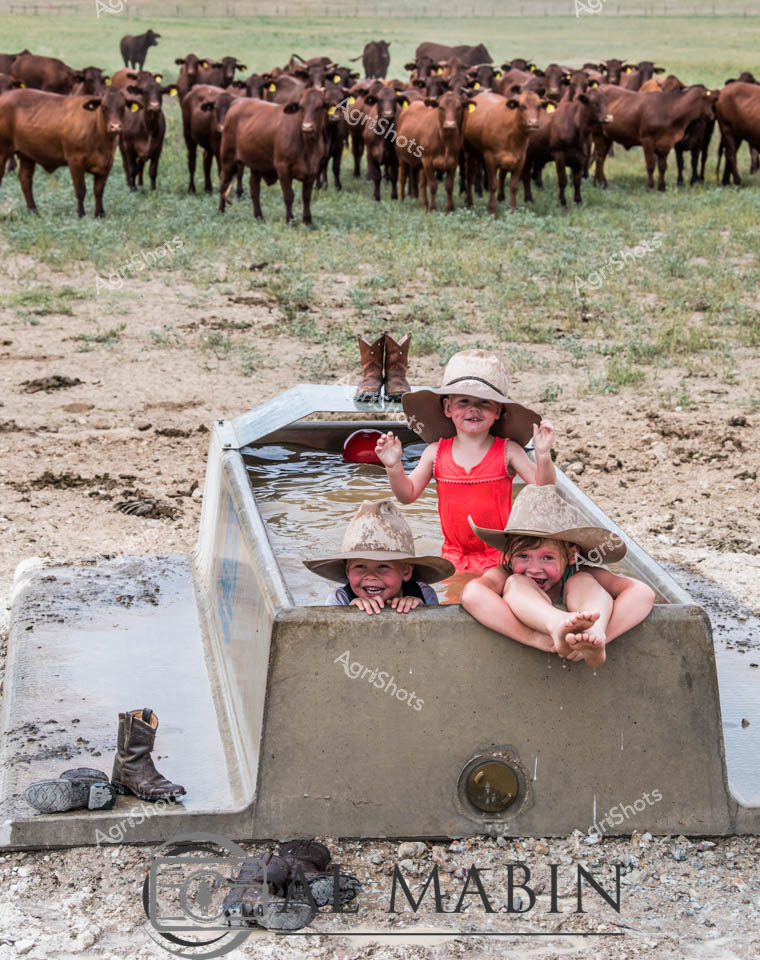 Image
Image
Young outback adventurers find relief from the scorching summer heat in a concrete water trough, surrounded by a herd of rich mahogany-colored Santa Gertrudis cattle grazing on a parched paddock. Three children, wearing wide-brimmed sun hats and playful expressions, crowd together in the water-filled trough, their laughter echoing across the dusty rural landscape. Cowboy boots and a sun-drenched backdrop tell a quintessential Australian farming story of resilience, creativity, and unbridled childhood joy. The herd of robust beef cattle stands sentinel in the background, their yellow ear tags glinting in the harsh midday sunlight, watching over the impromptu water play. Rustic farming textures dominate the scene - cracked earth, weathered concrete, and the smooth coats of the cattle - creating a vivid tableau of rural life. This image captures the spirit of agricultural families, where ingenuity and a sense of humor help beat the relentless Australian heat.
 Image
Image
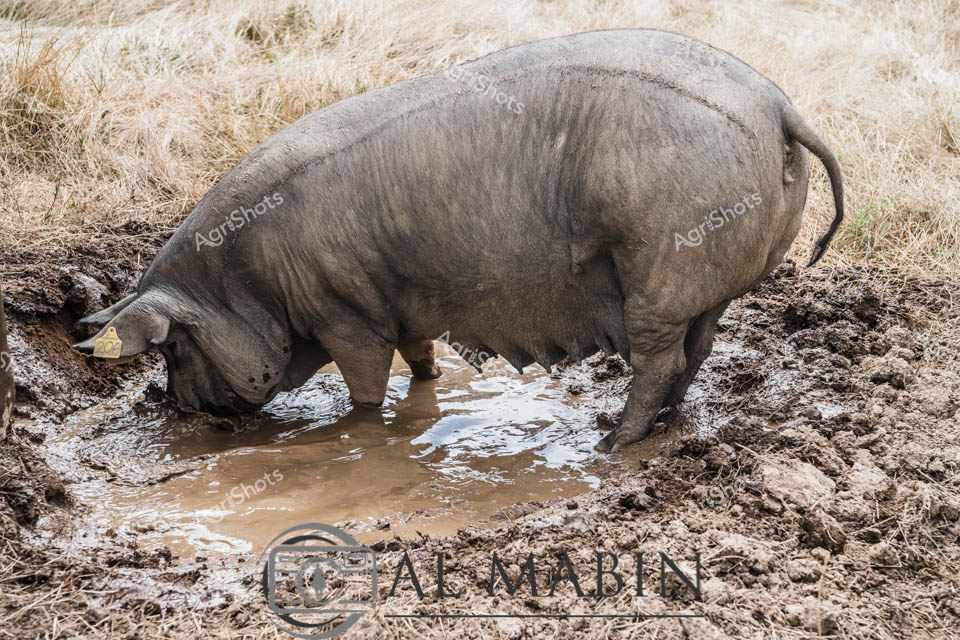
A heritage breed pig wallows contentedly in a muddy water hole, surrounded by dry golden grasslands typical of Victoria's Heathcote region. The robust, slate-grey swine appears to be a rare breed - possibly a Large Black or regional New South Wales - with thick, almost hairless skin perfectly adapted to the harsh Australian agricultural landscape. Its muscular body is partially submerged in the rich, clay-laden water, providing essential cooling and protection from the intense sunlight. The surrounding terrain suggests late summer conditions, with bleached grasses and cracked earth indicating the challenging environmental conditions of this rural farming area. The pig's yellow ear tag signals its role in a carefully managed free-range farming operation, where animal welfare and natural behaviors are prioritized. This image captures the raw, unfiltered essence of Australian livestock farming - resilient animals thriving in challenging conditions, demonstrating the intricate relationship between agricultural practice and the natural environment.
 Image
Image
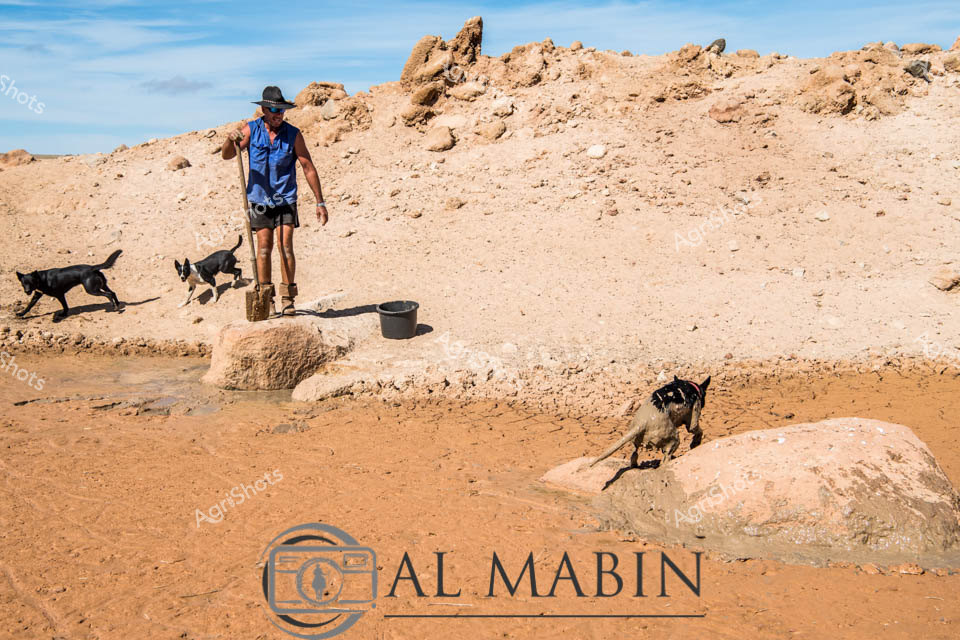
A farm worker in blue shirt and hat tends to several dogs around a muddy water source during severe drought conditions on South Australia's Yorke Peninsula. The parched, sandy landscape reveals cracked earth and depleted dam levels, highlighting the challenging water scarcity facing rural properties. Black and white working dogs gather near the precious remaining water while their handler manages the daily task of ensuring livestock access to this vital resource. The arid terrain and exposed clay banks demonstrate the harsh reality of prolonged drought affecting agricultural operations across the region.
 Image
Image
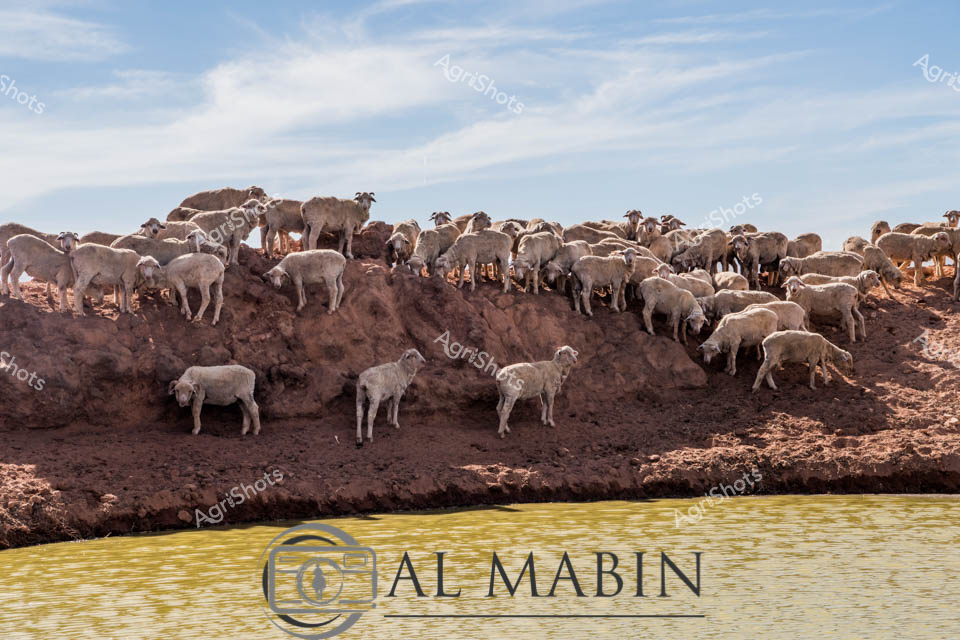
Merino sheep cluster along the dusty, eroded banks of a diminishing water source on the arid Yorke Peninsula in South Australia. The flock, with their characteristic fine, dense wool, huddles precariously on the cracked earth, their pale bodies creating a stark contrast against the rich reddish-brown soil. A shallow yellow-green dam reflects the harsh realities of drought, with water levels dramatically reduced and the surrounding landscape parched and unforgiving. The sheep stand in tight groups, some perched on the upper ledge of the eroded bank, others scattered across the lower levels, revealing the challenging terrain they navigate. Their resilience is evident in their positioning - clustered together for safety and survival in this uncompromising environment. The pale blue sky with wispy clouds offers little promise of immediate relief, emphasizing the stark agricultural challenge of water scarcity in rural South Australia. This image powerfully communicates the ongoing struggle of livestock management in drought-affected regions, where every drop of water and patch of ground becomes critically important for survival.
 Image
Image
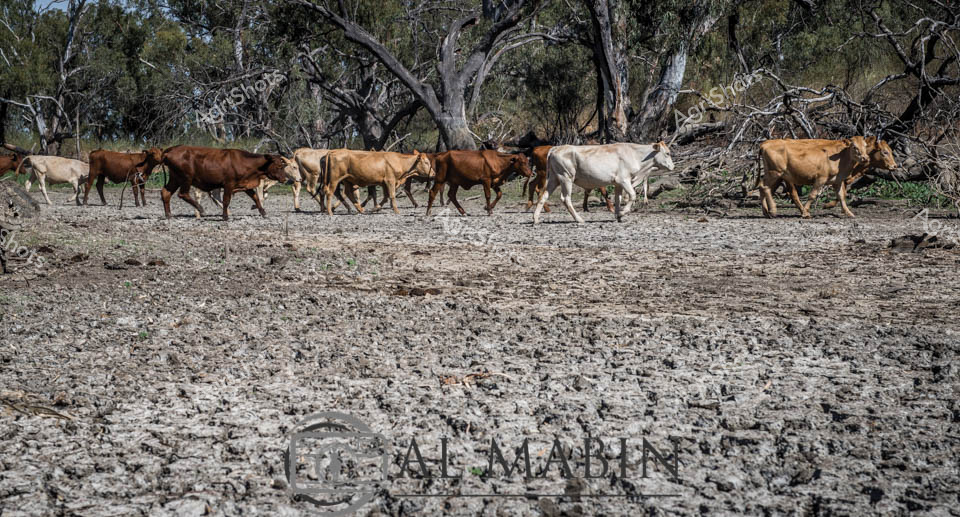
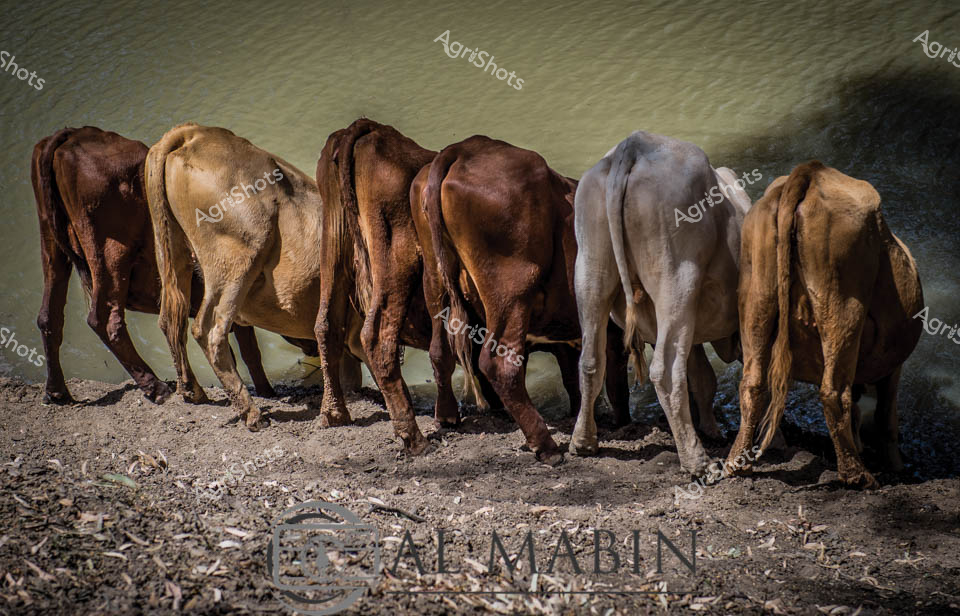
Dust billows beneath weathered hooves as a mixed herd of cattle traverses a parched stock route in the Australian outback. Lean Brahman and crossbred beef cattle move with steady determination, their varied coat colors ranging from rich rust-red to pale cream, walking in a disciplined line through a landscape of gnarled eucalyptus trees and cracked earth. The dry season's brutal impact is evident in the bare ground and skeletal tree branches, highlighting the resilience of both livestock and landscape. Each animal moves with a quiet strength, their muscular bodies testament to generations of breeding adapted to harsh environmental conditions. Weathered tree sentinels stand as silent witnesses to this timeless rhythm of stock route droving - a quintessential scene of Australian agricultural heritage that speaks to generations of pastoral movement and survival.
 Image
Image
Dusty hooves and lean muscled frames tell the story of survival along a harsh stock route. A line of Brahman cattle, their coats ranging from deep russet brown to pale ash-grey, trudge across parched, cracked earth toward a distant water source. The distinctive humped shoulders and loose skin of these resilient cattle speak to their adaptation to Australia's unforgiving northern landscapes. Each animal moves with a quiet determination, their bodies lean and weathered from the long drover's journey, casting subtle shadows on the weathered ground. The muted palette of earth and sky creates a timeless backdrop that could be from decades past or a contemporary cattle trek. This image captures the enduring spirit of Australian pastoral life - the ancient rhythm of moving livestock across vast, challenging terrain, where water means survival and every step is a testament to the hardiness of both animal and drover.
 Image
Image
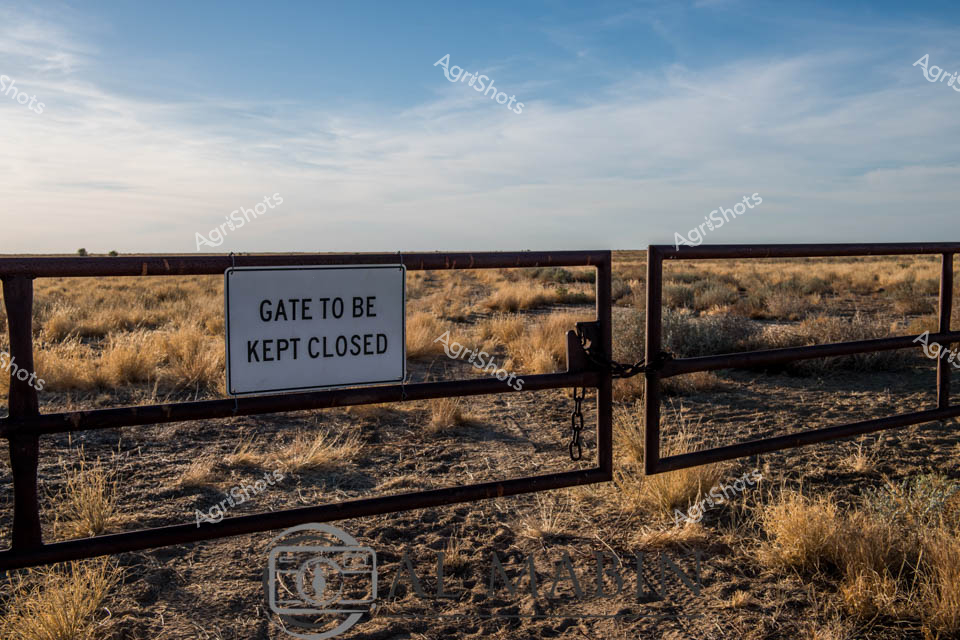
Weathered metal gates punctuate the stark, golden grasslands of a remote Queensland station, where sun-bleached Mitchell grass stretches across an expansive arid landscape. A crisp sign declares "GATE TO BE KEPT CLOSED", a critical instruction for managing livestock movement and property boundaries in this unforgiving pastoral terrain. The deep russet-brown metal gate frames a vista of windswept grasses, their pale straw-colored stalks creating a textured carpet against the dark, cracked earth, reflecting the harsh environmental conditions of Australia's inland regions. Early morning light casts soft shadows across the landscape, revealing the delicate resilience of native vegetation adapted to extreme climatic variations. This scene epitomizes the disciplined management and silent communication essential to agricultural operations in remote Australian stations, where every gate, every boundary, and every blade of grass tells a story of survival and strategic land stewardship. The immense sky, pale and luminous, speaks to the endless horizons that define the Australian agricultural experience.
 Image
Image
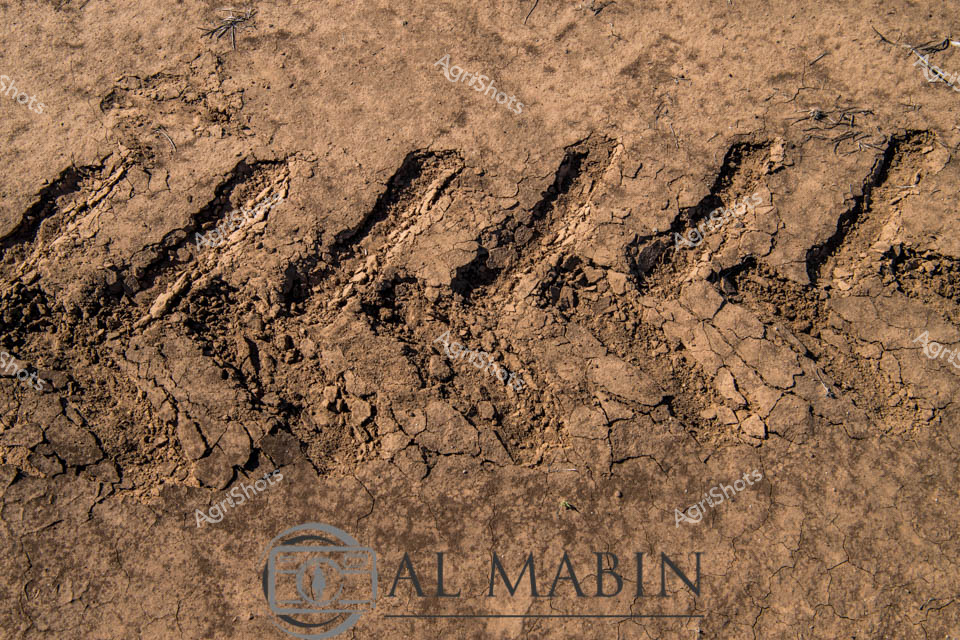
Tractor tread marks carve deep, distinctive chevrons into parched, cracked earth - a powerful testament to the harsh agricultural landscape of Queensland. The rich brown soil bears the intricate pattern of heavy machinery, each groove telling a story of cultivation and resilience. Dry, sun-baked ground splits and fragments, revealing the challenging conditions farmers navigate in this unforgiving terrain. The textural complexity captures the raw essence of rural Australian agriculture - where every furrow represents human determination against environmental extremes. Subtle variations of ochre, umber, and sepia tones highlight the geological intricacies of the ground, while sparse fragments of dried vegetation hint at the arid ecosystem.
 Image
Image
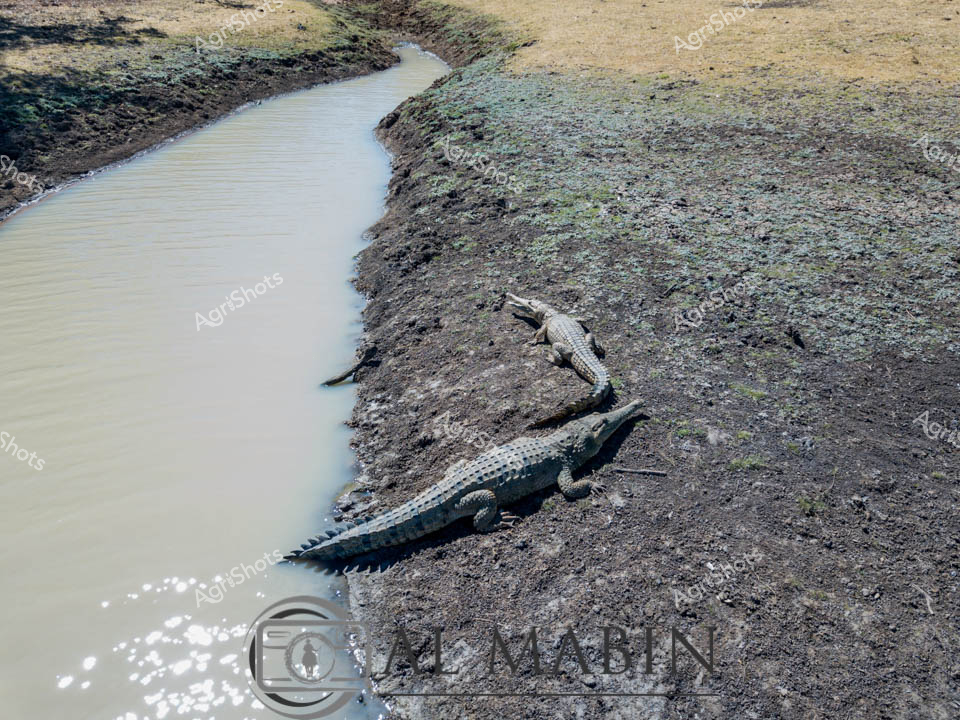
Saltwater crocodiles bask along the sun-baked banks of a remote Queensland waterway, their prehistoric forms blending seamlessly with the rugged pastoral landscape. Two massive reptiles sprawl on the muddy shoreline, their armored scales casting subtle shadows across the cracked earth, mere meters from the milky-brown river channel. The harsh afternoon light reveals every textured contour of their powerful bodies, highlighting the prehistoric adaptations that have survived countless dry seasons in this unforgiving terrain. One crocodile stretches partially onto the bank, while another remains partially submerged, embodying the delicate balance of predator and environment that defines Australia's northern wilderness. The surrounding landscape speaks of resilience - scrubby vegetation clinging to weathered soil, the water's surface reflecting the intense heat of a tropical station country afternoon. This scene captures the raw, untamed essence of Queensland's remote waterways, where wildlife and landscape exist in a timeless, uncompromising harmony.
 Image
Image
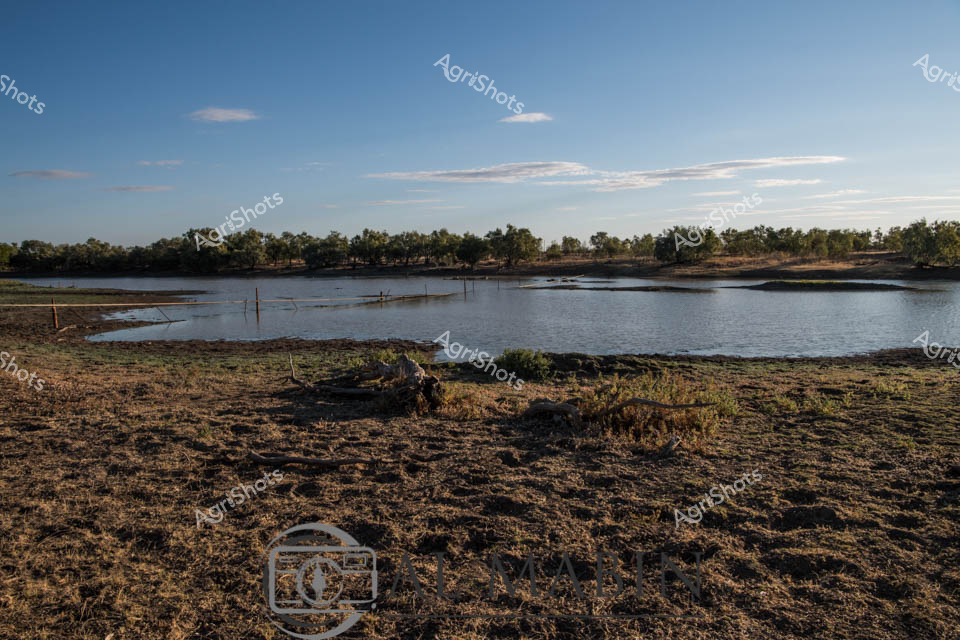
Expansive drought-affected riverbank captures the harsh resilience of a Queensland cattle station during a dry season. Muddy, cracked earth surrounds a shrinking water body, with sparse vegetation clinging to the parched landscape. Weathered wooden posts partially submerged in the water hint at past livestock management practices, while the distant treeline of hardy bushland provides a muted green backdrop against a pristine blue sky. The scene speaks to the challenging environmental conditions faced by Australian beef producers, where water management is critical for survival. Subtle textures of broken ground and remnant vegetation illustrate the delicate balance between survival and desolation in this unforgiving pastoral environment. The wide-open vista and stark contrast between water and land underscore the raw beauty and inherent struggle of agricultural life in remote Queensland.
 Image
Image
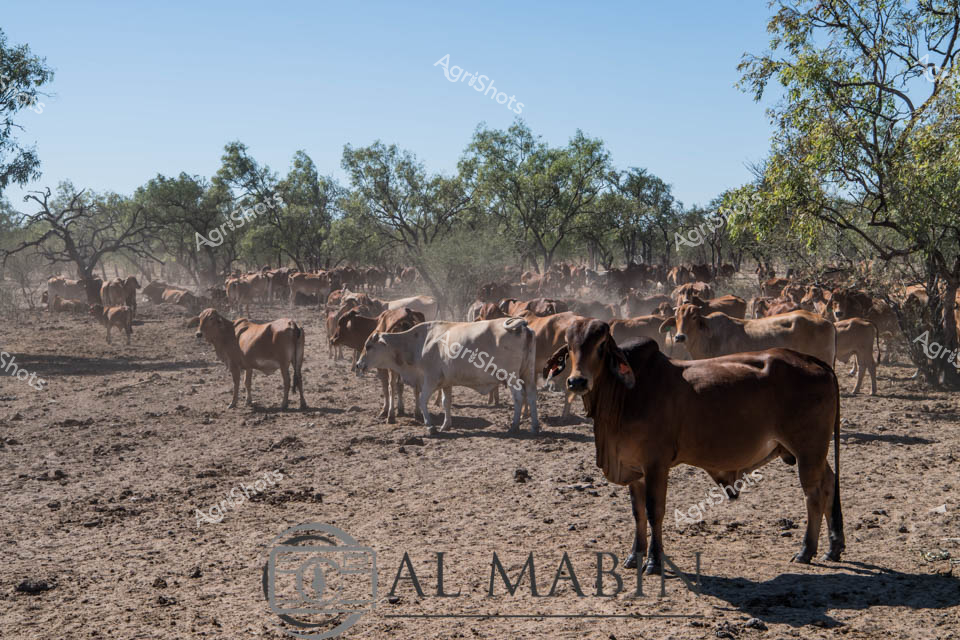
Dusty and resolute, a herd of Brahman cattle stands scattered across a parched station landscape in remote Queensland. The distinctive reddish-brown and white cattle, renowned for their heat tolerance and resilience, cluster among sparse eucalyptus trees under a cloudless blue sky. Their muscular bodies and characteristic humps reflect generations of adaptation to harsh Australian pastoral conditions, with some animals standing alert while others create small dust clouds with their movement. The dry, cracked earth surrounding the herd speaks to the challenging environment of northern Queensland's agricultural regions, where these robust cattle are critical to the beef production economy. Sparse grey-green trees provide minimal shade, highlighting the animals' incredible capacity to survive in extreme conditions.
 Image
Image
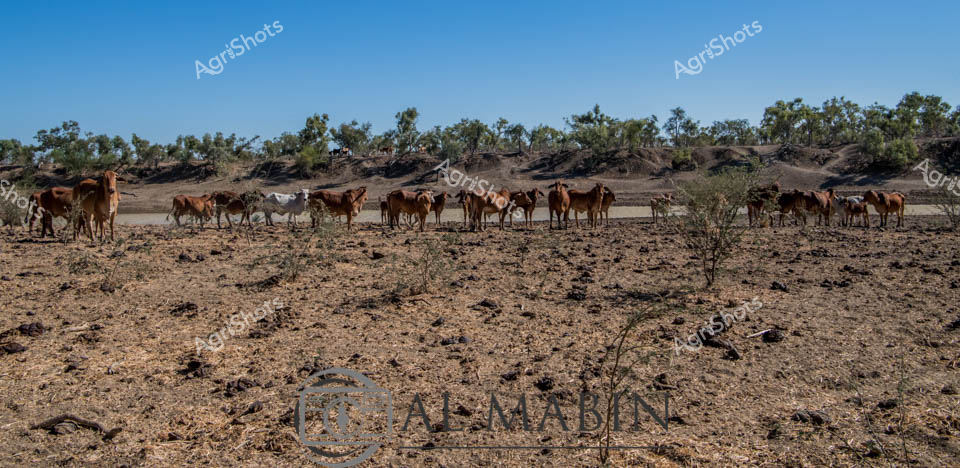
Brahman cattle cluster across a parched, ochre-toned landscape, their distinctive humped shoulders and heat-resistant coats revealing their adaptability to Australia's harsh northern pastoral zones. The dry, cracked earth and scattered sparse vegetation speak to the challenging environmental conditions of a Queensland cattle station during an extended dry season. Reddish-brown Brahman bulls and cows stand together in a tight, resilient herd, their muscular frames and loose skin demonstrating generations of genetic adaptation to survive in extreme temperatures and limited grazing conditions. Scrubby trees and a distant treeline provide minimal shade, highlighting the robust nature of these cattle and the agricultural resilience required in remote Australian pastoral regions. The clear blue sky and stark landscape create a sense of isolation and endurance, capturing the raw essence of Queensland's cattle industry and the intrinsic connection between livestock and landscape.
 Image
Image
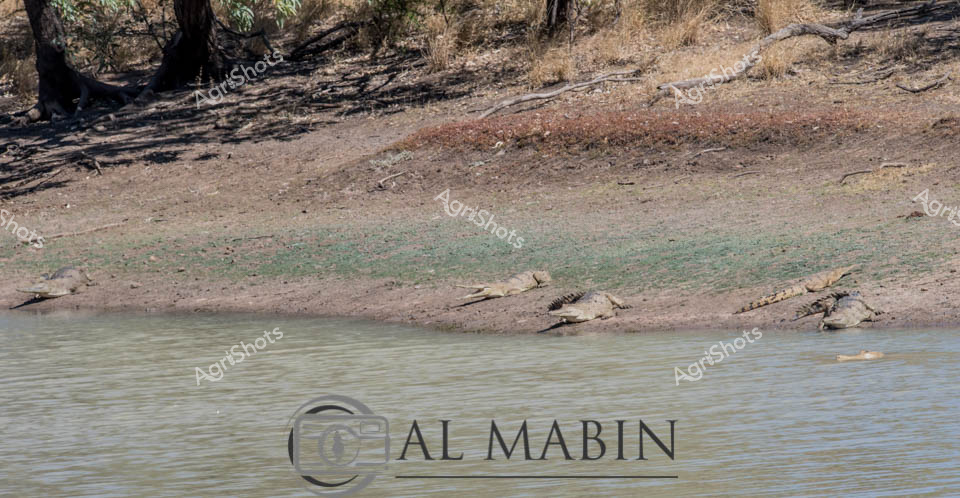
Saltwater crocodiles bask in the harsh midday sun along a muddy riverbank in remote Queensland cattle country. The prehistoric predators lie motionless, their scaled bodies blending perfectly with the dry, cracked earth and weathered tree stumps. Burnt grass and scorched tree trunks suggest recent bushfire activity, highlighting the unforgiving nature of this rugged Australian landscape. The murky water reflects the intense heat, creating a shimmering backdrop that emphasizes the raw survival instincts of these ancient reptiles. In the background, sparse vegetation and dry scrubland speak to the challenging environmental conditions of a Queensland station during the dry season. This powerful image captures the primal essence of Australia's northern wilderness - a delicate ecosystem where prehistoric predators continue to reign supreme in a landscape shaped by fire, drought, and resilience.