About this image
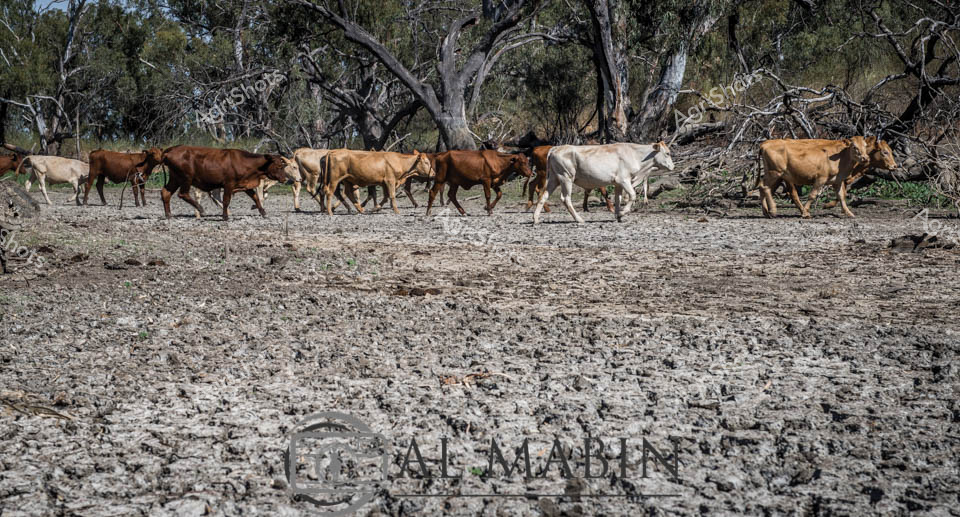
Dust billows beneath weathered hooves as a mixed herd of cattle traverses a parched stock route in the Australian outback. Lean Brahman and crossbred beef cattle move with steady determination, their varied coat colors ranging from rich rust-red to pale cream, walking in a disciplined line through a landscape of gnarled eucalyptus trees and cracked earth. The dry season's brutal impact is evident in the bare ground and skeletal tree branches, highlighting the resilience of both livestock and landscape. Each animal moves with a quiet strength, their muscular bodies testament to generations of breeding adapted to harsh environmental conditions. Weathered tree sentinels stand as silent witnesses to this timeless rhythm of stock route droving - a quintessential scene of Australian agricultural heritage that speaks to generations of pastoral movement and survival.
Similar media
 Image
Image
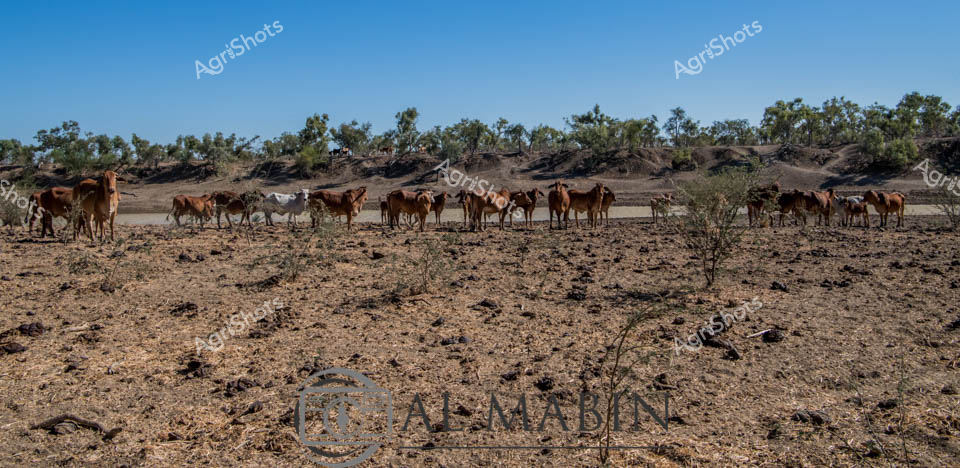
Brahman cattle cluster across a parched, ochre-toned landscape, their distinctive humped shoulders and heat-resistant coats revealing their adaptability to Australia's harsh northern pastoral zones. The dry, cracked earth and scattered sparse vegetation speak to the challenging environmental conditions of a Queensland cattle station during an extended dry season. Reddish-brown Brahman bulls and cows stand together in a tight, resilient herd, their muscular frames and loose skin demonstrating generations of genetic adaptation to survive in extreme temperatures and limited grazing conditions. Scrubby trees and a distant treeline provide minimal shade, highlighting the robust nature of these cattle and the agricultural resilience required in remote Australian pastoral regions. The clear blue sky and stark landscape create a sense of isolation and endurance, capturing the raw essence of Queensland's cattle industry and the intrinsic connection between livestock and landscape.
 Image
Image
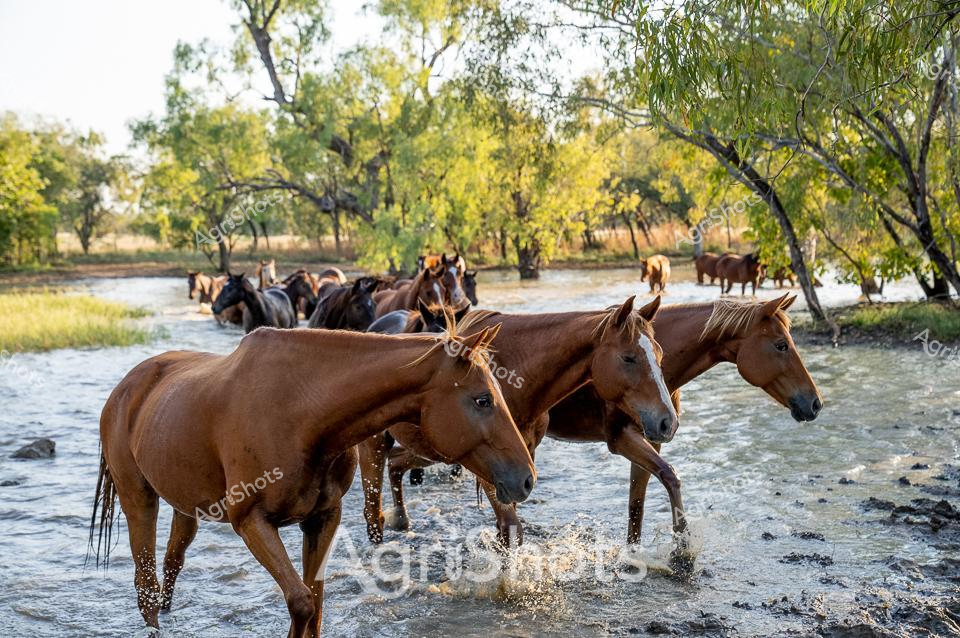
Wild Brumbies Rest in Woodland Creek Sanctuary Sun-drenched golden light filters through sparse eucalyptus woodland, illuminating a tranquil creek scene with a herd of chestnut and bay horses. These robust Australian stock horses stand ankle-deep in cool, muddy water, their muscular frames glistening with perspiration from a long muster across the rugged Western Australian landscape. The horses bunch together instinctively, their rich copper and brown coats contrasting against the silvery water and pale sandy creek bed, creating a tableau of natural harmony and pastoral resilience. Scattered trees with delicate yellow-green foliage frame the scene, suggesting late summer or early autumn when the harsh Australian heat begins to soften. Water splashes gently around their hooves as the horses pause to refresh themselves, their collective posture relaxed yet alert - a testament to the adaptability and strength of these remarkable station horses. This image captures the essence of outback horse management, where animals and landscape merge in a timeless dance of survival and companionship. The herd represents the heart of Western Australian pastoral culture - tough, elegant, and intimately connected to the challenging environments they inhabit.
 Image
Image
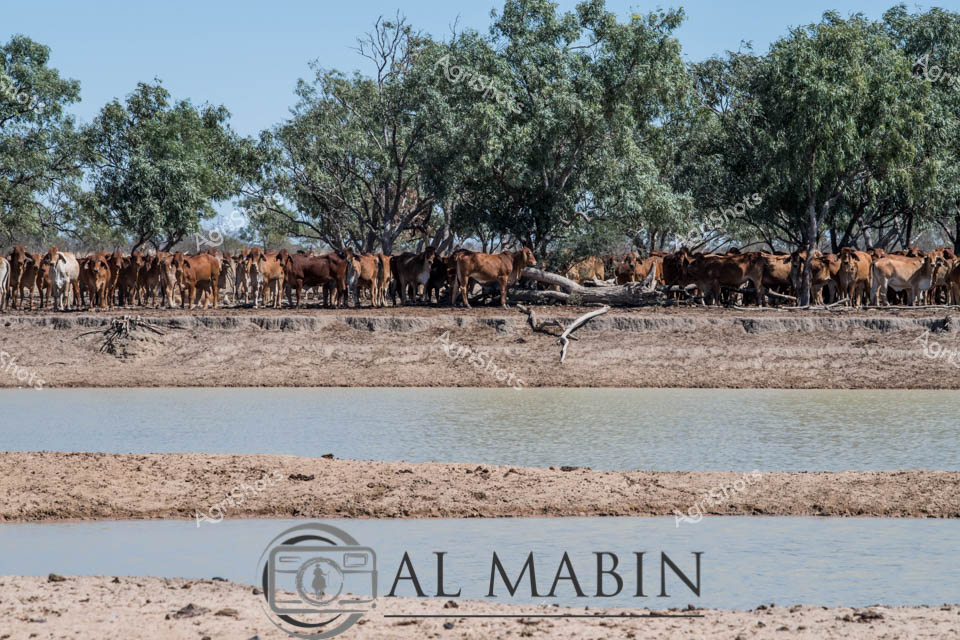
Brahman cattle cluster along a dry riverbank under the expansive blue skies of rural Queensland, seeking shade from gnarled eucalyptus trees. The herd - predominantly rich chestnut and russet brown - stands clustered near a water source, their muscular bodies and distinctive humps characteristic of this hardy tropical cattle breed. Dusty earth tones contrast sharply with the silvery-green foliage, creating a quintessential Australian pastoral landscape that speaks to the resilience of both livestock and landscape. Weathered banks reveal the impact of prolonged dry conditions, with the water source looking critical to survival in this unforgiving environment. The scene embodies the quiet determination of beef production in one of the world's most challenging agricultural terrains.
 Image
Image
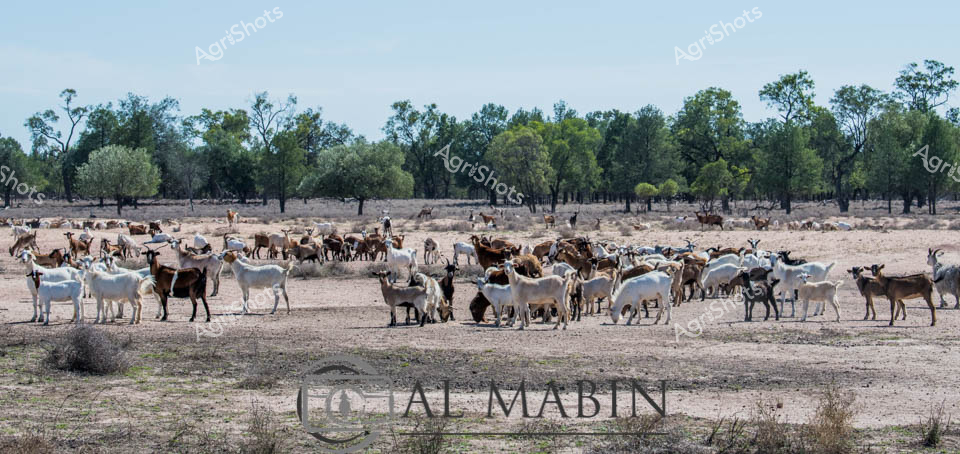
Dusty paddock under a pale summer sky, a substantial herd of mixed breed goats clusters across a dry, cracked landscape near scattered gum trees in rural New South Wales. White, brown, and black goats of various ages mill together, creating a textural mosaic against the parched earth - kids nestling close to their dams, mature animals standing alert in small groups. Sparse ground vegetation and skeletal trees suggest challenging drought conditions typical of inland Australian agricultural regions. The herd represents a resilient pastoral enterprise, demonstrating the adaptability of goat farming in marginal grazing environments. Mature goats display a range of coat colors and patterns, from pure white to rich chocolate brown and mottled combinations, highlighting genetic diversity critical to sustainable livestock management. The scene captures the stark beauty of Australian agricultural landscapes - a testament to farmers' persistence in working with challenging natural conditions.
 Image
Image
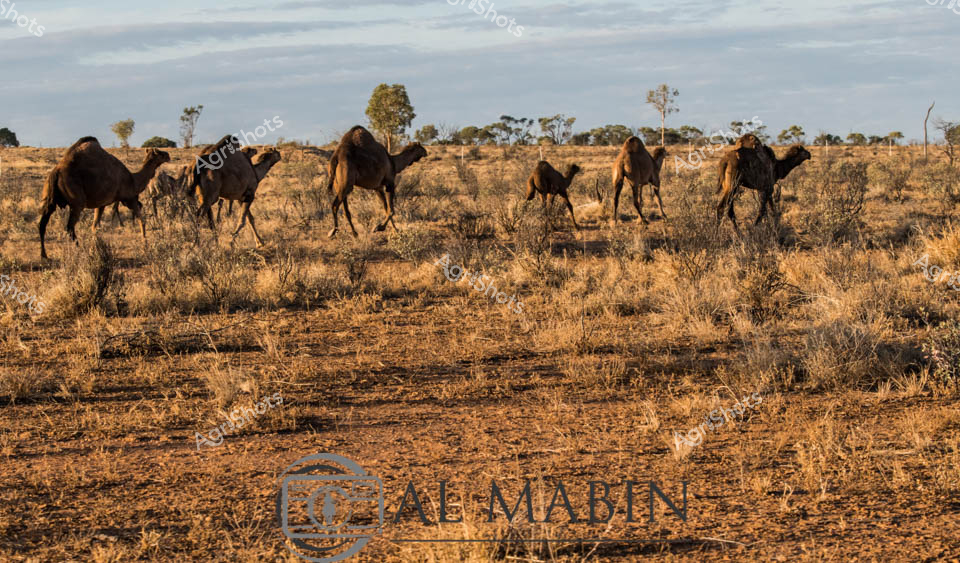
Feral camels roam the arid landscape of a remote Queensland cattle station, their rich brown coats blending with the sun-scorched golden grasslands and scattered scrub. The herd moves with a deliberate, unhurried gait across the dusty terrain, silhouetted against a pale, overcast sky that stretches endlessly across the horizon. These resilient dromedary camels, descendants of imported working animals from the 19th century, now form significant wild populations across Australia's interior, representing a unique aspect of the continent's agricultural and ecological history. Sparse eucalyptus trees punctuate the background, their weathered forms a testament to the harsh environmental conditions of the outback. The muted earth tones and expansive landscape speak to the raw beauty and endurance of Australia's agricultural environments.
 Image
Image
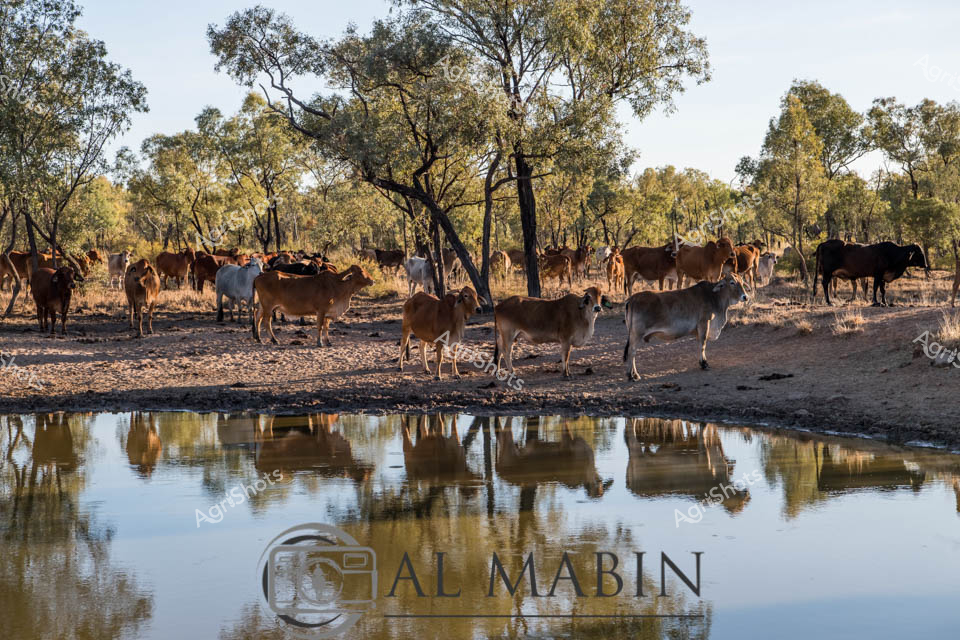
Brahman and crossbred beef cattle gather at a tranquil dam on a sprawling Queensland cattle station, their muscular forms casting long reflections across the still water's surface. The late afternoon light filters through sparse eucalyptus woodland, creating a golden-hued landscape of weathered earth and silvery-green foliage. Russet, black, and grey cattle stand in small groups, some drinking from the water's edge, others resting in the dappled shade of ancient gum trees. The scene captures the quintessential Australian pastoral landscape - rugged, dry, yet sustaining life through carefully managed water resources. Rich earth tones of the cattle contrast beautifully with the soft blues of the dam and the muted greens of the surrounding bush, showcasing the resilience of cattle farming in challenging outback conditions. This image epitomizes the enduring spirit of Queensland's cattle industry - a delicate balance of livestock management and working in harmony with a demanding natural environment.
 Image
Image
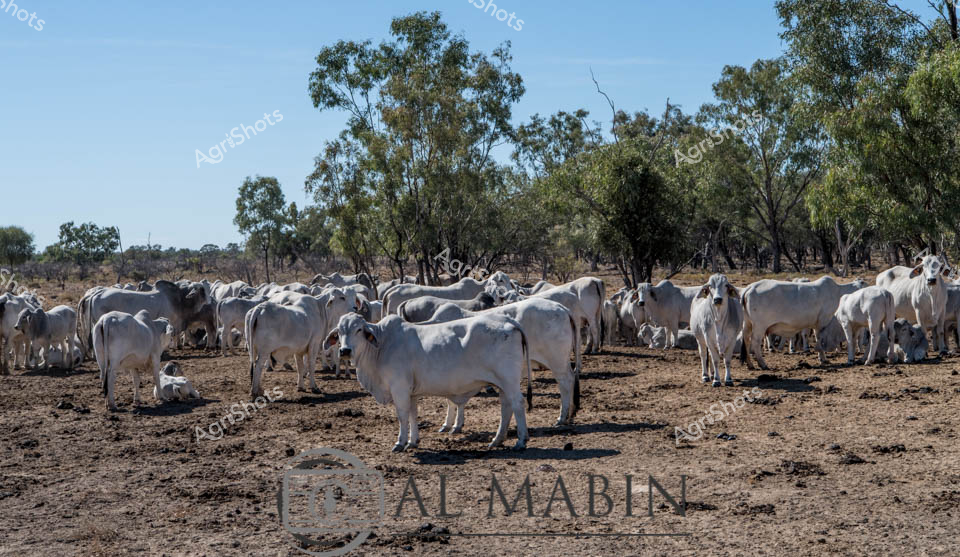
Brahman cattle cluster across the dusty paddock of a Queensland cattle station, their distinctive pale grey-white coats standing out against the dry earth and scattered eucalyptus woodland. These robust cattle, renowned for their heat tolerance and resilience, represent a quintessential scene of northern Australian beef production. The herd stands in tight formation, their muscular bodies casting long shadows in the harsh midday sunlight, surrounded by a landscape of sparse grassland and weathered gum trees. Each animal displays the breed's characteristic fatty hump and loose skin - adaptations that enable survival in challenging tropical environments. The ground is parched and compact, telling a story of challenging dry season conditions that test the endurance of both livestock and land. This image captures the essence of pastoral Australia - a testament to agricultural persistence, breed specialization, and the intricate relationship between cattle, landscape, and agricultural management in one of the world's most demanding farming environments.
 Image
Image
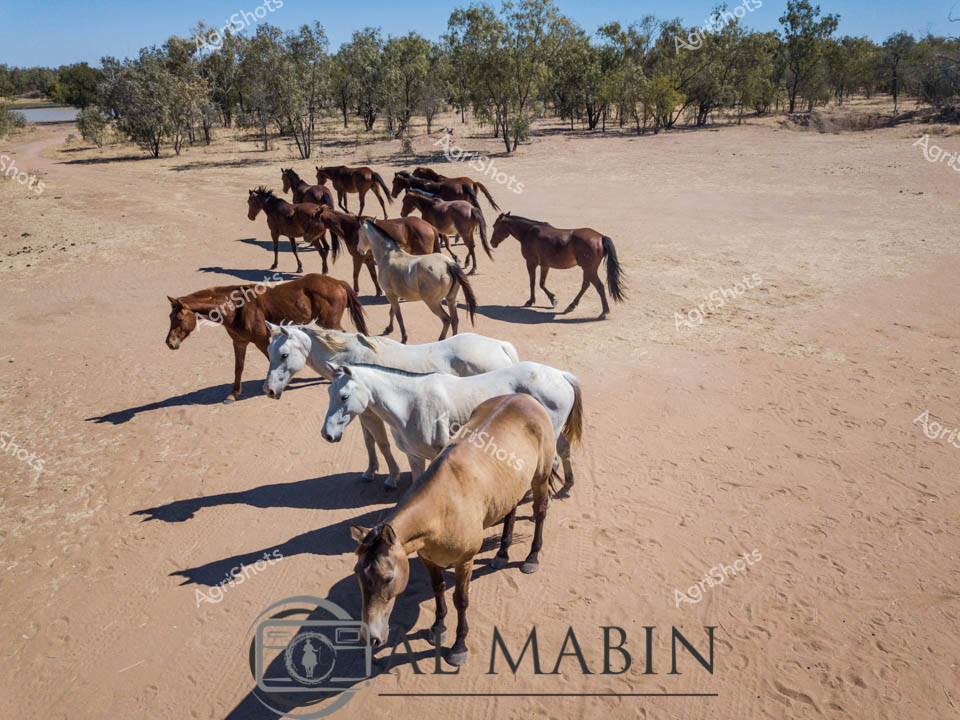
Wild brumbies roam the arid central Australian landscape, casting long shadows across the parched earth during the harsh midday sun. A diverse herd of horses - ranging from rich chestnut and dark bay to striking white and palomino - wander across the dusty, ochre-colored terrain dotted with sparse eucalyptus trees. The horses move with a quiet, unhurried grace, their muscular bodies a testament to their resilience in this unforgiving environment. Sparse ground vegetation and the scattered woodland backdrop highlight the stark beauty of Australia's inland regions, where these feral horses have adapted to survive in challenging conditions. The herd's varied coat colors create a stunning visual palette against the monotone landscape, each horse casting a sharp, elongated shadow that emphasizes the intense sunlight and dry seasonal conditions. This powerful image captures the spirit of Australia's wild horse population, known as brumbies, embodying the untamed freedom and raw survival instinct of these iconic animals in their natural habitat.