Browse the collection
 Image
MOBA egg sorting and grading machinery transforms fresh brown eggs into perfectly aligned rows at a state-of-the-art poultry processing facility. Smooth gray metal conveyors transport egg trays with precision, systematically moving tan and brown eggs through an automated sorting process. The industrial-grade equipment showcases modern agricultural technology, efficiently handling multiple tray levels to ensure consistent egg placement and quality control. Rows of uniform eggs rest in molded gray pulp trays, their warm terracotta and soft caramel hues creating a subtle color gradient against the metallic machinery. The MOBA branding prominently displayed signals cutting-edge agricultural engineering designed to streamline egg production and distribution. This snapshot of large-scale farming represents the sophisticated intersection of agricultural science and mechanical innovation, highlighting Australia's advanced agricultural processing capabilities.
 Image
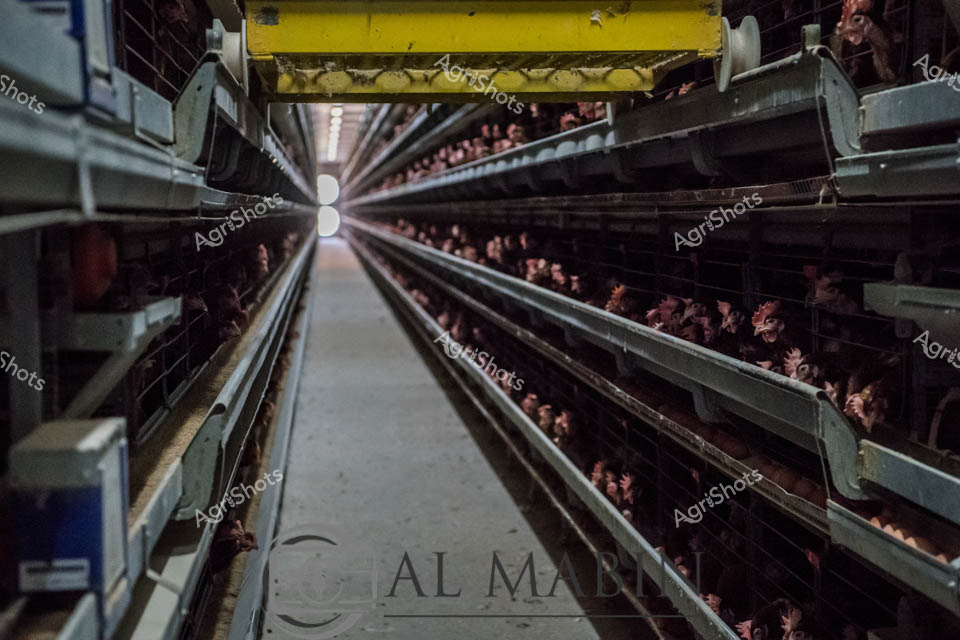
Battery hen facility interior: rows of uniform metal cages stretch into a vanishing point, densely populated with reddish-brown laying hens. Harsh overhead lighting casts a clinical yellow glow across the tight, mechanized production space, highlighting the uniform grey infrastructure and tightly confined poultry. Each precisely engineered shelf contains multiple birds, their feathered bodies pressed close together in a systematic grid of industrial agricultural efficiency. The narrow central walkway provides access for farm workers, allowing monitoring and maintenance of this high-density egg production environment. Metallic surfaces and structured lines create a sense of clinical precision, revealing the industrial scale of contemporary egg production in Australian agricultural systems. The confined space represents a standardized approach to livestock management, where efficiency and maximum output are the primary design considerations.
 Image
Rows of Rhode Island Red hens occupy a multi-tiered battery cage system, tightly confined within an industrial egg production facility. Warm brown and russet-feathered birds crowd each wire compartment, their distinctive red combs standing out against the grey metal infrastructure. Below the chickens, a wire shelf displays rows of freshly laid brown eggs, uniform and neatly arranged. The tight vertical stacking maximizes space efficiency, with orange dividers separating each tier of the densely populated poultry environment. Harsh lighting illuminates the metallic surfaces, casting shadows that highlight the clinical precision of large-scale commercial egg production. This image captures the industrial scale of modern agricultural practices, where animal welfare and production efficiency are carefully balanced in a mechanized system of food production.
 Image
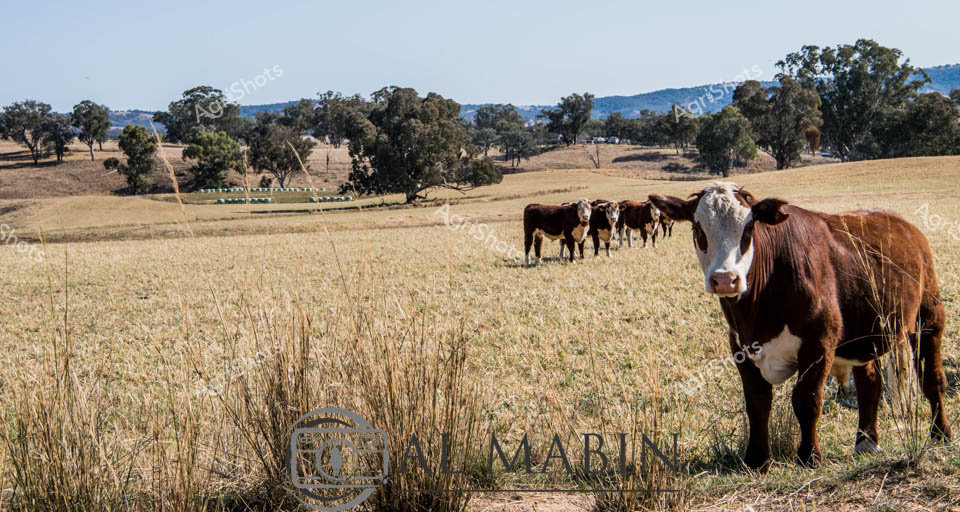
Burnished golden pastures stretch across the undulating New England landscape, where a small herd of robust Hereford cattle grazes peacefully beneath an expansive blue sky. A rich mahogany and white-faced bovine stands prominently in the foreground, her muscular frame a testament to the superior breeding of this pastoral region of New South Wales. Scattered eucalyptus trees dot the rolling hillsides, providing gentle shade and windbreaks for the livestock, their silvery-green foliage creating a quintessential Australian rural backdrop. The late summer paddock bears the characteristic dry, textured grasses of the region, their pale golden hues indicating the end of a long, hot season. In the middle distance, the herd moves with a calm purposefulness, representing the genetic quality of a carefully managed stud operation. Distant blue-tinged mountains frame the horizon, suggesting the vast, open spaces that define Australian agricultural landscapes. This image captures the essence of New England's beef cattle industry - a harmonious blend of natural beauty, agricultural expertise, and the quiet dignity of well-bred livestock thriving in their native environment.
 Image
A seasoned farmer stands on a narrow yellow platform, suspended in the precise geometric lines of a modern egg production facility. Cradling a golden-brown hen with gentle expertise, he surveys the meticulously organized rows of nesting areas stretching infinitely below and above him. His weathered blue work shirt and well-worn denim jeans speak to decades of agricultural experience, while his careful handling of the bird demonstrates the nuanced relationship between farmer and livestock in contemporary large-scale farming operations. The sterile white and metallic environment creates a striking contrast with the organic warmth of the live chicken, highlighting the sophisticated infrastructure of Australian poultry production. Soft shadows and precise industrial design reveal a carefully controlled environment where efficiency and animal welfare intersect. This powerful image captures the intersection of traditional farming knowledge and cutting-edge agricultural technology, embodying the sophisticated approach of modern NSW egg production.
 Image
Hereford cattle graze peacefully across the golden grasslands of New England, New South Wales, under the expansive blue winter sky. Robust brown and white cattle cluster near ancient eucalyptus trees, their distinctive coloration standing out against the dry, wheat-colored pasture. Mature gum trees cast long shadows across the undulating paddock, their silvery-white trunks and sparse canopies typical of the rugged Australian rural landscape. Each animal represents the careful breeding and management of a high-quality beef herd, with mature cows and younger stock grazing together in a classic extensive farming system. The scene epitomizes the resilience of Australian cattle farming - where livestock thrive on natural grasslands, adapting to the challenging but beautiful inland environments of New South Wales.
 Image
Hereford cattle graze across a golden, late-summer pasture in the undulating New England tablelands of New South Wales. The robust white-faced and rich chestnut-bodied cattle stand amid dry grasslands, scattered with classic Australian eucalyptus trees casting dappled shadows on the sun-bleached landscape. Gnarled white gum trees frame the background, their silvery bark contrasting against the clear azure sky, while the herd moves with quiet purpose through the windswept paddock. Each animal displays the characteristic Hereford markings - distinctive white faces and bodies marked with rich rust-red coloration, representing generations of careful stud breeding in this challenging agricultural terrain. The scene captures the essence of Australian cattle country: resilient livestock, expansive pastoral settings, and the timeless rhythm of rural production. Soft mountain ranges hover on the distant horizon, suggesting the geographic complexity of this renowned agricultural region.
 Image
Free-range poultry farmer surveys his immaculate layer house, wearing a classic Australian wide-brimmed hat and blue work shirt branded with an agricultural insignia. Rows of wire cages stretch horizontally, populated by russet-feathered hens nestled in clean, orderly compartments, reflecting modern large-scale egg production techniques. Soft overhead lighting illuminates the pristine interior, highlighting the farmer's confident, satisfied expression as he stands amid his meticulously managed flock. The controlled environment demonstrates sophisticated agricultural practices, with precise infrastructure designed for optimal hen welfare and consistent egg production. Cool metallic greys of the cage structures contrast with the warm brown tones of the chickens, creating a clinical yet organic atmosphere that speaks to contemporary Australian agricultural standards. This portrait captures the intersection of traditional farming expertise and cutting-edge agricultural technology, embodying the professionalism and pride of rural enterprise in New South Wales.
 Image
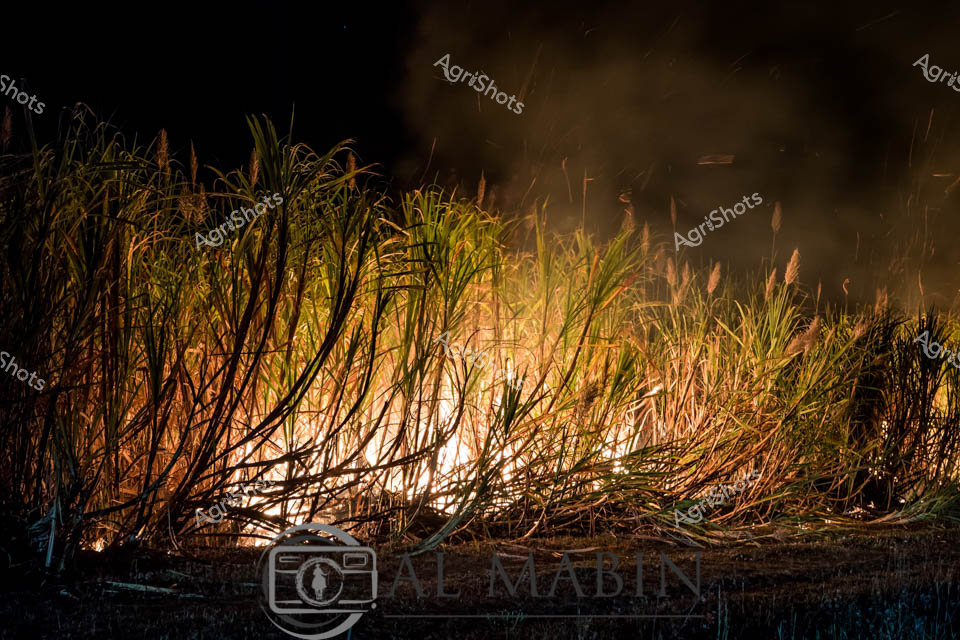
Flames lick through dense sugarcane fields under the cover of darkness, illuminating the golden-green stalks with an intense amber glow. The controlled burn transforms the landscape, casting dramatic shadows and creating a fiery tableau that is integral to the sugarcane harvesting process in rural New South Wales. Charred and blackening cane stems bend and twist in the intense heat, while unburned grass and leaves retain their verdant color at the edges of the burning zone. This nocturnal agricultural ritual prepares the fields for harvest, burning away excess foliage and facilitating easier cutting of the sugar-rich cane. The fire creates a mesmerizing interplay of light and shadow, with burning embers floating upward and the intense heat creating a shimmering atmosphere around the vegetation. Such controlled burns are a critical technique in Australian sugarcane farming, helping to clear fields, reduce pest populations, and enhance crop productivity in a landscape where fire has long been a natural and managed ecological process.
 Image
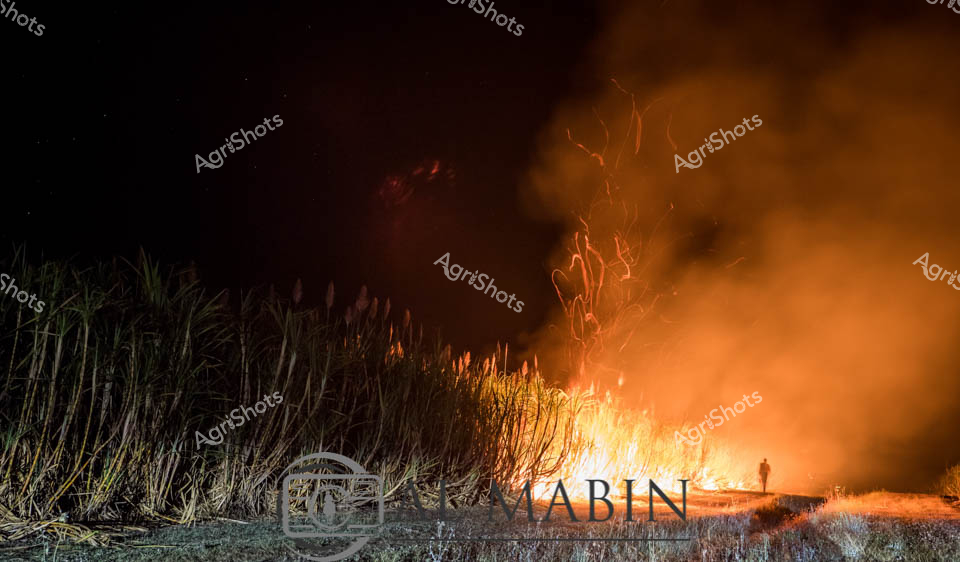
Flames consume the edge of a sugarcane field under the dark night sky, transforming the agricultural landscape into a blazing canvas of orange and gold. Intense fire licks upward, consuming dry cane stalks and creating dramatic spiraling embers that dance against the inky blackness. The controlled burn illuminates the field's edge, a critical technique in Australian sugarcane harvesting that prepares the crop for cutting and helps manage pest populations and field renewal. Sparks and heat radiate across the foreground, casting an intense glow that highlights the textured vegetation and creates a stark contrast between the burning section and the unburned cane stalks. A solitary figure stands in the distance, silhouetted against the inferno, symbolizing the human management of this powerful agricultural process. The night burn represents a generations-old practice in Queensland and New South Wales, where fire plays a strategic role in preparing sugarcane fields for harvest and maintaining crop health.
 Image
Burnished copper and cream-toned Simmental cattle graze contentedly across a lush pasture under a softly clouded azure sky, representing the pinnacle of Australian beef breeding excellence. The stud herd stands grouped together, their muscular frames and distinctive white faces highlighting the genetic quality of this carefully managed bloodline. Rich green grass carpets the paddock, surrounded by mature trees suggesting a well-established agricultural property in New South Wales' prime cattle country. Each animal displays the robust, well-proportioned characteristics that make Simmental breeds prized for both meat production and genetic strength. The scene radiates pastoral serenity - a testament to generations of agricultural expertise and careful livestock management.
 Image
Golden sunlight bathes a lush pasture in what appears to be a classic New South Wales cattle-grazing landscape, where a herd of robust Simmental cattle stand proudly on verdant grasslands. The cattle - predominantly rich russet and auburn brown with distinctive white facial markings - represent a high-quality beef stud breeding line, positioned against a backdrop of mature eucalyptus trees and a brilliant azure sky scattered with delicate white clouds. Each animal displays the characteristic muscular build and alert demeanor of the Simmental breed, renowned for their exceptional meat quality and adaptability to Australian agricultural conditions. The lead cow stands slightly forward, her stance confident and watchful, representing the strength of the herd. Her compatriots form a solid, uniform line behind her, showcasing the careful genetic selection and professional livestock management typical of premium Australian cattle operations. The meticulously maintained pasture - a vibrant emerald green and densely grassed - indicates excellent land stewardship and optimal grazing conditions.
 Image
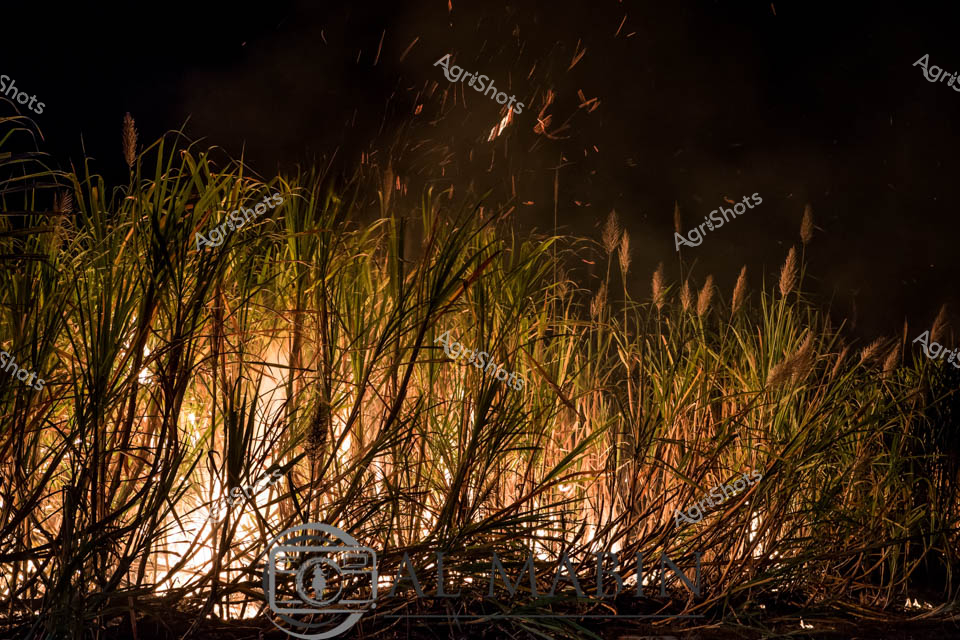
Ember-laden winds dance above burning sugarcane fields, illuminating the night with a primal agricultural ritual. Flames lick through dense grass stalks, casting an amber glow against the dark landscape, creating a dramatic scene of controlled agricultural burning typical of pre-harvest practices in regional New South Wales. Delicate grass plumes sway against the intense firelight, their silhouettes revealing the textural complexity of mature sugarcane ready for harvest. Sparks spiral upward, creating a mesmerizing display of agricultural transformation, where fire serves as a critical tool for clearing fields, reducing pest populations, and preparing cane for mechanical harvesting. The interplay of light and darkness captures the raw, elemental nature of sugarcane farming, showcasing the intense methodologies that underpin Australia's agricultural production. This nighttime burn represents a generations-old technique, converting dormant fields into preparation for the upcoming harvest season with a spectacular display of controlled destruction and renewal.
 Image
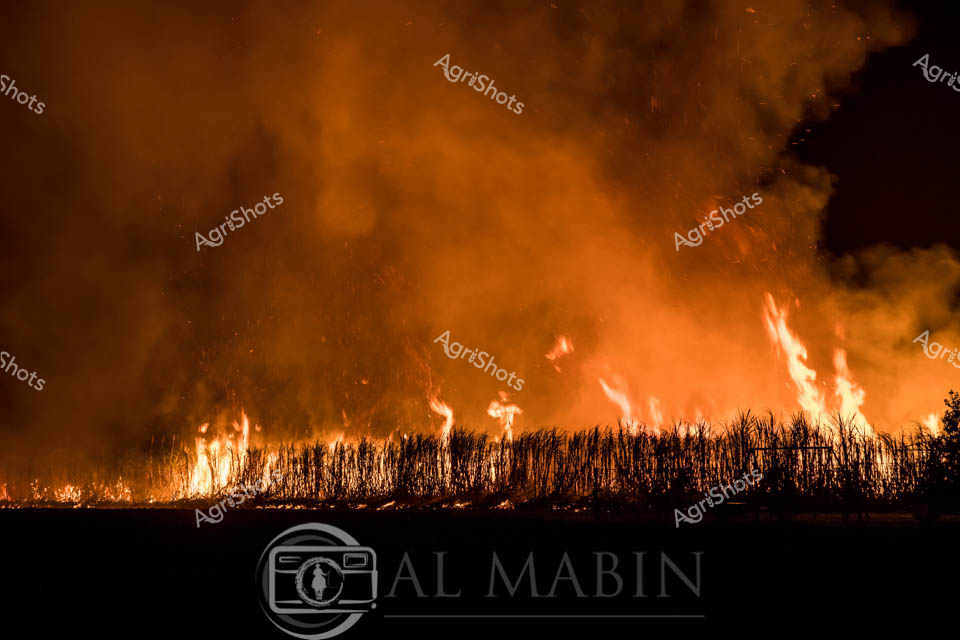
Flames consume a vast sugarcane field under the cover of darkness, transforming the night landscape into a mesmerizing tapestry of orange and black. Intense fire lines race horizontally across the field, consuming the dry cane stalks with relentless fury, creating towering flames that illuminate the surrounding darkness. The controlled burn—a critical agricultural practice in sugarcane harvesting—prepares the field for cutting by clearing away leaves and undergrowth, making harvesting more efficient and reducing pest populations. Burning also concentrates the sugar content in the cane, improving overall crop quality before mechanical harvesting begins. The dramatic scene captures the raw power of agricultural land management, where fire becomes a precise tool in the complex process of sugarcane production. Silhouetted against the blazing field, the night sky becomes a canvas of smoke and flame, revealing the intense transformation occurring in this quintessential Australian agricultural landscape.
 Image
Lush pastures of New South Wales cradle a thriving herd of Simmental cattle, their rich reddish-brown coats gleaming against the verdant spring grasslands. Strategic tree lines frame the pastoral landscape, creating a natural boundary between grazing fields and distant paddocks under a soft, cloud-dappled blue sky. The robust beef cattle, characteristic of the Simmental breed with their distinctive white and amber coloration, graze peacefully, heads lowered in rhythmic feeding across the emerald green terrain. Each animal represents the careful genetic selection and management of The agricultural portfolio, showcasing the premium quality of Australian beef cattle breeding. The herd demonstrates remarkable uniformity, highlighting the sophisticated stud breeding practices that contribute to Australia's global reputation for superior livestock. This image captures the essence of pastoral productivity - a harmonious blend of natural landscape, animal husbandry, and agricultural expertise that defines the heart of rural Australian farming.
 Image
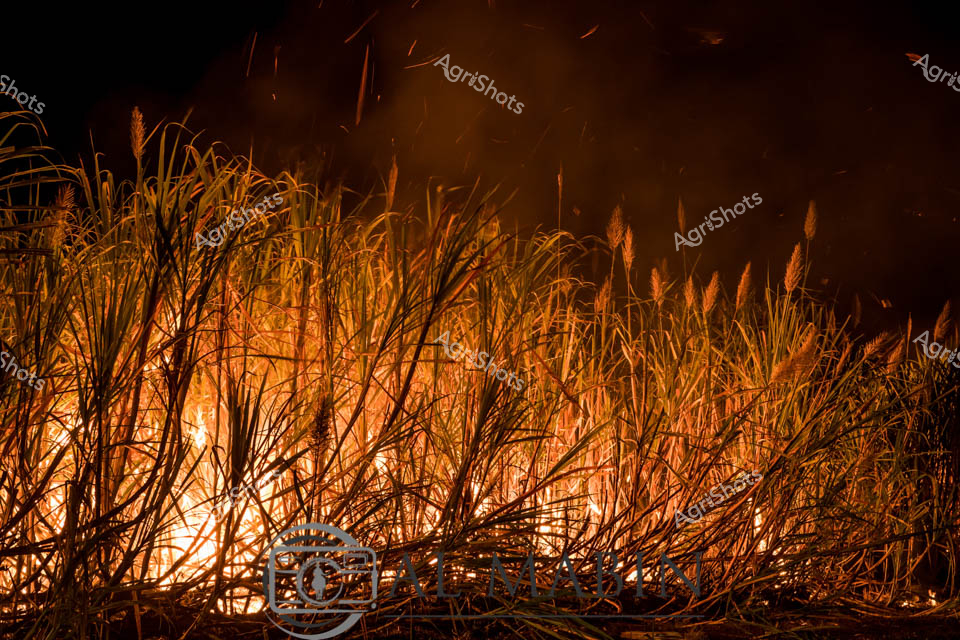
Flames engulf a dense sugarcane field under the cover of darkness, creating a dramatic nocturnal agricultural spectacle. The controlled burn illuminates the tall, golden-brown cane stalks with an intense orange glow, their feathery tops silhouetted against the blazing background. This traditional harvesting technique, common in regions like New South Wales, prepares the crop for cutting by burning off excess leaves and undergrowth, simultaneously clearing the field and reducing potential pest populations. Embers dance upward, creating a mesmerizing display of light and movement against the inky black night sky. The fire's intense heat transforms the landscape into a living canvas of warm amber and deep crimson tones, highlighting the intricate textures of the cane grass. This powerful image captures the raw, primal energy of agricultural practice - a moment where human intervention and natural forces collaborate in the rhythmic cycle of crop production.
 Image
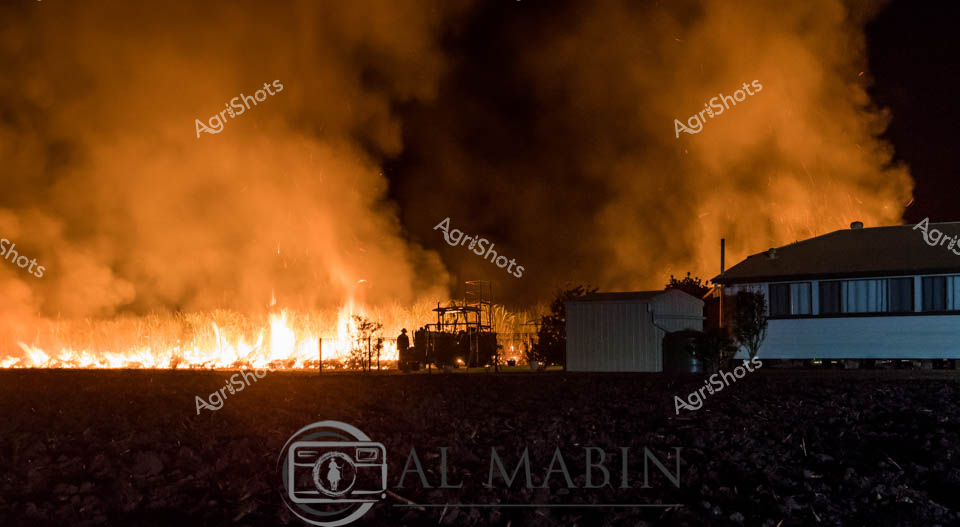
Night descends on a sugarcane field ablaze, transforming the dark landscape into a dramatic canvas of orange and amber. Flames race horizontally across the field, consuming dry cane stalks in a controlled agricultural burn typical of pre-harvest practices in regional New South Wales. A rugged agricultural vehicle stands sentinel near farm buildings, silhouetted against the intense firelight, representing the technological resilience of Australian agricultural workers. The controlled burn serves multiple purposes - clearing unwanted vegetation, reducing pest populations, and preparing the field for efficient mechanical harvesting of sugarcane. Intense heat radiates across the foreground, creating a stark contrast between the consuming fire and the solid structures of the rural property. This powerful image captures the raw, elemental process of sugarcane production, highlighting the intersection of human agricultural strategy and natural transformation.
 Image
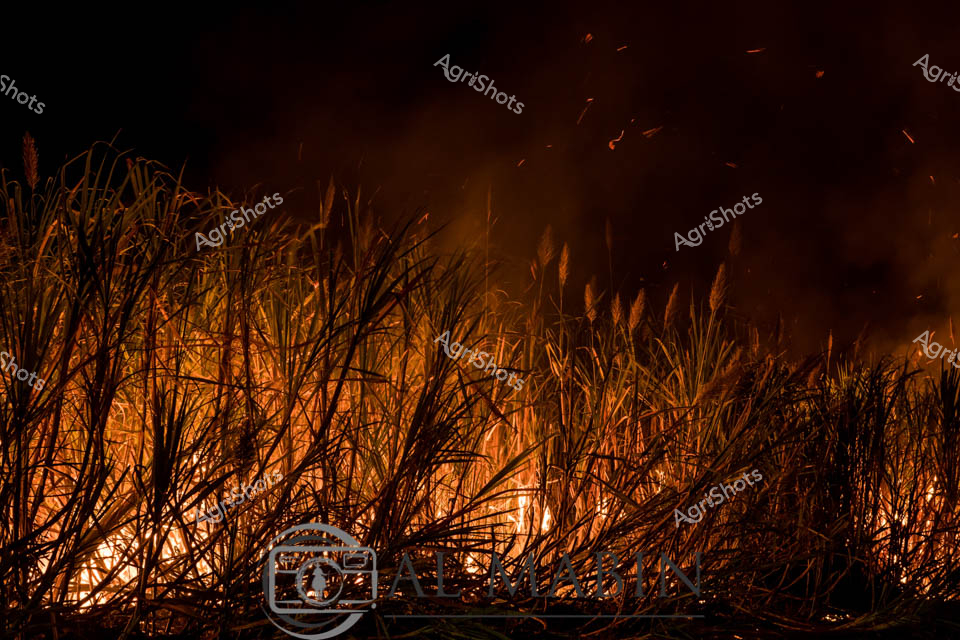
Flames surge through dense sugarcane fields, illuminating the dark night with intense amber and orange hues. A controlled burn sweeps across the agricultural landscape, a critical technique in preparing sugarcane fields for harvest in rural New South Wales. Sparks and embers dance upward, creating a mesmerizing pyrogenic display against the pitch-black sky, while the tall grass stalks bend and twist in the consuming inferno. This strategic burning reduces leaf matter, makes cutting easier, and helps manage pest populations - a generations-old agricultural practice that transforms the landscape into a dramatic canvas of natural destruction and renewal. The intricate silhouettes of burnt and burning cane create a textural mosaic of agricultural management, revealing the raw, elemental process behind sugar production. Each flickering flame represents a moment of calculated agricultural intervention, where fire becomes a precise tool in the hands of experienced farmers.
 Image
In the heart of a modern egg processing facility, a skilled worker in a dark green polo shirt carefully sorts and inspects brown eggs along a precision conveyor system. Warm-toned eggs flow steadily across green metal rollers, creating a rhythmic cascade of agricultural production. The controlled environment reveals state-of-the-art equipment - electrical control panels, a coiled blue hose, and stacked egg cartons - reflecting the sophisticated infrastructure of contemporary poultry farming. Soft industrial lighting illuminates the meticulous sorting process, where each egg is examined with professional precision and care. This snapshot captures the critical moment of quality control in the egg supply chain, highlighting the intersection of agricultural expertise and technological efficiency. The scene embodies the professional discipline of modern Australian agricultural production, where every egg represents a carefully managed step from farm to table.
 Image
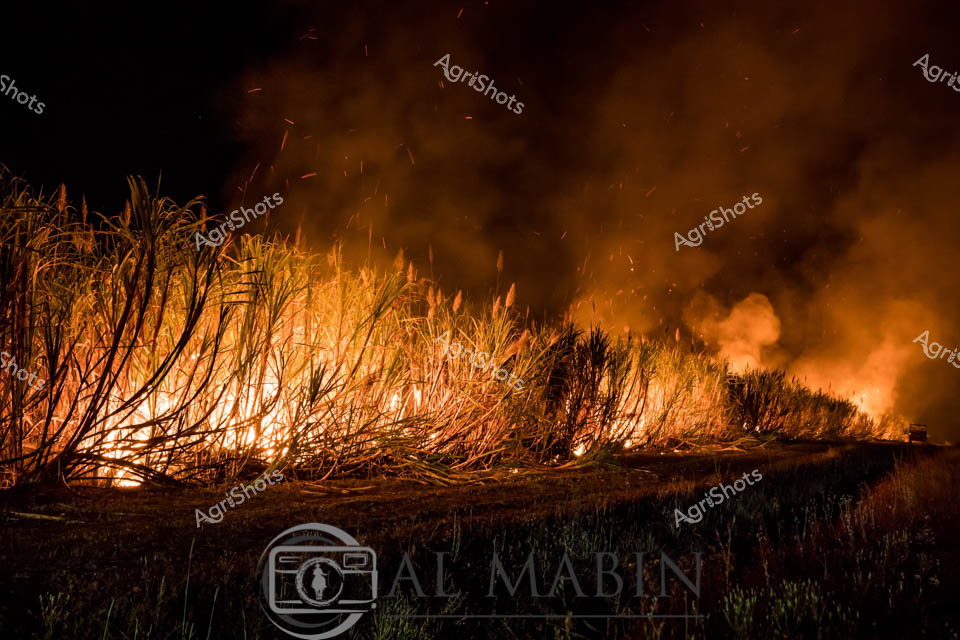
Flames lick through a dense field of sugarcane, illuminating the night with an intense orange-gold radiance. The controlled burn transforms the landscape, casting dramatic shadows and sending embers spiraling into the dark sky, a critical phase of the sugarcane harvesting process in regional New South Wales. Dry cane stalks crackle and bend under the intense heat, their silhouettes stark against the blazing foreground, demonstrating the traditional agricultural practice of pre-harvest burning that clears leaf matter and prepares the crop for cutting. The fire moves with a primal energy across the flat agricultural terrain, creating a mesmerizing display of destruction and renewal that has been part of Australian sugarcane farming for generations. Smoke billows and swirls, creating complex atmospheric layers that hint at the transformative power of fire in agricultural land management. This powerful image captures the raw, elemental nature of sugarcane production, revealing the precision and skill required in preparing crops for harvest in one of Australia's key agricultural regions.
 Image
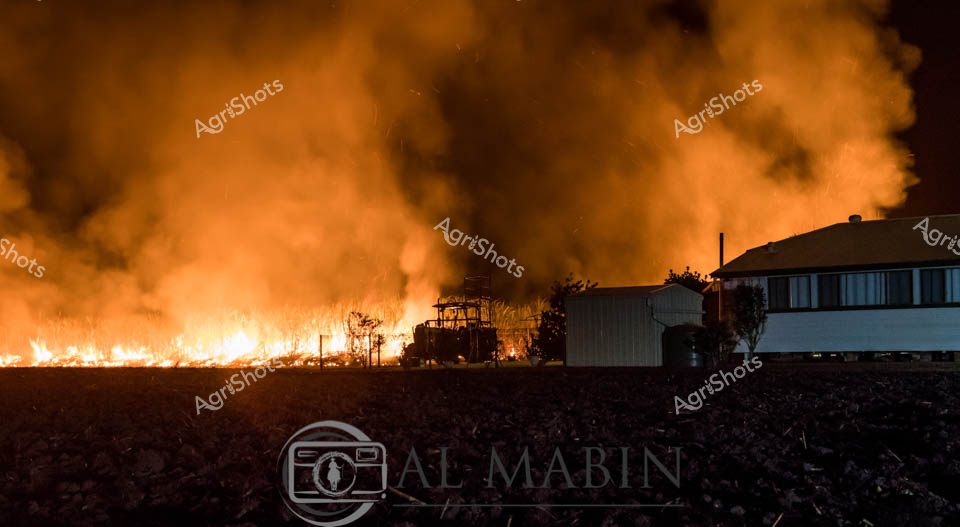
Night descends on a cane field ablaze, transforming the landscape into a dramatic tableau of agricultural transformation. Intense orange flames consume the sugarcane field, creating a sweeping wall of fire that illuminates the surrounding rural property with an apocalyptic glow. Agricultural machinery stands silhouetted against the inferno, a testament to the controlled burn techniques used in preparing fields for harvest. The controlled burn clears dead vegetation, eliminates pests, and prepares the land for cutting, a critical process in sugarcane production across regions of New South Wales. Structures—a white farmhouse and utility buildings—stand resilient at the field's edge, carefully positioned to remain safe from the managed wildfire. The scene captures the raw power of agricultural practices, where fire becomes a tool of land management, revealing the intricate relationship between farmers, their equipment, and the elemental forces that shape crop production.
 Image
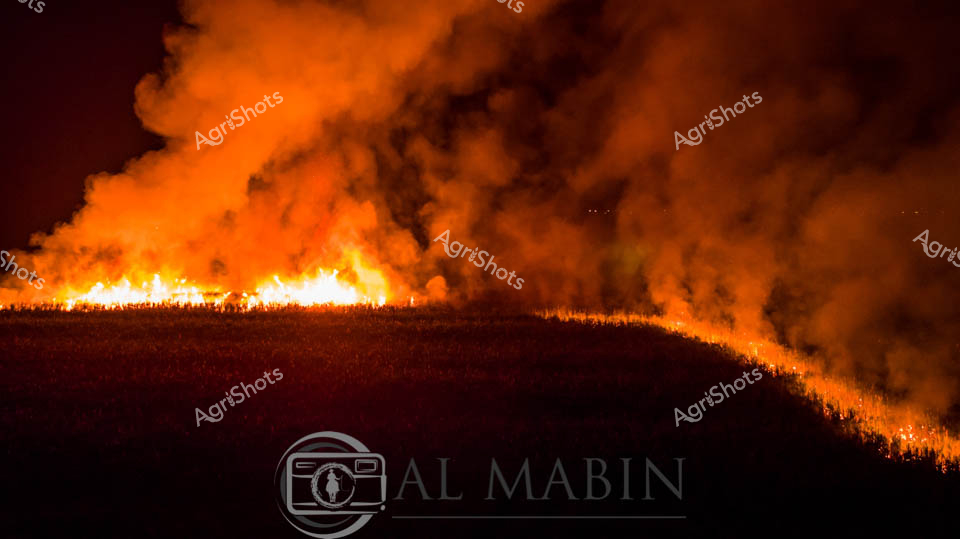
Sugarcane fields ablaze under the cover of darkness, a primal agricultural ritual unfolds across the undulating landscape. Intense orange flames surge through the dry cane stalks, consuming the field in a sweeping inferno that illuminates the night sky with fierce, consuming energy. The controlled burn transforms the agricultural terrain, preparing the ground for harvest and clearing excess vegetation in a time-honored practice of Australian cane farming. Thick plumes of smoke billow and twist against the black backdrop, creating a dramatic tableau of agricultural transformation that speaks to generations of farming technique in regions like New South Wales. The fire's leading edge races across the sloping ground, creating a dynamic line of destruction and renewal, where old growth gives way to future productivity. This powerful image captures the raw, elemental process of sugarcane field management - a complex dance of fire, land, and agricultural strategy that has shaped rural Australian farming practices for decades.
 Image
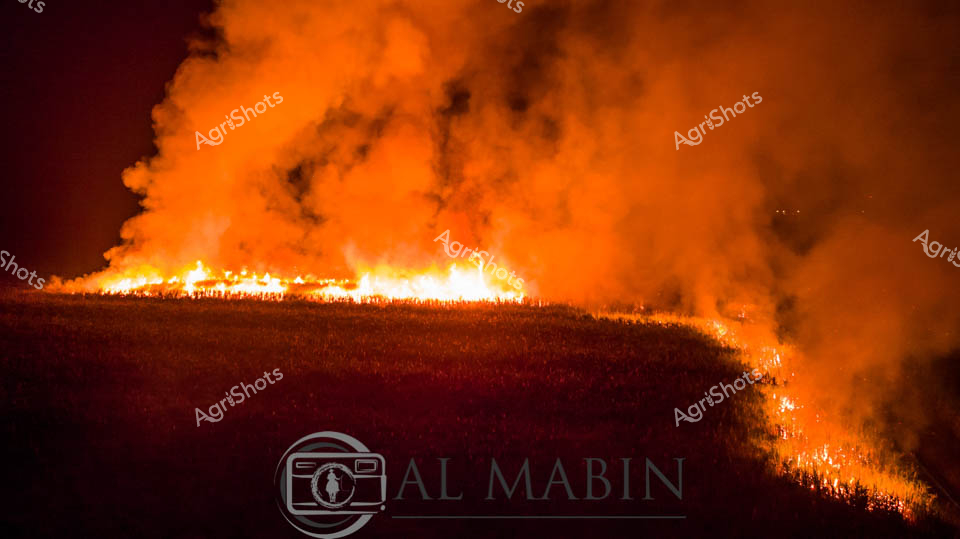
Flames leap and dance across the sugarcane fields under the dark night sky, transforming the agricultural landscape into a dramatic panorama of burning orange and deep crimson. The controlled burn illuminates the contours of the field, sending towering plumes of smoke billowing into the darkness, a critical stage of the sugarcane harvest process in regional New South Wales. Intense firelight reveals the methodical line of burning, where agricultural workers strategically ignite sections to clear dried vegetation, prepare the ground, and make harvesting more efficient. The controlled burn eliminates excess leaf matter, reduces pest populations, and helps regenerate the soil for the next planting season, representing a centuries-old agricultural practice that remains vital to modern cane production. Embers glow and sparks cascade down the field's slope, creating a mesmerizing river of fire that highlights the rugged beauty of rural Australian agricultural techniques.
 Image
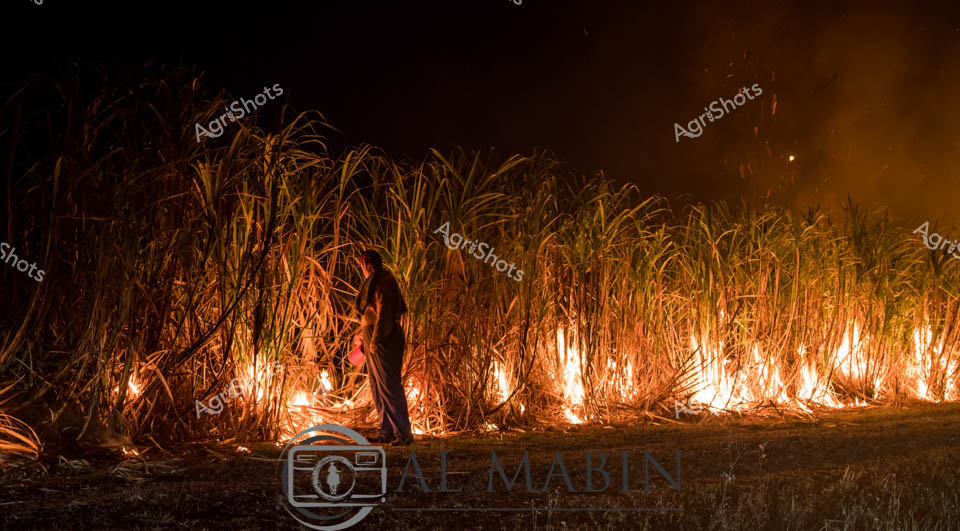
Flames surge through a dense sugarcane field under the cover of darkness, illuminating the night with an intense orange and golden glow. A solitary agricultural worker stands amid the controlled burn, preparing for the traditional pre-harvest burning method used in sugarcane production across regions of New South Wales. The tall, dry cane stalks crackle and dance with fire, creating a dramatic landscape of destruction and renewal that marks the beginning of the harvest cycle. Burning helps clear leaf litter, eliminate pests, and reduce transportation weight, making it an efficient agricultural practice despite increasing environmental scrutiny. The silhouetted figure represents generations of farming knowledge, carefully managing the fire's progression to ensure optimal conditions for harvesting. This powerful scene captures the raw intensity of agricultural processes, where fire becomes a tool of transformation, preparing the fields for the next stage of sugar production.