About this image
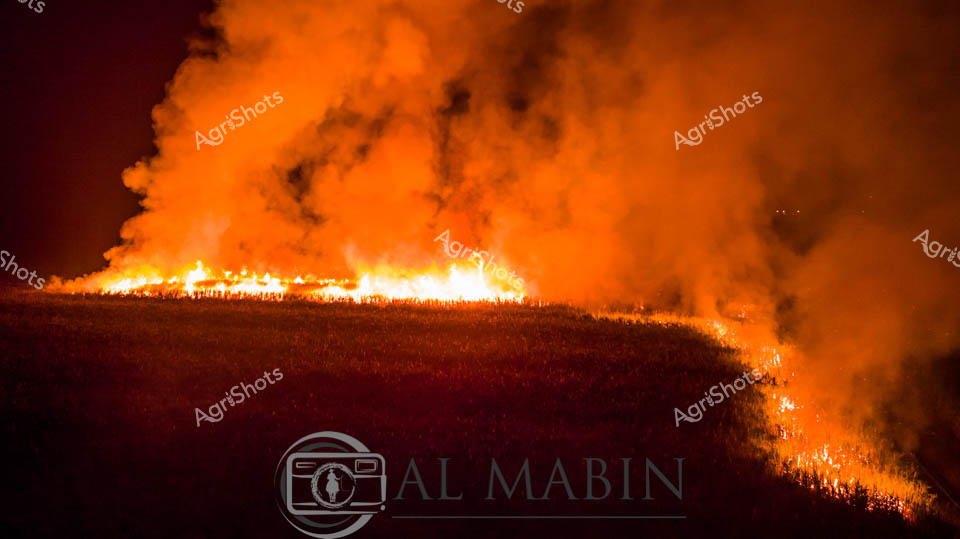
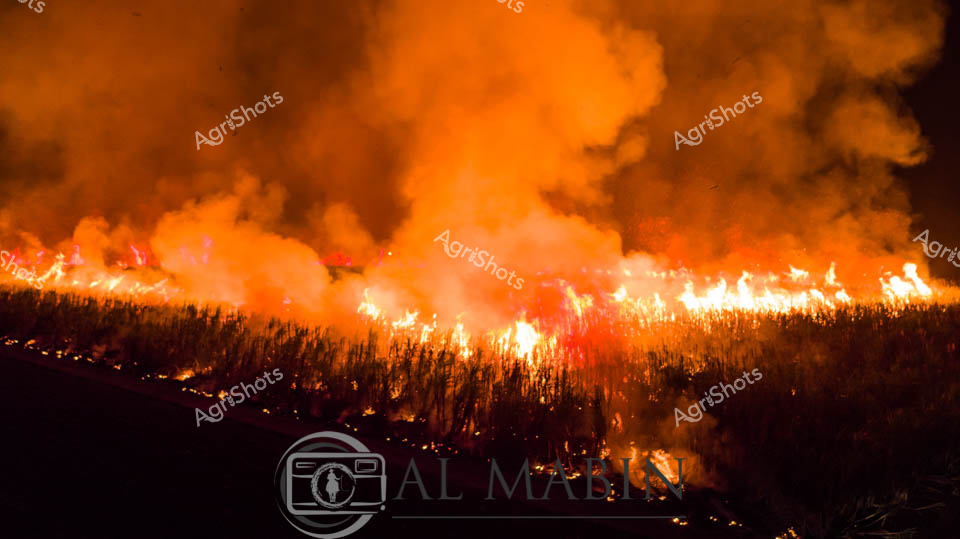
Flames leap and dance across the sugarcane fields under the dark night sky, transforming the agricultural landscape into a dramatic panorama of burning orange and deep crimson. The controlled burn illuminates the contours of the field, sending towering plumes of smoke billowing into the darkness, a critical stage of the sugarcane harvest process in regional New South Wales. Intense firelight reveals the methodical line of burning, where agricultural workers strategically ignite sections to clear dried vegetation, prepare the ground, and make harvesting more efficient. The controlled burn eliminates excess leaf matter, reduces pest populations, and helps regenerate the soil for the next planting season, representing a centuries-old agricultural practice that remains vital to modern cane production. Embers glow and sparks cascade down the field's slope, creating a mesmerizing river of fire that highlights the rugged beauty of rural Australian agricultural techniques.
Similar media
 Image
Image
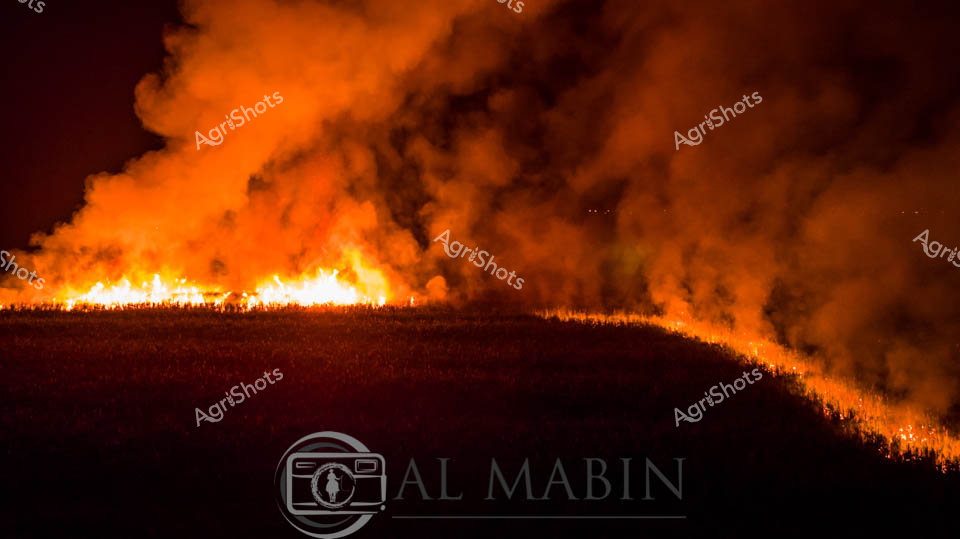
Sugarcane fields ablaze under the cover of darkness, a primal agricultural ritual unfolds across the undulating landscape. Intense orange flames surge through the dry cane stalks, consuming the field in a sweeping inferno that illuminates the night sky with fierce, consuming energy. The controlled burn transforms the agricultural terrain, preparing the ground for harvest and clearing excess vegetation in a time-honored practice of Australian cane farming. Thick plumes of smoke billow and twist against the black backdrop, creating a dramatic tableau of agricultural transformation that speaks to generations of farming technique in regions like New South Wales. The fire's leading edge races across the sloping ground, creating a dynamic line of destruction and renewal, where old growth gives way to future productivity. This powerful image captures the raw, elemental process of sugarcane field management - a complex dance of fire, land, and agricultural strategy that has shaped rural Australian farming practices for decades.
 Image
Image
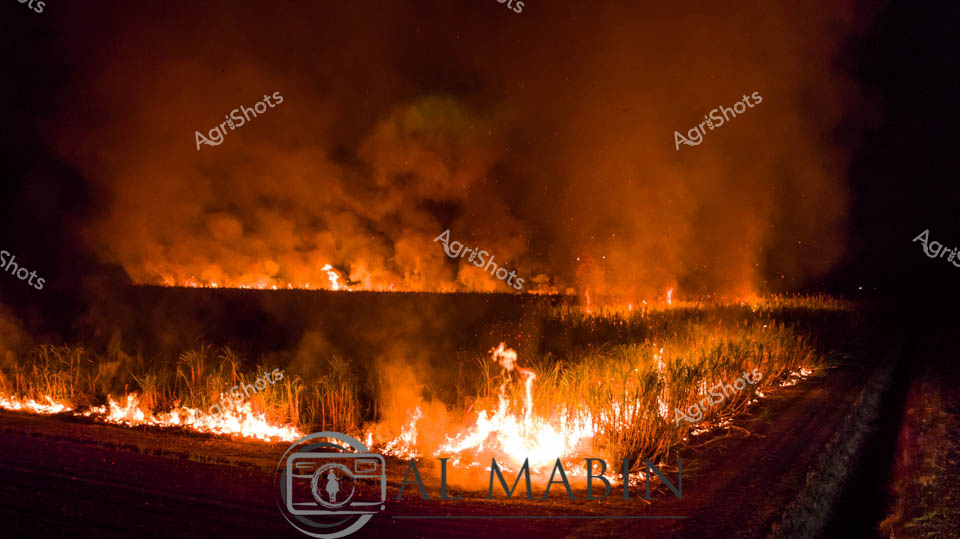
Flames consume the sugarcane fields under the cover of night, illuminating the dark landscape with an intense orange glow. A controlled burn sweeps across the rural paddock, a critical technique in pre-harvest agricultural management in New South Wales. The fire moves methodically through the dry cane stalks, clearing undergrowth and preparing the field for mechanical harvesting. Brilliant flames lick upward, creating dramatic silhouettes against the inky black background, with scattered embers dancing into the smoky atmosphere. This deliberate burning reduces leaf matter, makes cutting easier, and can help manage pest populations, representing a generations-old agricultural practice in Australian sugarcane production. The intense heat and dynamic movement of the fire create a powerful visual testament to the precision and strategic planning inherent in modern agricultural systems.
 Image
Image
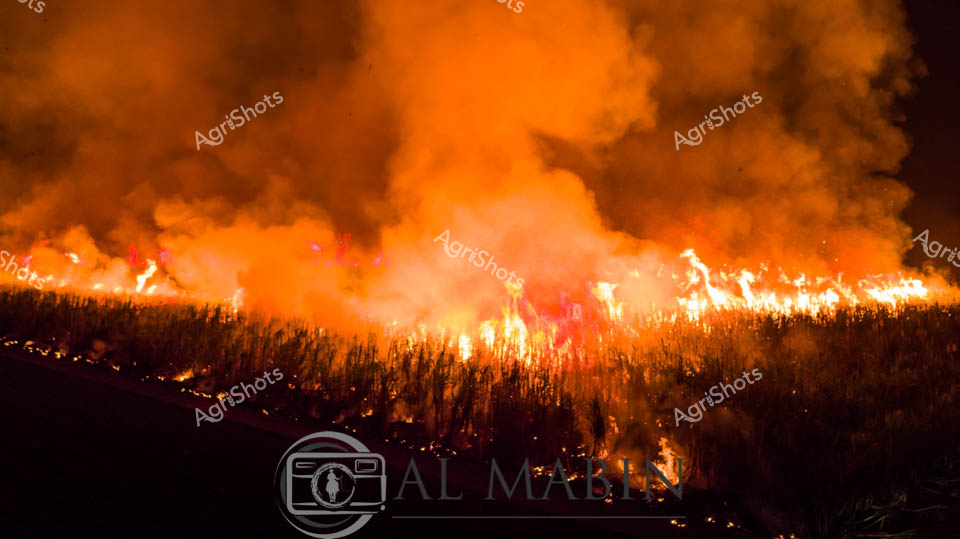
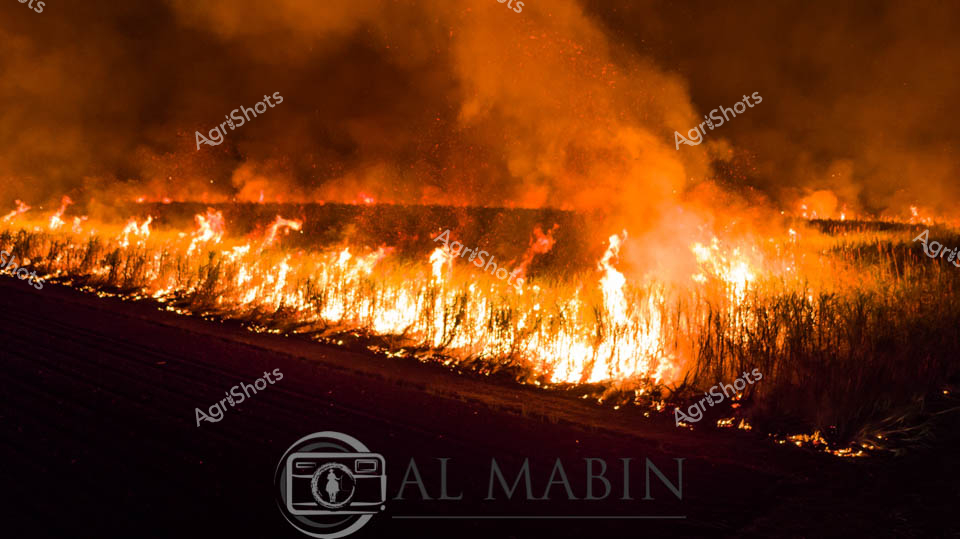
Flames surge across the sugarcane fields in a fierce nighttime burn, illuminating the dark landscape with intense orange and golden hues. The controlled agricultural burn transforms the expansive field into a dramatic tableau of agricultural management, with tall cane stalks consumed by methodical lines of fire. Glowing embers and billowing smoke create a mesmerizing pyrscape, revealing the strategic practice of pre-harvest burning used to clear unwanted leaf matter and prepare fields for cutting. This traditional harvesting technique, common in New South Wales sugarcane regions, demonstrates the precision and calculated risk of agricultural practices that have sustained rural communities for generations. The intense heat and sweeping flames represent a crucial step in sugar production, removing dry vegetation and making mechanical harvesting more efficient. The night sky becomes a canvas of elemental transformation, where fire cleanses and renews the agricultural landscape in a powerful display of human intervention and natural forces.
 Image
Image
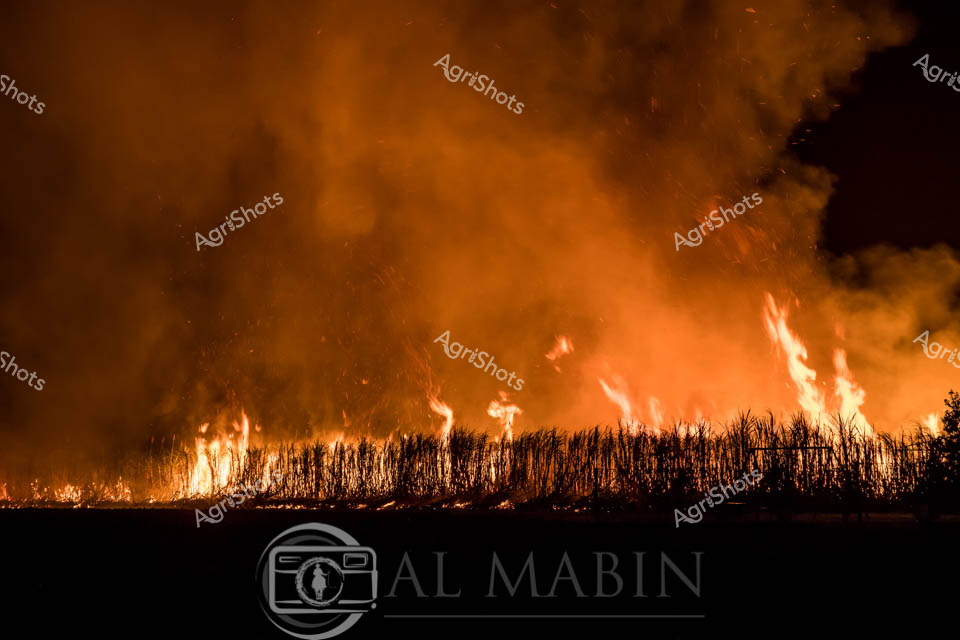
Scorching flames surge across a vast sugarcane field, illuminating the night with an intense orange and amber glow. The controlled burn sweeps methodically along the agricultural landscape, a critical preparation technique for harvesting in the New South Wales cane farming region. Tall dry cane stalks ignite in a dramatic line of fire, creating a mesmerizing wall of flames that reaches skyward, casting dramatic shadows and generating immense heat against the dark background. This traditional agricultural practice helps clear unwanted vegetation, eliminate pests, and prepare fields for efficient mechanical harvesting, representing generations of farming wisdom passed through Queensland and NSW sugarcane communities. The precision of the burn line demonstrates the skill of local farmers who carefully manage these fires to maximize crop productivity while minimizing environmental impact. Captured under the cover of darkness, the image reveals the raw, elemental power of agricultural land management techniques that have sustained Australian rural economies for decades.
 Image
Image
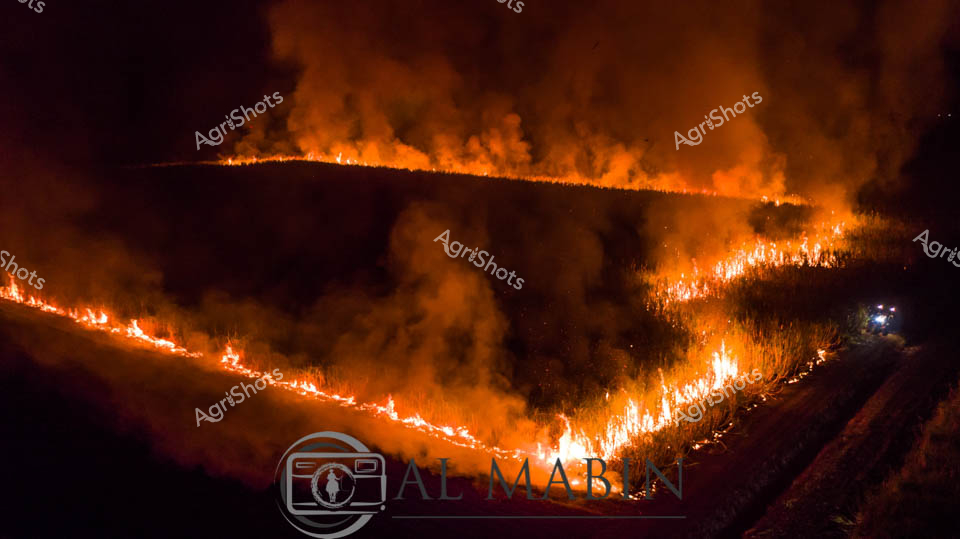
Flames consume a vast sugarcane field under the cover of darkness, transforming the night landscape into a mesmerizing tapestry of orange and black. Intense fire lines race horizontally across the field, consuming the dry cane stalks with relentless fury, creating towering flames that illuminate the surrounding darkness. The controlled burn—a critical agricultural practice in sugarcane harvesting—prepares the field for cutting by clearing away leaves and undergrowth, making harvesting more efficient and reducing pest populations. Burning also concentrates the sugar content in the cane, improving overall crop quality before mechanical harvesting begins. The dramatic scene captures the raw power of agricultural land management, where fire becomes a precise tool in the complex process of sugarcane production. Silhouetted against the blazing field, the night sky becomes a canvas of smoke and flame, revealing the intense transformation occurring in this quintessential Australian agricultural landscape.
 Image
Image
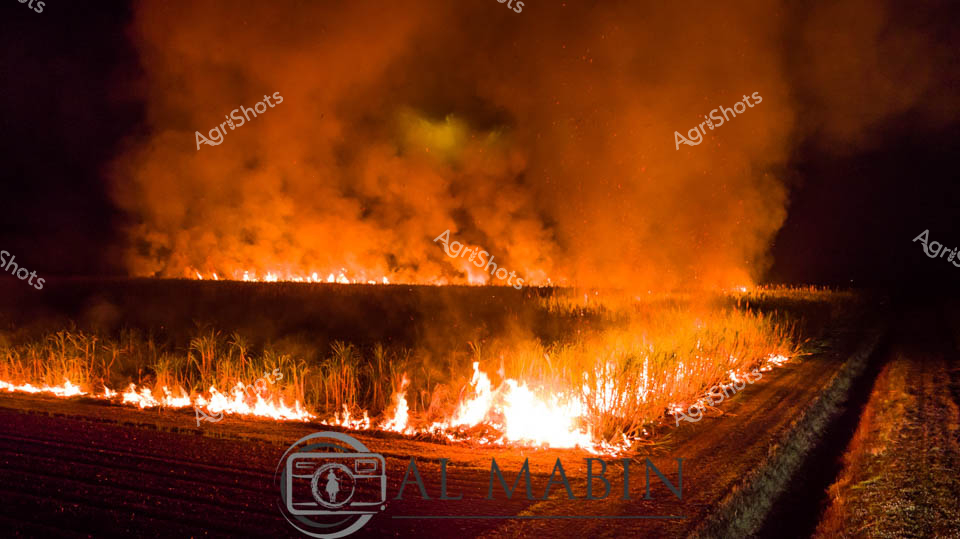
Flames surge across rolling grasslands, transforming the nocturnal landscape into a blazing canvas of orange and crimson. A controlled burn illuminates the agricultural terrain, likely a strategic cane field preparation technique common in New South Wales sugarcane regions. Intense lines of fire snake along the ground, consuming dry grasses and vegetation in a methodical progression, clearing fields for future crop cultivation. The night sky glows with an ethereal amber light, casting dramatic shadows and highlighting the textural contours of the burning landscape. In the periphery, a faint vehicle light suggests agricultural workers monitoring the carefully managed burn, ensuring the fire remains contained and purposeful. This powerful image captures the raw, elemental process of land management in Australian agricultural practices, where fire serves as a critical tool for renewing pastures, controlling undergrowth, and preparing fields for the next planting season.
 Image
Image
Flames lick across the night-dark landscape, transforming sugarcane fields into a blazing canvas of orange and yellow. Controlled burning illuminates the agricultural terrain, a critical stage of the pre-harvest ritual in New South Wales' sugarcane regions. Precise lines of fire consume dry vegetation, clearing fields and preparing for mechanical harvesting while naturally managing crop residue and pest populations. The intense heat radiates outward, casting dramatic shadows along carefully demarcated field boundaries and drainage channels. Smoke billows skyward, creating a primal tableau that speaks to generations of agricultural practice and the rhythmic renewal of the land. This striking nocturnal scene captures the raw, elemental process of agricultural management, where fire becomes a strategic tool in the complex choreography of crop production.
 Image
Image
Flames consume the sugarcane fields in a fierce, controlled burn, illuminating the night sky with an intense orange and red glow. Stretching across the landscape, the deliberate fire cleanses the fields, preparing them for harvest in the traditional method used throughout New South Wales. Tall cane stalks crackle and spark, creating a mesmerizing wall of flame that transforms the dark agricultural terrain into a brilliant, burning tableau. Thick plumes of smoke billow upward, creating dramatic clouds that reflect the intense heat and light of the burning crop. This agricultural practice, known as pre-harvest burning, helps remove leaves and unwanted plant material, making harvesting more efficient and preparing the sugarcane for processing. The image captures the raw power of agricultural land management, revealing the dramatic intersection of human intervention and natural cycles in the sugarcane production process.