Browse the collection
 Image
Merino sheep cluster tightly along a dusty rural track, hemmed by weathered fence lines that divide the golden grasslands of rural Tasmania. A distant water reservoir gleams blue against the rugged pastoral landscape, while scattered eucalyptus trees punctuate the rocky hillsides beneath a dramatic cloudscape. The flock moves with collective intention, their pale wool a uniform mass against the ochre earth, suggesting an experienced stock manager is guiding their movement just beyond the frame. Overhead, towering cumulus clouds cast shifting shadows across the undulating terrain, capturing the expansive and untamed character of Australian agricultural country. The narrow dirt road winds between paddocks, revealing the intricate network of farm infrastructure that supports livestock management in this challenging high-country environment. This evocative scene speaks to generations of pastoral tradition, where careful stock managering and strategic land use transform challenging landscapes into productive agricultural systems.
 Image
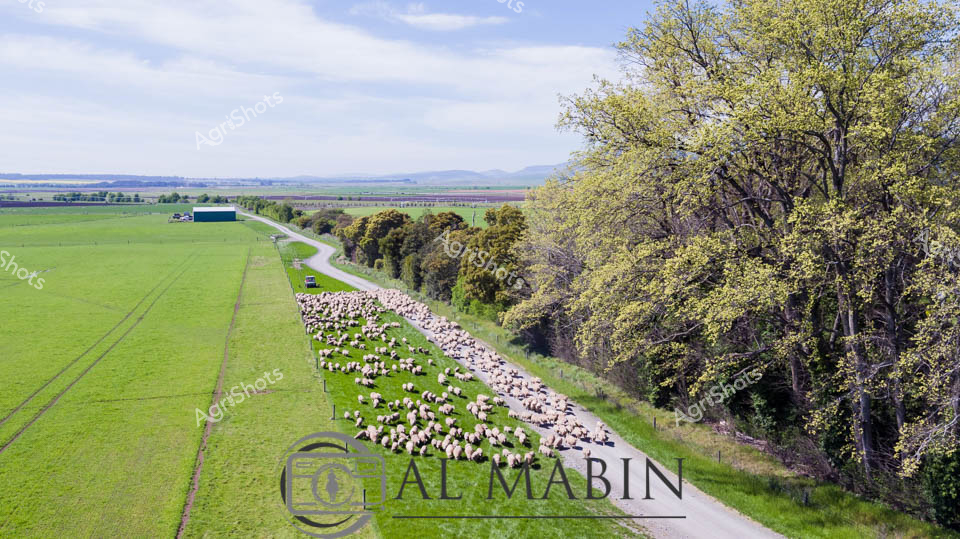
Merino ewes stream along a verdant pastoral roadway, their woolly forms creating a living river against the lush green pastures of Tasmania's northern agricultural region. Mountains rise in soft blue silhouettes across the distant horizon, framing expansive irrigated farmlands checkered with various crop hues. A centre pivot irrigation system gleams in the mid-distance, testament to the sophisticated agricultural practices of this rich farming landscape. The pastoral scene pulses with the rhythm of agricultural life - sheep moving purposefully, surrounded by vibrant spring greenery and mature trees bursting with new season growth. Soft cloud wisps drift across a powder blue sky, suggesting perfect conditions for livestock movement and farm operations.
 Image
Verdant grasslands stretch beneath billowing cumulus clouds in this quintessential Tasmanian pastoral landscape. A herd of sleek black Angus cattle graze and drink from a tranquil lakeside, their dark coats contrasting against the sun-bleached grasses and verdant riverside vegetation. Rolling hills dotted with scattered eucalyptus trees frame the background, creating a classic Australian rural vista that speaks to generations of agricultural heritage. A weathered utility trailer sits quietly near the herd, suggesting ongoing farm management and mobility. The terrain reveals a delicate ecosystem where livestock and landscape coexist, with tussock grasses and native shrubs providing natural grazing grounds. This serene scene captures the essence of Tasmanian beef cattle farming - a harmonious blend of rugged natural beauty and careful agricultural stewardship, where each animal is part of a carefully managed agricultural tradition.
 Image
Nestled in the lush Tasmanian landscape, this aerial view captures the essence of modern agricultural precision at the agricultural property. A gleaming centre pivot irrigation system stretches across emerald-green pastures, its elegant metal framework promising efficient water distribution for livestock grazing. The white-roofed sheds and infrastructure blend seamlessly with the verdant paddocks, while dramatic blue-green mountains rise in the background, creating a quintessential Tasmanian rural vista. Carefully maintained sheep yards sit adjacent to the irrigator, suggesting a well-managed mixed farming operation that balances cutting-edge technology with traditional pastoral practices. The late spring or early summer scene radiates a sense of agricultural productivity, with mature trees framing the property and creating a picturesque balance between cultivated land and natural bushland. This image exemplifies the sophisticated approach of contemporary Tasmanian agriculture, where technological innovation meets breathtaking natural landscape.
 Image
Merino ewes stream along a verdant irrigation channel, their woolly forms creating a sinuous river of white and cream against the lush spring pastures of Tasmania. A centre pivot irrigator stands sentinel in the distance, testament to the precision of modern agricultural practices in this fertile landscape. The pastoral scene unfolds beneath a soft blue sky, with mature trees lining the farm track offering a textured green boundary to the meticulously managed grasslands. Hundreds of sheep move with quiet purpose, their dense fleeces hinting at the renowned wool quality of Tasmanian agriculture. The early morning light casts a golden-green glow across the landscape, highlighting the undulating terrain and the carefully maintained farm infrastructure. This image captures the essence of Tasmanian sheep farming - a harmonious blend of natural beauty, agricultural expertise, and sustainable land management.
 Image
A sprawling green paddock in Tasmania showcases hundreds of sheep grazing across the landscape, with farm buildings and machinery visible in the mid-distance. The pastoral scene features a centre pivot irrigation system and sheep yards, set against the dramatic backdrop of Tasmanian mountains under a partly cloudy sky. The well-maintained grassland demonstrates modern agricultural practices, with the flock dispersed naturally across the expansive property. This aerial perspective captures the scale of sheep farming operations in Tasmania's fertile agricultural regions.
 Image
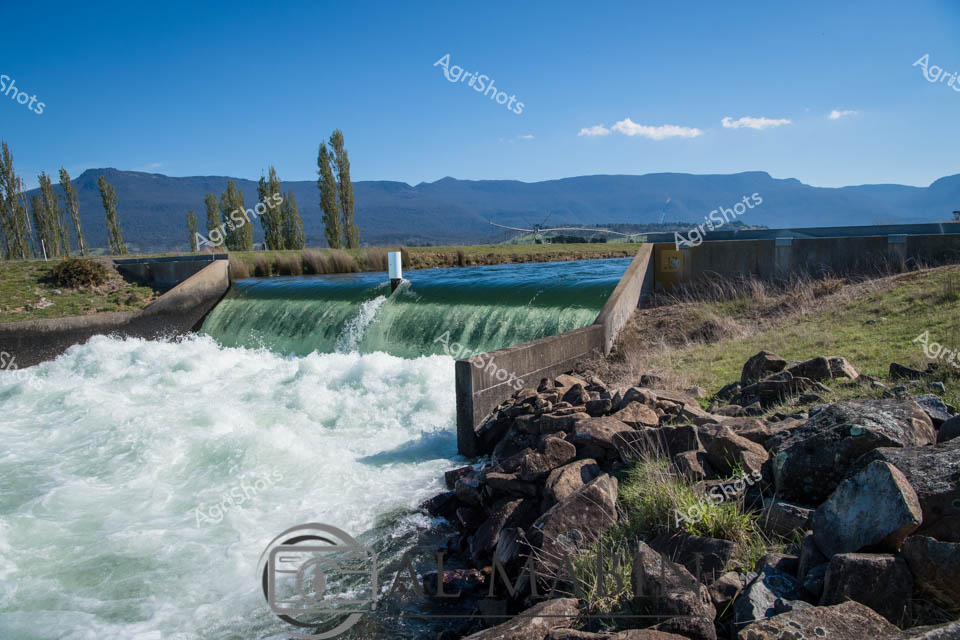
Surging waters cascade over a precision-engineered concrete irrigation weir, capturing the critical infrastructure that sustains Tasmania's agricultural landscape. The robust concrete structure controls water flow against a dramatic backdrop of mountainous terrain, with elegant poplar trees standing sentinel along the horizon. Turbulent white-green waters tumble over the dam's carefully designed spillway, demonstrating the sophisticated water management techniques essential to rural Tasmanian farming. Rocky banks reinforce the weir's base, providing stability and erosion protection in this rugged alpine environment. The expansive blue sky and distant mountain ranges frame this engineering marvel, highlighting the intersection of human agricultural innovation and natural wilderness. This image powerfully illustrates Tasmania's sophisticated irrigation systems, which are crucial for supporting the region's diverse agricultural productivity across challenging terrain.
 Image
Verdant pastures stretch across the Tasmanian landscape, a lush green canvas dotted with a merino flock grazing peacefully under a soft blue sky. A centre pivot irrigation system traces a subtle line through the emerald paddock, highlighting the precision of modern agricultural techniques in this fertile region. Distant mountains frame the horizon, creating a stunning backdrop of rolling hills and agricultural terrain that speaks to Tasmania's rich pastoral heritage. The sheep are scattered across the field in loose clusters, their woolly forms creating a natural, organic pattern against the vibrant grasslands. A dark farm building nestles near a tree line, providing a structural counterpoint to the expansive natural setting. This aerial perspective captures the essence of Tasmanian sheep farming - a harmonious blend of natural beauty, agricultural innovation, and sustainable land management that defines the island state's agricultural prowess.
 Image
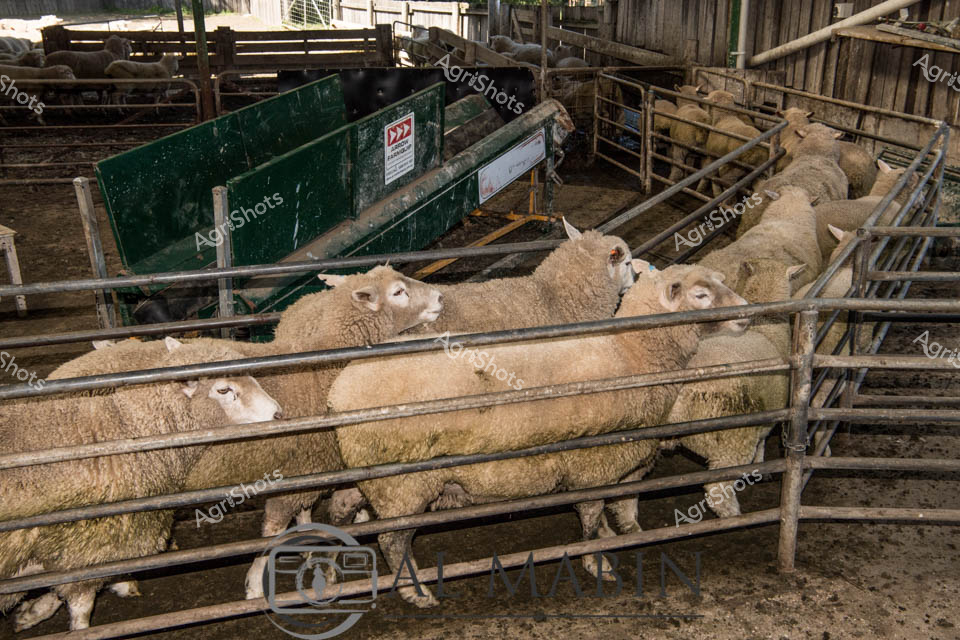
Merino ewes crowd together in a weathered timber sheep yard, their dense, creamy fleeces pressed against steel pipe gates. A green livestock handling unit stands ready, signaling an upcoming drenching or health check operation. The yard's sturdy wooden infrastructure, patinated by years of rural service, frames the scene with a sense of agricultural precision and generational farming practice. Soft morning light filters across the compacted earth, highlighting the sheep's alert expressions and the robust metalwork of the rural processing area. Each animal displays the hallmark characteristics of fine Tasmanian Merino stock - compact bodies, well-covered frames, and thick, uniform wool indicating careful breeding and nutrition. The tight composition captures the methodical rhythm of livestock management, where every element - from the warning signs to the meticulously constructed yards - speaks to the sophisticated science and deep tradition of Australian sheep farming.
 Image
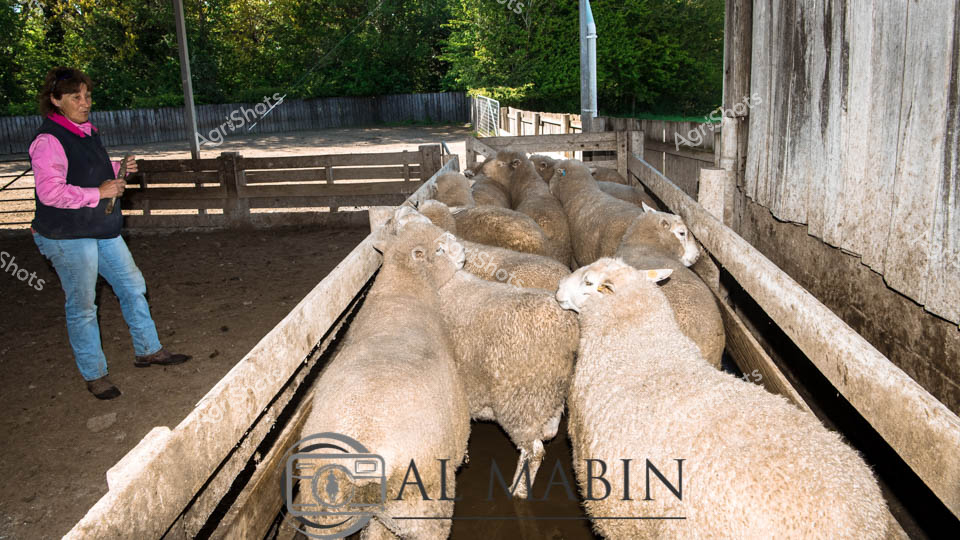
Merino ewes crowd the concrete drenching race, their dense woolly fleeces a palette of cream and tan, awaiting routine livestock health treatment. A woman in a vibrant pink long-sleeved top and blue denim jeans stands attentively beside the wooden-fenced yards, preparing to manage the flock's medical procedure. The sturdy concrete race guides the sheep efficiently, its narrow channel ensuring controlled movement and precise individual animal management. Weathered timber fencing and a rustic wooden shed frame the scene, suggesting a traditional Tasmanian farm setting with mature trees providing a verdant backdrop. The early morning light casts soft shadows across the packed earth floor, highlighting the methodical agricultural practice of livestock care. This image captures the quiet professionalism of modern farming, where animal welfare and systematic management intersect in the daily rhythms of rural Australian agricultural life.
 Image
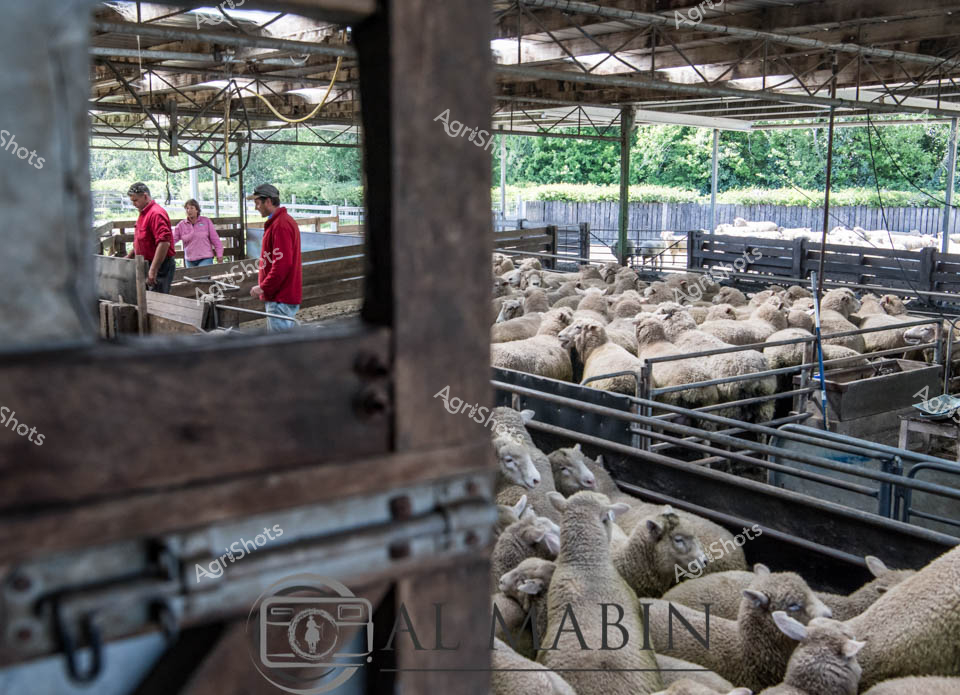
Workers conduct sheep drenching operations in covered yards in Tasmania, with hundreds of sheep penned in metal rail enclosures under a galvanized iron roof structure. Two men wearing red shirts and a woman in pink work systematically through the flock, administering treatments to the woolly sheep in this essential livestock management activity. The organized yard system with multiple holding pens allows efficient processing of the large mob, while the covered facility provides weather protection for both animals and farm workers during the drenching procedure.
 Image
Irrigation canal slicing through the verdant Tasmanian landscape, channeling water across rich agricultural terrain. Carefully engineered stone-lined banks direct a deep blue waterway between neat grass verges, with tall poplar trees standing sentinel along the distant horizon. The canal's precise geometry contrasts beautifully with the undulating mountain ranges in the background, creating a powerful visual representation of human agricultural infrastructure seamlessly integrated with natural topography. Crisp blue skies with wispy clouds suggest a clear late spring or early summer day, ideal for water distribution across fertile farmlands. The smooth, controlled flow of water represents the lifeblood of Tasmanian agriculture - a critical resource enabling productive farming in this challenging but beautiful landscape. This image captures the essential relationship between calculated water management and the lush, productive agricultural regions of Tasmania's rural heartland.
 Image
The lens captures a quintessential Tasmanian pastoral scene, where a robust flock of merino sheep grazes beneath a sophisticated centre pivot irrigation system. The lush green pasture, verdant and meticulously maintained, stretches across the foreground, punctuated by the geometric metallic framework of the irrigation infrastructure. Softwood trees frame the landscape, their varied greens creating a natural backdrop against distant blue mountains, suggesting this is a late spring or early summer morning. The flock - tightly clustered and uniform in their creamy-beige wool - represents the pinnacle of Tasmania's renowned sheep farming heritage. The centre pivot irrigation system, a marvel of agricultural engineering, demonstrates the sophisticated water management techniques employed in modern pastoral agriculture. Clean white farm buildings and robust fencing underscore the professional, well-maintained nature of this agricultural enterprise. The scene radiates an atmosphere of productivity and pastoral harmony, where cutting-edge technology meets traditional livestock farming. Every element - from the precisely arranged irrigation infrastructure to the carefully tended sheep - speaks to the precision, care, and innovation characteristic of Tasmanian agricultural practice.
 Image
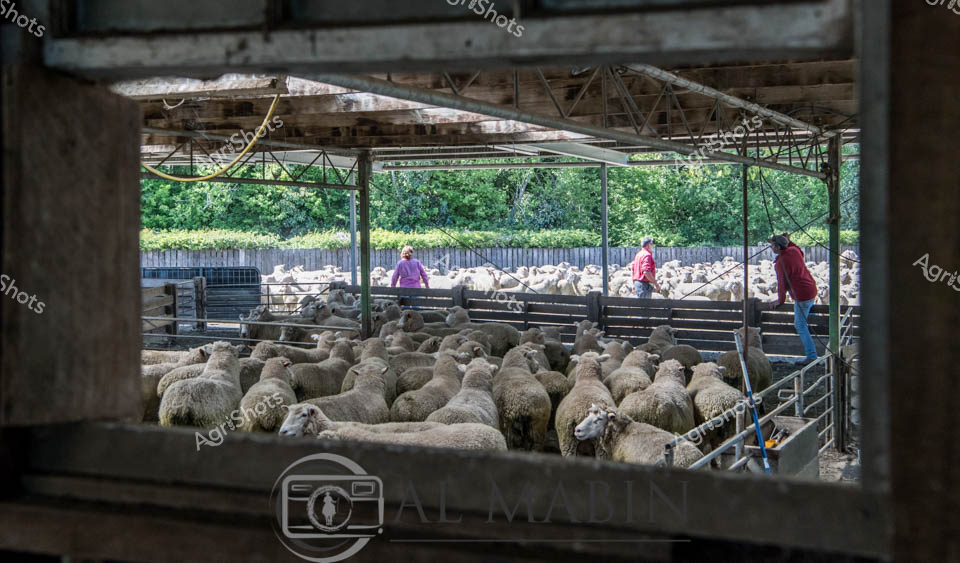
Merino ewes huddle tightly in a steel-framed shearing shed, their dense fleece a uniform cream against dark wooden yards. Three farmhands in vibrant jackets of purple, red, and maroon move strategically around the flock, their movements deliberate and practiced in the classic Tasmanian pastoral setting. Filtered sunlight streams through the shed's open sides, highlighting the metal infrastructure and revealing a lush green backdrop of native bushland. The precision of the yards, with their galvanized steel gates and carefully designed flow points, speaks to generations of agricultural expertise in sheep management. Each animal stands patient and calm, testament to careful handling and generations of selective breeding. This frame captures the quintessential rhythm of Australian sheep farming - a delicate choreography of human skill and animal husbandry set against the robust landscape of rural Tasmania.
 Image
Merino ewes cluster in a weathered timber sheep yard, their dense, silvery-grey fleeces a testament to Tasmania's fine wool industry. A seasoned farmer in a soft pink work shirt and well-worn blue jeans stands confidently among the flock, surveying the muddy pen with an experienced eye. The rustic wooden yards, patinated by years of agricultural service, provide a sturdy framework for livestock management, with metal gates and rough-hewn timber walls enclosing the space. Two working dogs rest nearby, their alert postures suggesting they're ready to assist at a moment's notice. The scene captures the gritty, practical essence of sheep farming - a moment of quiet concentration before the critical task of animal health management, likely preparing for drenching or veterinary treatment. Rich textures of mud, wool, and weathered timber create a raw, authentic portrait of Tasmanian agricultural life, highlighting the skill and dedication of women working in agriculture.
 Image
Blue-green water surges through a precisely engineered irrigation channel, cutting a straight path through the lush pastureland of rural Tasmania. Robust stone embankments line the channel, controlling the powerful flow and guiding water across the agricultural landscape. Electrical transmission towers stand sentinel in the background, marking the infrastructure that supports modern farming operations. The water cascades over a central marker, creating a white foaming turbulence that breaks the smooth surface, symbolizing the controlled energy of agricultural water management. Rolling green paddocks stretch to distant forested hills, revealing the expansive and meticulously maintained agricultural terrain typical of Tasmania's productive rural regions. The crisp, clear light suggests an early morning scene, with the landscape bathed in the soft luminosity of dawn, highlighting the strategic water distribution crucial to the island state's agricultural productivity.
 Image
Two sheep stand together near a weathered "GREENVALE 1381" sign in Tasmania, with dense green foliage forming a natural backdrop behind them. The sheep appear to be wool breeds with thick fleeces, positioned on grass near rural fencing and farm infrastructure. The scene captures a typical moment of pastoral life in the Tasmanian countryside, where sheep farming remains an integral part of the agricultural landscape.
 Image
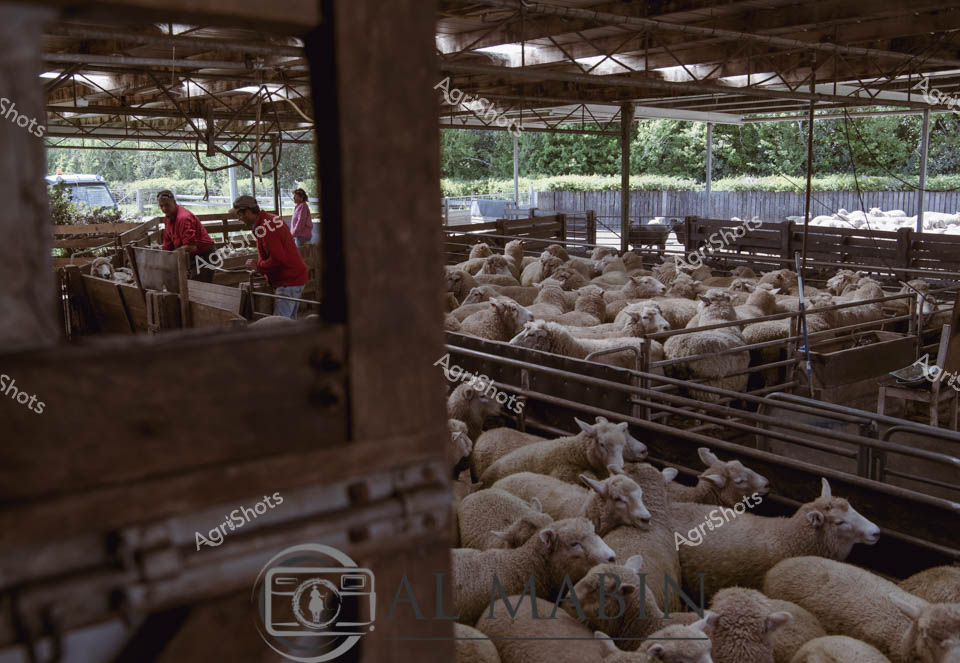
In a covered sheep yards facility in Tasmania, large numbers of white sheep are penned in metal rail enclosures awaiting shearing operations. Workers in red clothing can be seen managing the livestock in the background, with the open-sided structure providing natural ventilation while protecting the animals from weather. The organised yards system allows for efficient handling and movement of the sheep flock through the shearing process, with multiple pens visible containing dozens of woolly sheep ready for their annual fleece removal.
 Image
Merino ewes cluster tightly in weathered wooden sheep yards, their dense, oatmeal-colored fleeces creating a textural landscape of soft curves and woolly volumes. Late afternoon light filters through the slatted timber enclosure, casting gentle shadows across the packed pen. Generations of agricultural heritage are captured in this quintessential Tasmanian farm scene, where generations of careful breeding have produced these robust, fine-wool sheep. A distant figure in a pink top stands beyond the yards, suggesting the quiet, purposeful presence of farm management overseeing the flock's careful handling. The sheep huddle with a calm collective energy, some standing, some resting, their rounded bodies pressed together in a living testament to Tasmania's rich sheep farming tradition. Worn timber rails and metal gates frame the scene, speaking to the pragmatic infrastructure of rural Australian livestock management.
 Image
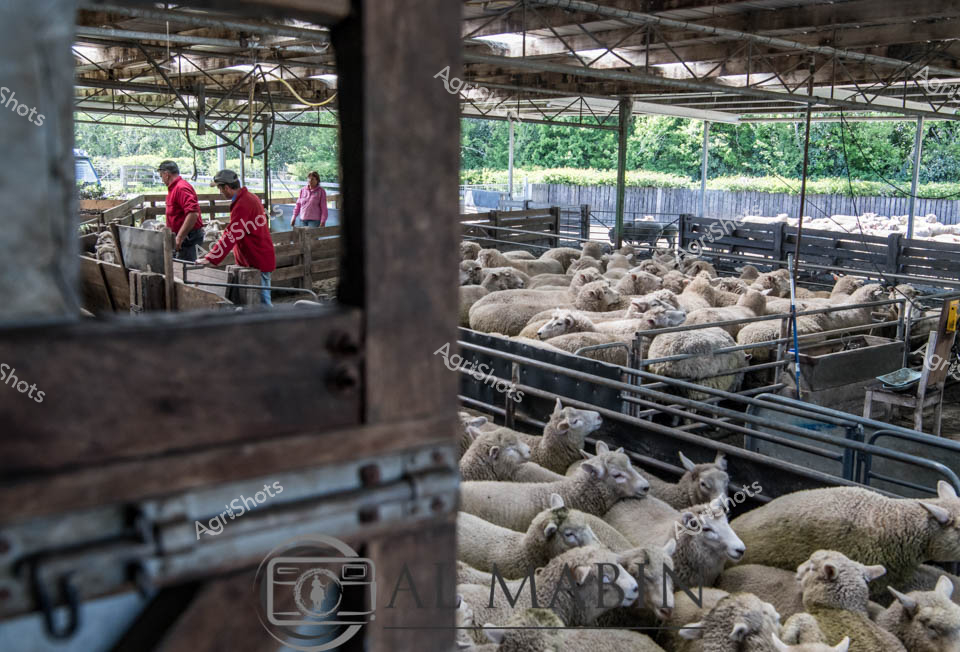
Merino lambs cluster tightly in steel livestock yards, awaiting veterinary treatment under the open-sided shelter of a traditional Tasmanian farm processing area. Farmhands in vibrant red and pink workwear move purposefully between pens, preparing for a routine sheep health management session. The steel-framed infrastructure provides filtered natural light and protection from elements, with verdant tree lines visible in the background suggesting late spring or early summer conditions. Dense wool coats of the sheep reflect the robust breeding typical of Tasmania's premier sheep-farming regions, their varied cream and grey tones creating a textural landscape of livestock. Metal gates and walkways demonstrate precise agricultural engineering, allowing safe and efficient movement of animals during critical health interventions like drenching and vaccination. The image captures the methodical, professional approach of contemporary Australian sheep farming - a blend of traditional practice and modern agricultural science.
 Image
Farm workers conduct sheep drenching operations in a well-organized sheep yard facility in Tasmania. The scene shows a large flock of wool sheep, likely Merinos, being processed through metal rail systems while three people work systematically to administer treatments. The covered yards feature modern livestock handling equipment with multiple pens and walkways, demonstrating efficient sheep management practices typical of Tasmanian agricultural operations.
 Image
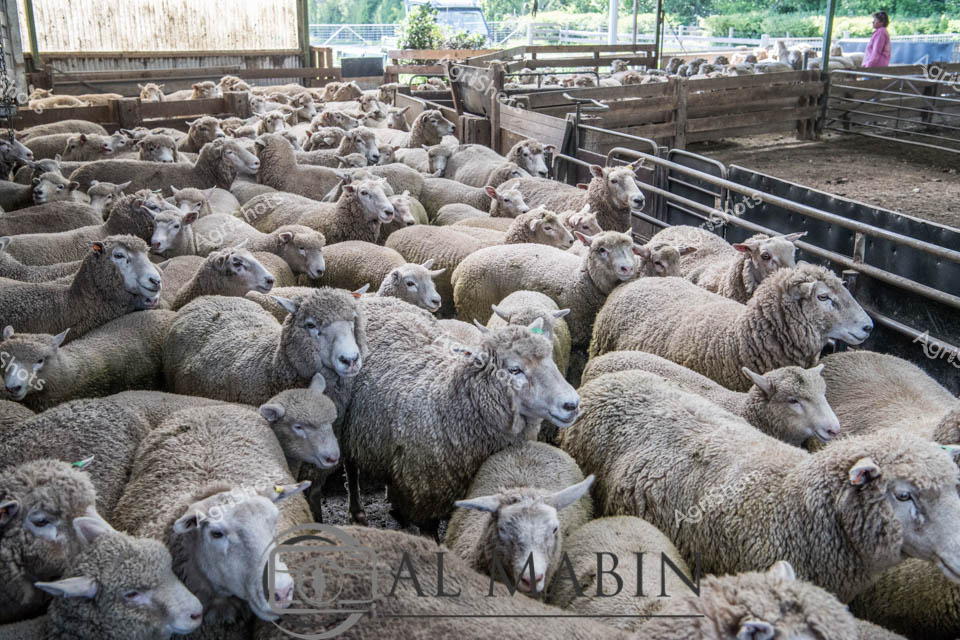
Merino ewes crowd together in a tight cluster within sturdy metal yards, their dense, tawny-grey fleeces blending into a textural landscape of woolly bodies. The sheep display the classic characteristics of premium Tasmanian breeding stock - robust frames, alert expressions, and uniform coloration that speaks to careful genetic selection. Soft morning light catches the varied textures of their wool, revealing subtle variations from cream to ash-white across their tightly packed forms. Small colored ear tags peek out intermittently, marking each animal with quiet agricultural precision. This image captures the essence of Tasmania's fine wool industry - a testament to generations of agricultural expertise and meticulous livestock management. The compact arrangement suggests preparation for sorting, shearing, or movement between paddocks, embodying the methodical rhythms of rural pastoral life.
 Image
Merino wool producers tackle essential livestock health maintenance in a weathered corrugated iron shearing shed. A woman in a dusty pink work shirt and protective eyewear carefully operates a drenching gun, administering vital parasite treatment to a sturdy sheep restrained on a green-trimmed metal platform. Her colleague in a blue long-sleeved shirt assists, managing the animal with practiced precision. Overhead, a web of blue hydraulic hoses and suspension systems crisscross the robust timber and steel infrastructure, highlighting the functional design of modern agricultural workspaces. Soft natural light filters through skylights, illuminating the concrete floor and casting subtle shadows across the rustic interior. This intimate scene captures the daily diligence of Tasmanian farmers, showcasing the hands-on care and technical expertise required to maintain a thriving sheep enterprise, where animal welfare and systematic management intersect in the rhythmic pulse of rural productivity.
 Image
Sheep drenching operation underway in agricultural yards in Tasmania, with three farm workers administering treatment to sheep secured in a metal race system. A woman in a pink jacket operates the drenching equipment while two men assist with handling the sheep, demonstrating coordinated livestock health management practices. The modern sheep handling facility features metal gates and rails designed for efficient and safe animal treatment, with additional sheep visible in holding pens awaiting their turn for medication or vaccination procedures.