About this image
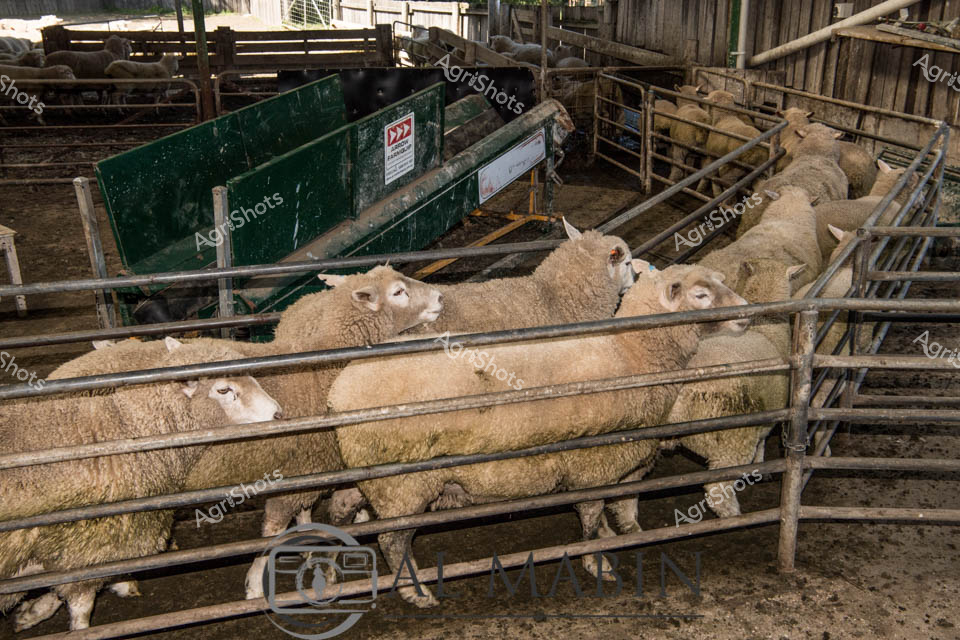
Merino ewes crowd together in a weathered timber sheep yard, their dense, creamy fleeces pressed against steel pipe gates. A green livestock handling unit stands ready, signaling an upcoming drenching or health check operation. The yard's sturdy wooden infrastructure, patinated by years of rural service, frames the scene with a sense of agricultural precision and generational farming practice. Soft morning light filters across the compacted earth, highlighting the sheep's alert expressions and the robust metalwork of the rural processing area. Each animal displays the hallmark characteristics of fine Tasmanian Merino stock - compact bodies, well-covered frames, and thick, uniform wool indicating careful breeding and nutrition. The tight composition captures the methodical rhythm of livestock management, where every element - from the warning signs to the meticulously constructed yards - speaks to the sophisticated science and deep tradition of Australian sheep farming.
Similar media
 Image
Image
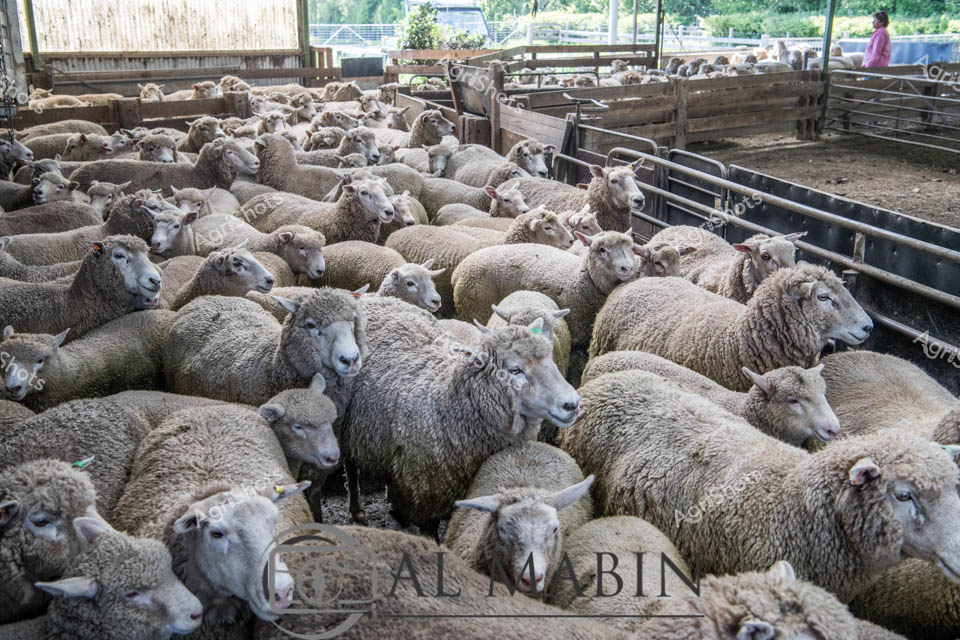
Merino ewes cluster tightly in weathered wooden sheep yards, their dense, oatmeal-colored fleeces creating a textural landscape of soft curves and woolly volumes. Late afternoon light filters through the slatted timber enclosure, casting gentle shadows across the packed pen. Generations of agricultural heritage are captured in this quintessential Tasmanian farm scene, where generations of careful breeding have produced these robust, fine-wool sheep. A distant figure in a pink top stands beyond the yards, suggesting the quiet, purposeful presence of farm management overseeing the flock's careful handling. The sheep huddle with a calm collective energy, some standing, some resting, their rounded bodies pressed together in a living testament to Tasmania's rich sheep farming tradition. Worn timber rails and metal gates frame the scene, speaking to the pragmatic infrastructure of rural Australian livestock management.
 Image
Image
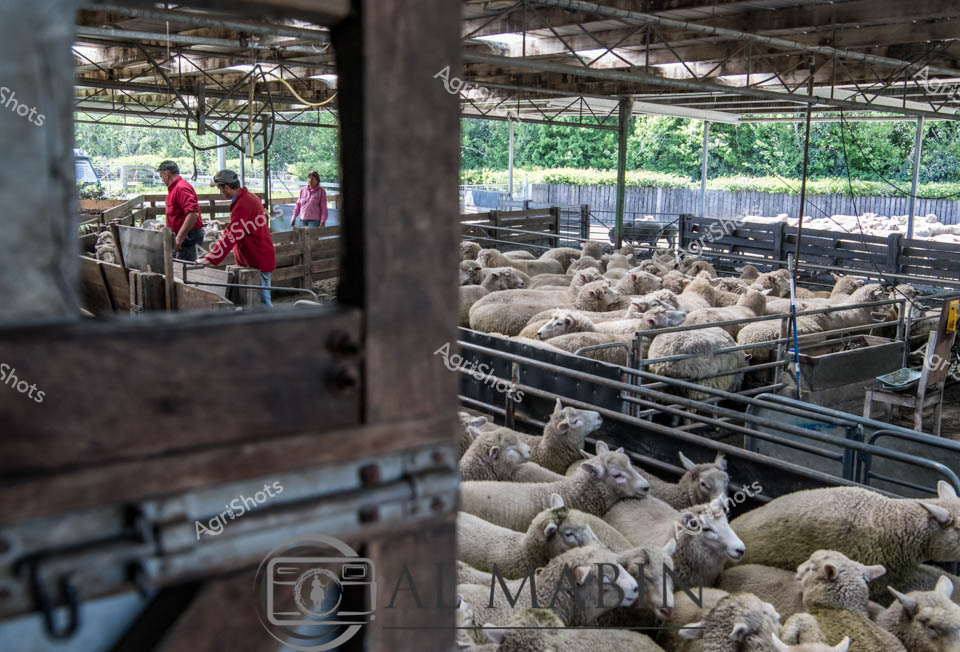
Merino lambs cluster tightly in steel livestock yards, awaiting veterinary treatment under the open-sided shelter of a traditional Tasmanian farm processing area. Farmhands in vibrant red and pink workwear move purposefully between pens, preparing for a routine sheep health management session. The steel-framed infrastructure provides filtered natural light and protection from elements, with verdant tree lines visible in the background suggesting late spring or early summer conditions. Dense wool coats of the sheep reflect the robust breeding typical of Tasmania's premier sheep-farming regions, their varied cream and grey tones creating a textural landscape of livestock. Metal gates and walkways demonstrate precise agricultural engineering, allowing safe and efficient movement of animals during critical health interventions like drenching and vaccination. The image captures the methodical, professional approach of contemporary Australian sheep farming - a blend of traditional practice and modern agricultural science.
 Image
Image
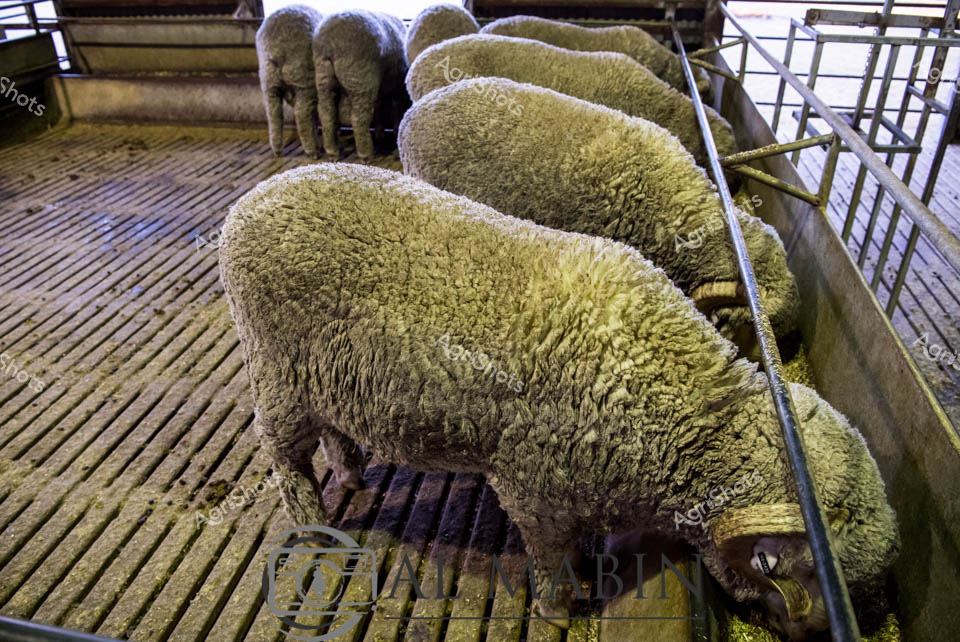
Thick-fleeced Merino rams huddle in a weathered wooden shearing shed, their dense, pale olive-green wool glowing softly in the diffused light. Tightly packed within metal livestock pens, these muscular stud rams represent the pinnacle of Australian wool production, their robust bodies a testament to generations of careful breeding at renowned stations like Boonoke. The textured, curling fleece - a hallmark of the prized Pepin Merino bloodline - hints at the exceptional wool quality that has made Australian Merinos globally legendary. Slatted wooden flooring and steel gate frames define the utilitarian space, capturing the pragmatic beauty of rural agricultural infrastructure during springtime shearing season. Each ram stands compact and solid, their bodies a living canvas of genetic excellence and pastoral tradition. The image breathes with the quiet intensity of agricultural expertise, showcasing the sophisticated science and generational knowledge behind Australia's world-class wool industry.
 Image
Image
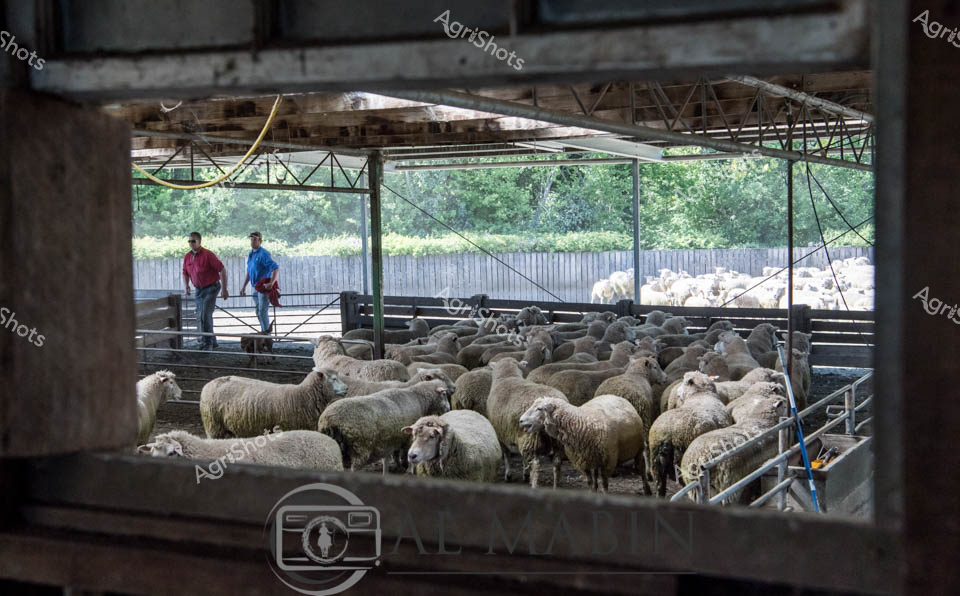
A large flock of sheep crowds together in covered yards while two men working as stockmen observe from the background. The sheep appear to be Merino breeds with thick woolly fleeces, gathered for drenching operations in what looks like a typical Tasmanian sheep handling facility. The covered yard structure provides shelter while allowing efficient livestock management, with metal railings containing the flock during the agricultural procedure.
 Image
Image
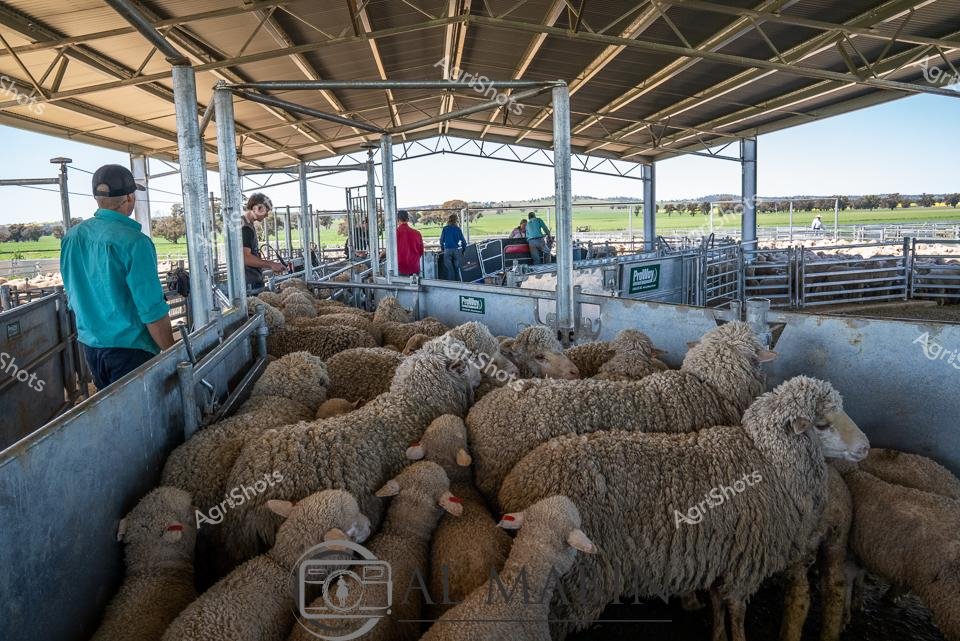
Merino lambs crowd the steel-framed yards, their dense, creamy-beige fleece rippling with movement as they huddle together during weaning at a classic Australian pastoral property. The industrial-strength steel sheep handling system, manufactured by Proway, provides a structured, efficient environment for managing livestock, with multiple pens and walkways allowing farmers to carefully sort and process the young animals. A farmer in a bright turquoise work shirt stands at the edge of the pen, observing the process, while other workers in the background move between sections of the shed, their movements deliberate and practiced. Sunlight streams through the open-sided structure, revealing expansive paddocks and scattered trees in the distant landscape, typical of New South Wales sheep country. The metallic greys of the yard infrastructure contrast sharply with the soft, textured wool of the lambs and the verdant green pastures beyond, capturing the intersection of agricultural engineering and natural livestock production. This scene epitomizes the meticulous care and modern techniques of contemporary Australian sheep farming, where tradition meets technological innovation.
 Image
Image
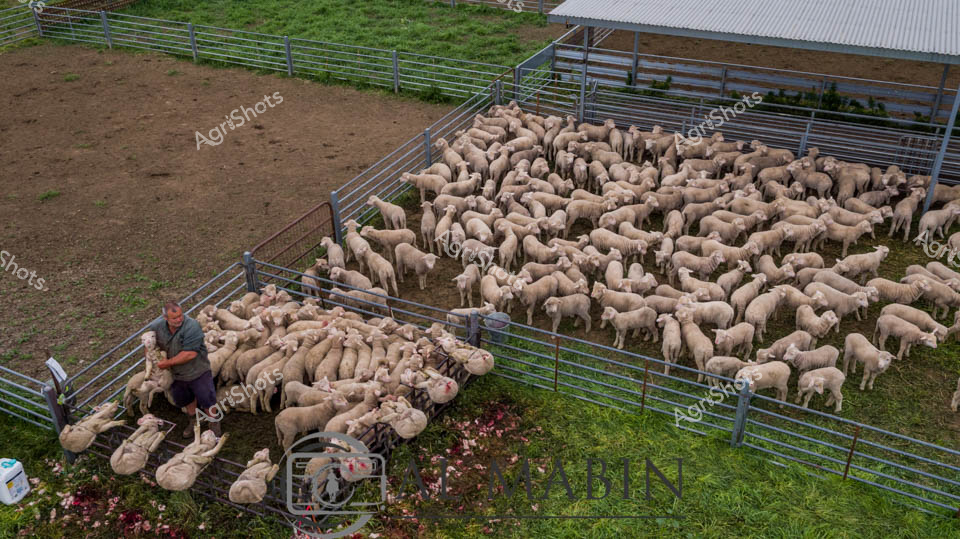
Merino lambs cluster tightly in steel yard panels, their cream-colored wool creating a dense, undulating sea of young livestock. A farm worker dressed in dark clothing manages the marking process, carefully handling the newest generation of the flock. The steel-gray yard infrastructure surrounds a muddy central area, with green pasture visible on the edges, suggesting this is a late winter or early spring scene in rural New South Wales. Crisp morning light casts subtle shadows across the paddock, highlighting the careful agricultural practice of lamb marking - a critical annual event in sheep farming. Each lamb represents potential future breeding stock or meat production, meticulously managed to ensure the ongoing health and productivity of the flock. The systematic organization of the yards, the controlled movement of the animals, and the farmer's practiced movements illustrate the precision and care inherent in Australian pastoral agriculture.
 Image
Image
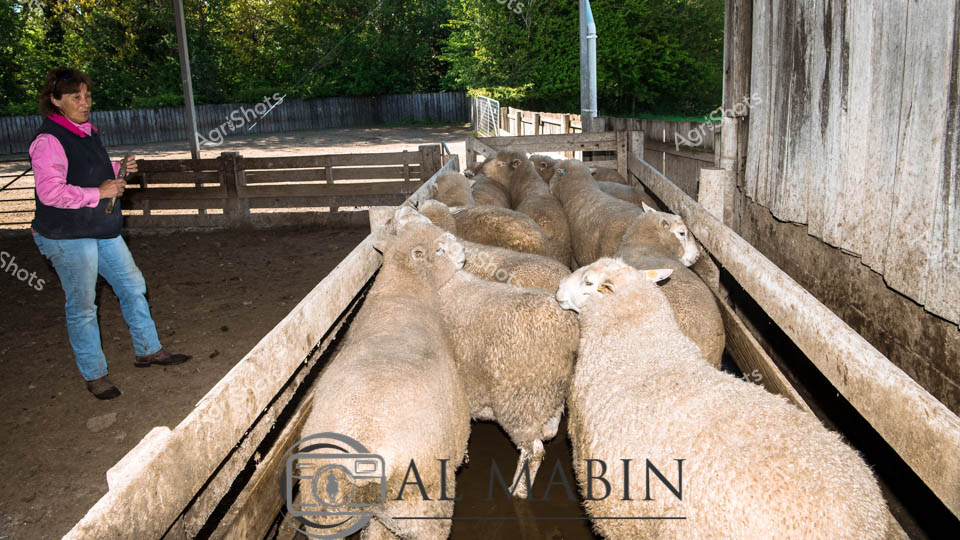
Merino ewes crowd the concrete drenching race, their dense woolly fleeces a palette of cream and tan, awaiting routine livestock health treatment. A woman in a vibrant pink long-sleeved top and blue denim jeans stands attentively beside the wooden-fenced yards, preparing to manage the flock's medical procedure. The sturdy concrete race guides the sheep efficiently, its narrow channel ensuring controlled movement and precise individual animal management. Weathered timber fencing and a rustic wooden shed frame the scene, suggesting a traditional Tasmanian farm setting with mature trees providing a verdant backdrop. The early morning light casts soft shadows across the packed earth floor, highlighting the methodical agricultural practice of livestock care. This image captures the quiet professionalism of modern farming, where animal welfare and systematic management intersect in the daily rhythms of rural Australian agricultural life.
 Image
Image
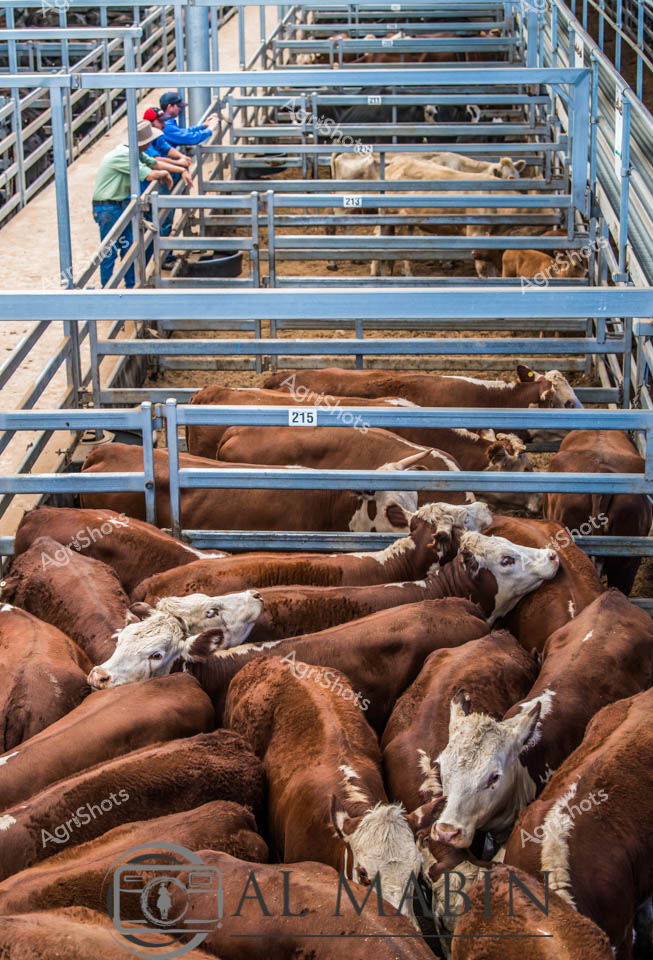
Hereford and mixed-breed cattle crowd tightly into numbered blue metal livestock pens at a regional sale yard in New England, New South Wales. The densely packed cattle - predominantly rich reddish-brown with white faces - huddle closely together, their muscular bodies creating a textured landscape of bovine forms. In the upper section of the image, agricultural workers wearing blue and green clothing sit observing the sale preparations, their postures relaxed yet attentive. Numbered pen tags (213, 215) indicate a systematic approach to livestock trading, highlighting the structured nature of rural agricultural commerce. The blue metal fencing creates geometric lines and divisions, contrasting sharply with the organic shapes of the cattle, while capturing the methodical process of livestock trading. This scene represents a quintessential moment in Australian agricultural commerce - a cattle auction where farmers, traders, and buyers converge to negotiate and trade livestock, embodying the economic heartbeat of rural agricultural communities.