About this image
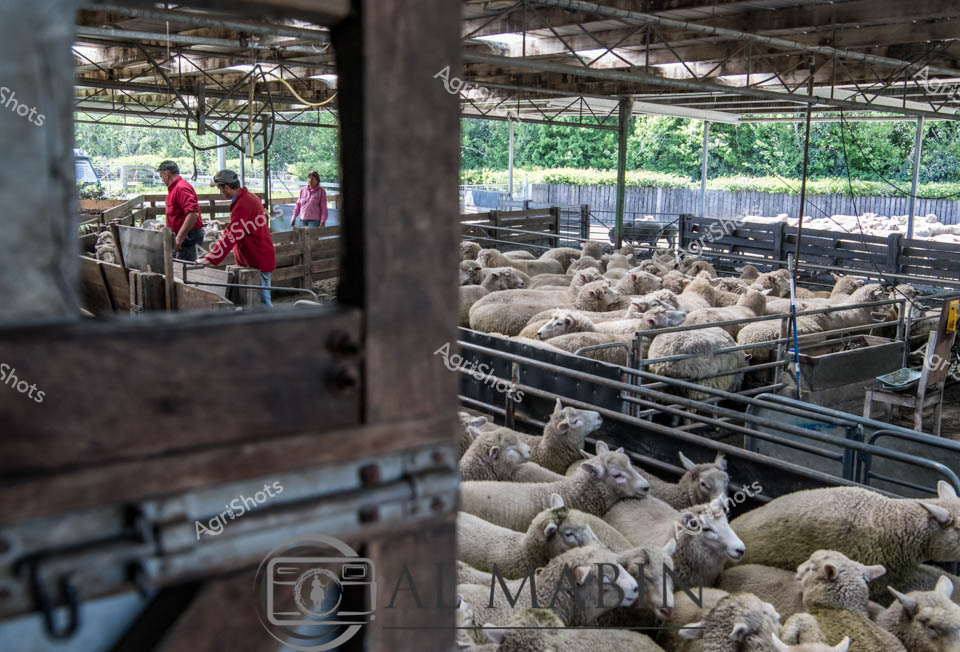
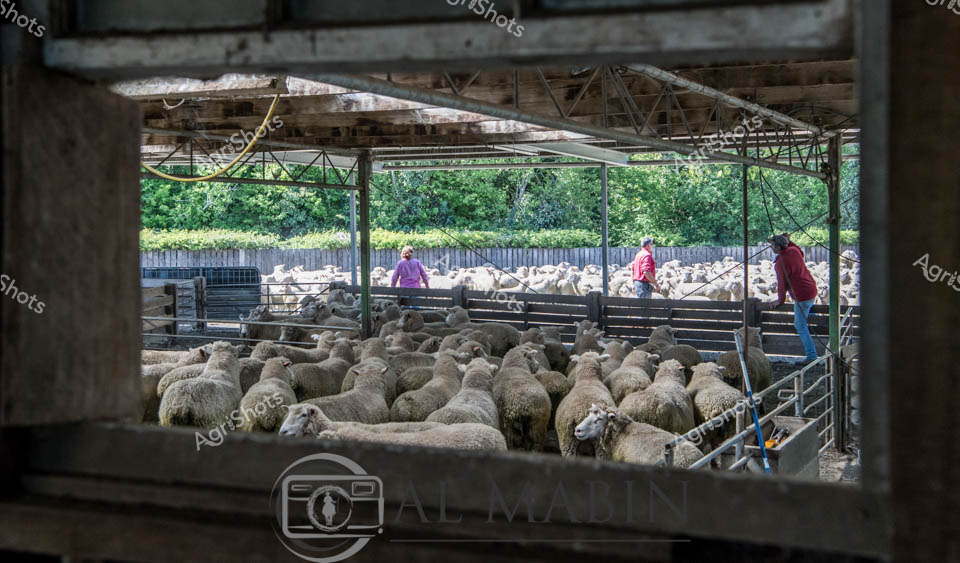
Merino lambs cluster tightly in steel livestock yards, awaiting veterinary treatment under the open-sided shelter of a traditional Tasmanian farm processing area. Farmhands in vibrant red and pink workwear move purposefully between pens, preparing for a routine sheep health management session. The steel-framed infrastructure provides filtered natural light and protection from elements, with verdant tree lines visible in the background suggesting late spring or early summer conditions. Dense wool coats of the sheep reflect the robust breeding typical of Tasmania's premier sheep-farming regions, their varied cream and grey tones creating a textural landscape of livestock. Metal gates and walkways demonstrate precise agricultural engineering, allowing safe and efficient movement of animals during critical health interventions like drenching and vaccination. The image captures the methodical, professional approach of contemporary Australian sheep farming - a blend of traditional practice and modern agricultural science.
Similar media
 Image
Image
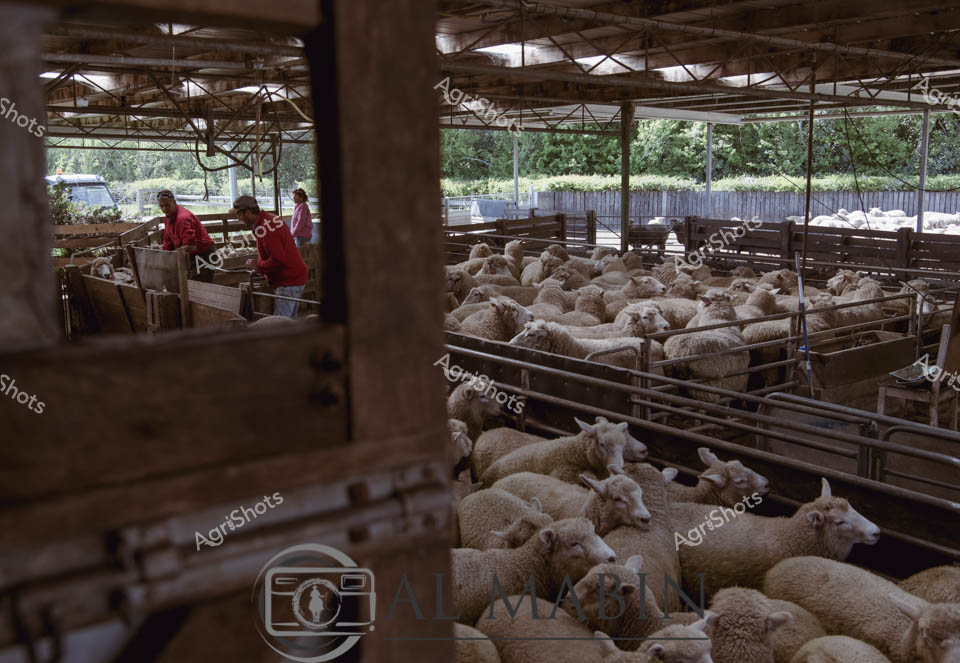
In a covered sheep yards facility in Tasmania, large numbers of white sheep are penned in metal rail enclosures awaiting shearing operations. Workers in red clothing can be seen managing the livestock in the background, with the open-sided structure providing natural ventilation while protecting the animals from weather. The organised yards system allows for efficient handling and movement of the sheep flock through the shearing process, with multiple pens visible containing dozens of woolly sheep ready for their annual fleece removal.
 Image
Image
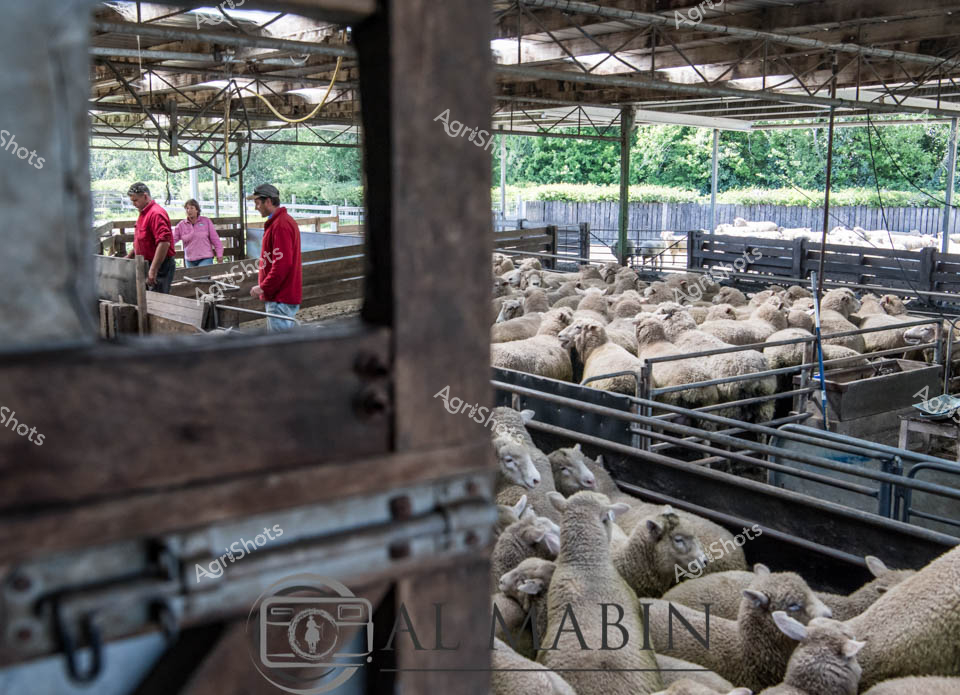
Workers conduct sheep drenching operations in covered yards in Tasmania, with hundreds of sheep penned in metal rail enclosures under a galvanized iron roof structure. Two men wearing red shirts and a woman in pink work systematically through the flock, administering treatments to the woolly sheep in this essential livestock management activity. The organized yard system with multiple holding pens allows efficient processing of the large mob, while the covered facility provides weather protection for both animals and farm workers during the drenching procedure.
 Image
Image
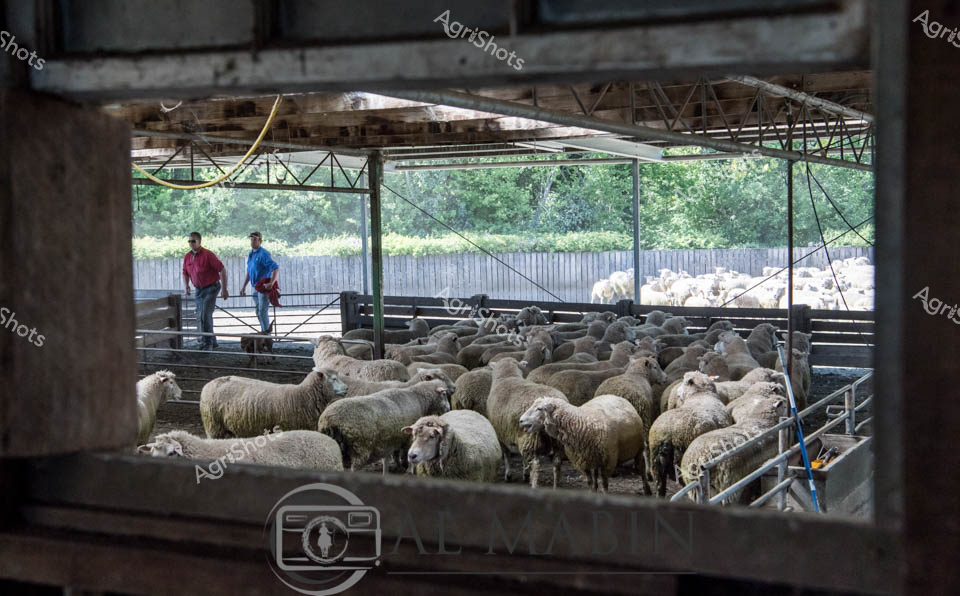
A large flock of sheep crowds together in covered yards while two men working as stockmen observe from the background. The sheep appear to be Merino breeds with thick woolly fleeces, gathered for drenching operations in what looks like a typical Tasmanian sheep handling facility. The covered yard structure provides shelter while allowing efficient livestock management, with metal railings containing the flock during the agricultural procedure.
 Image
Image
Merino ewes huddle tightly in a steel-framed shearing shed, their dense fleece a uniform cream against dark wooden yards. Three farmhands in vibrant jackets of purple, red, and maroon move strategically around the flock, their movements deliberate and practiced in the classic Tasmanian pastoral setting. Filtered sunlight streams through the shed's open sides, highlighting the metal infrastructure and revealing a lush green backdrop of native bushland. The precision of the yards, with their galvanized steel gates and carefully designed flow points, speaks to generations of agricultural expertise in sheep management. Each animal stands patient and calm, testament to careful handling and generations of selective breeding. This frame captures the quintessential rhythm of Australian sheep farming - a delicate choreography of human skill and animal husbandry set against the robust landscape of rural Tasmania.
 Image
Image
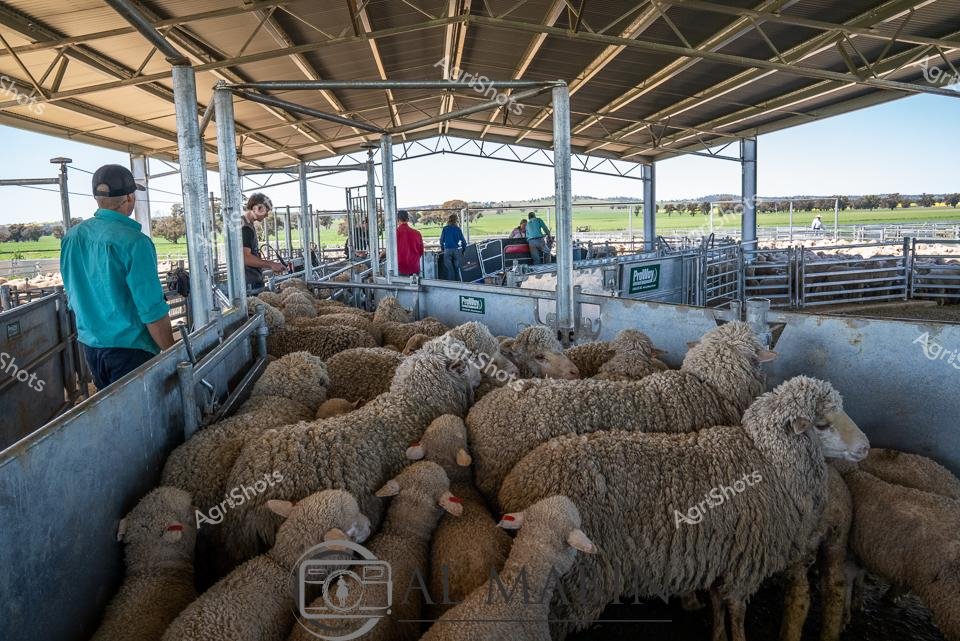
Merino lambs crowd the steel-framed yards, their dense, creamy-beige fleece rippling with movement as they huddle together during weaning at a classic Australian pastoral property. The industrial-strength steel sheep handling system, manufactured by Proway, provides a structured, efficient environment for managing livestock, with multiple pens and walkways allowing farmers to carefully sort and process the young animals. A farmer in a bright turquoise work shirt stands at the edge of the pen, observing the process, while other workers in the background move between sections of the shed, their movements deliberate and practiced. Sunlight streams through the open-sided structure, revealing expansive paddocks and scattered trees in the distant landscape, typical of New South Wales sheep country. The metallic greys of the yard infrastructure contrast sharply with the soft, textured wool of the lambs and the verdant green pastures beyond, capturing the intersection of agricultural engineering and natural livestock production. This scene epitomizes the meticulous care and modern techniques of contemporary Australian sheep farming, where tradition meets technological innovation.
 Image
Image
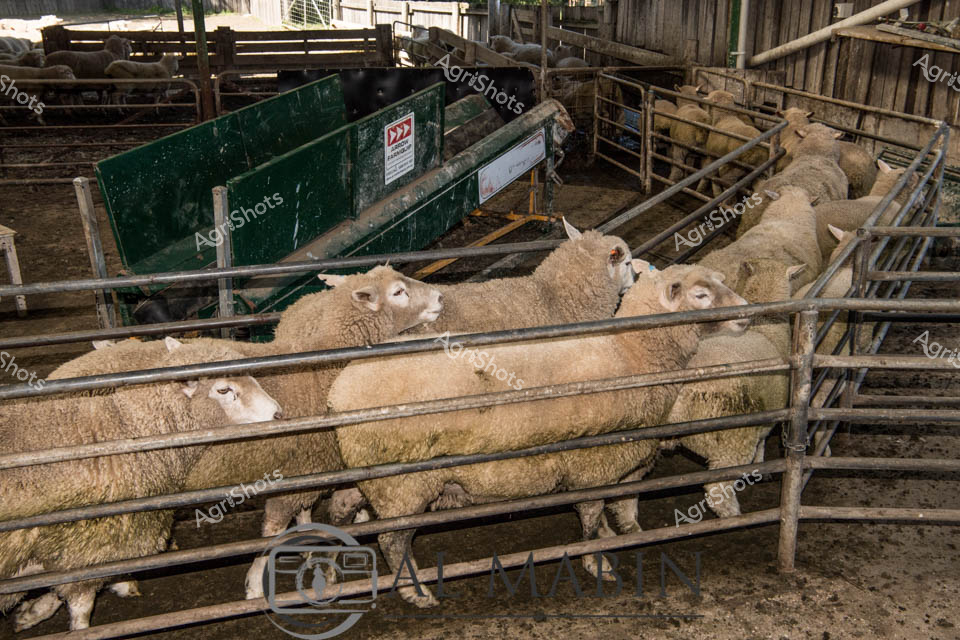
Merino ewes crowd together in a weathered timber sheep yard, their dense, creamy fleeces pressed against steel pipe gates. A green livestock handling unit stands ready, signaling an upcoming drenching or health check operation. The yard's sturdy wooden infrastructure, patinated by years of rural service, frames the scene with a sense of agricultural precision and generational farming practice. Soft morning light filters across the compacted earth, highlighting the sheep's alert expressions and the robust metalwork of the rural processing area. Each animal displays the hallmark characteristics of fine Tasmanian Merino stock - compact bodies, well-covered frames, and thick, uniform wool indicating careful breeding and nutrition. The tight composition captures the methodical rhythm of livestock management, where every element - from the warning signs to the meticulously constructed yards - speaks to the sophisticated science and deep tradition of Australian sheep farming.
 Image
Image
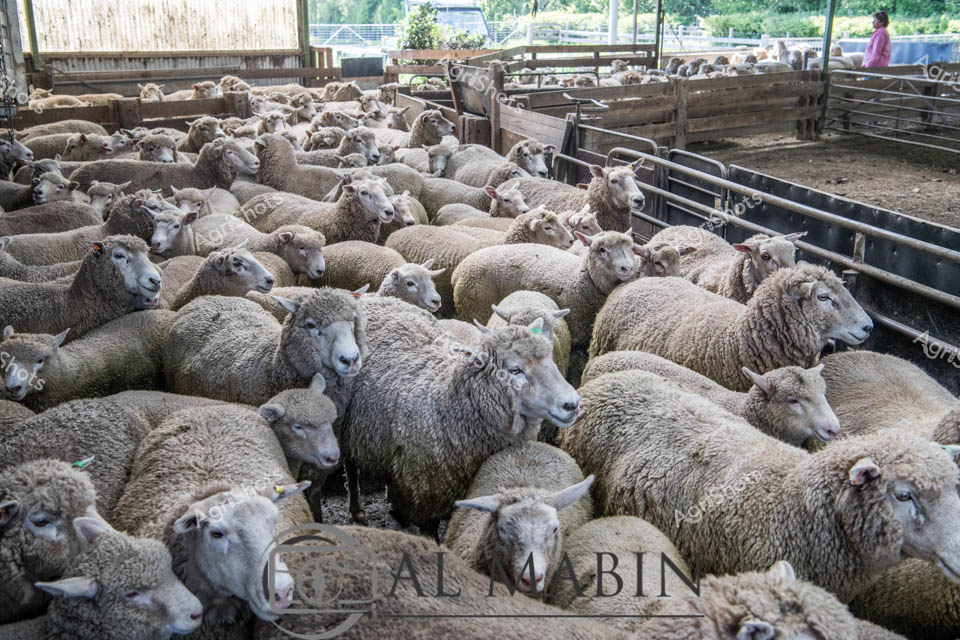
Merino ewes cluster tightly in weathered wooden sheep yards, their dense, oatmeal-colored fleeces creating a textural landscape of soft curves and woolly volumes. Late afternoon light filters through the slatted timber enclosure, casting gentle shadows across the packed pen. Generations of agricultural heritage are captured in this quintessential Tasmanian farm scene, where generations of careful breeding have produced these robust, fine-wool sheep. A distant figure in a pink top stands beyond the yards, suggesting the quiet, purposeful presence of farm management overseeing the flock's careful handling. The sheep huddle with a calm collective energy, some standing, some resting, their rounded bodies pressed together in a living testament to Tasmania's rich sheep farming tradition. Worn timber rails and metal gates frame the scene, speaking to the pragmatic infrastructure of rural Australian livestock management.
 Image
Image
Merino ewes cluster tightly in steel livestock yards under a galvanized steel shelter, awaiting processing during lamb weaning season. A skilled working dog moves carefully through the densely packed flock, assisting handlers in managing the woolly mob. The sheep's thick, creamy-white fleeces display the characteristic dense, fine-stapled texture of high-quality Merino wool, reflecting the breed's prominence in Australian agricultural production. Handlers in practical farm attire - including a vibrant red jacket - work methodically around the Proway-branded yards, their movements deliberate and experienced. Rolling green paddocks stretch beyond the yards, suggesting this is a typical sheep station in rural New South Wales during early autumn. The scene captures the precision and calm efficiency of modern Australian livestock management, where generations of agricultural expertise combine with working dogs and robust infrastructure to handle valuable sheep herds.