About this image
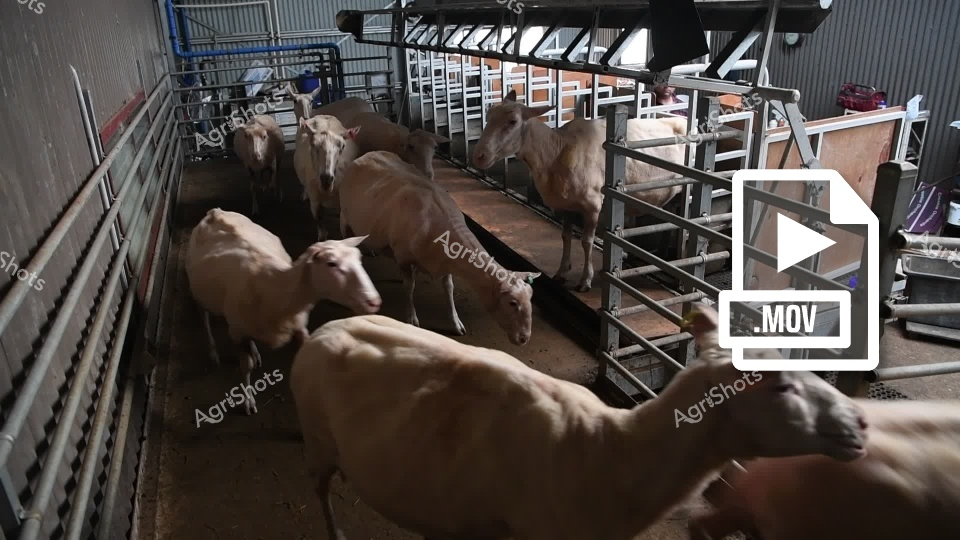
Dairy sheep gather in metal pens within a modern milking facility in New South Wales, their woolly coats ranging from white to brown as they move through the systematic milking process. The industrial shed features overhead lighting and steel railings that guide the flock through designated areas, with milking cups visible as part of the automated dairy operation. This specialized sheep dairy demonstrates the growing diversification in Australian livestock farming, where sheep are raised not only for wool and meat but also for milk production.
Similar media
 ▶ Video
Sheep gather in metal holding pens within a modern dairy milking facility in New South Wales, with specialized equipment visible for dairy sheep operations. The brown and white sheep move through the structured walkways and gates designed for efficient milking procedures. Metal railings and platforms create organized pathways that guide the flock toward the milking stations, showcasing the specialized infrastructure required for commercial sheep dairy production.
 ▶ Video
Dairy goats line up along feeding stations in a modern milking facility in New South Wales, with their heads positioned through metal barriers to access fresh feed. The systematic arrangement allows efficient feeding management, with goats contentedly eating from individual feeding spaces while milking cups remain ready for the daily milking routine. The concrete flooring and organized layout demonstrate professional dairy goat management practices typical of commercial operations in NSW.
 ▶ Video
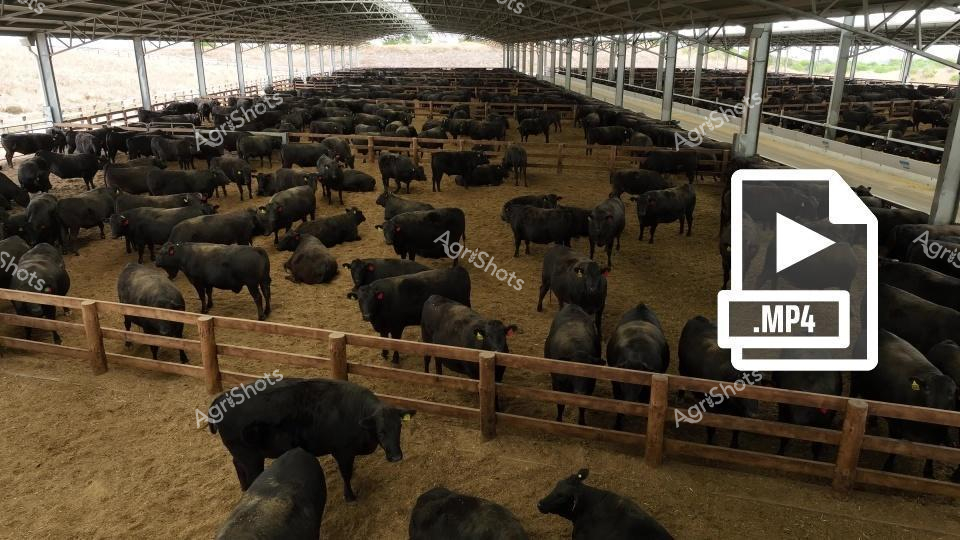
A large, covered cattle feedlot in South Australia houses numerous black Wagyu cattle. The densely packed animals stand and rest on a dirt floor, divided by wooden fencing, within a structured, well-organized industrial agricultural setting. This raw video captures the scale of modern beef production, showcasing the intensive management of these valuable cattle breeds.
 Image
Image
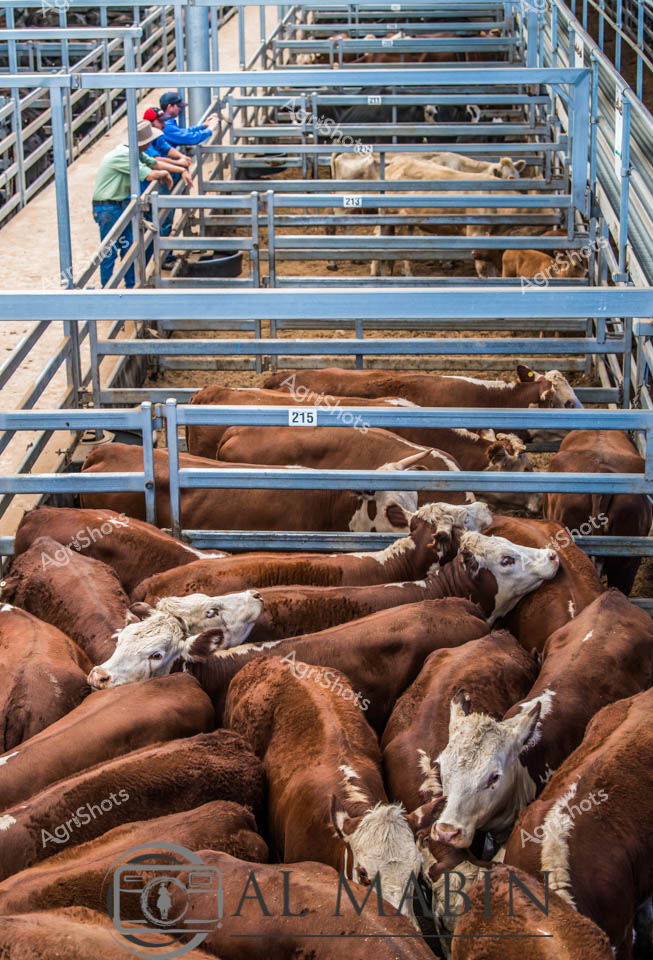
Hereford and mixed-breed cattle crowd tightly into numbered blue metal livestock pens at a regional sale yard in New England, New South Wales. The densely packed cattle - predominantly rich reddish-brown with white faces - huddle closely together, their muscular bodies creating a textured landscape of bovine forms. In the upper section of the image, agricultural workers wearing blue and green clothing sit observing the sale preparations, their postures relaxed yet attentive. Numbered pen tags (213, 215) indicate a systematic approach to livestock trading, highlighting the structured nature of rural agricultural commerce. The blue metal fencing creates geometric lines and divisions, contrasting sharply with the organic shapes of the cattle, while capturing the methodical process of livestock trading. This scene represents a quintessential moment in Australian agricultural commerce - a cattle auction where farmers, traders, and buyers converge to negotiate and trade livestock, embodying the economic heartbeat of rural agricultural communities.
 ▶ Video
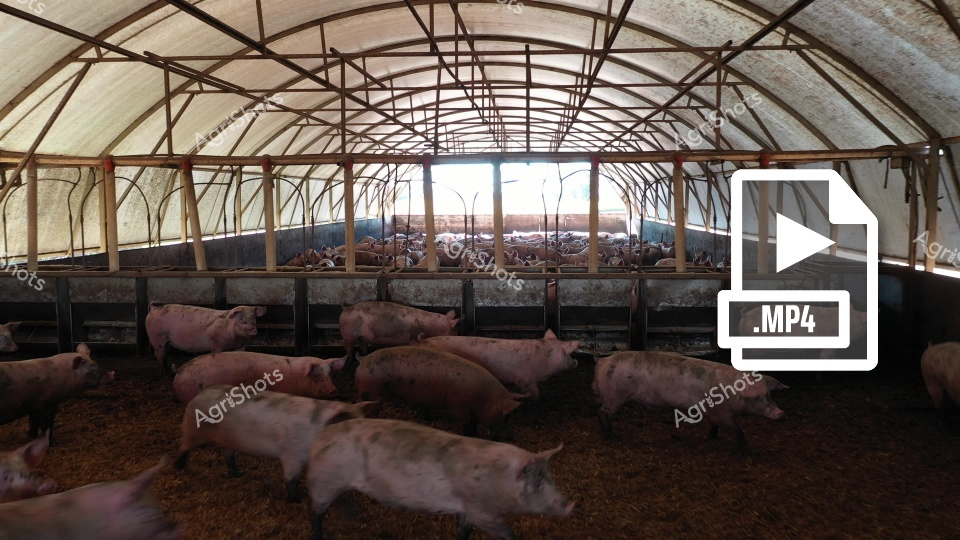
A large, arch-roofed piggery in New South Wales' New England Region showcases large-scale farming practices, with numerous pink pigs housed in crowded concrete pens covered by a translucent shelter. The industrial-style facility highlights modern agricultural methods for pork production, with rows of pigs resting on straw bedding under a structured, light-filled environment.
 ▶ Video
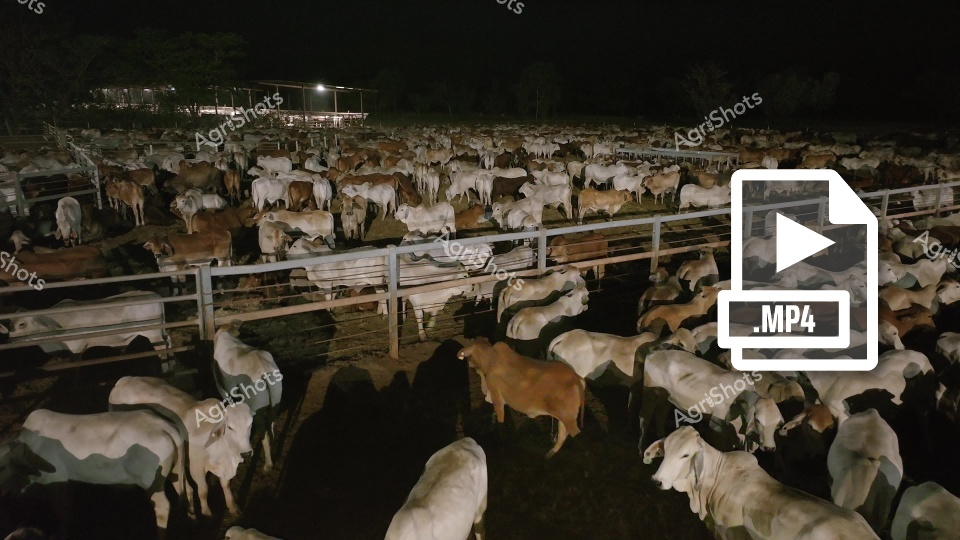
Moonlit Brahman Herd in Export Yards A vast sea of Brahman cattle fills the night-shrouded export yards, their pale bodies gleaming under harsh overhead lighting. The dense herd of white and tan cattle stands tightly packed within metal rail pens, representing the critical infrastructure of Australia's live export industry. Rich browns and creamy whites dominate the composition, with muscular Brahman cattle - renowned for their distinctive humps and loose skin - standing shoulder to shoulder in the Northern Territory's Adelaide River region. The nighttime scene captures the scale of modern agricultural operations, with geometric fence lines and industrial lighting creating a stark contrast against the dark background. These resilient cattle, bred for tropical climates, represent a key economic asset for northern Australian agricultural producers, their dense population highlighting the massive logistical operations required for livestock export.
 Image
Image
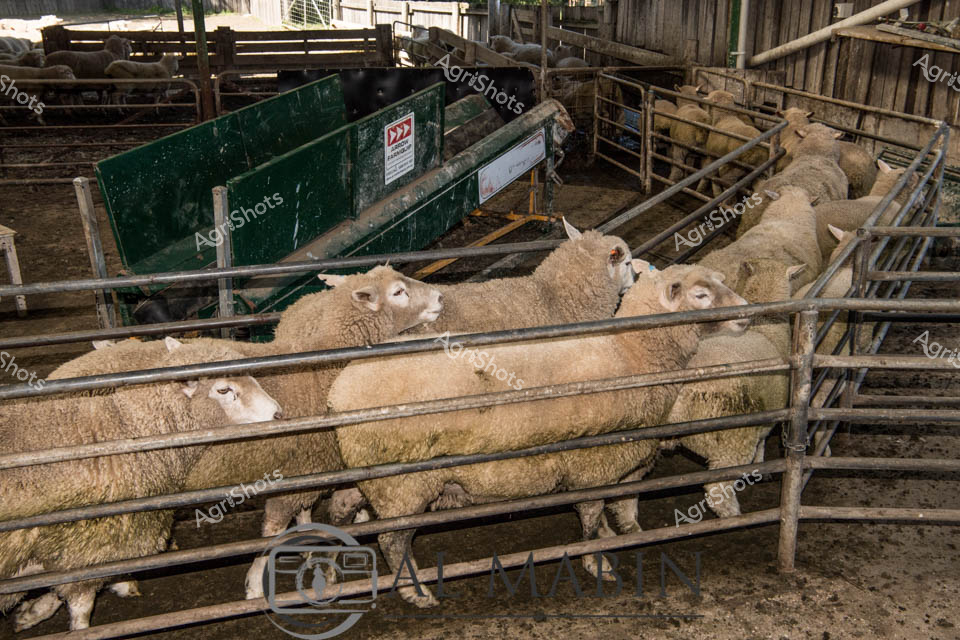
Merino ewes crowd together in a weathered timber sheep yard, their dense, creamy fleeces pressed against steel pipe gates. A green livestock handling unit stands ready, signaling an upcoming drenching or health check operation. The yard's sturdy wooden infrastructure, patinated by years of rural service, frames the scene with a sense of agricultural precision and generational farming practice. Soft morning light filters across the compacted earth, highlighting the sheep's alert expressions and the robust metalwork of the rural processing area. Each animal displays the hallmark characteristics of fine Tasmanian Merino stock - compact bodies, well-covered frames, and thick, uniform wool indicating careful breeding and nutrition. The tight composition captures the methodical rhythm of livestock management, where every element - from the warning signs to the meticulously constructed yards - speaks to the sophisticated science and deep tradition of Australian sheep farming.
 Image
Image
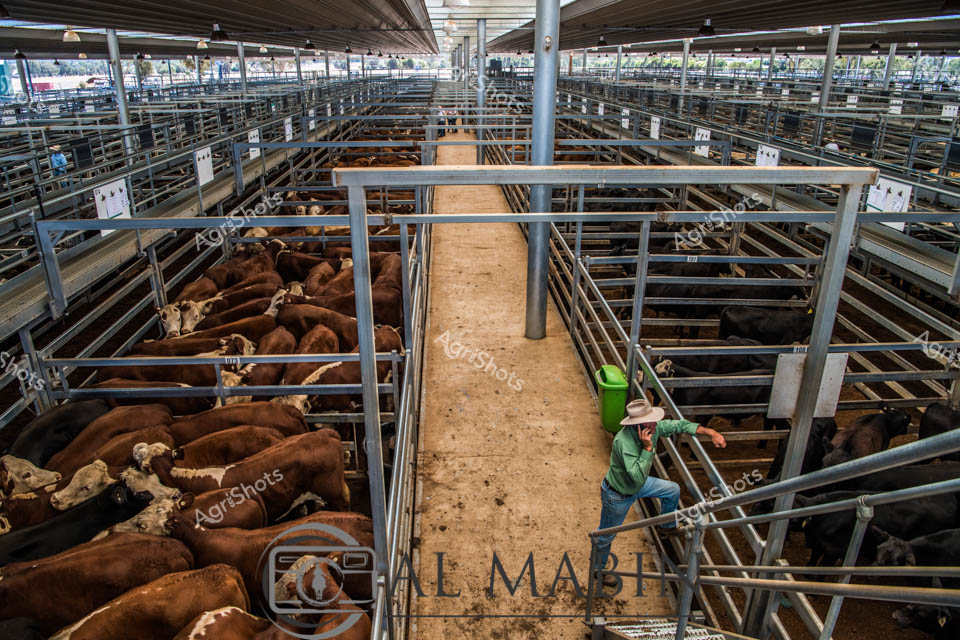
Corralled cattle stand shoulder to shoulder in neat metal pens at a bustling livestock sale yard, likely in the New England Region of New South Wales. A stockyard worker in a green shirt and wide-brimmed hat moves purposefully between the rows, navigating the narrow walkway separating dense groups of reddish-brown beef cattle. The expansive indoor facility features a grid of metallic fencing and support pillars, creating a systematic environment for agricultural commerce. Overhead lighting illuminates the sandy-colored floor and the varied tones of the cattle, from rich mahogany to lighter tan, highlighting their muscular frames and calm demeanor. This scene captures the rhythm of rural agricultural trading, where livestock are carefully sorted, assessed, and prepared for sale in a professional, structured setting. The methodical arrangement and controlled movement reflect the precision of modern cattle trading in Australian agricultural markets.