Results for “broad-brimmed hat”
 Image
Image
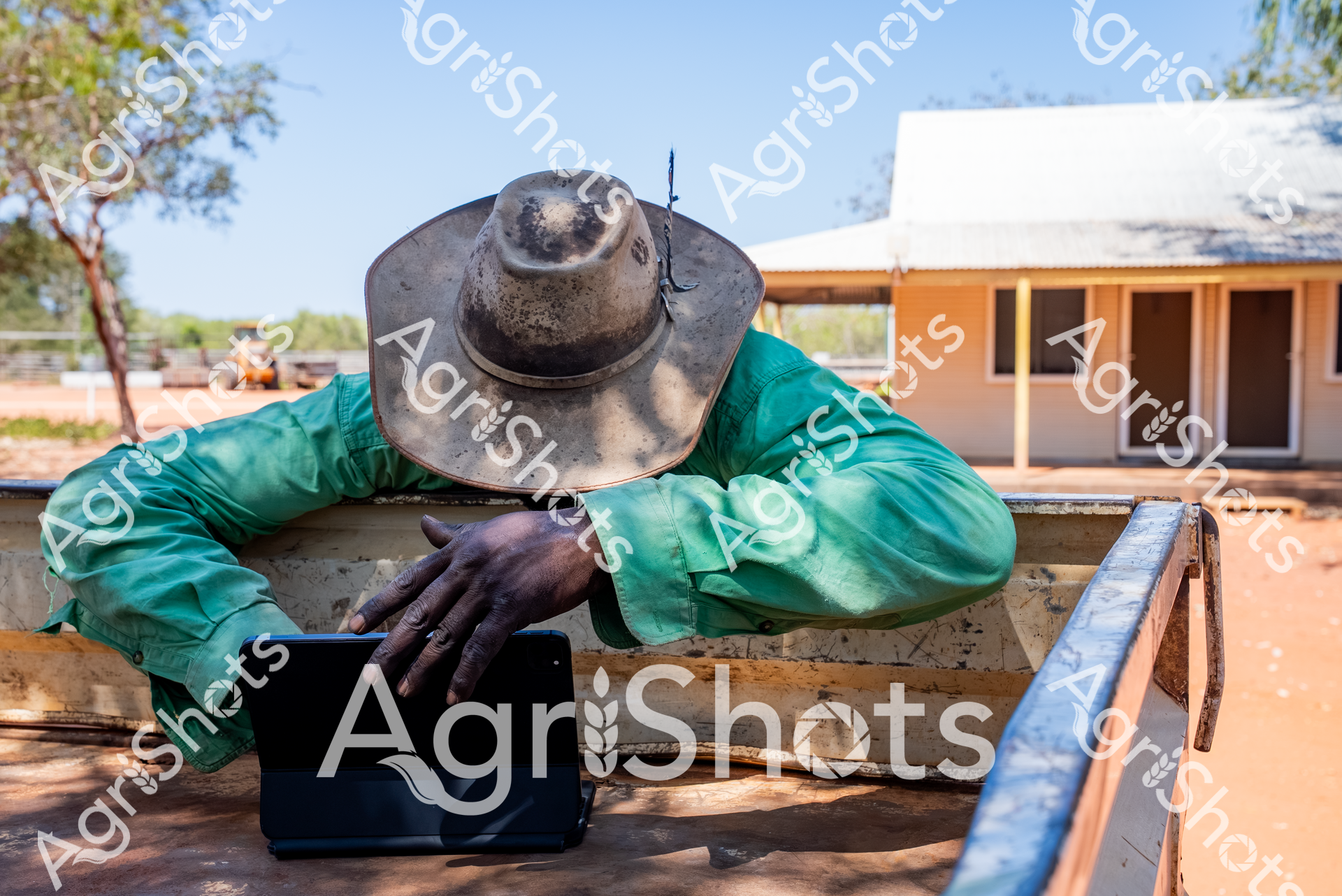
A worker in a green shirt and wide-brimmed hat leans on a vehicle at a rural station in Western Australia's Kimberley region, using an iPad to record information on a sunny spring day. The rugged landscape and outback building in the background showcase the remote working conditions typical of this area.
 Image
Image
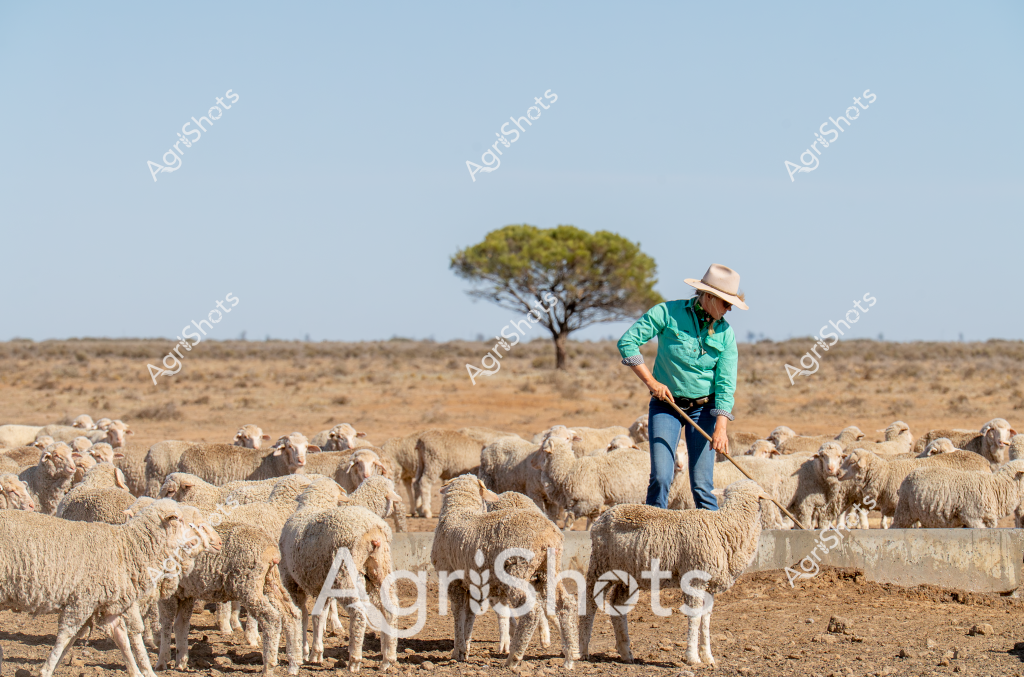
A man shepherd tends to a large flock of Merino sheep in a dry, sparse landscape characteristic of rural Australia. Wearing a broad-brimmed hat, green long-sleeved shirt, and blue jeans, he stands amidst dozens of woolly sheep near a concrete trough in an arid paddock. A solitary tree with a full green canopy punctuates the distant horizon, providing a stark contrast to the golden-brown earth and pale blue sky. The sheep cluster together, their dense fleece suggesting they are mature Merinos ready for shearing, highlighting the resilience of both the livestock and the shepherd in this challenging environment. The scene captures the essence of Australian pastoral farming - a lone worker carefully managing a valuable flock in a harsh, expansive landscape where water and vegetation are precious resources.
 Image
Image
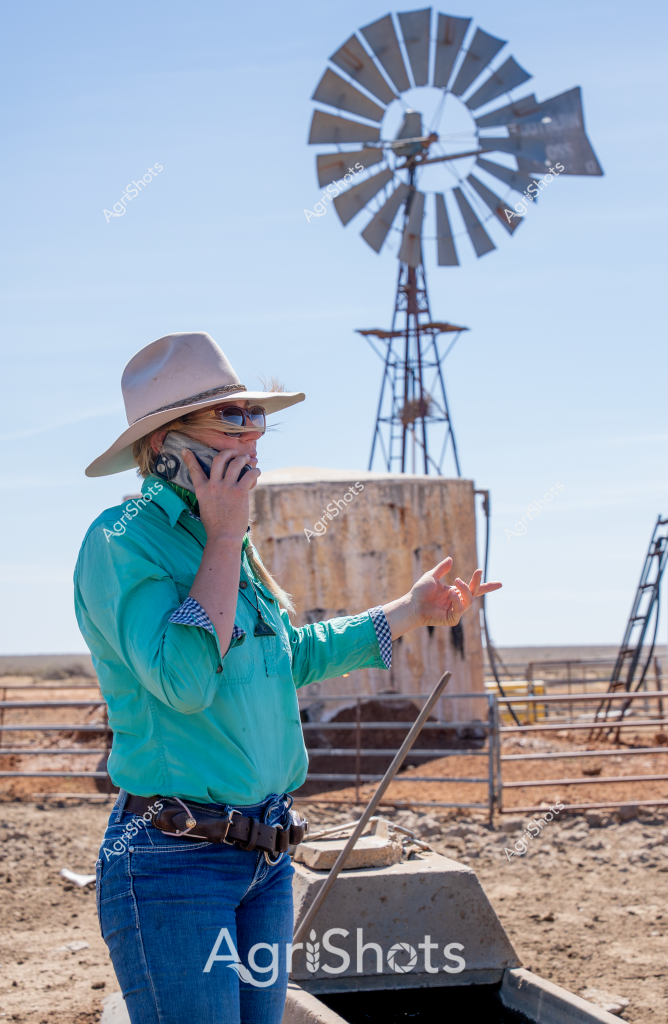
A woman wearing a broad-brimmed hat and teal work shirt stands in a dry, arid landscape beside a classic windmill and water tank. She is talking on a mobile phone while gesturing with her other hand, her stance conveying a sense of focused communication amid the stark rural setting. The windmill's metal blades stand silhouetted against a clear blue sky, while a concrete water tank and sparse fencing suggest this is a remote agricultural property. Her outfit - a crisp turquoise shirt, blue jeans, and a neutral-toned hat - reflects typical Australian rural workwear, highlighting the resilience and practical nature of farmers working in challenging outback conditions. The scene captures the essence of modern agricultural communication, where technology meets traditional farming landscapes.
 Image
Image
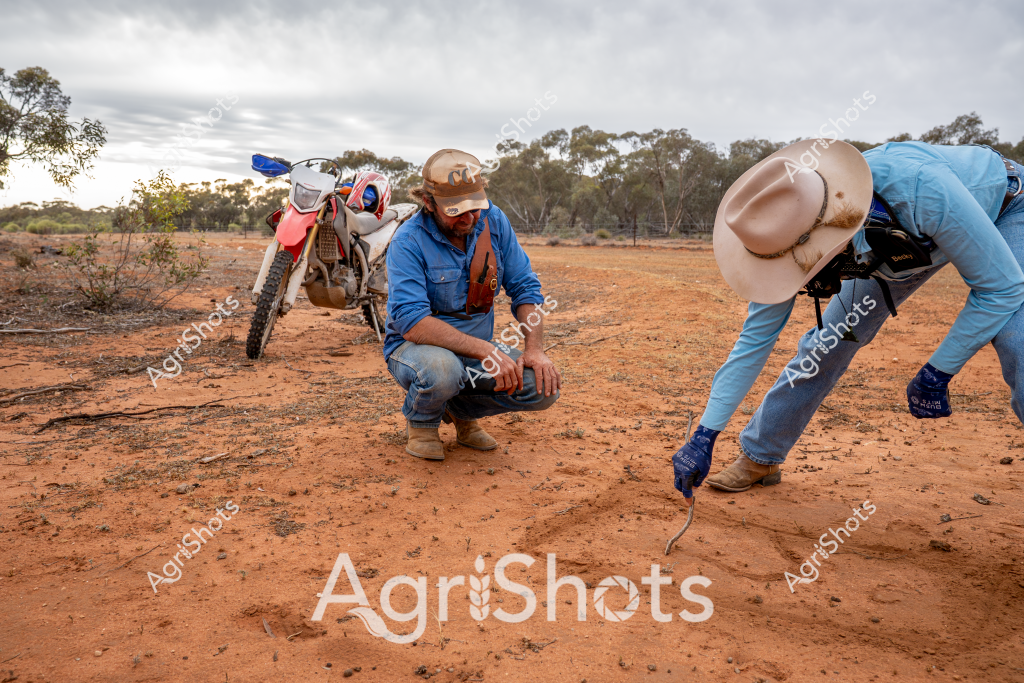
In the arid Australian outback, two men inspect the ground near a dirt bike, their clothing and posture revealing a deep connection to the rugged landscape. A man in a blue work shirt and tan hat crouches carefully, while another in light blue clothing and a broad-brimmed hat bends down, examining something on the red earth. A white and red dirt bike stands nearby, suggesting they've traveled some distance across this remote terrain. The scene captures the quintessential Australian rural working environment - a sparse landscape of reddish soil, scattered eucalyptus trees in the background, and an overcast sky creating a muted, atmospheric light. Their careful inspection could be related to soil conditions, tracking, or some agricultural assessment typical of station or farm work. The motorcycle indicates the vast distances that must be traversed in such remote regions, where traditional transportation methods meet modern rural technology. The men's attire - robust work shirts, protective hats, and sturdy boots - speaks to the practical necessities of working in harsh environmental conditions. Their focused postures suggest expertise and a methodical approach to understanding the landscape, embodying the resilience and problem-solving spirit characteristic of Australian rural workers.
 Image
Image
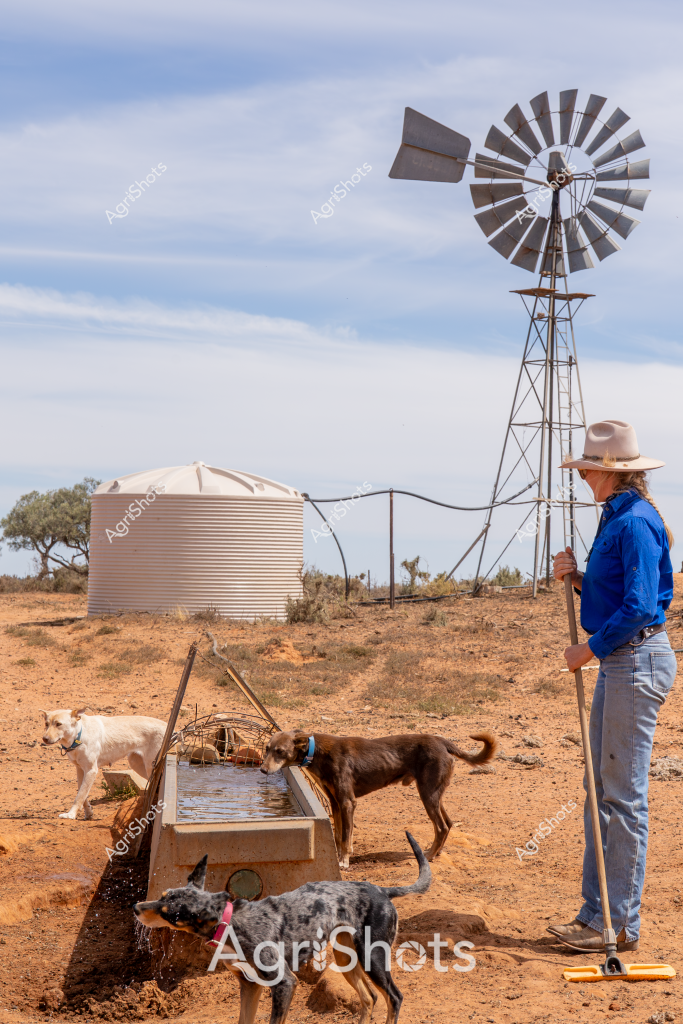
A woman farmer stands beside a windmill on an arid rural property, surveying the dry landscape with three working dogs around a water trough. The scene captures a typical Australian outback setting, with reddish-brown earth, a large corrugated water tank, and a classic metal windmill tower against a pale blue sky. The woman wears a blue long-sleeved shirt, light-colored jeans, and a broad-brimmed hat, embodying the resilient spirit of rural Australian agriculture. Three dogs - a white dog, a brown dog, and a blue merle dog - are gathered around a concrete water trough, drinking or waiting attentively. The windmill, a crucial piece of infrastructure in remote agricultural areas, stands ready to pump groundwater, highlighting the importance of water management in harsh, dry environments. The sparse vegetation and rocky ground underscore the challenging conditions faced by farmers in this region, with sparse trees and scrub vegetation scattered across the background.
 Image
Image
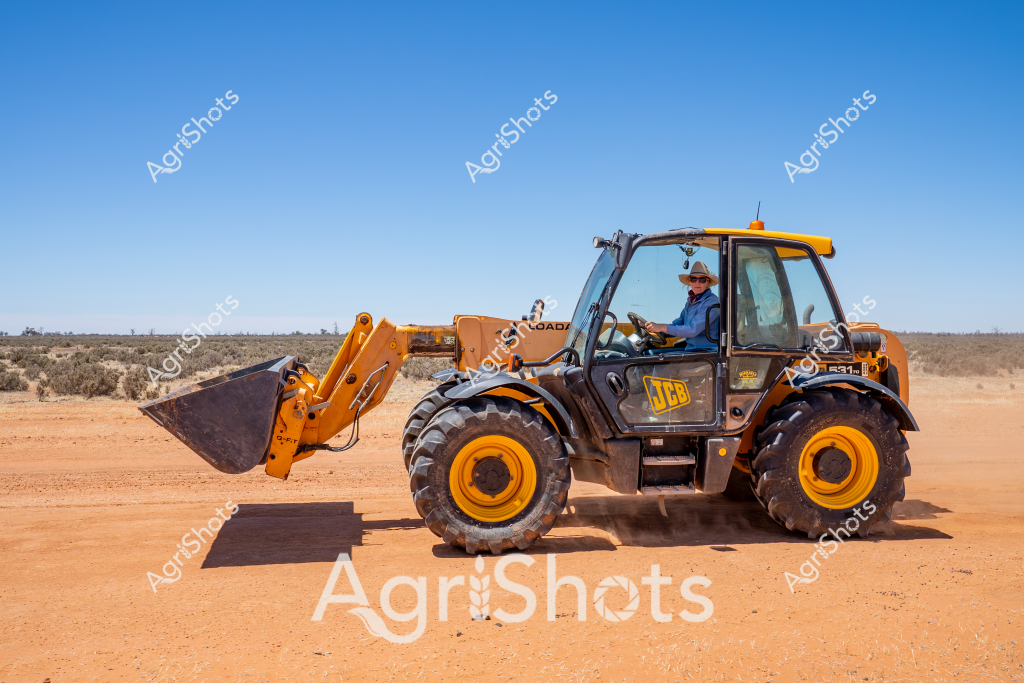
A JCB telehandler stands ready in a sun-drenched, arid landscape, its vibrant yellow and black color scheme contrasting sharply against the rich terracotta-colored dirt and sparse scrubland. A man wearing work attire and a broad-brimmed hat operates the heavy machinery, positioning the large front bucket against a clear blue sky. The robust agricultural vehicle features substantial chunky tyres designed for navigating challenging rural terrain, with the distinctive JCB branding prominently displayed on its side panel. The telehandler appears well-maintained and prepared for agricultural or construction work, typical of machinery used in remote Australian farming and resource extraction regions. Its muscular profile suggests powerful lifting capabilities, essential for tasks like moving materials, loading supplies, or supporting infrastructure development in challenging outback environments. The surrounding landscape hints at a remote location - possibly in Western Australia, South Australia, or the Northern Territory - with low scrub vegetation and a vast, open horizon stretching into the distance. The harsh, bright lighting and cloudless sky indicate midday conditions in a hot, dry agricultural or mining region.
 ▶ Video
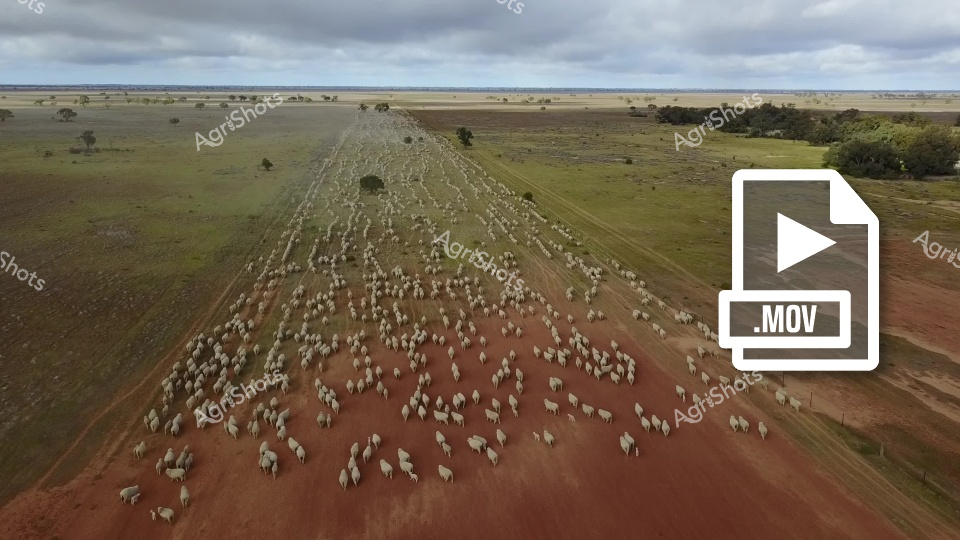
A vast stretch of the drought-affected landscape unfolds under a moody sky, where low-hanging clouds cast a soft, diffused light over the scene. The ochre-colored earth, cracked and dry, contrasts with the lush green pastures in the distance, highlighting the resilience of the land. A large herd of white cattle, their distinctive markings breaking the uniformity of their coats, moves in unison across the terrain, driven by a diligent farmer on horseback who wears a broad-brimmed hat to shield against the elements. As the cattle graze on the sparse grass, the sound of hooves thuds softly against the parched ground, and the occasional low moo echoes through the air, contributing to an atmosphere of gentle but purposeful activity. The farmer, dressed in rugged denim and a light blue shirt, guides the herd with practiced ease, demonstrating the close bond and vital understanding between man and livestock, particularly in challenging conditions. The horizon bends beneath an expansive sky tinted with grays and hints of muted blue, evoking a sense of unease blended with the beauty of rural life. The scene encapsulates the ongoing struggles and triumphs of Australian agriculture, where every day brings a renewed hope for sustainability and recovery.
 Image
Image
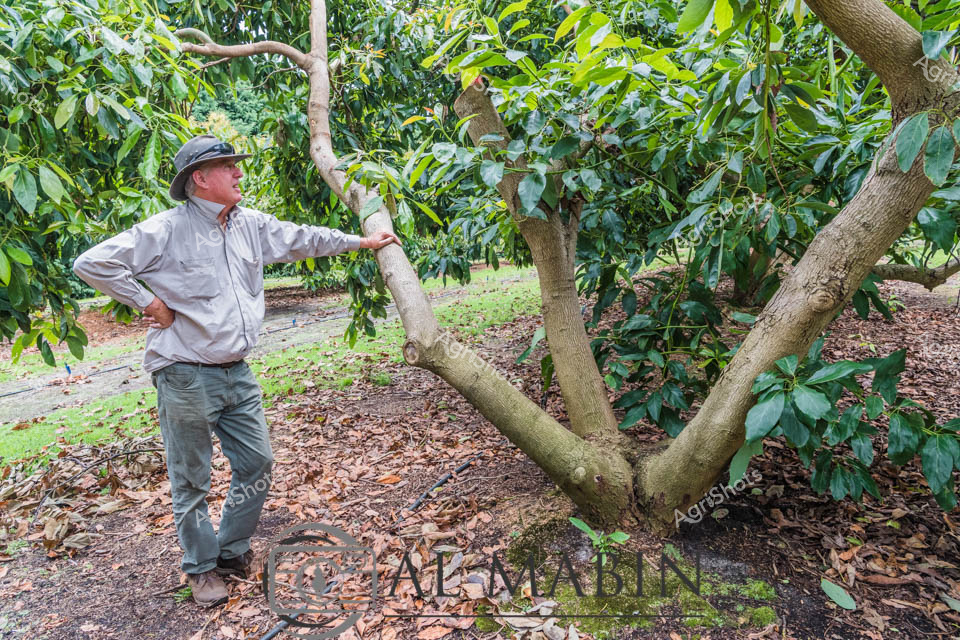
An experienced agricultural specialist inspects an established avocado orchard in Western Australia's lush South West Region. Standing amid verdant foliage and rich brown leaf mulch, the expert examines the tree's structural integrity, his weathered work attire - light grey long-sleeved shirt, grey-green trousers, and protective broad-brimmed hat - signaling years of hands-on agricultural knowledge. The mature avocado tree displays a robust, multi-trunked framework with substantial branches spreading through dense green canopy, demonstrating careful pruning and cultivation techniques. Soft filtered sunlight penetrates the orchard, highlighting the textured bark and vibrant leaf surfaces, suggesting a mild day during the growing season. With one hand resting on his hip and the other gently touching a tree branch, the specialist's posture communicates professional assessment and deep connection to the land. The meticulously maintained grove represents the sophisticated horticultural practices of contemporary Australian agricultural production, where precision and expertise ensure high-quality fruit yields.
 Image
Image
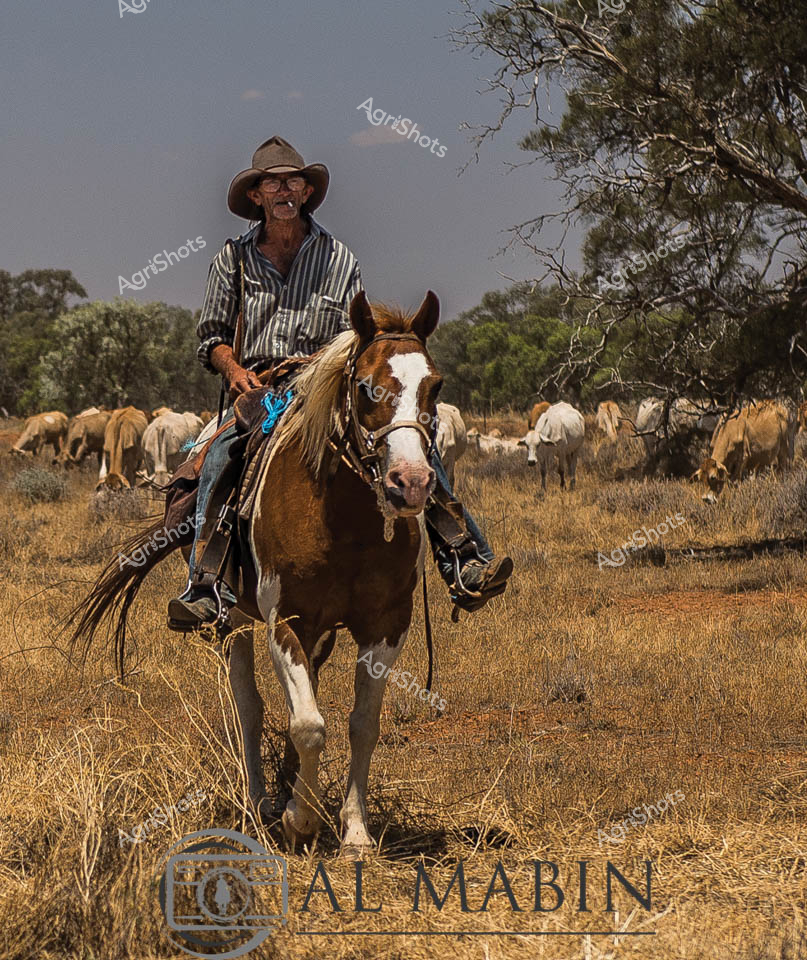
Weathered and wise, a seasoned stockman guides his chestnut and white horse through a golden grassland, leading a mob of Brahman cattle across a classic Australian stock route. Wearing a striped work shirt and a broad-brimmed hat, the rider embodies the timeless spirit of outback droving - patient, skilled, and deeply connected to the land. The horse moves with confident purpose, its muscular frame and steady gait reflecting years of training and partnership with its rider. Sparse eucalyptus trees dot the dry landscape, their twisted branches silhouetted against a pale sky, while the herd moves steadily through sun-scorched pasture, a testament to the enduring rhythms of cattle management in rural Australia. The scene captures the essence of pastoral life - hard work, resilience, and the intricate relationship between stockmen, the horses, and the cattle that are the lifeblood of Australia's agricultural economy. Every element speaks to generations of tradition: the worn leather saddle, the rider's weathered smile, and the seemingly endless horizon that defines the character of the Australian rangelands.
 Image
Image
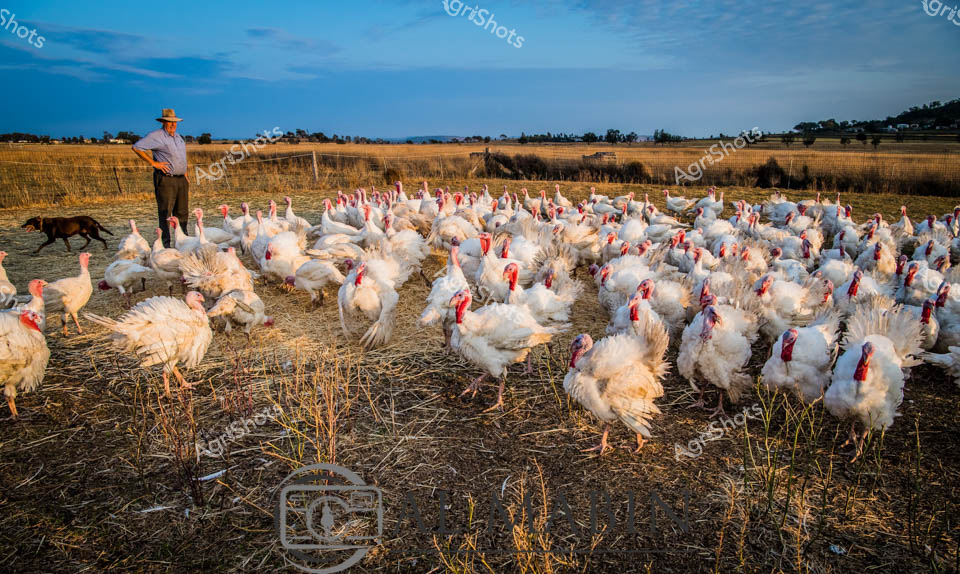
Free-range white turkeys cluster across a golden stubble field under a soft blue morning sky, their plump bodies and vivid red wattles creating a striking visual landscape. A lone farmer stands watchfully to the side, dressed in classic rural attire with a broad-brimmed hat, surveying the expansive flock that stretches across the dry pasture. A working dog moves quietly at the periphery, suggesting this is a carefully managed agricultural operation in rural Queensland. The turkeys display remarkable uniformity - pure white feathered bodies with distinctive crimson facial features, representing a carefully bred commercial poultry breed raised in an open paddock environment. Soft morning light casts long shadows across the dry grassland, highlighting the textural contrast between the birds' fluffy plumage and the crisp, yellowed ground vegetation. This scene captures the essence of Australian agricultural practice - a blend of traditional farming methods and modern livestock management, where animal welfare and spacious conditions are integral to production.
 Image
Image
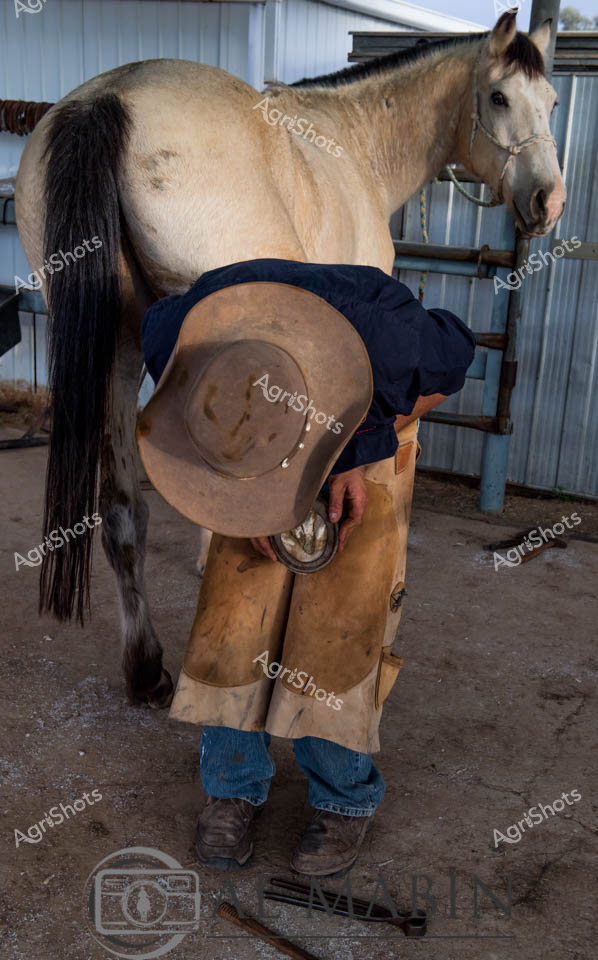
A stockman in weathered leather chaps and a broad-brimmed hat tenderly attends to a pale cream-colored horse's hoof in a steel-framed cattle yard, capturing the timeless craft of horse shoeing. The horse stands patiently, its dark tail and mane contrasting against its light coat, while the stockman carefully works to replace or adjust its horseshoe. Rich textures dominate the scene - the worn leather of the chaps, the rusted metal of the yard's infrastructure, and the smooth coat of the horse create a tactile narrative of rural workmanship. Soft morning light filters across the concrete and metal surfaces, highlighting the intimate connection between the horse and its handler. This image encapsulates the quiet skill and deep respect inherent in Australian rural horse care, where generations of knowledge are passed through precise, careful movements. The scene speaks to the enduring relationship between working stockmen and their equine companions, a fundamental partnership in Australia's agricultural landscape.
 Image
Image
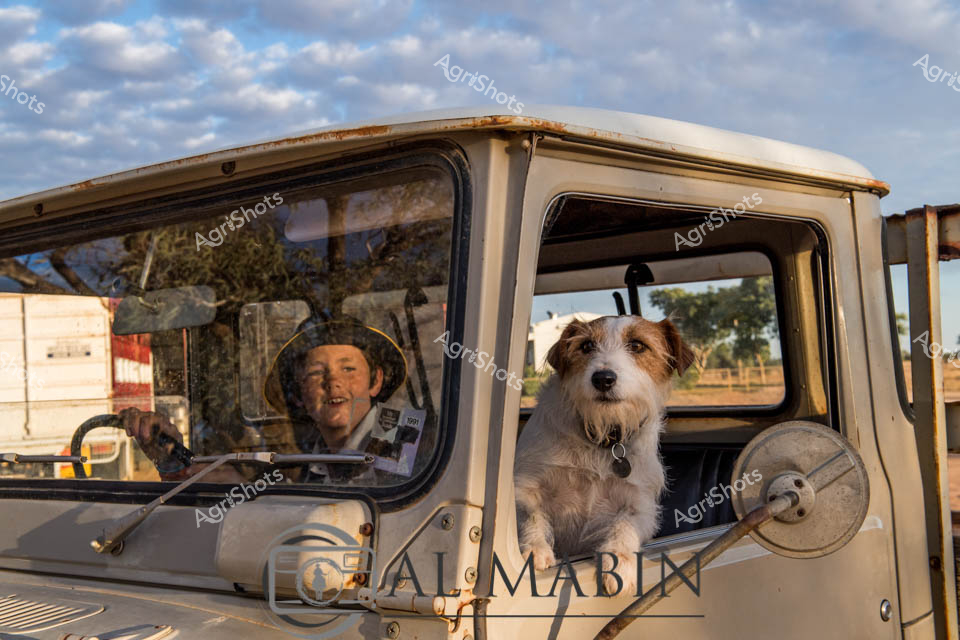
Golden hour sunlight bathes a weathered farm utility vehicle, capturing an authentic moment of rural Australian life. A shaggy-coated working dog sits alertly in the passenger window, ears perked and collar gleaming, perfectly embodying the companionship central to outback station life. Beside the dog, a young station worker wearing a broad-brimmed hat peers through the dusty windscreen, his expression a mixture of concentration and quiet contentment. The vehicle - likely a vintage model Toyota Land Cruiser or similar - represents decades of reliable service across challenging agricultural terrain, its faded cream paintwork and slight rust telling stories of countless kilometres traversed across paddocks and station tracks. The background reveals a classic Queensland pastoral landscape: sparse eucalyptus trees, open grasslands, and a cloud-dappled sky suggesting the approaching end of a long working day. This image encapsulates the resilience, partnership, and understated beauty of contemporary rural Australian life - a young worker and his canine companion, united in the day's final moments, embedded in a landscape that has shaped generations.
 Image
Image
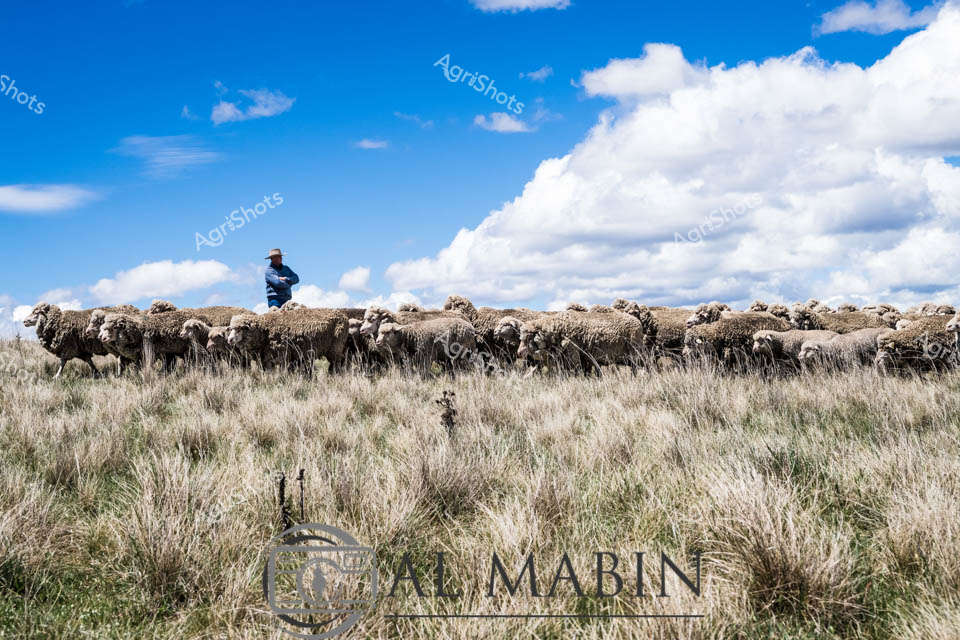
Beneath an expansive cerulean sky punctuated by billowing cumulus clouds, a flock of dense-fleeced Merino sheep blankets the golden grasslands of rural New South Wales. A lone stock manager stands sentinel among the herd, his silhouette rising above the undulating mass of woolly backs, embodying the timeless connection between landholder and livestock. The windswept pasture stretches to the horizon, its silvery-green grasses swaying gently, creating a textural contrast with the tightly packed, creamy-white bodies of the merinos. This scene captures the essence of Australian pastoral life - a carefully managed landscape where generations of agricultural expertise manifest in the precise movement and care of a high-quality merino flock. The broad-brimmed hat of the stock manager and the immaculate line of sheep speak to the disciplined craft of mustering, a quintessential skill in the management of Australia's wool production. The image radiates a sense of calm productivity, where human skill and natural landscape converge in a moment of agricultural harmony.
 Image
Image
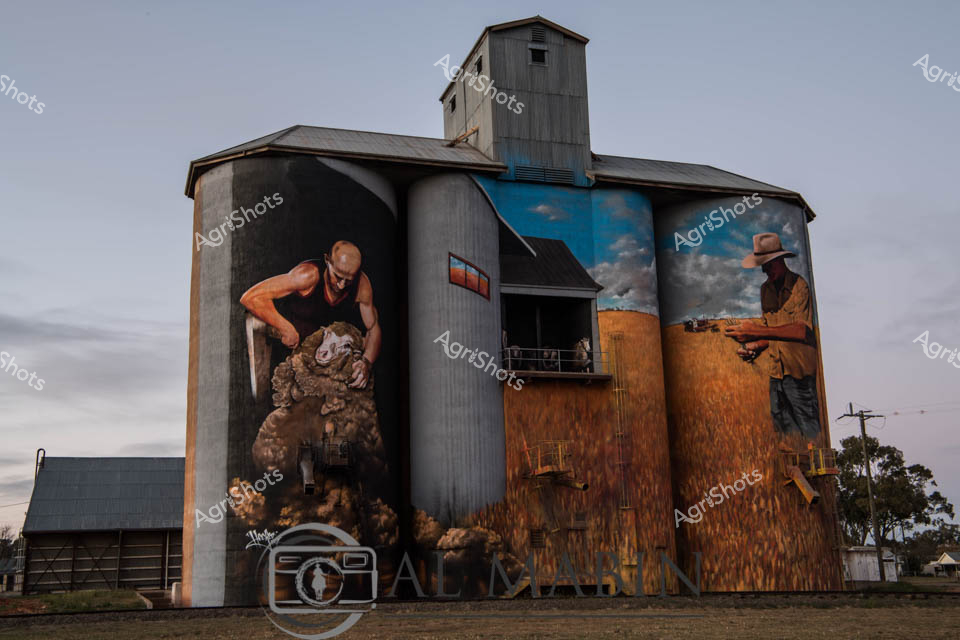
Towering against the soft twilight sky, this monumental grain silo transforms rural storytelling through spectacular painted narratives of Australian agricultural life. Massive cylindrical structures bear vivid murals celebrating sheep shearing - a muscular worker grapples with a woolly merino, carefully managing the animal during the critical wool harvest process. Adjacent panels portray a classic rural scene of a farmer surveying golden wheat fields, wearing a broad-brimmed hat that symbolizes generations of agricultural resilience. The artwork captures the raw physicality and profound connection between human labor and the land, rendering everyday agricultural work as heroic and dignified. Warm ochre and burnt sienna tones blend seamlessly with the surrounding landscape, creating a powerful visual tribute to rural craft and community. This silo art installation stands as a magnificent landmark, transforming an industrial agricultural structure into a canvas that honors the spirit of Australian farming.
 Image
Image
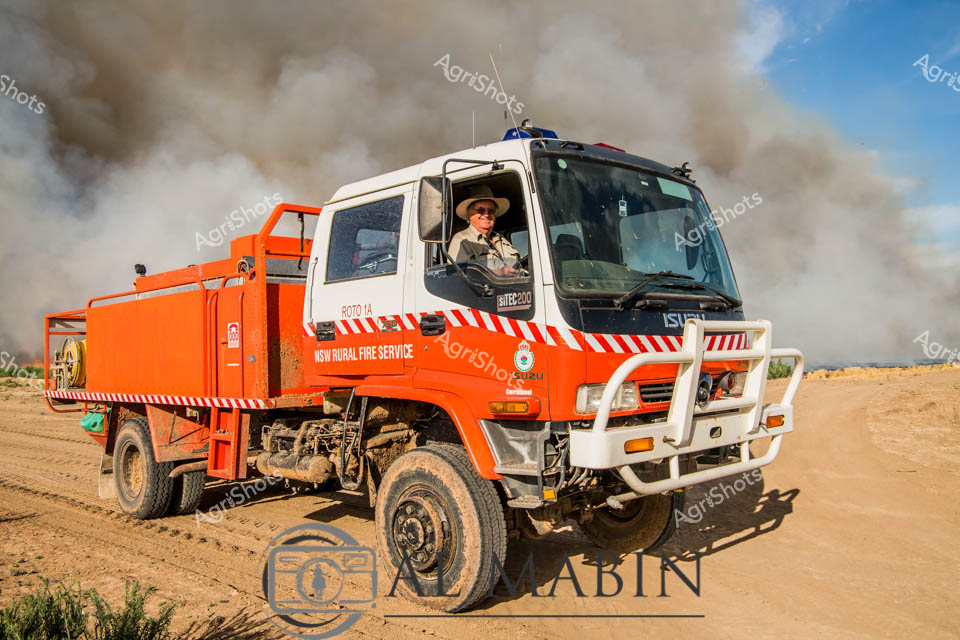
Dust billows around a New South Wales Rural Fire Service truck positioned on a dry, sandy terrain, capturing the intense preparedness of rural firefighting teams during Australia's challenging bushfire season. The robust orange and white fire truck stands ready, its rugged design specifically engineered for navigating challenging agricultural landscapes. A firefighter wearing a broad-brimmed hat sits in the driver's cabin, scanning the horizon with professional alertness, embodying the critical role of emergency services in protecting rural communities and agricultural assets. Red and white hazard stripes accent the vehicle, signaling its emergency response purpose, while the robust bull bar and high ground clearance indicate the truck's capability to traverse difficult fireground terrain. The stark contrast between the blue sky and the thick smoke plume creates a dramatic backdrop, highlighting the constant environmental challenges faced by rural firefighters in protecting farmlands, livestock, and communities during intense dry seasons. This image powerfully represents the intersection of agricultural resilience and emergency preparedness in the Australian landscape.
 Image
Image
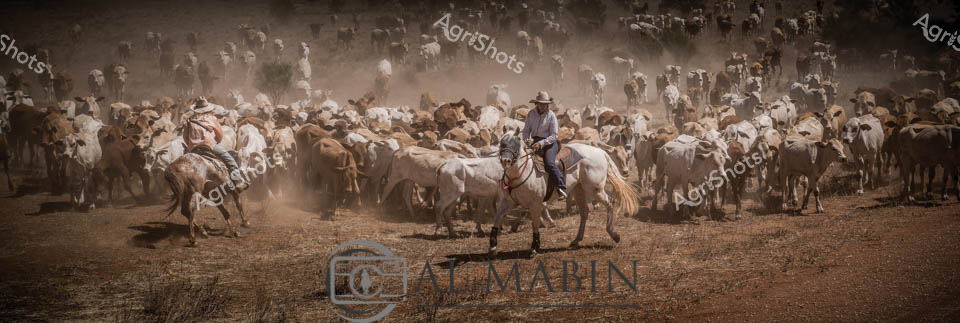
Dusty stockroutes come alive with the thundering movement of a classic Australian cattle muster. Weathered stockmen guide a massive herd of predominantly white and light brown Brahman cattle across a parched, ochre landscape, their experienced horsemanship cutting decisive paths through the dense, swirling mass of livestock. The sepia-toned scene captures the raw essence of droving - a timeless agricultural tradition that speaks to the rugged heart of Australia's pastoral heritage. A stockman in a broad-brimmed hat sits atop a pale horse, controlling the herd's direction with subtle movements, while clouds of red dust billow around the hooves of hundreds of cattle, creating a dreamlike, almost cinematic atmosphere that embodies the challenge and romance of cattle management in harsh outback conditions. The image pulses with motion, grit, and the unspoken resilience of those who work the land, revealing the intricate dance between human skill and animal instinct that defines Australia's cattle industry.
 Image
Image
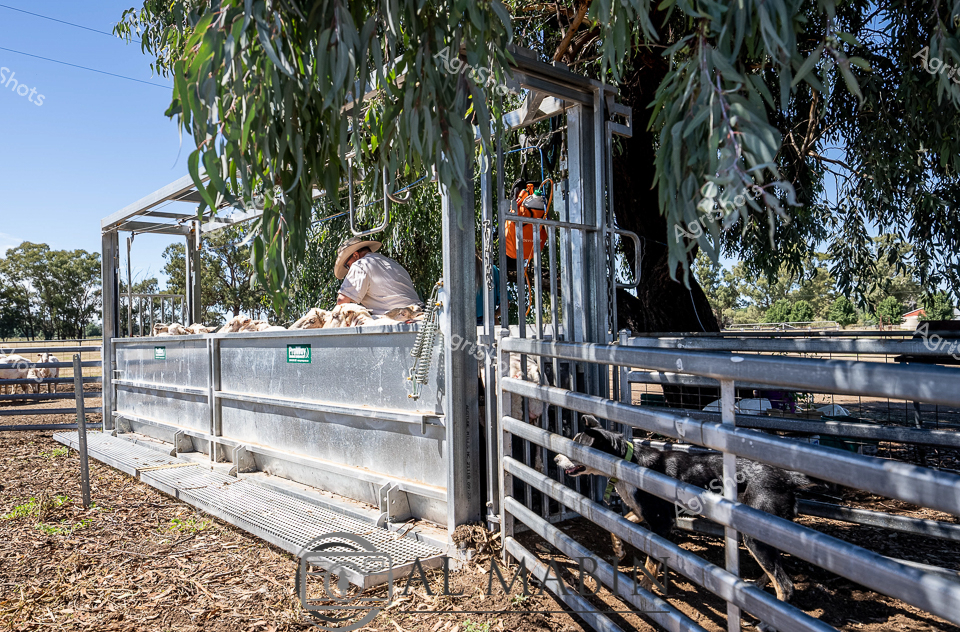
Weeping willow branches frame a quintessential Australian sheep management scene on a bright, clear day. A skilled livestock worker in a broad-brimmed hat carefully manages a group of Merino sheep within a galvanized steel drenching race, a critical infrastructure for animal health treatments. The metallic yards, constructed with precision gates and walkways, provide a controlled environment for administering veterinary treatments like parasite control using products such as Zolvix. An additional worker in a high-visibility orange vest stands ready at the processing station, highlighting the systematic and professional approach to livestock care. The ground is covered in mulched bark, with gum trees visible in the background, creating a classic rural Australian pastoral setting that speaks to generations of agricultural expertise. This image captures the methodical care and technological sophistication of modern sheep farming, where animal welfare and strategic health management are paramount.
 Image
Image
Beneath an expansive clouded sky, a weary agricultural worker stands amid a sorghum field, pausing to adjust his broad-brimmed hat against the harsh Queensland daylight. A gleaming Case tractor dominates the golden-brown landscape, representing the pinnacle of modern agricultural technology and precision farming. The weathered worker, dressed in a light protective jacket, appears contemplative and small against the vast harvested crop rows and industrial machinery, symbolizing the solitary yet high-tech nature of contemporary agricultural practice. Muted earth tones of dried sorghum stalks contrast sharply with the deep red and metallic grey of the advanced tractor, highlighting the intersection of natural agricultural cycles and cutting-edge farming equipment. Dramatic cloud formations overhead suggest the unpredictable environmental conditions that define rural Australian agricultural experience. The scene captures a moment of quiet reflection amidst the complex, mechanized process of crop harvesting, embodying the resilience and technological sophistication of Queensland's agricultural sector.
 Image
Image
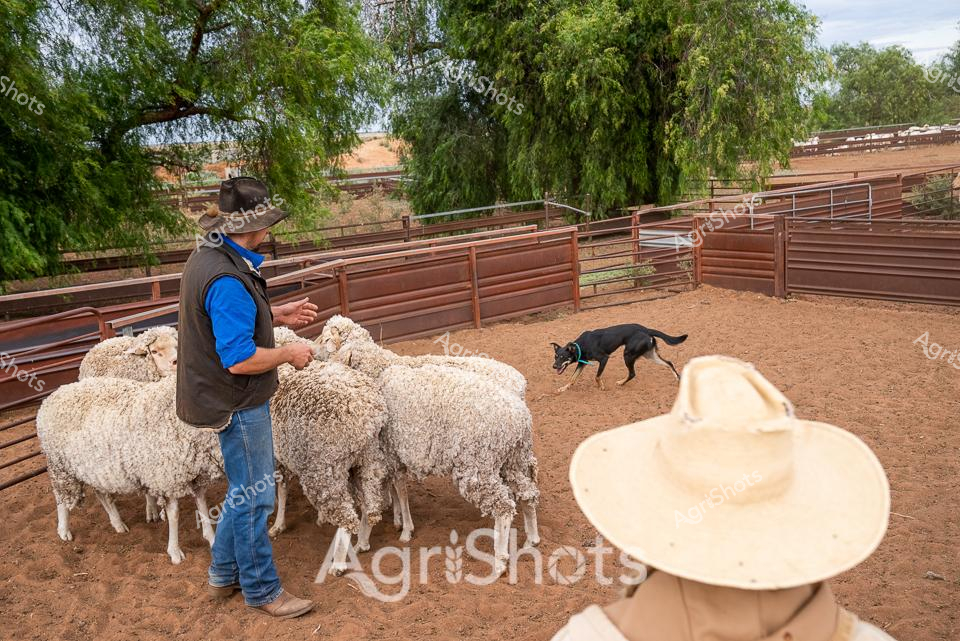
Dusty merino sheep cluster together in a rustic livestock yard, their dense, creamy-white fleeces contrasting against the rich terracotta-colored earth. A station hand in a blue shirt and grey vest carefully manages the small flock, his movements deliberate and calm. A working dog, sleek and attentive in black, circles the periphery of the yard, ready to assist with precision and skill. Weathered wooden yards and gnarled willow trees frame the scene, suggesting a classic Australian pastoral landscape in the dry inland regions of New South Wales. The soft light and muted tones hint at early morning or late afternoon, when stock work is typically conducted to avoid the intense midday heat. A broad-brimmed hat worn by another worker in the foreground emphasizes the quintessential rural Australian aesthetic, highlighting the enduring connection between humans, animals, and the challenging agricultural landscape.
 Image
Image
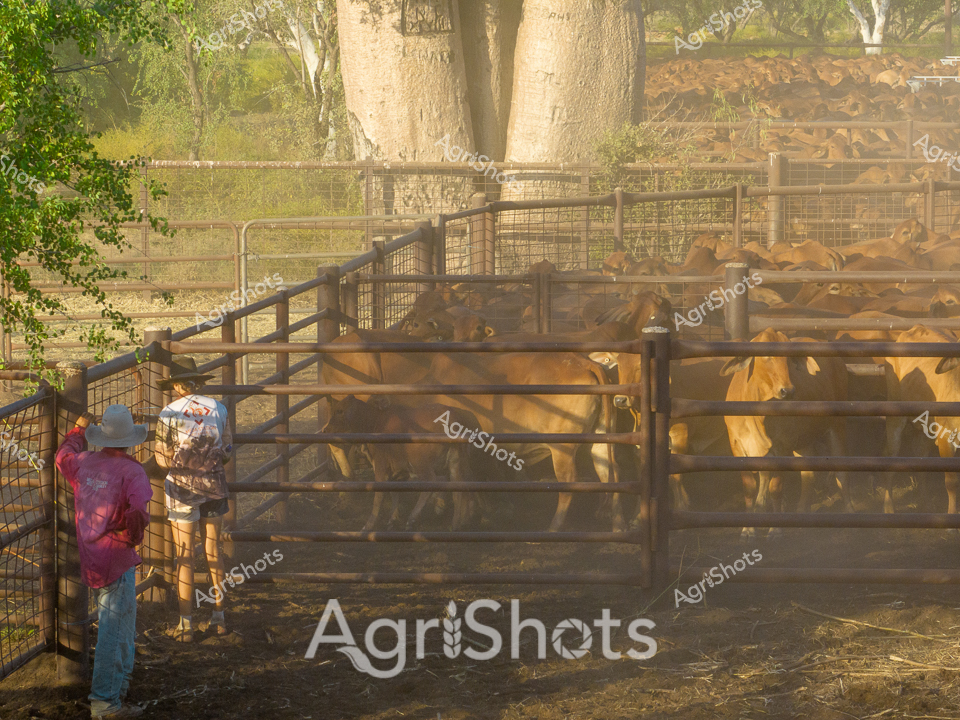
Golden light filters through the dusty cattle yards, casting long shadows across the weathered wooden gates and wire mesh pens. A pair of stock workers stand quietly observing a mob of golden-hued Brahman cattle, their distinctive humped shoulders and loose skin marking them as quintessential northern Australian beef producers. The massive boab tree in the background anchors the scene, its pale trunk a sentinel of the harsh pastoral landscape of Western Australia. Stockmen dressed in practical work attire - one in a vibrant pink shirt and broad-brimmed hat, the other in neutral tones - survey the herd with practiced eyes, their stance suggesting decades of accumulated knowledge about cattle handling. The early morning mist and soft sunlight create an almost ethereal quality, transforming the utilitarian cattle yards into a tableau of rural industry and connection to land. These moments capture the essence of station life: patient observation, quiet communication, and the rhythmic work of managing livestock in one of Australia's most challenging agricultural environments.
 Image
Image
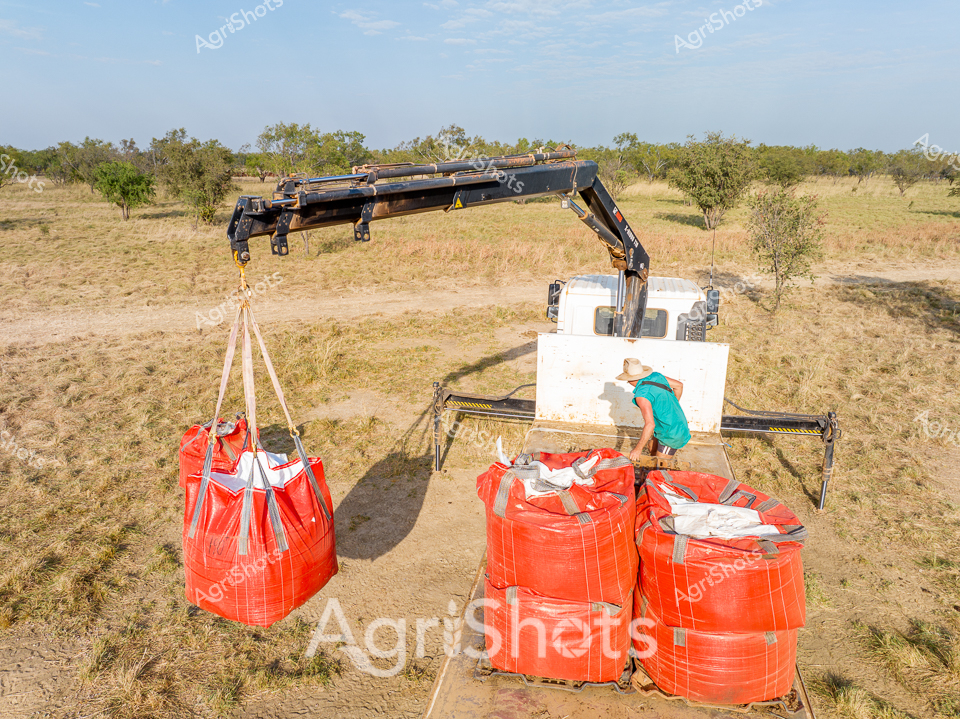
In the sun-drenched grasslands of Western Australia, a robust agricultural loading operation unfolds across a sparse station landscape. A mobile feed supplementation truck stands ready, its hydraulic crane extended, carefully lifting massive bright red bulk bags of mineral lick supplement. The vivid crimson bags contrast sharply against the pale golden grasses and scattered eucalyptus trees, creating a quintessential outback scene. A worker in a teal green shirt and broad-brimmed hat manages the loading process, positioning the heavy supplementary feed bags for distribution across the station's vast pastoral terrain. The machinery represents critical infrastructure for cattle nutrition management, ensuring livestock receive essential minerals and nutrients in challenging arid environments. The clear blue sky and soft cloud cover suggest early morning conditions, with soft light casting long shadows across the dry landscape, capturing the precise, methodical nature of modern agricultural resource management.
 Image
Image
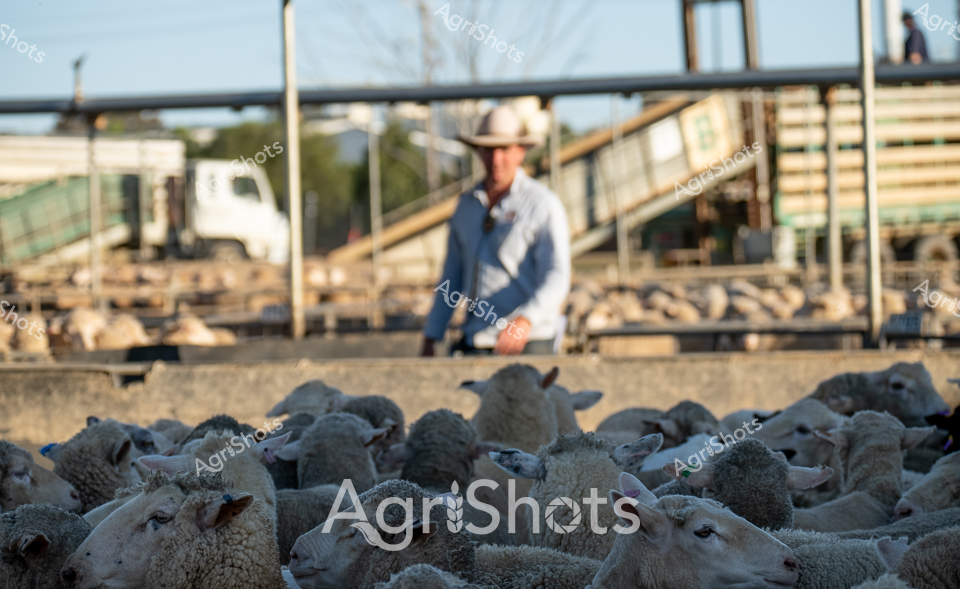
Merino rams crowd the sale yard, their woolly backs a uniform silvery-gray against the dusty paddock. An experienced auctioneer stands sentinel in a crisp white shirt and broad-brimmed hat, overseeing the livestock procurement process with practiced composure. Metallic cattle yards and loading ramps frame the scene, capturing the rhythm of agricultural commerce in the Riverina region of New South Wales. Morning sunlight casts soft shadows across the compact flock, highlighting their dense fleeces and alert expressions as they await their fate in this critical node of the sheep trading ecosystem. The auction represents more than a simple transaction - it's a cultural ritual of rural Australian agricultural life, where generations of farming knowledge converge in a single moment of economic exchange. The measured stance of the figure in the background speaks to the calculated precision of livestock trading, where every animal is assessed for its potential value and contribution to the broader agricultural landscape.
 Image
Image
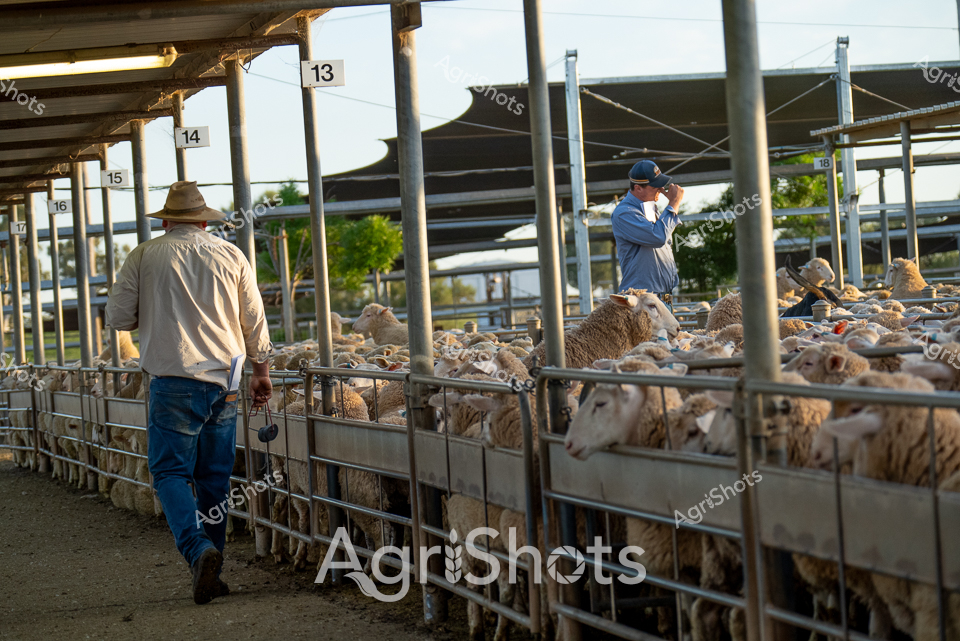
Merino sheep crowd the Sale Yards, their woolly forms packed tightly into numbered metal pens beneath an expansive shade structure. A weathered farmer in a light khaki shirt and well-worn jeans walks along the pen corridor, his broad-brimmed hat casting a shadow as he surveys the livestock. Nearby, another farmer in a blue shirt and cap lifts binoculars to his eyes, carefully assessing the quality and potential of the flock. The late afternoon light casts a warm golden hue across the Riverina Region sale yards, highlighting the soft cream and tan wool of the sheep and creating long shadows across the dusty ground. This is a quintessential Australian agricultural scene - a moment of focused evaluation where years of breeding knowledge, market understanding, and livestock expertise converge. The numbered pens (visible markers 13, 14, 15, 16, 17) suggest a methodical, professional approach to livestock trading, a critical component of Australia's agricultural economic ecosystem.
 Image
Image
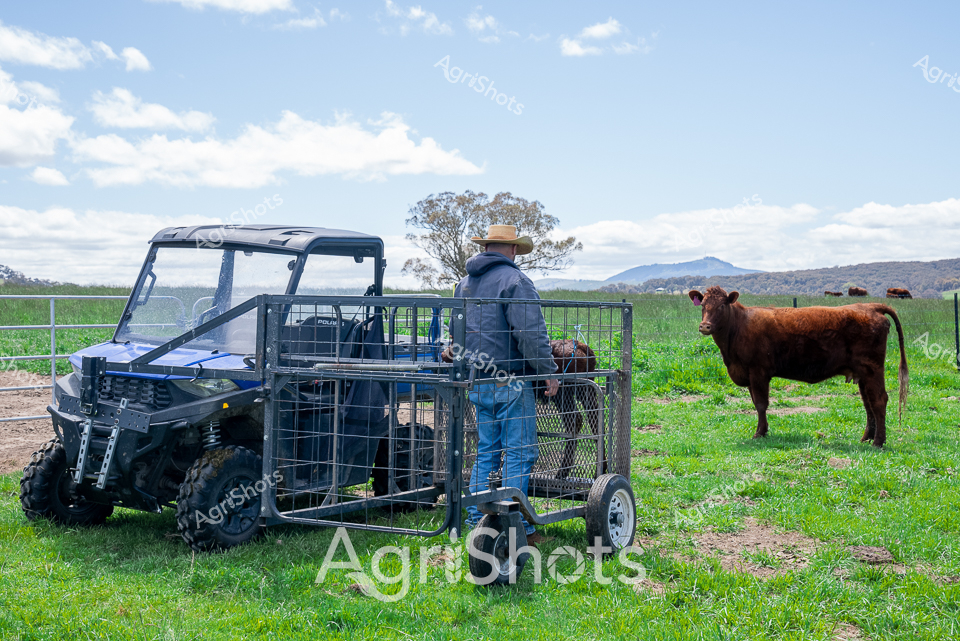
Beneath a soft, cloud-dappled sky, a seasoned livestock manager surveys a lush pasture in rural New South Wales, preparing to weigh and monitor a young Shorthorn beef calf. A rugged blue utility vehicle stands ready, fitted with a robust metal cage trailer designed for safe animal handling. The stockman, dressed in classic farm attire - heavy denim, sturdy boots, and a broad-brimmed hat for sun protection - stands quietly alongside the trailer, with a rich reddish-brown Shorthorn cow observing from nearby. Rolling green paddocks stretch toward distant mountain ranges, capturing the quintessential Australian agricultural landscape. The scene speaks to the precision and care of modern cattle management, where technology and traditional farming skills combine to ensure the health and productivity of livestock. This moment represents the careful stewardship of Australia's beef industry, where each animal is individually monitored and valued.