Results for “Organizational”
 Image
Image
This image showcases a well-stocked pantry or kitchen storage area filled with a diverse array of food products and supplies. Multiple white shelves are densely packed with various packaged goods, including bags of dry ingredients, canned items, milk cartons, and assorted containers in blue, red, green, and yellow packaging. The shelves are meticulously organized, with items arranged by type and color, creating a visually appealing and practical storage system. Blue bags of what appear to be dried goods are stacked alongside white milk cartons, yellow spice containers, and red-labeled items. The shelves extend from floor to ceiling, maximizing vertical storage space. Plastic containers, mixing bowls, and additional storage items are visible on the top shelf, indicating a comprehensive approach to kitchen organization. The color palette is predominantly white, with pops of blue, red, green, and yellow from the various food packages. The shelving appears to be a combination of white-painted wooden shelves with some natural wood elements visible. The overall impression is one of preparedness, organization, and a well-stocked kitchen ready for meal preparation.
 ▶ Video
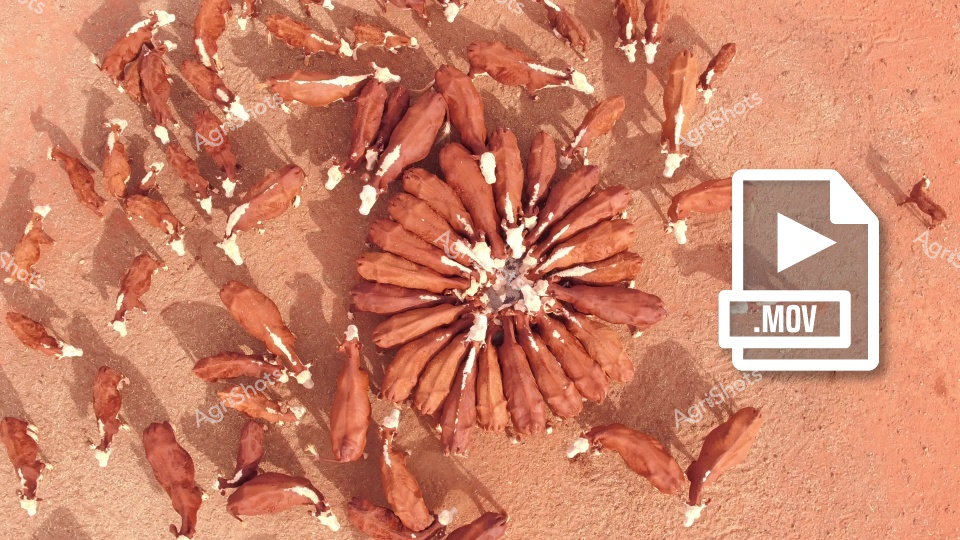
This fascinating video footage captures an extraordinary close-up of desert locust swarm dynamics, revealing intricate biomechanical patterns of collective movement. The clip features dozens of rusty-brown locusts arranged in a mesmerizing radial formation, with white-tipped antennae creating a delicate contrast against the terracotta-colored sandy ground. Each insect is precisely positioned, forming a living flower-like structure with a central point from which the bodies radiate outwards in an almost mathematically perfect arrangement. The video likely documents a critical moment in locusts' swarming behavior, showcasing their remarkable organizational instincts and collective intelligence. The warm, earthy color palette suggests an arid environment typical of regions like northern Australia or the central desert zones where such swarm phenomena occur. The precise positioning and synchronicity of the insects hint at complex communication and navigation strategies that enable these creatures to move and organize with extraordinary precision. This agricultural documentary footage provides a rare, intimate perspective on one of nature's most fascinating collective animal behaviors, offering researchers and viewers an unprecedented view of locust swarm mechanics and group movement patterns. The visual composition transforms what might typically be seen as a agricultural pest into a stunning display of natural geometry and collective animal intelligence.
 ▶ Video
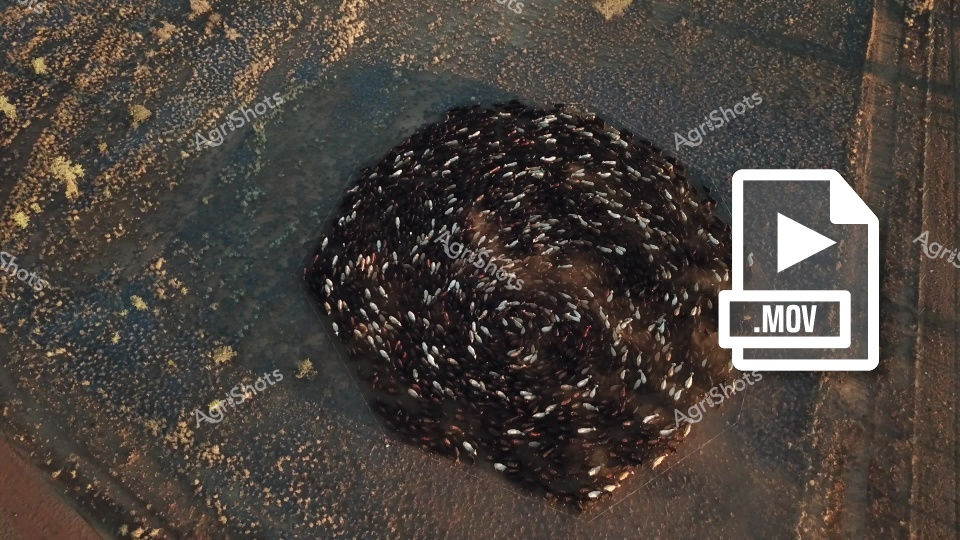
A dense, swirling cluster of insects forms a circular mass on a textured, mottled surface with brownish and bluish tones. The insects appear tightly packed, creating a spiral pattern that looks almost like a living, writhing vortex against the gritty background. The intricate, organic shape suggests a collective behavior typical of certain social insects, potentially showing a defensive or organizational formation.
 Image
Image
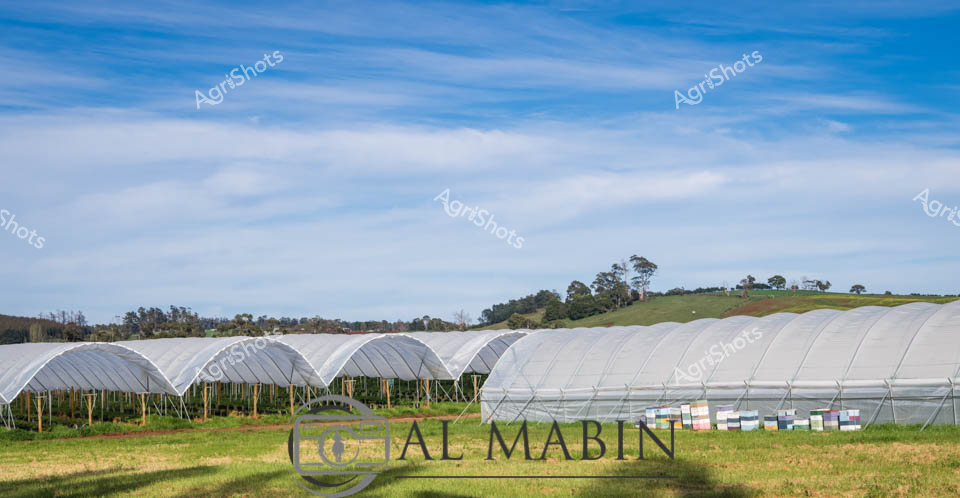
Nestled in the verdant Tasmanian landscape, a series of expansive white-clad polytunnels stretch across lush green pastures, revealing a state-of-the-art berry production facility. The agricultural site showcases precision agricultural infrastructure, with gleaming white polymer-covered growing structures creating a pristine environment for cultivating premium small fruits. Rolling green hills and scattered eucalyptus trees frame the background, highlighting the strategic placement of these controlled-environment growing spaces. Soft blue skies with wispy clouds provide a serene backdrop to the meticulously organized agricultural operation, suggesting ideal growing conditions for delicate berry crops. Colored markers and organizational systems are visible along the tunnels, indicating sophisticated crop management techniques typical of modern Tasmanian agricultural enterprises. The scene radiates a sense of technological innovation, environmental harmony, and agricultural excellence, capturing the sophisticated approach to fruit production in one of Australia's most renowned agricultural regions.
 Image
Image
Warm golden light bathes a rustic home office nestled against a rich terracotta brick wall, capturing the essence of modern agricultural entrepreneurship. A woman sits focused at her workstation, her long hair cascading as she engages with a computer screen displaying agricultural management software. An ornate ceramic table lamp casts a soft glow across the workspace, illuminating notebooks and organizational materials that speak to the meticulous planning required in contemporary farming operations. The scene blends traditional rural aesthetic with cutting-edge technology, highlighting the sophisticated business intelligence driving Australian agricultural enterprises. Soft neutrals in the woman's clothing and the carefully curated surroundings suggest a professional yet personal approach to agricultural management. This intimate workspace represents the evolving landscape of rural business, where technology and traditional agricultural knowledge converge to create innovative agricultural strategies.
 Image
Image
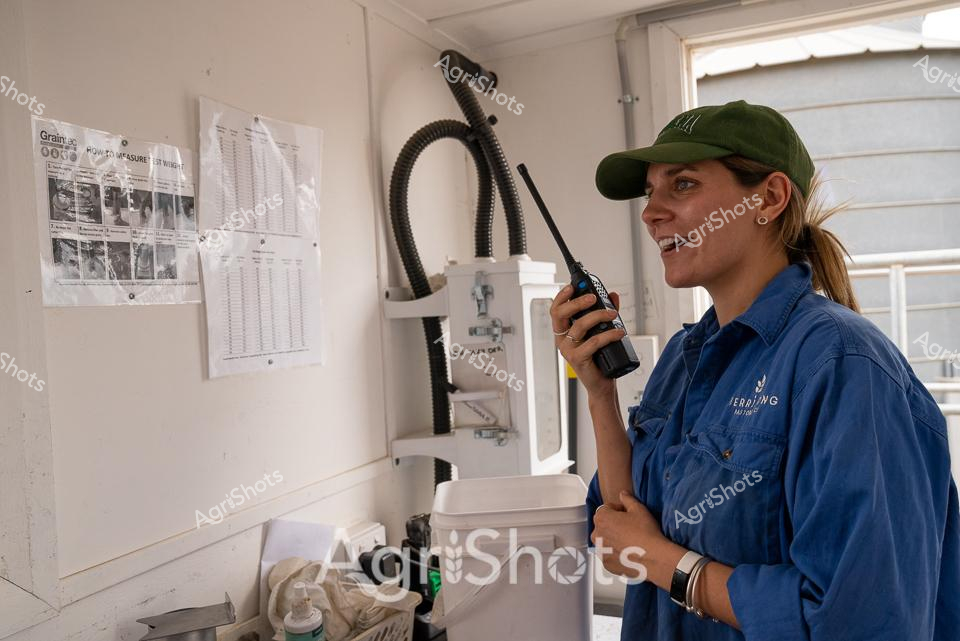
A skilled agricultural technician in a crisp blue work shirt and dark green cap stands attentively in a grain processing facility, her profile radiating focus and expertise. Surrounded by technical measurement charts and a sophisticated grain sampling apparatus, she holds a professional radio communication device, scanning the equipment with a confident smile. The interior space suggests a meticulously maintained research or agricultural testing environment, with flexible ducting and precision measurement tools indicating a sophisticated approach to crop analysis. Her blue uniform emblazoned with a subtle organizational logo speaks to the professional standards of modern agricultural science in Australia. The scene captures a moment of technical concentration, highlighting the precise and systematic approach to crop assessment and quality control in contemporary agricultural research. Soft natural light filters through a nearby window, illuminating the technical workspace and emphasizing the careful, methodical nature of agricultural sampling and evaluation processes.
 Image
Image
Rural workplace safety takes center stage in this compelling industrial setting, highlighting the critical importance of emergency preparedness. A worker wearing a high-visibility orange safety vest with reflective strips stands near a first aid station, positioned against a corrugated metal wall. The green and white safety signage features a prominent first aid cross symbol, with a fully stocked first aid kit cabinet displaying multiple color-coded emergency supplies. The worker's back is turned, emphasizing the systematic and serious approach to workplace health protocols typical of Australian agricultural and industrial environments. Precise organizational systems and safety consciousness are paramount, with every element carefully positioned to ensure rapid response in potential emergency situations. The muted industrial backdrop and carefully maintained safety equipment underscore the professional and methodical approach to worker protection in challenging rural work environments.
 Image
Image
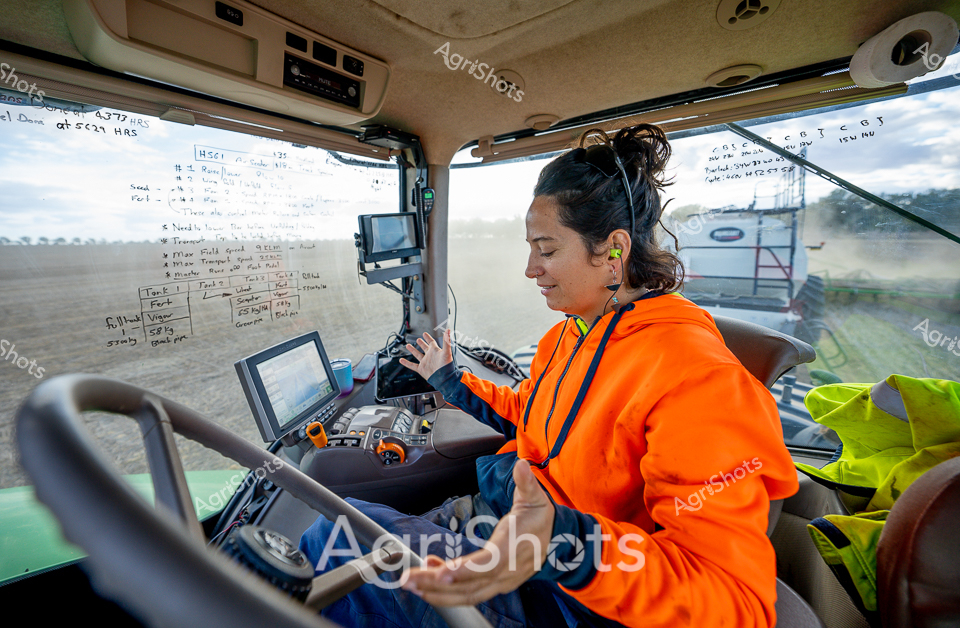
Modern agricultural precision at work: A focused operator in a vibrant safety-orange jacket navigates a sophisticated John Deere seeding machine across a vast Western Australian cropping landscape. Seated in the climate-controlled cabin, she carefully monitors multiple digital displays and handwritten notes charting field progress, demonstrating the complex data management required in contemporary broad-acre farming. Soft natural light filters through the cabin windows, revealing a meticulously prepared paddock stretching to the distant horizon, with neat rows awaiting precise seed placement. Her hair pulled back and protective hearing equipment in place, the operator embodies the professional skill and technological sophistication of women in agricultural industries. The cabin's interior is a blend of high-tech control panels, ergonomic design, and personal organizational systems - white board notes and digital screens working in concert to track every aspect of the seeding operation. This image captures the intersection of technological innovation, environmental stewardship, and human expertise that defines modern Australian agricultural practice.
 Image
Image
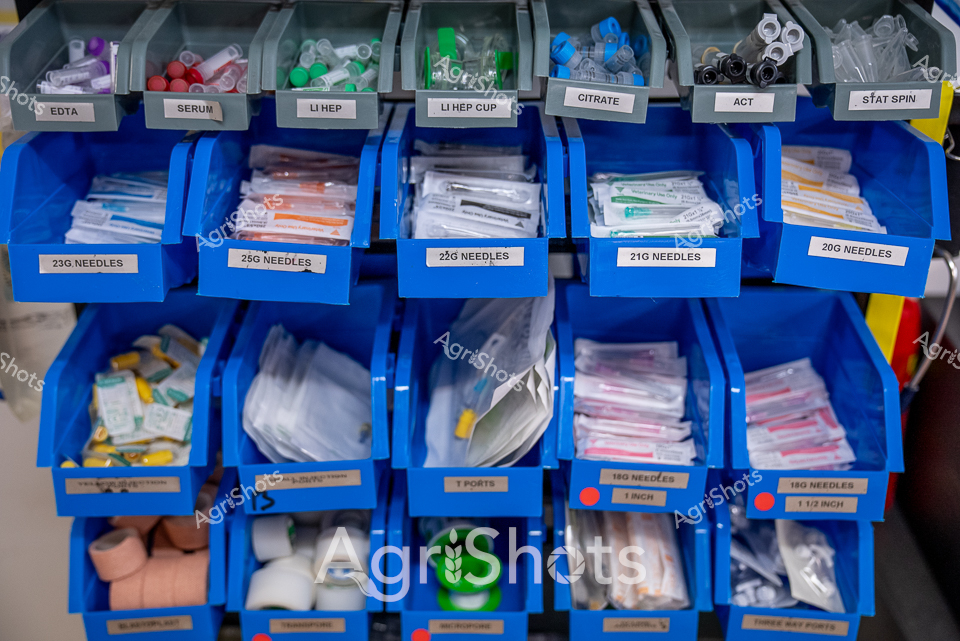
Medical precision meets agricultural care in this meticulously organized veterinary supply station. Rows of azure blue storage bins cascade with carefully labeled compartments, housing an array of medical supplies critical for livestock health management. Precise labels for needle sizes - ranging from 20G to 23G - sit alongside specialized collection tubes marked with scientific identifiers like EDTA, Serum, and Citrate, revealing the sophisticated medical infrastructure supporting animal healthcare. Transparent plastic containers in the top row contain various colored caps and collection tools, suggesting a systematic approach to blood draws, testing, and diagnostic procedures typical of modern veterinary practice. The regimented arrangement speaks to the clinical expertise required in agricultural animal health, where every instrument and specimen represents a crucial link in maintaining livestock wellbeing. This organizational system exemplifies the intersection of scientific rigor and agricultural stewardship, highlighting the advanced medical technologies employed in contemporary rural veterinary care.
 Image
Image
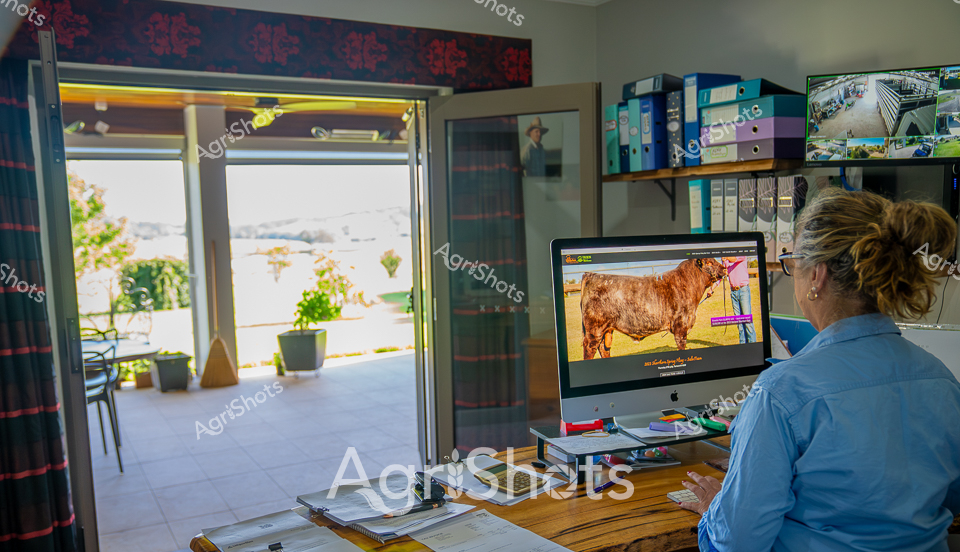
Bathed in warm summer light, a rural agricultural professional studies a high-resolution digital image of a robust beef cattle specimen on her computer monitor. The workspace combines modern technology with rural functionality - bookshelves lined with blue organizational folders frame a bank of surveillance screens, while an open doorway reveals sunlit exterior gardens and potted greenery. Wearing a crisp blue collared shirt, the woman leans attentively towards the screen, her hair pulled back pragmatically, analyzing intricate details of the livestock breed. The wooden desk is meticulously organized with notebooks and professional equipment, suggesting a precision-driven approach to agricultural data management. Soft natural light filters through the doorway, creating a gentle contrast with the technical interior, symbolizing the blend of traditional farming knowledge and contemporary digital analysis techniques prevalent in modern agricultural practices. This scene eloquently captures the sophisticated, data-driven nature of contemporary Australian agricultural management.
 Image
Image
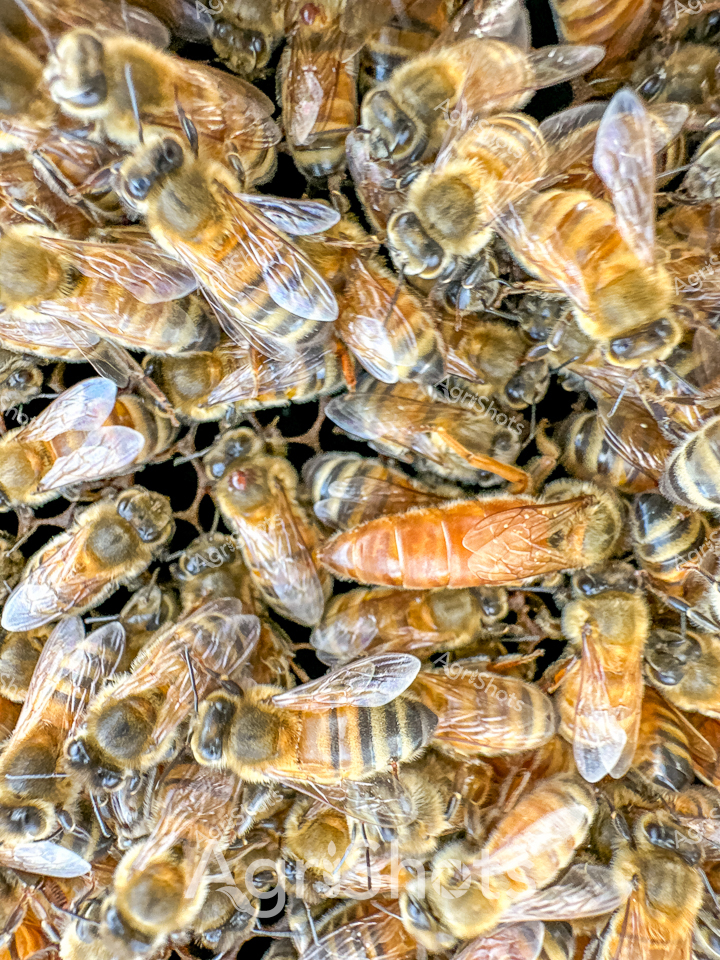
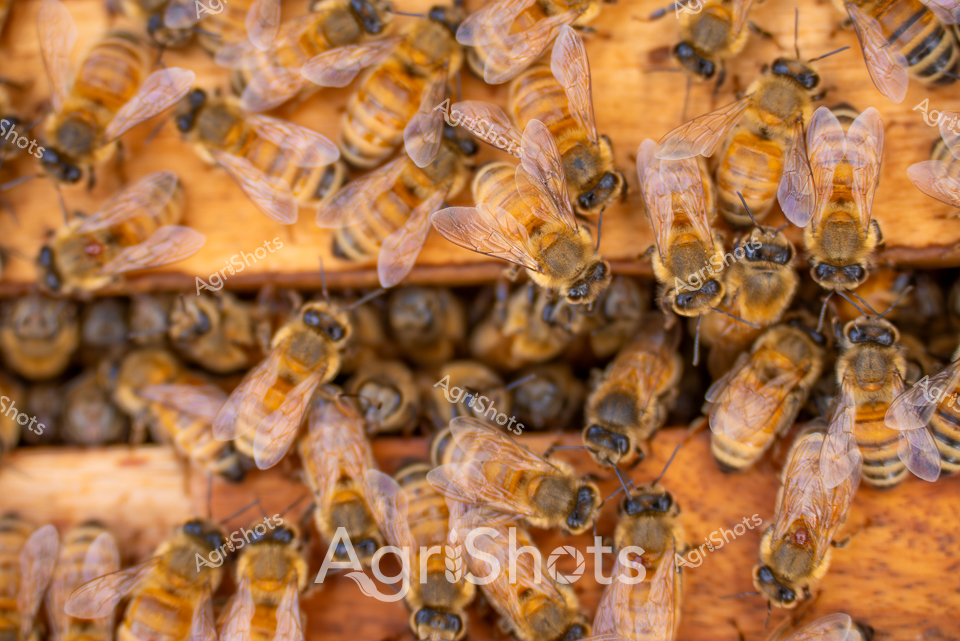
Amidst the dense cluster of honeybees, a golden-hued queen bee emerges, her elongated copper-orange body standing in stark contrast to the sea of worker bees surrounding her. The intricate image captures the remarkable social structure of a thriving apiary, with dozens of bees pressed closely together, their translucent wings catching the light and revealing delicate striped patterns across their bodies. Each bee is meticulously detailed, from their fuzzy thoraxes to their segmented abdomens, creating a mesmerizing tapestry of movement and collective purpose. The warm golden and amber tones suggest the rich interior of a hive, likely situated in the lush agricultural landscapes of Tasmania during the cooler winter months. This remarkable photograph provides an intimate glimpse into the complex world of bee colonies, showcasing the extraordinary density and collaborative nature of these crucial pollinators that play such a vital role in Australia's agricultural ecosystem. The queen's prominent position amid her industrious workers illustrates the remarkable organizational structure that enables these incredible insects to sustain their intricate community.
 Image
Image
Honeybees cluster densely across a warm amber-toned wooden honeycomb frame, their translucent golden-brown wings overlapping in a mesmerizing collective pattern. Each bee displays intricate details - segmented bodies, delicate antennae, and subtle variations in amber and bronze coloration that capture the remarkable complexity of these social insects. The frame represents a snapshot of intense hive activity, with worker bees tightly packed together, likely managing brood cells, regulating hive temperature, or communicating through sophisticated chemical signals. This close-up reveals the extraordinary organizational structure of a bee colony, where every individual plays a critical role in the collective survival and productivity of the hive. The rich wooden textures and warm golden tones suggest a Tasmanian apiary during the quieter winter months, when bees cluster for warmth and conserve energy. The image celebrates the remarkable microcosm of bee society - a testament to nature's intricate design and the crucial role these pollinators play in agricultural ecosystems.
 Image
Image
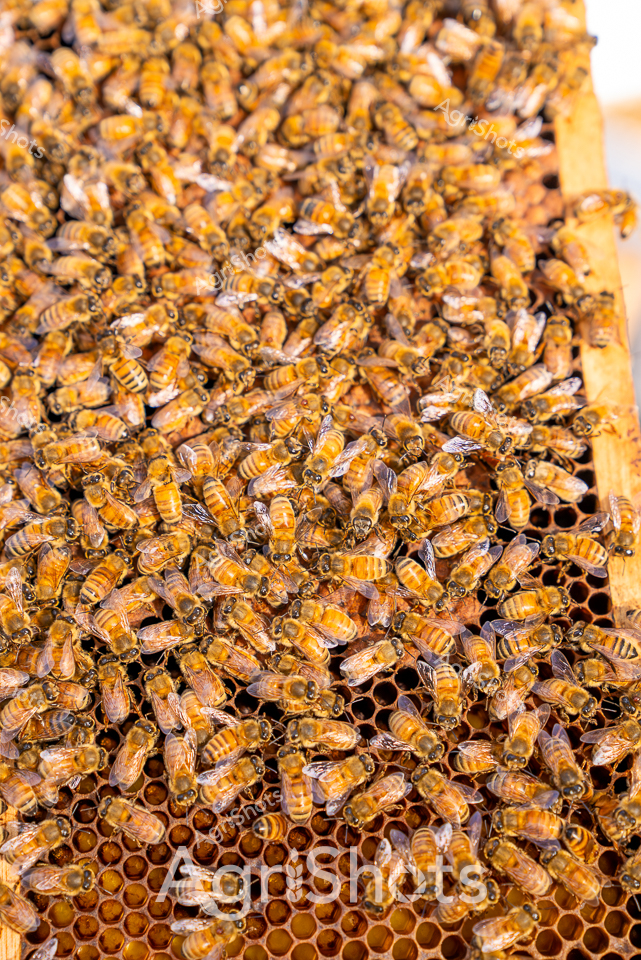
Honeybees cluster densely across golden hexagonal honeycomb cells, their amber-toned bodies creating a living tapestry of agricultural productivity. Captured in intimate detail, this close-up reveals the intricate world of a thriving apiary, likely situated in Tasmania's rich agricultural landscape during the cooler winter months. Each bee moves with purpose, their translucent wings catching the light as they navigate the precisely constructed wax structure, representing the remarkable organizational complexity of a honey bee colony. The rich amber and brown tones of the bees contrast beautifully with the warm golden hexagons of the honeycomb, creating a mesmerizing pattern of natural geometry and collective labor. This image celebrates the critical role of pollinators in agricultural ecosystems, showcasing the meticulous work of beekeepers who maintain these delicate and essential insect communities. The tight clustering of bees suggests a strategic response to winter conditions, huddling together to maintain the hive's core temperature and protect their queen.
 Image
Image
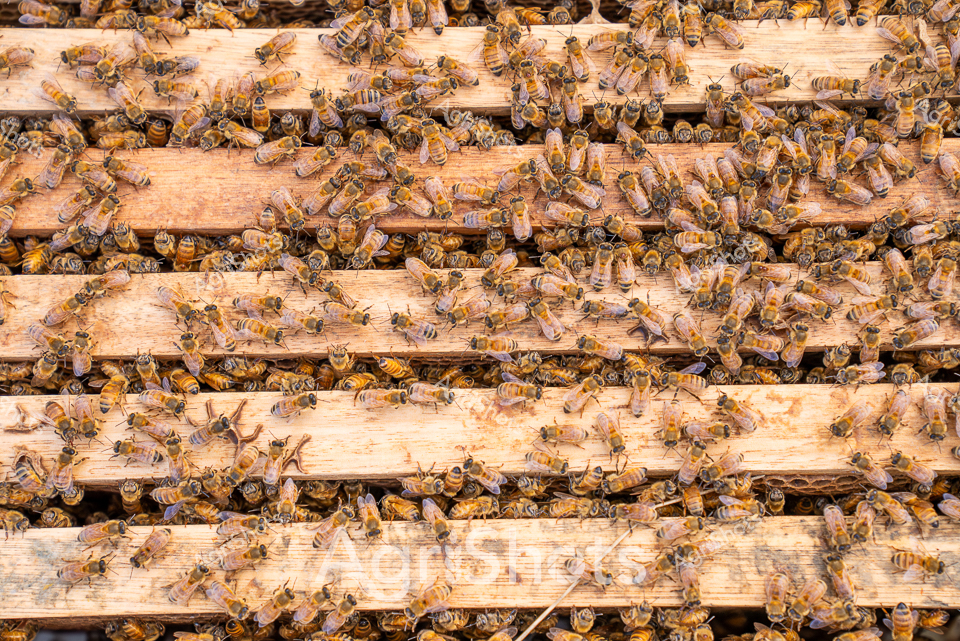
Honeybees cluster densely across wooden hive frames, their golden-amber bodies creating a living tapestry of agricultural productivity. Tight rows of weathered timber frames reveal the intricate inner workings of a Tasmanian apiary during the cool winter months, where colony survival depends on collective warmth and strategic clustering. Each worker bee maintains precise positioning, moving with subtle synchronicity across the textured wooden surfaces, demonstrating the remarkable organizational complexity of their social structure. The rich amber and brown tones of the bees contrast against the pale, raw timber, highlighting the natural symbiosis between human beekeeping infrastructure and these remarkable pollinators. This close-up perspective offers an intimate glimpse into the microcosm of bee colony life, where every individual plays a critical role in the hive's survival and honey production. The dense, methodical arrangement of insects speaks to the resilience and collaborative spirit fundamental to sustainable agricultural practices in Tasmania's challenging winter environment.
 Image
Image
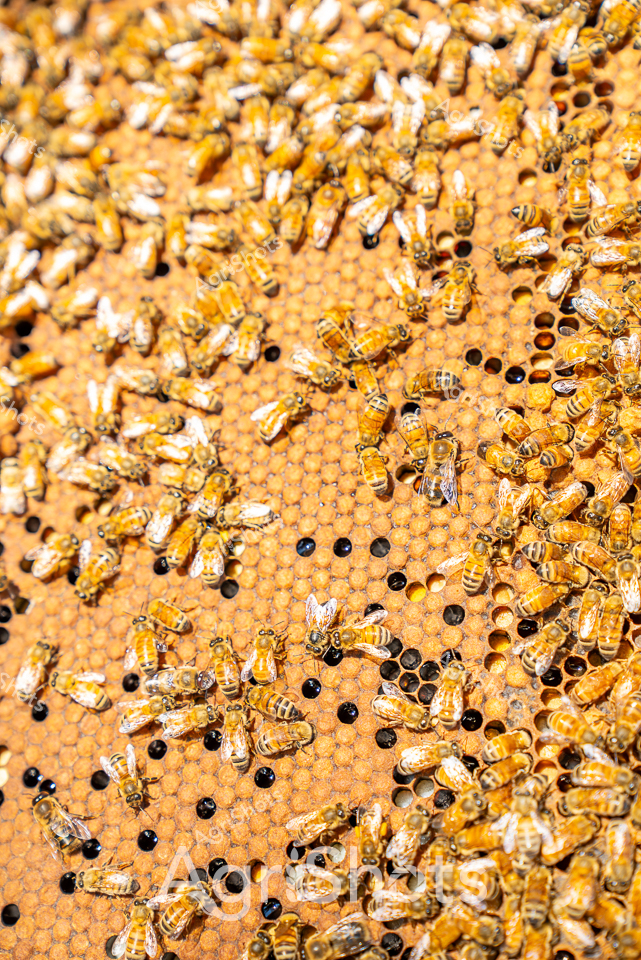
Honey Harvest in the Lockyer Valley Golden sunlight bathes a densely populated honeycomb, revealing the intricate world of a thriving bee colony. Dozens of industrious honey bees move across the rich amber-toned wax surface, their striped bodies weaving between hexagonal cells filled with honey and developing larvae. Dark capped brood cells punctuate the honeycomb, indicating the next generation of pollinators in various stages of development. The image captures the remarkable social structure of these crucial agricultural workers, each bee playing a precise role in the hive's complex ecosystem. Captured during the vibrant spring season in Queensland's fertile Lockyer Valley, this close-up reveals the extraordinary detail of apiary life - a testament to the remarkable productivity and organizational precision of bee colonies that are essential to agricultural pollination and honey production. The warm golden and amber tones suggest the rich agricultural landscape of the region, where these industrious insects contribute significantly to crop health and local farming ecosystems.
 Image
Image
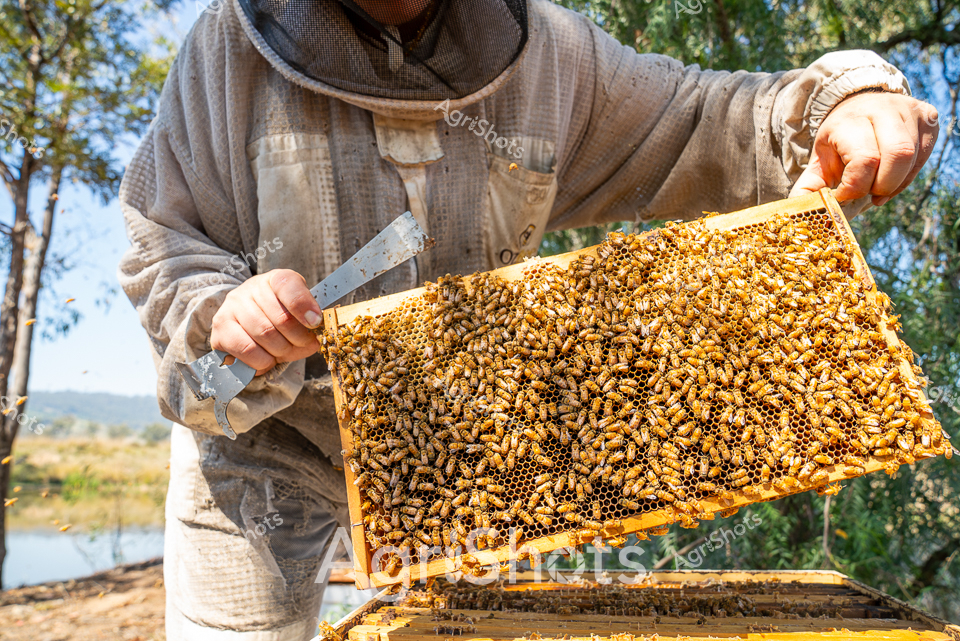
Honey harvest unfolds beneath the dappled light of early spring in Queensland's lush Lockyer Valley. A beekeeper in a protective mesh-hooded beige suit carefully extracts a golden honeycomb frame, densely populated with thousands of industrious worker bees. Sunlight illuminates the intricate hexagonal wax cells, revealing the rich amber and golden tones of stored honey and brood. The beekeeper's gloved hands manipulate the frame with practiced precision, using a metal tool to assess the hive's productivity against a backdrop of green trees and a distant landscape. Swarms of bees cluster across the wooden frame, their collective movement creating a living, buzzing tapestry of agricultural productivity. This intimate moment captures the delicate symbiosis between human stewardship and the remarkable organizational complexity of a honey bee colony, showcasing the essential role of apiculture in Australia's diverse agricultural landscape.
 Image
Image
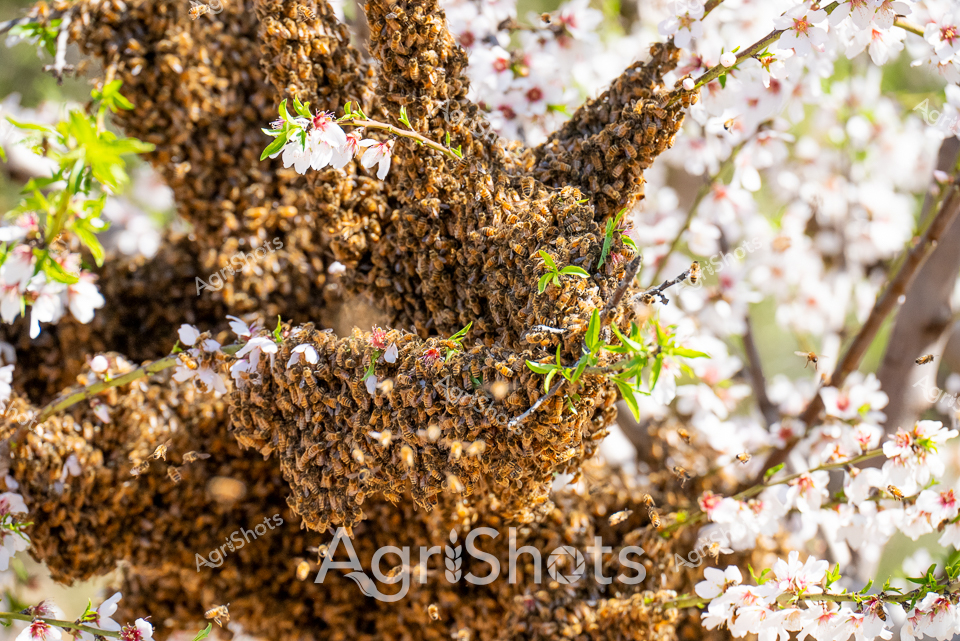
A dense, writhing mass of honeybees clusters intricately on the branching limbs of a flowering almond tree, transforming the tree's structure into a living, moving organism. Delicate white and pale pink blossoms burst around the swarm, creating a stunning contrast between the golden-brown sea of bees and the soft, ephemeral spring flowers. The swarm represents a critical moment in pollination, with thousands of worker bees temporarily gathered as they prepare to establish a new colony, showcasing the vital agricultural symbiosis between insects and crop production in the Riverina region of New South Wales. Branches emerge from the dense bee congregation, with fresh green leaves peeking through the undulating surface of the collective insect body, highlighting the dynamic nature of this natural phenomenon. The intricate texture of the bee swarm reveals the remarkable organizational complexity of these social insects, each individual precisely positioned within the collective mass. This extraordinary scene captures the delicate balance of agricultural ecosystems, where honeybees play a crucial role in crop reproduction, particularly in almond orchards where pollination is essential for fruit set and harvest success.
 Image
Image
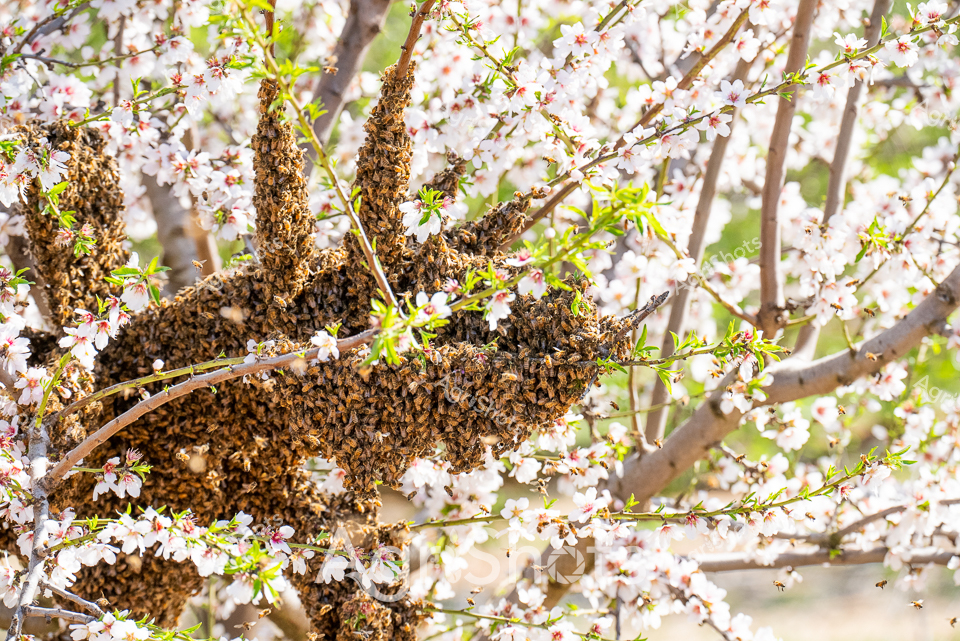
Honey-laden branches burst with life as a massive bee swarm clusters intricately across the blossoming almond orchard. Delicate white and pale pink flowers carpet the tree's branches, creating a soft, ethereal backdrop to the dense brown mass of thousands of worker bees. The swarm demonstrates nature's remarkable organizational instinct, clinging together in a complex, living sculpture that speaks to the critical role of pollinators in agricultural ecosystems. Soft spring light filters through the branches of the Riverina region orchard, highlighting the intricate textures of both bee cluster and flower blossoms. Tiny individual bees can be seen hovering around the main cluster, preparing to settle or returning from nearby flowering branches. This extraordinary moment captures the symbiotic relationship between honeybees and agricultural landscapes, illustrating the delicate dance of pollination that underpins crop production in New South Wales.
 Image
Image
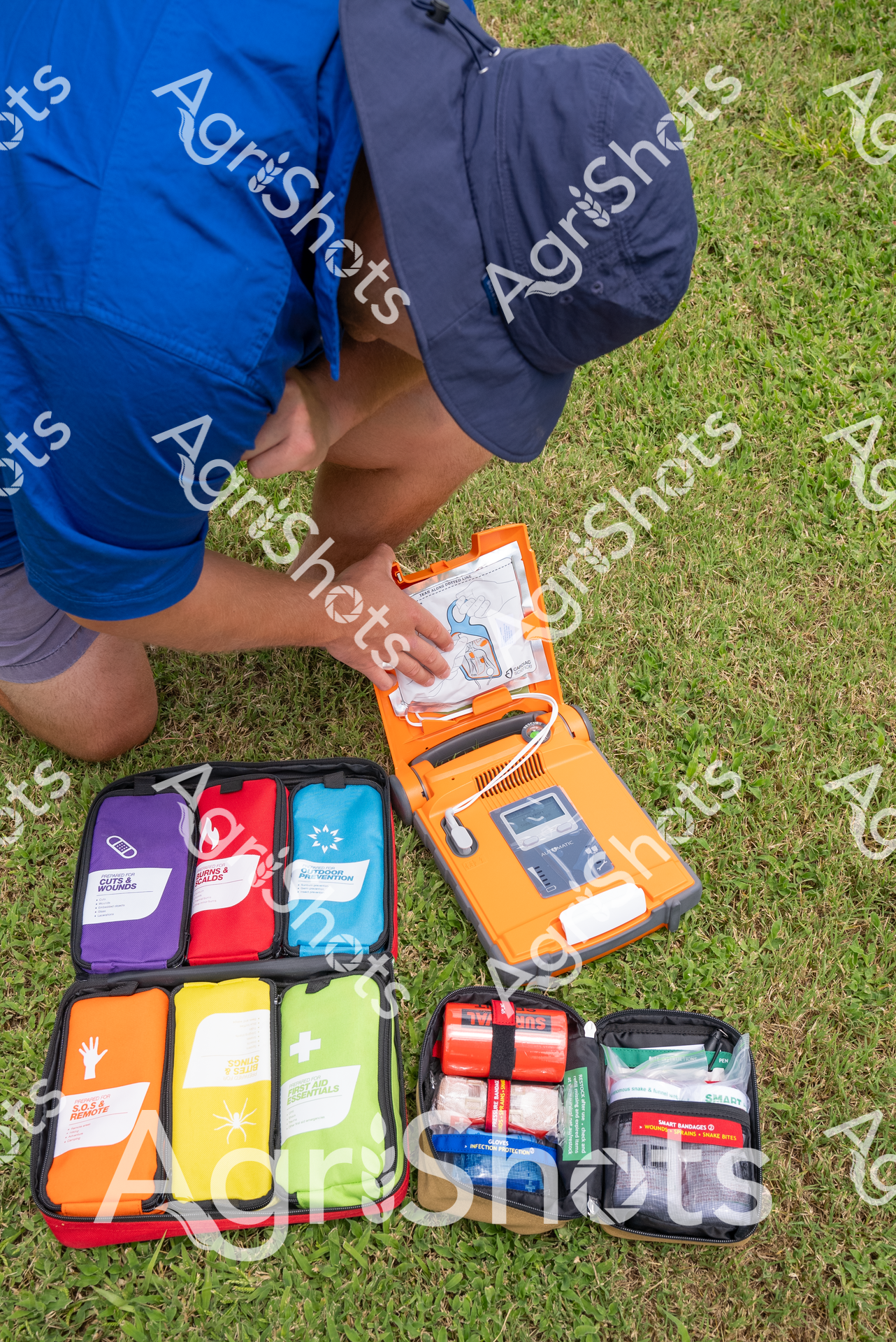
First aid preparedness takes center stage in this comprehensive field safety demonstration, showcasing the critical emergency response equipment used in remote agricultural settings. A collection of meticulously organized first aid kits sprawls across a grassy surface, with color-coded modules designed for specific medical scenarios - purple for cuts and wounds, red and yellow for different emergency protocols, and green for critical interventions. An advanced orange defibrillator sits prominently, representing the highest level of potential life-saving intervention available in isolated work environments. The scene captures the methodical approach of agricultural safety professionals, with branded blue and navy uniform elements suggesting a coordinated organizational response strategy. Specialized equipment like a snake bite kit highlights the unique medical challenges faced in Australian rural landscapes, where rapid and specialized first aid can mean the difference between life and death. The carefully arranged medical resources reflect a proactive safety culture, demonstrating rigorous preparation and commitment to worker protection in challenging agricultural work environments.
 Image
Image
First aid preparedness takes center stage in this crisp agricultural safety demonstration. Two red modular first aid kits are held by hands emerging from a vivid blue work shirt, showcasing essential emergency response equipment critical for rural and farming environments. The Modular Survival First Aid Kit on the left features comprehensive labeling highlighting capabilities for bites, stings, S.O.S. scenarios, and outdoor prevention, while the adjacent kit includes an automated external defibrillator (AED) - a potentially life-saving device for remote work settings. The background of muted green grass suggests an outdoor workplace environment, emphasizing the importance of being equipped for medical emergencies in agricultural settings where professional medical assistance may be distant. The robust, purposeful design of the kits - with high-contrast colors and clear instructional markings - communicates a professional approach to workplace safety and emergency preparedness. These tools represent more than equipment; they symbolize an organizational commitment to worker protection and rapid response in potentially challenging rural work conditions.
 Image
Image
At a Country Health Connect medical facility, an older man in a blue shirt and an older woman in a pink sweater stand near the reception area. Informational posters about organizational values and patient care are displayed on the wall, highlighting the clinic's commitment to healthcare services in a rural setting.
 Image
Image
A staff member in a blue polo shirt stands in the doorway of Country Health Connect, surrounded by organizational values posters. The healthcare facility's reception area appears to be located in a rural setting, with a professional and welcoming atmosphere highlighting community health and wellbeing.