Results for “Livestock Facilities”
 Image
Image
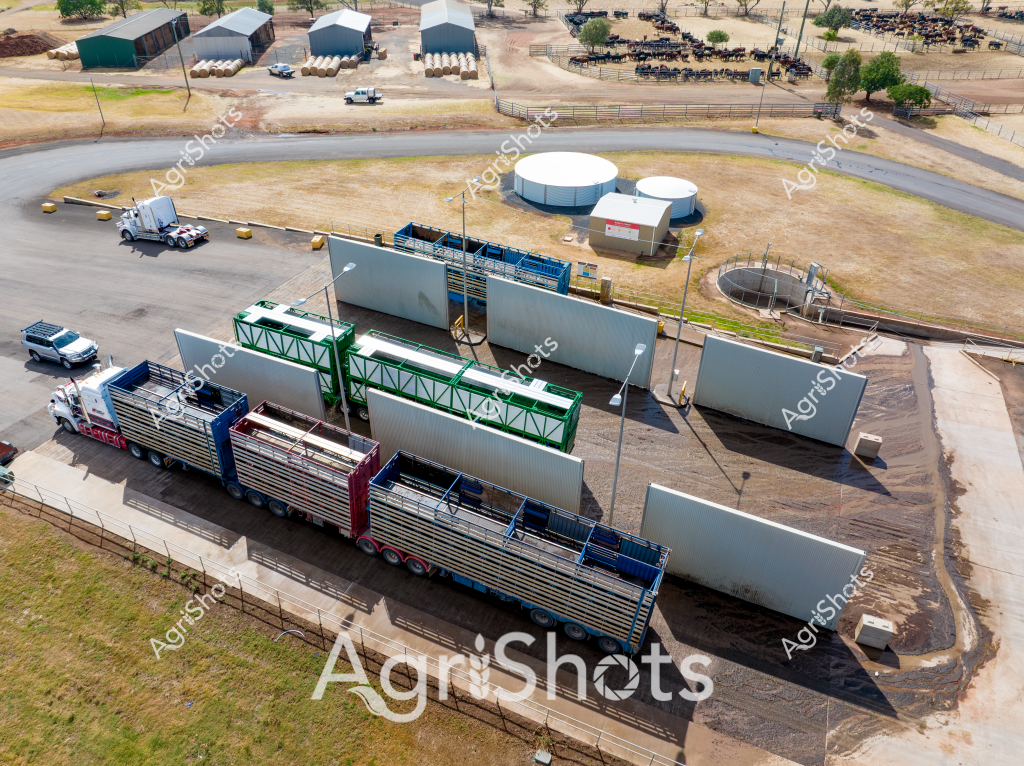
An aerial view of a livestock processing facility reveals a complex agricultural infrastructure designed for efficient cattle management. Large white modular walls and green-framed structures create a systematic loading and unloading area for semi-trailer trucks. White cylindrical water tanks and circular holding pens surround the central processing zone, indicating a modern cattle handling facility likely located in a dry, arid region with sparse vegetation and dusty ground. A semi-trailer truck is positioned within the loading zone, suggesting preparation for transporting livestock. The surrounding landscape features several industrial-style sheds with metal roofing in green and grey tones, and a series of fenced paddocks where numerous dark-colored cattle can be seen clustered together. The infrastructure demonstrates precision engineering typical of contemporary Australian agricultural operations, with carefully designed pathways, sturdy infrastructure, and strategic layout to maximize efficiency in livestock movement and processing. Gravel and concrete surfaces provide durable, functional spaces for heavy vehicle and animal traffic, reflecting the demanding environmental conditions of rural livestock production zones. The aerial perspective offers a comprehensive view of the facility's layout, highlighting the sophisticated systems developed to manage large-scale cattle operations in challenging agricultural environments.
 Image
Image
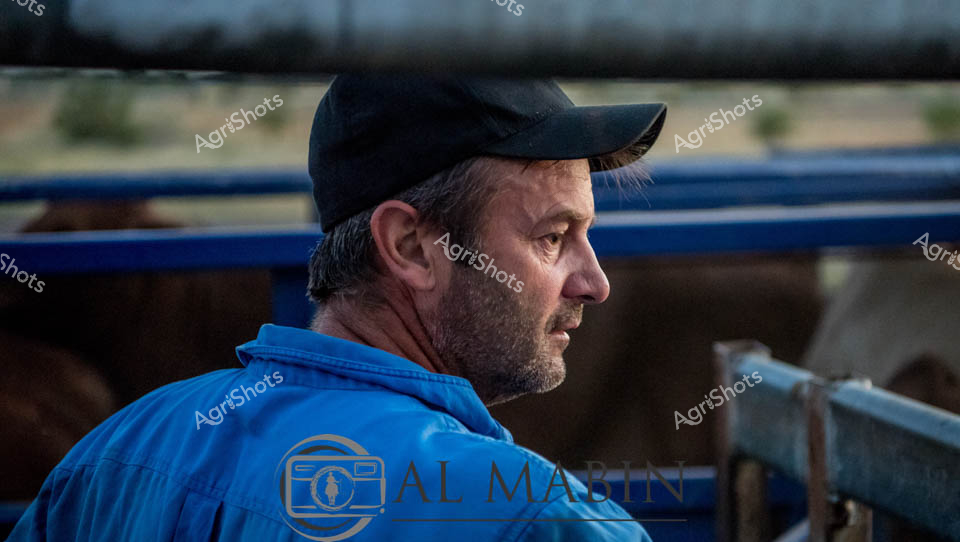
A man working as a station hand at a cattle yard in the Northern Territory gazes thoughtfully across the livestock facilities during golden sunset hours. Wearing a navy cap and blue work shirt, he surveys the cattle yards where Brahman cattle are being processed, his weathered profile reflecting years of experience in the beef industry. The warm evening light illuminates the rural station infrastructure, with road trains and trucks visible in the background ready for livestock transport. Scattered trees frame the expansive cattle handling facilities, creating a quintessential outback scene that captures the essence of Northern Territory beef production.
 ▶ Video
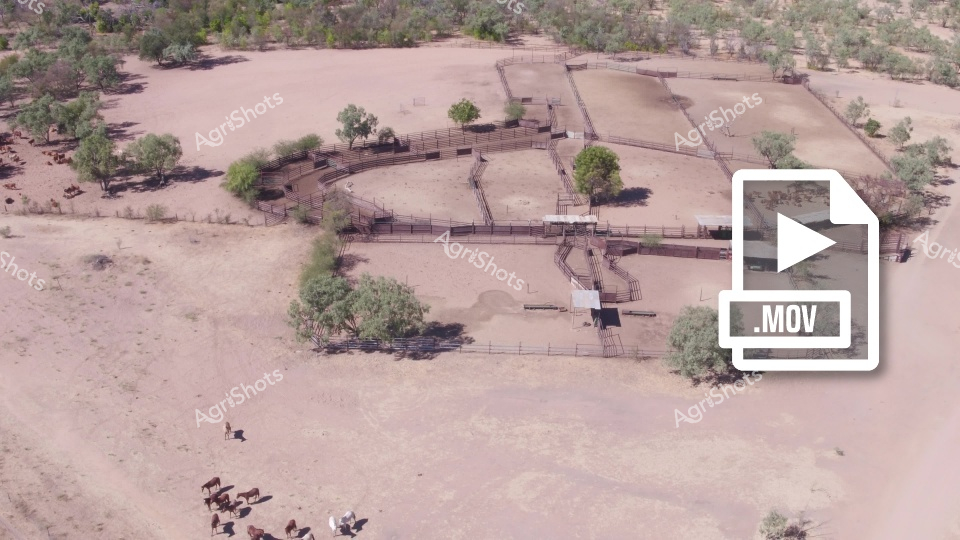
Aerial view of a rural cattle yard with wooden livestock handling facilities in an arid, sparse landscape. Several cattle are gathered near some scattered trees and fenced paddocks, with a complex network of loading chutes and holding pens visible. The dry, reddish-brown terrain suggests this is a cattle station or ranch in an Australian outback or similar semi-desert region.
 ▶ Video
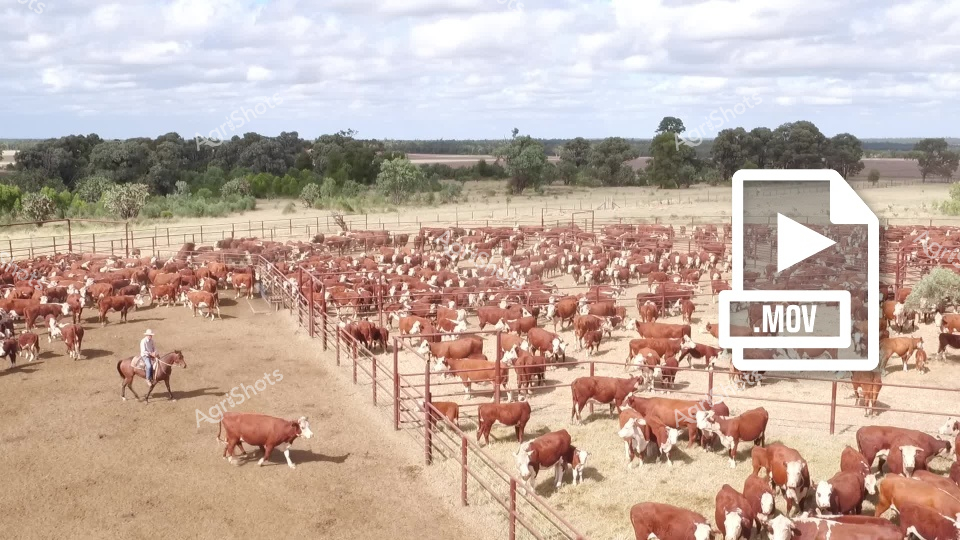
A woman stockman on horseback supervises hundreds of red and white Hereford cattle in extensive yards at a Queensland station, with the organized pen system facilitating efficient mustering operations. The vast cattle yards stretch across the dry landscape, filled with beef cattle being sorted and managed in the Queensland. Trees line the horizon under a cloudy sky, creating a classic outback station scene where traditional horseback cattle work continues alongside modern livestock handling facilities.
 ▶ Video
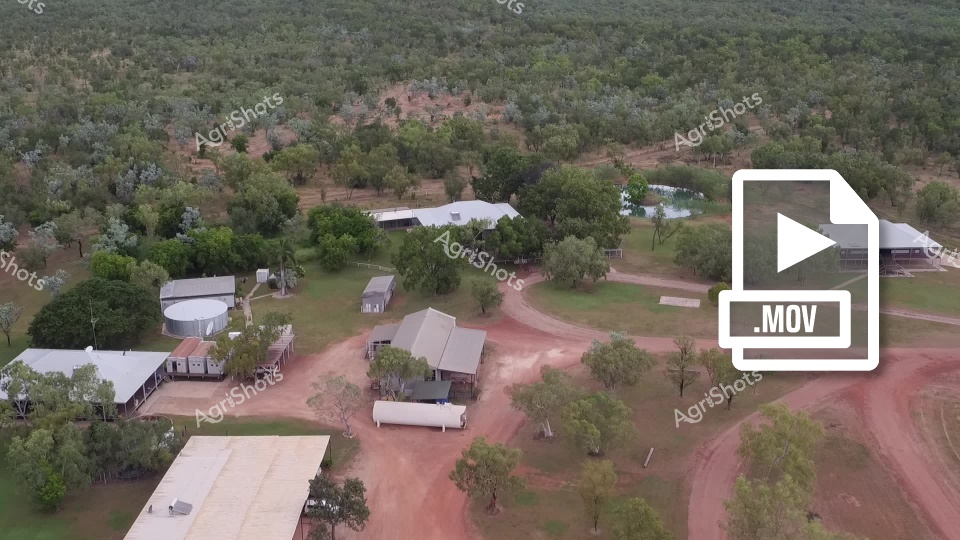
An aerial view captures a sprawling cattle station homestead in the Northern Territory, featuring multiple sheds, buildings, and cattle yards connected by red dirt roads. The substantial property includes a large main homestead, numerous outbuildings, and extensive livestock handling facilities surrounded by dense bushland and scattered trees. Dust trails are visible along the access roads, highlighting the remote rural setting typical of NT beef cattle operations. The well-established station infrastructure demonstrates the scale of operations required for managing Brahman cattle in Australia's tropical north.
 Image
Image
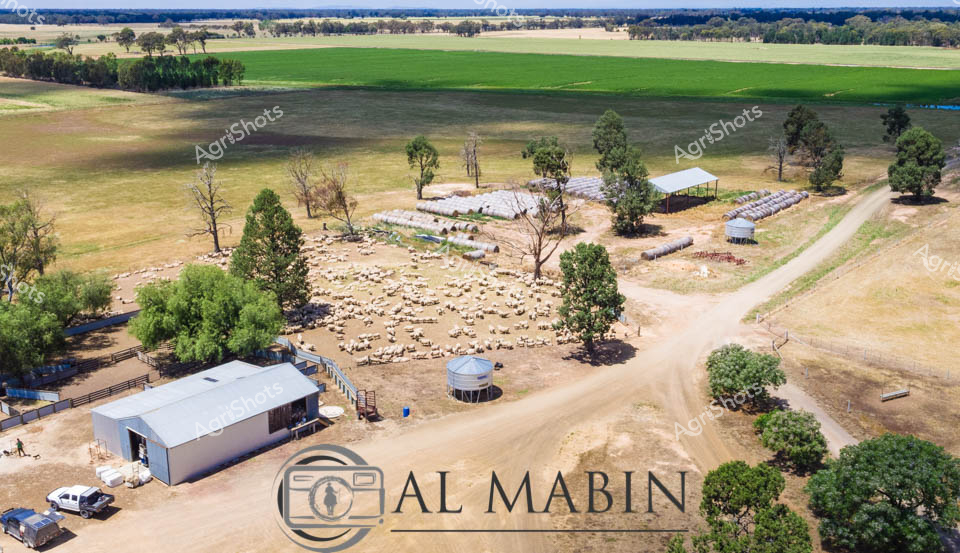
Aerial perspective of a classic Victorian sheep station during late summer, capturing the essence of Australian pastoral life. A dense flock of merino sheep clusters in a dusty yard surrounded by mature eucalyptus trees, with a weathered shearing shed and galvanized steel water tanks anchoring the rural landscape. Pale golden dry grass contrasts against the vivid green irrigated paddocks in the background, revealing the careful water management of modern agricultural practices. The property's infrastructure tells a story of generational farming - well-maintained dirt tracks, sturdy livestock handling facilities, and strategic tree plantings that provide shelter and erosion control. Soft shadows suggest mid-morning light, with a white utility vehicle parked near the shed indicating active farm operations. This image embodies the resilience and sophistication of contemporary Australian agricultural enterprise, where traditional farming methods blend seamlessly with technological efficiency.
 Image
Image
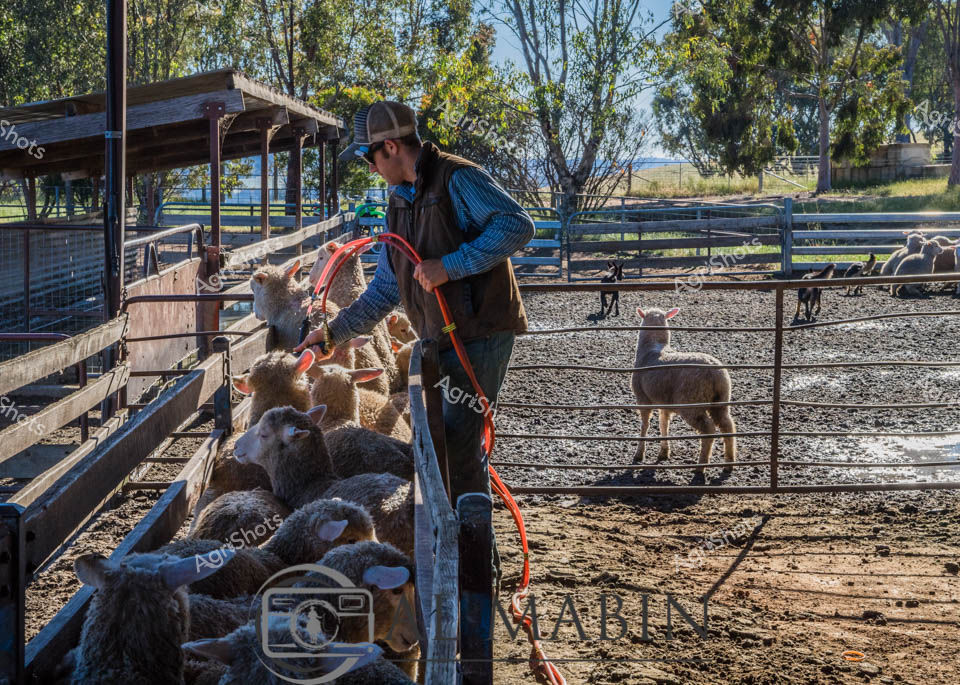
A man working as a farm hand operates shearing equipment while processing sheep in metal yards at a rural Victorian property. The worker, wearing a cap and dark clothing, uses electric clippers connected by an orange cord as white sheep gather in the holding pens. The well-organized sheep yards feature metal railings and gates typical of Australian livestock handling facilities, with more sheep visible in adjacent paddocks under the scattered trees.
 Image
Image
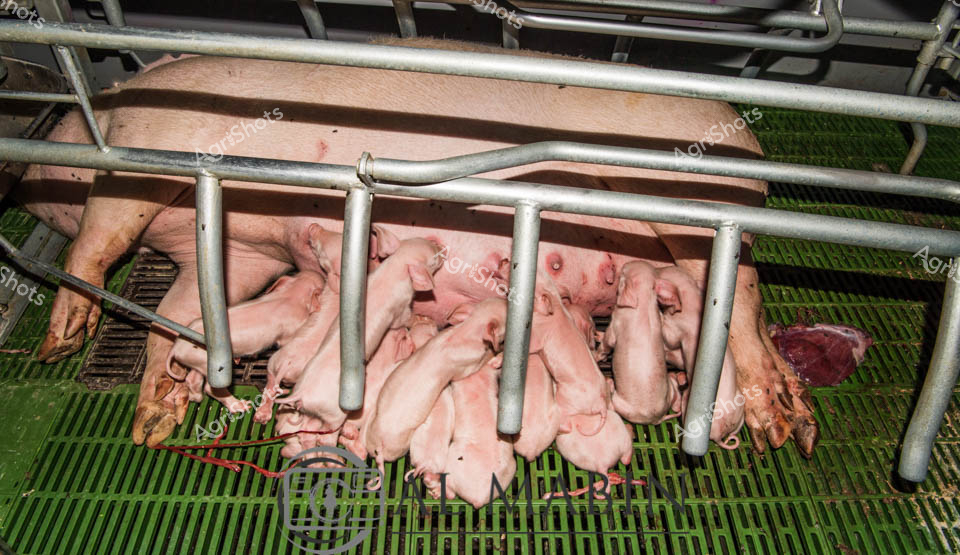
The image depicts an large-scale pig breeding operation, showing multiple newborn piglets closely confined within a farrowing crate. The young pink piglets are tightly clustered together on a green slatted floor, surrounded by metal restraining bars that restrict the mother pig's movement. Metallic infrastructure frames the scene, with vertical support bars creating a grid-like enclosure typical of industrial livestock production facilities. The piglets appear very young, likely just days old, with their delicate pink skin and compact bodies pressed close together for warmth and security. A partial view of the mother pig can be seen at the edges of the frame, her larger body constrained by the narrow farrowing crate design. The green plastic flooring allows waste to fall through, representing a standard approach to hygiene and waste management in commercial pig farming environments. The lighting and close-up perspective provide a stark, clinical view of early-stage pig production, revealing the systematic and controlled nature of modern agricultural breeding practices. The metal infrastructure, tight spacing, and uniform appearance of the piglets highlight the industrial scale of contemporary livestock management.
 Image
Image
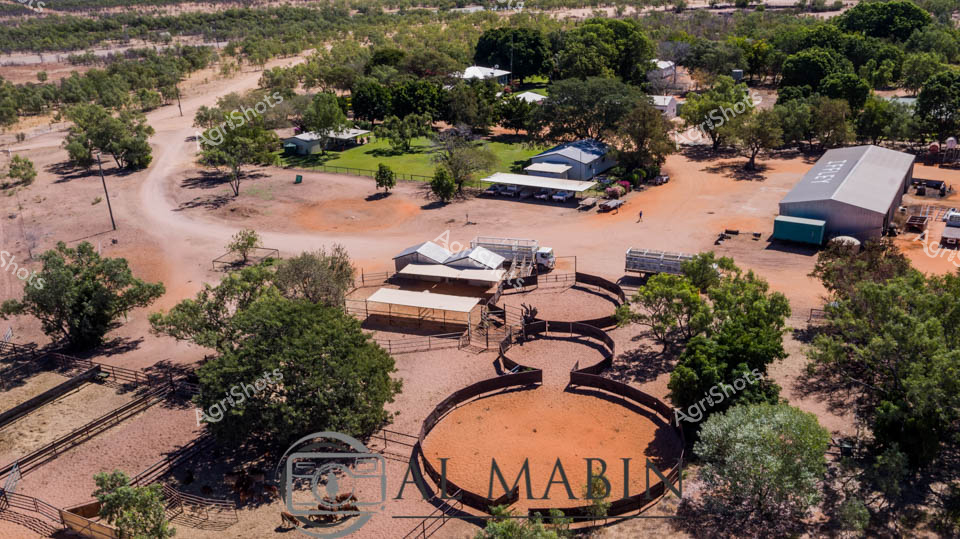
Nestled in the arid heartland of Queensland, this aerial view captures the intricate layout of a classic Australian cattle station. Rusty-red earth surrounds a network of circular cattle yards, their curved fences creating elegant geometric patterns against the dusty landscape. Weathered sheds and homestead buildings cluster around the yards, sheltered by mature gum trees casting long shadows across the sun-baked ground. The property reveals the sophisticated infrastructure of modern pastoral agriculture - carefully designed livestock handling facilities surrounded by sparse, resilient vegetation typical of inland Australia. Massive steel gates and sturdy wooden fence lines demonstrate the engineering required to manage livestock in challenging environments. The blue-grey buildings contrast sharply with the terracotta ground, highlighting the human intervention in this unforgiving landscape where generations of agricultural expertise have transformed raw wilderness into productive pastoral land.
 Image
Image
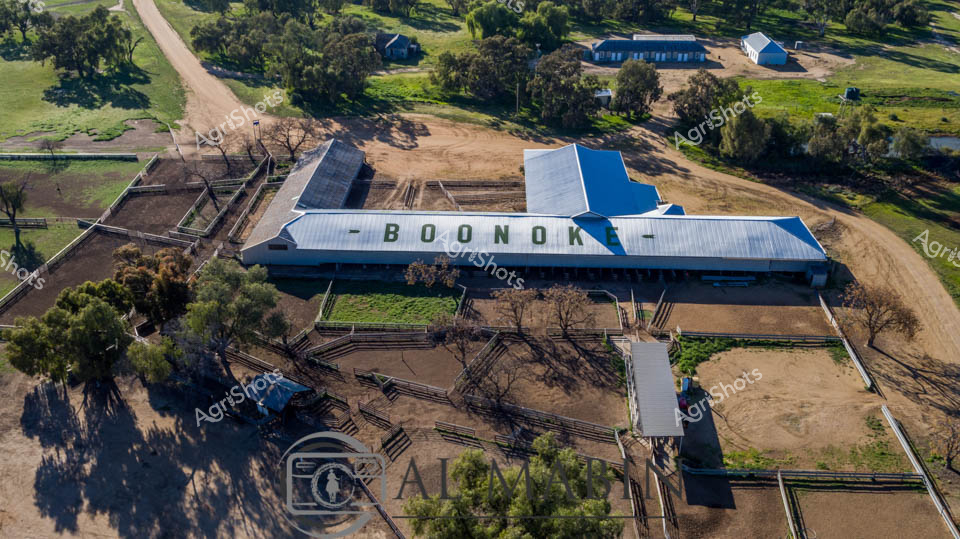
Aerial perspective of Boonoke, a legendary Merino sheep station nestled in the pastoral landscapes of New South Wales. Sprawling corrals and wooden infrastructure surround a classic blue and white woolshed, where generations of premium wool production have unfolded. Bare trees cast long shadows across dusty paddocks, suggesting early spring light illuminating the agricultural heritage of this iconic property. Meticulously engineered livestock handling facilities snake through the property, revealing the precision and planning integral to modern sheep station management. The weathered timber fences and substantial shearing complex speak to decades of agricultural expertise, with the "BOONOK" signage boldly marking this renowned Merino stud's central processing hub. Scattered gum trees provide natural windbreaks across the undulating terrain, framing a quintessential Australian pastoral scene that epitomizes the resilience and sophistication of rural wool production.
 Image
Image
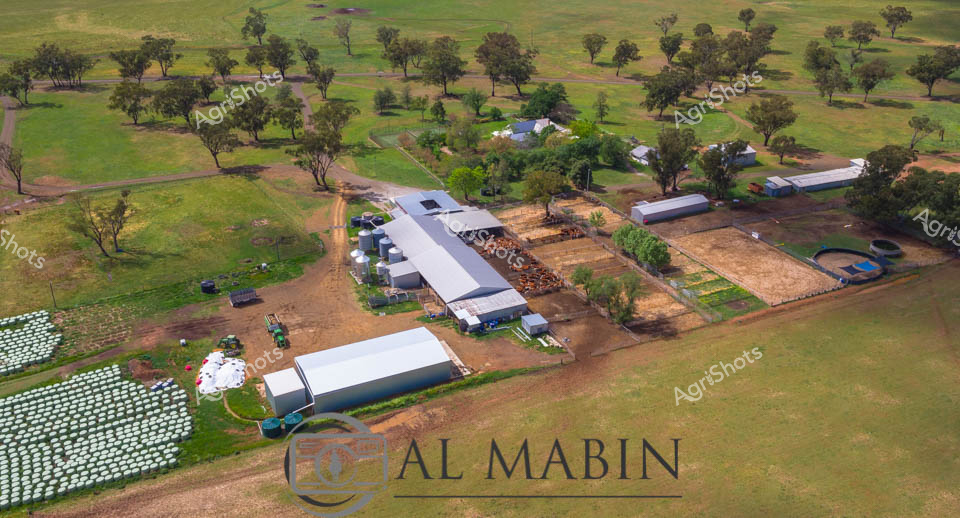
Aerial view of The expansive cattle station nestled in the undulating grasslands of New England, New South Wales. Scattered eucalyptus trees punctuate the verdant paddocks, casting dappled shadows across meticulously organized agricultural infrastructure. Crisp white and grey sheds and long livestock handling facilities anchor the property, with carefully delineated stock yards revealing carefully managed cattle production. A cluster of Hereford cattle, distinguished by their rich red-brown coats and white faces, occupy a dedicated holding area, demonstrating the precision of this high-quality stud breeding operation. Neat rows of round hay bales gleam white against the rich earth tones, signaling preparedness for seasonal feed management. The property epitomizes contemporary Australian pastoral excellence - a harmonious blend of traditional farming wisdom and modern agricultural engineering, where landscape, livestock, and human intervention create a dynamic, productive ecosystem under the wide New England sky.
 Image
Image
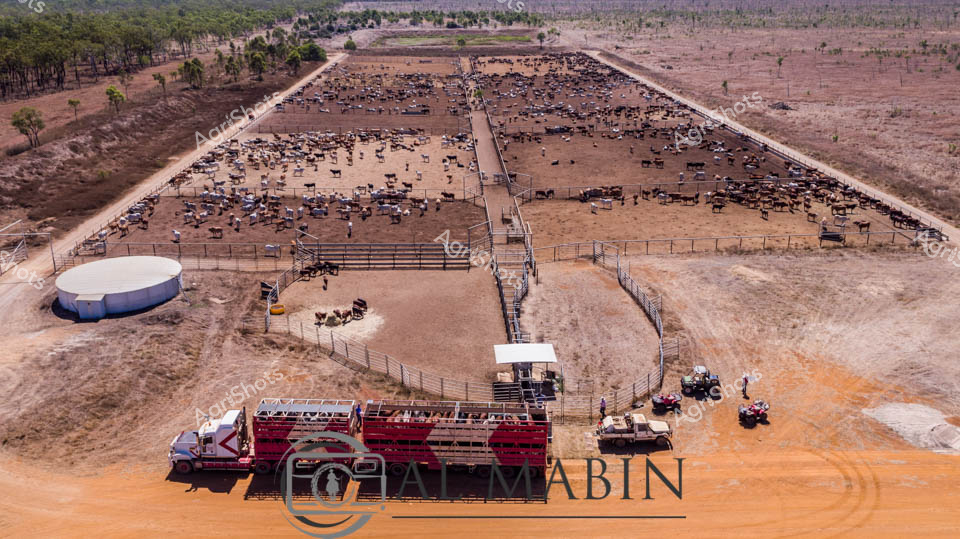
Australian cattle feedlot beneath an expansive dry season landscape, where hundreds of beef cattle cluster within precisely engineered rectangular paddocks surrounded by sparse bushland. A massive red road train truck stands ready for livestock transport, positioned near a curved cattle loading ramp and circular water storage tank, highlighting the sophisticated infrastructure of modern large-scale cattle production. Dusty ochre ground contrasts with the silvery-grey and green rural vegetation, while carefully designed livestock handling facilities demonstrate precision agricultural engineering - multiple fenced zones, central walkways, and strategic positioning of machinery reveal meticulous management techniques. Small groups of cattle populate different zones of the feedlot, with some gathered near shade structures and others spread across the densely populated holding areas, representing Queensland's significant beef production industry. The aerial perspective captures the geometric precision of agricultural infrastructure against the rugged Australian pastoral backdrop, showcasing how advanced farming systems transform challenging landscapes into productive agricultural environments. The scene embodies the resilience and technological sophistication of Australian cattle farming, where complex logistical systems support large-scale meat production in harsh environmental conditions.
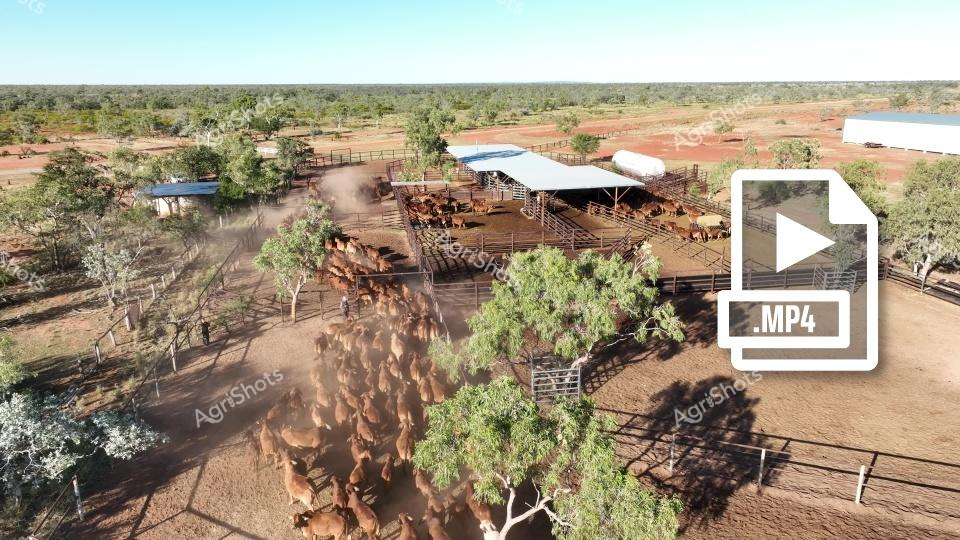 ▶ Video
An aerial drone view of a classic Queensland cattle station with Brahman cattle being mustered into yards. The dry, red landscape is dotted with gum trees, showing a typical Australian cattle farming scene with fenced paddocks and metal livestock handling facilities. A large herd of light-colored Brahman cattle kicks up dust as they're gathered into the central cattle yards.
 Image
Image
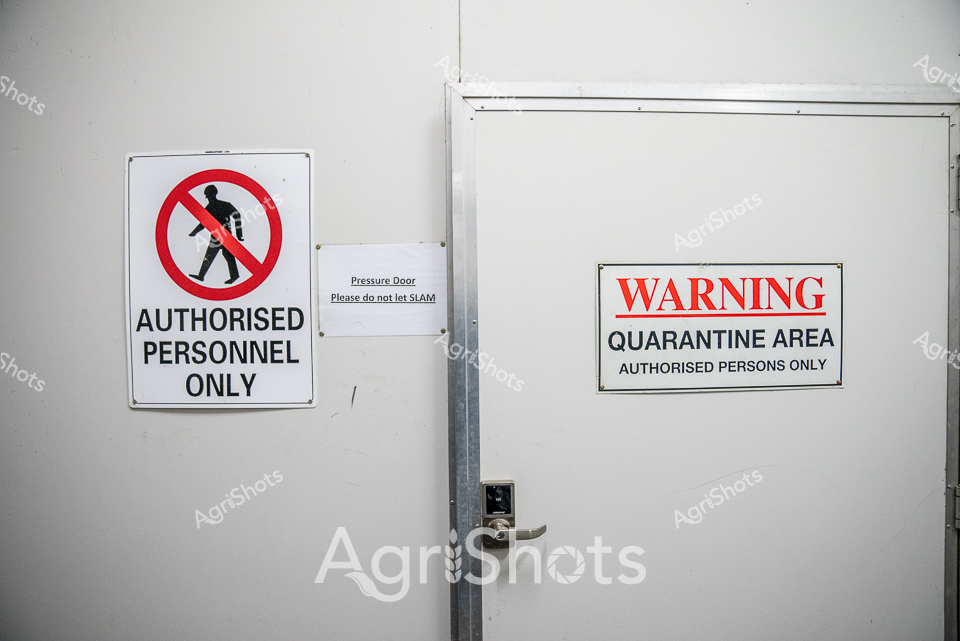
Sealed Entry: Agricultural Quarantine Protocols A robust industrial door marks a critical biosecurity checkpoint, reinforced by explicit warning signage. Two adjacent signs - "AUTHORISED PERSONNEL ONLY" and "WARNING: QUARANTINE AREA" - establish strict access control for this sensitive agricultural zone. A small "Pressure Door" notice cautions against forceful entry, highlighting the precision required in managing potential contamination risks. The stark white surfaces and clear red warning text communicate a clinical, controlled environment typical of modern agricultural research, veterinary, or livestock management facilities. The metallic door handle and mounting hardware suggest a professional, purpose-built space designed to prevent unauthorized access and protect critical biological assets. This image captures the meticulous safety protocols essential in contemporary agricultural operations, where controlling environmental variables is paramount to maintaining health and preventing potential disease transmission.
 Image
Image
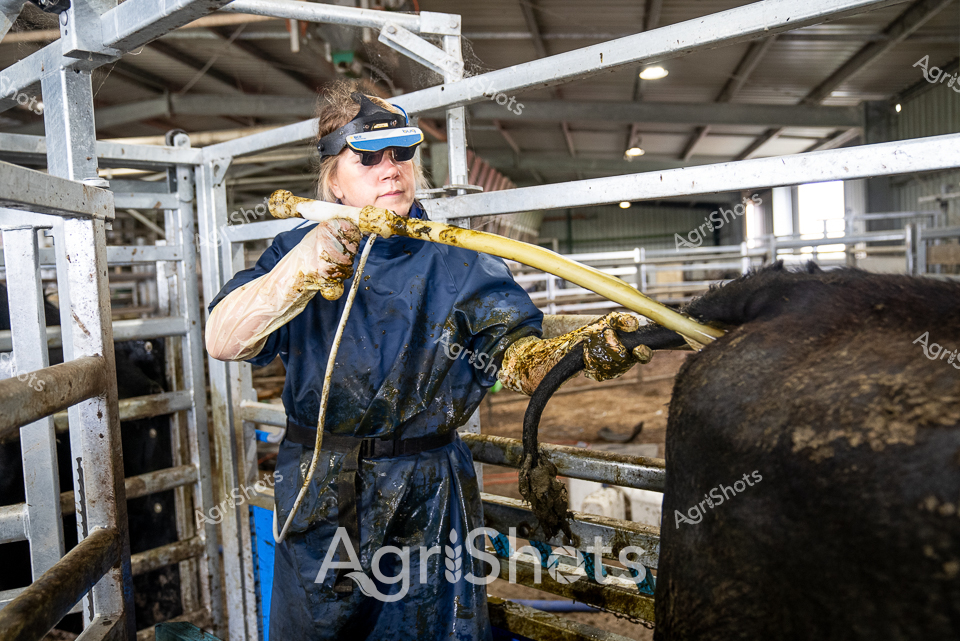
Braving the early morning chill in a steel-framed cattle yard, a dedicated veterinarian stands poised with a specialized ultrasound scanning device, her blue protective coveralls splattered with the tell-tale signs of close livestock work. Wearing protective gloves and high-tech blue-tinted sunglasses, she carefully maneuvers around a dark Angus cattle pen, preparing to conduct a pregnancy diagnostic scan. The industrial shed's metal framework and overhead lighting create a clinical yet rugged agricultural environment, typical of modern livestock management facilities in Victoria. Her professional stance and specialized equipment highlight the precision and technological advancement of contemporary agricultural veterinary practices, demonstrating the critical role of data and diagnostics in cattle breeding programs. The scene captures the essence of women's increasingly prominent role in agricultural sciences, showcasing expertise, technological integration, and hands-on farm management. Every detail - from her focused expression to the robust cattle handling infrastructure - speaks to the sophisticated, data-driven approach of modern Australian agricultural operations.
 Image
Image
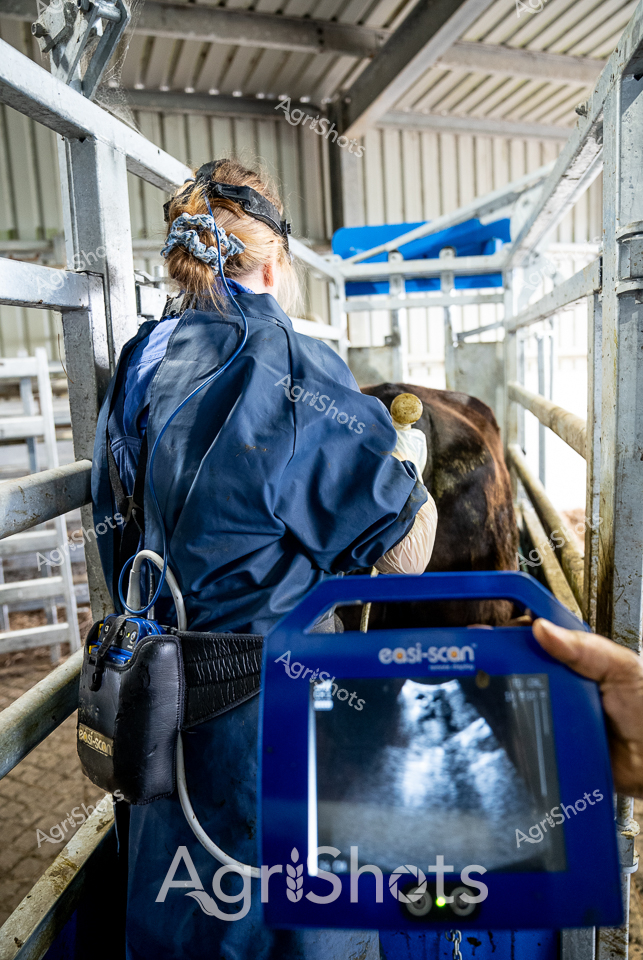
Pregnancy scanning transforms an ordinary cattle yard into a hub of agricultural precision. A skilled veterinary professional stands within the steel-framed cattle crush, dressed in a navy blue jacket and a patterned headscarf, intently focused on conducting an ultrasound examination of an Angus cow. The easi-scan portable ultrasound device displays a crisp grayscale image, revealing the intricate details of a potential bovine pregnancy. Metal railings and white corrugated walls create a sterile, functional environment typical of modern livestock management facilities. The blue and white color palette of the equipment echoes the cool, clinical approach to reproductive monitoring in contemporary agricultural practice. Hanging from the professional's belt, a leather pouch and essential tools underscore the methodical nature of farm veterinary work. This image captures a moment of technological intervention in cattle breeding, highlighting the intersection of animal husbandry and medical diagnostics. The scene represents the expertise of women in agricultural sciences, demonstrating the precision and care involved in modern livestock management. Every detail - from the carefully positioned ultrasound probe to the professional's focused stance - speaks to the sophisticated approach of contemporary farming practices.
 Image
Image
Silencer hydraulic equipment stands prominently in the foreground, advertising "Less Noise, Less Stress, Less People" against a warm autumnal backdrop. Inside a steel-clad agricultural shed, a group of rural professionals gather around livestock handling facilities, focused intently on a technical demonstration of cattle reproductive scanning technology. Seated in measured rows along the steel rail pens, attendees wear a uniform of blue shirts and practical workwear, suggesting a professional agricultural training session. Soft natural light filters through the shed's translucent roof, illuminating the sandy-colored ground and creating a neutral, technical learning environment. The Catagra Group branding signals a sophisticated approach to modern agricultural data collection and animal management techniques. This scene captures the intersection of agricultural expertise, technological innovation, and hands-on learning in a quintessential Queensland rural setting.
 Image
Image
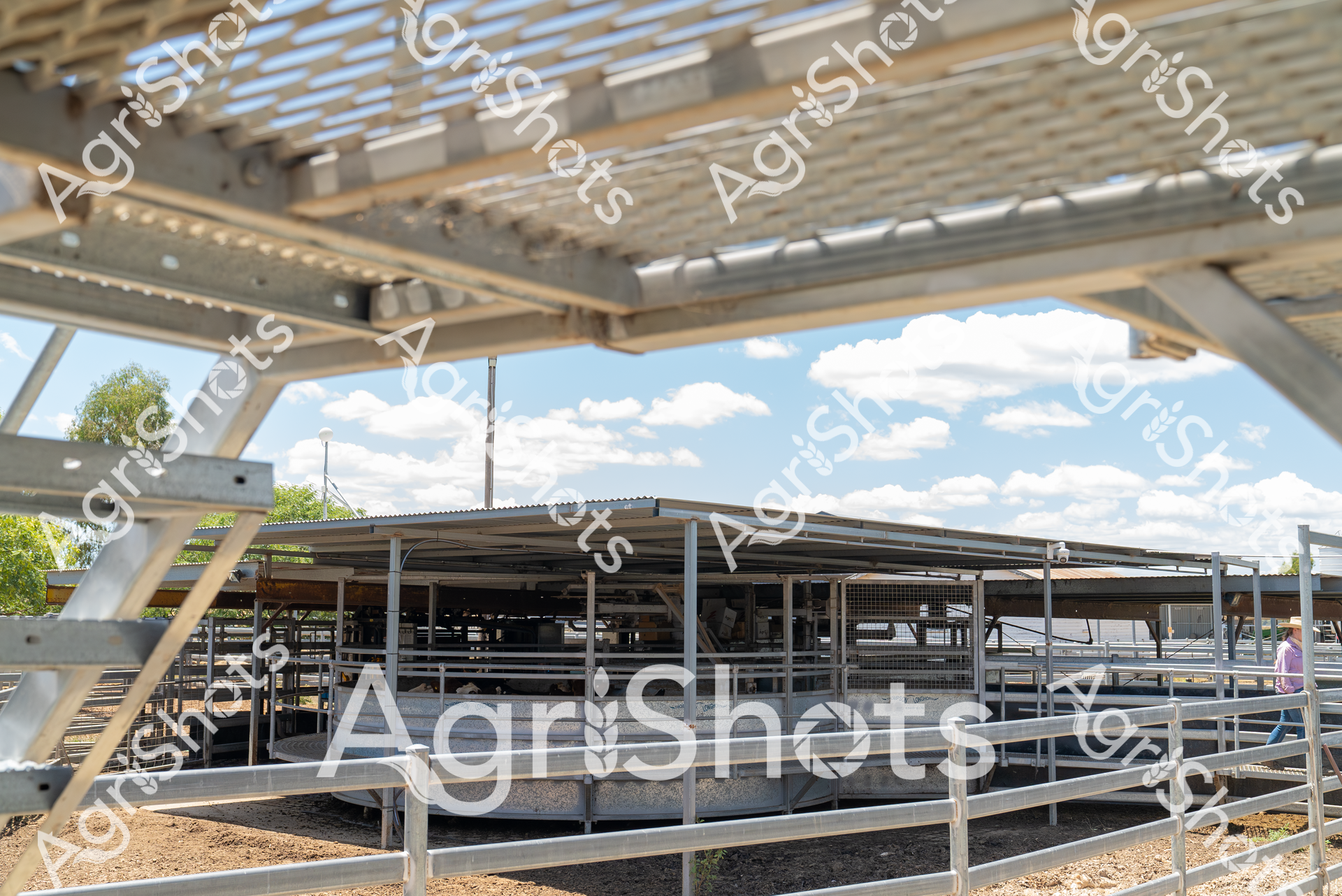
Gleaming steel infrastructure rises beneath a billowing summer sky in this quintessential Queensland cattle yard. Circular steel holding pens define precise agricultural geometry, their metallic railings creating structured lines against the dusty earth and cloudscape. The corrugated iron shelter provides essential shade and protection, a critical design in the harsh Australian agricultural landscape of the Queensland. Meticulously engineered livestock handling facilities demonstrate sophisticated modern farming practices, with carefully constructed pens allowing controlled movement and management of cattle herds. Intense sunlight casts sharp shadows across the yard, highlighting the robust engineering and strategic layout designed to maximize animal welfare and operational efficiency. The scene captures the intersection of cutting-edge agricultural infrastructure and the timeless rhythms of cattle farming in rural Queensland, where precision meets pastoral tradition.
 ▶ Video
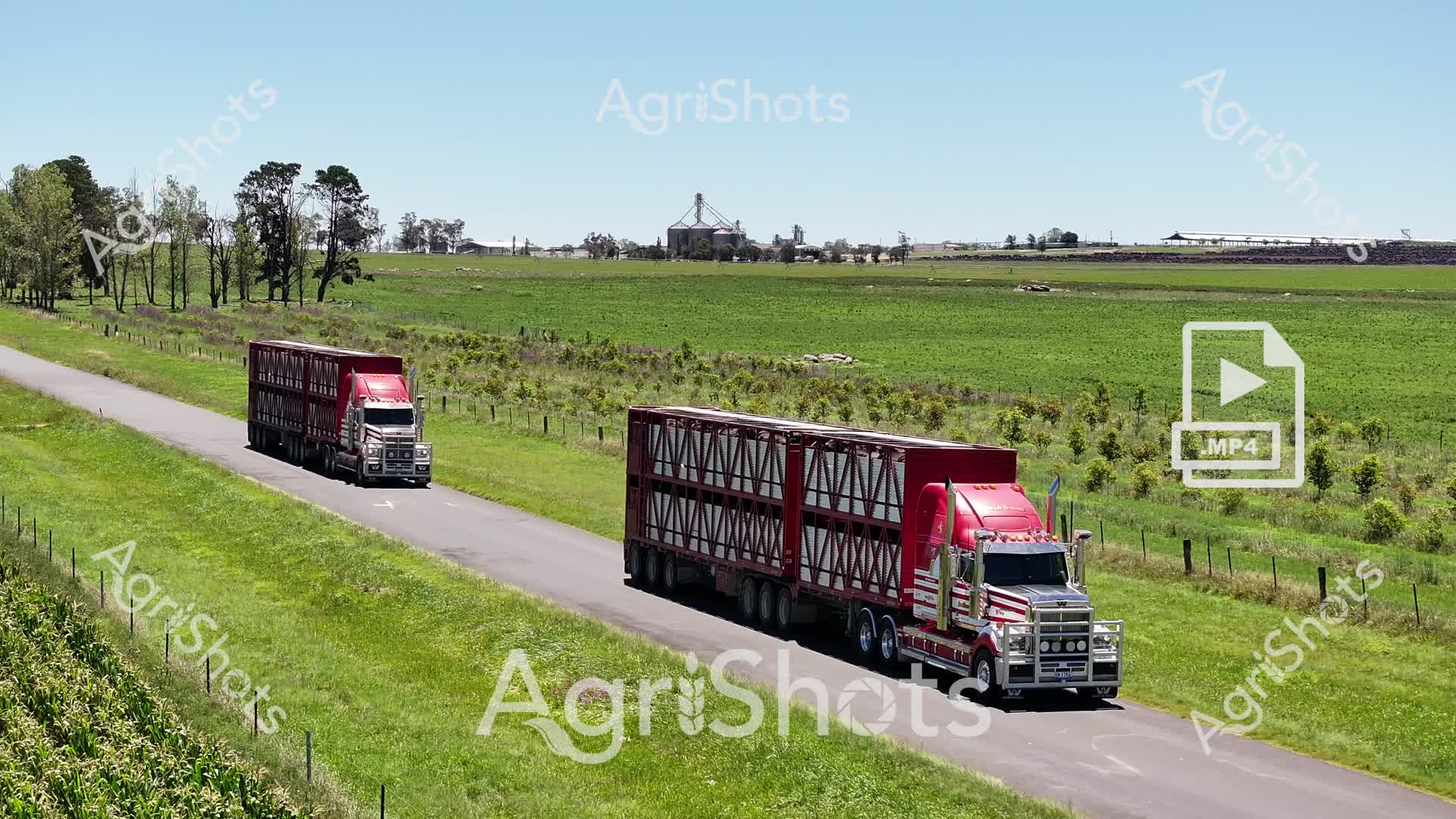
Thundering across the verdant pastoral landscape, two crimson Mack road trains traverse a well-maintained rural highway, the massive livestock trailers gleaming under the clear blue Australian sky. The powerful trucks, adorned with classic chrome bullbars and pristine red cab designs, cut an impressive silhouette against the lush green pastures and young tree plantations. Distant grain silos and agricultural infrastructure punctuate the horizon, suggesting this is prime livestock and grain country in one of Australia's productive agricultural regions. The meticulously fenced roadway, lined with young trees and native vegetation, highlights the sophisticated infrastructure supporting rural transportation networks. These heavyweight livestock carriers represent the critical supply chain arteries that connect remote cattle stations with processing facilities, moving valuable livestock across vast distances with efficiency and precision. The scene captures the essential rhythm of Australian agricultural logistics - robust machinery, expansive landscapes, and the continuous movement of primary production.
 Image
Image
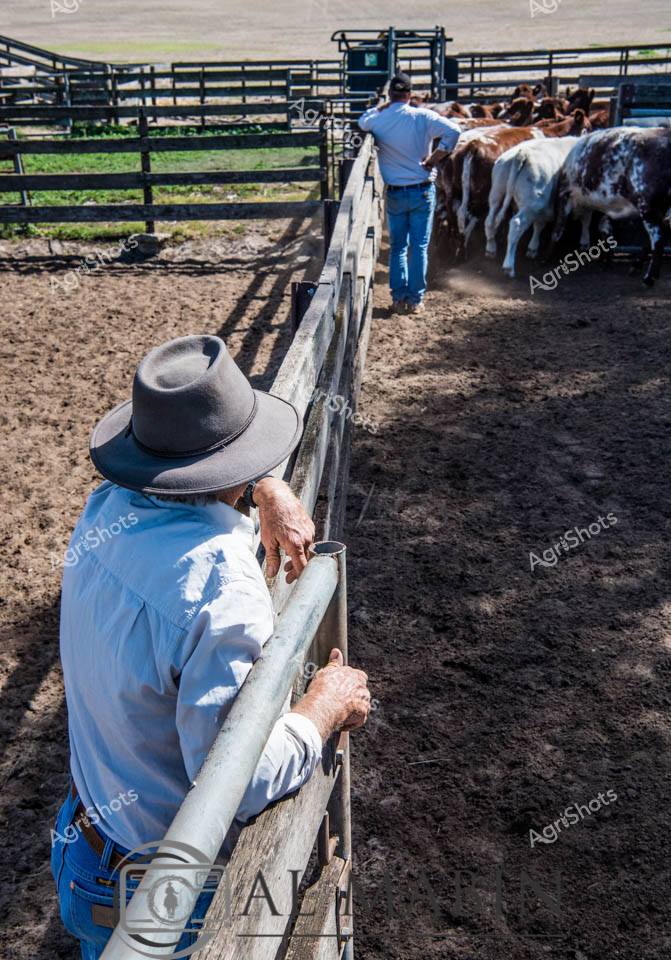
Two farm workers manage cattle in well-constructed yards at a South Australian beef operation, with one figure in a cowboy hat leaning against wooden railings while another moves among the mixed herd of Shorthorn cattle. The sturdy cattle yards feature multiple pens and handling facilities, demonstrating professional livestock infrastructure designed for efficient cattle management. The brown and white Shorthorn cattle appear calm and well-handled as they move through the yards, showcasing quality breeding stock typical of established stud operations. This scene captures the everyday reality of hands-on cattle work in South Australia's beef industry, where skilled stockmanship and proper facilities combine to ensure effective livestock handling.
 Image
Image
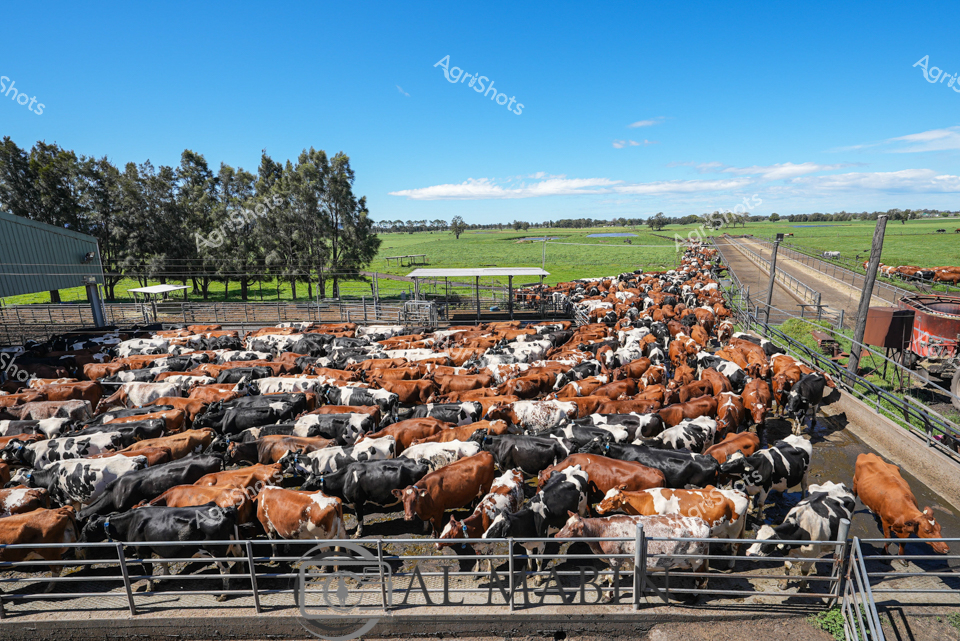
Packed tightly in a sprawling cattle yards, a vibrant herd of Holstein and Illawarra dairy cattle create a patchwork of reddish-brown and black-and-white coats under the crisp blue skies of rural New South Wales. Meticulously arranged steel livestock yards contain the densely clustered animals, with lush green pastures and eucalyptus trees framing the background. The midday sunlight casts sharp shadows across the concrete feed lanes, highlighting the muscular frames and distinctive coat patterns of these premium dairy breeds. This comprehensive agricultural scene captures the sophisticated infrastructure of modern Australian cattle management, where precision-engineered facilities support high-density livestock production. The neat grid of metal fencing, strategic positioning of shade structures, and expansive surrounding landscape demonstrate the sophisticated agricultural practices of contemporary dairy farming. Every element of the image speaks to the professional, systematic approach to livestock husbandry that defines Australian agricultural excellence.
 ▶ Video
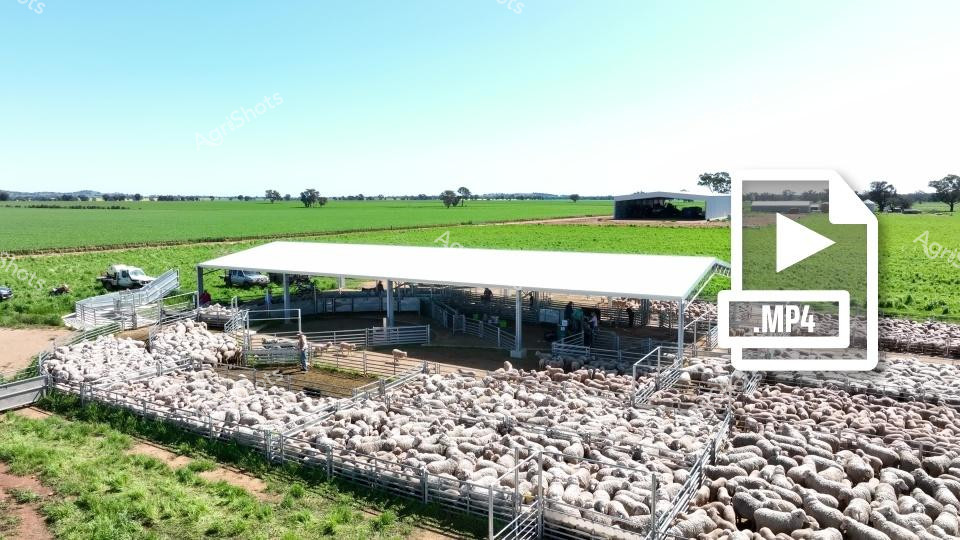
A large Merino sheep weaning operation in rural New South Wales showcases multiple fenced yards filled with hundreds of white sheep and lambs under a covered shelter. The expansive green paddocks and agricultural infrastructure highlight modern sheep farming practices, with carefully managed livestock pens and facilities designed for efficient animal husbandry.
 Image
Image
Muscled and calm, a sleek black Angus cattle stands within a Te Pari livestock handling system, embodying the precision of modern agricultural technology. The sophisticated blue and white cattle crush represents cutting-edge design in animal management, its robust steel frame engineered for safe, efficient livestock handling. Overhead, corrugated metal roofing filters soft industrial lighting across the concrete and straw-strewn yard, creating a controlled environment typical of contemporary Australian cattle processing facilities. A skilled livestock worker in a blue cap operates the machinery, positioning the animal with expert technique that minimizes stress and maximizes safety during essential management procedures. The Te Pari branding prominently displayed signals the advanced New Zealand agricultural equipment manufacturer's commitment to innovative farm solutions. This scene captures the intersection of animal husbandry and technological innovation, where careful animal handling meets sophisticated engineering in the critical work of livestock management.
 Image
Image
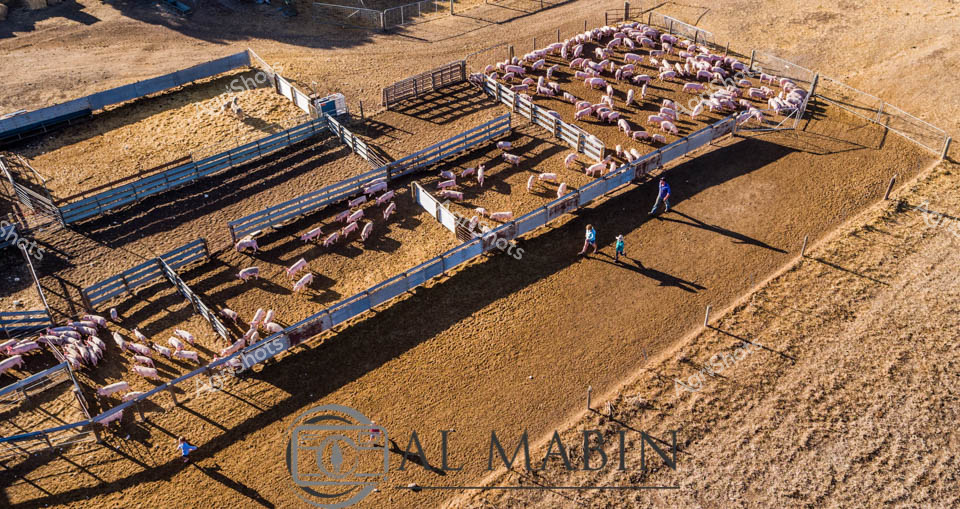
Aerial view of a comprehensive piggery operation on Kangaroo Island, South Australia, showcasing extensive pig yards and facilities designed for free-range livestock management. The metal-fenced enclosures contain numerous pigs and piglets spread across multiple paddocks, with clear pathways connecting different sections of the operation. Farm workers can be seen moving through the yards, likely engaged in mustering or routine livestock care activities. The dry, golden-brown landscape典型 of South Australian agricultural properties provides a stark backdrop to this well-organized pig farming facility, demonstrating modern approaches to sustainable pork production in rural Australia.