Browse the collection
 Image
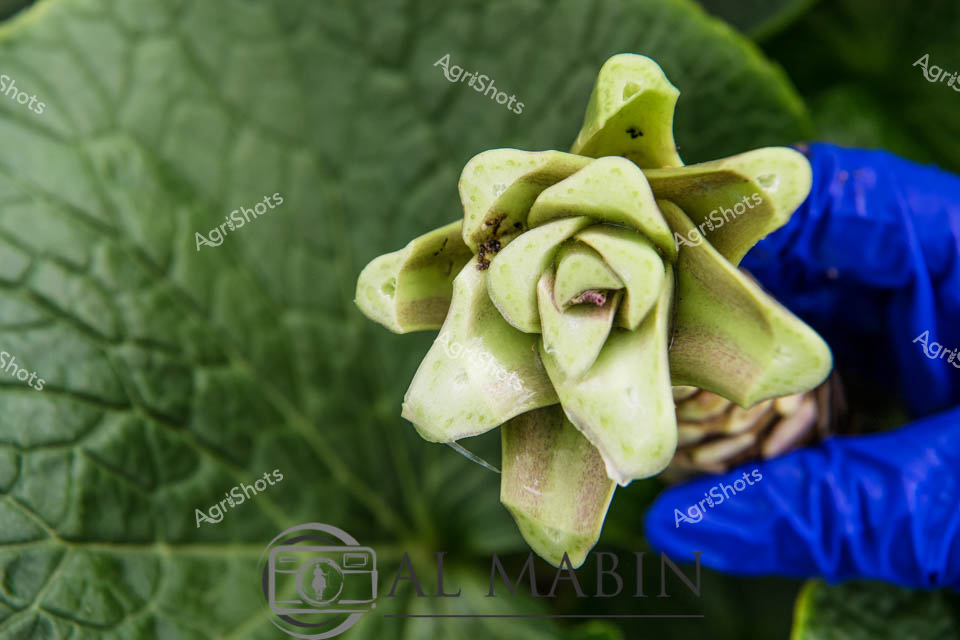
Nestled in the lush greenery of a Tasmanian greenhouse, a pristine wasabi flower blooms with intricate, pale green petals unfurling like a sculptural masterpiece. Delicate layers of waxy, overlapping leaves create a mesmerizing geometric form, highlighting the precision and care of horticultural cultivation. A gloved hand in deep blue—a mark of professional agricultural practice—gently supports the rare and valuable wasabi plant, underscoring the meticulous attention required in growing this prized Japanese condiment. The verdant background of large, textured leaves provides a rich, organic context, emphasizing the controlled environment of specialized crop production. This close-up reveals the exquisite complexity of wasabi cultivation, a testament to Tasmania's emerging role in high-value agricultural specialty crops. The image captures the intersection of scientific precision and natural beauty, showcasing the sophisticated techniques used in modern horticultural production.
 Image
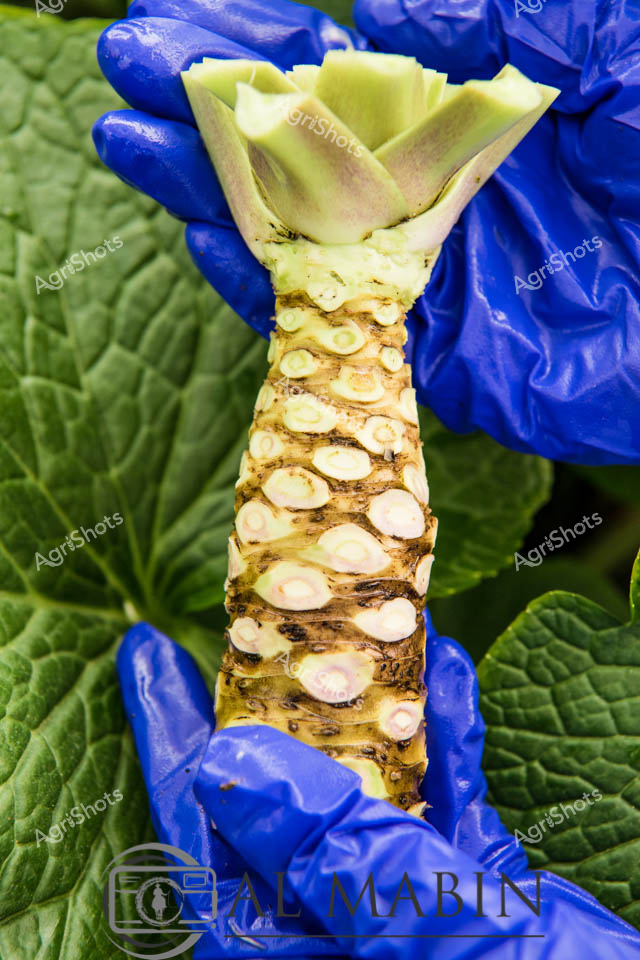
Nestled within a lush, verdant glasshouse setting, a freshly harvested wasabi root emerges as a botanical treasure. Delicate blue-gloved hands carefully cradle the prized rhizome, revealing its intricate, bumpy texture and pale golden-green coloration. The wasabi's distinctive form - with its bulbous, nodular body and fan-like top - speaks to the meticulous cultivation techniques used in Tasmania's specialized horticultural enterprises. Each raised bump on the root tells a story of patient growth, protected from harsh environmental conditions within the controlled microclimate of a precision glasshouse. The surrounding deep green leaves provide a rich, organic backdrop that emphasizes the wasabi's unique botanical structure, highlighting Tasmania's sophisticated approach to high-value crop production. This image captures the intersection of agricultural expertise and botanical beauty, showcasing why Tasmanian wasabi is renowned for its exceptional quality and careful handling.
 Image
A sea of delicate saffron crocus bulbs fills a vibrant red container, showcasing the meticulous preparation of one of the world's most precious spices. Each bulb displays a soft, pale beige to light brown hue, with intricate wisps of dried roots and stems creating a textural landscape of potential culinary treasure. The bulbs are carefully harvested and sorted, displaying the precision and care of Tasmanian agricultural expertise in specialty crop production. Rows of uniform yet naturally varied bulbs speak to the patient craft of saffron cultivation, where each small bulb represents the potential for future delicate crimson threads that will transform dishes with their intense flavor and golden color. These saffron bulbs represent a high-value horticultural endeavor, showcasing Tasmania's capacity for producing some of the world's most sought-after culinary ingredients.
 Image
Fresh purple-striped garlic bulbs fill a woven basket at a Tasmanian produce market, showcasing the vibrant hues and papery outer skins characteristic of this horticulture crop. The close-up view reveals the detailed texture and natural variations in coloring of these freshly harvested vegetables, with their dried stems still attached. This premium produce represents Tasmania's quality agricultural output, with each bulb displaying the distinctive purple and white striping that makes this garlic variety particularly sought after in local markets.
 Image
Fresh carrots bundled with their vibrant green leafy tops are displayed at a Tasmanian produce market, showcasing excellent horticultural quality. The orange root vegetables are neatly arranged in tight bunches, with their feathery carrot greens creating an attractive contrast against the bright orange roots. This close-up view highlights the freshness and quality of locally grown Tasmanian vegetables, representing the state's thriving horticulture industry and premium produce offerings.
 Image
A farm worker carefully grates fresh wasabi root on a metal grater in a Tasmanian glasshouse facility, demonstrating the delicate handling required for this premium horticultural produce. The worker's gloved hands show proper safety protocols while processing the vibrant green wasabi, with fine gratings visible on the metal surface. This close-up capture highlights the meticulous preparation involved in processing this specialty vegetable crop, showcasing Tasmania's emerging wasabi farming industry within controlled growing environments.
 Image
Vibrant crimson raspberries nestle in a pristine ceramic container, surrounded by lush green raspberry leaves that frame the harvest with natural elegance. The berries gleam with a deep, rich burgundy tone, each one perfectly ripe and textured, showcasing the exceptional quality of Tasmanian small fruit production. Arranged against a metallic blue-grey background, the composition highlights the precision and care of local agricultural practices, transforming a simple container of fruit into a stunning celebration of horticultural craft. The fresh green leaves provide a striking contrast, their serrated edges and varying shades of emerald emphasizing the natural origins of this premium produce. This image captures the essence of Tasmania's renowned berry industry - a delicate balance of careful cultivation, pristine environment, and exceptional fruit quality that makes the region a leader in premium berry production.
 Image
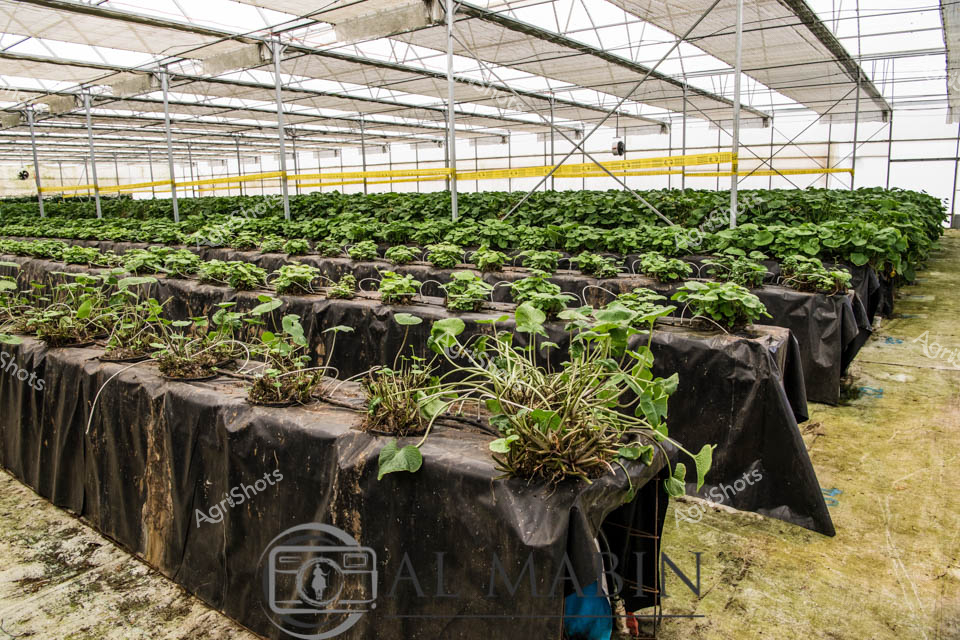
Emerald green wasabi plants flourish in neat rows across raised black grow beds inside a vast translucent greenhouse. Precise agricultural engineering creates an optimal microclimate for these prized Japanese culinary herbs, with structural steel framework and diffused white plastic sheeting controlling temperature and light exposure. The plants spread in lush, low-growing clusters, their distinctive rounded leaves displaying vibrant health against the stark black growing medium. Meticulously arranged irrigation systems and carefully monitored environmental conditions reveal this as a specialist horticultural facility dedicated to producing high-value wasabi crop. Cool Tasmanian conditions provide ideal growing parameters for these sensitive plants, which require consistent moisture and moderate temperatures to thrive. The systematic layout and pristine cultivation techniques showcase modern agricultural precision, transforming delicate wasabi from challenging wild riverbed crop to carefully managed commercial production.
 Image
Nestled in the verdant Tasmanian countryside, this state-of-the-art agricultural facility showcases the precision of modern horticultural production. Expansive white-clad glasshouses stretch across the lush green landscape, their uniform design a testament to controlled environment agriculture. Surrounding water tanks and support buildings complement the main growing structures, indicating a sophisticated approach to crop management. The rolling green fields and distant tree lines frame this agricultural complex, highlighting Tasmania's rich agricultural potential. Wasabi cultivation appears to be the focus, with the carefully engineered glasshouses providing optimal growing conditions for this demanding and high-value crop. The crisp white structures contrast beautifully with the soft greens of the surrounding pastures, creating a striking visual representation of innovative agricultural technology integrated seamlessly into the natural landscape.
 Image
Nestled in the verdant Tasmanian countryside, this state-of-the-art horticultural facility showcases the pinnacle of modern agricultural innovation. Gleaming white-roofed glasshouses stretch across lush green pastures, their curved structures housing precision-controlled growing environments for specialty crops. Circular water storage tanks stand sentinel alongside the structures, highlighting the facility's sophisticated water management system. A tranquil dam in the foreground reflects the surrounding landscape, its still waters creating a mirror-like surface that contrasts with the geometric precision of the agricultural infrastructure. The site exemplifies Tasmania's cutting-edge approach to specialized crop production, with meticulously maintained grounds and advanced growing facilities that speak to the region's reputation for high-quality agricultural output. The interplay of natural and engineered elements captures the delicate balance of modern sustainable farming, where technology and nature work in harmony to produce exceptional agricultural products.
 Image
Crimson raspberries cascade along meticulously trained trellises, their vibrant red blossoms contrasting against the lush green foliage of a Tasmanian agricultural landscape. A robust quad bike with a sturdy rack traverses the narrow row, a critical piece of specialized equipment for precision berry farming. The vehicle's registration R04457 hints at its dedicated purpose in this meticulously managed horticultural environment. Cypress trees line the distant horizon, creating a verdant backdrop that speaks to the rich agricultural terrain of the Gippsland region. The carefully maintained rose-like raspberry plants demonstrate the intricate care and technical expertise required in modern berry production, with each plant precisely positioned and supported. The scene captures the intersection of advanced agricultural technology and the timeless art of fruit cultivation, showcasing the careful balance of machinery and nature that defines contemporary Australian small-crop farming.
 Image
Nestled in the lush green landscape of Tasmania's Gippsland region, a meticulously crafted directional sign showcases the vibrant diversity of berry cultivation. Silvery metal signposts rise against a crisp blue sky, each panel pointing to a different berry variety - from the deep crimson raspberries to the midnight-hued blackberries, alongside less common varieties like tayberries and silvanberries. The signage speaks to the rich agricultural heritage of the region, highlighting the intricate world of berry farming with its precise, systematic approach to fruit production. Verdant foliage surrounds the sign, with pine trees creating a backdrop that suggests the cool, fertile environment perfect for berry cultivation. The carefully designed wayfinding marker not only guides visitors but also celebrates the agricultural diversity and horticultural expertise of the Tasmanian farming community. Each directional arrow hints at the careful cultivation, careful selection, and pride taken in producing these delicate and delicious fruits that thrive in this remarkable agricultural landscape.
 Image
Close-up view of fresh garlic bulbs displaying their distinctive purple-streaked papery outer skins and dried stems from the harvest. The garlic bulbs are densely packed together, showcasing the natural variation in their white and purple coloring typical of hardneck varieties. This horticultural produce represents quality vegetable cultivation, with the bulbs appearing well-cured and ready for market distribution throughout Tasmania's agricultural supply chain.
 Image
Fresh Tasmanian Raspberries Artfully Displayed Luscious crimson raspberries nestle in a pristine ivory container, surrounded by vibrant emerald raspberry leaves arranged in a radiant, symmetrical pattern. The rich, jewel-toned berries gleam with a deep ruby intensity, each fruit displaying the perfect balance of ripeness and delicate texture characteristic of Tasmania's renowned berry production. Soft, serrated green leaves frame the harvest like a natural botanical artwork, creating a stunning visual composition against a muted, weathered background that hints at the rugged agricultural landscapes of the region. The meticulous arrangement speaks to the precision and care of Tasmanian small-scale horticulturalists, who cultivate some of the world's most exceptional berry varieties. Every element communicates the pristine quality and artisanal approach to berry farming in Tasmania's cool, fertile growing regions.
 Image
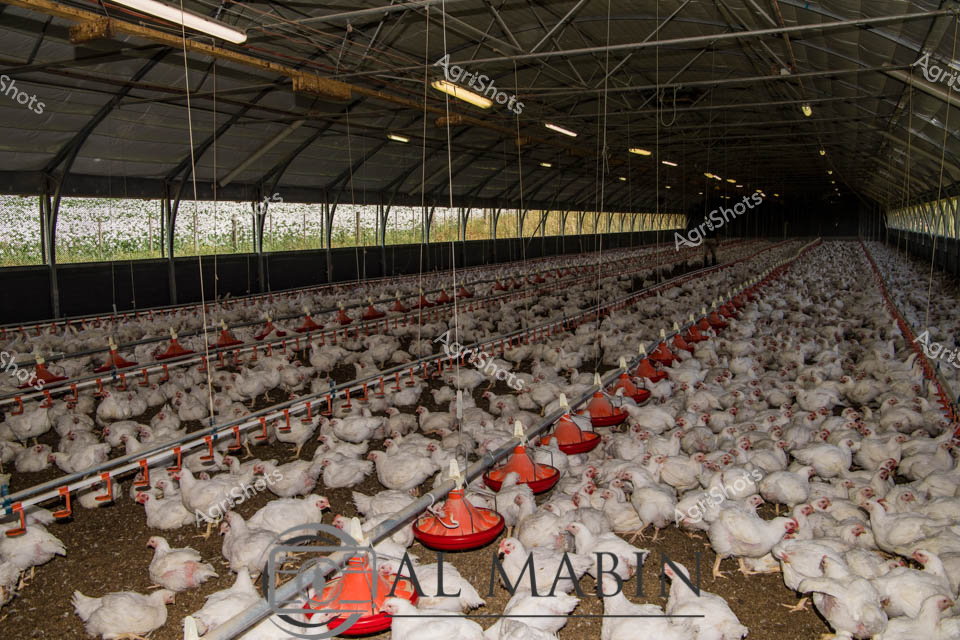
Broiler chickens blanket the expansive interior of a climate-controlled agricultural shed, densely packed across a carefully engineered floor space. Gleaming red feeders and watering systems thread through the uniform white flock, creating precise geometric lines against the birds' soft feathering. Overhead, industrial lighting illuminates the controlled environment, with translucent side panels allowing filtered natural light to complement the artificial illumination. The birds represent a meticulously managed protein production system, each animal positioned with mathematical precision within the streamlined infrastructure of modern poultry farming. Robust ventilation infrastructure and structured feeding mechanisms demonstrate Tasmania's advanced agricultural engineering, where technology and animal husbandry intersect to optimize livestock production. The monochromatic palette of white feathers, red feeding equipment, and grey structural elements communicates an atmosphere of systematic efficiency characteristic of contemporary agricultural practices.
 Image
A vibrant red agricultural bin brims with freshly harvested garlic bulbs, their delicate papery skins ranging in hue from pale cream to warm terracotta. Each bulb displays intricate layers of wispy, dried outer husks, testament to careful curing and preparation for market. The dense cluster reveals the meticulous work of Tasmanian horticulturalists, showcasing the precision and care involved in saffron and garlic cultivation. Soft, tangled roots and stems still attached hint at the recent harvest, capturing the moments between field and market. The close-up composition celebrates the textural beauty of these aromatic bulbs, transforming an everyday agricultural product into a visually compelling narrative of rural craft and produce.
 Image
Nestled in the lush Tasmanian countryside, the farm unfurls a meticulously prepared saffron cultivation plot, its rich earth carefully furrowed in precise parallel lines. Golden pastures and dense forest frame a sweeping lake view in the background, creating a breathtaking agricultural landscape under soft, cloud-dappled skies. The planting area, a rich earthen canvas, features a solitary tree standing sentinel in its center, symbolizing the careful planning and deliberate spacing essential to saffron cultivation. Fenced boundaries delineate the carefully managed agricultural space, highlighting the intersection of scientific precision and natural beauty that defines modern specialty crop farming. This aerial perspective reveals the intricate relationship between land, crop, and environment, showcasing the meticulous preparation required for cultivating one of the world's most valuable spices.
 Image
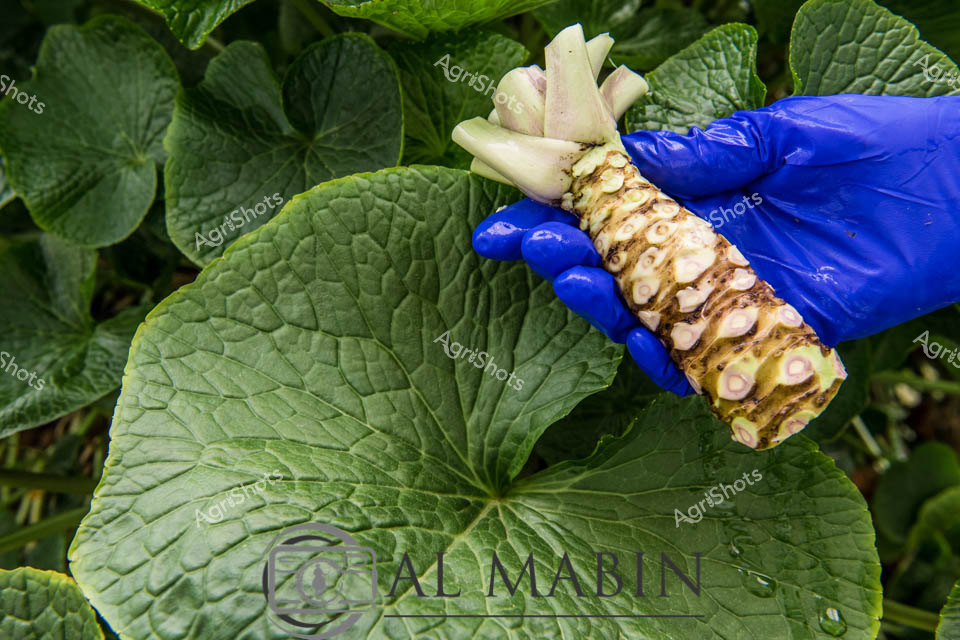
A blue-gloved hand delicately cradles a freshly harvested wasabi root against a backdrop of lush, textured green leaves in a Tasmanian glasshouse. The wasabi rhizome reveals an intricate, knobbly surface with a pale cream and golden-brown coloration, showcasing the meticulous care of high-value horticultural production. Precision and protection are paramount, with the protective blue nitrile glove highlighting the careful handling required for this delicate and valuable crop. The surrounding broad, veined leaves create a vibrant green canvas that emphasizes the agricultural expertise involved in wasabi cultivation. Tasmania's controlled glasshouse environment provides the perfect conditions for growing this notoriously challenging crop, which requires specific humidity, temperature, and shade to thrive. This image captures the intersection of agricultural innovation, specialized crop production, and the careful stewardship required to bring rare and sought-after produce from carefully managed growing environments to market.
 Image
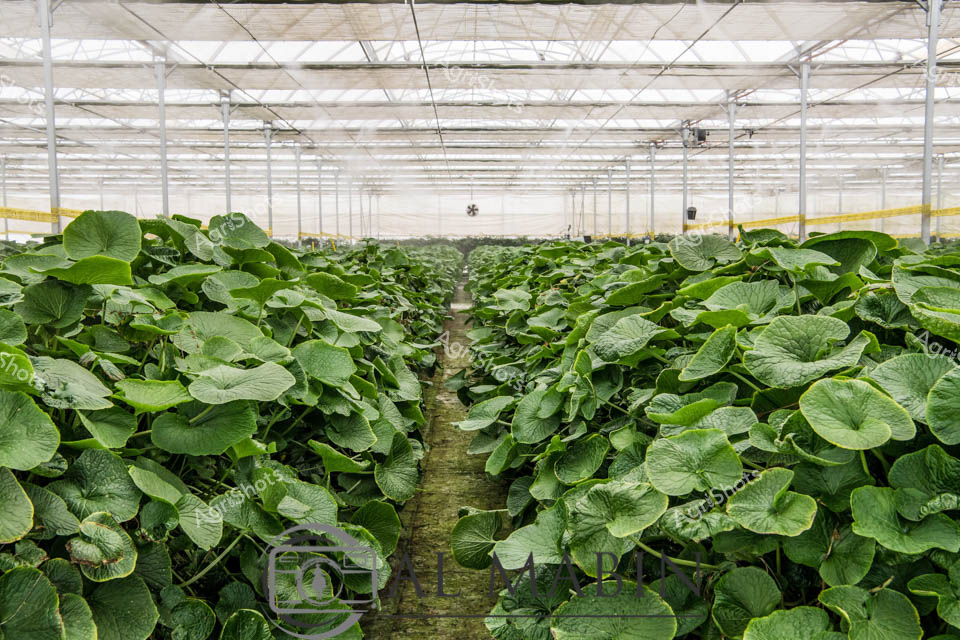
Verdant wasabi leaves sprawl across meticulously organized rows within a pristine glass greenhouse. Lush emerald foliage carpets the ground, creating a uniform landscape of broad, heart-shaped leaves with delicate veining and rich green hues. Carefully maintained pathways divide the dense plantings, allowing access for cultivation and harvest in this controlled agricultural environment. The structural framework of white metal supports and translucent glass panels creates a bright, diffused light that bathes the crop in even illumination, optimizing growing conditions for this prized Japanese culinary ingredient. Tasmania's innovative agricultural sector demonstrates sophisticated horticultural techniques, transforming precision farming into an art form with this sophisticated wasabi cultivation setup. The greenhouse represents a pinnacle of agricultural technology, where climate, humidity, and growing conditions are meticulously managed to produce the highest quality wasabi plants for gourmet markets and discerning chefs.
 Image
Verdant wasabi leaves cascade across the glasshouse, their broad, heart-shaped foliage creating a lush green landscape beneath the translucent roof. An agricultural specialist carefully tends to the delicate crop, her movements precise and measured as she inspects the plants. The controlled environment of the greenhouse reveals cutting-edge horticultural techniques, with yellow measuring tapes suspended from the structural framework highlighting the scientific approach to cultivation. The vibrant green leaves display intricate vein patterns, showcasing the wasabi plant's distinctive texture and robust growth. Wearing a dark, fitted vest, the researcher leans into the dense foliage, her ponytail and sunglasses suggesting a dedicated and practical approach to crop management. Overhead, natural light filters through the glass panels, creating a soft, even illumination that accentuates the plants' rich emerald hues. This scene captures the essence of modern agricultural innovation, particularly in Tasmania's specialist crop production. The meticulously maintained glasshouse represents a sophisticated approach to growing one of the world's most challenging and valuable culinary herbs, demonstrating the precision and care required in specialized horticultural practices.
 Image
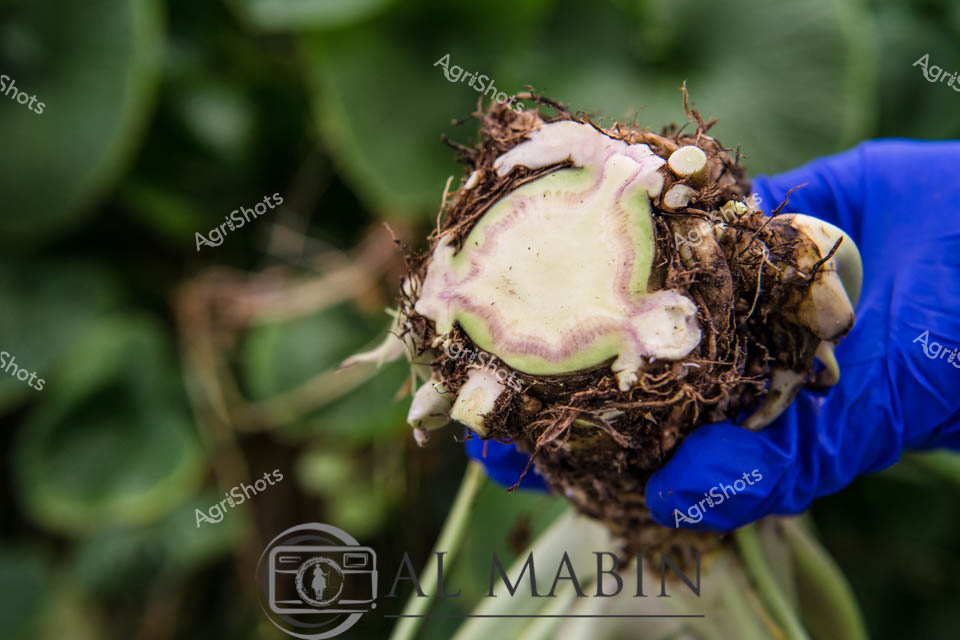
Nestled within a verdant greenhouse, a gloved hand gently cradles a freshly harvested wasabi rhizome, revealing the delicate intricacies of this prized Japanese horticultural treasure. The blue nitrile glove speaks to modern agricultural safety protocols, while the root's pale green and pink-tinged flesh contrasts dramatically with its rough, fibrous exterior. Wisps of root tendrils and soil cling to the rhizome, testament to its recent extraction from carefully cultivated growing beds. Tasmania's cool, humid climate provides the perfect environment for this notoriously challenging crop, which demands precise growing conditions and meticulous care. The close-up reveals the wasabi's subtle coloration and organic texture, highlighting the precision and expertise required in specialized vegetable production. This image captures the intersection of traditional agricultural knowledge and contemporary horticultural techniques, showcasing the delicate process of nurturing one of the world's most demanding and valuable culinary ingredients.
 Image
A gloved hand delicately cradles a freshly harvested wasabi root, revealing the pale, intricate flesh of this prized Japanese horticultural treasure. Cascading green stems and broad leaves form a lush backdrop, highlighting the meticulous cultivation of this notoriously challenging crop in a controlled glasshouse environment. The vibrant blue latex glove contrasts sharply with the earthy tones of the root, symbolizing the precise, scientific approach to wasabi production in Tasmania's specialized agricultural landscape. Long, slender stems emerge from the dense foliage, demonstrating the plant's distinctive growth pattern and the carefully managed conditions required for successful wasabi cultivation. The root, partially stripped of its fibrous exterior, exposes the creamy-white interior that makes wasabi such a sought-after culinary ingredient. This image captures the intersection of agricultural expertise, horticultural innovation, and the delicate art of growing one of the world's most challenging and expensive crops.
 Image
Verdant wasabi plants flourish in a meticulously controlled glasshouse environment, their large, heart-shaped leaves creating a lush green carpet across precision-engineered growing beds. Metallic infrastructure supports translucent panels overhead, filtering natural light to create optimal growing conditions for this delicate crop. Yellow safety barriers and industrial infrastructure frame the scene, highlighting the sophisticated agricultural technology required to cultivate these prized Japanese herbs. A vibrant green watering can sits among the plants, suggesting careful, manual cultivation techniques that complement the high-tech setting. The floor of packed earth and walkways reveal a systematic approach to agricultural production, with each plant positioned with scientific precision. This image captures the intersection of traditional agricultural knowledge and modern horticultural innovation, showcasing Tasmania's emerging role in specialized crop production.
 Image
Fresh leafy green vegetables showcase Tasmania's horticultural produce, featuring dark curly kale with distinctive textured leaves alongside bright green spinach and other leafy crops. The vegetables display the characteristic crinkled surfaces and vibrant coloring typical of cool-climate Tasmanian horticulture, representing quality fresh produce from the island state's fertile growing regions.