About this image
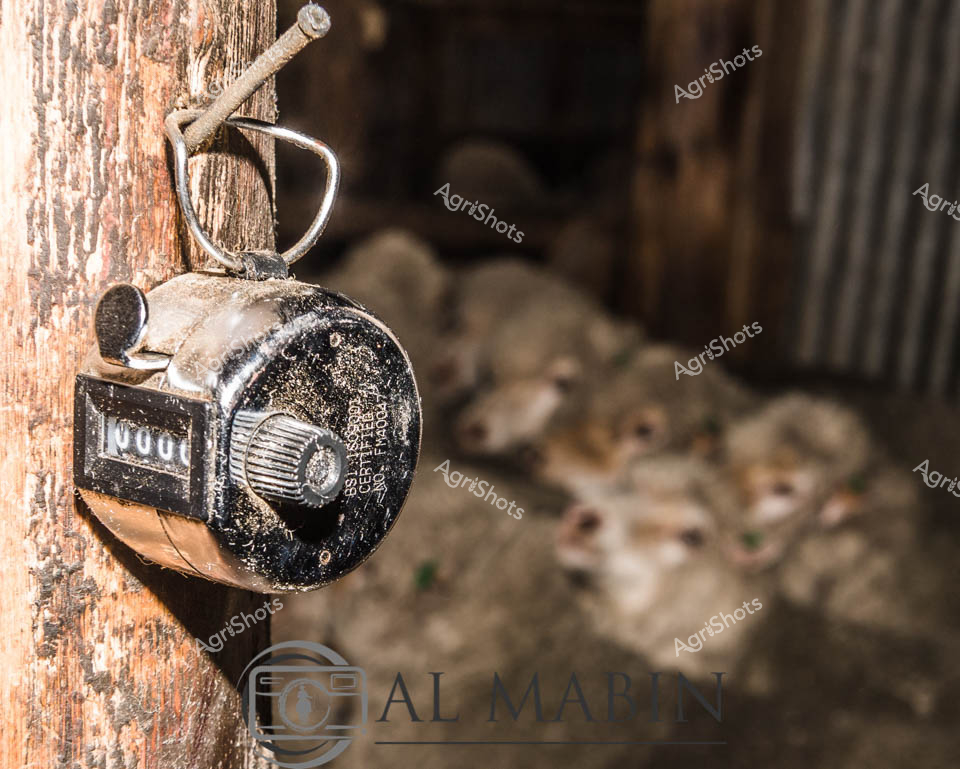
A rugged industrial timer counter sits mounted on a weathered wooden shed wall, its black metallic surface dusted with grime, positioned against a soft-focus backdrop of huddled Merino sheep. The precision instrument, likely tracking shearing hours or wool production metrics, represents the meticulous documentation integral to Australian wool production. Soft muted tones of beige and grey characterize the scene, capturing the austere functionality of a traditional woolshed environment. In the background, a cluster of Merino sheep - their dense, fine fleece characteristic of this premium wool-producing breed - wait quietly, embodying generations of pastoral agricultural heritage. The textured wooden surface, marked by years of hard work and industrial use, tells a silent narrative of rural craftsmanship and agricultural resilience. This image encapsulates the quiet efficiency of Australian sheep farming, where every tool and animal plays a critical role in the sophisticated process of wool production.
Similar media
 Image
Image
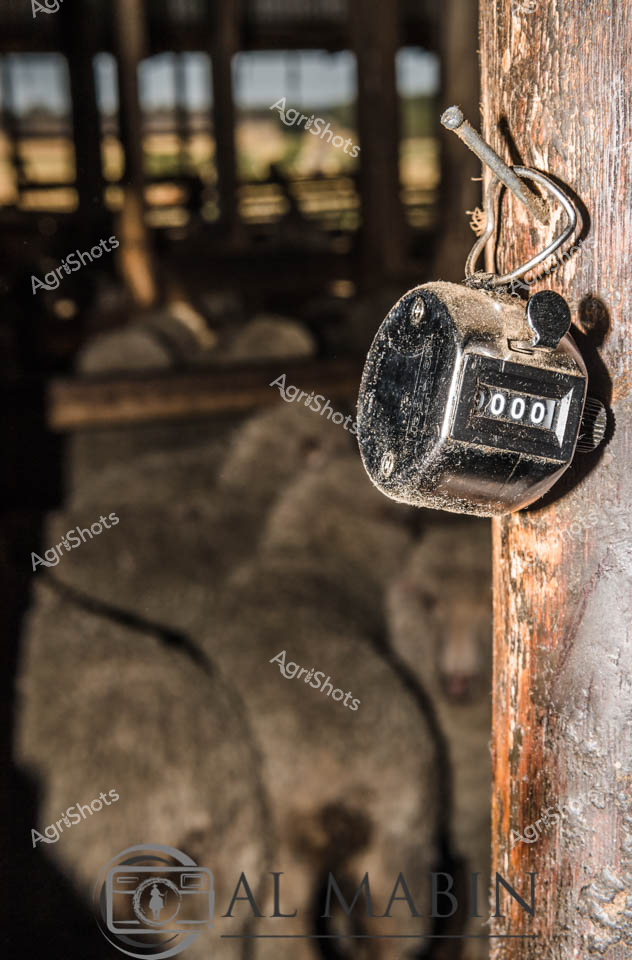
Weathered timber and rusted machinery frame an intimate moment in the life of a woolshed, where a mechanical tally counter hangs on a gnarled wooden post. The aged, worn surface tells stories of countless sheep processed through this space, its digital display poised to track each animal during the shearing season. Blurred shapes of merino sheep huddle in the background, their soft fleece a contrast to the hard industrial elements of the shed. Soft, diffused light filters through the wooden slats, casting subtle shadows and highlighting the textural richness of the rural workspace. This close-up captures the precision and methodical nature of Australian wool production, where every animal is counted, every fleece matters. The tally counter represents both tradition and efficiency, a small but critical tool in the complex machinery of agricultural practice.
 Image
Image
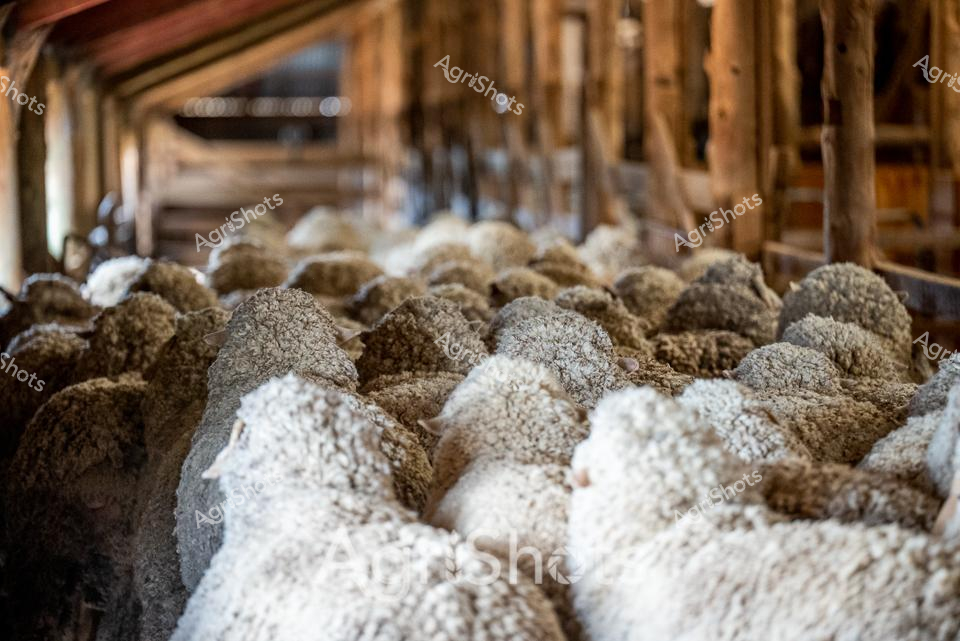
Tightly packed Merino sheep huddle together in a weathered timber woolshed, their dense fleeces a tapestry of earthy greys and pristine whites. The rugged wooden interior speaks of generations of pastoral history, with worn timber posts and soft light filtering through gaps in the walls, casting a warm, golden glow across the flock. These prized wool-producing sheep demonstrate the hallmark characteristics of the renowned Merino breed - compact bodies covered in thick, tightly-curled wool that speaks to the resilience of Australian agricultural traditions. The rich textures of their fleeces suggest they are awaiting shearing, a critical moment in the annual cycle of wool production that has been the economic backbone of many rural communities across New South Wales. Soft shadows and the close proximity of the sheep create an intimate atmosphere, capturing the quiet anticipation of the woolshed - a space where agricultural skill, animal husbandry, and generational farming knowledge converge in a quintessential Australian rural scene.
 Image
Image
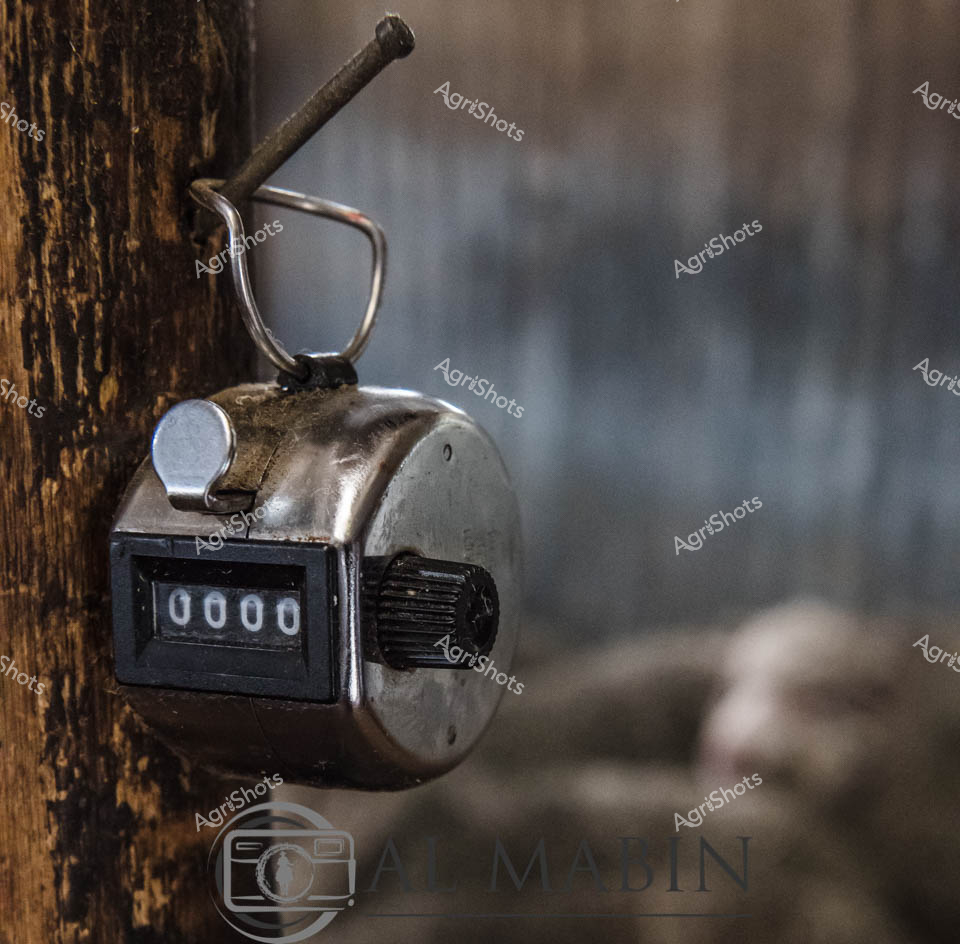
Mounted on a weathered wooden wall, a vintage tally counter rests silently, its mechanical dial poised at 0000. The metallic device, crafted with precision engineering, speaks to generations of pastoral record-keeping in rural Australia. Its rusted silver body and crisp digital display capture the intersection of traditional farming practice and incremental documentation. The blurred background suggests the interior of a woolshed, where the rhythmic work of shearing unfolds just beyond the frame. Each click of this counter would mark another fleece processed, another step in the meticulous wool production that has been a cornerstone of Australian agricultural heritage. The image evokes the quiet, methodical nature of rural labor - a testament to the detailed tracking and precision that underpins successful farming operations.
 Image
Image
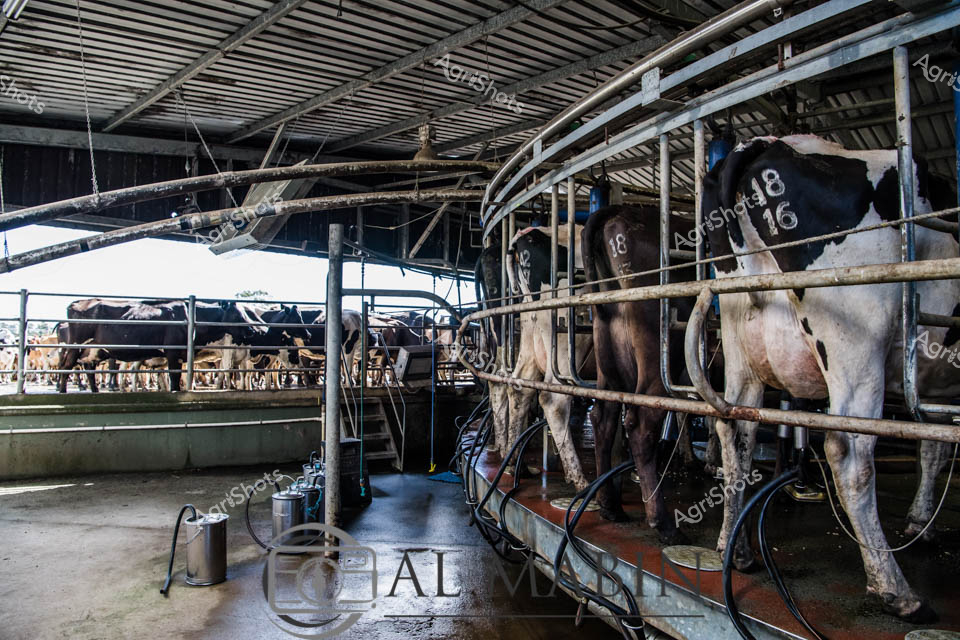
Industrial dairy milking carousel pulses with precision in a modern Gippsland shed, housing Holstein and Jersey dairy cows systematically arranged in numbered stalls. Gleaming metal infrastructure creates a choreographed rhythm of mechanical efficiency, with black and white cattle positioned symmetrically on a rotating platform designed for high-volume milk production. Metallic milking cups hang ready, connected to each cow's udders, transforming traditional agricultural practice into a streamlined technological process. Corrugated steel ceiling and structural supports frame the space, revealing an industrial aesthetic that speaks to contemporary agricultural engineering. The controlled environment suggests early morning - cool, crisp light filtering through the shed's openings, highlighting the polished surfaces and muscular forms of the dairy herd. Numbered stalls (16, 18) indicate a meticulously managed operation where each animal is tracked, monitored, and integrated into a precision agricultural system that maximizes productivity and animal welfare.
 Image
Image
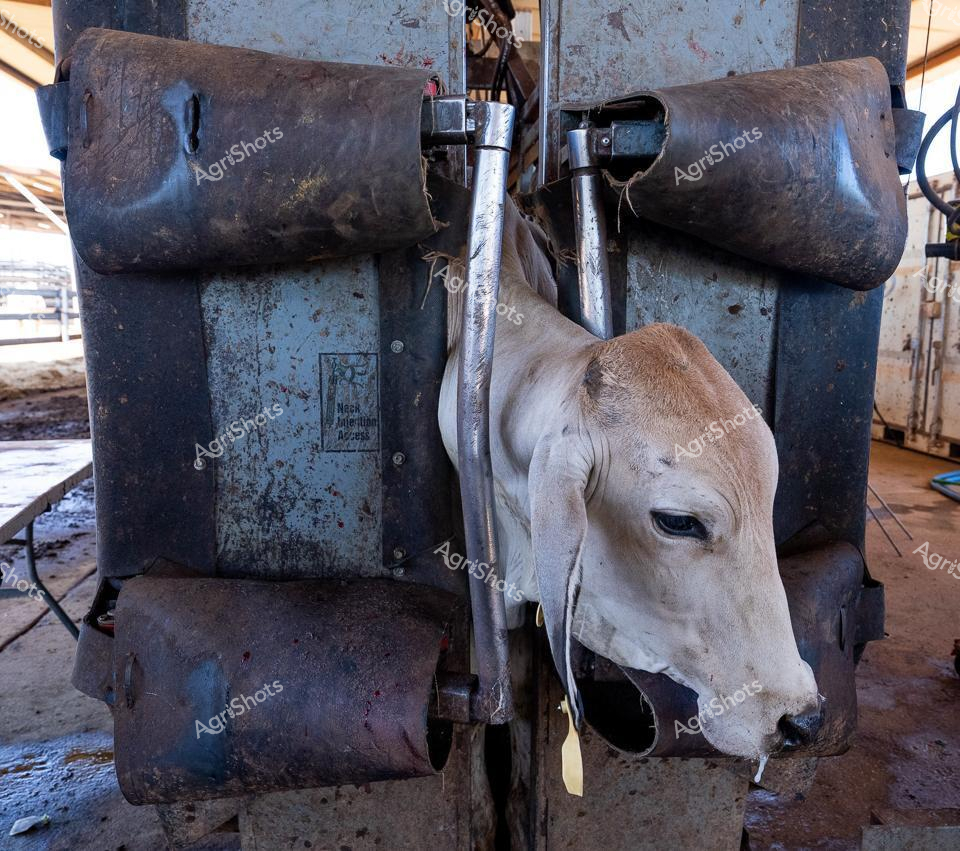
In the heart of the Northern Territory's cattle country, a pale Brahman heifer stands restrained within a robust steel cattle crush, her cream-colored hide contrasting against weathered dark metal infrastructure. The industrial-grade restraining equipment, marked with faded identification tags, represents a critical moment in station livestock management - a precise, controlled environment where animal health and safety protocols are meticulously executed. Sturdy hydraulic bars and heavy-duty steel panels enclose the animal, allowing precise handling for essential procedures like vaccination, tagging, or health inspection. The crush's utilitarian design speaks to generations of pastoral engineering, creating a secure interface between human agricultural practice and livestock welfare. Ambient dust and worn metal surfaces communicate the unrelenting environmental challenges of remote cattle station operations, where precision equipment must endure extreme temperatures and demanding conditions. This scene captures the clinical yet necessary process of animal husbandry, where each carefully managed interaction ensures the health and productivity of Australia's renowned beef herds.
 Image
Image
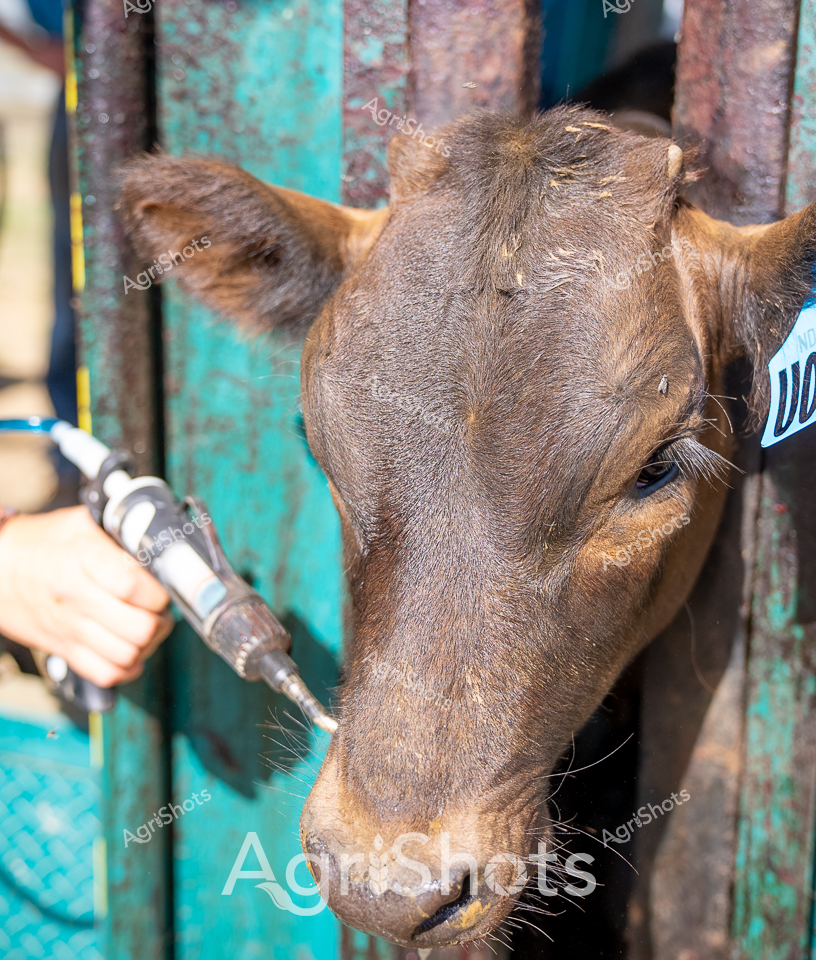
A young dairy calf stands stoically within the weathered teal-green metal bars of a cattle crush, awaiting routine vaccination. Soft brown fur covers its delicate frame, with ears alert and eyes calm despite the medical procedure about to commence. A gloved hand carefully positions a sterile vaccination needle, highlighting the precise and compassionate animal health practices essential to Australian livestock management. The tight framing captures the intimate moment of veterinary intervention, showcasing the careful balance between agricultural technology and animal welfare. Warm sunlight filters across the scene, suggesting a typical summer day in the New England region of New South Wales, where cattle farming is a critical part of the rural economic landscape. The blue identification tag and modern vaccination equipment underscore the systematic and professional approach to livestock management, reflecting generations of agricultural expertise.
 Image
Image
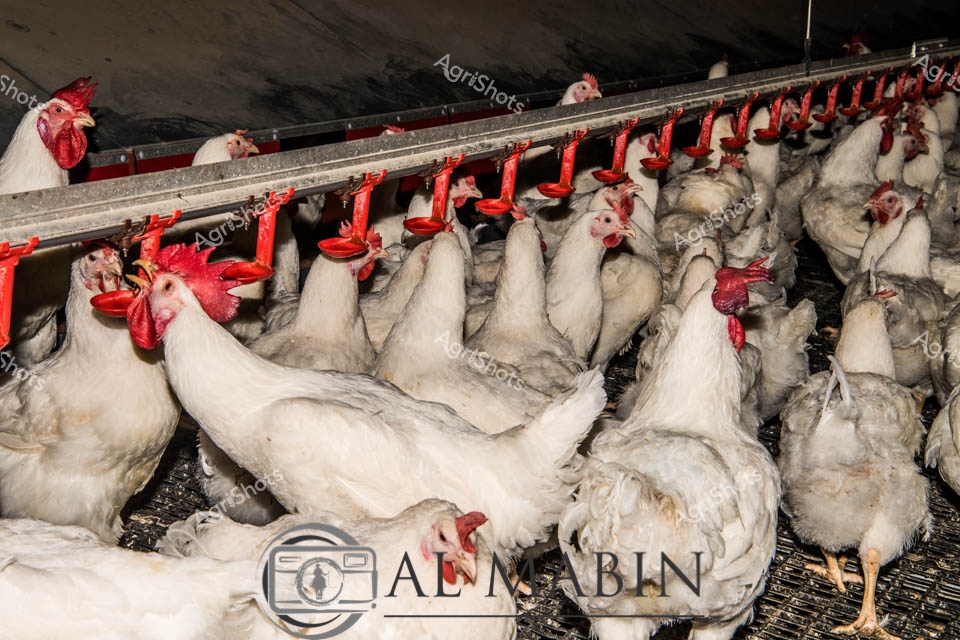
White leghorn hens cluster densely in a mechanized egg production facility, tightly arranged along a linear red feeding system. Each bird stands in close proximity on a textured metal grid floor, their pristine white feathers contrasting sharply with bright red combs and wattles. Automated red feed troughs line the overhead rail, providing consistent access to nutrition in this carefully controlled industrial agricultural environment. The densely packed arrangement highlights contemporary large-scale poultry farming practices, where efficiency and systematic production are paramount. Stark fluorescent lighting illuminates the uniform flock, emphasizing the standardized and pragmatic approach to large-scale egg production. The image captures the clinical precision of modern agricultural systems, where chickens are managed as a precise biological production unit, optimized for maximum economic output.
 Image
Image
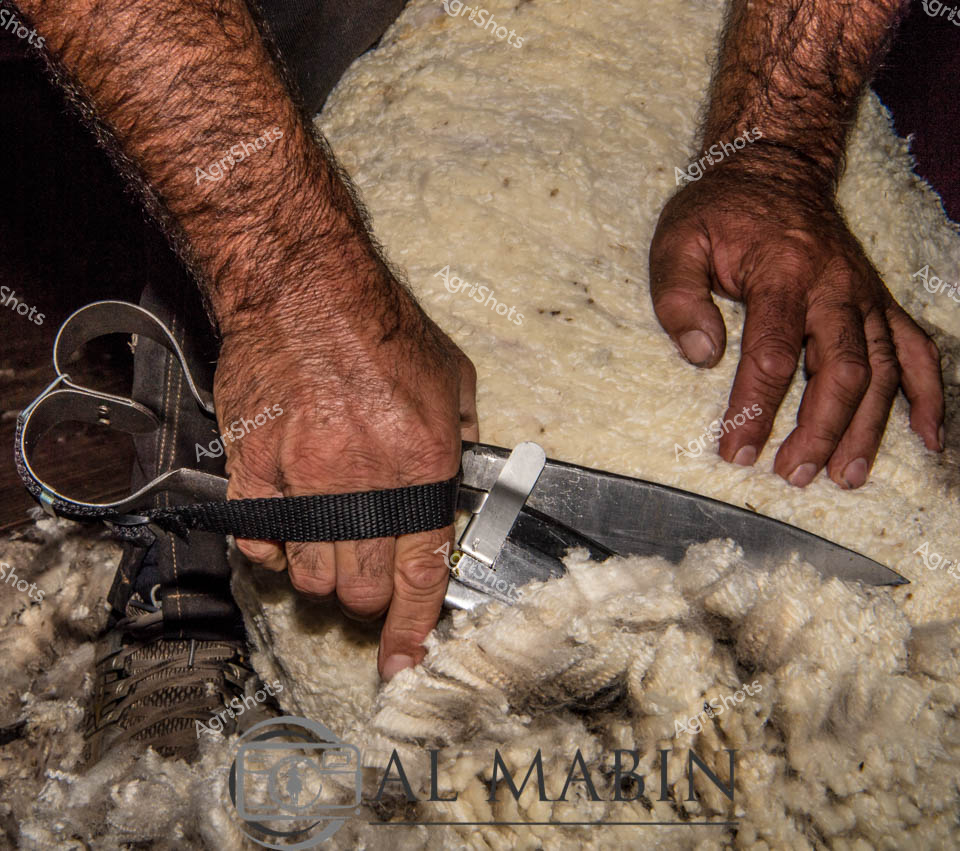
A skilled shearer works with blade shears in a Victorian shearing shed, demonstrating traditional hand-shearing techniques on Merino sheep. The shearer's weathered hands grip the manual blades while carefully removing fleece from the sheep, surrounded by freshly shorn wool scattered across the shed floor. This hands-on approach showcases the artisanal skill required in sheep shearing, where precision and experience are essential for both wool quality and animal welfare. The scene captures the timeless nature of Australian wool production, highlighting the physical demands and craftsmanship of professional shearers working with Merino sheep in traditional shearing operations.