About this image
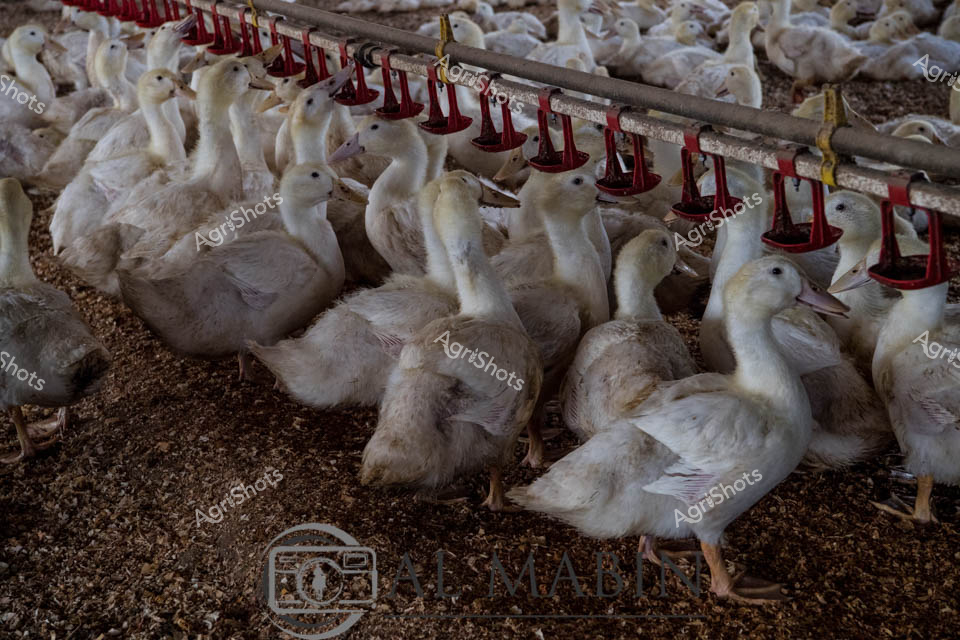
White Peking ducks huddle densely across a dimly lit poultry shed in regional New South Wales, their plump bodies clustered on a textured ground of fine granular feed and organic matter. Uniform red-topped feeding stations hang from a steel overhead rail, providing structured access points across the crowded enclosure. The birds display the characteristic creamy-white feathering of the Peking breed, their compact forms suggesting optimal growth conditions in this large-scale farming environment. Soft shadows and muted earth tones create a sense of controlled agricultural precision, highlighting the systematic approach to modern duck production. Each bird appears healthy and well-maintained, representing a carefully managed livestock operation typical of Australian agricultural practices. The image captures the industrial efficiency of contemporary poultry farming, where design and animal husbandry converge to maximize production in a compact, controlled setting.
Similar media
 Image
Image
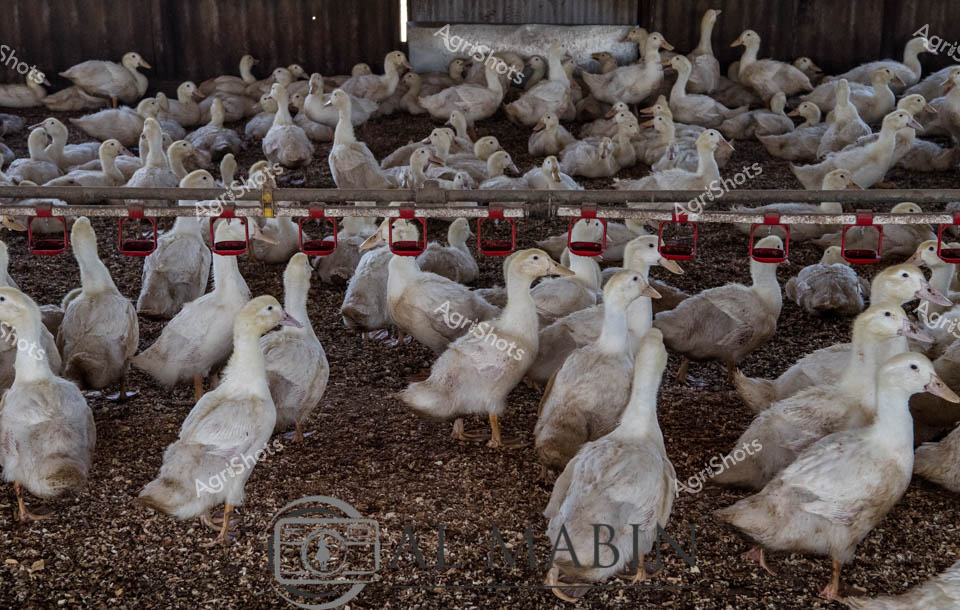
Pristine white Peking ducks crowd the expansive indoor rearing shed, their plump bodies clustered across a textured floor of fine gravel and feed. Uniform red-handled feeders line the central walkway, providing systematic nutrition to the densely packed flock. The uniform coloration of the ducks speaks to careful breeding and controlled agricultural conditions typical of modern large-scale poultry production in New South Wales. Soft ambient light filters through the wooden barn structure, casting gentle shadows across the sea of feathered bodies and creating a methodical, efficient atmosphere of contemporary agricultural practice. Each duck appears robust and well-maintained, reflecting the precision of Australian agricultural techniques in livestock management. The image captures the systematic, scientific approach to commercial duck farming, where every element of the environment is carefully controlled to optimize growth and productivity.
 Image
Image
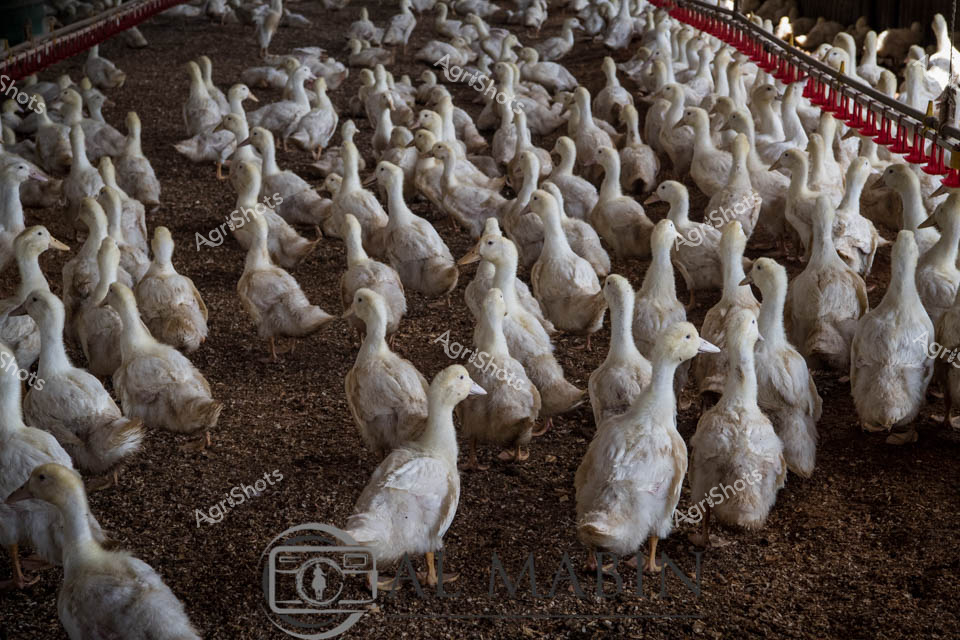
White Peking ducks densely populate a carefully managed indoor farming environment, their plump bodies creating a sea of creamy feathers against a dark, granular floor. Red feeding rails line the edges of the enclosure, indicating a highly systematic approach to poultry production typical of modern agricultural practices in New South Wales. These uniform ducks, bred for meat production, demonstrate the precision of commercial duck farming - each bird looking remarkably similar in size, coloration, and posture. The tightly packed space reveals an large-scale farming methodology, where every square meter is optimized for maximum livestock density and efficiency. Soft ambient lighting highlights the gentle curves and downy texture of the ducks' feathers, creating a surprisingly peaceful atmosphere despite the industrial setting. The image captures the sophisticated infrastructure of Australian agricultural production, where technological systems and biological organisms intersect to create a highly controlled food production environment.
 Image
Image
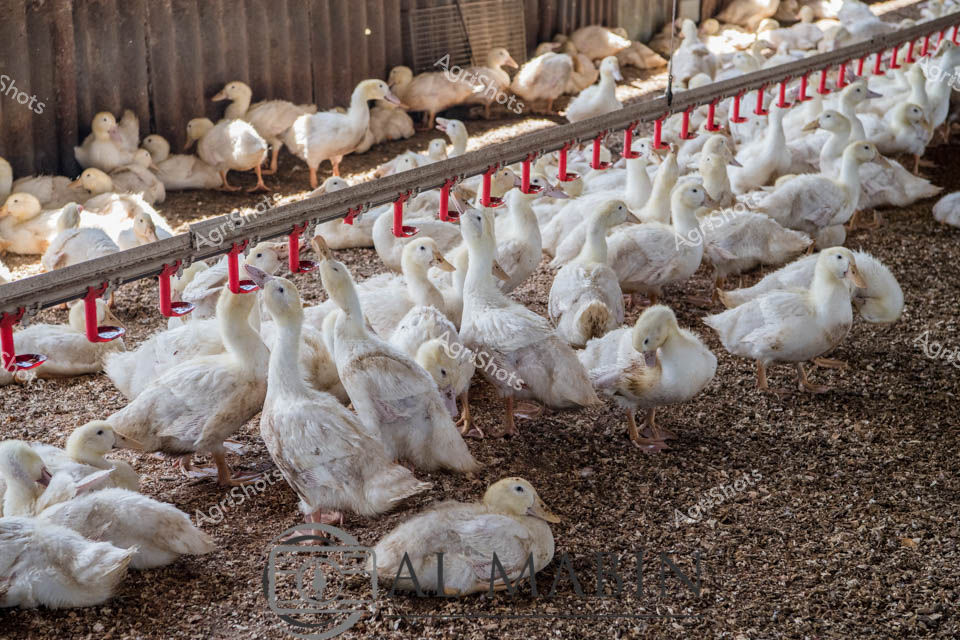
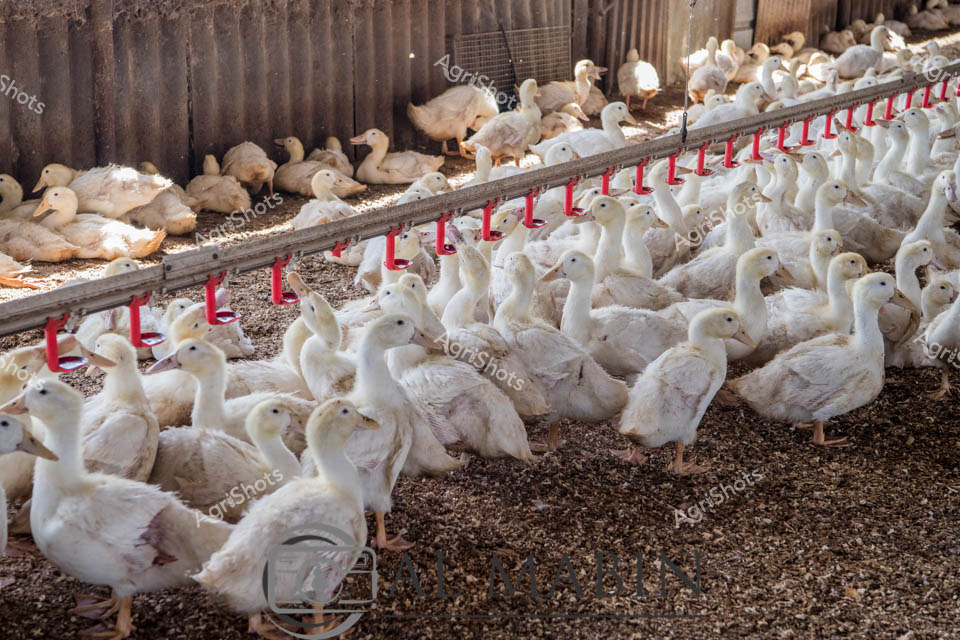
Pristine white Peking ducks cluster densely across the expansive indoor rearing shed, their soft feathered bodies contrasting against the dark gravel floor. Uniform red feeding lines trace elegant geometric patterns along the shed's wooden walls, providing systematic nutrition to the tightly-packed flock. These prized waterfowl, bred for premium meat production, represent a critical segment of Australia's sophisticated poultry agricultural sector, with this controlled environment optimizing growth and health conditions. Soft natural light filters through the shed's structured interior, highlighting the ducks' immaculate plumage and creating subtle shadows across their clustered forms. Each bird appears robust and well-developed, reflecting meticulous breeding and management practices characteristic of modern large-scale agricultural systems in New South Wales. The image captures the precise, engineered approach of contemporary duck farming - a testament to agricultural efficiency where every environmental detail is carefully calibrated to support optimal livestock development.
 Image
Image
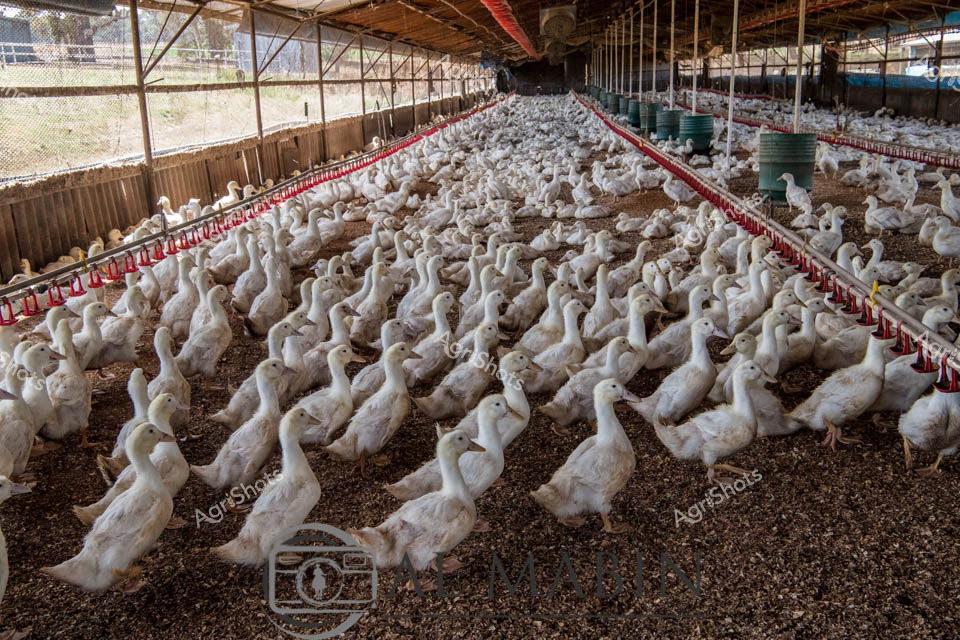
White Peking ducks crowd a meticulously organized industrial poultry shed in rural New South Wales, showcasing the precision of modern large-scale farming practices. Pristine white birds cluster densely across a gravel floor, their uniformity broken only by the rhythmic red clips of feeding and watering infrastructure running along metal barriers. Soft natural light filters through the shed's side panels, casting subtle shadows that highlight the plump, uniform bodies of these commercially bred ducks. The tightly controlled environment speaks to the sophisticated agricultural techniques used in Australian poultry production, where every element is carefully managed to optimize growth and efficiency. Clustered in generations - from smaller juvenile birds to full-sized adults - the flock demonstrates the systematic approach of contemporary duck farming. The scene captures the intersection of animal husbandry, agricultural technology, and food production, revealing the industrial backbone of Australia's protein supply chain.
 Image
Image
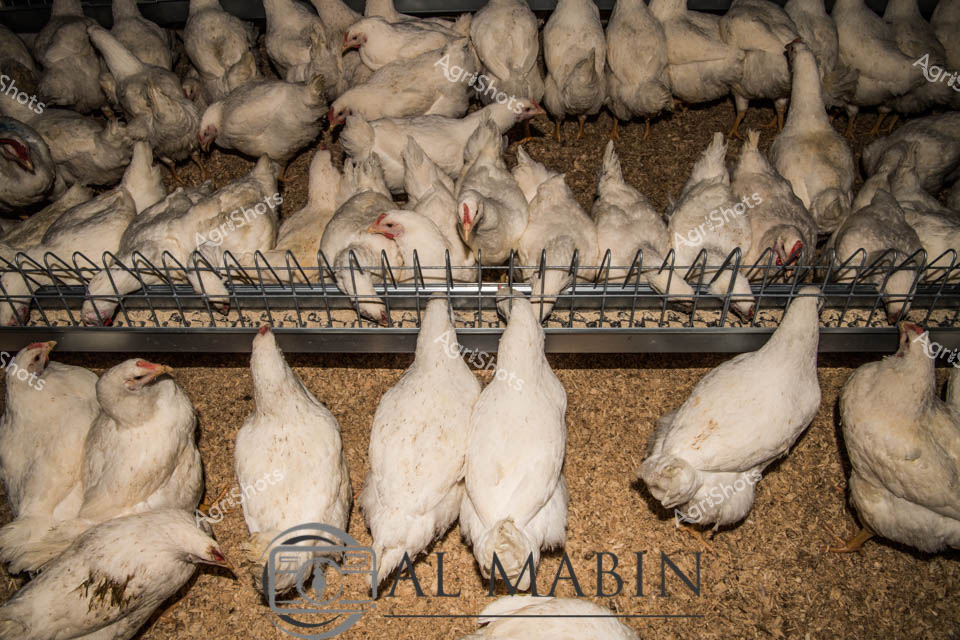
White Peking ducks blanket the floor of a long, industrial-style shed in regional New South Wales, their pale feathered bodies creating a living carpet across the brown earth substrate. Red-painted feeding and watering infrastructure lines the edges of the densely populated poultry house, creating structured pathways amid the sea of birds. Overhead, galvanized steel trusses and wire mesh provide ventilation and structural support, typical of modern large-scale farming facilities designed for efficient meat production. The ducks appear uniform in size and color - a testament to carefully managed breeding and growth protocols in commercial duck farming. Soft natural light filters through the side walls, highlighting the birds' crisp white plumage and creating subtle shadows across the packed shed floor. This image captures the industrialized precision of contemporary Australian poultry production, where generations of agricultural expertise converge to deliver consistent, high-quality protein for domestic and export markets.
 Image
Image
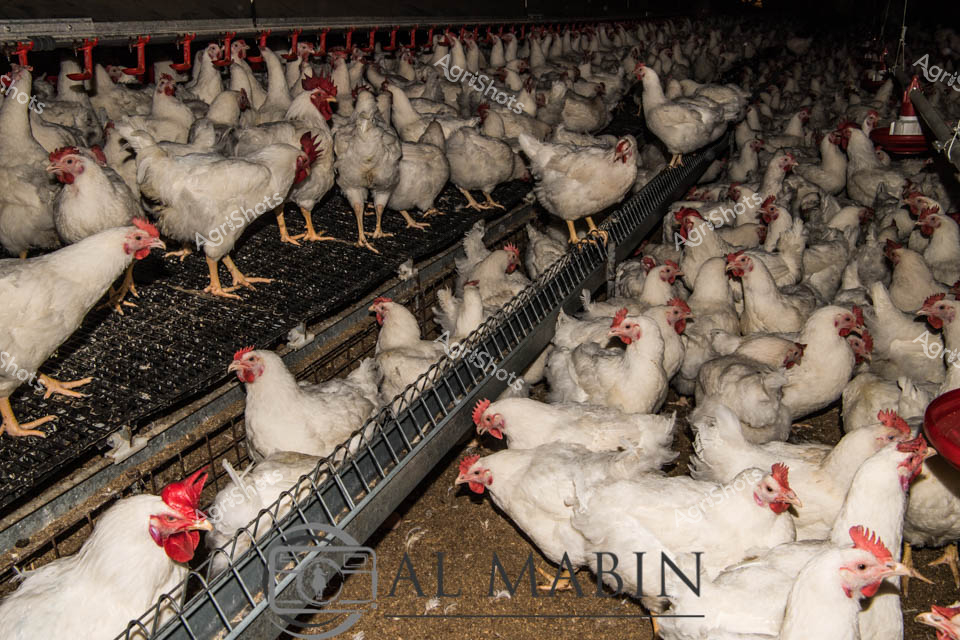
Battery hens crowd densely across layered wire cages and sawdust-covered floors, their pristine white feathers contrasting against the industrial metal infrastructure. Rows of pale birds perch unnaturally close together, their bodies pressed against metal dividers in a uniform grid of commercial egg production. The chickens' red combs provide stark crimson accents against their monochromatic plumage, highlighting the clinical efficiency of this large-scale farming environment. Soft golden sawdust covers the floor, absorbing waste and providing minimal bedding for the tightly confined animals.
 Image
Image
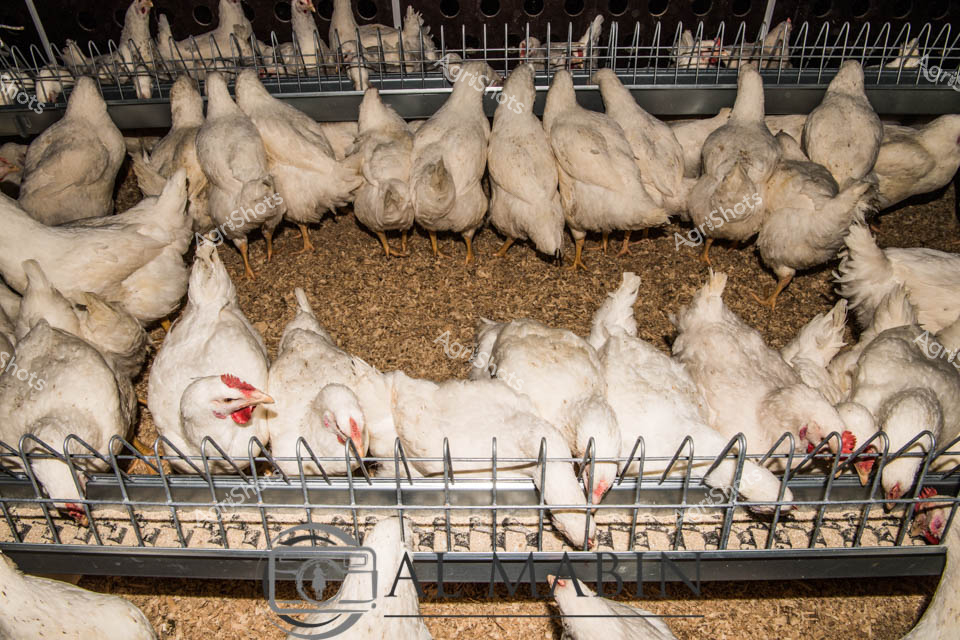
White leghorn chickens densely populate a modern industrial chicken coop, packed tightly across multiple levels of metal wire flooring and feeding platforms. Pristine white feathered birds with bright red combs cluster around silver-gray metal feeding troughs, their bodies pressed closely together in a uniform mass. The controlled environment suggests large-scale egg production, with precise grid-like infrastructure supporting maximum livestock density. Overhead red feeding mechanisms and structured metallic barriers create geometric lines that contrast against the soft, rounded forms of the chickens. The lighting appears even and clinical, highlighting the uniform coloration of the birds and the systematic agricultural approach to poultry farming. This image captures the industrial scale of contemporary egg production, revealing the engineered efficiency of modern agricultural practices where livestock are treated as a carefully managed production resource.
 Image
Image
White leghorn chickens crowd tightly in a mechanized battery cage system, their pale feathered bodies pressed close together on a bed of wood shavings. Metallic wire grid barriers separate the dense layers of poultry, representing an industrial egg production environment typical of modern large-scale agricultural practices. The chickens appear uniform and pale, their red combs providing stark accent against the monochromatic beige and grey tones of the enclosure. Each bird stands or sits in a carefully regimented space, reflecting the systematic approach of commercial poultry farming. The tightly controlled environment suggests precision and efficiency, with minimal space allocated per bird and structured feeding and roosting zones. Dark substrate beneath the cages and the uniform positioning of the chickens underscore the highly regulated nature of contemporary egg production systems, revealing the industrial scale of Australian agricultural livestock management.