About this image
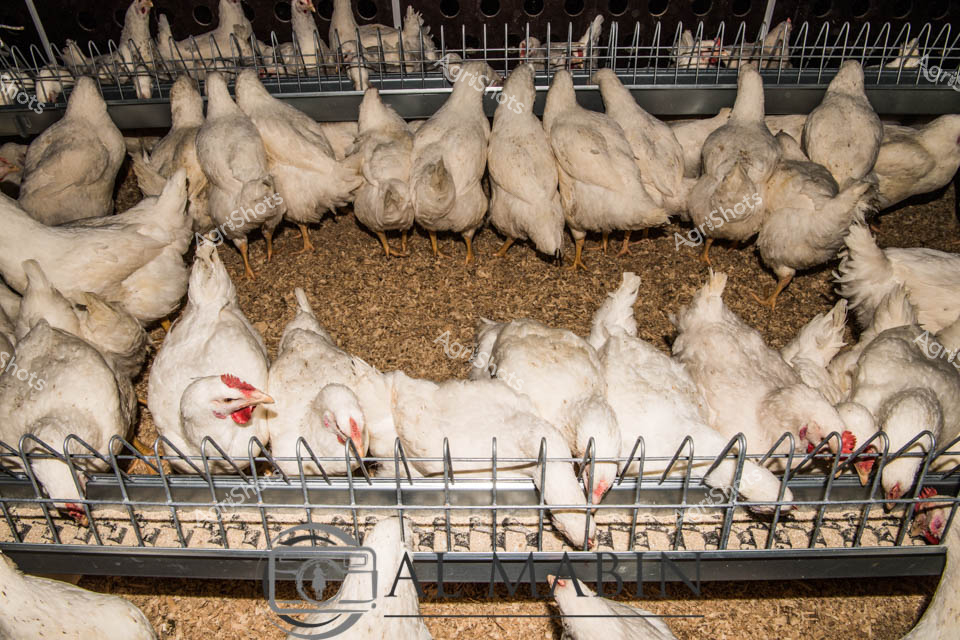
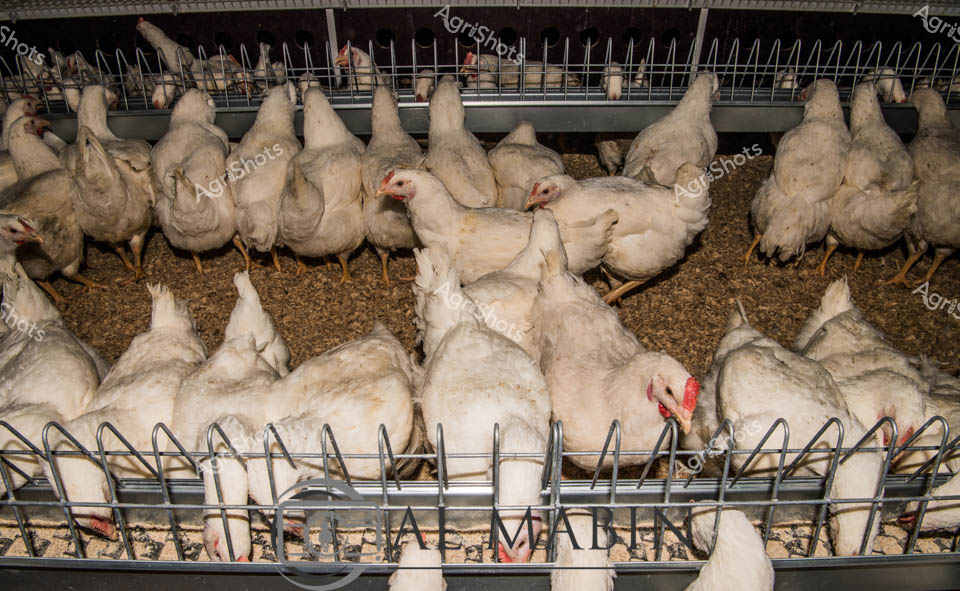
White leghorn chickens crowd tightly in a mechanized battery cage system, their pale feathered bodies pressed close together on a bed of wood shavings. Metallic wire grid barriers separate the dense layers of poultry, representing an industrial egg production environment typical of modern large-scale agricultural practices. The chickens appear uniform and pale, their red combs providing stark accent against the monochromatic beige and grey tones of the enclosure. Each bird stands or sits in a carefully regimented space, reflecting the systematic approach of commercial poultry farming. The tightly controlled environment suggests precision and efficiency, with minimal space allocated per bird and structured feeding and roosting zones. Dark substrate beneath the cages and the uniform positioning of the chickens underscore the highly regulated nature of contemporary egg production systems, revealing the industrial scale of Australian agricultural livestock management.
Similar media
 Image
Image
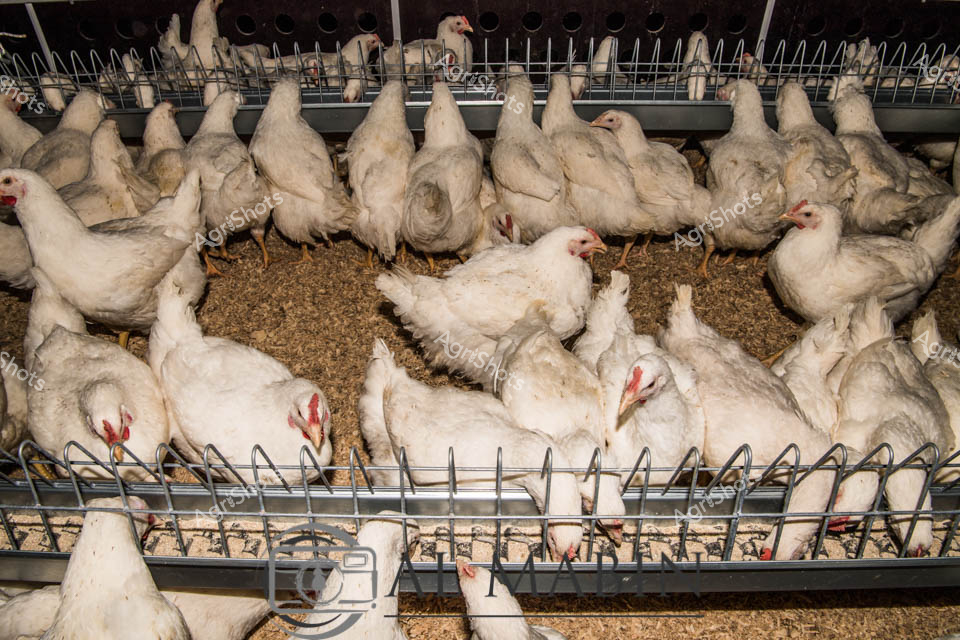
White leghorn chickens cluster densely in a multi-tiered battery cage system, representing large-scale commercial egg production. The pale birds are tightly packed across wire mesh levels, standing on a ground layer of fine grain feed material. Red combs provide stark contrast against their uniform white feathering, while the metallic gray cage infrastructure creates a geometric backdrop of parallel lines and rigid compartments. Each bird appears compressed and restricted, with minimal space for movement, highlighting the industrialized nature of modern poultry farming. The monochromatic color palette of white, gray, and beige emphasizes the systematic and controlled environment of large-scale agricultural production. This image captures the stark efficiency of contemporary chicken farming, where maximizing space and output takes precedence over individual animal comfort.
 Image
Image
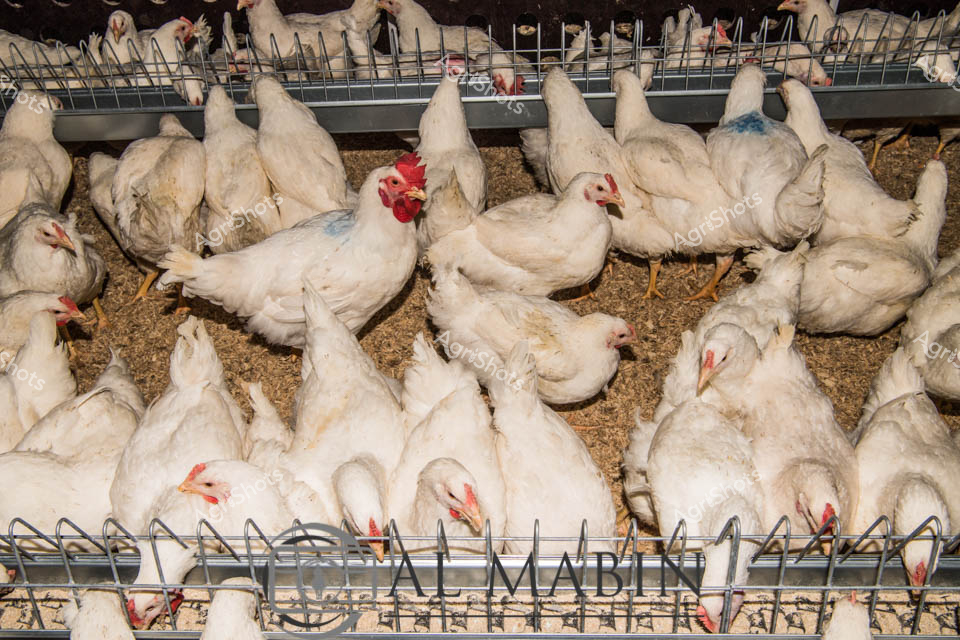
Battery-caged white leghorn chickens cluster tightly across multiple wire-mesh levels, their pale feathers dulled by dust and confinement. Densely packed in a commercial egg production facility, these birds represent industrial-scale poultry farming common throughout Tasmania's agricultural regions. Red combs provide stark contrast against their uniform white plumage, while the wire enclosures restrict movement, maximizing space efficiency. The ground is covered with scattered straw bedding, and metal infrastructure frames the tightly regulated environment. These chickens are positioned in precise, calculated rows - a systematic approach to protein production that prioritizes output over individual animal welfare. The image captures the mechanized reality of modern egg production, where living creatures are transformed into standardized agricultural units, their existence defined by productive capacity rather than natural behaviors.
 Image
Image
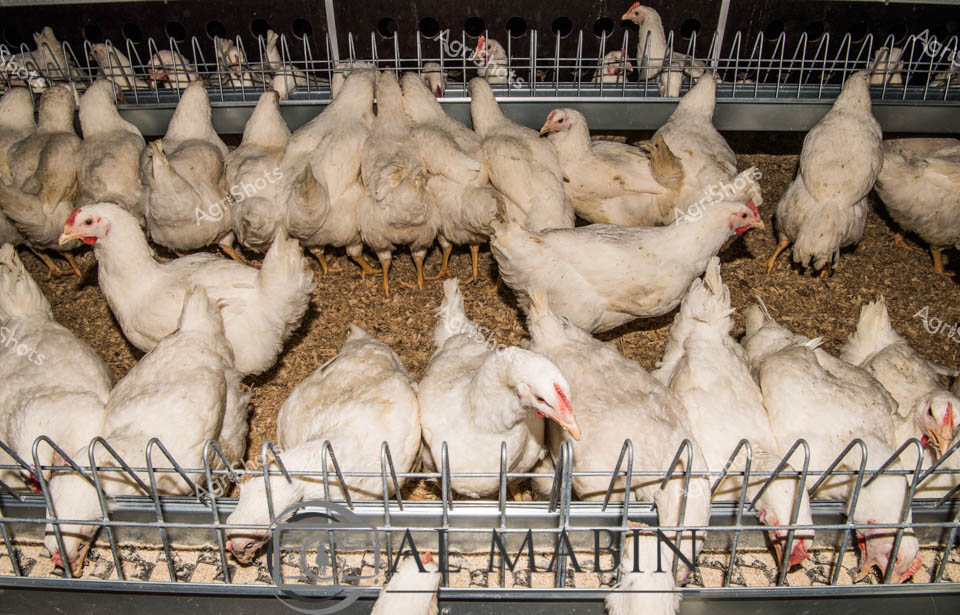
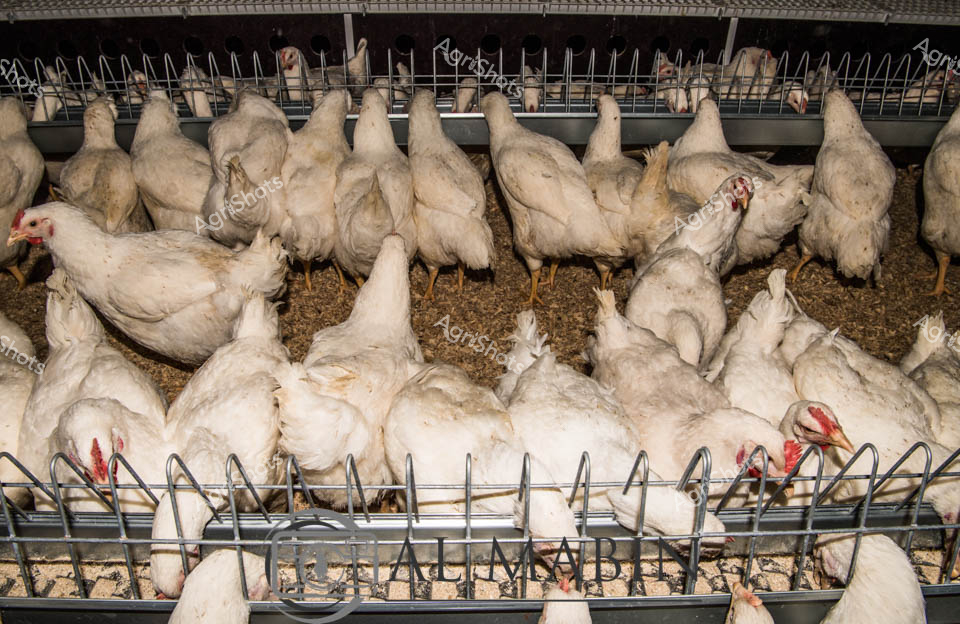
White Leghorn broiler chickens crowd a multi-tiered battery cage system, densely packed across metal wire enclosures lined with bedding material. The industrial poultry shed reveals a tightly controlled agricultural environment, designed for efficient meat production with uniform white feathered birds standing shoulder-to-shoulder. Fluorescent lighting casts a clinical illumination across the uniform flock, highlighting their plump bodies and bright red combs against the neutral palette of beige and gray. Wire partitions segment the space, creating standardized living units that maximize spatial efficiency and streamline livestock management. The chickens' clustered postures reflect the confined conditions of large-scale farming, their movements restricted yet synchronized in a choreographed landscape of industrial agriculture.
 Image
Image
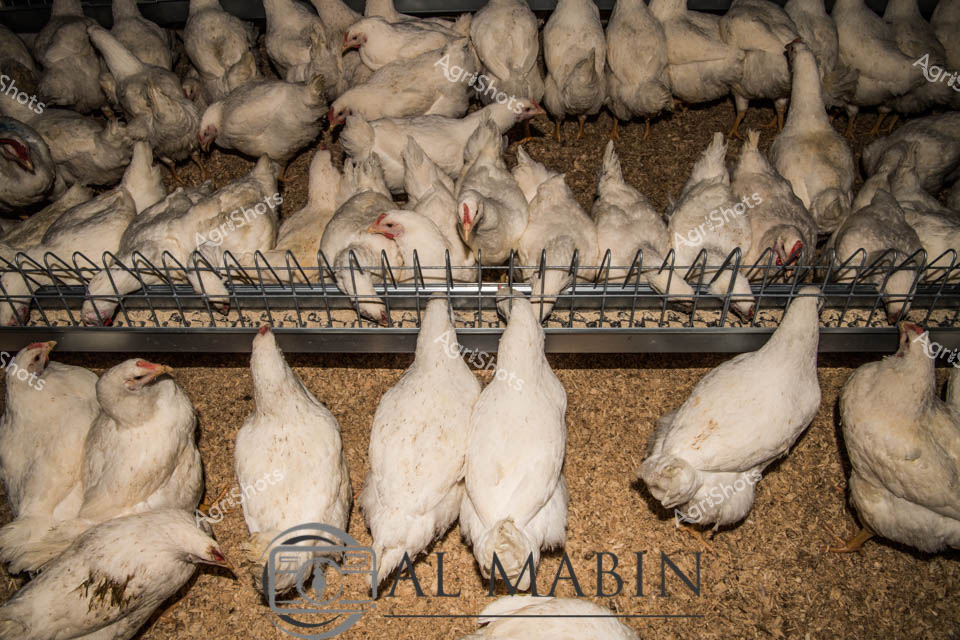
Pale white broiler chickens crowd densely packed wire-mesh cages in a mechanized industrial poultry production facility. Rows of identical birds huddle closely together on a substrate of coarse brown bedding material, their uniform coloration and muscular bodies indicating selective breeding for rapid meat production. Stark metal infrastructure frames the confined space, with multiple stacked levels of containment visible. The chickens' red combs provide the only vivid color contrast against their pale feathered bodies, highlighting the systematic and controlled nature of modern agricultural livestock management. These meat chickens demonstrate the large-scale agricultural techniques used to maximize protein production efficiency, with each bird positioned tightly against its neighbors in a carefully engineered environment designed for rapid growth and economic optimization. The image captures the industrial precision of contemporary Australian poultry farming, revealing the engineered approach to large-scale food production.
 Image
Image
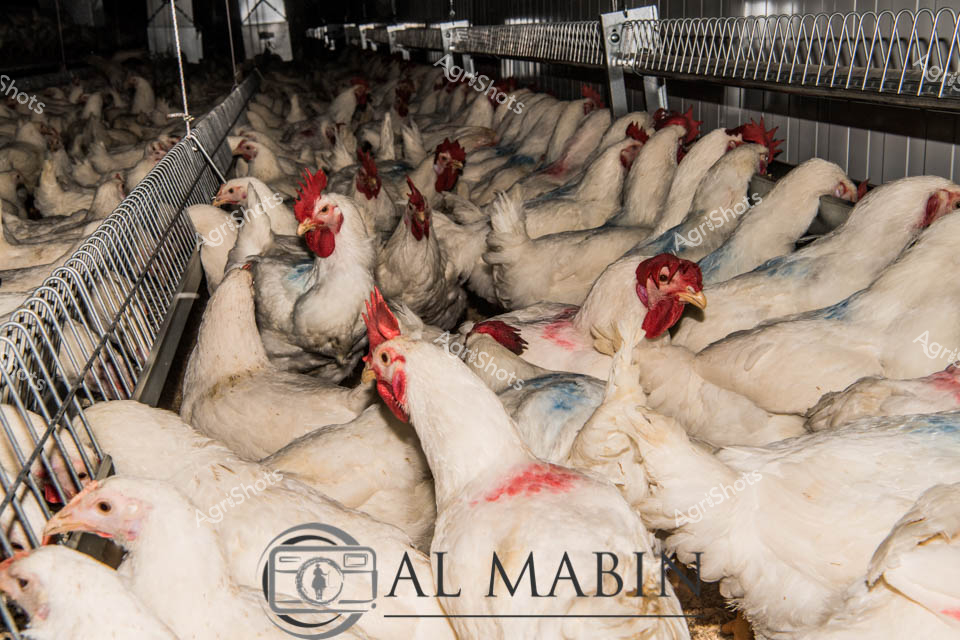
Battery hens crowd densely across layered wire cages and sawdust-covered floors, their pristine white feathers contrasting against the industrial metal infrastructure. Rows of pale birds perch unnaturally close together, their bodies pressed against metal dividers in a uniform grid of commercial egg production. The chickens' red combs provide stark crimson accents against their monochromatic plumage, highlighting the clinical efficiency of this large-scale farming environment. Soft golden sawdust covers the floor, absorbing waste and providing minimal bedding for the tightly confined animals.
 Image
Image
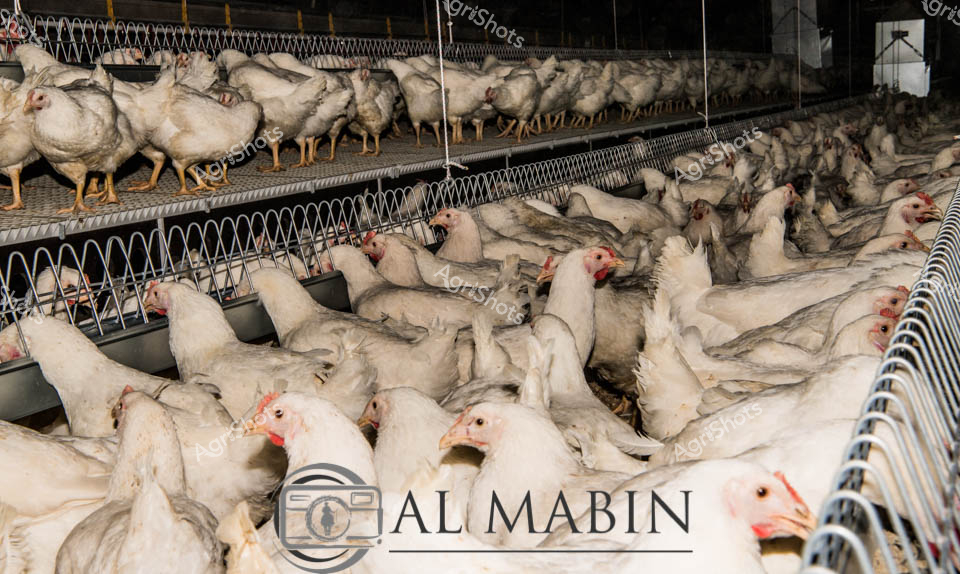
Layer upon layer of white-feathered chickens crowd tightly within a steel-framed battery cage system, their bright red combs standing in stark contrast to their pale plumage. These commercial laying hens represent the intense efficiency of modern poultry production, packed closely together with minimal individual space. The uniform white birds demonstrate selective breeding for maximum egg production, their bodies pressed against metal wire dividers that segment and constrain their movement. Red markings on some birds suggest potential stress or pecking interactions within the densely populated environment. The industrial precision of the housing - with its repeated geometric lines and uniform metal infrastructure - speaks to the systematic approach of contemporary agricultural practices. Despite the clinical setting, there's an undeniable visual complexity in the layered textures of feathers, wire, and the rhythmic patterns created by the closely confined birds, captured under the Al Mabiti agricultural photography brand.
 Image
Image
Densely packed white chickens crowd the multi-tiered wire battery cages of a commercial egg production facility, their pale feathered bodies pressed tightly against each other. Stark industrial lighting illuminates the uniform flock, their reddish combs providing the only splash of color against the monochromatic metallic infrastructure. Each level of the systematic steel framing contains rows of birds, meticulously arranged to maximize production efficiency in this large-scale agricultural environment. The cramped conditions reveal the industrial scale of modern poultry farming, where chickens are viewed as units of production rather than living creatures. Red-combed hens huddle together, their movements restricted by the narrow wire mesh that defines their entire existence.
 Image
Image
Battery-caged white leghorn chickens crowd densely within multiple wire enclosures, their pale feathered bodies pressed tightly against metal dividers. The industrial agricultural setting reveals a systematic, uniform arrangement with layers of birds positioned across stacked metal cages lined with scattered grain and organic debris. Stark overhead lighting casts uniform shadows, emphasizing the mechanical precision of large-scale poultry production. Each bird appears similar - pale cream-colored plumage, some with reddened combs, standing or sitting in constrained positions that highlight the efficiency-driven environment of commercial egg production. The image captures the industrial scale of modern agricultural practices, where livestock are positioned as uniform production units rather than individual creatures. Textural details of wire mesh, feathered bodies, and granular bedding create a complex visual landscape that speaks to contemporary food system infrastructures.