
About this image
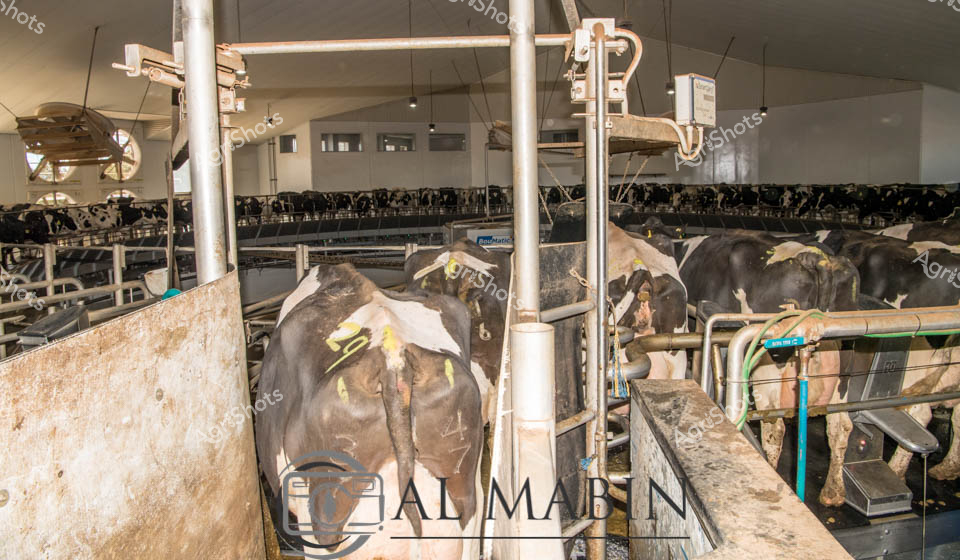
SmartDairy's cutting-edge rotary milking shed captures the precision of modern Australian dairy production. Holstein-Friesian dairy cows stand transfixed in gleaming metal gates, their distinctive black and white coats contrasting against the industrial steel infrastructure. Overhead structural beams and massive circular mechanical components frame the sophisticated milking platform, which rotates slowly, allowing each cow to be efficiently milked in turn. The galvanized steel railings and high-tech SmartDairy monitoring equipment represent the pinnacle of agricultural technology, transforming traditional farming into a streamlined, data-driven operation. Soft filtered light bathes the interior, highlighting the clean, systematic design of this state-of-the-art dairy facility. Every element speaks to the careful balance of animal welfare and technological innovation that defines contemporary Australian agricultural practice.
Similar media
 Image
Image
Smart Dairy automation transforms modern cattle management in this expansive rotary milking shed. A classic black and white Holstein dairy cow stands within precise metal gates, part of an advanced robotic milking platform featuring a SmartDairy control system. Massive industrial ceiling fans and gleaming metal infrastructure create an efficient, climate-controlled environment designed for precision livestock production. The metallic framework and mechanical gates showcase cutting-edge agricultural technology, where each movement and process is carefully engineered to optimize milk production and animal welfare. Overhead industrial lighting casts a warm, golden tone across the galvanized steel railings and technical equipment, highlighting the sophisticated intersection of agricultural science and animal husbandry. This high-tech dairy facility represents the pinnacle of Australian agricultural innovation, where traditional farming meets 21st-century technological precision.
 Image
Image
Gleaming steel and pristine white infrastructure frame a modern rotary dairy milking shed, where a herd of black and white Holstein dairy cows stand in precise circular formation. The precision-engineered milking platform revolves slowly, allowing each cow to be systematically milked with advanced automated equipment. Yellow ear tags mark each animal, providing individual identification in this high-efficiency agricultural operation typical of New South Wales' sophisticated dairy industry. Industrial lighting casts a clinical brightness across the shed, highlighting the clean lines of metal railings, pipes, and mechanical milking units that represent the pinnacle of agricultural technology. Large ventilation fans circulate air, ensuring the cattle remain comfortable during the methodical milking process. This image captures the intersection of animal husbandry and cutting-edge agricultural engineering, showcasing how modern Australian dairy farmers maximize productivity and animal welfare through innovative design and technology.
 Image
Image
Holstein dairy cows stand patiently in a steel-railed milking shed, their black and white coats marking them as classic Tasmanian dairy breed stock. Yellow identification tags - numbered 6009 and adjacent numbers - hang from their ears, tracking each animal in this carefully managed agricultural environment. The rotary dairy infrastructure surrounds them, with metal stanchions and curved rails holding the cows securely during milking operations. Straw and feed are visible on the floor, suggesting early morning feeding and preparation for the daily milking routine. Soft natural light filters through the shed's windows, highlighting the muscular flanks and calm demeanor of these productive livestock. The scene captures the methodical, industrial precision of modern dairy farming, where each animal is a carefully monitored component of a sophisticated agricultural system.
 Image
Image
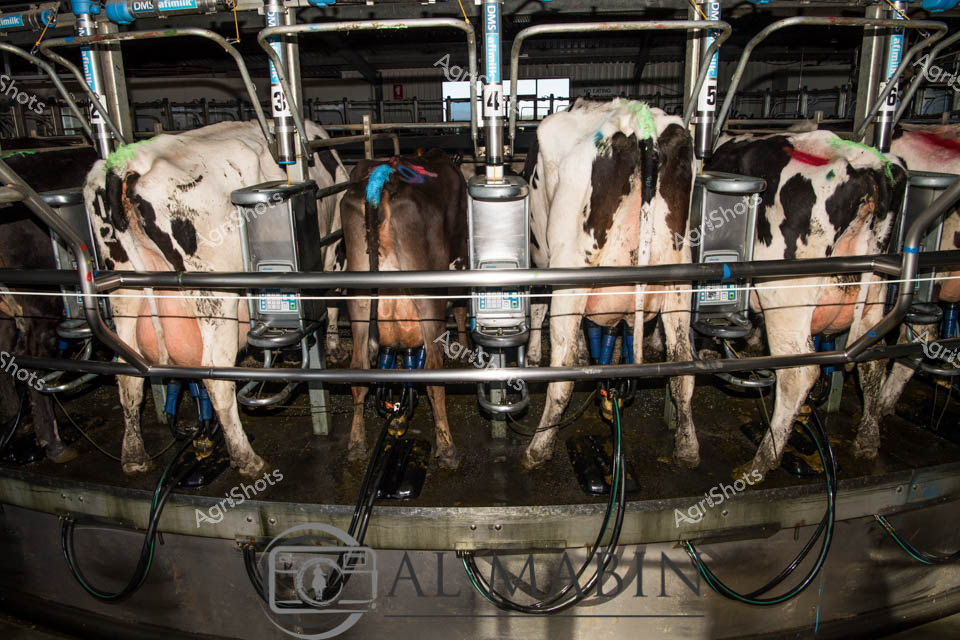
Gleaming stainless steel and precision engineering define this modern rotary milking shed, where Holstein dairy cows stand rhythmically positioned in a circular mechanical marvel. Pristine white and black-patched cattle occupy individual stations, their udders full and pendulous, connected to automated milking equipment that pulses with technological efficiency. Blue and green hydraulic lines snake around the metallic framework, while numbered stations mark each cow's precise location in this choreographed agricultural dance. The rotary platform turns slowly, allowing each animal to be milked with minimal stress and maximum productivity - a testament to Tasmania's advanced dairy farming practices. Overhead lighting illuminates the clean, clinical environment, highlighting the stark contrast between the organic living creatures and the machine-driven precision surrounding them. Subtle markings of blue and red pigment dot the cows' backs, likely used for identification and tracking in this meticulously managed herd. This image captures the heart of modern agricultural innovation: where traditional livestock farming meets cutting-edge technology, transforming rural production into a sophisticated, data-driven enterprise. The rotary dairy represents both the economic backbone of Tasmania's agricultural sector and the remarkable engineering that supports Australia's global reputation for high-quality dairy production.
 Image
Image
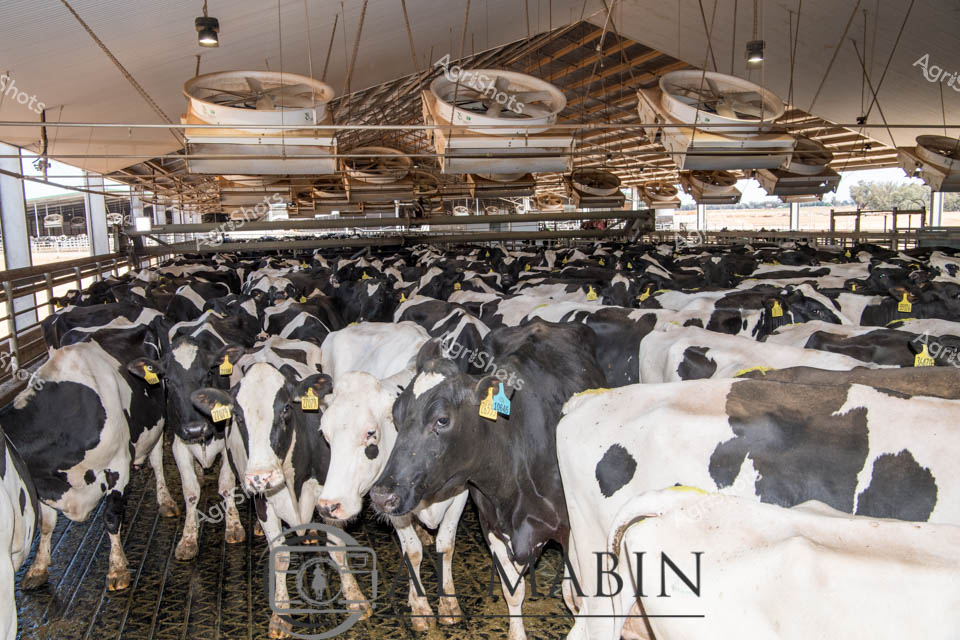
Holstein dairy cattle crowd a state-of-the-art rotary milking shed, their distinctive black and white coats creating a dense, living tapestry across the shed's floor. Overhead, large industrial fans circle lazily, providing ventilation in what appears to be a warm Australian agricultural setting. Yellow identification tags punctuate each cow's ear, marking them as part of a carefully managed herd, their muscular bodies reflecting generations of selective breeding for optimal milk production. The robust infrastructure - with its steel framework, raised roof, and precision engineering - showcases the sophisticated technology of modern dairy farming in New South Wales. Rhythmic and purposeful, the scene captures the intersection of animal husbandry and agricultural innovation, where tradition meets cutting-edge agricultural practice. The metallic greys and whites of the shed contrast beautifully with the organic black and white patterns of the Holstein cattle, creating a compelling visual narrative of Australian rural productivity.
 Image
Image
Black and white Holstein dairy cows stand tightly arranged in individual stalls within a modern rotary milking shed. The circular mechanical platform allows efficient simultaneous milking of multiple animals, representing advanced agricultural technology in Tasmania's dairy industry. Sturdy metal railings divide each cow's allocated space, with blue piping and mechanical infrastructure visible around the curved production area. Yellow ear tags identify individual animals, while the polished concrete floor and clean metallic infrastructure suggest a highly regulated, hygienic environment. The cows appear calm and professionally managed, positioned precisely for automated milking procedures that maximize dairy production efficiency. Soft ambient lighting illuminates the interior of the shed, highlighting the sleek industrial design and systematic approach to contemporary livestock management.
 Image
Image
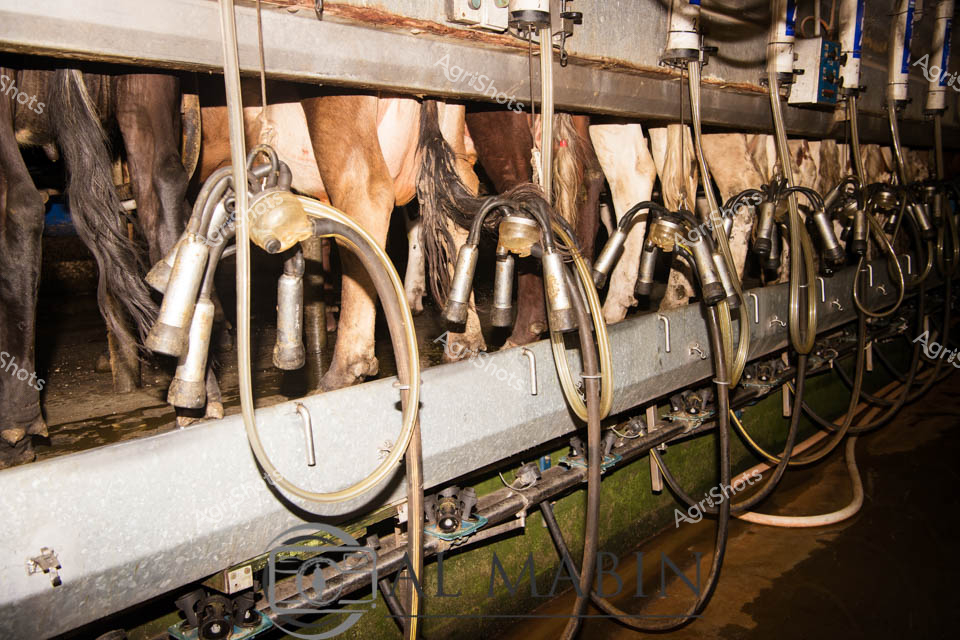
Gleaming stainless steel milking clusters encircle the udders of Holstein and Illawarra dairy cows in a meticulously organized dairy shed. The precision machinery stands ready, suspended from a concrete platform, with multiple milking units aligned in parallel, capturing the rhythmic efficiency of modern Australian dairy production. Rich variations of brown, white, and grey coats blend together as the cows stand quietly, connected to automated vacuum pumps that extract milk with mechanical consistency. Industrial lighting casts a stark illumination across the shed, highlighting the complex network of tubes, valves, and hydraulic connections that represent decades of agricultural technological refinement. This scene epitomizes the contemporary dairy farming landscape of New South Wales - a seamless integration of animal husbandry and sophisticated engineering, where generations of agricultural expertise converge in a single, purposeful moment of milk production. The cool, clinical environment speaks to the high standards of hygiene and precision that define Australia's world-class dairy industry.
 Image
Image
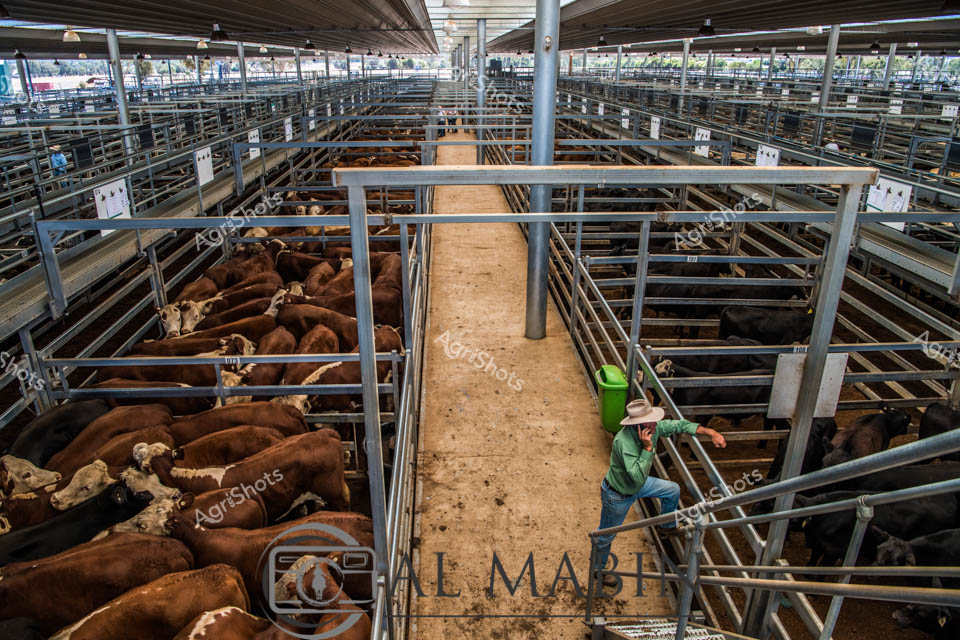
Corralled cattle stand shoulder to shoulder in neat metal pens at a bustling livestock sale yard, likely in the New England Region of New South Wales. A stockyard worker in a green shirt and wide-brimmed hat moves purposefully between the rows, navigating the narrow walkway separating dense groups of reddish-brown beef cattle. The expansive indoor facility features a grid of metallic fencing and support pillars, creating a systematic environment for agricultural commerce. Overhead lighting illuminates the sandy-colored floor and the varied tones of the cattle, from rich mahogany to lighter tan, highlighting their muscular frames and calm demeanor. This scene captures the rhythm of rural agricultural trading, where livestock are carefully sorted, assessed, and prepared for sale in a professional, structured setting. The methodical arrangement and controlled movement reflect the precision of modern cattle trading in Australian agricultural markets.