About this image
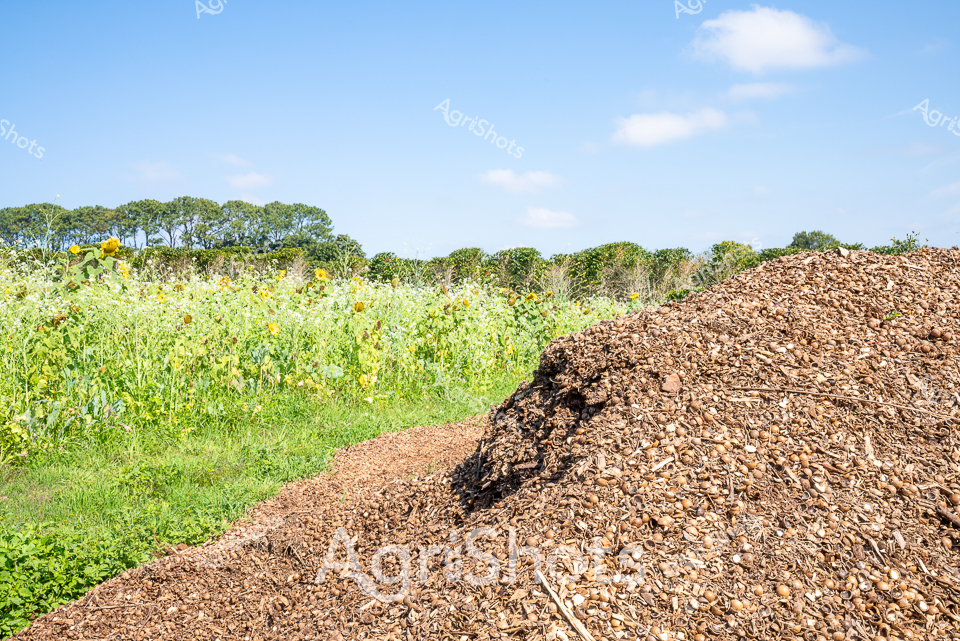
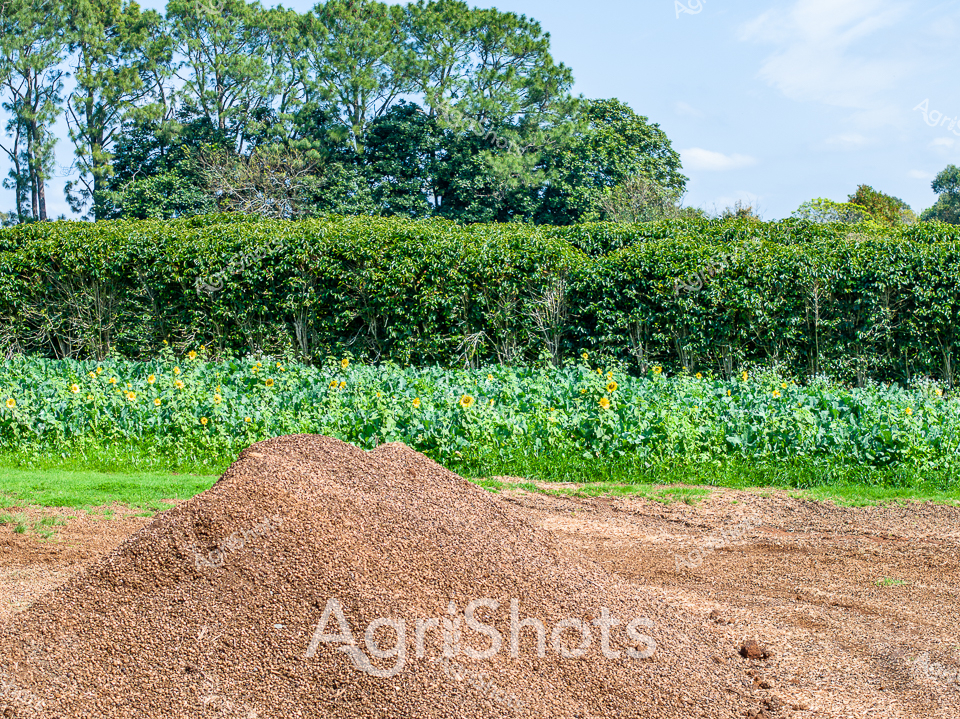
Golden sunflowers dance among verdant green grasses, creating a vibrant understory beneath a distant treeline in this lush agricultural landscape of the Northern Rivers region of New South Wales. In the foreground, a massive mound of macadamia nut shells dominates the composition - a rich, textured pile of warm brown organic material representing sustainable agricultural practice and waste recycling. The shells, byproducts of macadamia processing, will likely be repurposed as valuable compost or mulch, enriching the soil for future crop cycles. Brilliant spring sunlight bathes the scene, casting soft shadows across the undulating ground and highlighting the intricate layers of agricultural production. The carefully cultivated cover crop surrounding the macadamia shell pile demonstrates sophisticated land management techniques, with nitrogen-fixing and soil-building plants intermixed to promote ecological health. This image captures the harmonious intersection of agricultural productivity, environmental stewardship, and the vibrant natural beauty of Australia's premier agricultural landscapes.
Similar media
 Image
Image
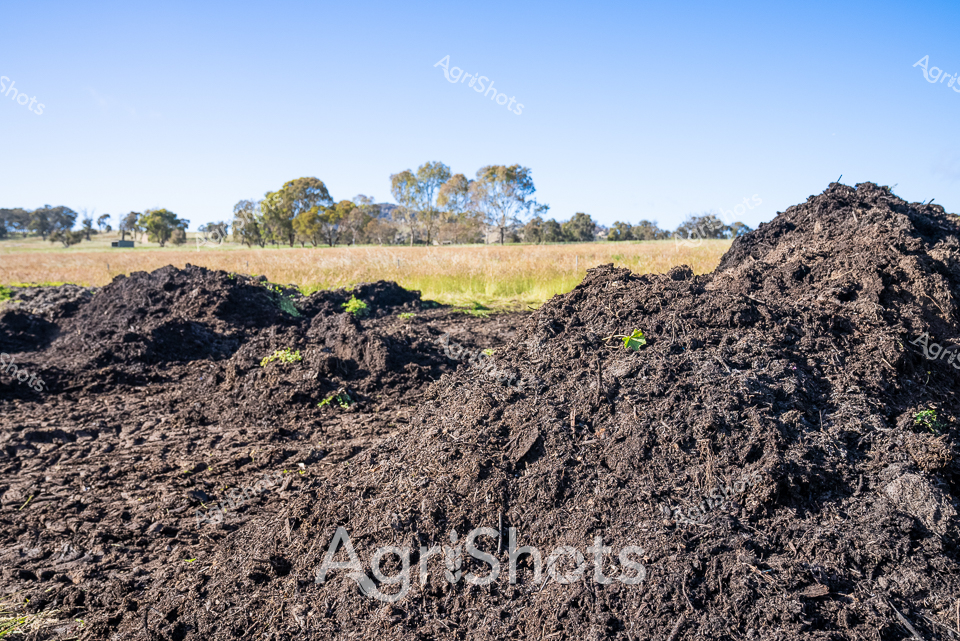
Dark, rich compost heaps dominate the foreground, their deep charcoal-brown surfaces revealing complex textures and occasional hints of bright green emerging seedlings. Rolling golden pastureland stretches behind, punctuated by scattered eucalyptus trees under a clear azure sky - quintessential Victorian agricultural landscape. These substantial organic matter mounds represent a critical regenerative farming technique, transforming green waste and agricultural byproducts into nutrient-dense soil amendments. The carefully constructed compost piles demonstrate sophisticated waste reduction and recycling practices, with meticulously layered organic materials slowly decomposing to create vital fertiliser for future crops. Sunlight illuminates the scene, casting subtle shadows across the undulating heaps and highlighting the rich biological processes at work. This image captures the essence of sustainable agricultural practices, where waste becomes a valuable resource and ecological cycles are carefully managed to support ongoing land productivity.
 Image
Image
Macadamia nut processing residue forms a substantial mound of golden-brown shells, carefully stockpiled in a verdant agricultural landscape. Vibrant green sunflowers dance in the foreground, their yellow blossoms creating a cheerful groundcover beneath a lush tree line of native Australian vegetation. The compost pile represents a critical element of sustainable farming practices in the Northern Rivers region of New South Wales, where agricultural waste becomes a valuable resource for soil enrichment. Rich earth tones of the shell mound contrast beautifully with the emerald and chartreuse hues of the surrounding vegetation, capturing the cyclical nature of agricultural production. This spring scene embodies the region's commitment to regenerative farming, transforming agricultural by-products into nutrients that will nourish future crops. The carefully managed landscape speaks to the meticulous approach of local farmers who understand that every element of their production has potential value.
 Image
Image
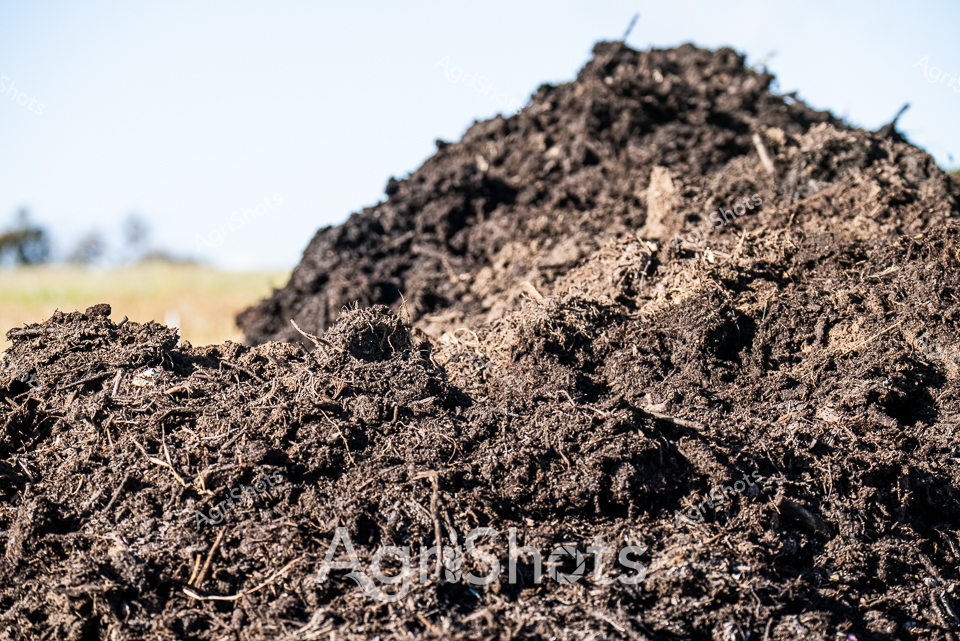
Rich, dark compost teems with organic potential, its complex texture telling a story of regenerative agricultural practice. Layers of decomposed green waste, manure, and agricultural residue create a complex mosaic of earthy browns and deep charcoal tones, revealing the intricate microbial landscape that drives soil health. Each clump represents a transformative process where waste becomes nutrition, embodying Victoria's commitment to sustainable farming techniques. Tiny fragments of plant matter, twigs, and fibrous materials are visible throughout the pile, demonstrating the comprehensive recycling approach of modern regenerative agriculture. The background hints at an expansive rural landscape, suggesting this composting operation is part of a broader ecosystem of environmental stewardship. This rich, living substrate represents more than mere waste - it's a critical component of soil regeneration, carbon sequestration, and sustainable food production.
 Image
Image
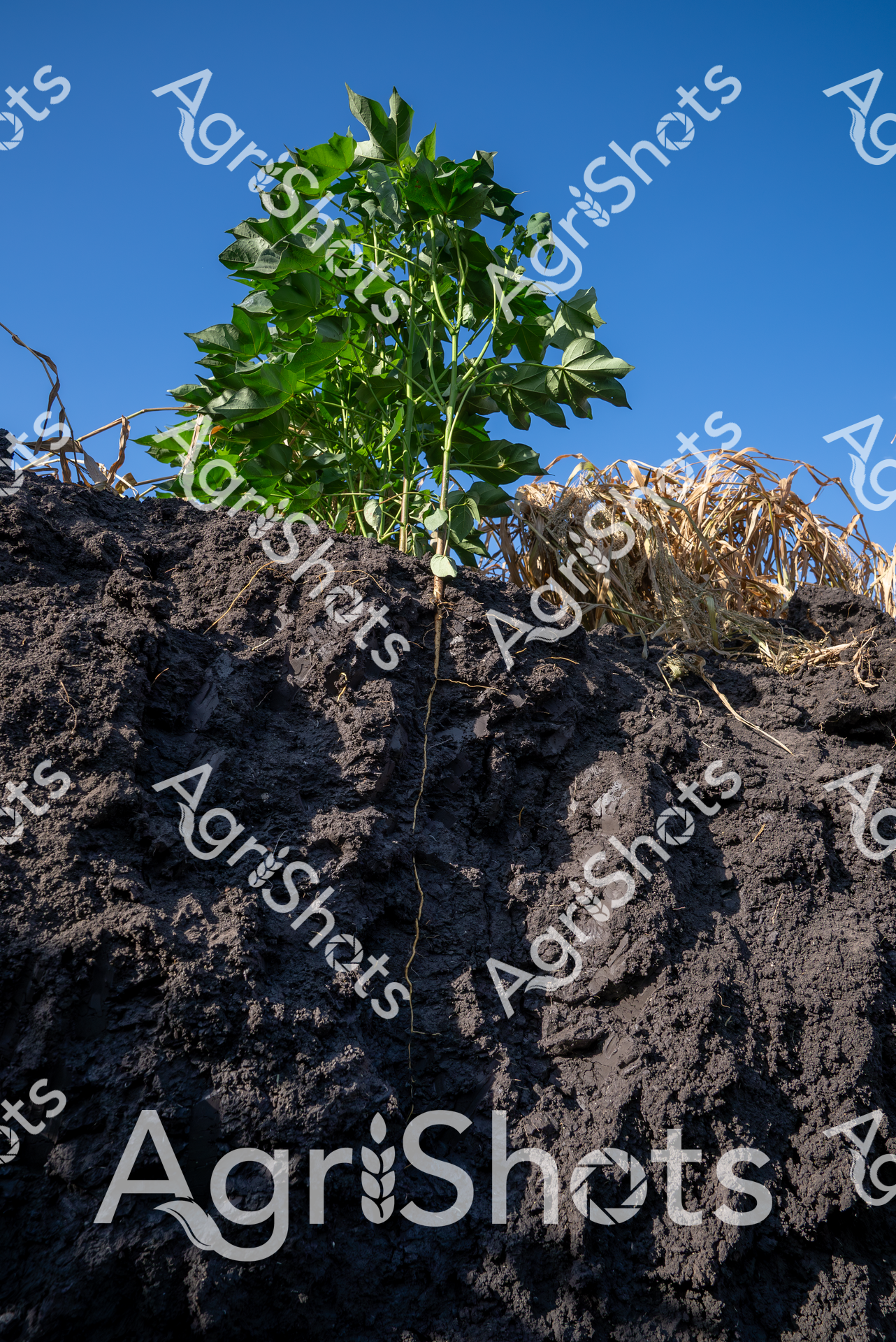
Vibrant green shoots of a young cotton or millet plant rise defiantly from a rich, dark soil profile, revealing the intricate layers of agricultural promise in Queensland's fertile Darling Downs region. The stark cross-section exposes the plant's delicate root system stretching deep into the cracked, textured earth, a testament to the resilience of dryland cropping. Withered crop residue from a previous season crowns the soil's edge, highlighting the practiced art of dual cropping and sustainable agricultural management. Against a pristine azure sky, the verdant seedling symbolizes renewal and potential, capturing the precise moment of agricultural hope during the intense summer growing season. The detailed soil profile tells a complex story of geological history, nutrient composition, and the careful stewardship of the land by generations of Queensland farmers. This image encapsulates the meticulous science and profound poetry of agricultural cultivation, where each layer of soil represents generations of knowledge and each young plant embodies the promise of harvest.
 Image
Image
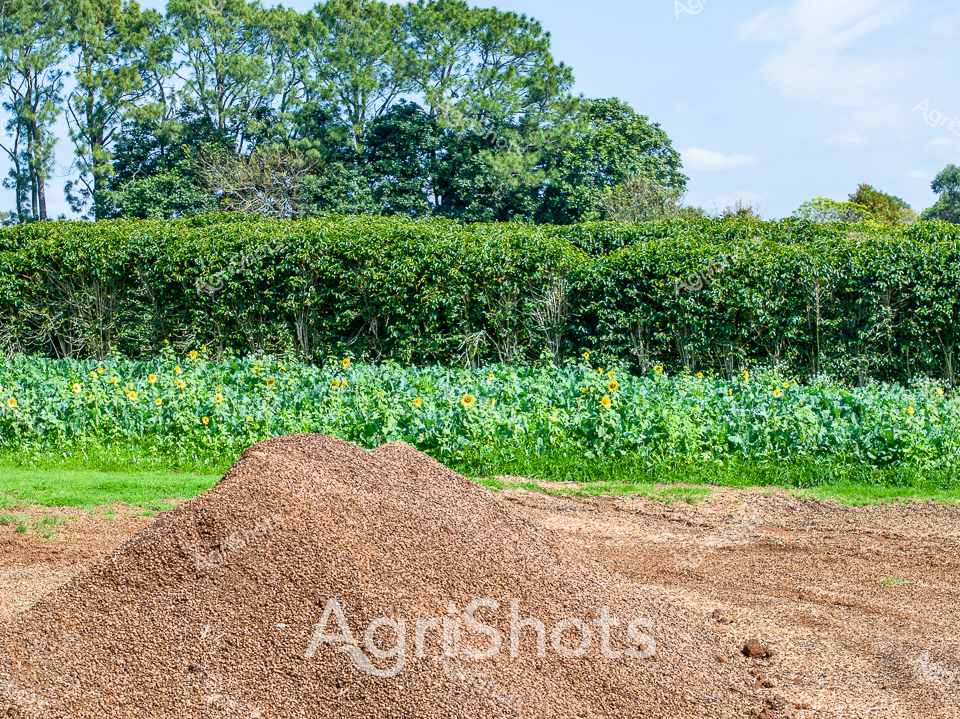
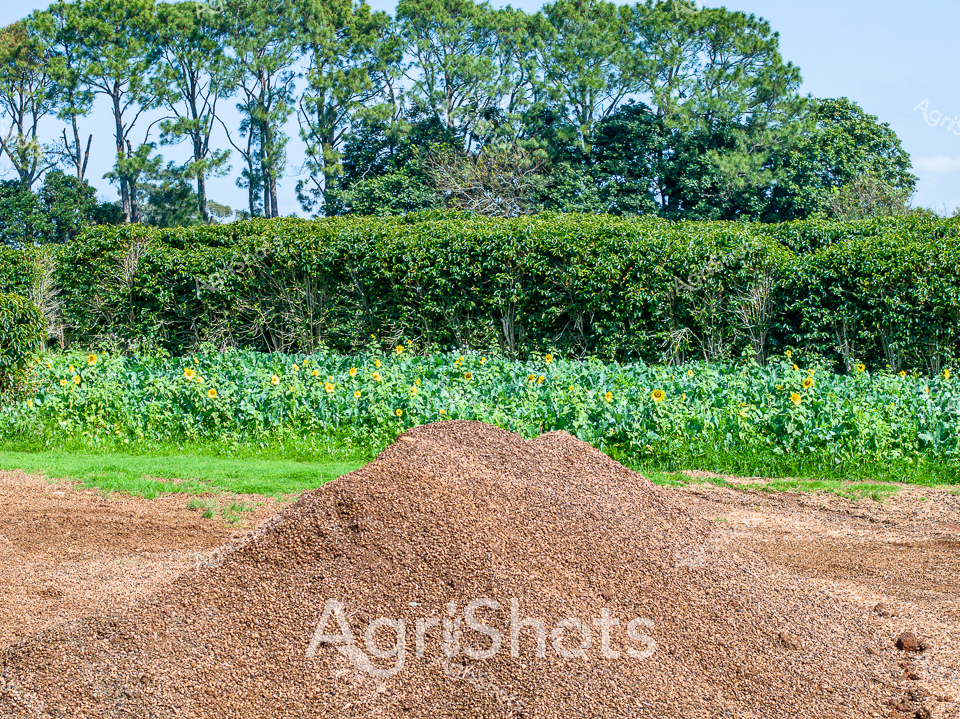
A towering mound of macadamia nut shells dominates the foreground, its rich brown texture speaking to sustainable agricultural practices in the Northern Rivers region of New South Wales. Vibrant green sunflowers dance in the cover crop surrounding the compost heap, creating a lush boundary between the prepared agricultural ground and the dense backdrop of pine and native trees. The crisp spring light illuminates the landscape, casting sharp details across the carefully maintained agricultural plot, revealing the meticulous approach of local farmers to soil health and crop management. This image captures the essence of regenerative agriculture, where every byproduct—in this case, macadamia processing waste—becomes a valuable resource for nurturing the next generation of crops. The undulating layers of organic material suggest a cyclical approach to farming, where waste transforms into nutrients, supporting the thriving ecosystem of the farm. The verdant backdrop and carefully arranged landscape showcase the sophisticated environmental stewardship characteristic of modern Australian agricultural practices.
 Image
Image
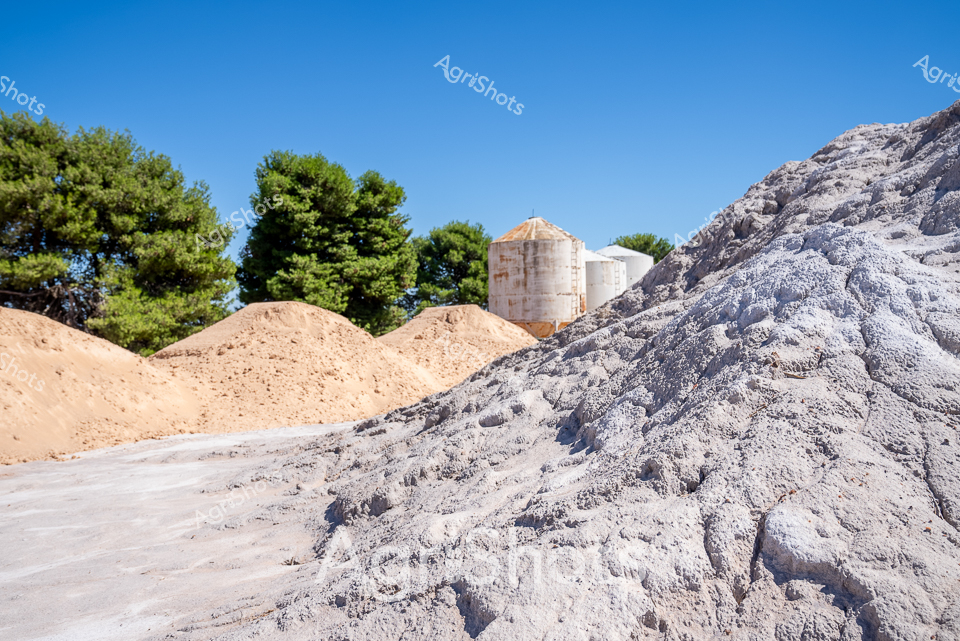
Sun-bleached sand and lime piles dominate this stark agricultural landscape, capturing the essence of mineral preparation in the Riverina region of New South Wales. Pale mounds of crushed limestone rise like sculptural formations against a brilliant cerulean sky, their textured surfaces reflecting the harsh summer light. Weathered grain silos stand sentinel in the background, their neutral tones blending with the surrounding terrain, while clusters of robust pine trees provide a verdant counterpoint to the mineral expanse. The scene speaks to the meticulous soil management practices of Australian farmers, where agricultural amendments like lime are critical for balancing soil pH and enhancing crop productivity. Subtle variations in the pile's coloration - from warm sandy beiges to cool grey-white tones - create a nuanced visual landscape that hints at the scientific precision underlying agricultural production. The image captures a moment of potential, where raw materials await transformation into fertile ground, embodying the calculated patience of rural enterprise.
 Image
Image
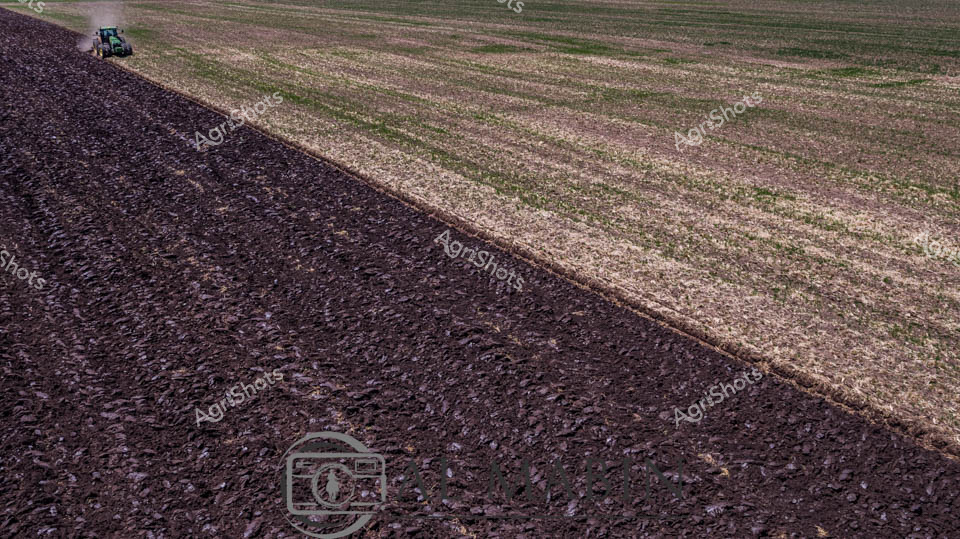
Freshly tilled earth cascades across the frame in deep charcoal and rich chocolate hues, revealing the meticulous preparation of agricultural land in rural Victoria. A John Deere tractor moves steadily along the field's edge, its precise path creating a razor-sharp boundary between the newly ploughed dark soil and the muted tan and green remnants of the previous crop. The stark contrast between the worked and unworked sections demonstrates the rhythmic choreography of modern farming - a landscape transformed by mechanical precision and agricultural expertise. The ploughed field's textured surface tells a story of careful soil management, with each furrow carefully turned to optimize growing conditions for the next season's produce. Subtle variations in the soil's tone suggest organic matter and mineral composition, hinting at the complex ecological system being cultivated. This aerial perspective captures the grand scale of market gardening, where hectares of land are systematically prepared to feed communities. The early morning or late afternoon light casts subtle shadows across the undulating terrain, emphasizing the topographical nuances of this Victorian agricultural landscape. Every meticulously carved groove speaks to generations of farming knowledge, technological innovation, and the continuous cycle of cultivation and renewal.
 Image
Image
A majestic pile of crushed macadamia nut shells dominates the foreground, its rich brown texture a testament to the agricultural processing of this prized native Australian crop. The heap sits on prepared earth, surrounded by a vibrant green cover crop of sunflowers and other plants, creating a dynamic agricultural landscape typical of the Northern Rivers region of New South Wales. Dense green trees form a lush backdrop, suggesting the fertile and well-managed nature of this agricultural setting. The sunflowers peek through with bright yellow blooms, contrasting beautifully against the verdant green foliage and providing natural soil nutrition and biodiversity to the macadamia plantation. This scene captures the essence of sustainable agricultural practices, showcasing how farmers in the region utilize every part of the crop - from the valuable nuts to the shells, which are repurposed as organic mulch and soil amendment. The image radiates the vitality of spring, with clear skies and abundant growth promising a productive season ahead.