Results for “wire cage”
 Image
Image
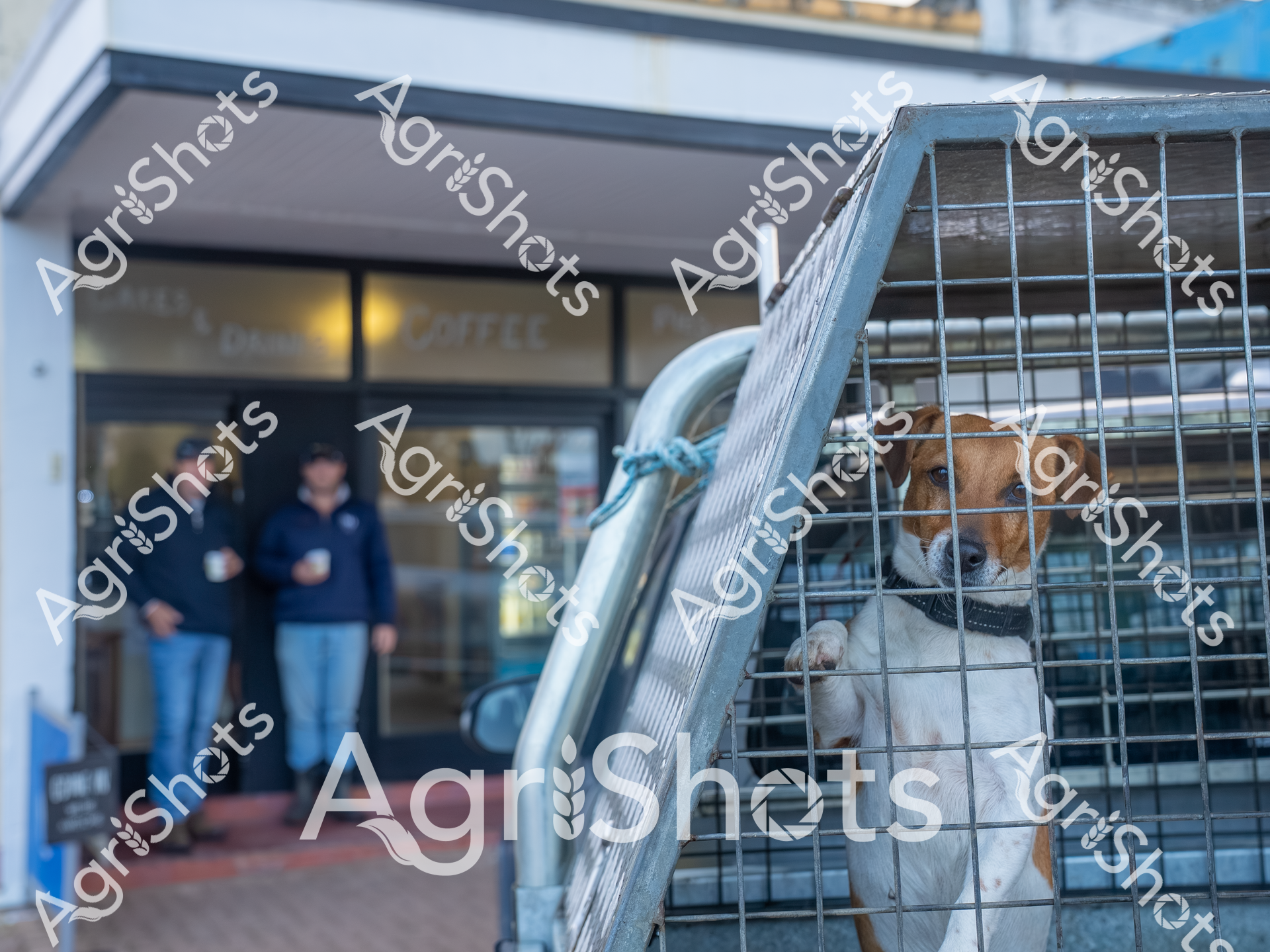
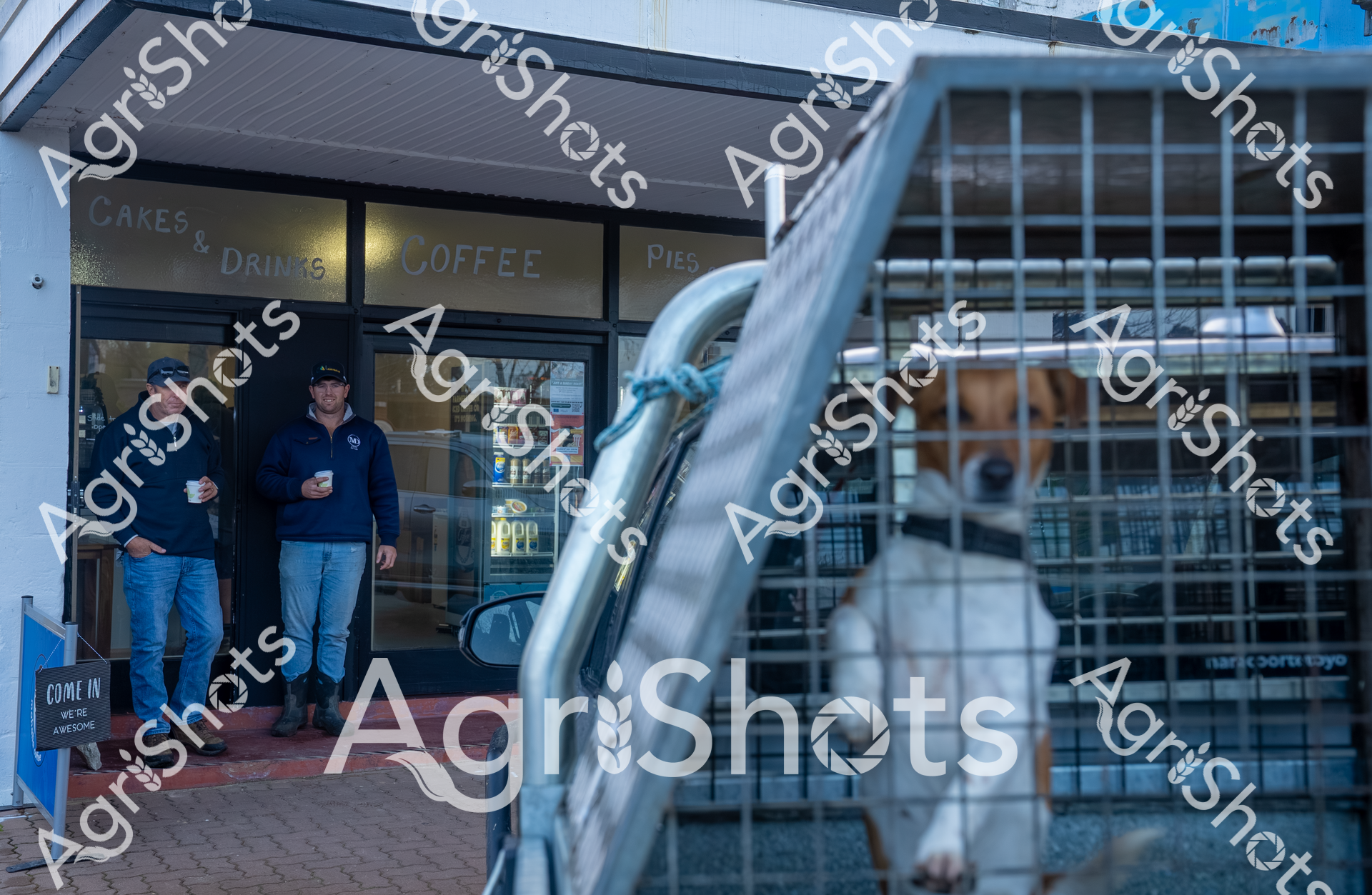
A Jack Russell terrier sits attentively in a metal crate outside a coffee shop, while two men stand inside the doorway during a crisp winter day in South Australia. The dog appears alert and well-behaved, seemingly waiting patiently for its owner while providing a charming scene of everyday companionship and urban wellbeing.
 Image
Image
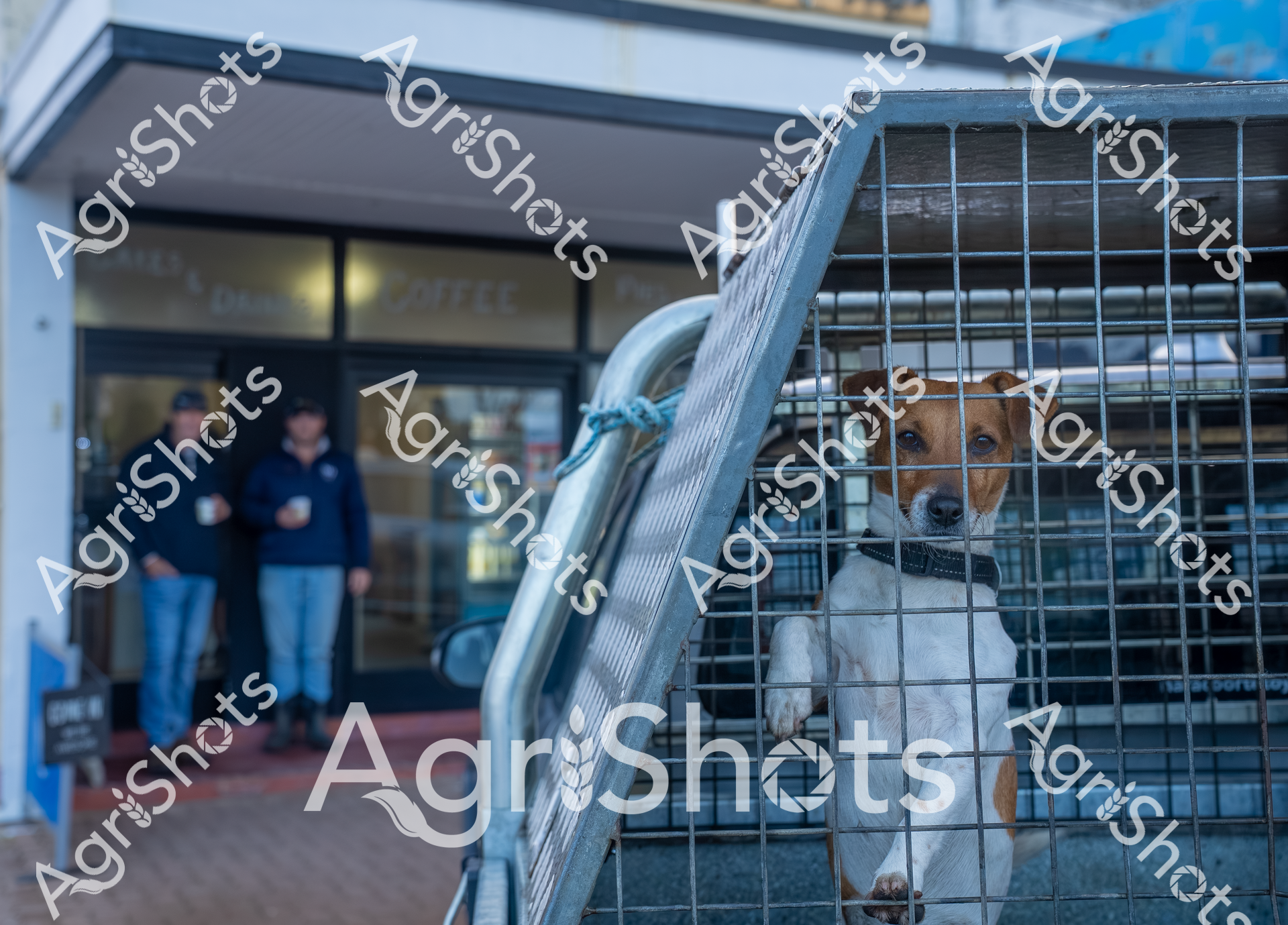
A Jack Russell terrier sits attentively inside a metal transport crate, gazing out while two people stand in the background near a building entrance. The image captures a winter scene in South Australia, suggesting a moment of transition or care for the dog's wellbeing. The crisp, cool setting and the dog's alert expression create a sense of anticipation and quiet companionship.
 Image
Image
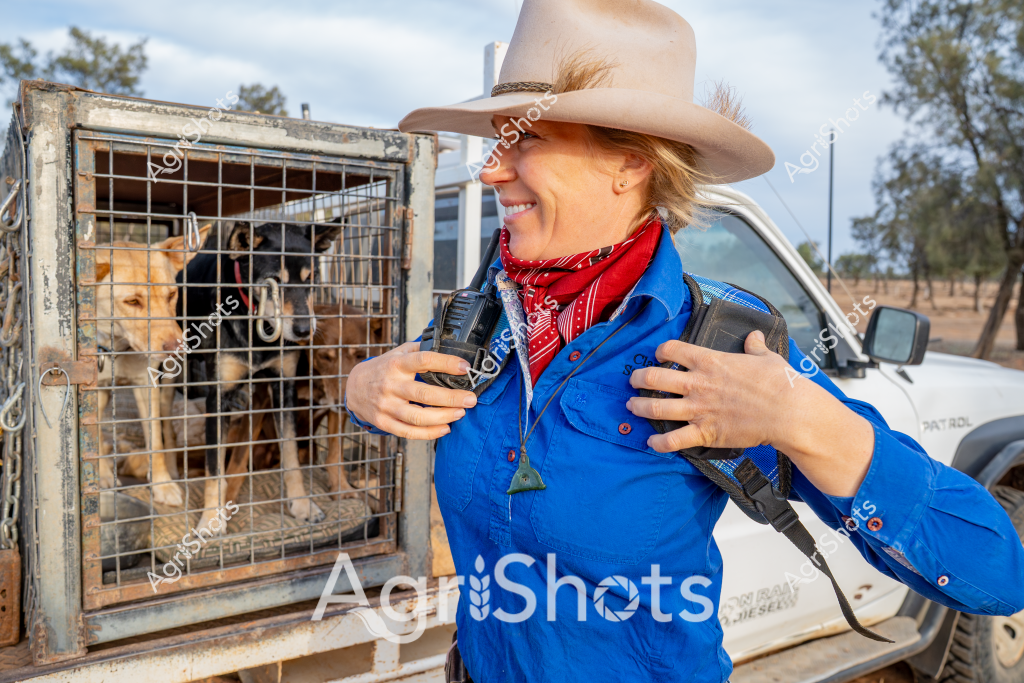
A woman in a blue jacket and red bandana, wearing a cowboy hat, stands beside a wire cage containing several dogs at what appears to be a rural property. The dogs are packed closely together in the transport crate, looking attentively toward the woman. Her wide smile and relaxed posture suggest she is a professional animal handler or veterinary worker transporting or relocating the dogs. The background reveals a white vehicle and sparse trees, indicating an arid or semi-arid Australian landscape, typical of remote regions where working dogs are essential for livestock management. Her outfit - combining practical blue workwear, a vibrant red neckerchief, and a classic Australian-style wide-brimmed hat - reflects the functional and stylish approach of rural professionals who must be prepared for varied environmental conditions.
 Image
Image
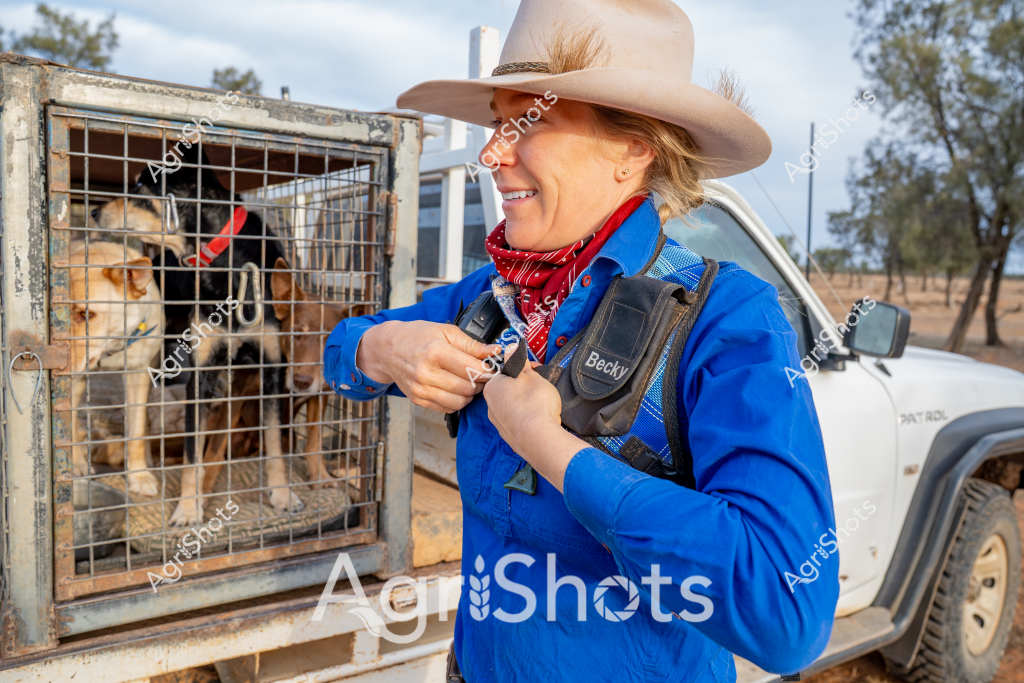
A woman in a blue jacket and wide-brimmed hat carefully handles a device while standing next to a wire cage containing several dogs. She wears a vibrant red bandana around her neck and appears to be performing an animal health or research task in an arid, rural Australian landscape. Multiple dogs are contained within the metal cage, wearing red collars, and seem calm under her professional attention. A white vehicle is partially visible in the background, suggesting this is a field veterinary or animal management operation. The environment looks dry and sparse, with scattered trees and open ground typical of an Australian outback or station setting. Her professional demeanor and specialized gear indicate she is likely a trained animal health professional or researcher working in remote conditions.
 Image
Image
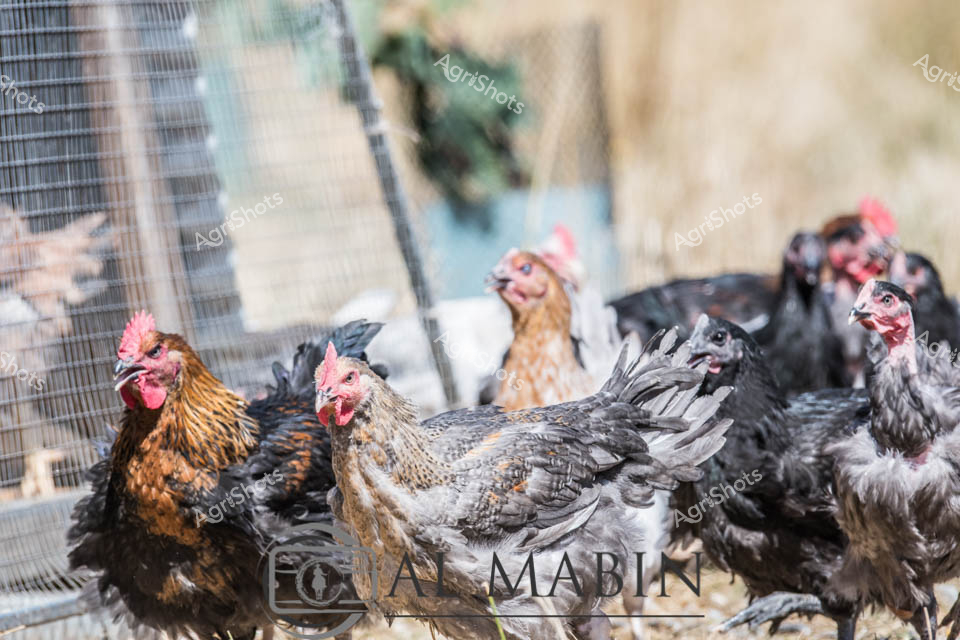
Plump and varied chickens congregate within a wire-meshed enclosure, showcasing the diversity of a modern poultry operation. Rich brown, slate grey, and speckled white hens crowd together, their vibrant red combs providing stark contrast against their feathered bodies. The wire cage suggests an large-scale farming environment, though the chickens appear healthy and active, moving with typical farmyard energy. Metallic mesh panels frame the scene, creating a structured backdrop that speaks to contemporary agricultural practices in Victoria. Soft, muted background tones of beige and pale green suggest an outdoor setting, likely during the mild light of mid-morning. The image captures the industrious nature of Australian chicken farming, highlighting the intricate balance between controlled agricultural systems and the natural vitality of livestock.
 Image
Image
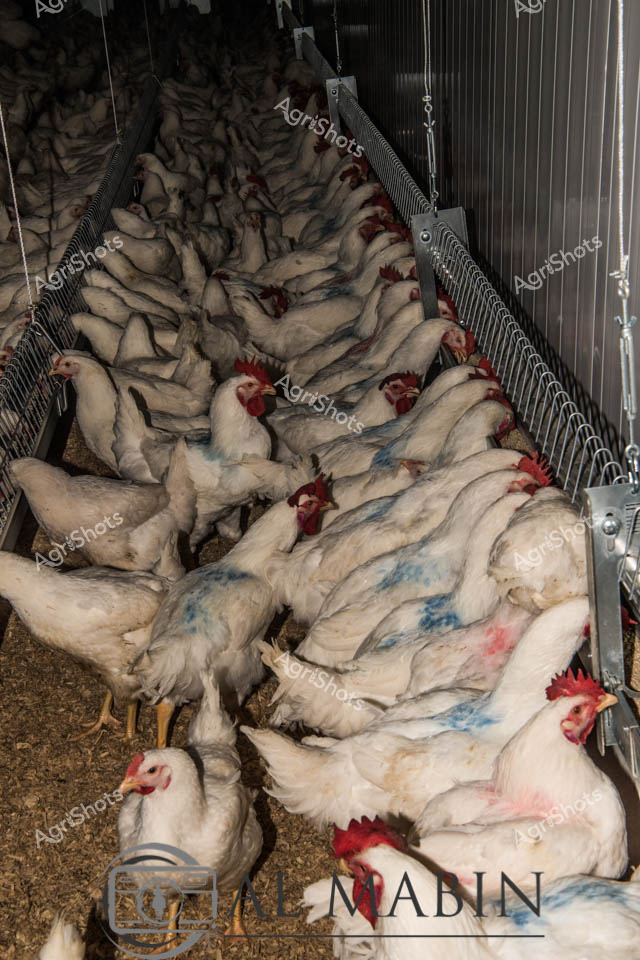
White leghorn chickens crowd densely in tiered battery cages, a stark representation of large-scale egg production. The birds appear pale and uniformly white, with bright red combs, pressed closely together with minimal movement space. Blue and pink markings streak across some feathered bodies, likely identification tags or stress indicators. Metal wire cage structures create rigid geometric lines, contrasting with the soft, compressed forms of the chickens. The floor is covered with feed and droppings, creating a textured brown base beneath the tightly packed poultry. This image captures the industrial scale of modern agricultural egg production, where efficiency and maximum output take precedence over individual animal comfort, revealing the systematic approach to livestock management in contemporary farming practices.
 Image
Image
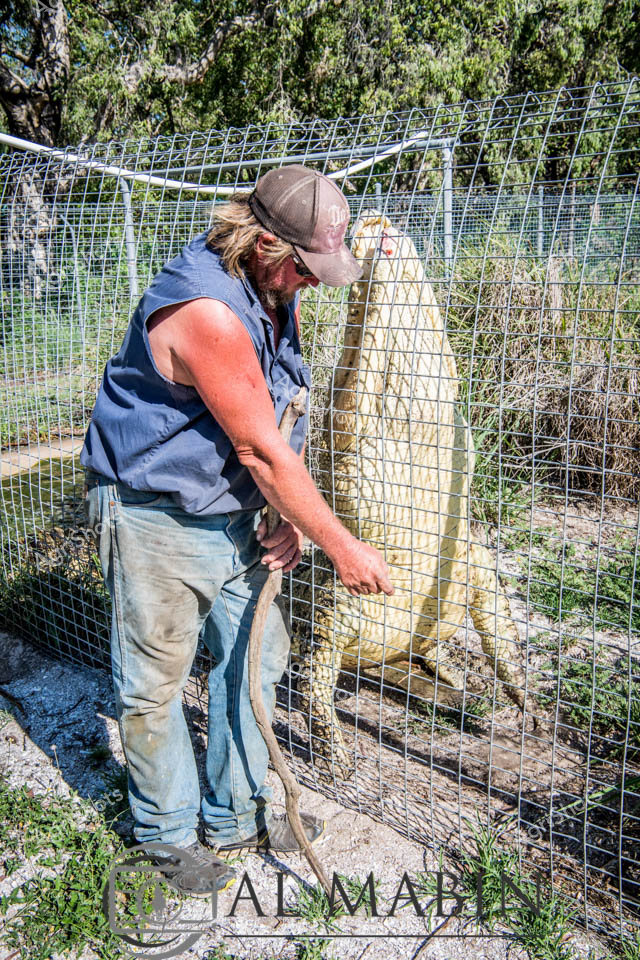
Saltwater crocodile handler carefully manages a large prehistoric predator within a sturdy wire mesh enclosure. Wearing rugged work attire - faded blue sleeveless shirt, worn denim pants, and a protective cap - the handler maintains a cautious yet controlled proximity to the formidable reptile. The wire cage appears situated in a tropical Queensland landscape, surrounded by dense greenery and dappled sunlight filtering through native vegetation. Muscular and weathered, the handler grips a long tool, likely used for managing and redirecting the crocodile's movements, demonstrating the specialized skills required in wildlife management and conservation. The crocodile, a pale golden-yellow color, represents one of Australia's most iconic and dangerous native species, highlighting the critical work of professional wildlife handlers in protecting both human and animal populations. The raw intensity of the interaction speaks to the delicate balance between human intervention and respecting the natural power of these ancient creatures.
 Image
Image
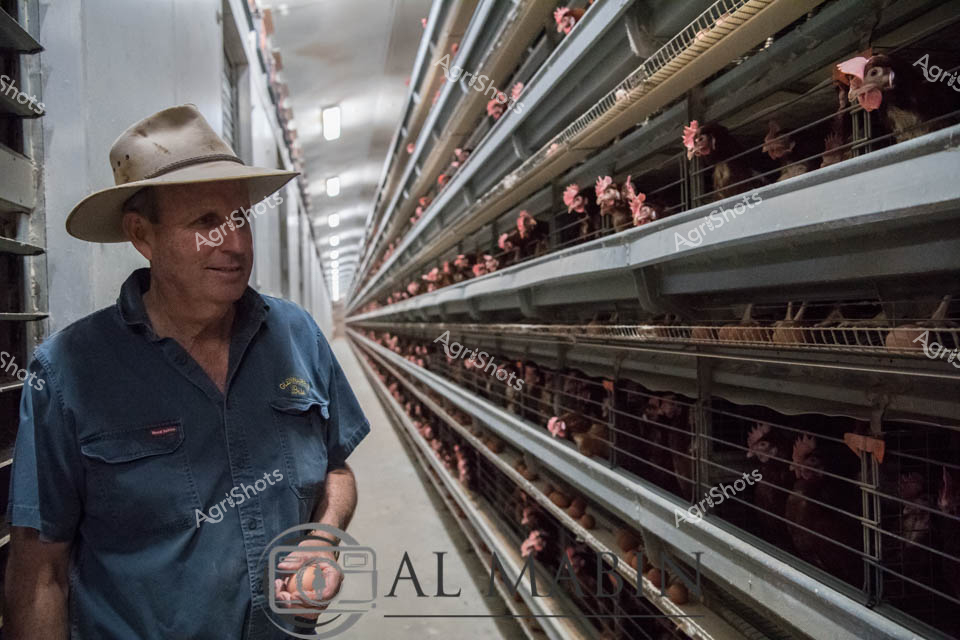
In the stark, fluorescent-lit interior of a modern laying facility, a seasoned poultry farmer stands confidently alongside rows of wire battery cages housing brown commercial laying hens. Dressed in a classic blue work shirt and worn fedora, the experienced agricultural worker surveys the meticulously organized production environment with a sense of quiet pride. Multiple tightly stacked levels of cages stretch into the distance, each populated with productive hens positioned in precise uniformity, representing the pinnacle of efficient egg production technology. The controlled indoor setting highlights the industrialized approach to contemporary Australian egg farming, where sophisticated infrastructure enables consistent, large-scale protein supply. Soft pinkish-brown feathered hens peek through cage wire, their orderly arrangement reflecting the systematic precision of modern agricultural practices. This image captures the intersection of traditional farming expertise and contemporary agricultural engineering, showcasing how generations of agricultural knowledge combine with technological innovation to support Australia's food production systems.
 Image
Image
White Leghorn laying hens crowd a multilevel battery cage system, densely packed in uniform rows within an industrial poultry facility. Bright red combs contrast sharply against the chickens' pure white feathers, creating a stark visual pattern of living creatures tightly confined in metal infrastructure. The uniform coloration and positioning of the birds reveals an efficient, systematic approach to egg production typical of modern large-scale agricultural practices. Overhead lighting casts uniform illumination, highlighting the metallic wire cage structures and the uniform mass of chickens pressed together with minimal individual space. This image captures the industrial scale of contemporary chicken farming, where productivity and space optimization take precedence over individual animal comfort.
 Image
Image
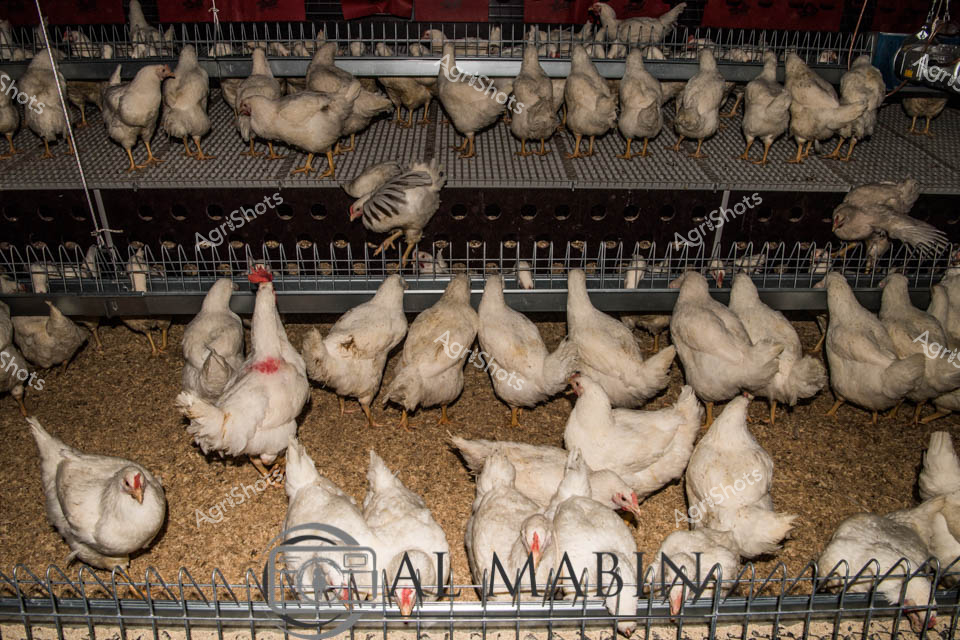
White leghorn chickens crowd the multi-tiered wire battery cage system, a stark representation of large-scale egg production. Pristine white feathered birds are densely packed across metallic grid levels, standing on fine wood shavings that carpet the lower sections. A few hens display slight red markings around their combs, indicating their breed and health status. The industrial agricultural setting reveals precise, engineered spacing between birds, maximizing production efficiency in a controlled environment. Harsh overhead lighting casts uniform illumination across the uniform flock, emphasizing the systematic approach to modern poultry farming. The compressed, standardized arrangement speaks to Australia's sophisticated agricultural practices, where scientific management meets large-scale food production.
 Image
Image
Leghorn layers crowd a wire battery cage system, their ivory feathers dulled by the confined industrial setting. Tightly packed and immobilized, the hens huddle on multiple tiers of galvanized steel mesh, their bodies pressed against each other in a uniform grid of agricultural production. Fine wood shavings cover the cage floor, absorbing waste and providing minimal bedding in this mechanized egg production environment. The stark lighting and dense arrangement reveal the efficiency-driven approach of modern poultry farming, where maximizing output takes precedence over individual bird comfort. Each chicken appears similarly sized and colored, a testament to careful genetic selection and standardized breeding practices.
 Image
Image
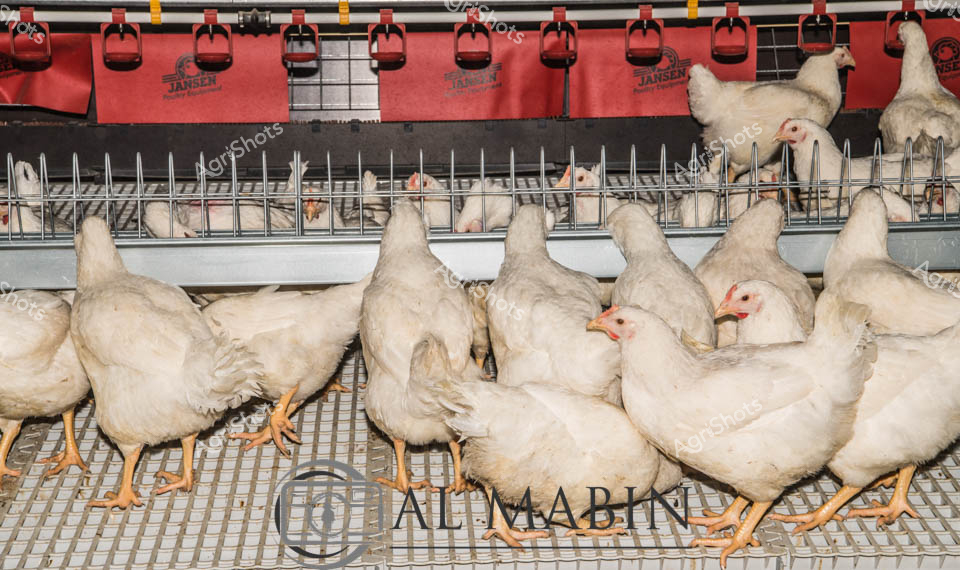
White leghorn chickens crowd a multi-tiered wire battery cage system in a modern industrial poultry facility. Sleek red Jansen agricultural equipment panels line the upper background, suggesting sophisticated Dutch or European farming technology. The chickens stand closely together on galvanized steel mesh flooring, their pale feathers creating a uniform texture against the metallic infrastructure. The uniform positioning of the birds and precise engineering of their environment reflects the systematic approach of large-scale livestock management. Bright fluorescent lighting illuminates every detail, emphasizing the clinical, efficient design of contemporary agricultural production spaces.
 Image
Image
A loyal Jack Russell terrier sits attentively in a wire transport cage, positioned outside a rural coffee shop. Two workers in navy jackets and blue jeans stand in the doorway, sharing a moment of connection during a morning break. The crisp rural setting suggests an early morning in South Australia's southeastern region, with a cool blue-tinted atmosphere highlighting the weathered metal of the dog crate and the clean lines of the cafe entrance. The dog's alert posture and focused gaze reflect the working culture of agricultural communities - always ready, always observant. Muted blues and grays dominate the scene, creating a sense of quiet professionalism and understated companionship typical of rural Australian workplaces. The image captures the subtle interplay between working animals, rural professionals, and the small communal spaces that anchor country life.
 Image
Image
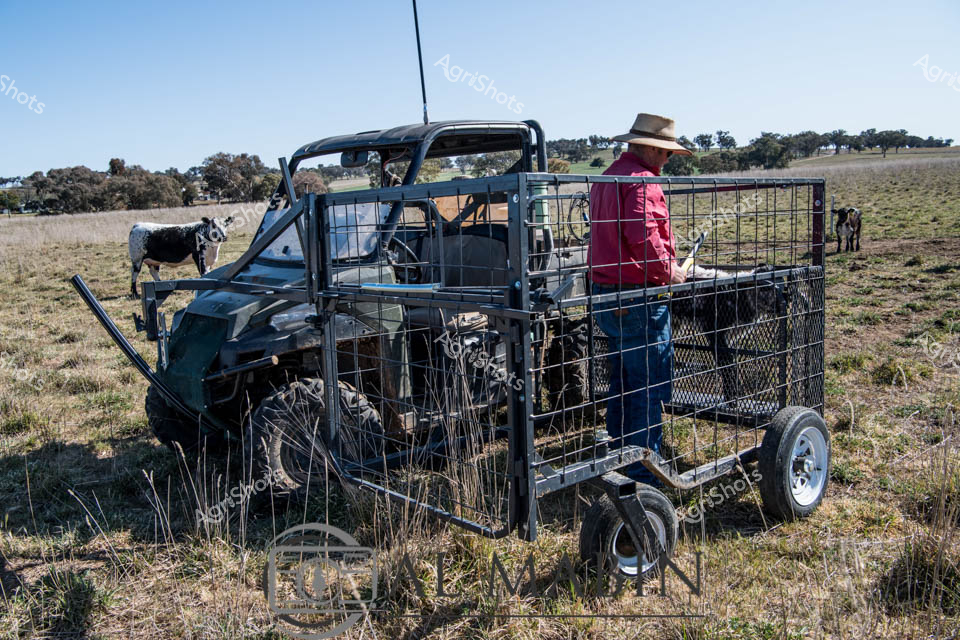
Dusty paddock light bathes a rural New South Wales cattle operation, where agricultural technology meets traditional farming practice. A robust utility vehicle fitted with a mobile livestock weighing cage stands amid dry grasslands, its steel frame gleaming against the muted landscape. A farmer in a crimson jacket and wide-brimmed hat carefully manages a Speckle Park cattle weighing process, with distinctive black and white spotted cattle visible in the background. The utility vehicle - likely an Australian-made side-by-side quad bike - is strategically equipped with a precision wire mesh weighing cage, representing modern farm efficiency and animal management techniques. Sparse eucalyptus trees punctuate the distant horizon, suggesting a classic southeastern Australian agricultural setting during late winter or early spring when pastures appear golden and sparse. This scene captures the intersection of livestock husbandry, technological innovation, and the enduring spirit of Australian rural enterprise, where careful animal monitoring and data-driven farming practices are seamlessly integrated into the working landscape.
 Image
Image
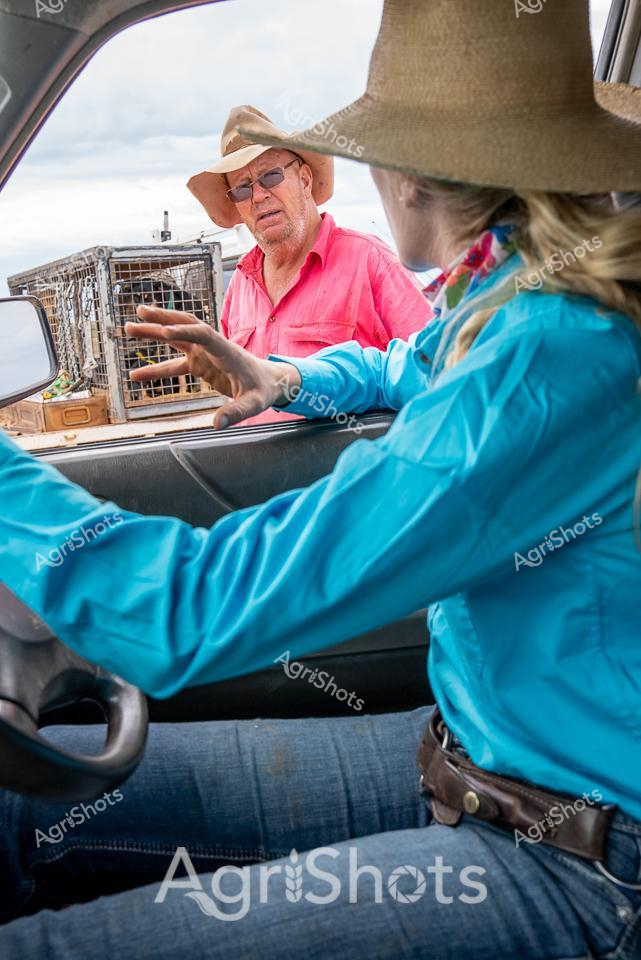
Rural Queensland cattle mustering captures an intimate moment of collaboration between station hands. A weathered elder in a vibrant pink long-sleeved shirt and wide-brimmed protective hat passes a wire livestock transport cage through the vehicle window to a younger colleague dressed in a crisp turquoise work shirt. The interior of the dusty four-wheel drive suggests they are mid-operation, likely relocating trapped animals across the vast pastoral landscape. Soft neutral tones of the expansive background contrast with the bright, practical workwear - a hallmark of Australian agricultural fashion designed for harsh sunlight and demanding physical labor. The metal animal cage represents the pragmatic tools of cattle management, while the careful, practiced interaction between the workers speaks to generations of shared knowledge and skill in handling livestock across challenging terrain. This image epitomizes the quiet professionalism and unspoken understanding that characterizes remote station work in the Australian outback.
 Image
Image
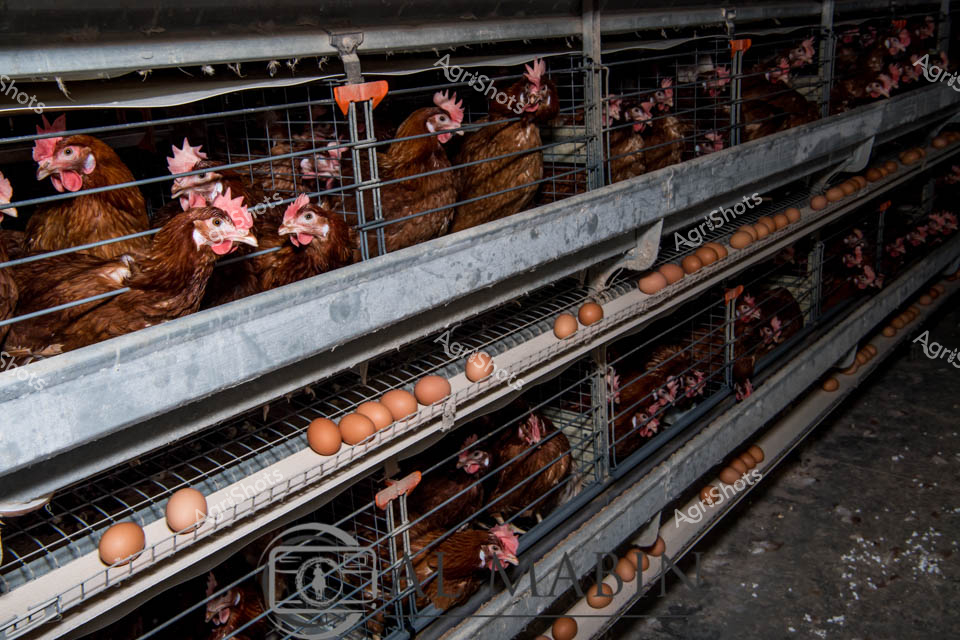
Battery hens crowd into tightly spaced wire cages, their russet-brown feathers pressed against galvanized steel barriers. Rows of fresh brown eggs line the wire shelves beneath each cage, testament to the relentless egg production of these confined layers. Industrial lighting casts a stark illumination across the multiple tiers of the poultry housing, revealing the dense, systematic arrangement of the commercial egg farm. Each hen clusters near her compatriots, their red combs visible against the metallic infrastructure of this large-scale agricultural environment. The uniform grid of cages stretches across the image, a powerful representation of modern agricultural efficiency in egg production. These layers, likely hybrid breeds selected for maximum productivity, demonstrate the industrial scale of contemporary egg farming typical of New South Wales agricultural operations.
 Image
Image
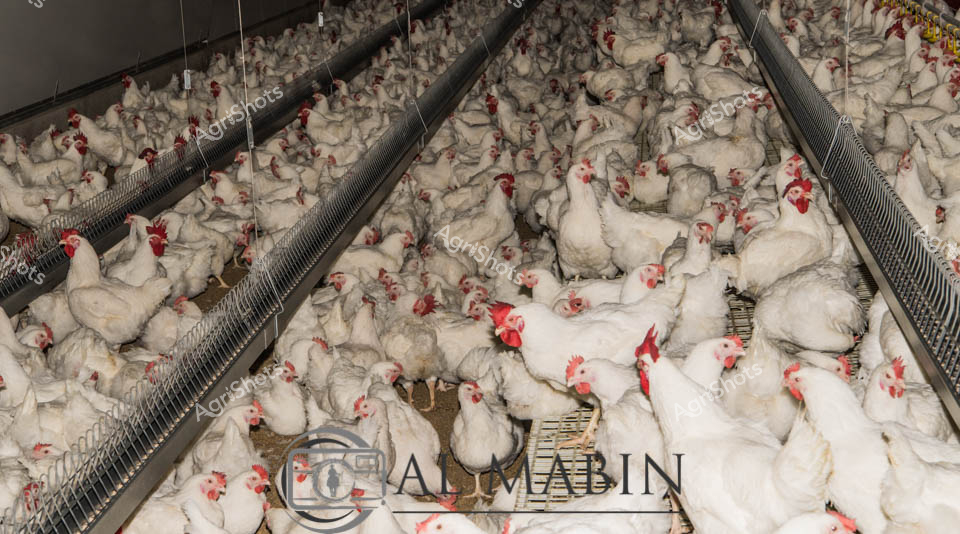
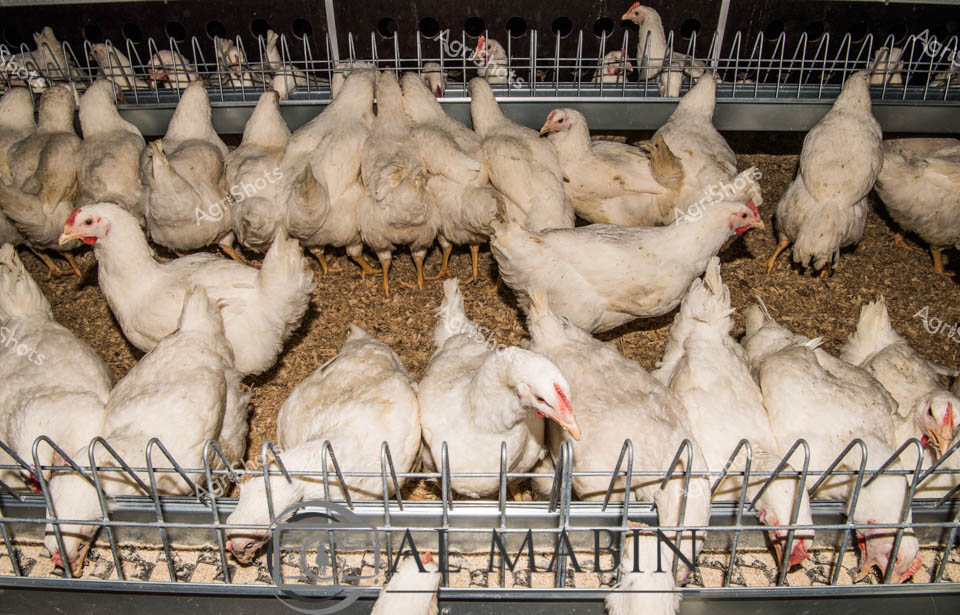
White Leghorn broiler chickens crowd a multi-tiered battery cage system, densely packed across metal wire enclosures lined with bedding material. The industrial poultry shed reveals a tightly controlled agricultural environment, designed for efficient meat production with uniform white feathered birds standing shoulder-to-shoulder. Fluorescent lighting casts a clinical illumination across the uniform flock, highlighting their plump bodies and bright red combs against the neutral palette of beige and gray. Wire partitions segment the space, creating standardized living units that maximize spatial efficiency and streamline livestock management. The chickens' clustered postures reflect the confined conditions of large-scale farming, their movements restricted yet synchronized in a choreographed landscape of industrial agriculture.
 Image
Image
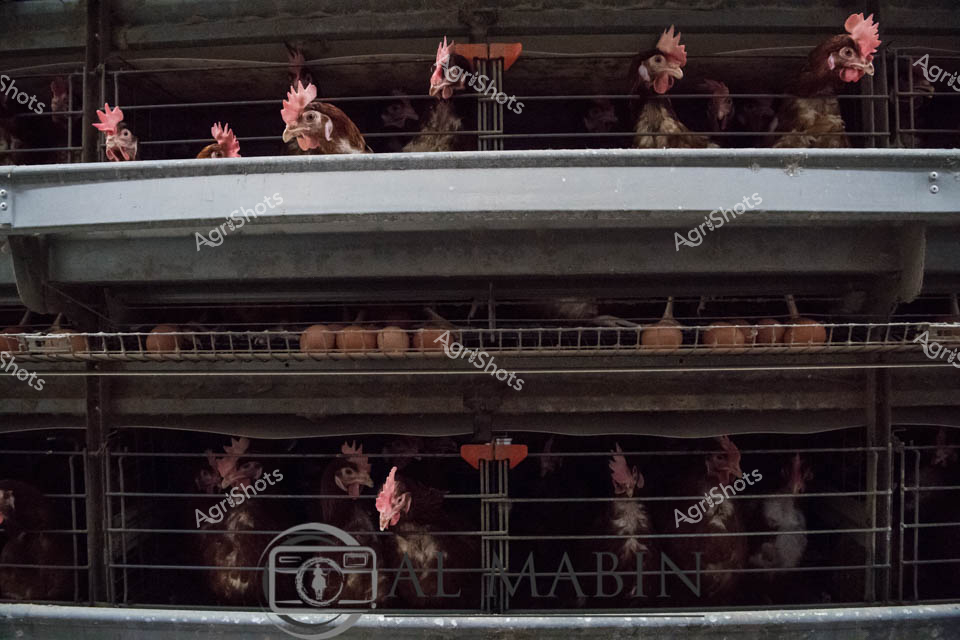
Layer upon layer of commercial egg production unfolds in this stark industrial portrait of modern poultry farming. Brown and white hens crowd the wire mesh compartments of a multi-tiered battery cage system, their pink combs visible between metal bars, while rows of freshly laid brown eggs rest on the wire shelf below. The metallic gray infrastructure of the cage system dominates the composition, creating a geometric framework that constrains the birds into precise, uniform rows. Harsh lighting emphasizes the clinical, efficient nature of large-scale egg production, revealing every feathered body and metallic surface with uncompromising clarity. This image captures the industrial scale of contemporary agricultural practices, where efficiency and productivity take precedence over individual animal comfort.
 Image
Image
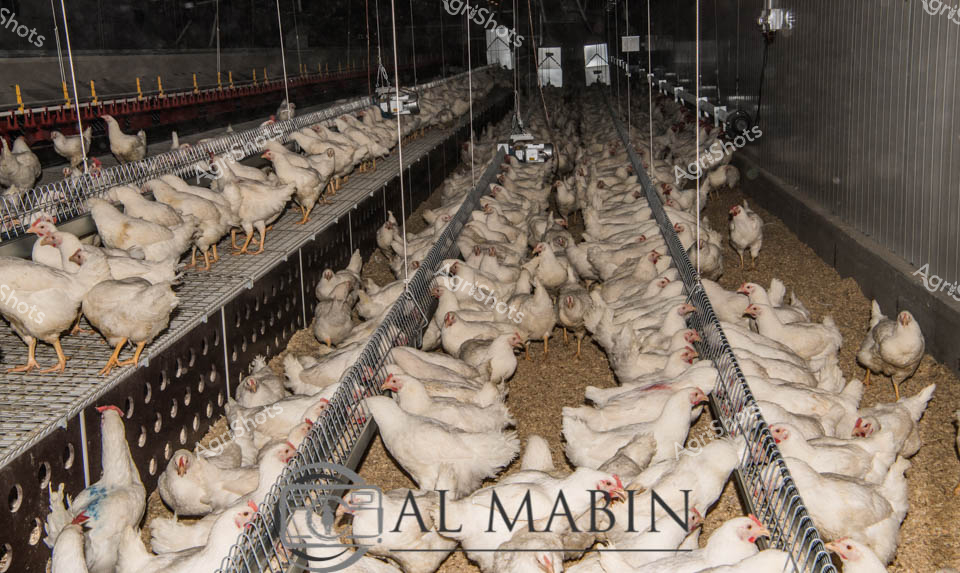
Industrial Poultry Production - White Leghorn Layers Pristine rows of white Leghorn chickens populate a meticulously organized battery cage system, representing modern large-scale egg production techniques. Uniform metal wire compartments stretch across the climate-controlled shed, each densely populated with pale feathered hens standing on fine wood shavings. The precision of the infrastructure - with suspended feeding lines, regimented partitions, and consistent lighting - reflects the scientific approach of contemporary agricultural engineering. Soft ambient lighting bathes the birds in a neutral tone, highlighting their uniform coloration and the systematic architectural design of the facility. These highly productive layer hens represent a critical component of Australia's agricultural economy, efficiently converting feed into protein through carefully managed environmental conditions. The industrial aesthetic speaks to technological advancement in agricultural productivity, where every element is optimized for maximum output.
 Image
Image
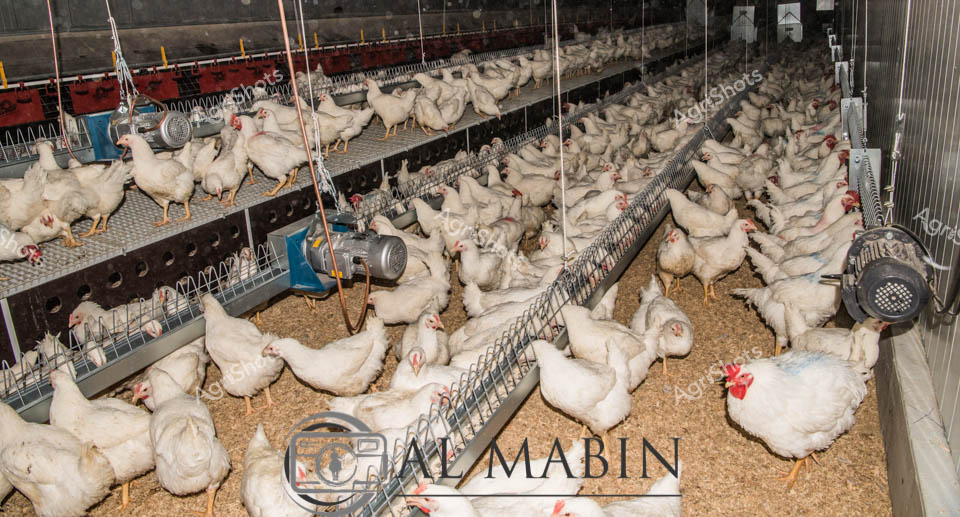
Industrial poultry production in full view, this image captures a dense flock of white chickens populating a multi-tiered metal battery cage system. Rows of pristine white birds crowd the galvanized wire shelving, their red combs standing out against uniform feathered bodies. Sawdust or wood shavings cover the floor, providing bedding material in this tightly controlled agricultural environment. Mechanical feeders and ventilation equipment suggest a high-efficiency modern chicken farm, likely located in Tasmania's agricultural regions. The uniform spacing, metallic infrastructure, and densely packed livestock represent contemporary industrial egg production techniques, where systematic design maximizes output and controlled conditions.
 Image
Image
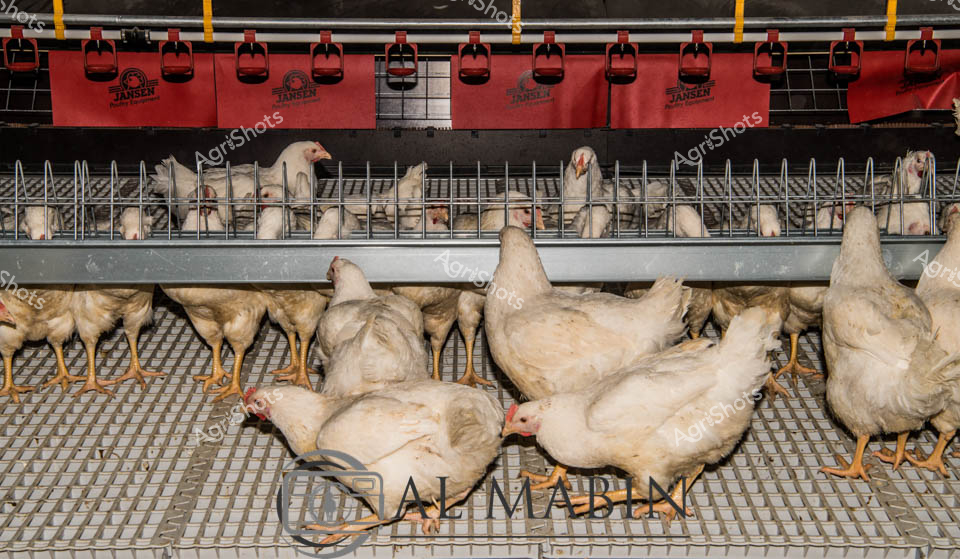
Battery hens crowd the stacked metal wire cages of an large-scale poultry production facility, their pale feathered bodies filling multiple levels of uniform housing. Red branded panels hang above the tightly organized infrastructure, suggesting a commercial farming operation focused on efficient egg production. The chickens appear densely packed, standing and resting on perforated metal flooring designed to maximize space utilization and waste management. Crisp white and pale golden feathers contrast against the industrial gray metal grid structure, creating a stark visual representation of modern agricultural systematization. Each level of caging is precisely aligned, with water dispensers and feeding mechanisms integrated into the standardized design. The image captures the clinical, mechanized approach to large-scale protein production, where animal welfare considerations are subordinate to economic efficiency and maximum output.
 Image
Image
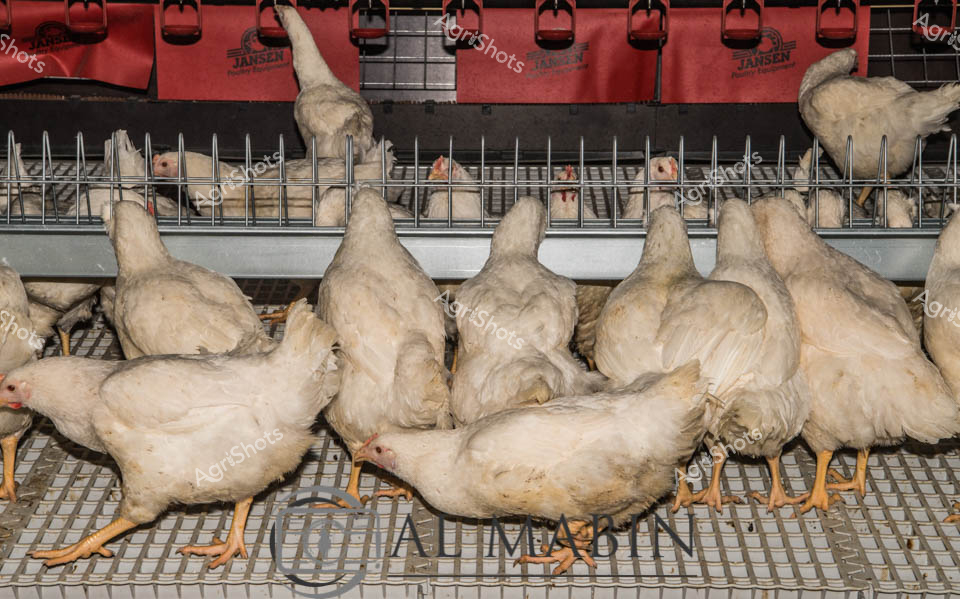
Industrial broiler chicken production reveals the precision of modern poultry farming. White-feathered chickens crowd tightly within stacked metal wire cages, their plump bodies pressed against each other on perforated metal flooring. Jansen branding banners hang above the controlled environment, signaling a professional agricultural operation typical of contemporary large-scale livestock management. The chickens' uniform pale coloration and compact body shapes demonstrate selective breeding for efficient meat production, with each bird positioned to maximize space utilization. Metallic greys of the cage infrastructure contrast with the soft cream and white tones of the birds' feathers, creating a stark visual representation of agricultural industrialization. The tightly regulated setting speaks to Tasmania's sophisticated agricultural sector, where systematic livestock production meets high-efficiency standards.
 Image
Image
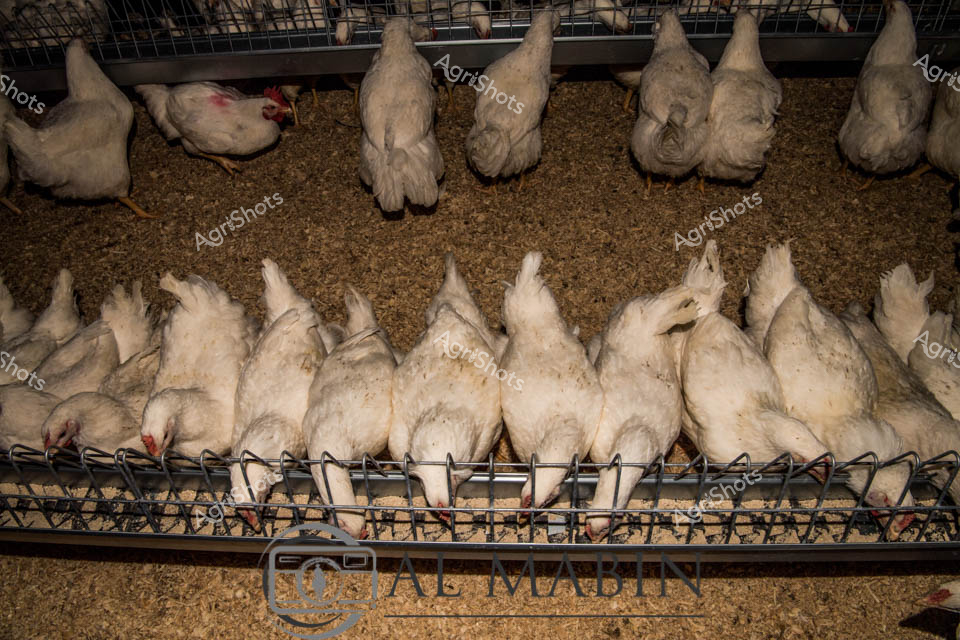
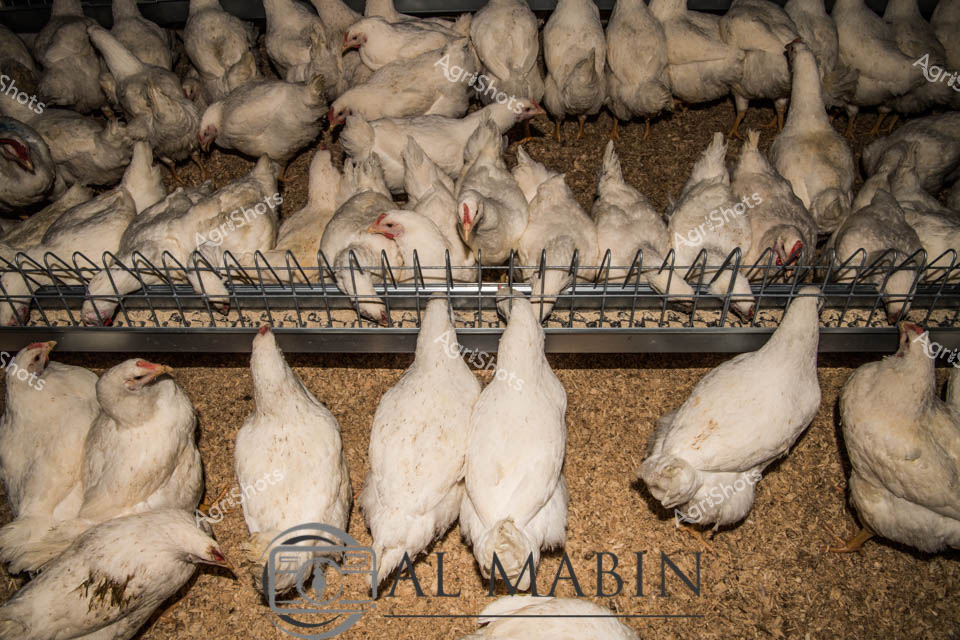
Battery hens crowd densely across layered wire cages and sawdust-covered floors, their pristine white feathers contrasting against the industrial metal infrastructure. Rows of pale birds perch unnaturally close together, their bodies pressed against metal dividers in a uniform grid of commercial egg production. The chickens' red combs provide stark crimson accents against their monochromatic plumage, highlighting the clinical efficiency of this large-scale farming environment. Soft golden sawdust covers the floor, absorbing waste and providing minimal bedding for the tightly confined animals.