Results for “wild plants”
 Image
Image
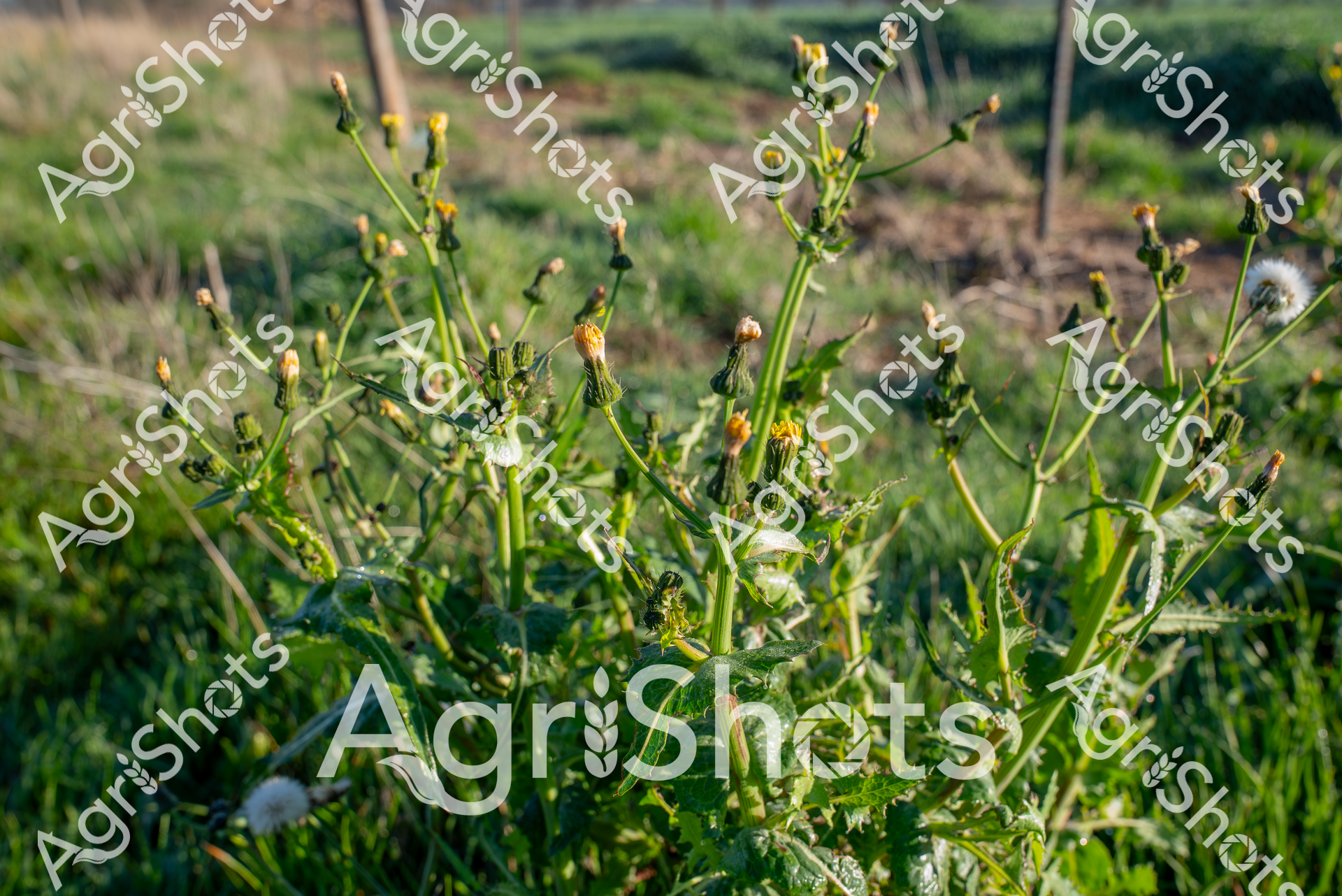
Sowthistle weeds proliferate in this lush Riverina region landscape in New South Wales, displaying vibrant green stems and yellow-budding flower heads. The invasive plants spread across the grassy field, showcasing their characteristic branching stems and clusters of emerging blossoms against a blurred agricultural background.
 Image
Image
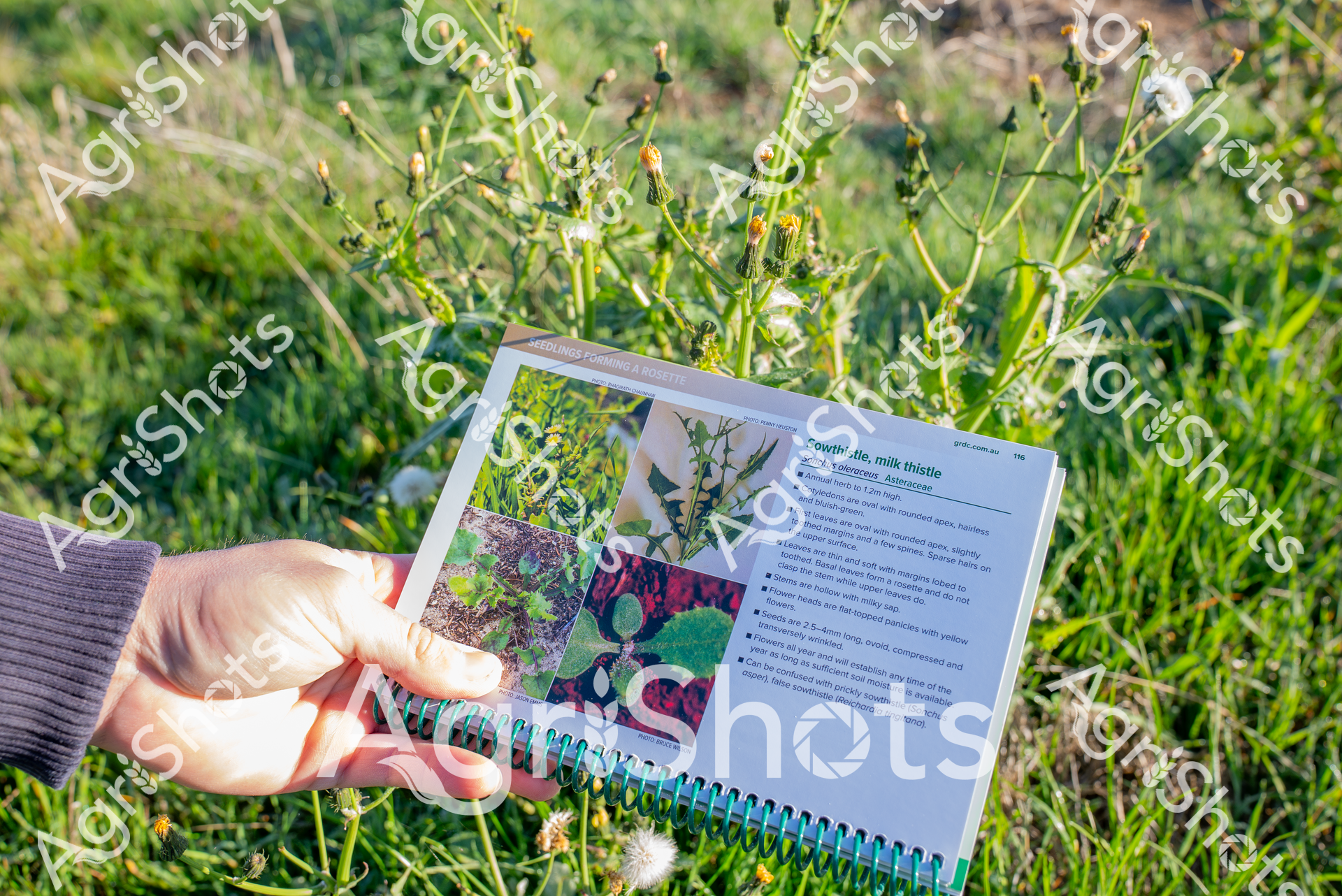
A detailed field guide page about sowthistle is held open against a background of green grass and wild plants. The informative page displays multiple images and descriptions of the milk thistle, providing botanical details and identification characteristics. A hand is visible holding the spiral-bound book, suggesting an educational or research context in the agricultural or botanical field.
 Image
Image
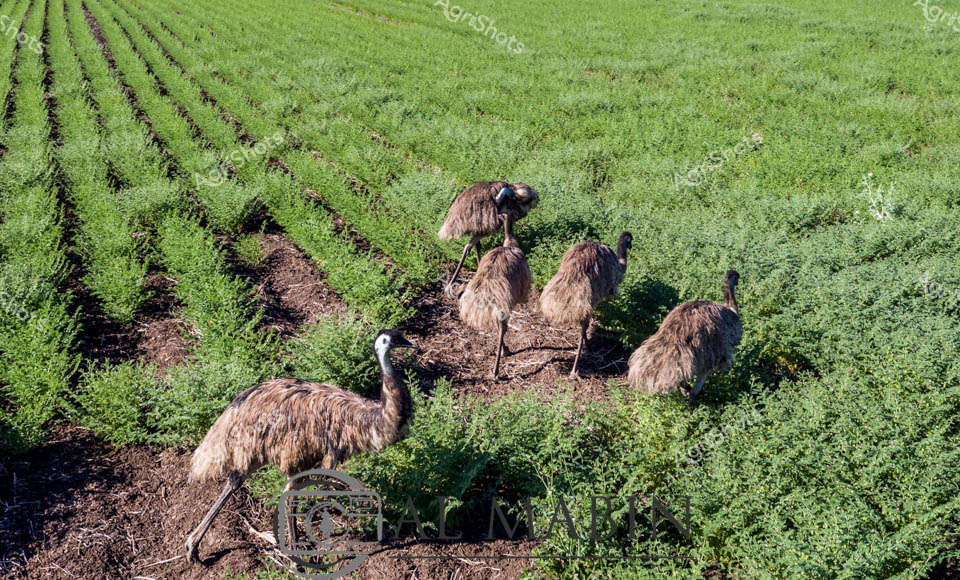
Nestled in the verdant expanse of a Queensland chickpea field, a small mob of emus stands amidst neat, parallel rows of vibrant green crops. The flightless birds, with their distinctive shaggy brown plumage, create a striking contrast against the lush agricultural landscape, their long necks and alert postures suggesting a keen awareness of their surroundings. Sunlight bathes the scene, casting defined shadows and highlighting the textural interplay between the carefully cultivated crop rows and the wild, untamed presence of these iconic Australian birds. The emus appear relaxed yet vigilant, strategically positioned along the field's cultivation lines, their earthy brown feathers blending subtly with the exposed soil between the verdant plants. This unexpected intersection of wild fauna and structured agriculture captures the unique character of Queensland's agricultural regions, where nature and farming coexist in a delicate, dynamic balance. The precise geometric lines of the chickpea plantation stretch into the distance, creating a mesmerizing visual rhythm that underscores the meticulous approach of modern Australian farming.
 ▶ Video
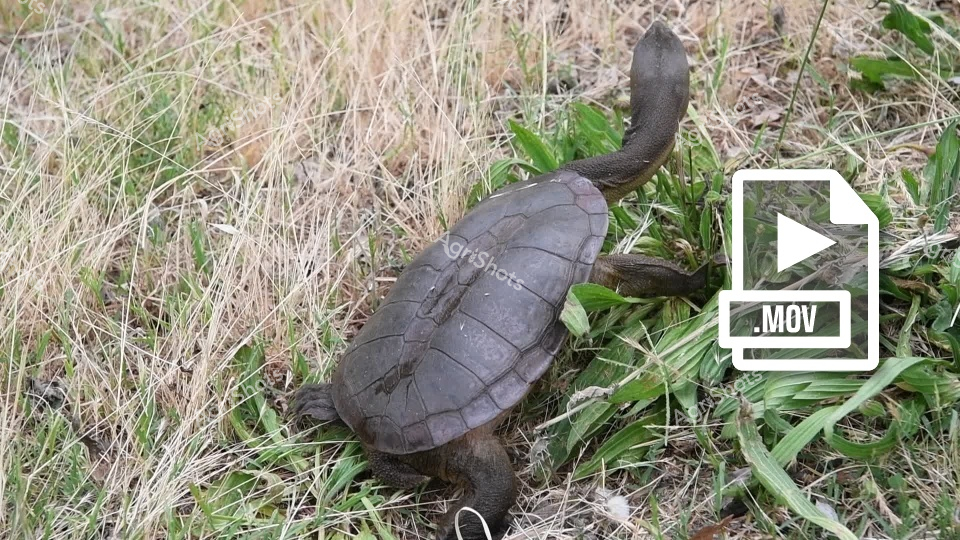
A wild turtle slowly traverses a grassy terrain, its dark gray shell and elongated neck contrasting against the dry, tan grass and green vegetation. The reptile appears to be a snapping turtle or similar species, moving deliberately through what seems to be a natural grassland or meadow habitat with scattered green plants.
 Image
Image
Verdant tea rows cascade across a sunlit valley, their immaculate emerald lines contrasting against golden hillsides dotted with scattered eucalyptus trees. A vibrant red agricultural harvester moves methodically through the lush tea plantation, its compact form nestled among the precision-planted verdant rows. The undulating landscape reveals a quintessential Australian agricultural scene - rugged rocky hills rising in the background, framing a meticulously cultivated green carpet of tea plants stretching toward the horizon. Warm golden sunlight bathes the scene, highlighting the rich textural differences between the manicured crop and the wild native landscape beyond. The harvester represents agricultural innovation, carefully navigating the dense tea fields with mechanical precision, transforming raw botanical potential into a valuable export commodity. This landscape captures the essence of Australian agricultural expertise - transforming challenging terrain into productive, world-class agricultural systems through careful cultivation and advanced farming technologies.
 Image
Image
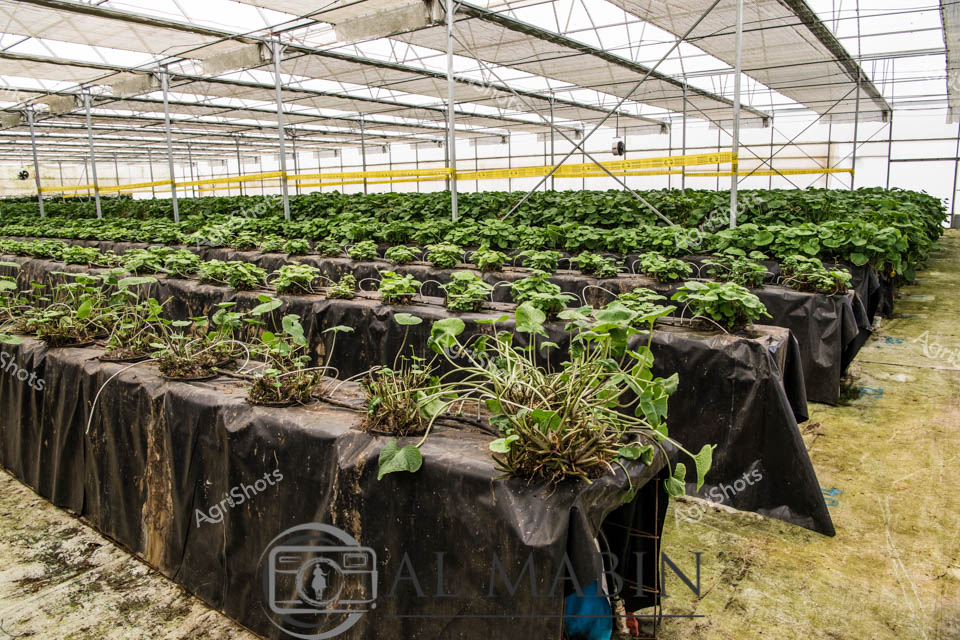
Emerald green wasabi plants flourish in neat rows across raised black grow beds inside a vast translucent greenhouse. Precise agricultural engineering creates an optimal microclimate for these prized Japanese culinary herbs, with structural steel framework and diffused white plastic sheeting controlling temperature and light exposure. The plants spread in lush, low-growing clusters, their distinctive rounded leaves displaying vibrant health against the stark black growing medium. Meticulously arranged irrigation systems and carefully monitored environmental conditions reveal this as a specialist horticultural facility dedicated to producing high-value wasabi crop. Cool Tasmanian conditions provide ideal growing parameters for these sensitive plants, which require consistent moisture and moderate temperatures to thrive. The systematic layout and pristine cultivation techniques showcase modern agricultural precision, transforming delicate wasabi from challenging wild riverbed crop to carefully managed commercial production.
 Image
Image
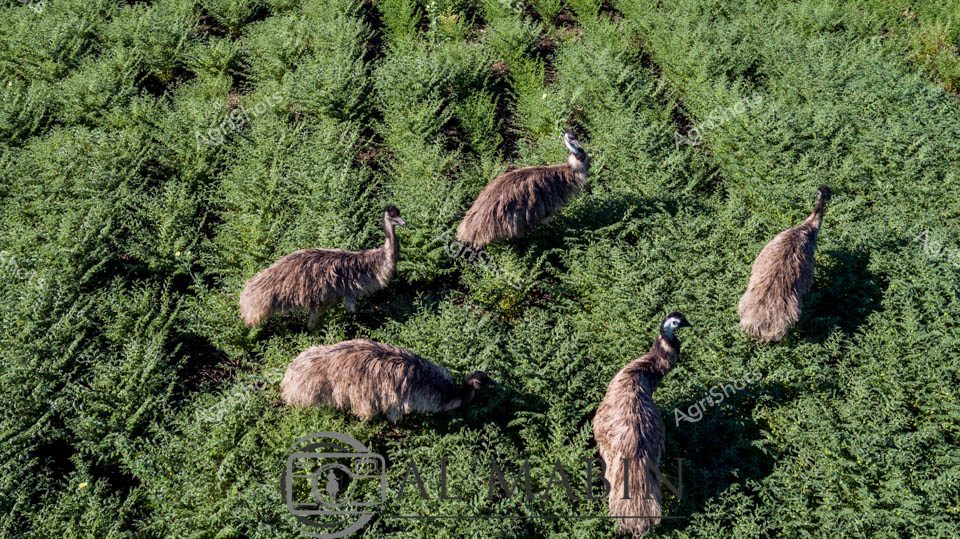
Emus roam through dense, vibrant green chickpea fields under the bright Queensland sun, their mottled brown feathers blending with the lush ferns and foliage. Five majestic birds spread across the verdant landscape, each moving independently yet part of a cohesive group, their long necks and powerful legs navigating the agricultural terrain with surprising grace. The wild natives appear perfectly at home among the agricultural crop, a quintessential Australian pastoral scene that captures the unique intersection of wildlife and farming ecosystems. The thick, textured greenery of the chickpea plants creates a rich backdrop, providing camouflage and sustenance for the emus as they move through the field. Sunlight filters through the vegetation, casting soft shadows and highlighting the birds' remarkable plumage - a mix of soft browns and greys that speak to their evolutionary adaptation to Australia's challenging agricultural landscapes. This image encapsulates the dynamic relationship between native wildlife and cultivated lands, showcasing how agricultural spaces can serve as habitats and corridors for indigenous species.
 Image
Image
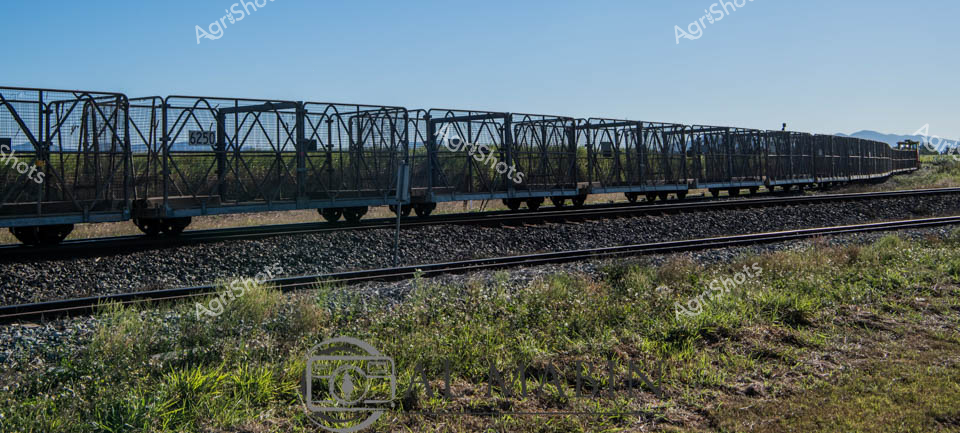
Steel-framed rail transport emerges against a clear blue sky, traversing a rural landscape of weathered railway tracks and wild grassland. A long line of enclosed mesh-sided carriages stretches across the horizon, suggesting specialized agricultural freight transport likely used for bulk sugarcane movement in Queensland's extensive cropping regions. The robust black metal wagons contrast sharply with the muted greens and greys of the surrounding terrain, their geometric industrial design cutting a precise line through the natural landscape. Gravel ballast supports the railway lines, with native grasses and small flowering plants softening the hard infrastructure's edges. Distant blue-tinged mountains provide a serene backdrop, emphasizing the vast agricultural expanses typical of Queensland's agricultural zones. This image captures the critical infrastructure that connects rural production systems, highlighting the engineered networks that support Australia's agricultural supply chains.
 Image
Image
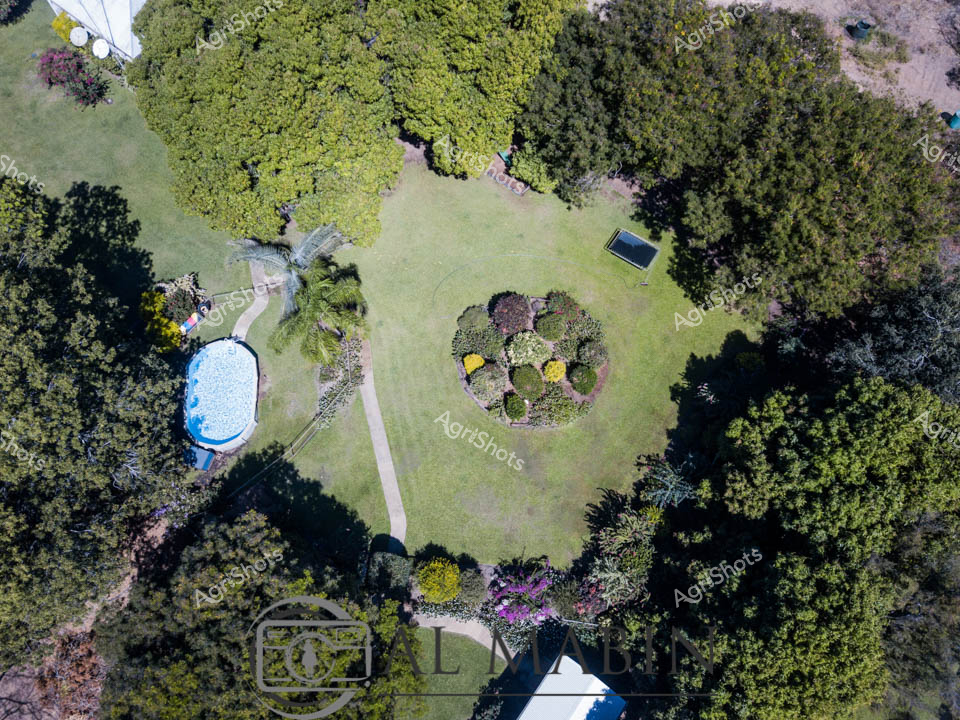
Aerial survey of a meticulously landscaped rural homestead in Queensland, revealing a verdant oasis surrounded by dense eucalyptus woodland. A sky-blue swimming pool nestles against the lawn's emerald expanse, its curved form contrasting with the geometric precision of carefully manicured garden paths. At the heart of the property, a circular garden bed adorned with vibrant yellow and purple flowering plants creates a botanical focal point, its symmetrical design speaking to the intentional cultivation of beauty within the rugged Australian landscape. Winding pathways connect discrete zones of the property - from the pool area to the central garden and surrounding tree lines - demonstrating a thoughtful approach to outdoor space management typical of sophisticated rural properties. Mature trees frame the scene, their deep green canopies providing natural boundaries and creating a sense of privacy and seclusion. The overhead perspective captures the harmonious relationship between structured human design and the wild, untamed Australian bush, highlighting the delicate balance of agricultural aesthetic and natural landscape.
 Image
Image
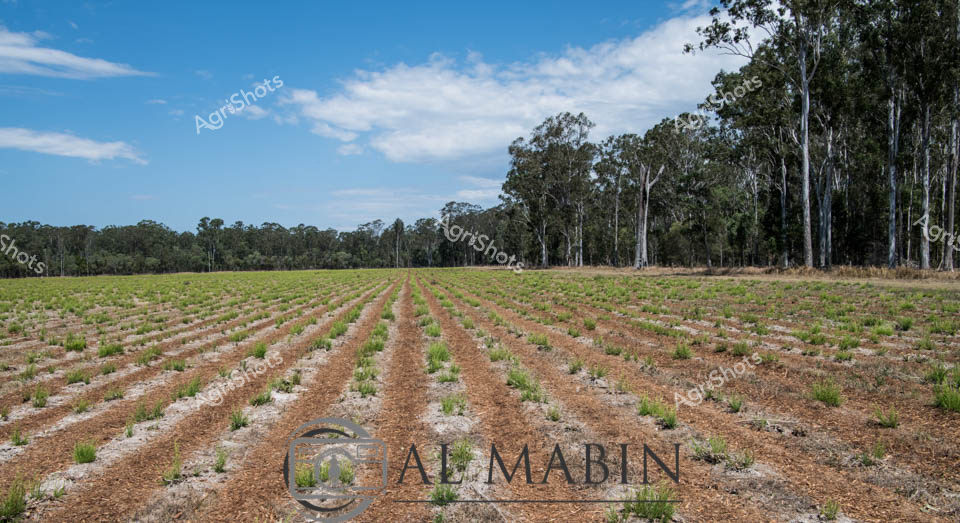
Young tea tree saplings emerge in precise, parallel rows across rich, reddish-brown soil, stretching towards a distant eucalyptus forest under a brilliantly clear blue Australian sky. The meticulously planted agricultural field represents the early stages of tea tree cultivation, a crucial industry in New South Wales for producing essential oils used in pharmaceuticals, cosmetics, and natural health products. Tall, silvery-grey gum trees form a dense windbreak along the field's perimeter, providing protection for the delicate young plants and creating a quintessential Australian rural landscape. The orderly geometry of the plantings contrasts beautifully with the wild, natural woodland backdrop, showcasing the harmonious intersection of agricultural innovation and native landscape. Soft green shoots of the tea tree plants punctuate the earthy terrain, promising future harvests of this versatile and economically significant crop.
 Image
Image
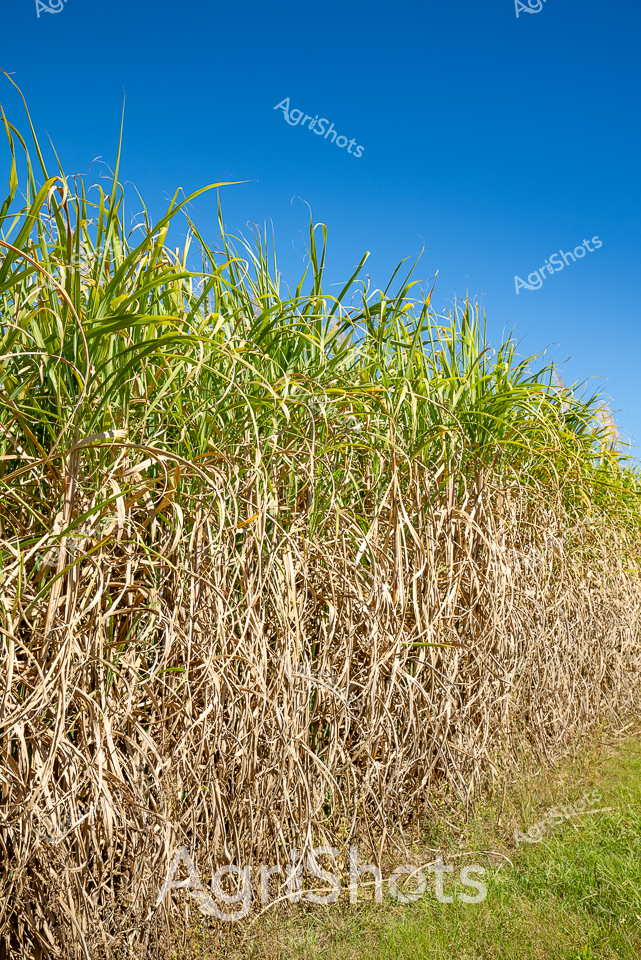
Towering sugarcane stalks rise against a brilliant azure Queensland sky, their verdant green tops fading to weathered golden-brown stems in the winter sunlight. The dense field of cane stretches upward with a wild, untamed energy, revealing the complex layering of leaves and dried stalks that characterize this iconic agricultural crop of the Whitsundays region. Vibrant green blends seamlessly into pale straw-colored vegetation, creating a textural gradient that speaks to the crop's growth cycle and the harsh subtropical climate. The sharp vertical lines of the cane create a rhythmic, almost architectural landscape, demonstrating the robust nature of this critical Queensland agricultural commodity. Sunlight illuminates the field, casting subtle shadows that highlight the intricate, intertwined structure of the cane plants, capturing the raw beauty of agricultural landscapes that are fundamental to the region's economic and cultural identity. This image embodies the resilience and productivity of Queensland's sugarcane industry, a cornerstone of rural agricultural production.
 Image
Image
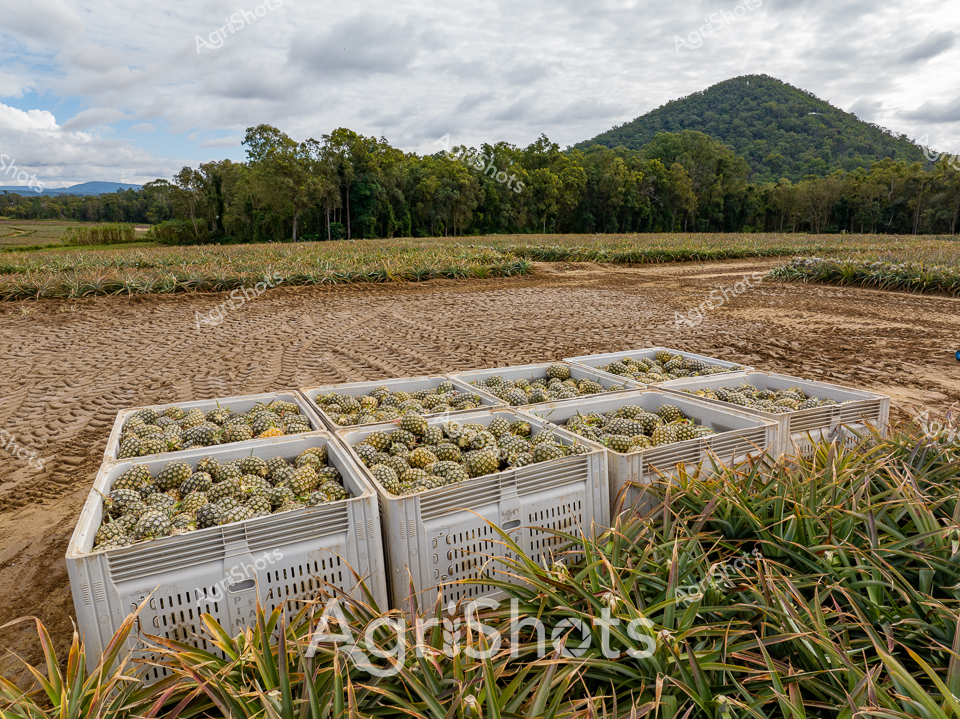
Freshly harvested pineapples fill gleaming white plastic crates, their spiky green crowns and golden-brown textured skins testament to a bountiful crop. The plantation stretches across sandy soil, with neat rows of pineapple plants in the foreground and a majestic forested mountain rising in the background, characteristic of Queensland's Glass House Mountains. Soft winter light filters through dramatic cloud formations, casting a moody atmosphere over the agricultural landscape. These pristine crates represent the meticulous care of local farmers, capturing the moment of harvest where weeks of careful cultivation culminate in a rich, ready-to-market produce collection. The rugged mountain backdrop and orderly plantation demonstrate the unique intersection of wild Australian landscape and sophisticated agricultural practice. Each pineapple promises tropical sweetness, a symbol of the Sunshine Coast's remarkable horticultural productivity.
 Image
Image
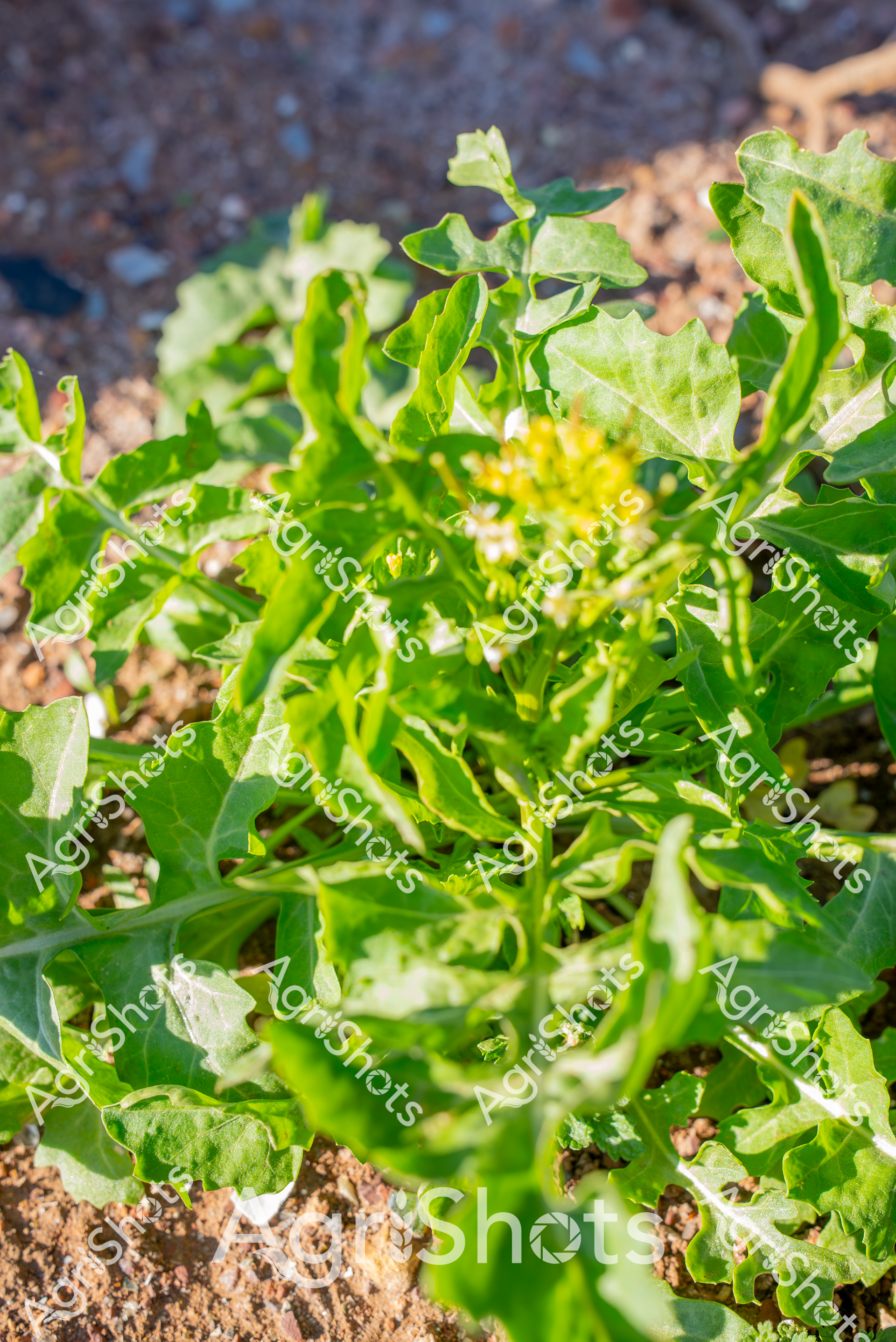
A vibrant cluster of Charlock, a wild mustard plant, grows in the Riverina region of New South Wales. The bright green, jagged leaves and small yellow flower clusters showcase this invasive weed's distinctive appearance against a rocky, earthy background. The image captures the plant's robust and spreading nature in its natural habitat.
 Image
Image
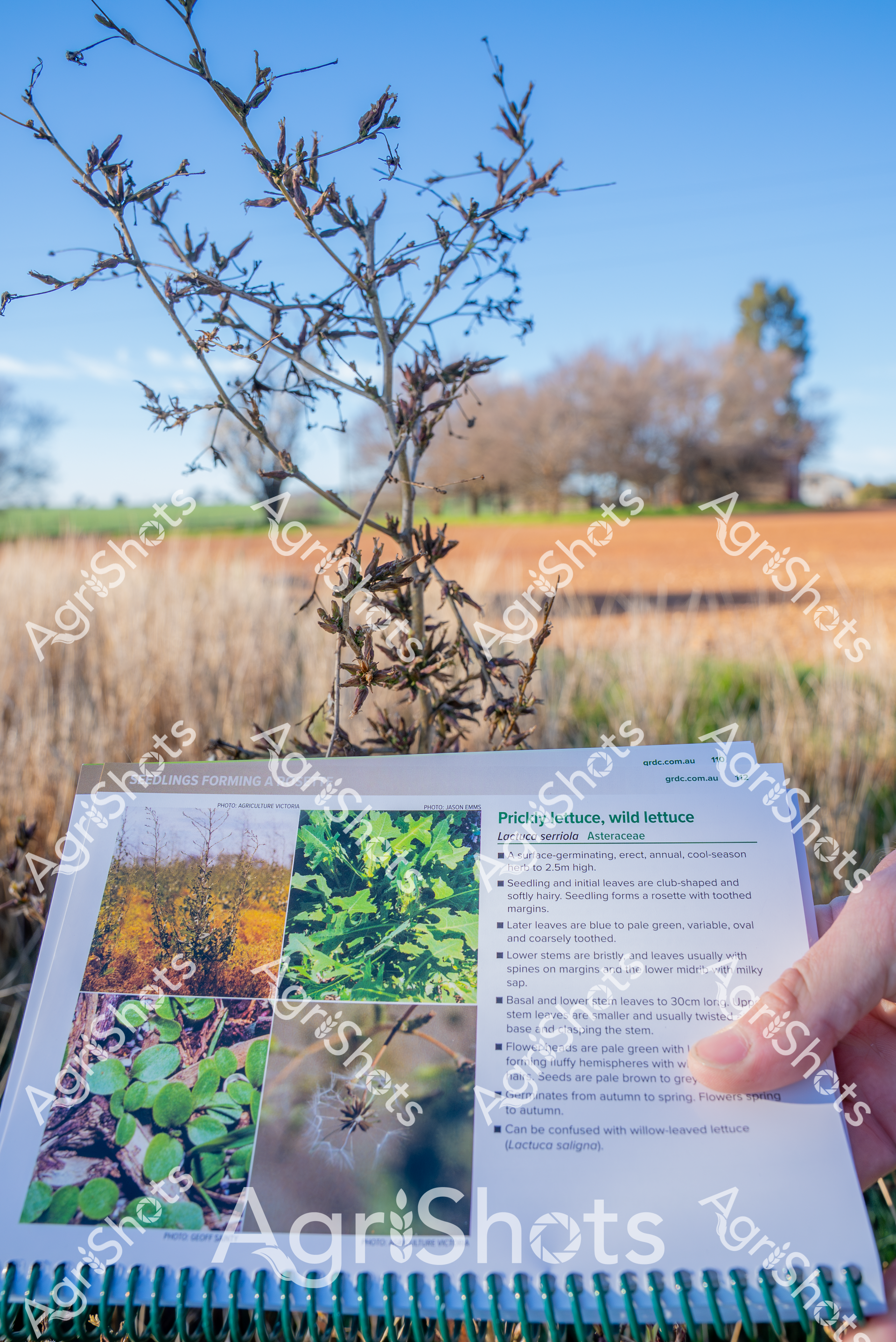
A detailed guide to prickly lettuce (Lactuca serriola) displayed in an agricultural field setting, featuring a close-up of the plant's sparse, spiny branches against a backdrop of golden grass and blue sky. The informative page shows multiple images of the weed at different growth stages, providing comprehensive identification information for agricultural professionals and researchers.