Results for “water feature”
 ▶ Video
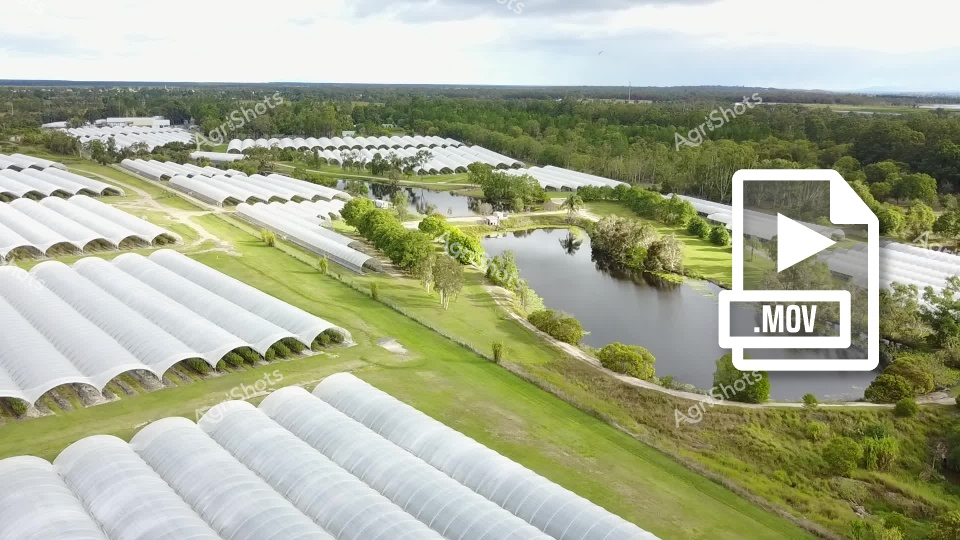
An aerial view of a large commercial greenhouse complex featuring multiple long white polytunnels/greenhouses set among green grass areas and a small pond, surrounded by dense forest and trees. The facility appears to be a modern agricultural installation designed for controlled crop production, with carefully planned landscaping and water management integrated into the agricultural infrastructure.
 ▶ Video
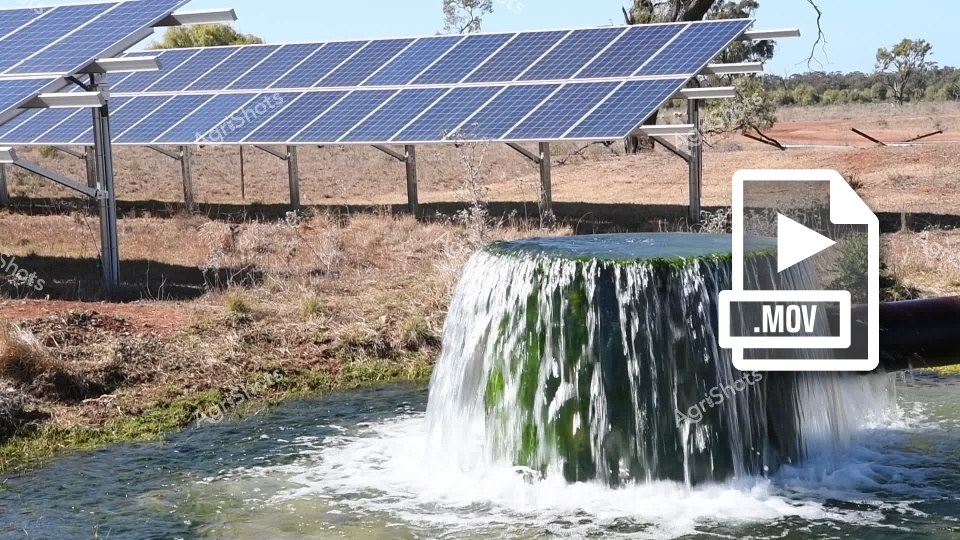
A solar-powered agricultural installation showcases renewable energy innovation in an arid Australian landscape, with multiple photovoltaic panels mounted above a small cascading water feature. The scene highlights sustainable water management and green energy technologies, with solar panels positioned on metal frames against a backdrop of sparse, reddish terrain and scattered native vegetation.
 ▶ Video
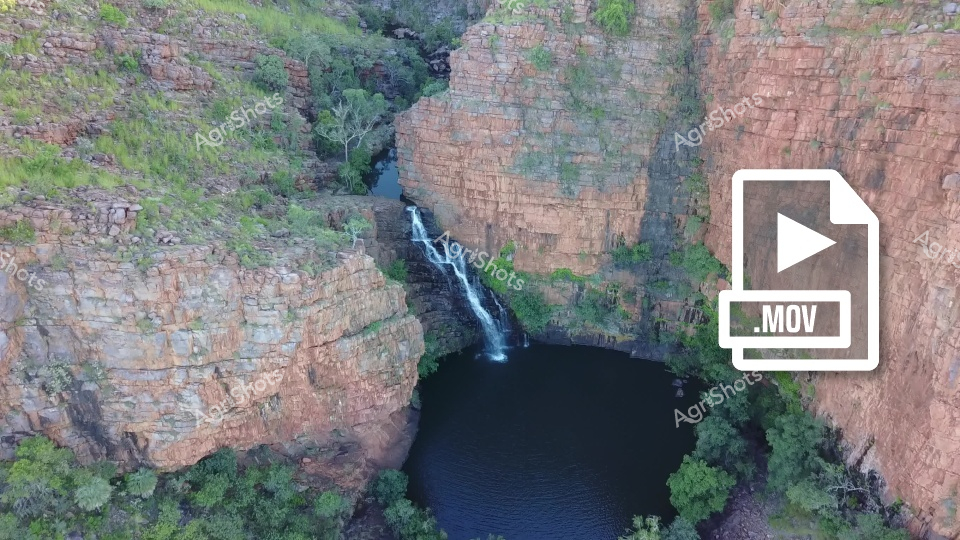
Aerial view of a stunning waterfall cascading down rugged, layered red rock cliffs into a deep, dark blue pool below. Surrounded by lush green vegetation and sparse trees, the waterfall splits into multiple streams as it tumbles down the rocky canyon wall. The dramatic landscape showcases the raw beauty of a remote, untouched natural environment with its striking geological formations and pristine water feature.
 Image
Image
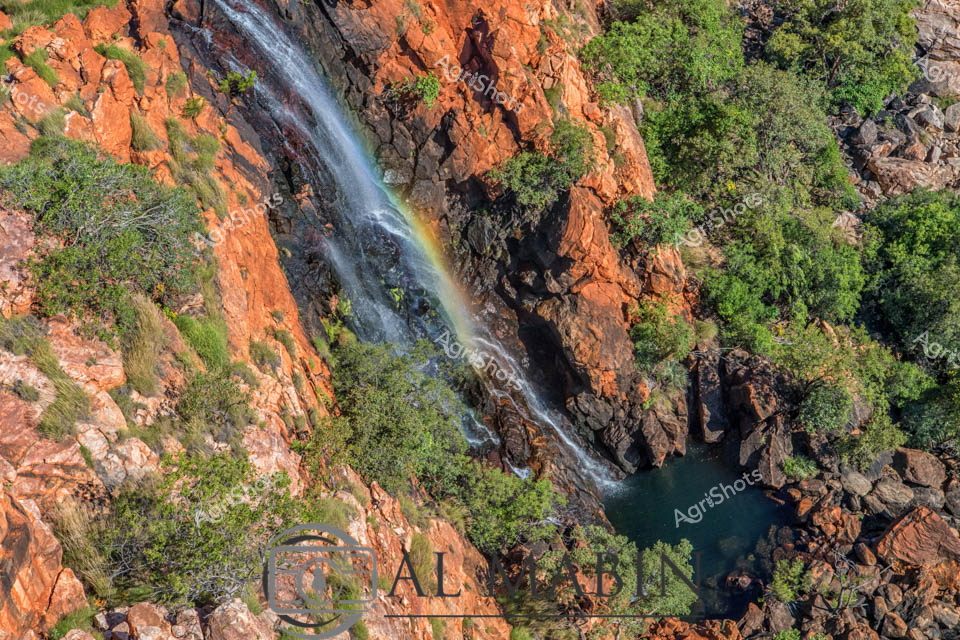
Cascading through the rugged Kimberley landscape, a spectacular waterfall plummets over burnt-orange sandstone cliffs, creating a misty veil punctuated by a vibrant rainbow. Lush green vegetation clings to the rocky terrain, framing the dramatic water feature that tumbles into a deep, emerald pool below. The ancient rock formations tell a geological story of millennia, with layers of red and dark stone creating a textured canvas for the flowing water. Typical of Western Australia's remote northern region, this scene captures the raw, untamed beauty of a landscape shaped by extreme seasonal variations and powerful natural forces. The waterfall represents the lifeblood of this harsh yet stunning environment - a critical water source for local pastoral stations and the diverse ecosystem that survives in this challenging terrain. The interplay of water, rock, and vegetation epitomizes the resilient character of Australia's remarkable Kimberley wilderness.
 Image
Image
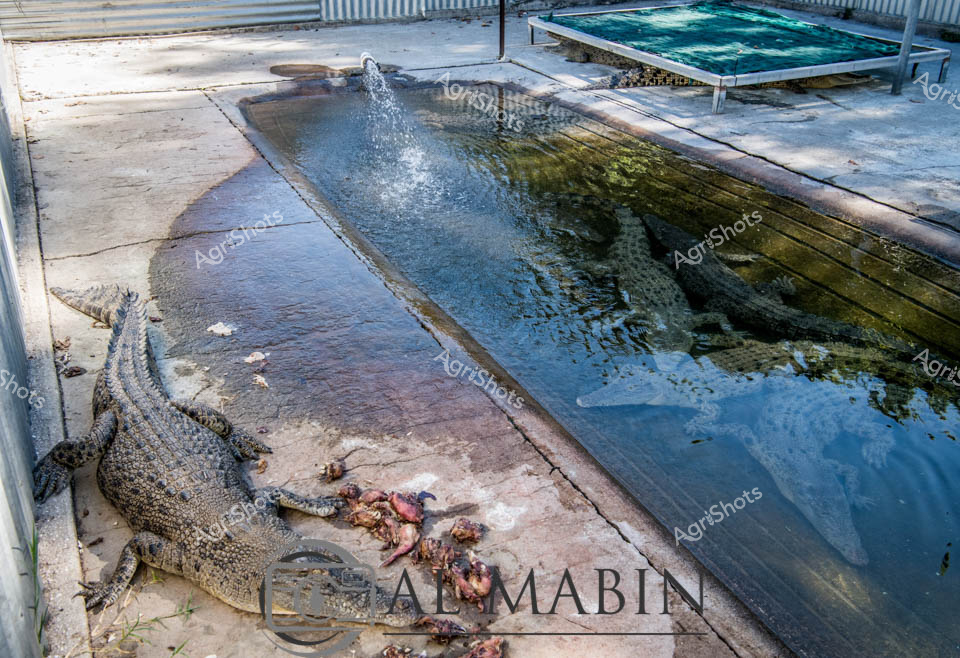
Saltwater crocodile rests beside a water feature at an agricultural research facility in Queensland, muscular predator sprawled on concrete near a feeding trough with raw meat remnants. A powerful fountain jets water into the pool, creating dynamic rippling reflections across the textured concrete surfaces. The crocodile's armored, scaled skin displays intricate prehistoric textures, its powerful body positioned between the feeding area and the deep green water reservoir. Crisp architectural elements frame the scene - corrugated metal walls, precise concrete borders, and a structured pool demonstrate a controlled, scientific environment for studying these apex predators. The image captures the raw intensity of one of Australia's most formidable reptilian species within a carefully managed agricultural research setting, highlighting the intersection of scientific observation and natural power.
 Image
Image
Prehistoric power coils across the enclosure, a massive saltwater crocodile basking in muted Queensland sunlight. Scaled armor gleams with mossy green undertones, its muscular form draped across weathered stone and sparse grass, mere inches from a wire mesh boundary. Powerful ridged skin tells a story of ancient survival, each scale a testament to evolutionary perfection honed over millions of years. The reptile's prehistoric silhouette contrasts sharply with the manicured circular water feature behind it, a stark reminder of the delicate balance between wild nature and human containment. Dappled sunlight highlights the creature's textured hide, revealing intricate patterns of survival evolved through countless generations in Australia's challenging tropical landscapes. This apex predator embodies the raw, untamed spirit of Queensland's northern wilderness, a living relic that commands respect and wonder.
 Image
Image
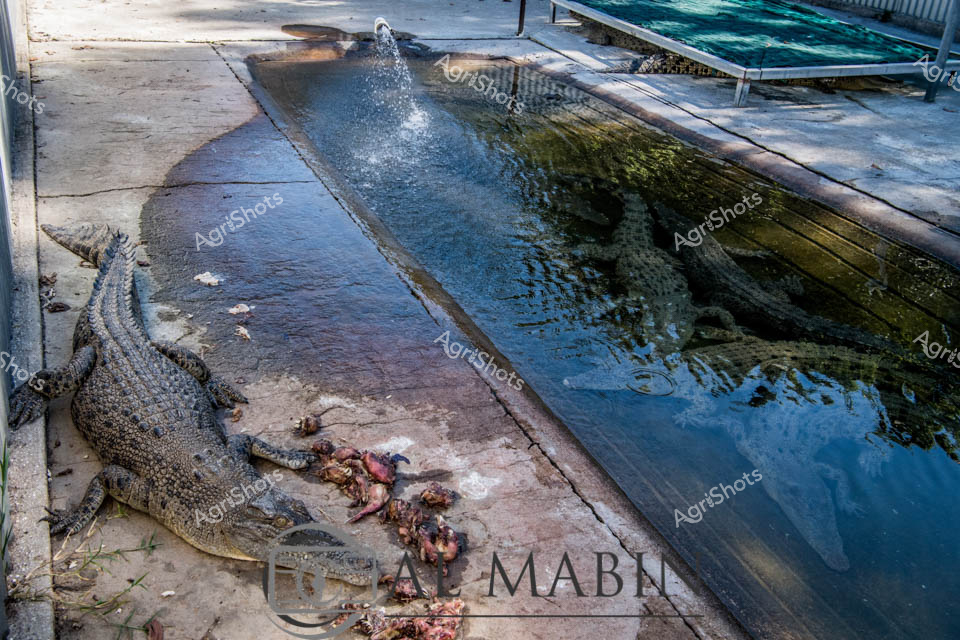
Saltwater crocodiles lounge near a water feature, their scaled bodies basking on the concrete edge of a controlled habitat. A cluster of raw meat scraps lies between the prehistoric predators, suggesting a feeding session in a managed wildlife conservation environment. The reptiles display their formidable prehistoric anatomy - thick, armored skin textured in mottled greys and browns, powerful muscular forms stretched along the waterline. A fountain jets water into the pool, creating dynamic silver sprays that contrast with the deep green-blue water and the weathered concrete surfaces. Queensland's intense tropical light illuminates the scene, highlighting the raw texture of the crocodiles' skin and the wet surfaces around them. This controlled habitat represents the careful management of one of Australia's most iconic and dangerous native species, showcasing the delicate balance between wildlife preservation and human intervention in ecological systems.
 Image
Image
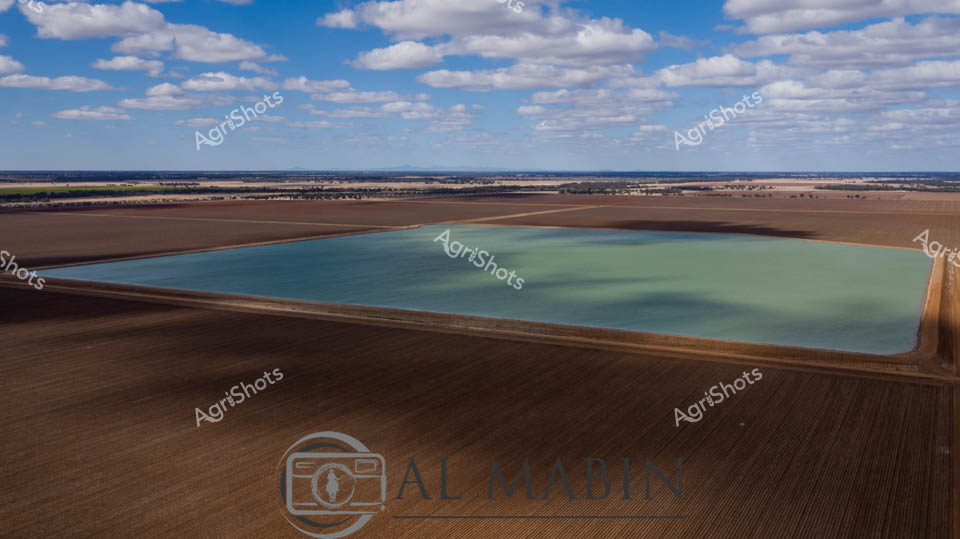
Sunlight cascades across a vast agricultural landscape in New South Wales, revealing a pristine irrigation dam nestled among meticulously prepared agricultural fields. The expansive reservoir, a brilliant turquoise-green, sits geometrically precise amid rich brown cultivated earth, creating a striking visual contrast against the soft, billowing clouds of a classic Australian rural sky. This water resource represents the critical lifeline of dryland farming, capturing and storing precious water for crop irrigation during the harsh, dry seasons that characterize inland agricultural regions. The dam's clean lines and strategic placement highlight the sophisticated water management techniques employed by modern Australian farmers to maximize agricultural productivity in challenging environmental conditions. Surrounding the water feature, carefully ploughed fields stretch to the distant horizon, demonstrating the scale and precision of contemporary broadacre farming practices. The aerial perspective captures the essential relationship between water infrastructure and agricultural sustainability, embodying the resilience and technological innovation of Australian agricultural systems.
 Image
Image
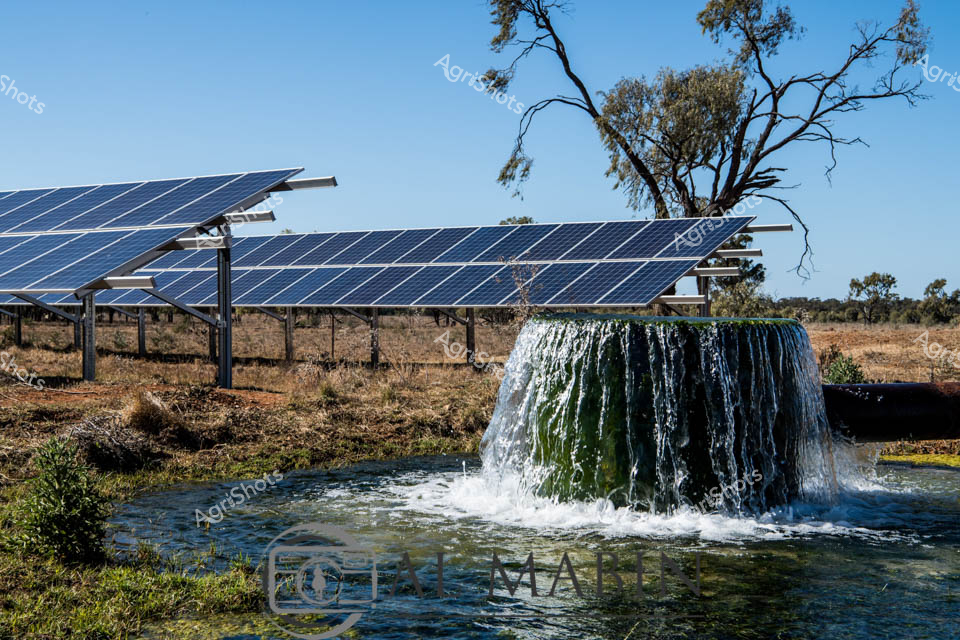
Solar-powered irrigation transforms arid pastoral landscape in central New South Wales, where innovative renewable energy meets agricultural resilience. Sleek, angled solar panels dominate the foreground, their deep blue photovoltaic surfaces catching brilliant sunlight against a stark, golden-brown grassland backdrop. A remarkable water feature emerges dramatically beneath the solar array - a cascading bore water outlet creating a lush green-edged waterfall that tumbles into a circular pool, symbolizing the critical connection between sustainable energy and water management in dryland farming. Sparse, wind-sculpted eucalyptus trees punctuate the horizon, their silvery branches a testament to the harsh environmental conditions these agricultural technologies are designed to overcome. The crisp azure sky and meticulously arranged solar infrastructure represent a progressive approach to agricultural sustainability, where cutting-edge technology harmonizes with the challenging Australian rural environment. This scene encapsulates the ingenuity of modern farming - transforming marginal lands through intelligent use of solar energy and precise water resources.
 Image
Image
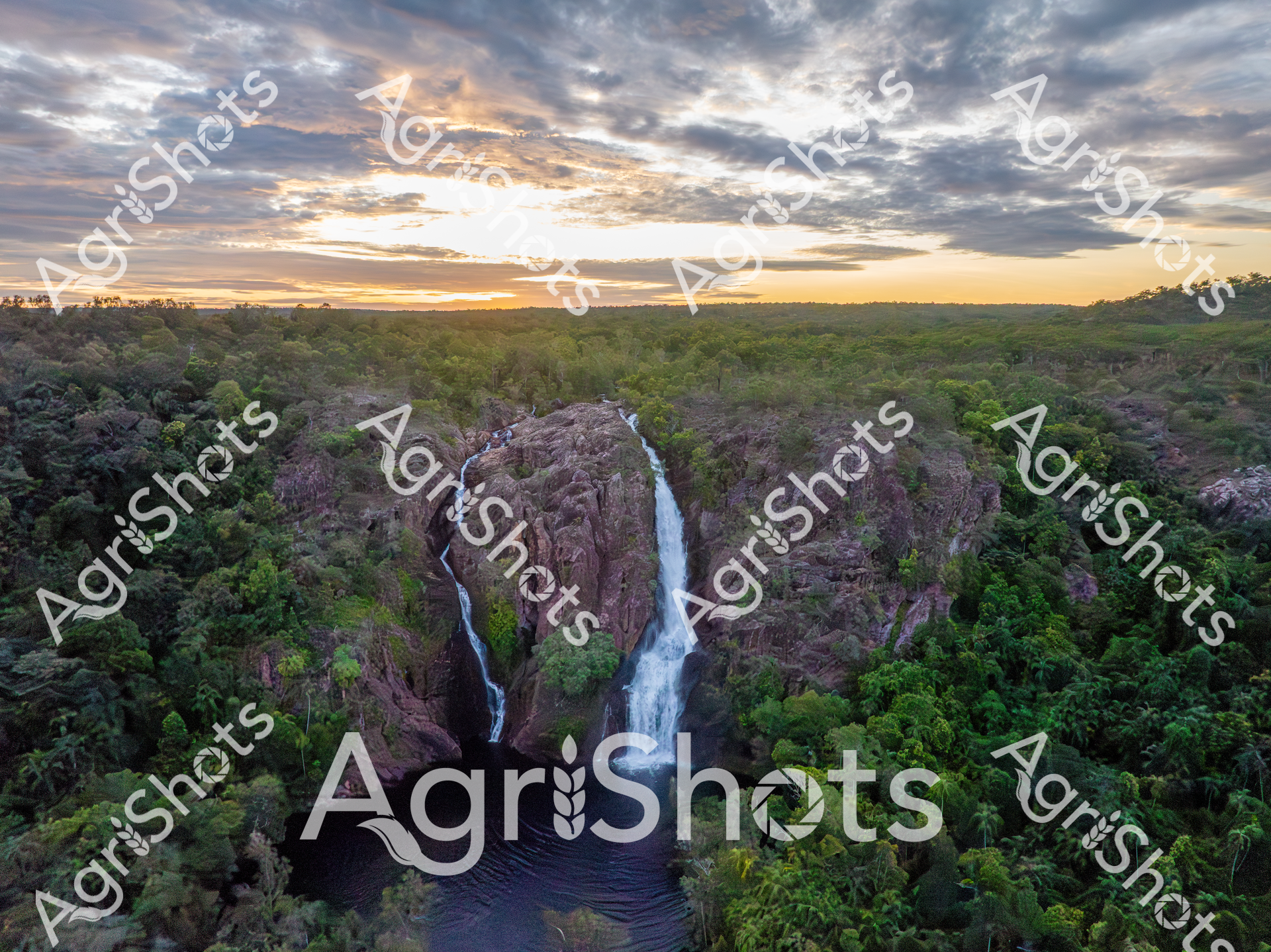
Majestic twin waterfalls cascade through rugged purple-hued rock formations in Litchfield National Park, Northern Territory. The stunning landscape stretches beneath a dramatic sunset sky, with lush green forests surrounding the dramatic water feature and creating a breathtaking panorama of natural beauty.
 Image
Image
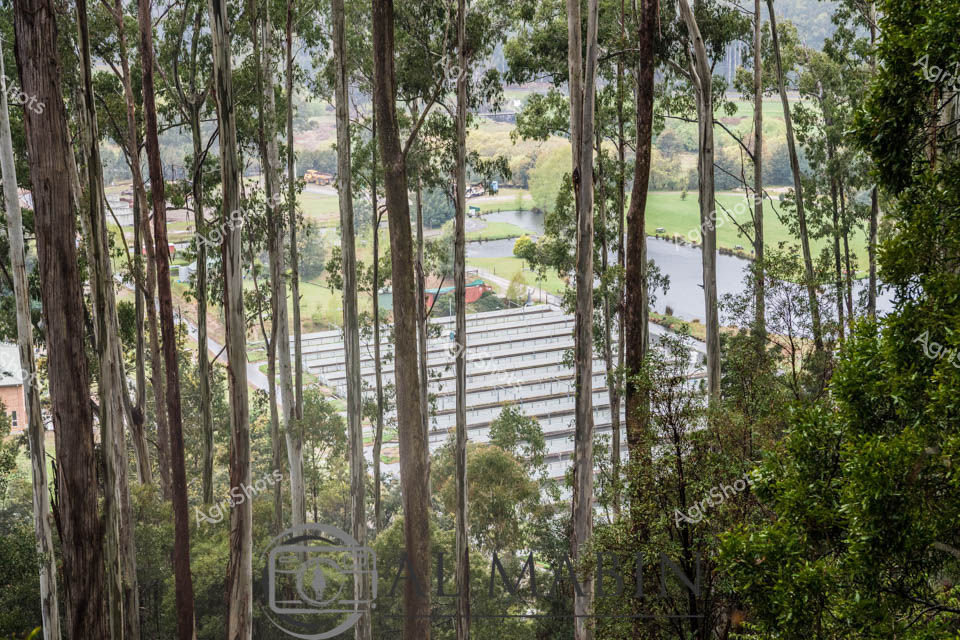
Framed by a dense eucalyptus forest, this tranquil Tasmanian landscape reveals a meticulously designed rural complex nestled among towering silver-grey gum trees. The foreground is a striking vertical composition of slender tree trunks, their bark weathered and textured, creating a natural screen that gradually reveals a serene architectural setting. A modern white-roofed structure sits harmoniously within the verdant landscape, its clean lines and geometric design contrasting beautifully with the organic woodland surroundings. A small pond or water feature curves through the green pastoral grounds, adding a reflective element to the scene and suggesting careful environmental integration. The soft, diffused light suggests early morning or late afternoon, casting a gentle luminescence across the landscape that highlights the lush greens of the grassy areas and the varied bark textures of the surrounding forest. This image captures the quintessential Tasmanian approach to rural design - a thoughtful balance between agricultural infrastructure and pristine natural environment, where human intervention is subtle and respectful of the landscape's inherent beauty. The composition invites contemplation of how modern agricultural and architectural practices can coexist harmoniously with indigenous forest ecosystems.
 Image
Image
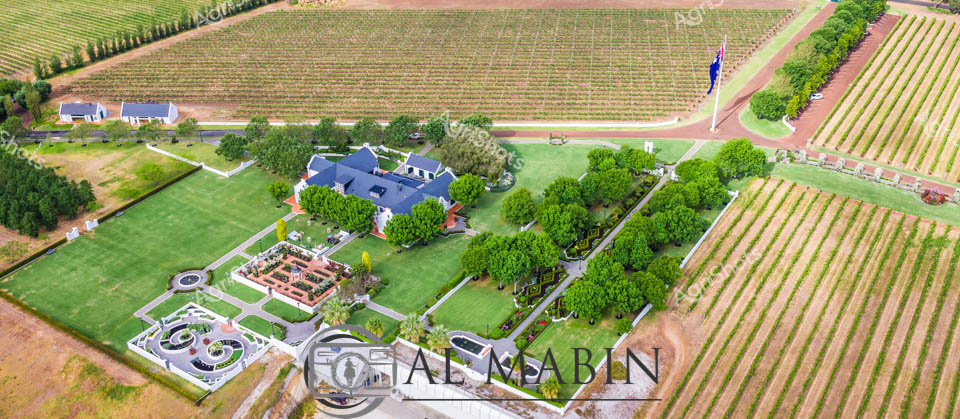
Aerial panorama of an immaculate Cape Dutch-style winery estate nestled amid golden wheat and verdant grape rows in Margaret River's prestigious wine region. Meticulously landscaped gardens radiate geometric precision, with manicured lawns, symmetrical tree plantings, and an elegant circular water feature framing the slate-roofed homestead. Neat vineyard blocks stretch to the horizon, revealing the careful agricultural planning of this premium wine-producing landscape. The property exemplifies Western Australian viticultural excellence, with precisely aligned vine rows contrasting against carefully maintained green spaces and architectural elegance. Soft morning light bathes the scene, highlighting the rich terra cotta soil, emerald green lawns, and the orderly rows of agricultural productivity that define this remarkable wine-growing terrain. The image captures the harmonious intersection of agricultural science, architectural design, and natural beauty that characterizes Margaret River's world-renowned wine estates.
 Image
Image
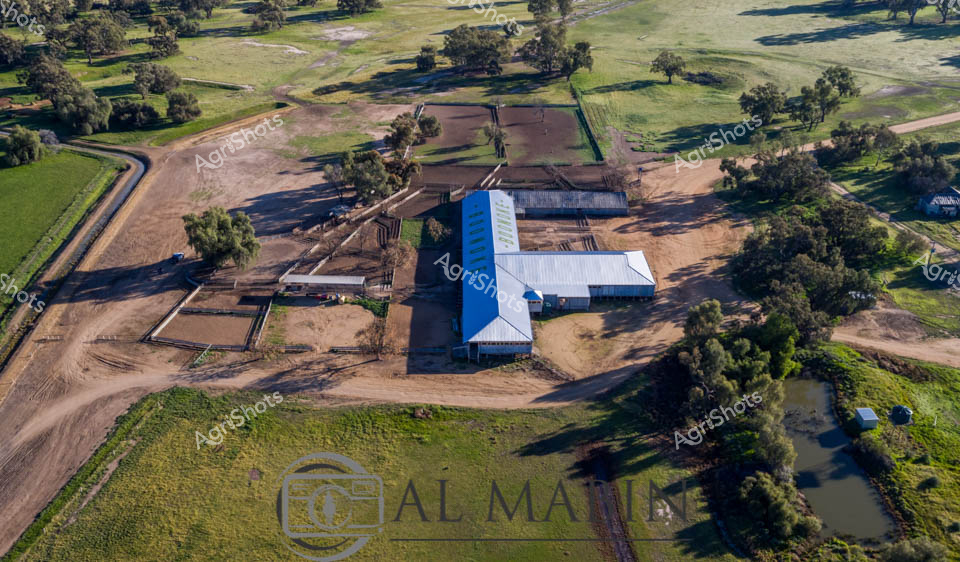
Aerial survey of a classic Australian sheep station in spring, showcasing the iconic blue-roofed woolshed nestled among the undulating pastoral landscape of New South Wales. Bare earth paddocks radiate out from the central agricultural complex, surrounded by scattered eucalyptus trees casting long shadows across the sun-drenched terrain. The meticulously designed shearing facility stands as a testament to generations of wool production, with multiple sheds and holding pens strategically arranged to support efficient livestock management. Dusty tracks wind between carefully demarcated zones, revealing the precision of modern agricultural operations in this expansive rural setting. Verdant green pastures border the working areas, hinting at the seasonal renewal and potential of the land, while a small water feature nestled among the trees provides essential hydration for the station's livestock. The image captures the quintessential Australian agricultural landscape - a harmonious blend of human engineering and natural beauty, where the legacy of merino wool production continues to shape the economic and cultural fabric of rural communities.
 Image
Image
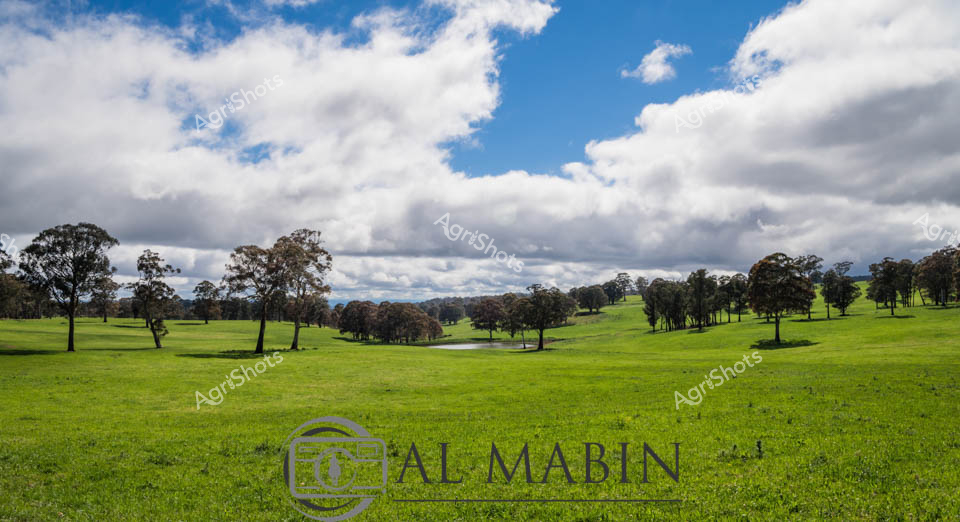
Mature eucalyptus trees punctuate the verdant grasslands, creating a serene grid-like arrangement that speaks to carefully managed grazing lands. Soft shadows and luminous cloud formations suggest a mid-morning scene, with the rich green grass indicating recent rainfall and optimal growing conditions for cattle production. The meticulously maintained landscape reveals the hallmarks of sophisticated agricultural management, where strategic tree placement provides shelter and environmental balance for livestock. A distant water feature glimpsed between the trees hints at comprehensive land and herd care, essential to successful beef production in this region. The expansive vista embodies the harmonious relationship between carefully tended agricultural land and the natural Australian environment, showcasing the sophisticated approach of modern pastoral enterprises.
 ▶ Video
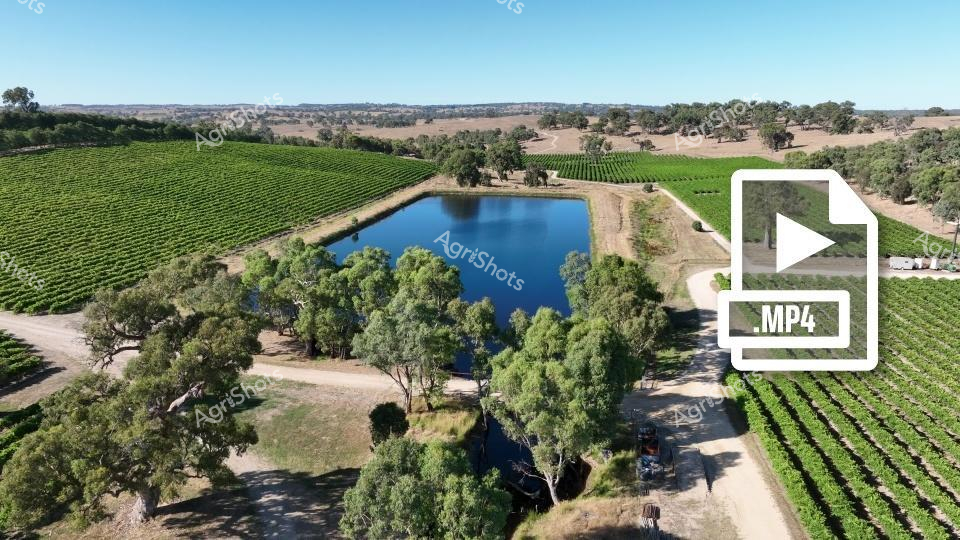
Sunlight cascades across a pristine vineyard landscape in South Australia's renowned Barossa Valley, revealing a stunning agricultural tableau centered around a tranquil blue water reservoir. Meticulously planted grapevines cascade in perfect emerald rows, creating geometric patterns against the undulating rural terrain dotted with mature eucalyptus trees. The strategic water feature serves as a critical irrigation resource for the surrounding viticulture, representing the sophisticated water management essential to successful wine production in this arid region. A dirt track winds between the vineyard sections, with agricultural equipment parked nearby, suggesting ongoing harvest or maintenance activities. The panoramic drone perspective captures the harmonious interaction between carefully cultivated agricultural land and the natural landscape, showcasing the precision and beauty of modern Australian wine production. The clear azure sky and verdant green vineyards communicate the robust health and meticulous care invested in this agricultural enterprise, embodying the Barossa Valley's global reputation for exceptional wine cultivation.
 Image
Image
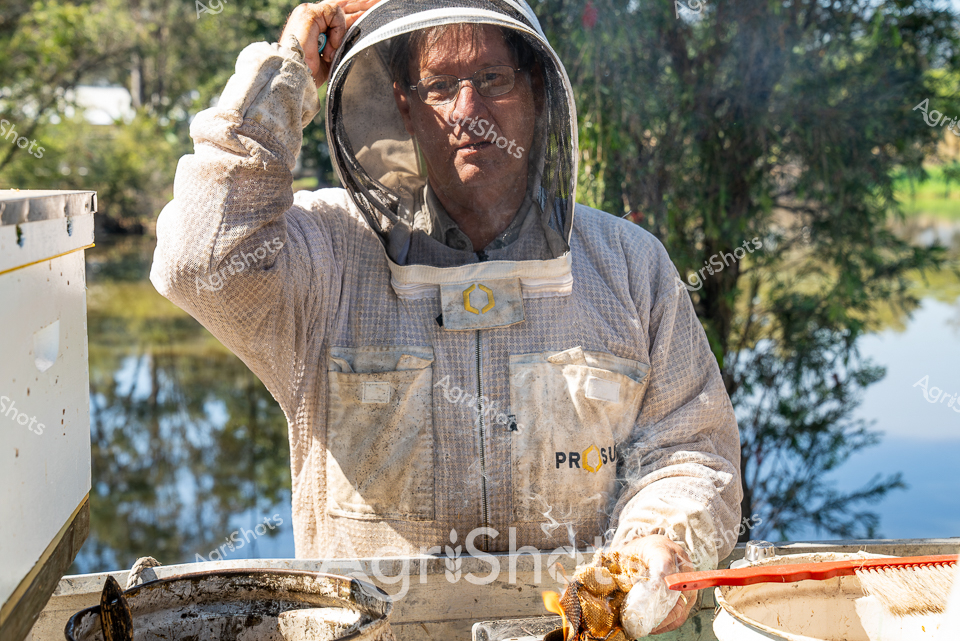
Clad in a protective mesh-hooded suit marked with 'PROSU', an apiarist tends to a collection of bee hives nestled beside a tranquil water feature in Queensland's verdant Lockyer Valley. Soft spring sunlight filters through surrounding trees, casting dappled light on the beekeeper's weathered gloves and well-worn protective gear. With careful, practiced movements, the beekeeper manages the hive, revealing the intricate world of honeybee agriculture against a backdrop of lush greenery and reflective water. The light-colored protective suit stands out against the natural landscape, highlighting the delicate balance between human intervention and the complex ecosystem of bee cultivation. Specialized equipment and the beekeeper's focused demeanor speak to the precision and dedication required in managing these critical pollinators. This image captures the essence of sustainable agricultural practice, where human expertise and natural systems converge in the peaceful, productive environment of a working apiary.
 Image
Image
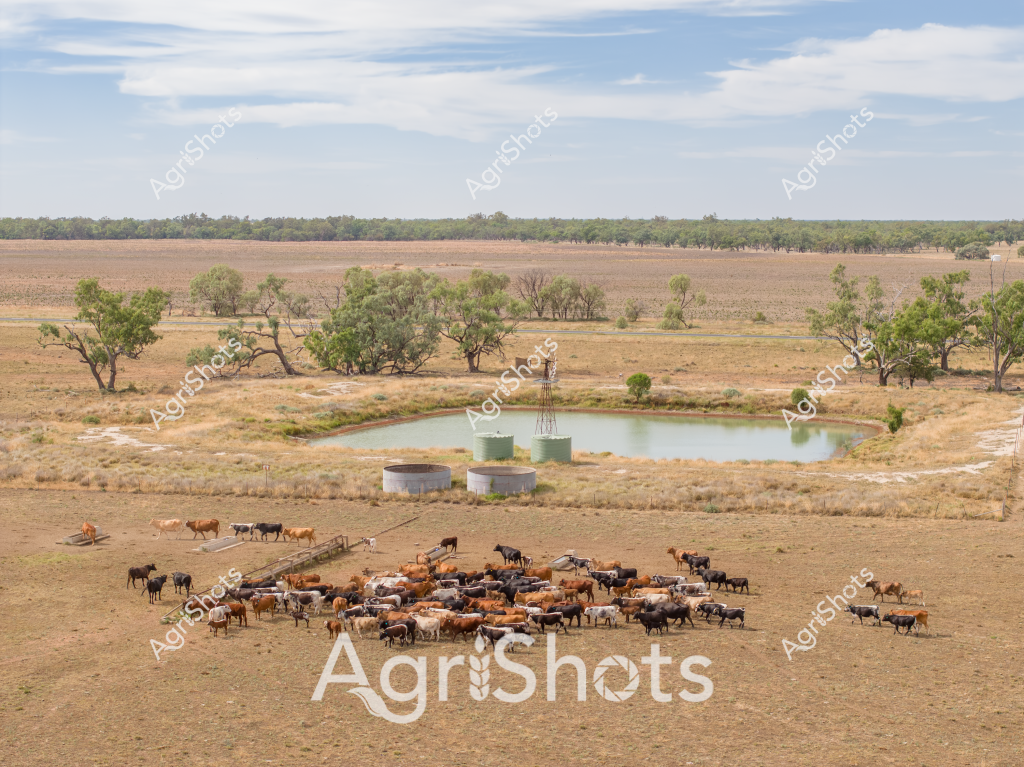
A classic Australian pastoral scene captures a small herd of mixed-breed cattle clustered around a water dam in a dry, expansive landscape. The circular water dam, accompanied by windmill and water storage tanks, sits in the center of a parched paddock with scattered eucalyptus trees and sparse grassland stretching toward distant tree lines. Multiple cattle breeds are represented - including black, brown, and white animals - huddled together near the water source in what appears to be a challenging dry season environment. The landscape suggests an inland Queensland or New South Wales pastoral station, with its characteristic wide-open terrain and minimal vegetation indicative of prolonged drought conditions. A windmill stands sentinel beside the water dam, a quintessential feature of Australian rural infrastructure, providing critical water access for livestock in arid agricultural regions. The scene powerfully illustrates the resilience of Australian cattle farming, where strategic water management is essential for survival during harsh environmental conditions.
 Image
Image
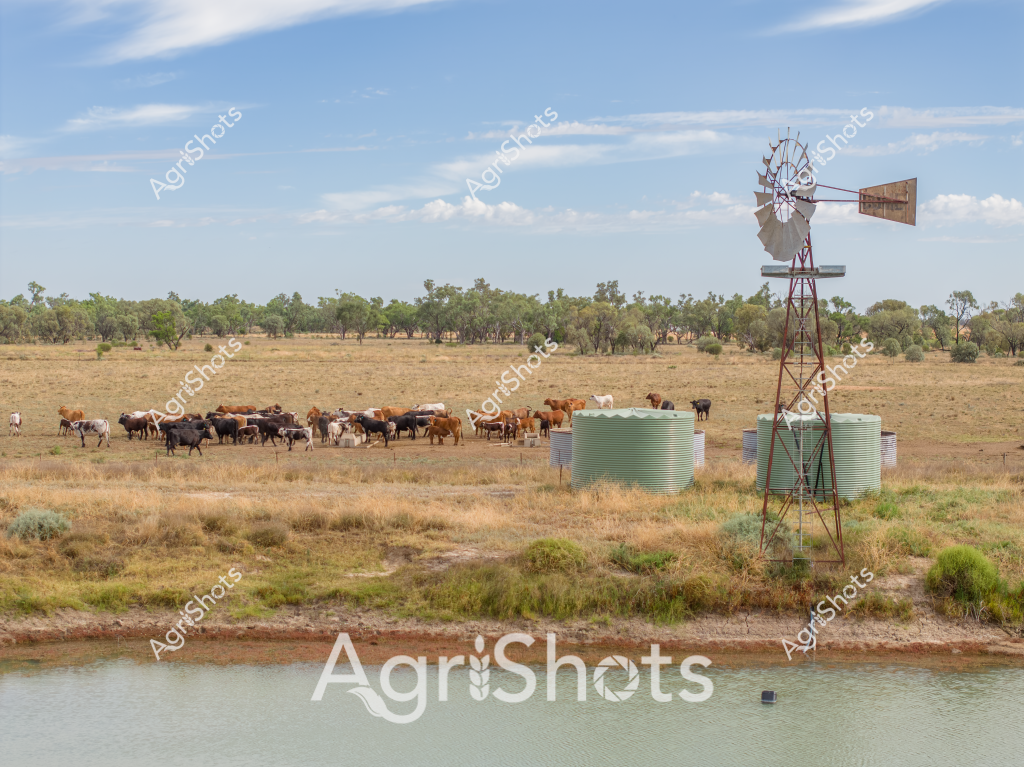
A classic Australian rural landscape captures a herd of mixed-breed cattle gathered near water storage tanks and a traditional windmill. Approximately 30-40 cattle of various colors - including brown, white, and black - cluster together in a dry, golden-grassed paddock with scattered eucalyptus trees in the background. A classic green corrugated water tank and tall metal windmill stand sentinel near a small dam or water hole in the foreground, providing essential water infrastructure for the livestock. The scene epitomizes a typical pastoral setting in rural Australia, likely in an inland region such as western New South Wales or Queensland. The landscape appears dry and somewhat sparse, with low grasses and scattered vegetation suggesting potential drought conditions. A bright blue sky with wispy clouds creates a sense of expansive openness characteristic of Australian agricultural regions. The windmill, a quintessential feature of outback farming, represents traditional water management techniques still used in many rural properties. The cattle seem to be resting and grazing, demonstrating the resilience of livestock in challenging environmental conditions. This image captures the essence of Australian cattle farming - adaptability, resourcefulness, and the stark beauty of rural landscapes.
 Image
Image
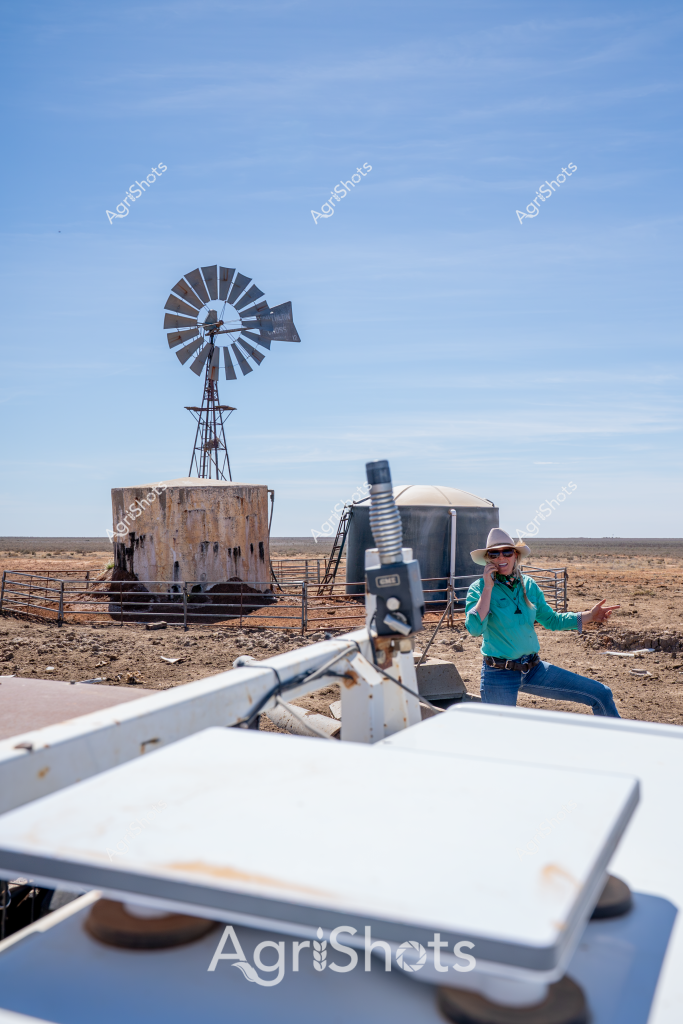
A woman in a turquoise shirt and wide-brimmed hat stands amid a stark, arid landscape, conducting agricultural field research or survey work near a classic windmill and water storage tank. The windmill, a quintessential feature of Australian rural infrastructure, rises against a clear blue sky, its metal blades poised to catch the slightest breeze. A white instrument or measurement device is mounted in the foreground, suggesting scientific data collection or environmental monitoring. The surrounding terrain is a palette of browns and tans - dry, compacted earth characteristic of drought-affected or semi-arid regions of Australia. This scene captures the resilience of agricultural workers and the essential infrastructure that supports farming in challenging environmental conditions, where water management and precise environmental measurements are critical to survival and productivity.
 Image
Image
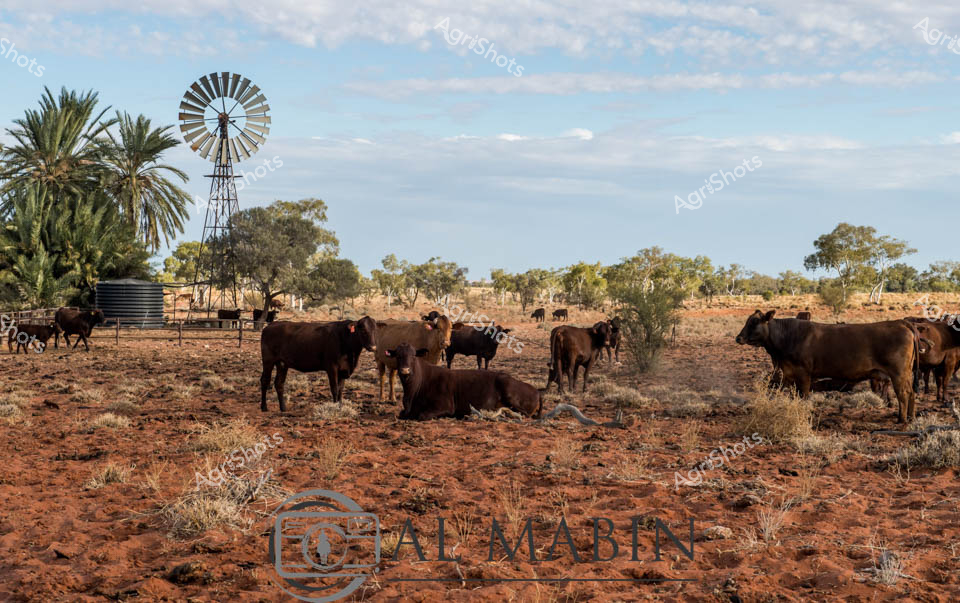
Red Dirt & Resilience: Cattle Station Life Angus cattle cluster around a weathered windmill beneath the expansive Queensland sky, their dark coats contrasting against the rusty-ochre landscape. Sparse eucalyptus trees and a solitary palm punctuate the arid pastoral terrain, revealing the harsh yet beautiful environment of Australia's inland cattle stations. The classic steel windmill, a quintessential feature of outback infrastructure, stands sentinel beside a water tank, silently pumping precious groundwater for the herd during the dry season. Some cattle rest on the sun-baked earth while others graze tentatively among sparse grassland scrub, embodying the stoic resilience required to survive in this unforgiving ecosystem. The muted palette of browns, blues, and dusty greens speaks to the challenging conditions of northern Queensland's agricultural heartland, where generations of farmers have cultivated livestock despite environmental constraints. This image captures the essence of Australian pastoral life - a delicate balance between human engineering, animal husbandry, and an uncompromising landscape.
 Image
Image
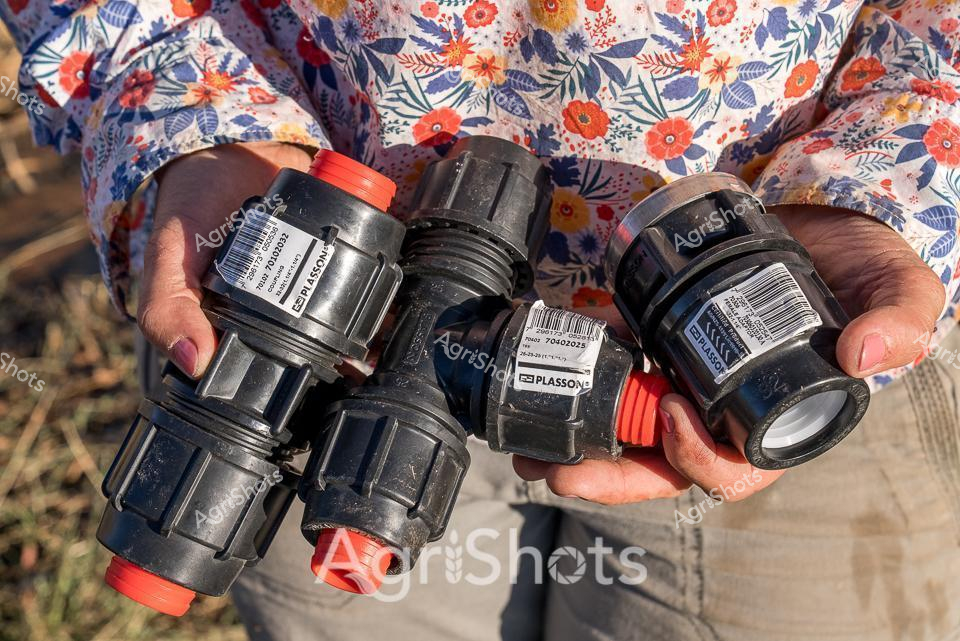
Rural irrigation hardware detail: Calloused hands cradle robust Plasson compression pipe fittings against a vibrant floral fabric backdrop. The black polymer connectors feature distinctive red locking rings, precision-engineered for reliable water reticulation in agricultural settings. Each fitting bears crisp barcode labels, testament to modern inventory tracking in agricultural supply chains. The weathered hands holding the components suggest decades of farming experience - fingernails bearing traces of soil, skin textured by years of outdoor work. These precision-engineered hydraulic connections represent the sophisticated technology underpinning Australian agricultural water management, bridging traditional farming craft with contemporary agricultural infrastructure. The soft, botanical print of the worker's clothing provides a delicate counterpoint to the industrial strength of the mechanical components, symbolizing the nuanced relationship between human skill and technological innovation in contemporary farming practice.
 Image
Image
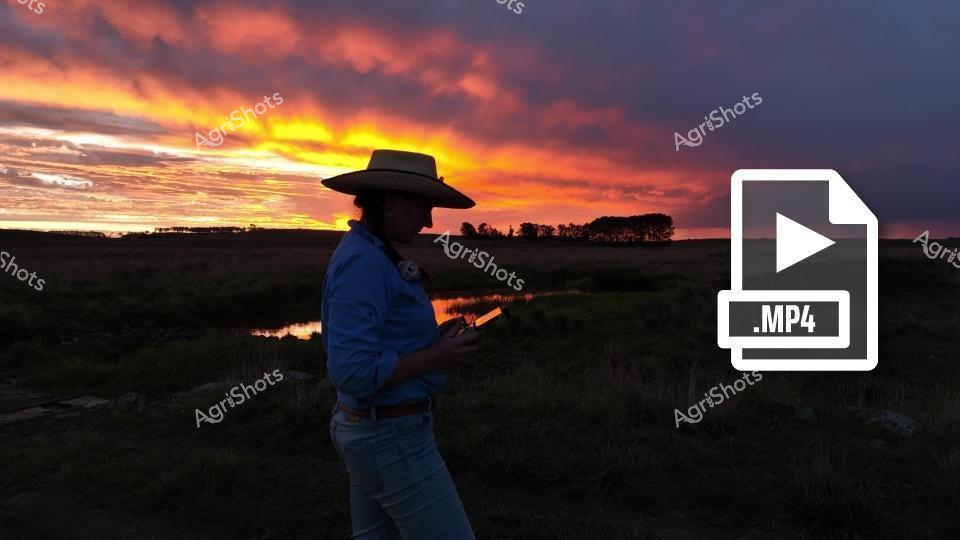
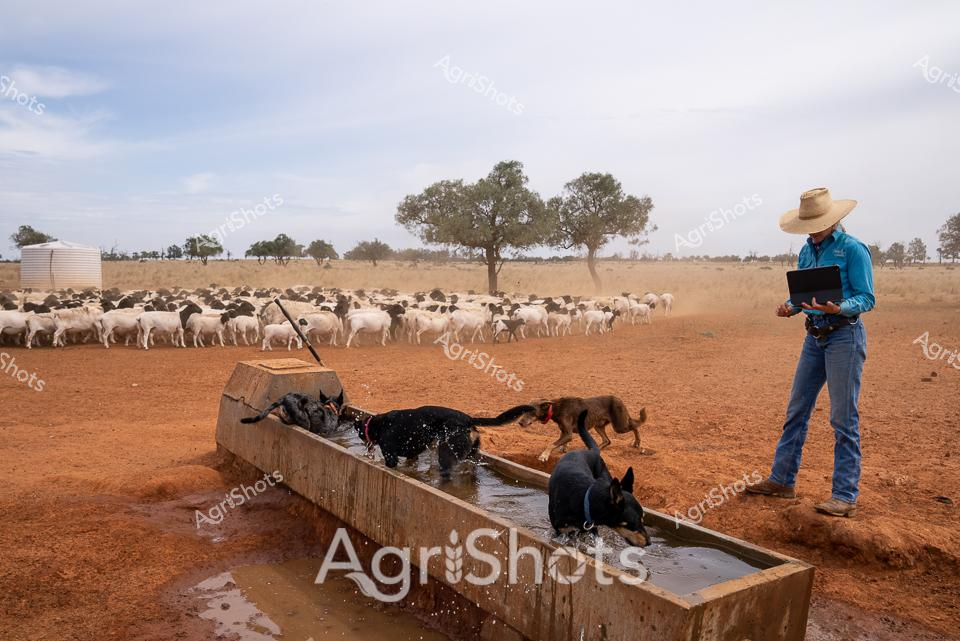
Beneath an overcast sky, a vast golden paddock stretches to distant treelines, where mature gum trees punctuate the arid landscape of inland New South Wales. A substantial flock of Dorper sheep - their white bodies contrasting sharply against the rust-red earth - grazes quietly while working dogs cool themselves in a concrete water trough. A station hand in classic rural attire - wide-brimmed akubra, blue work shirt, and denim jeans - stands contemplatively, tablet in hand, surveying the livestock and monitoring their condition with modern agricultural technology. Several black working dogs splash and drink from the trough, their muscular forms moving with practiced efficiency. A white water tank stands sentinel in the background, a typical feature of remote Australian agricultural infrastructure. The scene captures the essence of contemporary pastoral management - where traditional livestock farming meets digital oversight, and the harsh beauty of the Australian rural landscape provides both challenge and opportunity for those who work the land.
 Image
Image
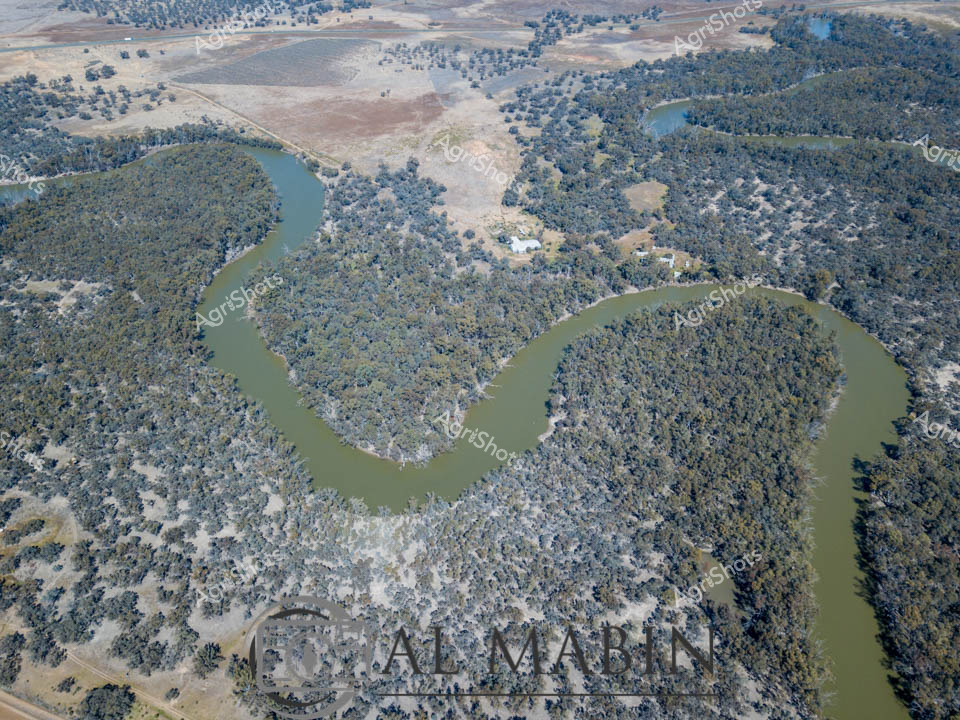
Serpentine curves of a verdant river wind through the textured landscape of rural New South Wales, revealing the intricate relationship between water and agricultural terrain. Dense eucalyptus woodland frames the olive-green waterway, creating a sinuous pathway through a patchwork of cleared farmland and native bushland. Aerial perspective captures the nuanced topography - silvery-green tree canopies gradually transitioning to sparse, pale paddocks with scattered tree clusters, highlighting the delicate ecological balance of dryland farming regions. The river's meanders create natural boundaries and irrigation opportunities, with small rural structures nestled discretely among the tree lines, suggesting generations of strategic agricultural settlement. Subtle variations in vegetation density and land use demonstrate sophisticated land management practices, where agricultural productivity coexists with preservation of native ecosystems. The muted palette of blues, greens, and earthy tones speaks to the resilient character of Australian rural landscapes, where water is both a precious resource and a defining geographic feature.