Results for “shelving”
 Image
Image
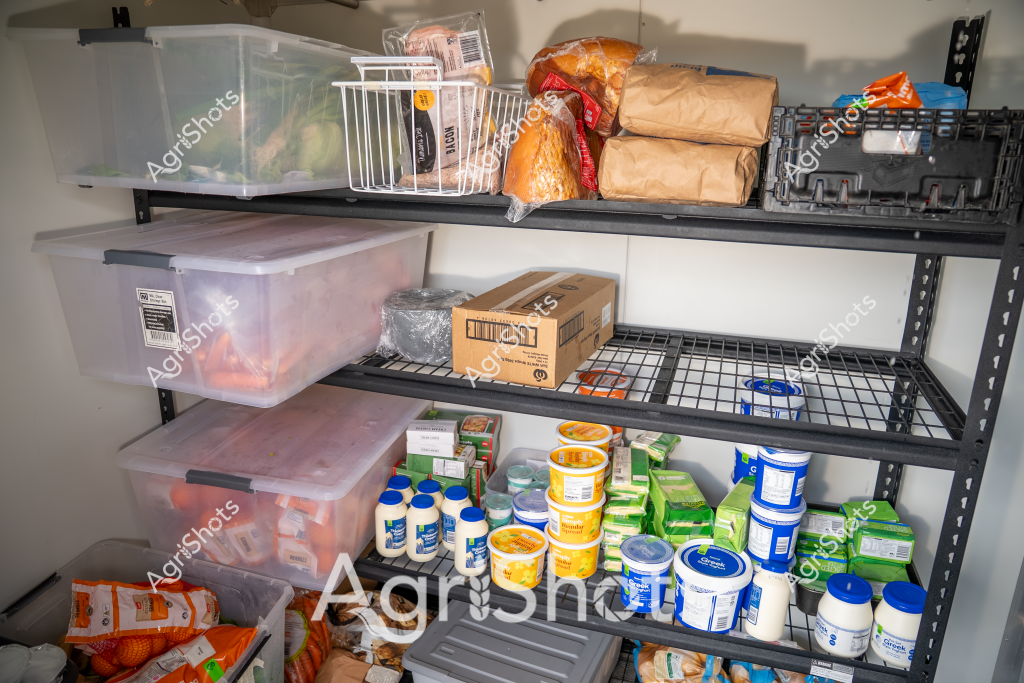
Based on the image provided, this appears to be a storage shelving unit in a food storage or pantry area, filled with various food products and storage containers. The shelves are industrial-style metal wire shelving, loaded with clear plastic storage bins, cardboard boxes, bagged goods, and assorted food containers in blue, white, and green packaging. The storage system looks organized, with items neatly arranged across multiple levels - from bread and packaged goods on the top shelf to dairy and other containers on the lower shelves. Several large clear plastic containers with lids are visible, suggesting this is a systematic food storage setup, likely in a commercial or large-scale kitchen or food preparation environment. The arrangement indicates careful inventory management and efficient use of vertical storage space.
 Image
Image
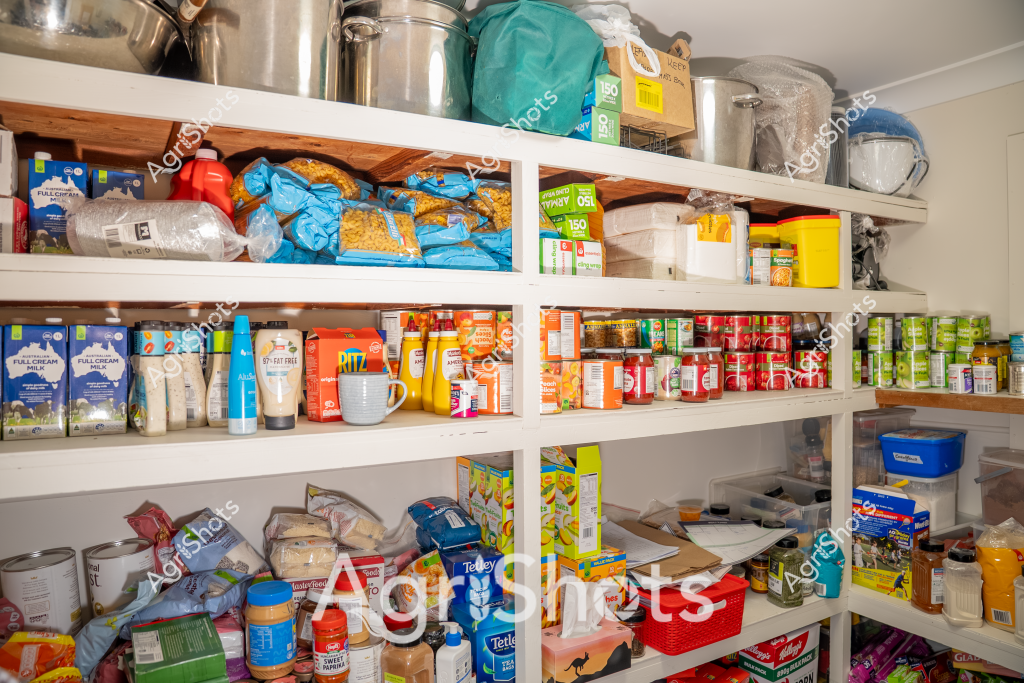
This image showcases a well-stocked pantry or kitchen storage area filled with a diverse array of food products and supplies. Multiple white shelves are densely packed with various packaged goods, including bags of dry ingredients, canned items, milk cartons, and assorted containers in blue, red, green, and yellow packaging. The shelves are meticulously organized, with items arranged by type and color, creating a visually appealing and practical storage system. Blue bags of what appear to be dried goods are stacked alongside white milk cartons, yellow spice containers, and red-labeled items. The shelves extend from floor to ceiling, maximizing vertical storage space. Plastic containers, mixing bowls, and additional storage items are visible on the top shelf, indicating a comprehensive approach to kitchen organization. The color palette is predominantly white, with pops of blue, red, green, and yellow from the various food packages. The shelving appears to be a combination of white-painted wooden shelves with some natural wood elements visible. The overall impression is one of preparedness, organization, and a well-stocked kitchen ready for meal preparation.
 Image
Image
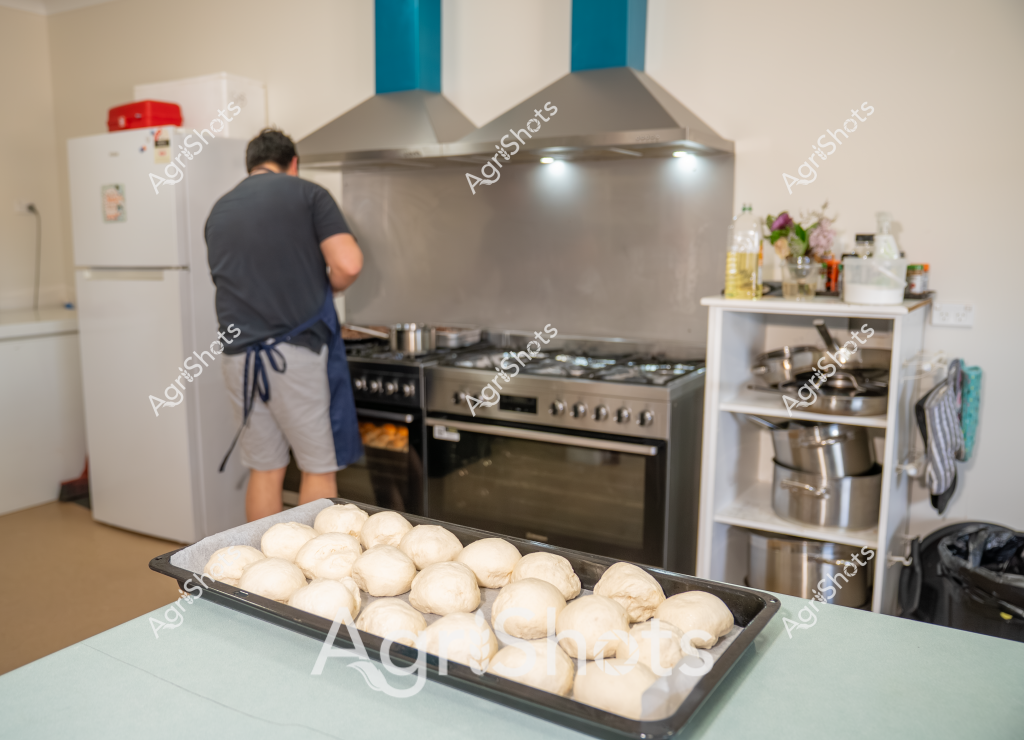
Here's a detailed description focusing on the culinary and kitchen scene: A man wearing a dark grey t-shirt and grey shorts stands with his back turned in a commercial-style kitchen, preparing what appears to be bread or pastry. In the foreground, a large baking tray is filled with numerous round, raw dough balls - smooth, pale, and evenly shaped, suggesting preparation for bread or rolls. The kitchen features a stainless steel stove with a large exhaust hood, a white refrigerator, and a shelving unit with cooking equipment. The workspace is clean and organized, with cooking oils and ingredients visible in the background. The soft lighting and neutral color palette create a calm, professional atmosphere typical of a commercial or home bakery setting. The precise arrangement of the dough balls and the methodical positioning of the baker suggest careful preparation and attention to detail in the bread-making process.
 ▶ Video
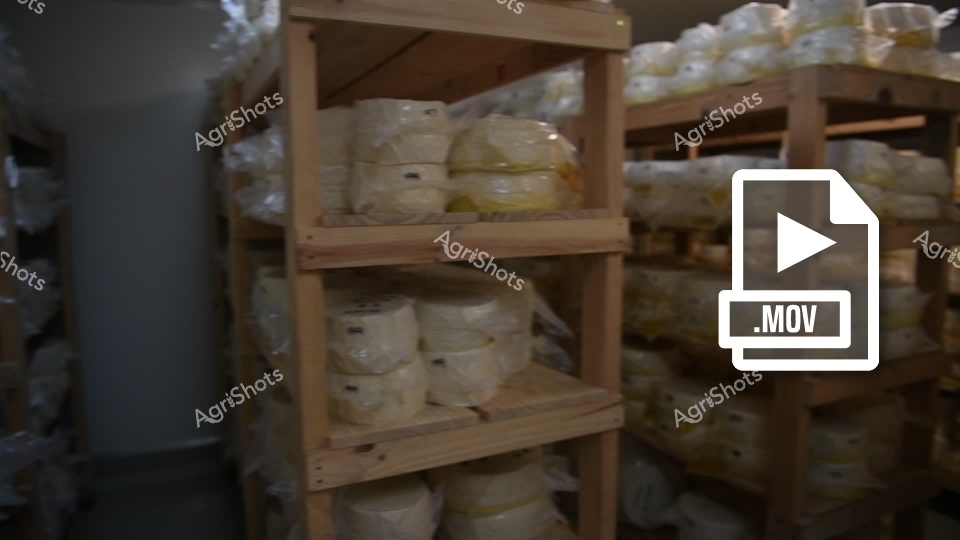
A comprehensive cheese aging facility showcases the traditional dairy processing methods in Victoria, with wooden shelving systems holding numerous rounds of artisanal cheese at various stages of maturation. The systematic arrangement of pale, cloth-wrapped cheese wheels demonstrates the meticulous care required in buffalo cattle milk processing, where each wheel develops its distinctive flavor profile through controlled aging. The factory's wooden infrastructure provides optimal conditions for the slow transformation of fresh dairy into premium aged cheese, highlighting Victoria's commitment to traditional cheese-making techniques and quality buffalo milk production.
 Image
Image
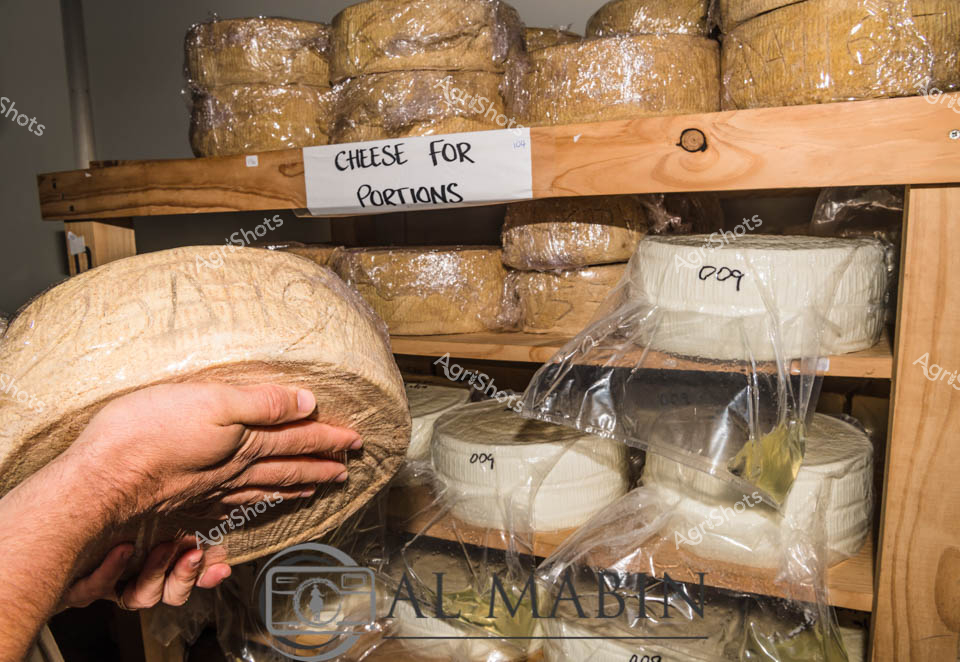
Artisan cheese maturation unfolds in a rustic wooden shelving system, revealing the meticulous craft of dairy production. A sturdy hand carefully handles a large, naturally-aged cheese wheel, its textured golden-brown rind suggesting months of careful aging and development. Surrounding the central wheel, multiple wrapped cheese portions are systematically arranged, each sealed in clear plastic and labeled with numerical codes, indicating a precise portioning and tracking system. A handwritten sign reading "CHEESE FOR PORTIONS" demarcates the shelving section, highlighting the methodical approach to cheese preparation. The wooden shelves create a warm, organic backdrop that contrasts with the clinical precision of the packaging, embodying the balance between traditional cheesemaking techniques and modern food processing standards. The image captures the quiet concentration of artisan food production, where each wheel represents hours of careful cultivation, transforming raw milk into a refined culinary product through patient craftsmanship.
 Image
Image
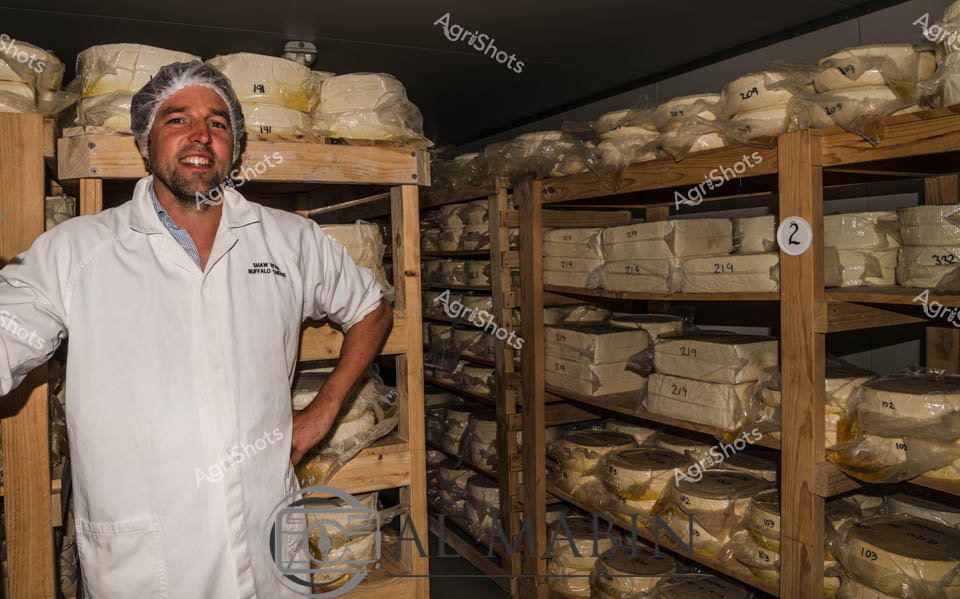
A smiling man working as a cheesemaker stands proudly in his aging facility surrounded by wooden shelving systems stocked with wheels of cheese wrapped in protective coverings. The dairy processing factory in Victoria's Barwon South Region showcases the artisanal cheese production process, with numbered sections organizing the carefully aged products. His white processing coat and cheerful demeanor reflect the satisfaction of transforming quality buffalo milk into premium cheese varieties through traditional aging techniques.
 Image
Image
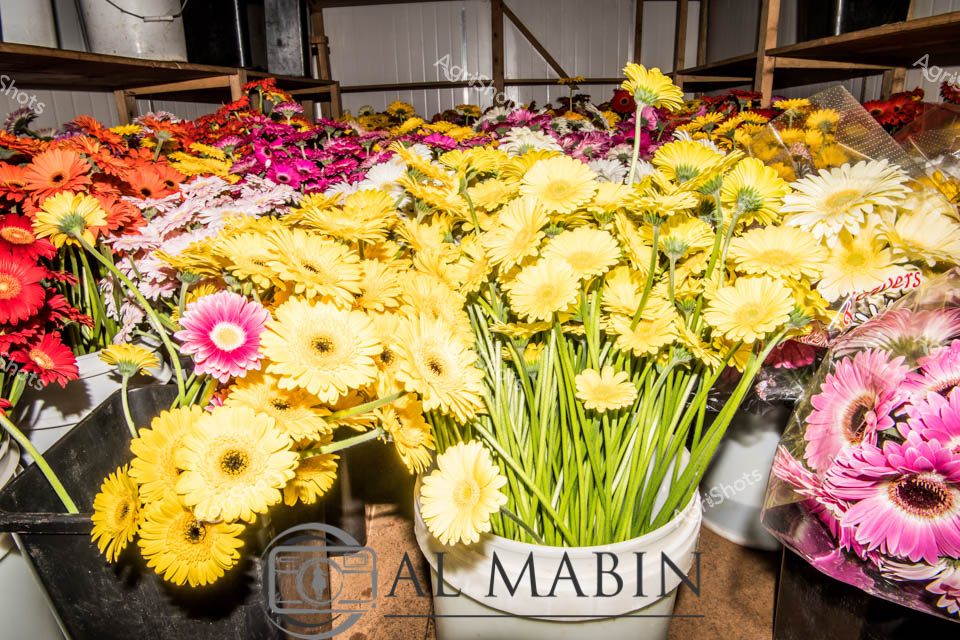
Vibrant gerbera daisies burst with color in this expansive glasshouse nursery, capturing the rich agricultural diversity of Victoria's floriculture industry. Clusters of yellow, pink, red, and white blooms fill custom-branded "" containers, revealing the meticulous cultivation process of these popular commercial cut flowers. The densely packed flowers showcase the precision and care of Australian horticultural practices, with each delicate bloom standing proudly on its slender green stem. Sunlight filtering through the glasshouse creates a luminous environment, highlighting the intricate textures and radiant color gradients of the gerberas. Shelving and structural elements in the background suggest a professional, large-scale production facility dedicated to consistent, high-quality flower cultivation. The image captures the intersection of agricultural expertise and natural beauty, representing Victoria's significant contribution to Australia's ornamental plant industry.
 Image
Image
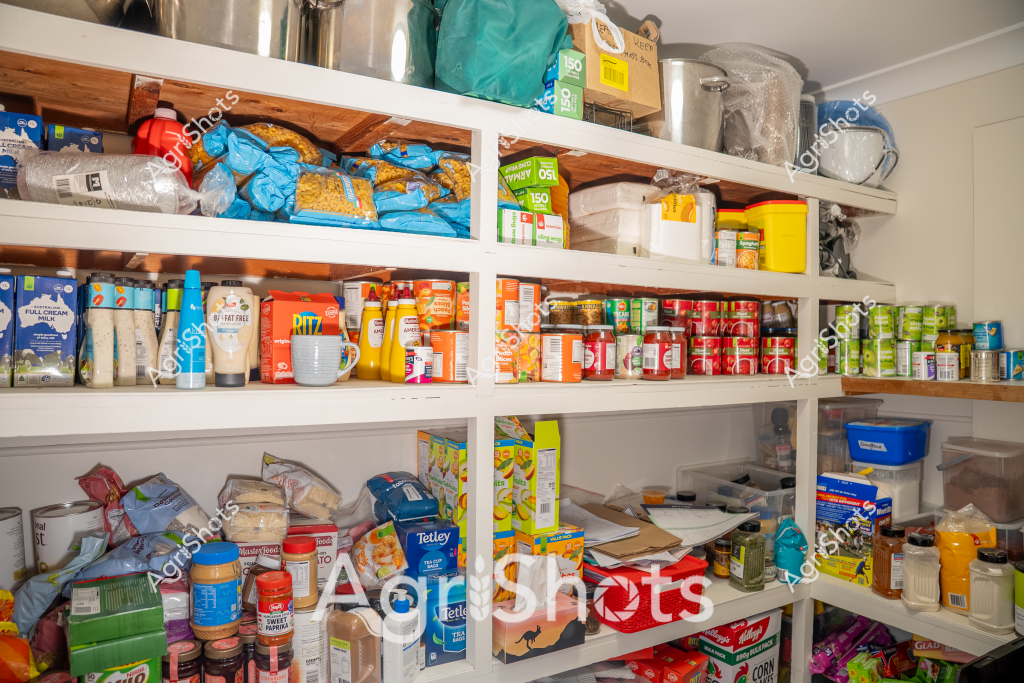
This image depicts a well-stocked pantry or kitchen storage area with multiple white shelves densely packed with a variety of food products, dry goods, and household supplies. Blue, red, and yellow packaging creates a colorful and organized display of groceries, including bags of pasta or grains, canned goods, jars of condiments, milk cartons, and various packaged food items. The shelves are completely full, suggesting a well-prepared household with a comprehensive food supply. Plastic storage containers, tea boxes, and other kitchen staples are strategically arranged to maximize the storage space, reflecting an efficient and practical approach to home food management. The shelving system appears to be custom-built, with sturdy white wooden shelves extending from floor to ceiling, providing ample storage in what seems to be a dedicated pantry or storage area. The diverse range of products indicates a well-rounded food inventory, with everything from baking ingredients to canned vegetables, snacks, and beverages carefully organized and easily accessible.
 Image
Image
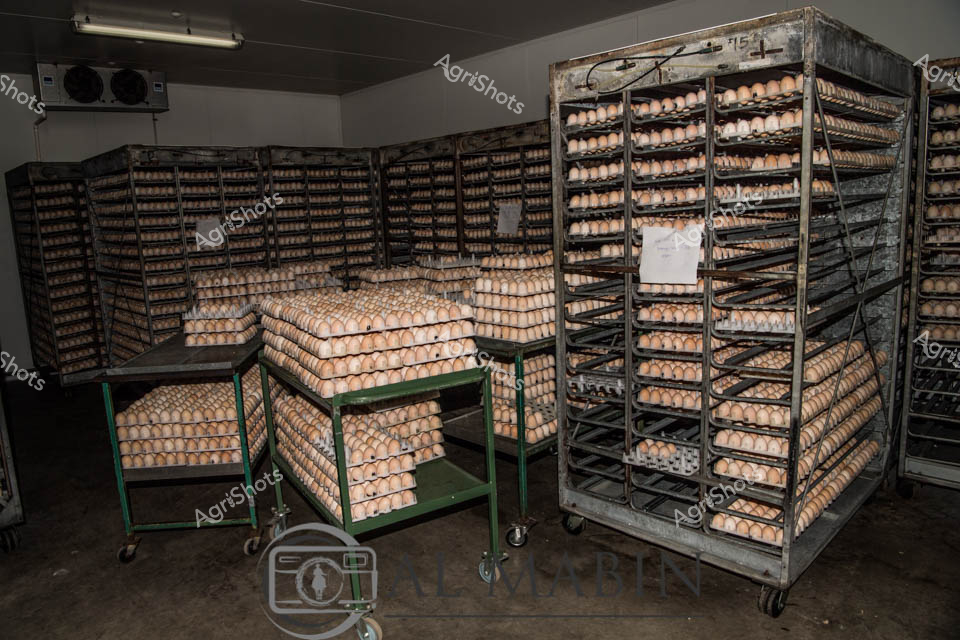
Pristine rows of freshly harvested eggs cascade across industrial shelving in this controlled agricultural storage environment. Meticulously arranged trays of cream and brown eggs fill multiple mobile racks, highlighting the precision of modern egg production techniques. A cool, temperature-regulated room with industrial cooling units overhead preserves the delicate produce, showcasing the sophisticated infrastructure of contemporary poultry farming. The worn metal shelving and green mobile trolleys suggest a well-established, functional facility dedicated to egg collection and distribution. Soft neutral tones of the eggs contrast against the utilitarian grey and green metal infrastructure, creating a visual representation of Tasmania's efficient agricultural supply chain. This image captures the critical transition point between farm production and food distribution, revealing the systematic approach to large-scale egg management in Australian agricultural operations.
 Image
Image
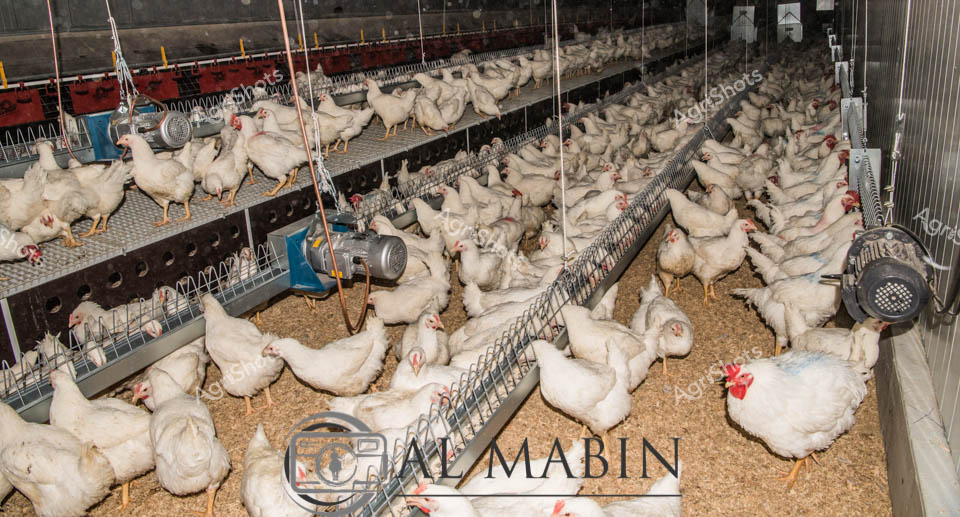
Industrial poultry production in full view, this image captures a dense flock of white chickens populating a multi-tiered metal battery cage system. Rows of pristine white birds crowd the galvanized wire shelving, their red combs standing out against uniform feathered bodies. Sawdust or wood shavings cover the floor, providing bedding material in this tightly controlled agricultural environment. Mechanical feeders and ventilation equipment suggest a high-efficiency modern chicken farm, likely located in Tasmania's agricultural regions. The uniform spacing, metallic infrastructure, and densely packed livestock represent contemporary industrial egg production techniques, where systematic design maximizes output and controlled conditions.
 Image
Image
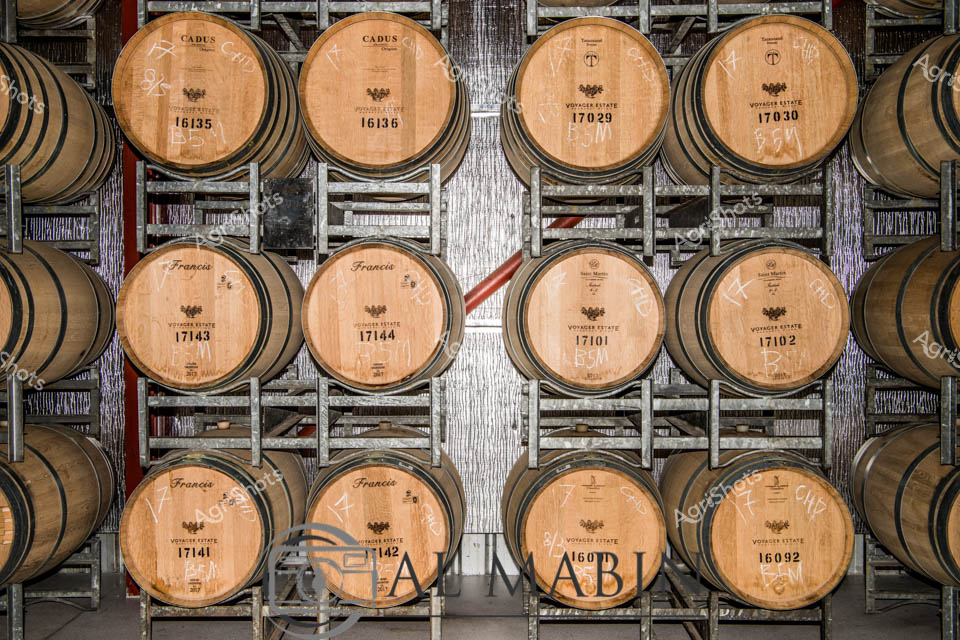
Oak Wine Barrel Cellar at Vineyard Storage Facility Precision-stacked French oak wine barrels create a mesmerizing geometric pattern of burnished golden-brown wood and metallic bands in this expertly organized winery storage facility. Each barrel bears a unique numerical identifier and the "Cadus" cooperage branding, meticulously arranged on industrial metal shelving against a weathered wooden backdrop. The warm honey and amber tones of the barrels suggest a mature vintage, with careful inventory tracking revealing the methodical aging process of fine wines from the Margaret River region. Soft shadows and muted lighting emphasize the craftsmanship and patience required in wine production, highlighting the intricate relationship between time, wood, and fermentation. These carefully crafted vessels represent months, potentially years, of careful maturation, transforming raw grape harvest into complex, nuanced Western Australian wine. The uniform yet subtly varied arrangement speaks to the blend of scientific precision and artisanal tradition inherent in premium wine production.
 Image
Image
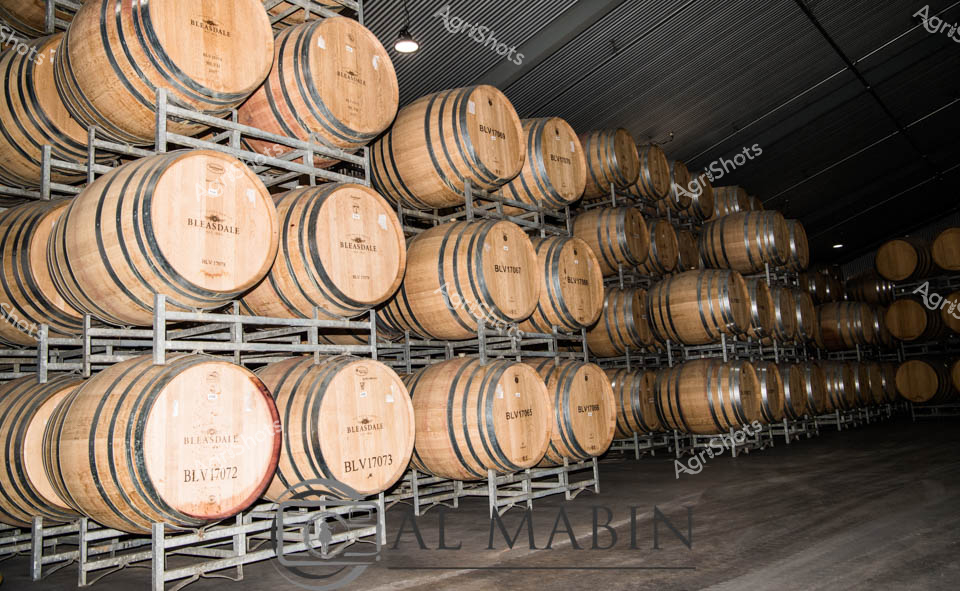
Oak wine barrels gleam with rich amber and golden highlights, meticulously stacked in precise metal racking within a temperature-controlled barrel room. Each wooden cask bears a distinctive alphanumeric code - BLV1707 - suggesting careful inventory tracking at this sophisticated South Australian winery. The industrial-style corrugated metal ceiling and structured metallic shelving create a modern counterpoint to the traditional craftsmanship of the handcrafted French oak barrels. Soft ambient lighting bathes the scene, emphasizing the warm wooden tones and highlighting the elegant aging process of fine wine. These barrels represent the patient transformation of grape harvest into complex, nuanced vintages, capturing the essence of the Fleurieu Peninsula's renowned wine-making tradition. The methodical arrangement speaks to the precision and care fundamental to premium wine production, where each barrel contributes to the region's celebrated viticultural reputation.
 Image
Image
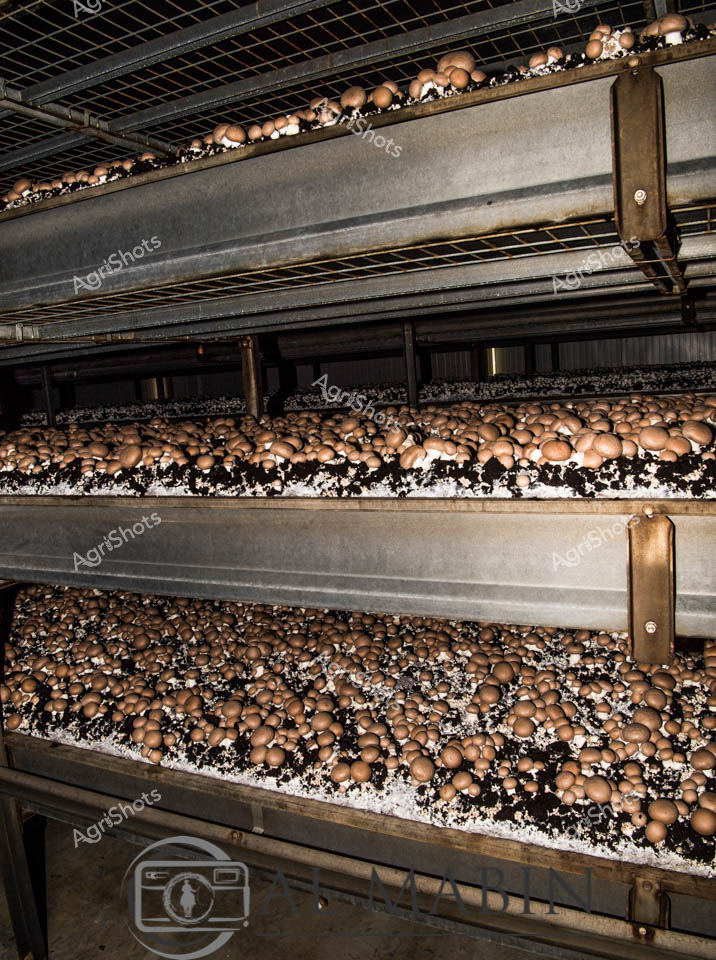
Uniform rows of rich, caramel-brown mushrooms blanket the tiered cultivation shelves in this meticulously managed indoor agricultural production facility. Cool, controlled environment lighting illuminates the dense clusters of fungi nestled in dark substrate, revealing a precise agricultural operation optimized for maximum yield. Each metal-framed shelf is carefully stacked with uniformly developing mushrooms, demonstrating sophisticated agricultural engineering and mycological expertise characteristic of modern Australian horticulture. The systematic arrangement showcases the intricate process of controlled mushroom cultivation, where temperature, humidity, and growing conditions are precisely monitored to ensure consistent quality and optimal growth. Cool metallic greys of the shelving contrast beautifully with the warm earthy browns of the mushroom caps, creating a visually striking representation of agricultural technology and biological precision. This image captures the sophisticated intersection of scientific cultivation techniques and natural biological processes in contemporary agricultural production.
 Image
Image
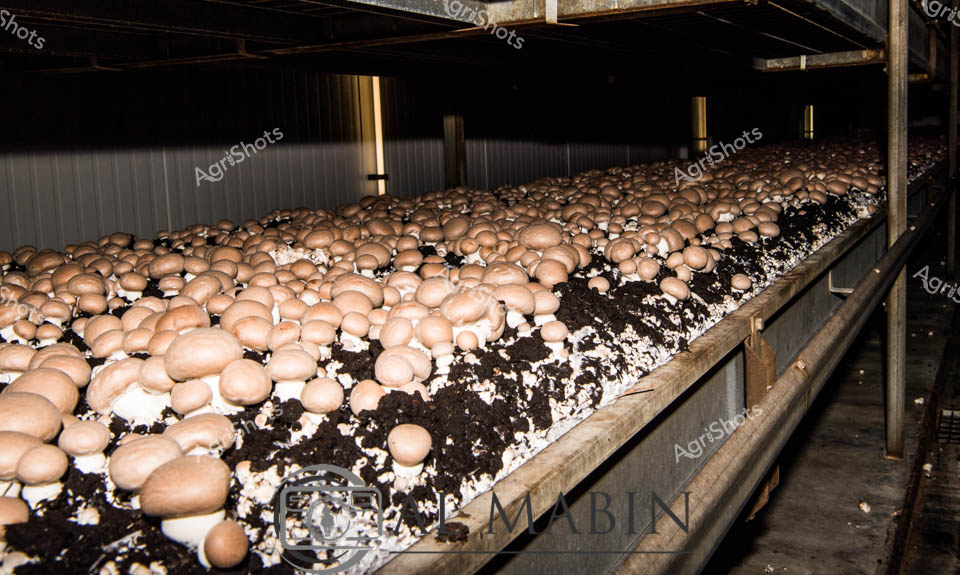
Pristine rows of champignon mushrooms blanket industrial cultivation trays, their smooth, pale caramel-colored caps densely clustered across rich, dark composted substrate. Industrial shelving creates a methodical grid of agricultural productivity, revealing the precision of modern mushroom farming in a climate-controlled indoor environment. Each mushroom sits perfectly formed, showcasing the meticulous cultivation techniques that transform organic matter into a gourmet food product. The uniform texture and coloration speak to carefully managed growing conditions - controlled humidity, temperature, and nutrient balance that enable consistent, high-yield mushroom production. Soft ambient lighting highlights the organic contours and collective uniformity of the crop, transforming an industrial space into a remarkable landscape of agricultural engineering. This image captures the sophisticated intersection of biological process and agricultural technology, where careful scientific management creates a bountiful, visually striking harvest ready for culinary exploration.
 Image
Image
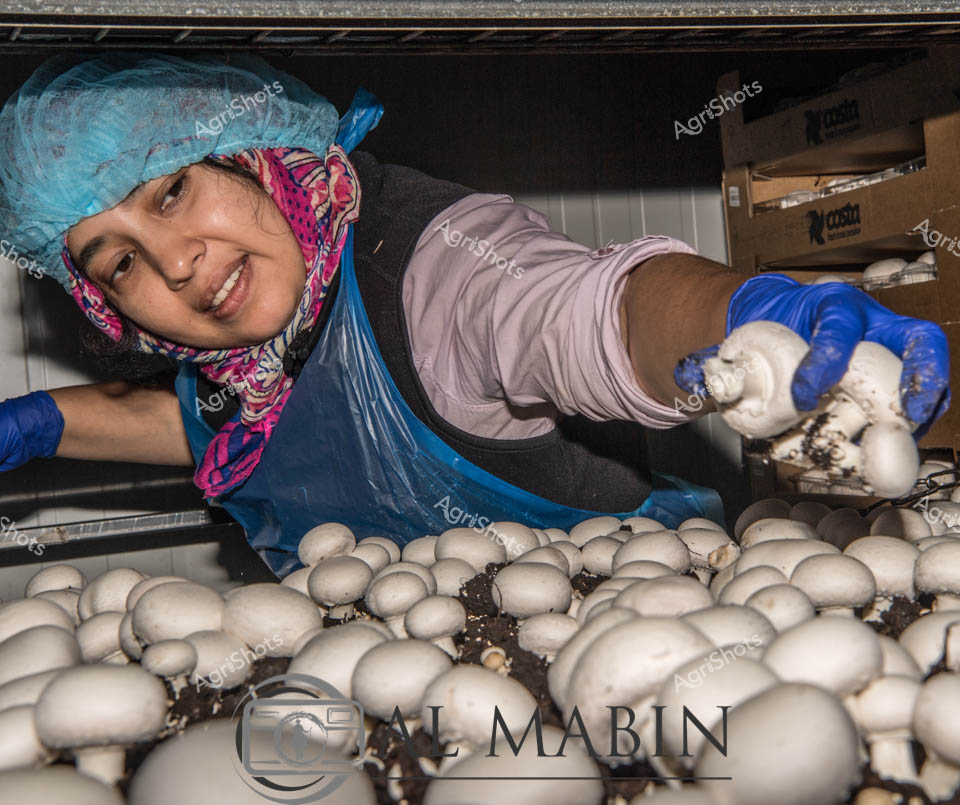
A woman working as a mushroom farm worker carefully tends to oyster mushrooms growing on growing medium in controlled indoor conditions. Wearing protective blue gloves and a colorful headscarf, she inspects the white mushrooms that have sprouted from dark substrate material arranged on shelving systems. The harvest operation demonstrates modern agricultural safety practices and women's vital role in South Australia's vegetable production industry.
 Image
Image
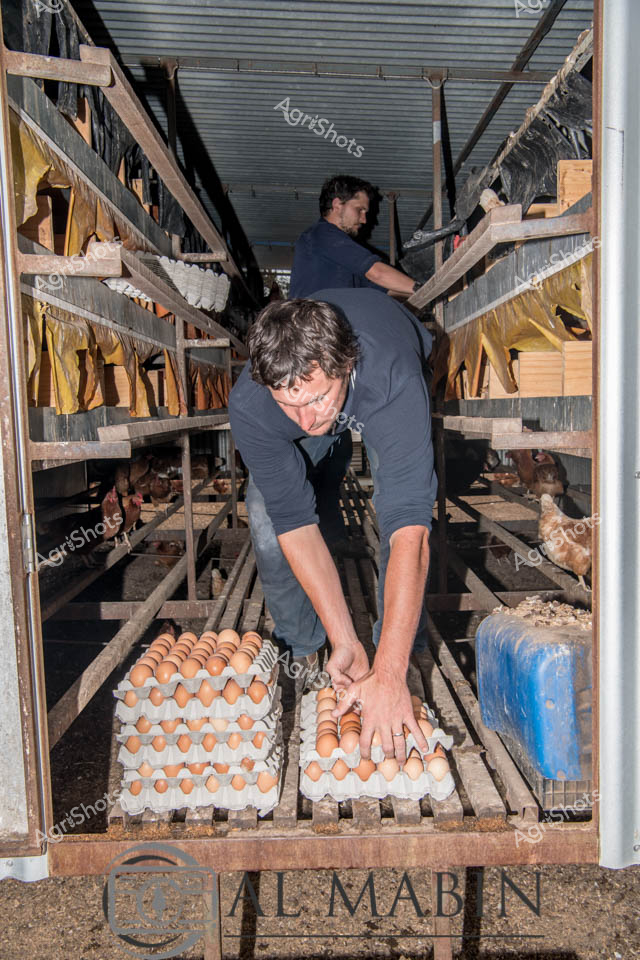
Two men working as poultry farmers collect fresh eggs in a free-range chicken coop on Kangaroo Island, South Australia. The workers bend down to gather eggs from wooden nesting boxes arranged on multi-tiered shelving systems, with one man in the foreground carefully handling egg cartons while another works deeper in the hen house. The corrugated metal structure houses the chickens and provides organized storage for the daily egg collection operations.
 Image
Image
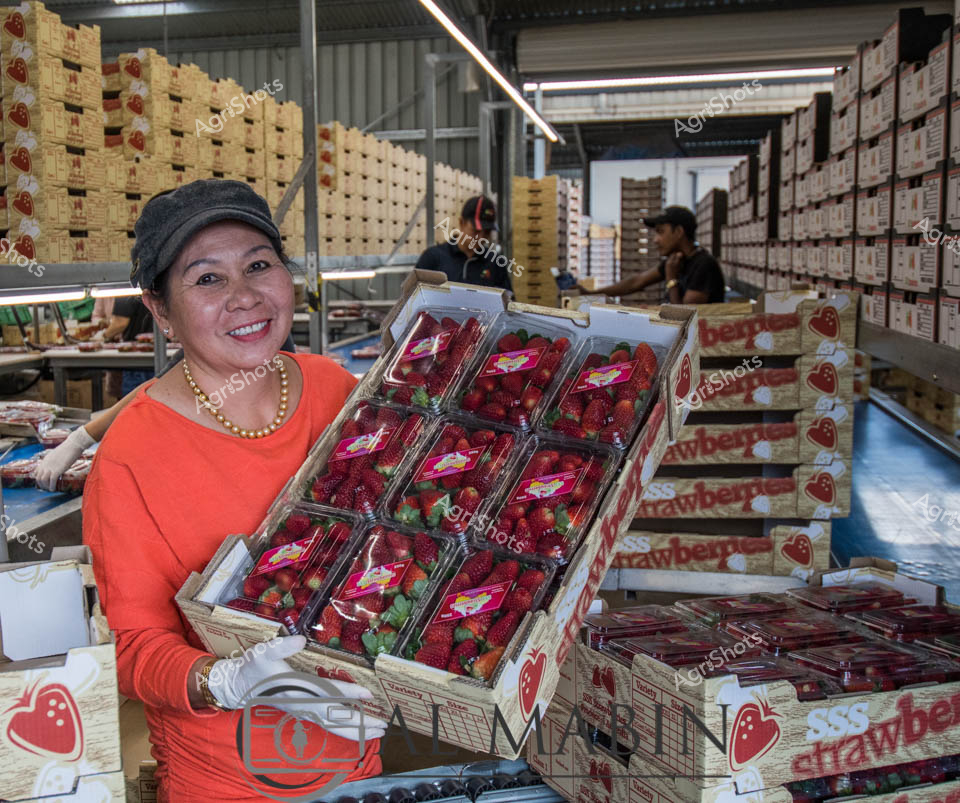
A vibrant scene of strawberry production captures the essence of agricultural precision and pride in Queensland's renowned Queensland. A worker wearing a bright orange top and black cap smiles warmly while carefully handling trays of freshly harvested strawberries, her white-gloved hands demonstrating meticulous care in packaging. Stacked wooden crates and cardboard boxes line the processing facility, revealing an efficient and organized production line. The gleaming packaging highlights pristine, ruby-red strawberries packed in clear containers with branded labels, showcasing the region's commitment to quality produce. Industrial lighting and metal shelving create a structured background, with other workers visible in the distance, indicating a bustling workplace dedicated to fruit processing. The image radiates a sense of agricultural professionalism, celebrating the skilled workers who bring fresh, high-quality strawberries from field to market with expertise and enthusiasm.
 Image
Image
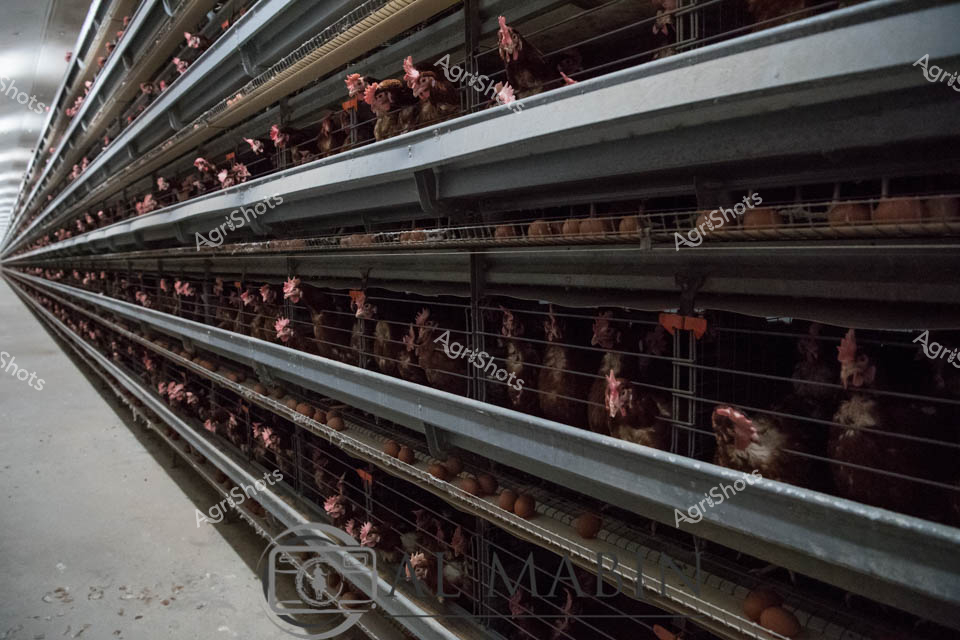
Battery-caged layers populate multi-tiered steel housing, revealing an large-scale egg production environment characteristic of modern Australian poultry operations. Reddish-brown hens are densely packed across uniformly structured metal shelving, their forms compressed within narrow wire enclosures that maximize spatial efficiency. Soft ambient light reveals intricate metallic infrastructure designed for controlled agricultural production, with uniform rows extending horizontally and vertically. Each cage contains multiple birds, their feathered bodies creating a textured landscape of muted browns, russets, and deep ochres against the industrial grey infrastructure. The sterile, systematic arrangement speaks to industrial-scale food production techniques optimizing yield and economic output in contemporary agricultural systems. These tightly confined layers represent a pragmatic approach to meeting Australia's substantial egg consumption demands, reflecting complex negotiations between agricultural productivity, animal welfare considerations, and economic imperatives.
 Image
Image
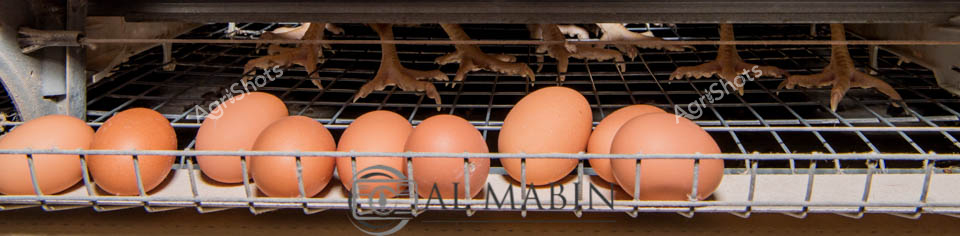
Fresh, amber-hued eggs rest in uniform precision along a wire shelf, capturing the systematic efficiency of modern poultry production. Soft brown eggs nestle in a galvanized wire rack, their uniform color and shape revealing careful selective breeding and consistent agricultural practices typical of Australian large-scale egg farming. Mechanical ventilation and structured shelving suggest a controlled environment, likely within a climate-regulated henhouse in a New South Wales poultry facility. The muted palette of rust-brown eggs against the metallic grid creates a geometric composition that speaks to the methodical nature of contemporary agricultural systems. Overhead, shadowy structural elements hint at the intricate infrastructure supporting large-scale egg production, where each egg represents a carefully managed unit of agricultural output. The image exemplifies the precise, industrialized approach to livestock management that characterizes Australian agricultural innovation, transforming traditional farming into a highly optimized, scientific enterprise.
 Image
Image
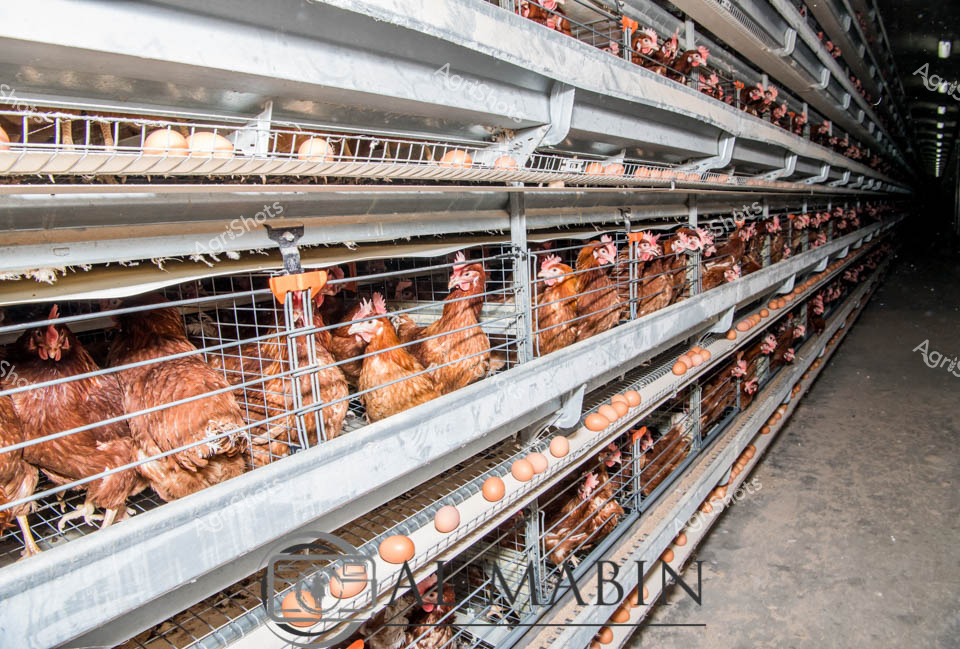
Battery hens huddle in tightly packed wire cages, their russet and golden-brown feathers contrasting against the steel-grey industrial infrastructure of a modern egg production facility. Rows of uniform wire enclosures stretch horizontally, with pristine white and pale orange eggs resting on angled collection trays beneath each cage level. The controlled environment reveals the intense efficiency of contemporary poultry farming, where multiple generations of laying hens are systematically arranged to maximize egg production. Soft ambient lighting illuminates the metallic shelving and wire mesh, casting subtle shadows that accentuate the birds' cramped living conditions. Each chicken appears relatively uniform in coloration, suggesting a carefully bred commercial laying stock selected for consistent egg output.
 Image
Image
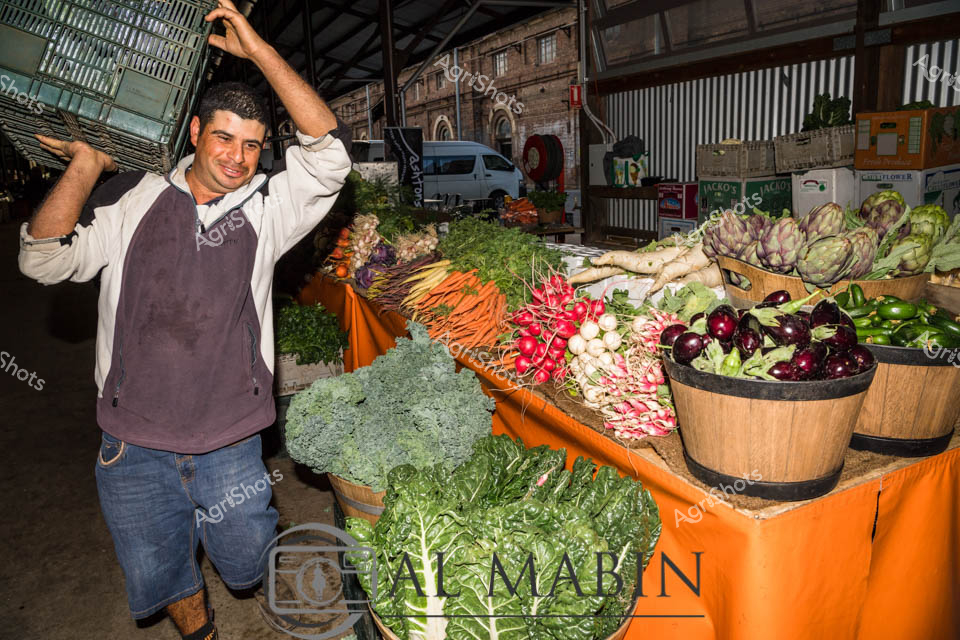
Fresh harvest morning at a bustling regional produce market in New South Wales - a vibrant scene capturing the heart of Australian agricultural commerce. A cheerful produce worker stands amidst a stunning array of fresh vegetables, holding a wooden crate and displaying the colorful bounty of local farming. Brilliant orange, green, and purple hues dominate the display - crisp broccoli, vibrant carrots, radiant radishes, deep burgundy beetroots, and elegant artichokes carefully arranged in wooden barrels and crates. The market's interior reveals corrugated metal walls and industrial shelving, creating an authentic backdrop that speaks to the functional beauty of agricultural supply chains. The worker's casual attire - a purple vest over a white shirt and blue jeans - reflects the hardworking, unpretentious spirit of regional produce traders. Warm overhead lighting and the dense arrangement of vegetables create an atmosphere of abundance, showcasing the rich agricultural productivity of the region and the direct connection between farm and market.
 Image
Image
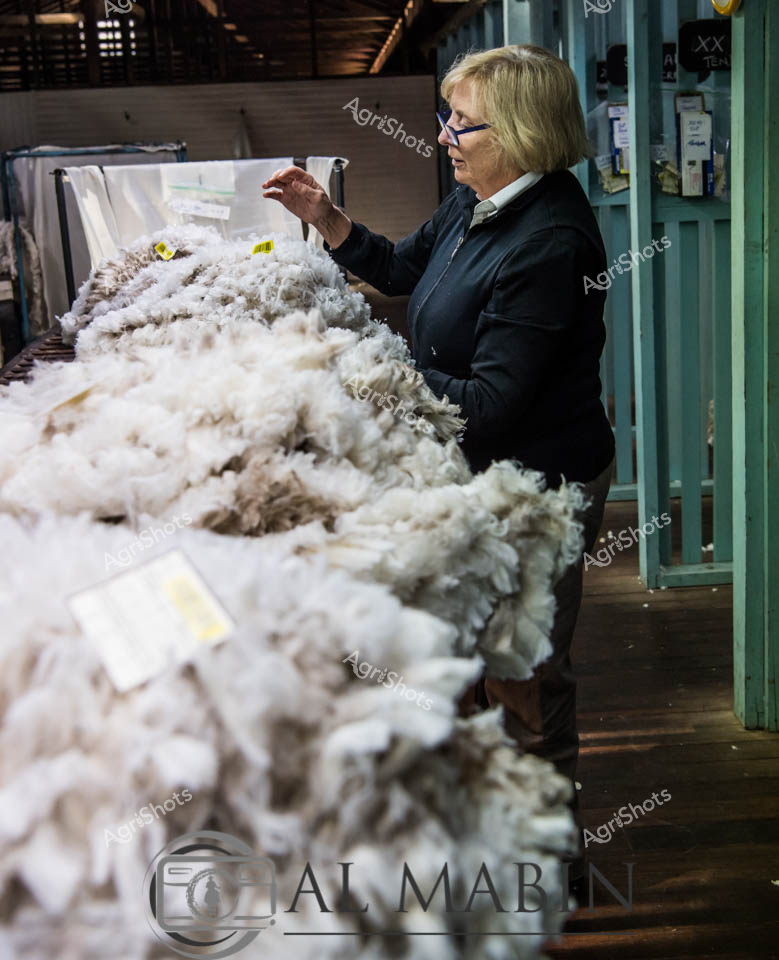
Soft white fleece cascades in billowing mounds along the sorting table, where an experienced wool expert meticulously examines each carefully classed batch of premium Merino wool. Her skilled hands move with practiced precision, assessing the quality and characteristics of the freshly shorn wool in this traditional woolshed environment. Wearing a dark jacket and glasses, she stands amid the raw, textural landscape of pure wool, her movements deliberate and focused on selecting and grading each fleece. Soft morning light filters through the shed's rustic wooden structure, illuminating the pristine white wool and creating a sense of timeless agricultural craftsmanship. The woolshed's green-tinted walls and utilitarian shelving provide a classic backdrop to this quintessential Australian wool processing scene, capturing the meticulous care and generations of expertise embedded in the country's finest wool production. Each fleece represents a chapter in Australia's rich pastoral heritage, a testament to the intricate skills of wool classers and the remarkable Merino sheep breed.