Results for “plant disease”
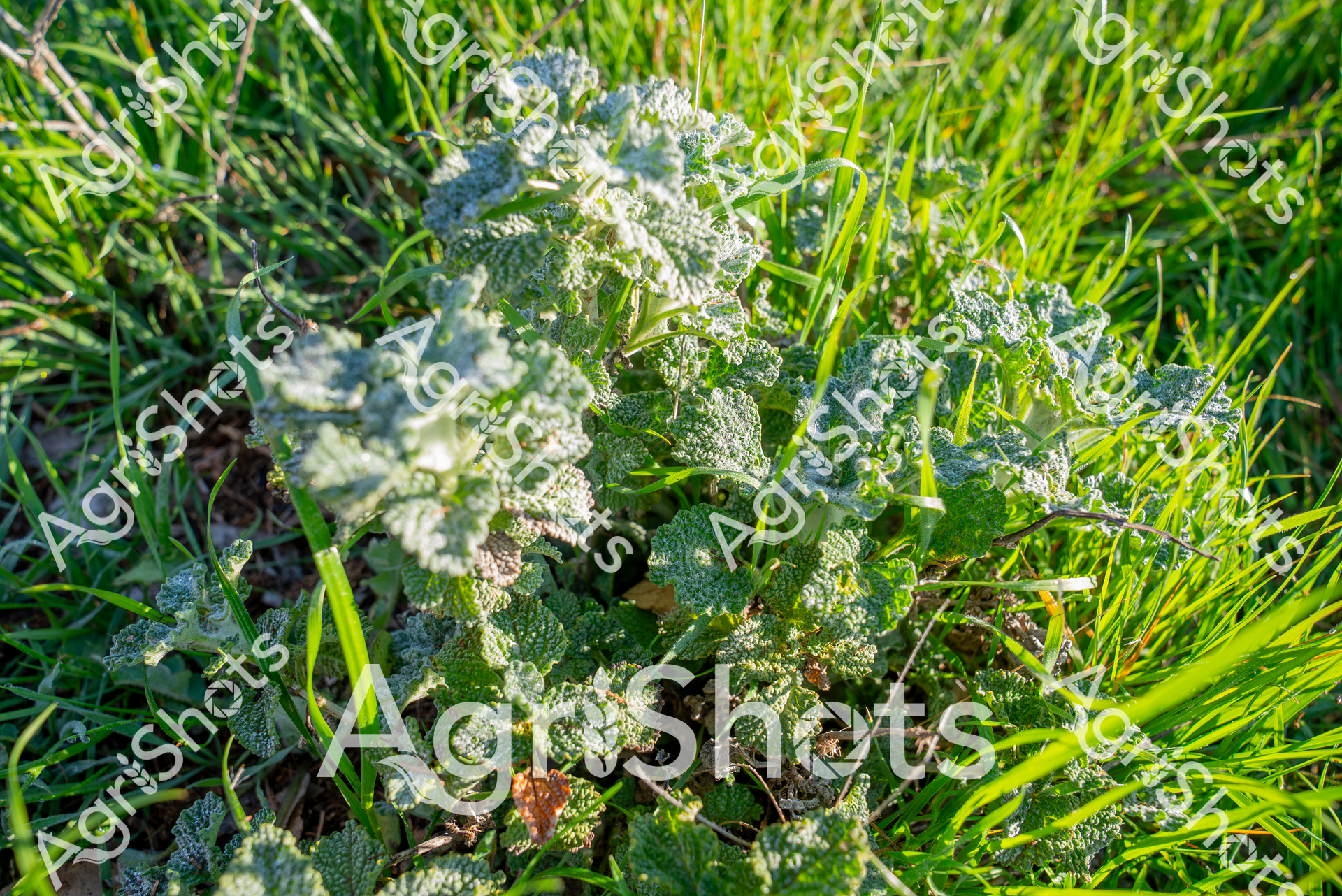
A cluster of horehound weeds, a grayish-green herbaceous plant, growing amidst lush green grass in what appears to be the Riverina region of New South Wales, Australia. The plant's distinctive wrinkled and fuzzy leaves stand out against the vibrant background, showcasing the invasive nature of this common agricultural weed. The image captures the plant's textural details and its ability to thrive in grassland environments. Image

A cluster of horehound weeds, a grayish-green herbaceous plant, growing amidst lush green grass in what appears to be the Riverina region of New South Wales, Australia. The plant's distinctive wrinkled and fuzzy leaves stand out against the vibrant background, showcasing the invasive nature of this common agricultural weed. The image captures the plant's textural details and its ability to thrive in grassland environments.
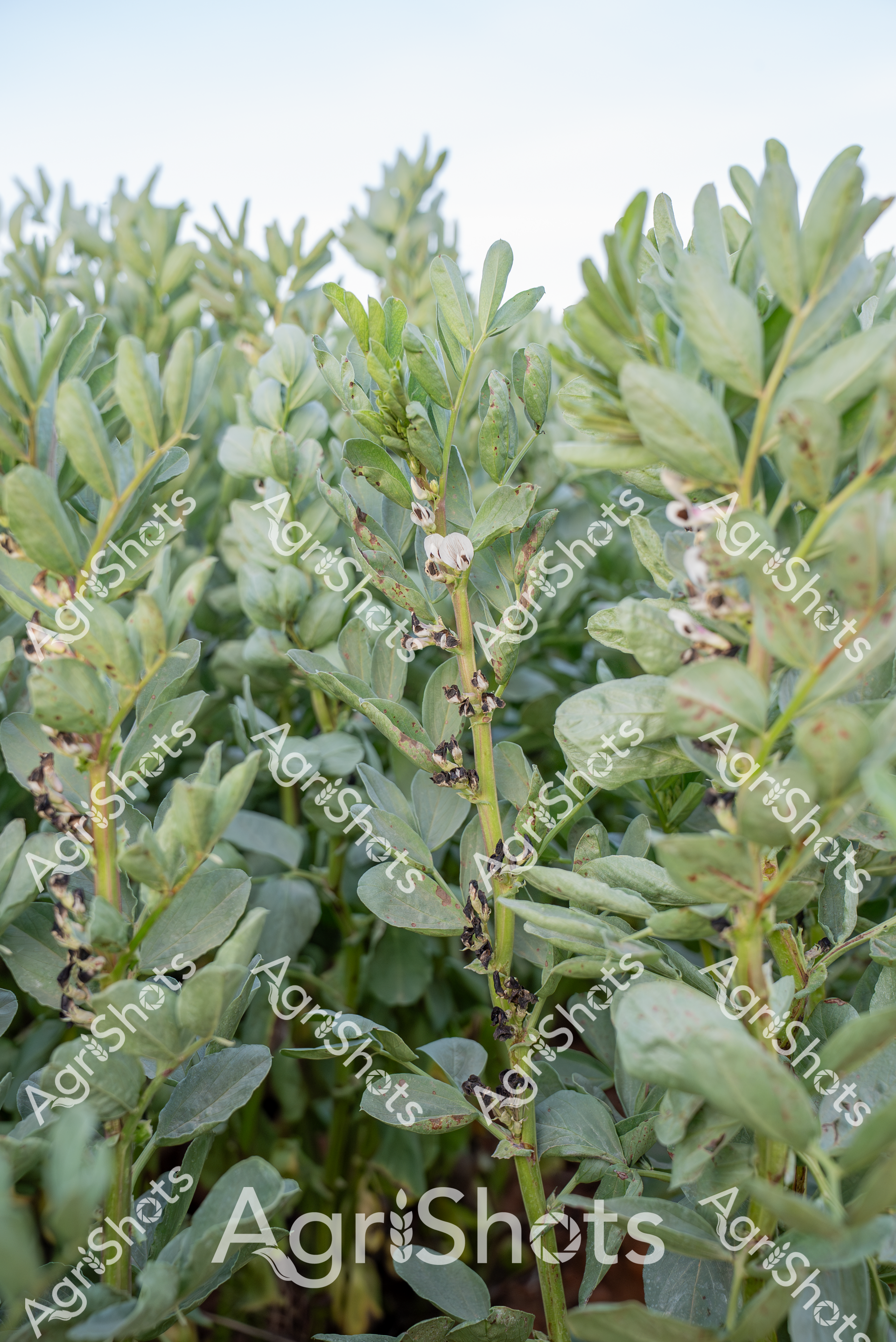
A lush field of faba beans growing in the Riverina region of New South Wales during springtime. The image showcases dense green foliage with distinctive broad leaves and stems bearing small flower buds, representing a healthy crop at an early growth stage. The verdant plants suggest optimal growing conditions typical of the agricultural landscape in this part of Australia. Image

A lush field of faba beans growing in the Riverina region of New South Wales during springtime. The image showcases dense green foliage with distinctive broad leaves and stems bearing small flower buds, representing a healthy crop at an early growth stage. The verdant plants suggest optimal growing conditions typical of the agricultural landscape in this part of Australia.
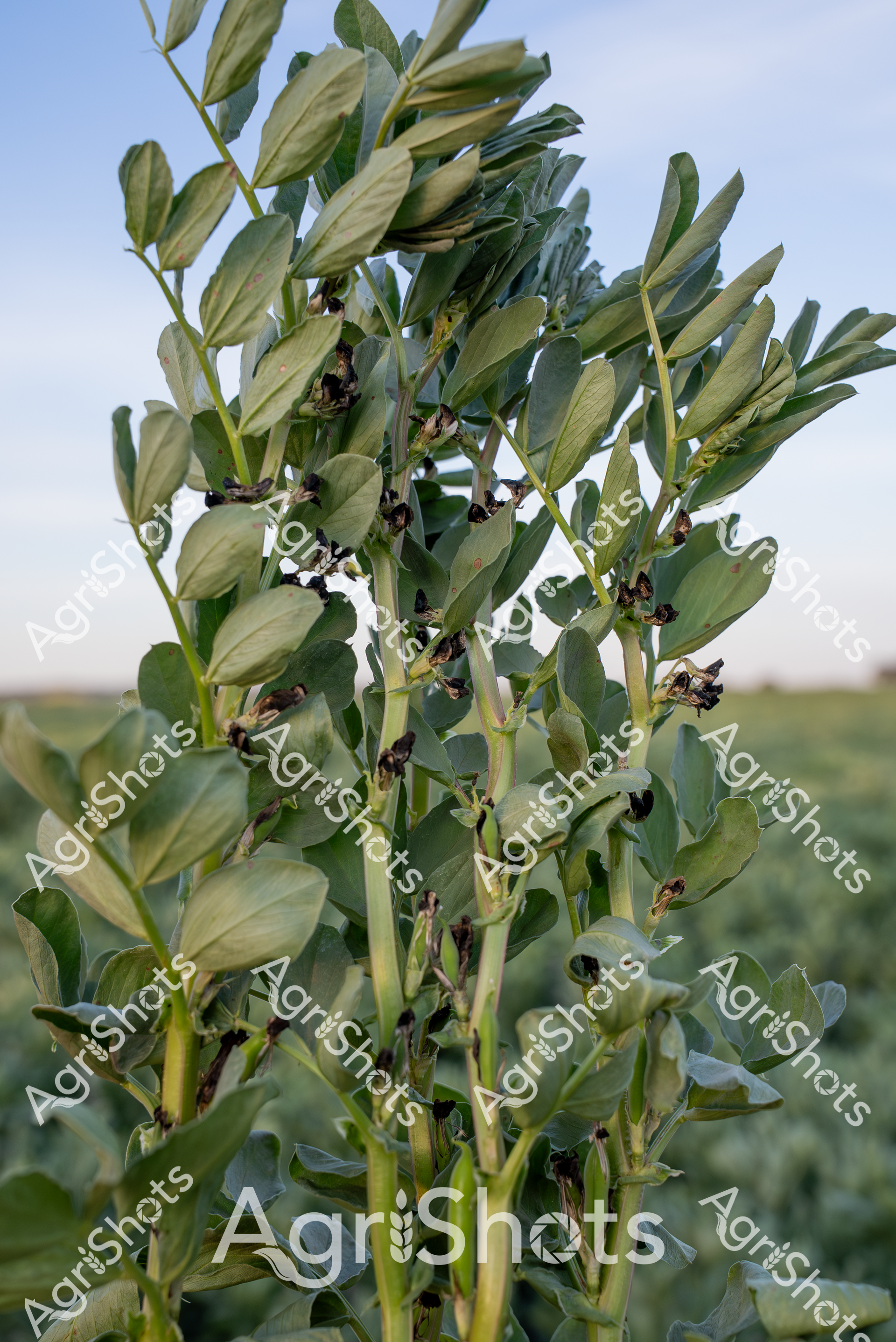
A vibrant faba bean crop stands tall in the Riverina region of New South Wales during springtime. The green, leafy plants display clusters of developing pods along their sturdy stems, showcasing the agricultural potential of this leguminous crop in a lush, expansive field setting. Image

A vibrant faba bean crop stands tall in the Riverina region of New South Wales during springtime. The green, leafy plants display clusters of developing pods along their sturdy stems, showcasing the agricultural potential of this leguminous crop in a lush, expansive field setting.

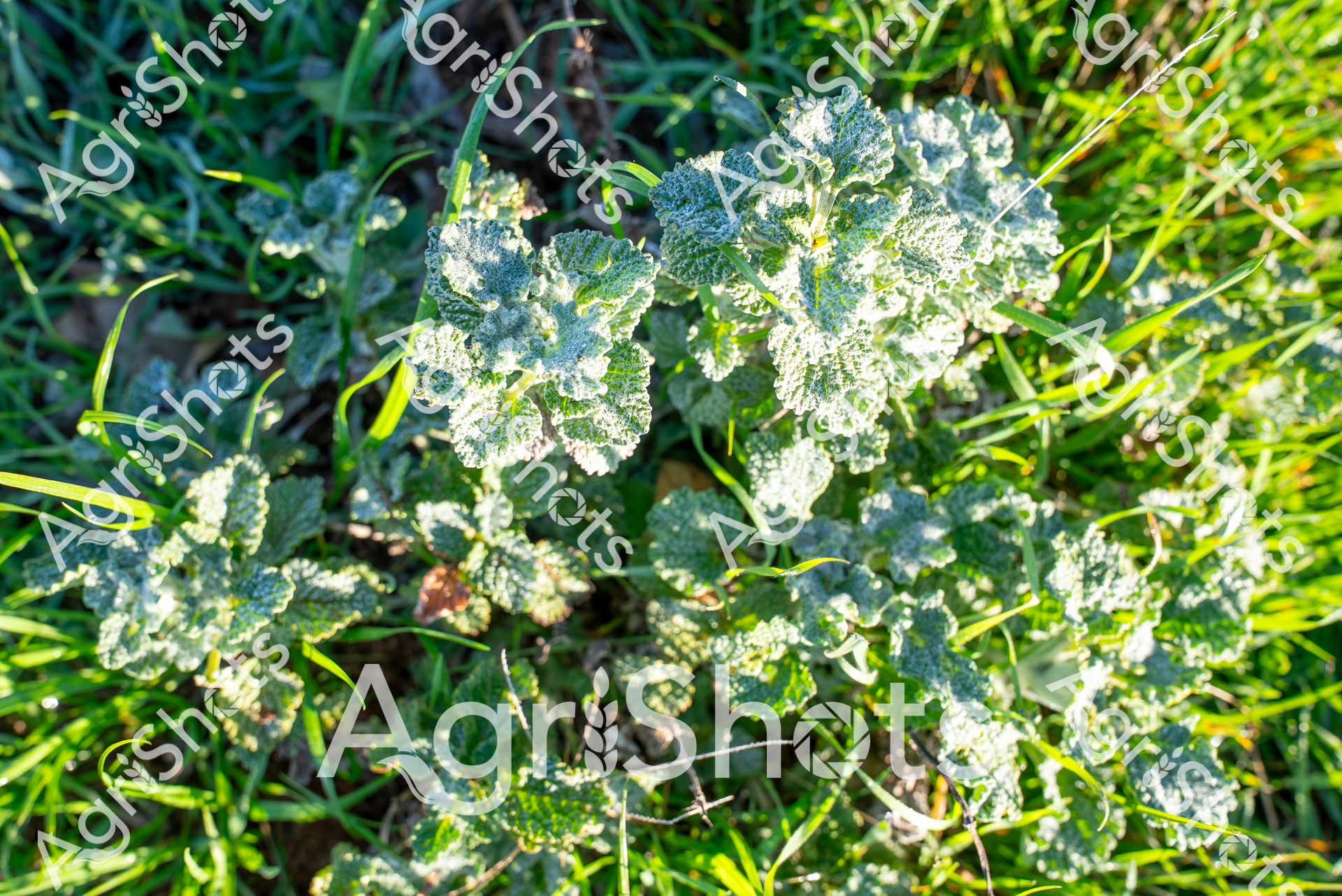
A cluster of horehound weeds with white-frosted, deeply lobed leaves growing amid green grass. These invasive plants are characteristic of the Riverina region in New South Wales, spreading across pastoral and agricultural landscapes. The image captures the distinctive texture and coloration of this troublesome weed in its natural habitat. Image

A cluster of horehound weeds with white-frosted, deeply lobed leaves growing amid green grass. These invasive plants are characteristic of the Riverina region in New South Wales, spreading across pastoral and agricultural landscapes. The image captures the distinctive texture and coloration of this troublesome weed in its natural habitat.

A close-up of horehound, a woody perennial herb with white-frosted, wrinkled green leaves. This invasive weed is commonly found in the Riverina region of New South Wales, spreading across grassy areas with its distinctive textured foliage. The image captures the plant's intricate leaf structure and silvery-green coloration in sharp detail. Image

A close-up of horehound, a woody perennial herb with white-frosted, wrinkled green leaves. This invasive weed is commonly found in the Riverina region of New South Wales, spreading across grassy areas with its distinctive textured foliage. The image captures the plant's intricate leaf structure and silvery-green coloration in sharp detail.
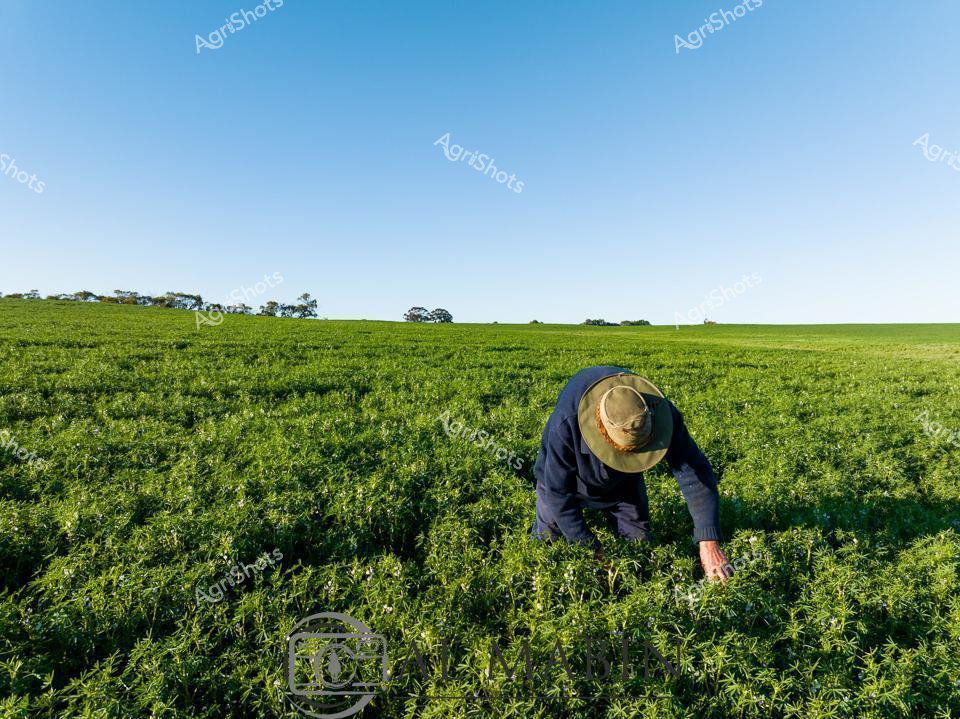
Golden sunshine bathes a verdant lupin field stretching across the expansive Western Australian landscape, with scattered eucalyptus trees marking the distant horizon. A dedicated agricultural worker bends carefully among the dense green crop, wearing a protective navy work jacket and a wide-brimmed straw hat that shields against the brilliant clear sky. The lupins - a crucial legume crop for dryland farming in the region - appear lush and healthy, their delicate green foliage creating a textured carpet across the gently undulating paddock. The worker's careful inspection suggests a critical moment of crop assessment, likely checking plant health, measuring growth stages, or examining potential pest or disease indicators. This scene captures the essence of precision agriculture in the West Australian wheat belt, where careful management and intimate knowledge of the land determine agricultural success. The image radiates a sense of quiet diligence, showcasing the intricate relationship between farmer and field under an immaculate azure sky. Image

Golden sunshine bathes a verdant lupin field stretching across the expansive Western Australian landscape, with scattered eucalyptus trees marking the distant horizon. A dedicated agricultural worker bends carefully among the dense green crop, wearing a protective navy work jacket and a wide-brimmed straw hat that shields against the brilliant clear sky. The lupins - a crucial legume crop for dryland farming in the region - appear lush and healthy, their delicate green foliage creating a textured carpet across the gently undulating paddock. The worker's careful inspection suggests a critical moment of crop assessment, likely checking plant health, measuring growth stages, or examining potential pest or disease indicators. This scene captures the essence of precision agriculture in the West Australian wheat belt, where careful management and intimate knowledge of the land determine agricultural success. The image radiates a sense of quiet diligence, showcasing the intricate relationship between farmer and field under an immaculate azure sky.
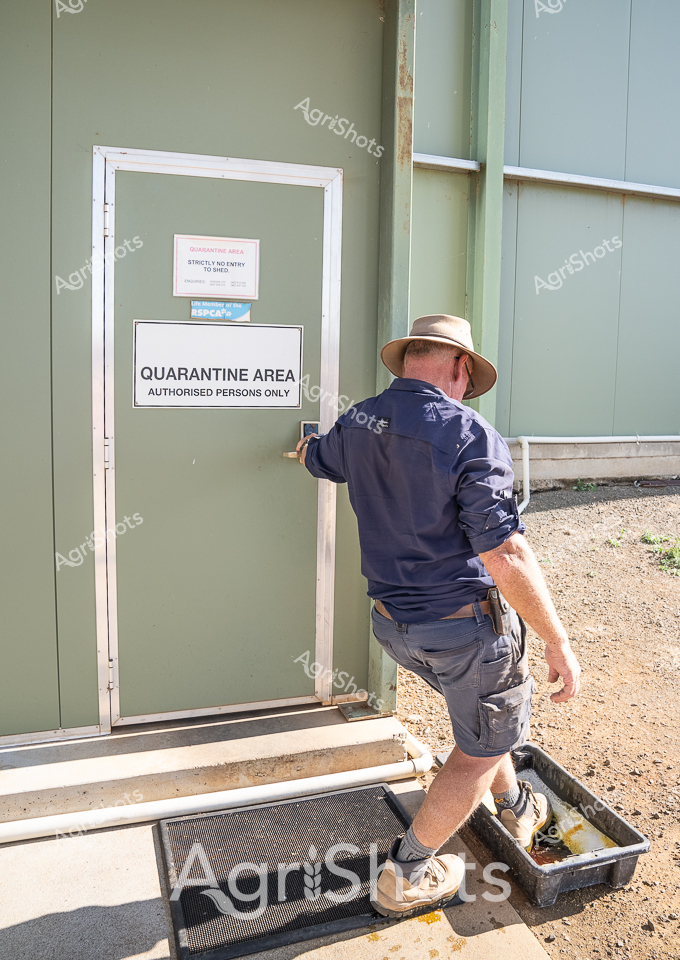
A biosecurity officer in navy uniform and wide-brimmed sun hat stands at the entrance to a quarantine area, embodying the critical role of agricultural protection. The sage-green metal door, marked clearly with "QUARANTINE AREA - AUTHORISED PERSONS ONLY", suggests a high-security zone essential to preventing disease spread in livestock or crops. Positioned on a dusty, compacted earth surface, the officer steps carefully onto a disinfection mat, a crucial hygiene checkpoint designed to eliminate potential contaminants before entering the restricted space. The stark, utilitarian setting - with its clean lines, functional signage, and RSPCA-branded notice - communicates the serious, methodical approach to biosecurity in Australian agriculture. Harsh midday sunlight casts sharp shadows, highlighting the officer's practical workwear of shorts, sturdy boots, and protective shirt, ready to enforce strict protocols that safeguard animal and plant health. This image captures the vigilance and professionalism required to maintain Australia's stringent agricultural biosecurity standards. Image

A biosecurity officer in navy uniform and wide-brimmed sun hat stands at the entrance to a quarantine area, embodying the critical role of agricultural protection. The sage-green metal door, marked clearly with "QUARANTINE AREA - AUTHORISED PERSONS ONLY", suggests a high-security zone essential to preventing disease spread in livestock or crops. Positioned on a dusty, compacted earth surface, the officer steps carefully onto a disinfection mat, a crucial hygiene checkpoint designed to eliminate potential contaminants before entering the restricted space. The stark, utilitarian setting - with its clean lines, functional signage, and RSPCA-branded notice - communicates the serious, methodical approach to biosecurity in Australian agriculture. Harsh midday sunlight casts sharp shadows, highlighting the officer's practical workwear of shorts, sturdy boots, and protective shirt, ready to enforce strict protocols that safeguard animal and plant health. This image captures the vigilance and professionalism required to maintain Australia's stringent agricultural biosecurity standards.
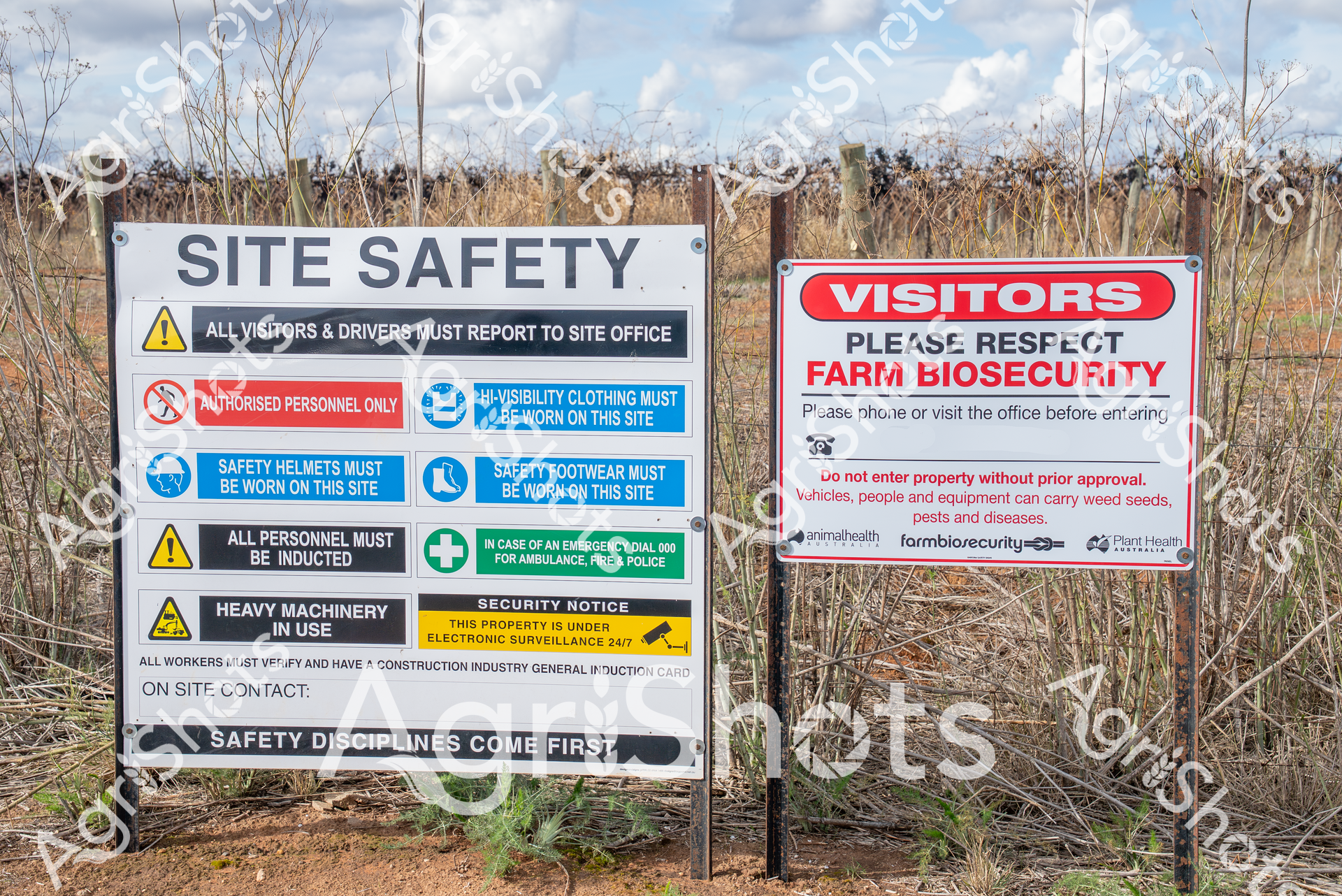
Farm Biosecurity and Site Safety Signage, Riverina Agricultural Precinct

Stark white and crimson warning signs punctuate the muted winter landscape of bare branches and dry grasses, embodying the meticulous safety protocols of contemporary Australian agricultural operations. Detailed site safety instructions demand compliance, highlighting high-visibility clothing requirements, mandatory helmet use, and emergency contact procedures against a backdrop of electronic surveillance warnings. The carefully positioned signage communicates the complex risk management strategies of modern farming, emphasizing restricted access, personal protective equipment standards, and biosecurity imperatives to prevent potential pest or disease transmission. Weathered wooden posts support these critical communication markers, standing resolute in a sparse rural setting that speaks to the disciplined and professional approach of Australian agricultural enterprises. Logos from Animal Health and Plant Health organizations underscore the interconnected nature of agricultural safety and biosecurity, representing a sophisticated system designed to protect both human workers and agricultural resources. The signs' crisp typography and bold warning colors create a visual language of caution and professionalism against the subdued winter landscape. Image

Farm Biosecurity and Site Safety Signage, Riverina Agricultural Precinct Stark white and crimson warning signs punctuate the muted winter landscape of bare branches and dry grasses, embodying the meticulous safety protocols of contemporary Australian agricultural operations. Detailed site safety instructions demand compliance, highlighting high-visibility clothing requirements, mandatory helmet use, and emergency contact procedures against a backdrop of electronic surveillance warnings. The carefully positioned signage communicates the complex risk management strategies of modern farming, emphasizing restricted access, personal protective equipment standards, and biosecurity imperatives to prevent potential pest or disease transmission. Weathered wooden posts support these critical communication markers, standing resolute in a sparse rural setting that speaks to the disciplined and professional approach of Australian agricultural enterprises. Logos from Animal Health and Plant Health organizations underscore the interconnected nature of agricultural safety and biosecurity, representing a sophisticated system designed to protect both human workers and agricultural resources. The signs' crisp typography and bold warning colors create a visual language of caution and professionalism against the subdued winter landscape.