Results for “native plants”
 Image
Image
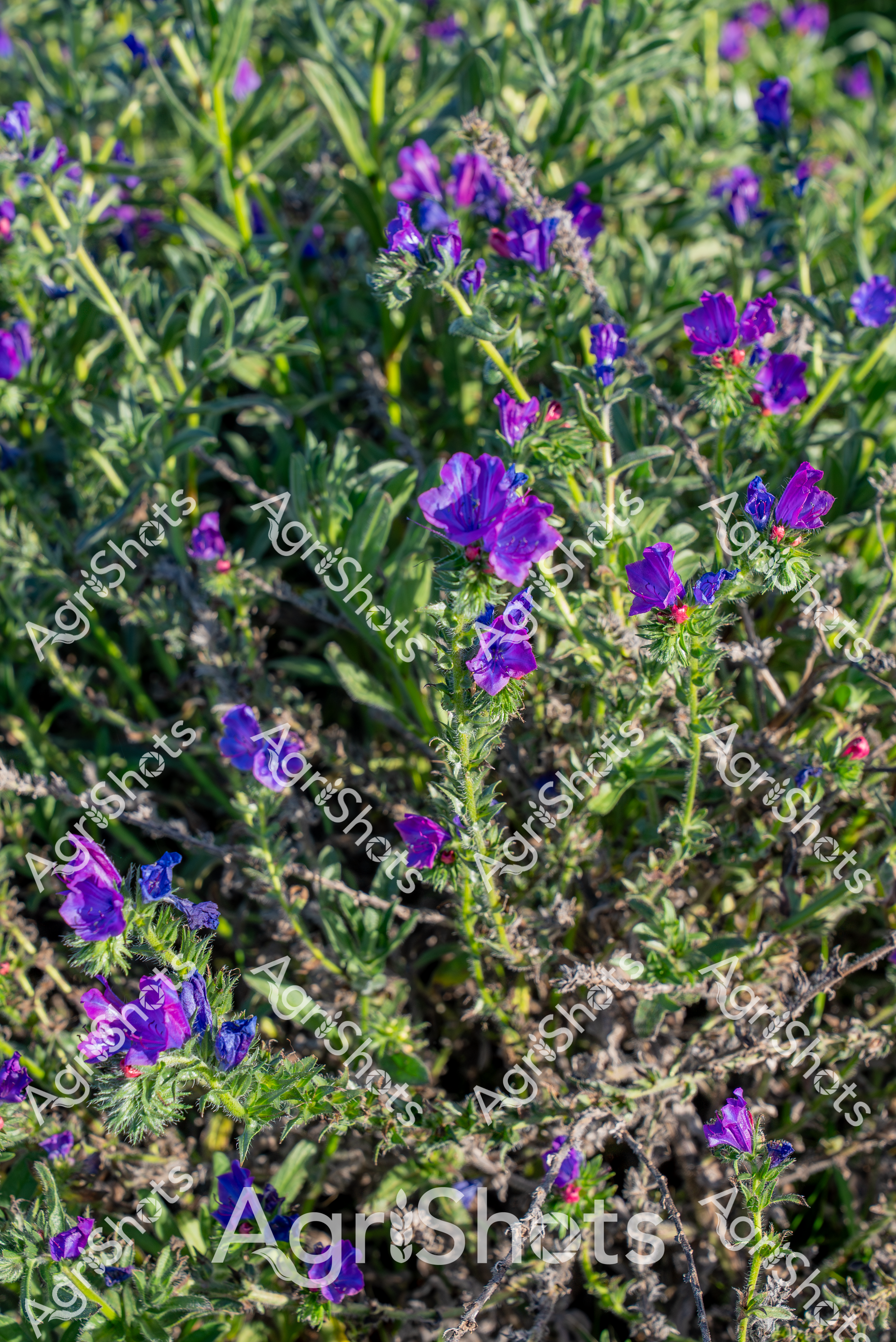
A dense cluster of vibrant purple Paterson's Curse (Echium plantagineum) wildflowers growing in a dry, grassy landscape. These invasive weeds, common throughout the Riverina region of New South Wales, spread quickly across agricultural lands, creating a striking purple carpet against green foliage. The flowers' distinctive trumpet-like shape and hairy stems are characteristic of this problematic introduced species.
 Image
Image
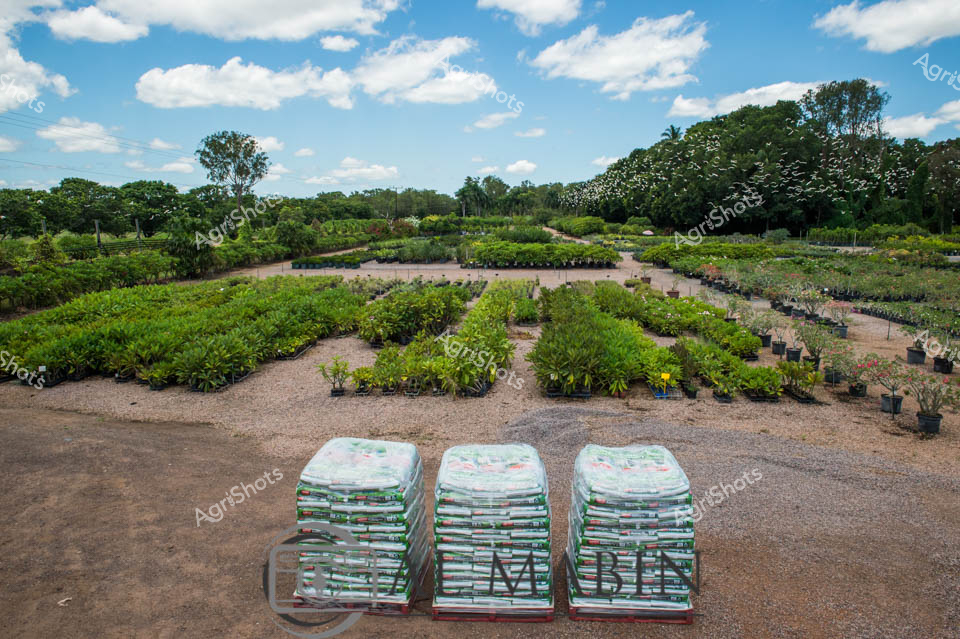
Verdant rows of young native plants stretch across a sun-drenched nursery landscape in the Northern Territory, with meticulously organized plant beds and carefully stacked agricultural supply bags in the foreground. Lush green vegetation fills neat rectangular growing sections, surrounded by gravel pathways and framed by mature trees and distant woodland edges under a brilliant blue sky scattered with fluffy white clouds. Three stacked pallets of fertilizer or soil amendment bags sit prominently in the foreground, their green and white packaging suggesting professional horticultural preparation. The scene radiates order and careful cultivation, capturing the precise management required in tropical agricultural nursery settings. Soft earth tones of brown and tan ground the vibrant greens of the plant nursery, creating a harmonious composition that speaks to the careful science of propagation and landscape restoration. The expansive background hints at the broader ecosystem, with native trees and shrubs suggesting this is likely a native plant propagation facility dedicated to landscape rehabilitation or conservation efforts.
 Image
Image
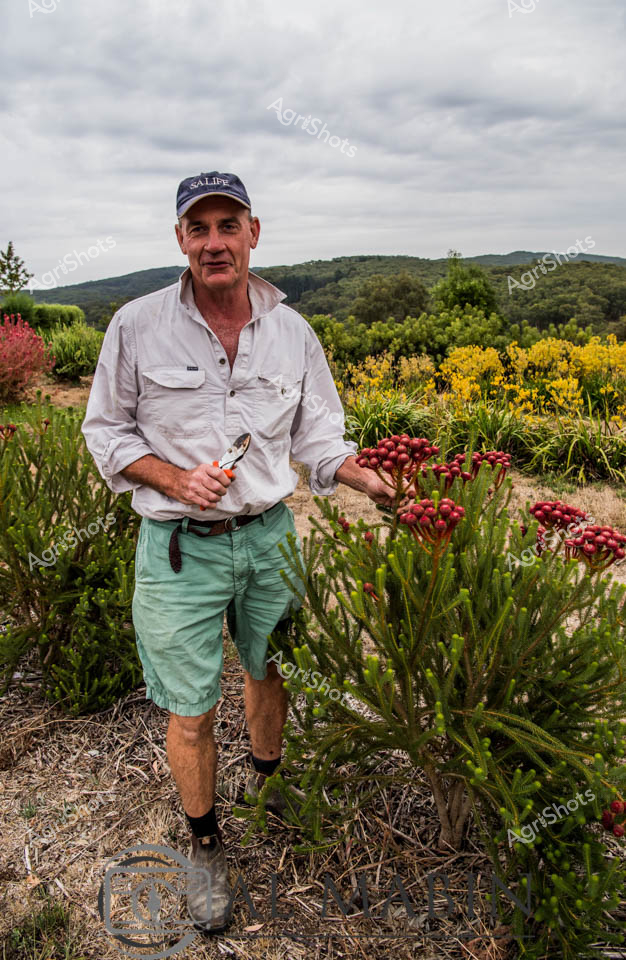
Seasoned horticulturist stands amid a vibrant native garden landscape, showcasing the rich biodiversity of South Australia. Wearing a crisp white button-up shirt, mint green shorts, and a branded cap, the experienced plantsman holds pruning tools, surrounded by striking red proteaceae flowers and yellow flowering shrubs. The overcast sky creates a soft, diffused light that illuminates the lush greenery and undulating forested hills in the background, highlighting the natural beauty of the region's flora. His confident stance and well-worn gardening attire suggest years of expertise in cultivating and maintaining native Australian plant species. The carefully curated garden demonstrates the intricate relationship between skilled horticulture and the preservation of indigenous plant life, with meticulously arranged native plants displaying their robust colors and unique structural forms. The composition captures the essence of South Australian botanical landscapes - resilient, diverse, and breathtakingly beautiful. Clusters of red flower heads contrast brilliantly with the verdant green foliage, creating a stunning visual tapestry that speaks to the region's unique ecological heritage.
 Image
Image
Al Mabra Botanical Reserve unveils a serene Australian native landscape, showcasing the rich biodiversity of South Australia's coastal woodland regions. Verdant green shrubs and mature eucalyptus trees dominate the foreground, creating a tapestry of textured vegetation against a soft, clouded blue sky. Dry golden grasses interweave with vibrant green native plants, revealing the resilient ecosystem of a potentially semi-arid landscape. Winding dirt pathways meander through the vegetation, suggesting this is a managed conservation area or botanical research site, highlighting the delicate balance between preservation and scientific understanding of native flora. The landscape captures the subtle seasonal transitions characteristic of Australian native bushland, with areas of dense greenery contrasting against more sparse, weathered terrain.
 Image
Image
Rugged Kimberley Gorge Landscape - Western Australia Towering burnt-orange sandstone cliffs rise dramatically against a crisp azure sky, revealing the ancient geological layers of Western Australia's legendary Kimberley region. Weathered rock formations cascade in complex horizontal strata, displaying rich geological history with intricate textures of fractured stone and sparse green vegetation clinging tenaciously to rocky crevices. The rocky riverbed in the foreground suggests a seasonal waterway, typical of the harsh yet breathtaking landscapes of remote station country, where water carves profound narratives through million-year-old stone. Weathered rock surfaces display subtle variations of rust, ochre, and granite tones, creating a canvas that speaks to the profound resilience of Australia's interior landscape. Sparse vegetation hints at the challenging environmental conditions, where hardy native plants survive in minimal soil and extreme temperatures. This raw, untamed scene captures the essence of Western Australia's frontier - a landscape of powerful geological memory and uncompromising natural beauty.
 Image
Image
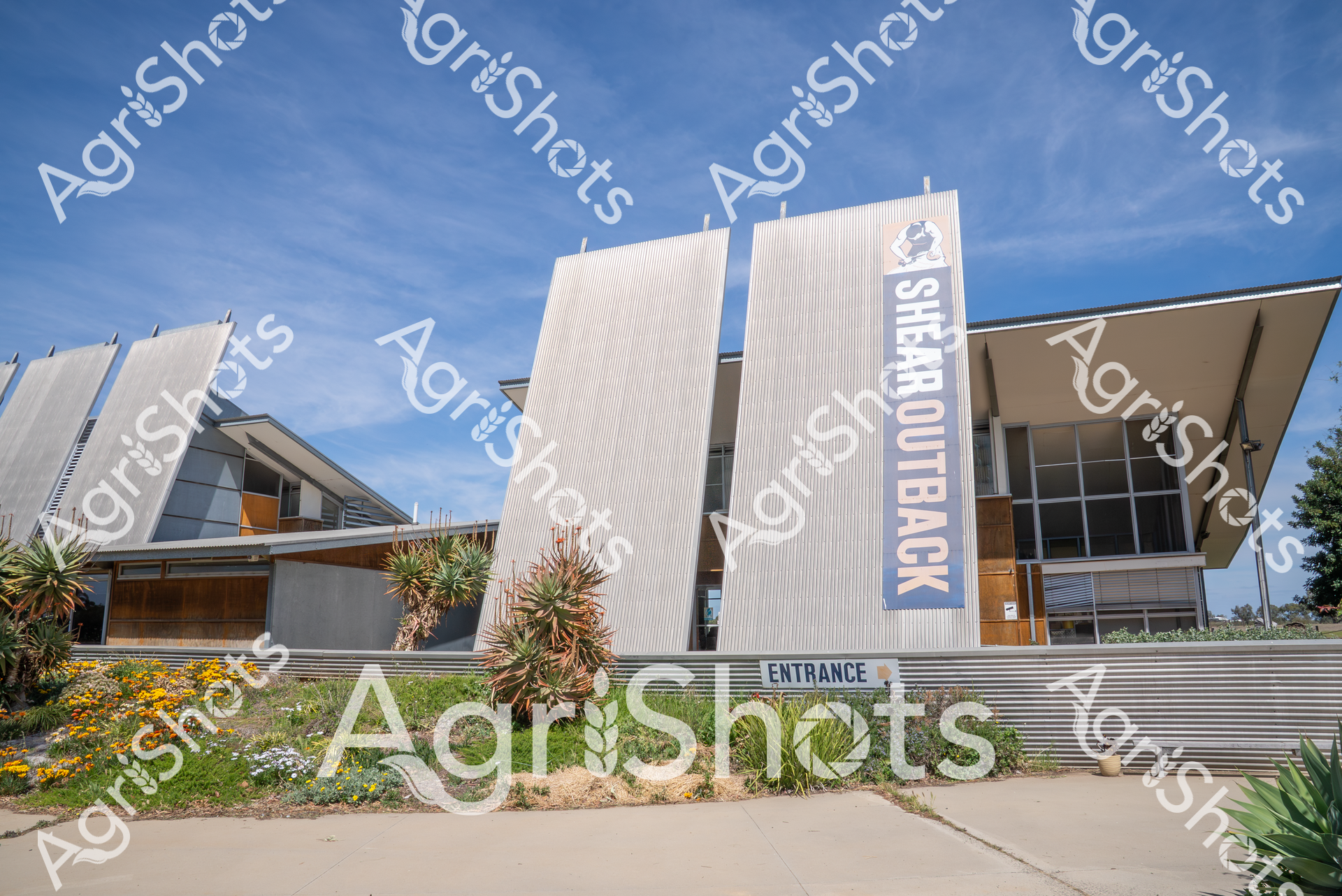
Shear Outback in New South Wales' Riverina region showcases the iconic Australian wool industry through its modern architectural design. The striking white corrugated building features vertical panels and large windows, surrounded by native plants and colorful flowers, offering visitors an immersive agricultural tourism experience that celebrates the heritage of sheep farming.
 Image
Image
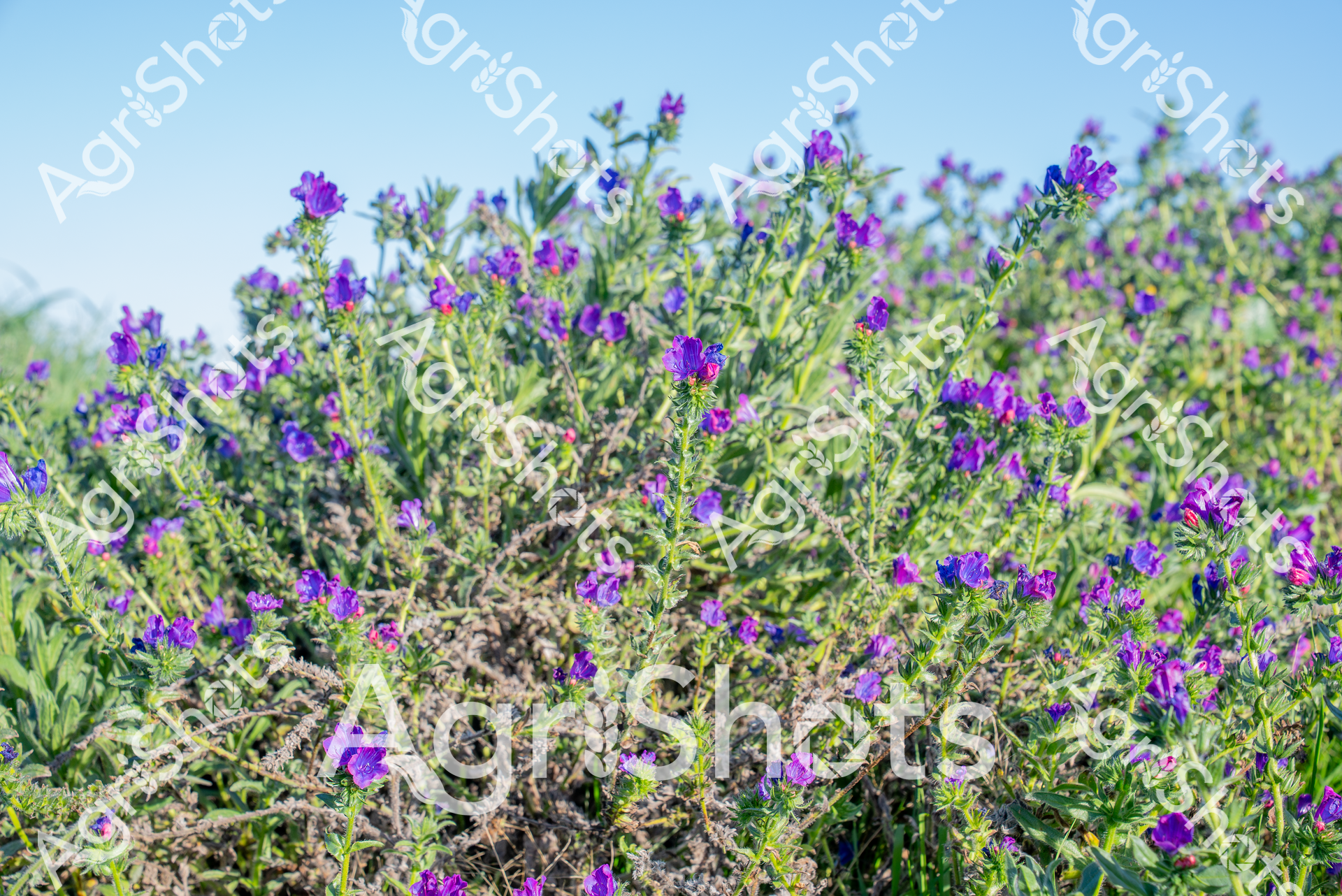
A dense field of vibrant purple Patterson's Curse wildflowers spreads across a landscape in the Riverina region of New South Wales. These invasive weeds blanket the ground with their distinctive bright blossoms, creating a striking contrast against the green foliage and clear blue sky. Despite being considered a problematic invasive species, the flowers create a visually stunning scene in this rural Australian setting.
 Image
Image
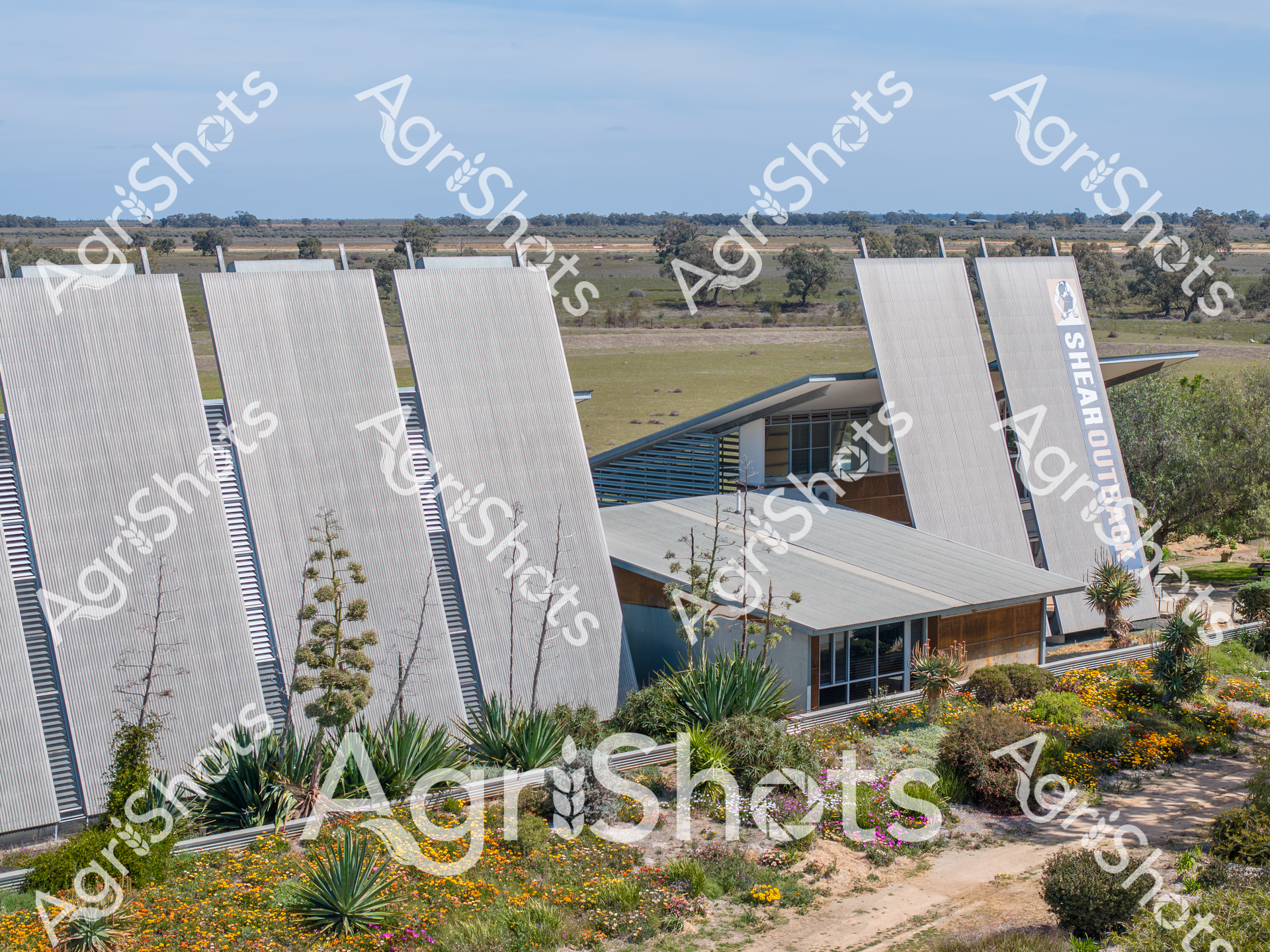
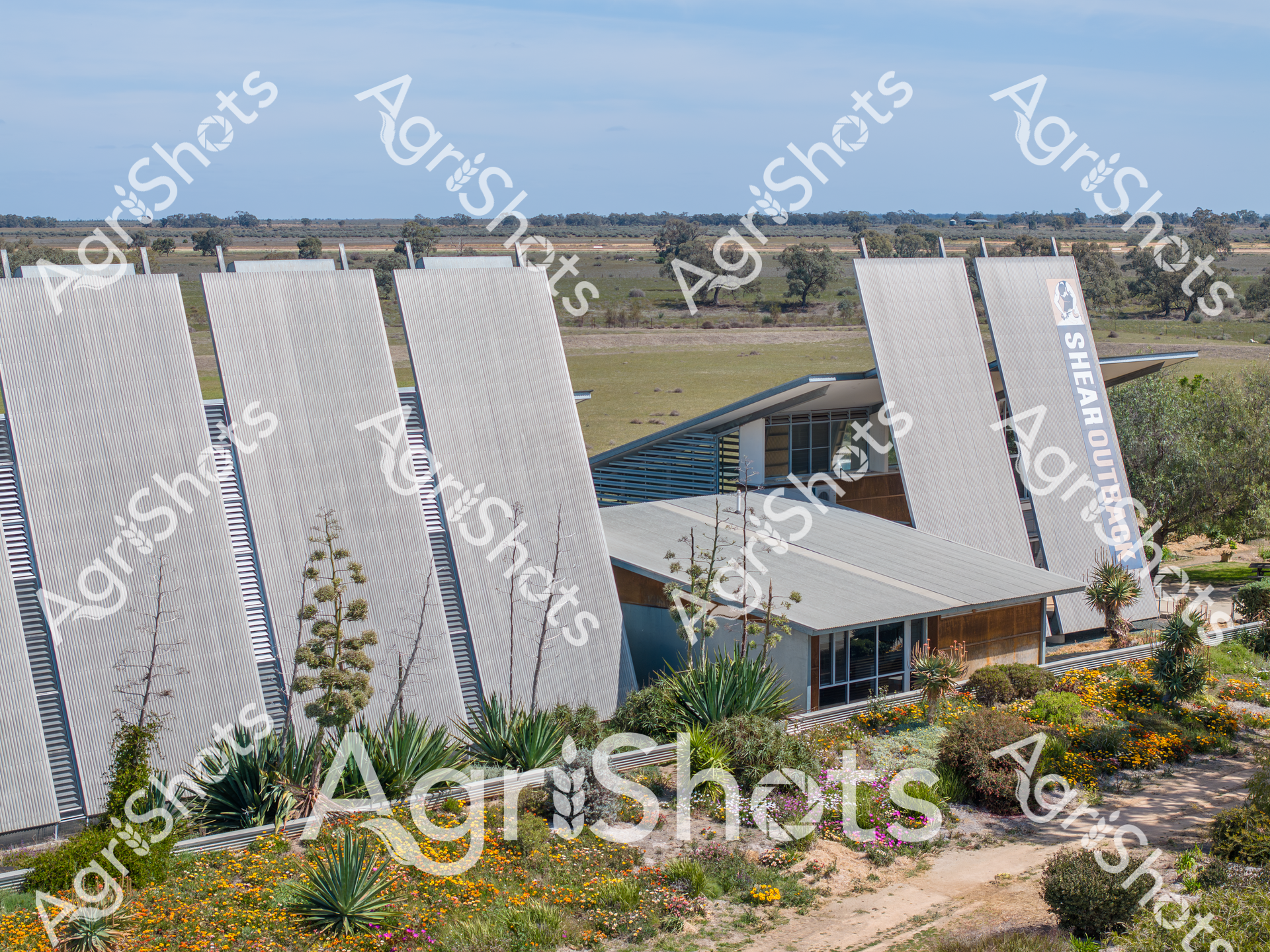
The Shear Outback museum in the Riverina region of New South Wales showcases Australia's sheep farming heritage. Architectural solar panels stand tall against a rural landscape, with a modern visitor center nestled among native plants and colorful wildflowers, highlighting the intersection of agricultural history and contemporary design.
 Image
Image
Kangaroo Island's rugged agricultural landscape unfolds beneath a brooding steel-gray sky, where ancient eucalyptus trees stand sentinel over a gently terraced slope. Vibrant clusters of deep crimson and burgundy kangaroo paws - iconic native flowering plants - punctuate the dry golden grassland, creating a striking botanical contrast against the muted landscape. The undulating terrain suggests careful land management, with strategic plantings of native vegetation interspersed among the weathered paddock, highlighting sustainable farming practices typical of South Australian agricultural regions. Mature gum trees with sprawling branches provide natural windbreaks, their silvery-green foliage offering resilience against harsh environmental conditions. The scene captures the raw beauty of Australian agricultural landscapes - resilient, sparse, yet beautifully textured - where careful cultivation meets natural wilderness.
 Image
Image
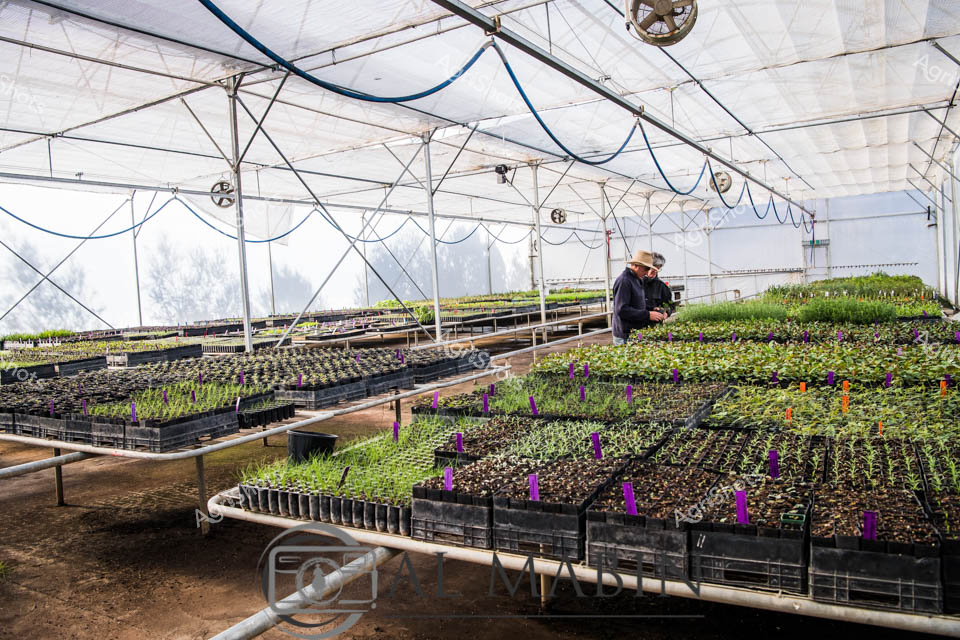
Seedling nursery in a sprawling glasshouse, rows of young plants meticulously arranged on elevated benches under diffused natural light. Purple identification markers punctuate trays of delicate green shoots, signaling careful agricultural research or propagation. A focused worker in dark workwear and a protective cap tends to the young plants, moving between meticulously organized growing stations. Blue irrigation lines arc gracefully overhead, part of a sophisticated climate-controlled growing system that ensures optimal moisture and environmental conditions. The white translucent greenhouse membrane softens the external landscape, creating a controlled microclimate for these nascent plants - potentially native species, forestry stock, or specialized horticultural cultivars. Precision and patient cultivation radiate through the scene, capturing the meticulous early stages of plant development in a modern Australian agricultural setting.
 Image
Image
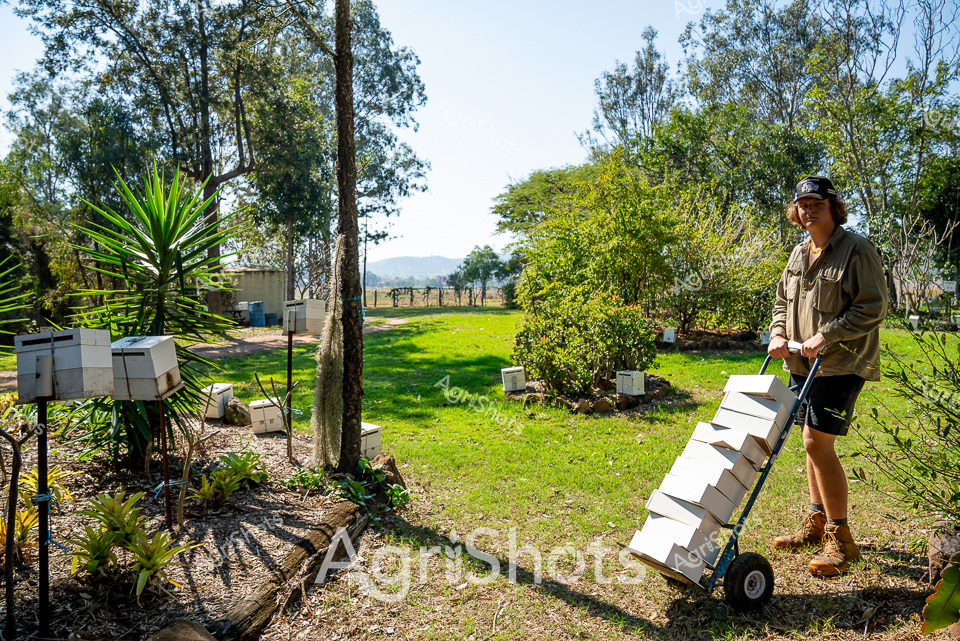
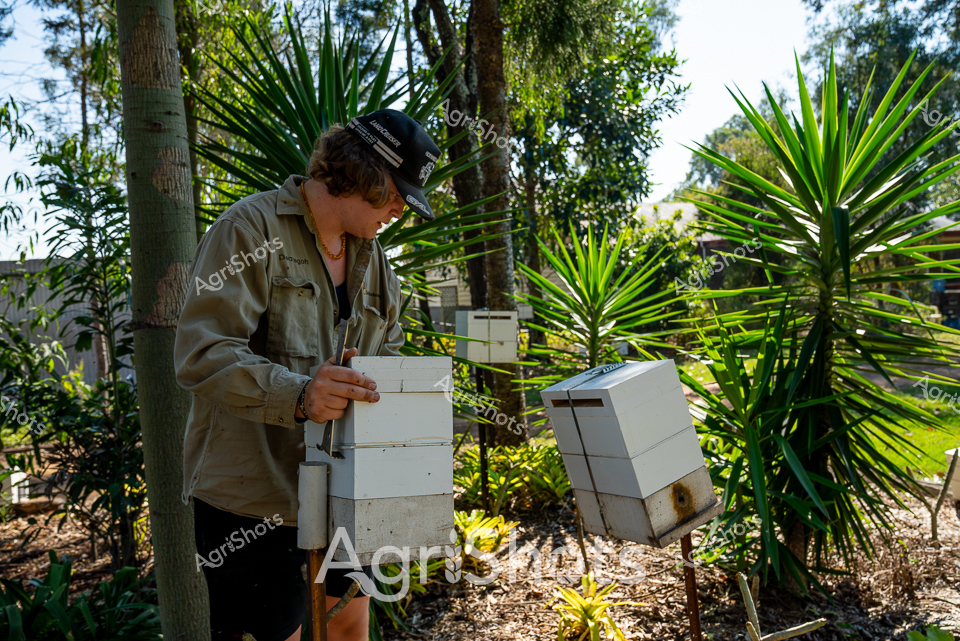
Nestled in the lush landscape of Queensland's Lockyer Valley, a dedicated apiarist tends to a carefully arranged collection of native Australian bee hives. Dressed in practical khaki work attire and a protective cap, the beekeeper maneuvers a hand trolley loaded with white bee boxes across a verdant lawn surrounded by eucalyptus trees and native vegetation. The winter sunlight filters through the green canopy, casting dappled shadows on the meticulously maintained apiary site. Scattered yucca-like plants and native shrubs provide a vibrant backdrop to the white rectangular hives, some positioned on stands near trees, others being carefully transported. The scene captures the precise, methodical nature of Australian native bee cultivation - a delicate balance of scientific precision and deep respect for the environment. This snapshot represents the careful stewardship of these critical pollinators, highlighting the important role of professional apiarists in maintaining biodiversity and supporting agricultural ecosystems in regional Queensland.
 Image
Image
Nestled among vibrant yucca plants and native trees, a dedicated apiarist tends to white rectangular bee hives in the lush Lockyer Valley. Wearing a khaki work jacket and protective cap, the beekeeper carefully manages the hive boxes, demonstrating the meticulous care essential to sustainable beekeeping. The winter sunlight filters through the surrounding vegetation, casting soft shadows on the mulched ground and highlighting the bright green foliage of the landscape. These carefully maintained hives suggest a thriving native Australian bee operation, critical to local agricultural ecosystems and pollination networks. The orderly arrangement of the white hive boxes against the natural backdrop speaks to the careful balance between human intervention and natural processes in modern agricultural practice. This scene captures the quiet expertise of Queensland's agricultural professionals, showcasing the important work of bee cultivation in supporting regional biodiversity and food production.
 Image
Image
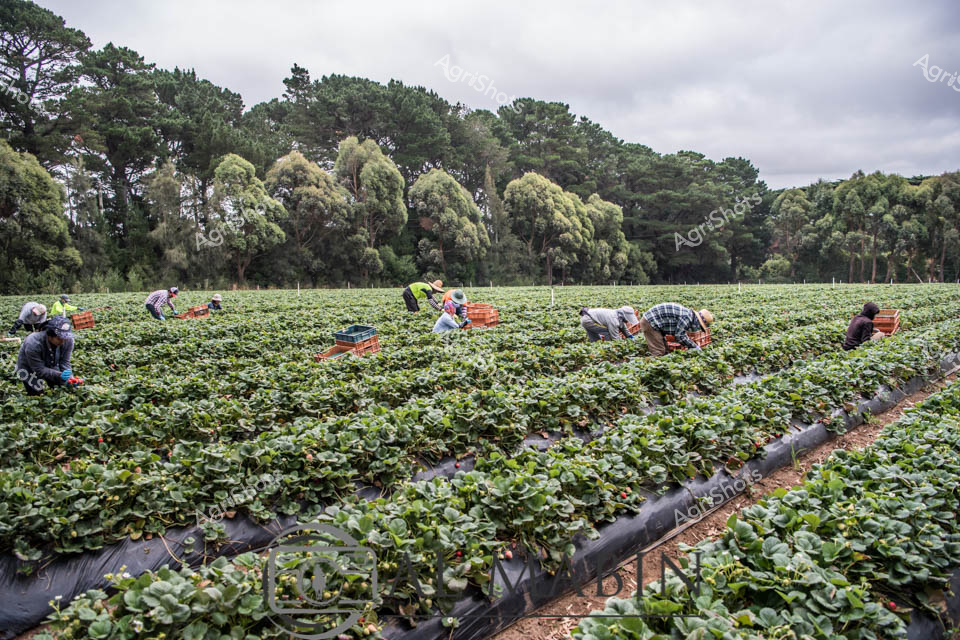
Farm workers harvest fresh strawberries in organized rows across a Victorian strawberry farm in the Gippsland Region. The workers, bent over the neat rows of strawberry plants, carefully pick ripe berries into bright orange crates scattered throughout the field. Black plastic mulch lines create precise growing channels between the lush green strawberry plants, while dense native trees form a natural backdrop under overcast skies. This horticulture operation showcases the labor-intensive nature of berry production, with workers methodically moving through the crop to gather the delicate fruit at peak ripeness.
 Image
Image
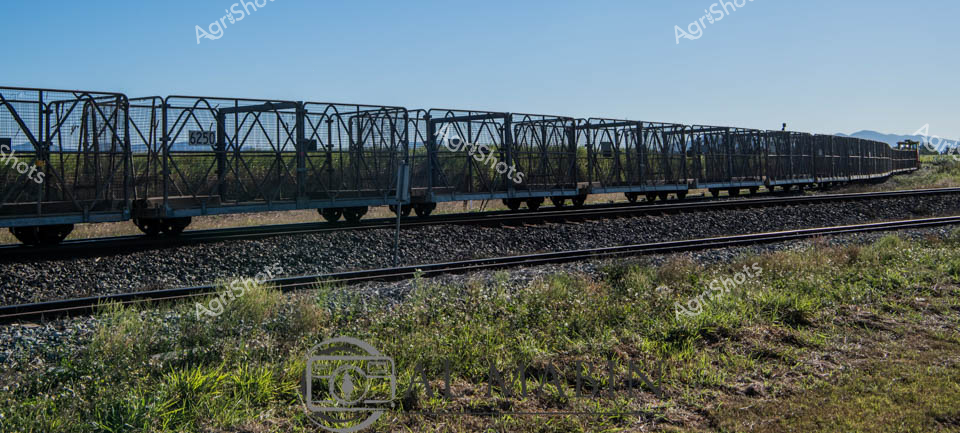
Steel-framed rail transport emerges against a clear blue sky, traversing a rural landscape of weathered railway tracks and wild grassland. A long line of enclosed mesh-sided carriages stretches across the horizon, suggesting specialized agricultural freight transport likely used for bulk sugarcane movement in Queensland's extensive cropping regions. The robust black metal wagons contrast sharply with the muted greens and greys of the surrounding terrain, their geometric industrial design cutting a precise line through the natural landscape. Gravel ballast supports the railway lines, with native grasses and small flowering plants softening the hard infrastructure's edges. Distant blue-tinged mountains provide a serene backdrop, emphasizing the vast agricultural expanses typical of Queensland's agricultural zones. This image captures the critical infrastructure that connects rural production systems, highlighting the engineered networks that support Australia's agricultural supply chains.
 Image
Image
A stunning architectural scene showcasing the Shear Outback museum in the Riverina region of New South Wales. Solar panels stand prominently in the foreground, surrounded by native Australian landscaping with drought-resistant plants and colorful wildflowers, while a modern architectural building sits nestled in the expansive rural grassland backdrop.
 Image
Image
The Shear Outback museum in New South Wales' Riverina region showcases an innovative architectural design featuring modern metallic buildings nestled in a native Australian landscape. Surrounded by drought-resistant plants and wildflowers, the complex highlights the region's rich sheep farming heritage with its striking contemporary aesthetic. The buildings' angular silver structures reflect the area's agricultural history and commitment to preserving rural culture.
 Image
Image
Golden pumpkins nestle amid a sea of broad, verdant leaves in this quintessential Victorian agricultural landscape. The lush pumpkin patch stretches out beneath a backdrop of classic eucalyptus trees, their silvery-green canopies framing a sun-drenched rural horizon. Plump, pale green and vibrant orange pumpkins punctuate the dense foliage, showcasing the rich bounty of the harvest season in rural Victoria. Soft afternoon light bathes the scene, highlighting the textural contrast between the smooth, rounded pumpkins and the broad, wrinkled leaves that shelter them. The meticulously tended field speaks to the precision and care of Australian agricultural practices, with neat rows of plants extending to a fenceline bordered by native bushland. This image captures the essence of Australian farming - a harmonious blend of cultivated cropland and natural landscape, celebrating the abundance of a successful pumpkin harvest.
 Image
Image
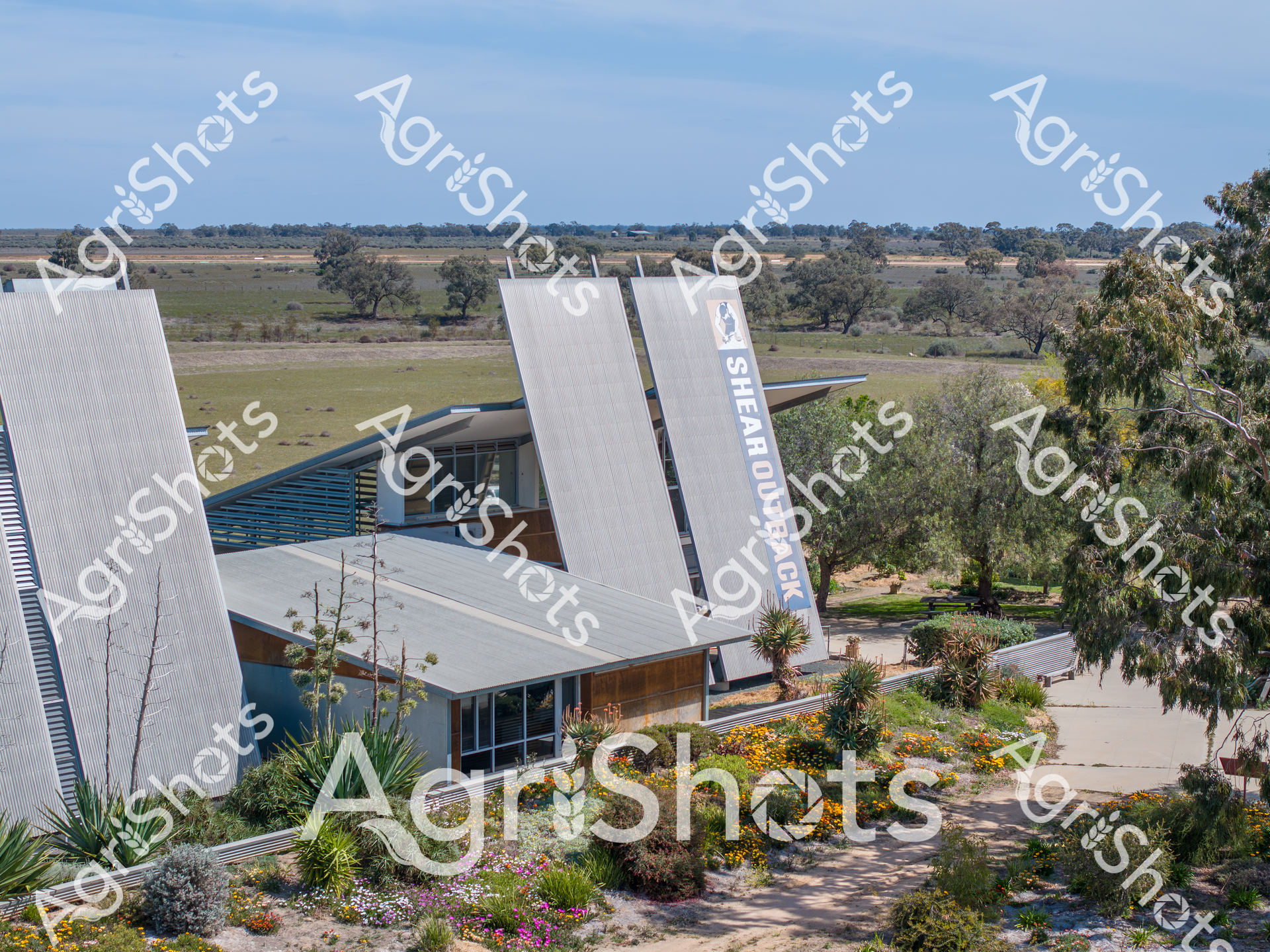
The Shear Outback museum in the Riverina region of New South Wales showcases an innovative architectural design nestled in a scenic rural landscape. The contemporary building features angular white panels and expansive windows, surrounded by native landscaping with colorful wildflowers and drought-tolerant plants. This agricultural heritage center celebrates the history of sheep farming and shearing in Australia, offering visitors a unique insight into the region's pastoral traditions.
 Image
Image
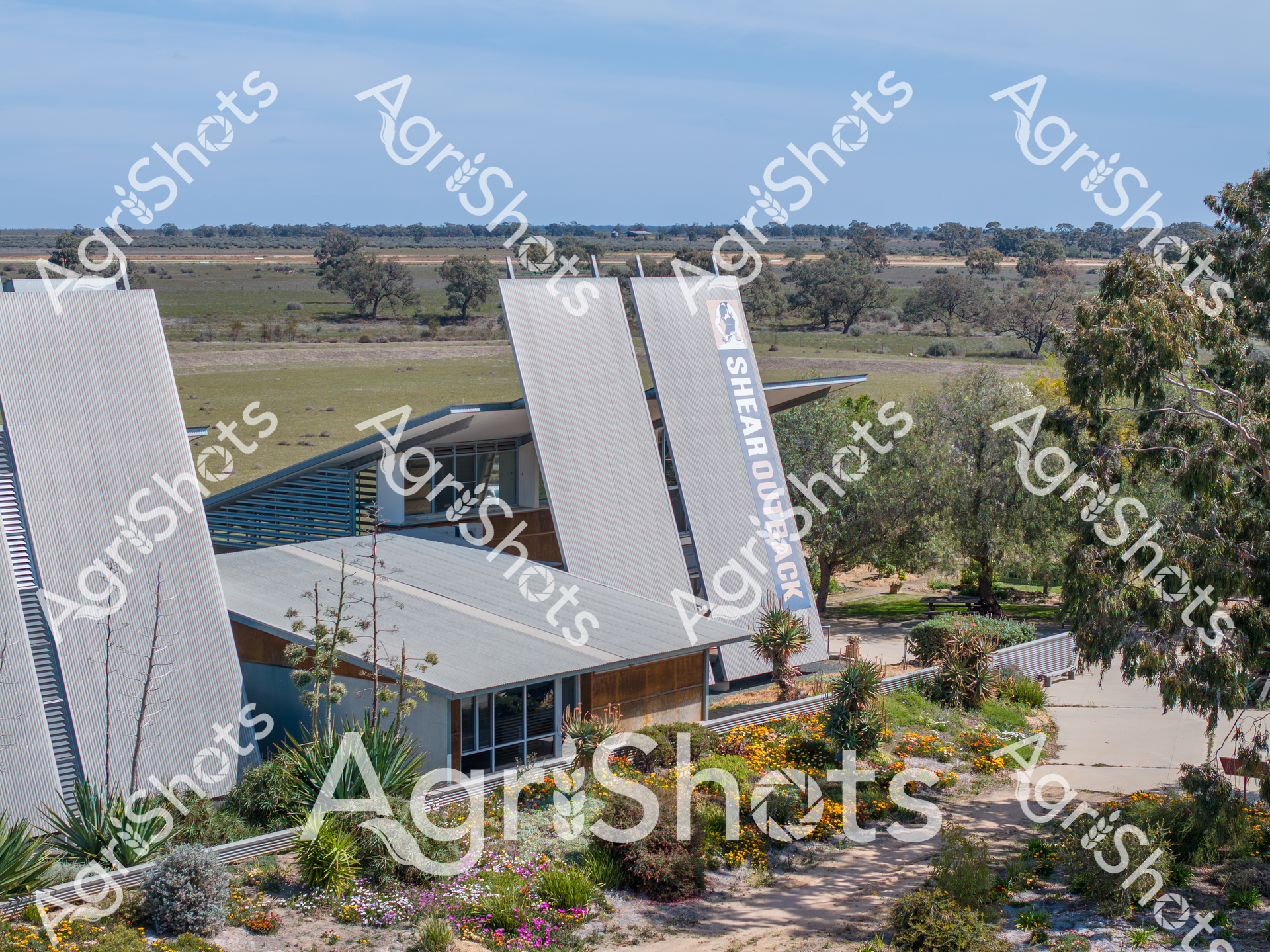
A modern architectural marvel nestled in the Riverina region of New South Wales, this innovative building showcases a unique design blending seamlessly with the surrounding pastoral landscape. The structure features angular concrete panels and large windows, surrounded by native Australian landscaping with colorful wildflowers and drought-resistant plants. The expansive grasslands and scattered eucalyptus trees in the background highlight the classic Australian agricultural setting of the Shear Outback attraction.
 Image
Image
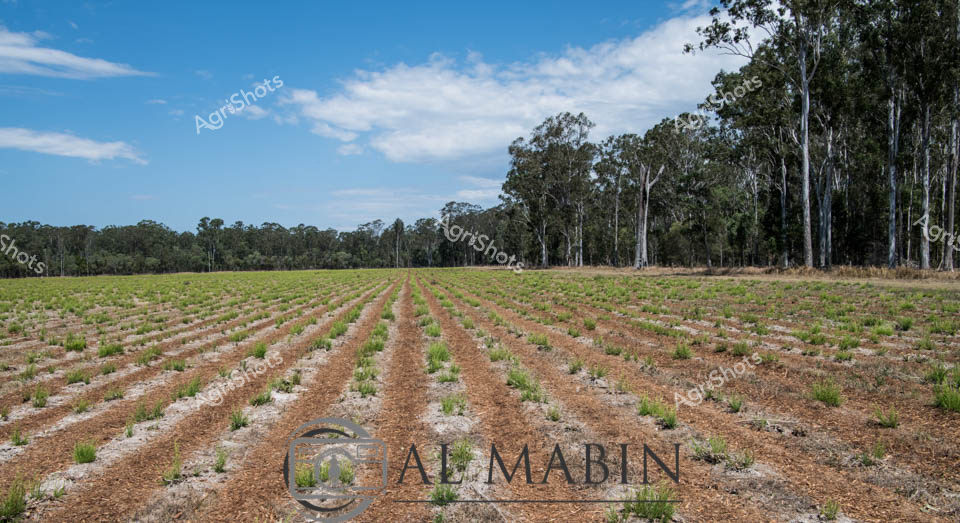
Young tea tree saplings emerge in precise, parallel rows across rich, reddish-brown soil, stretching towards a distant eucalyptus forest under a brilliantly clear blue Australian sky. The meticulously planted agricultural field represents the early stages of tea tree cultivation, a crucial industry in New South Wales for producing essential oils used in pharmaceuticals, cosmetics, and natural health products. Tall, silvery-grey gum trees form a dense windbreak along the field's perimeter, providing protection for the delicate young plants and creating a quintessential Australian rural landscape. The orderly geometry of the plantings contrasts beautifully with the wild, natural woodland backdrop, showcasing the harmonious intersection of agricultural innovation and native landscape. Soft green shoots of the tea tree plants punctuate the earthy terrain, promising future harvests of this versatile and economically significant crop.
 Image
Image
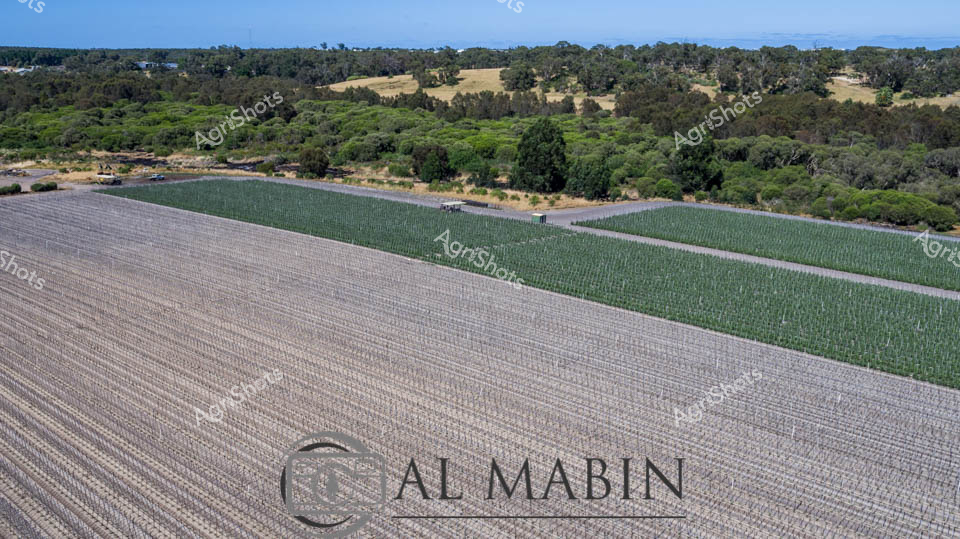
Sprawling terraced rows of green tomato plants carpet the landscape at The agricultural enterprise in Western Australia. Meticulously arranged cultivation beds reveal precision agricultural techniques, with carefully spaced green plants extending across multiple graduated levels against a backdrop of native bushland and distant blue horizons. The orderly geometric patterns of the crop fields contrast beautifully with the natural undulating woodland surroundings, showcasing the harmonious intersection of agricultural innovation and pristine landscape. Vibrant emerald and sage green hues of the tomato crops create a striking visual mosaic, highlighting the meticulous care and advanced horticultural practices employed in modern produce cultivation. The expansive vista captures the scale and sophistication of contemporary market gardening, demonstrating Western Australia's capability to produce high-quality vegetables through strategic land management and advanced agricultural methodologies.
 Image
Image
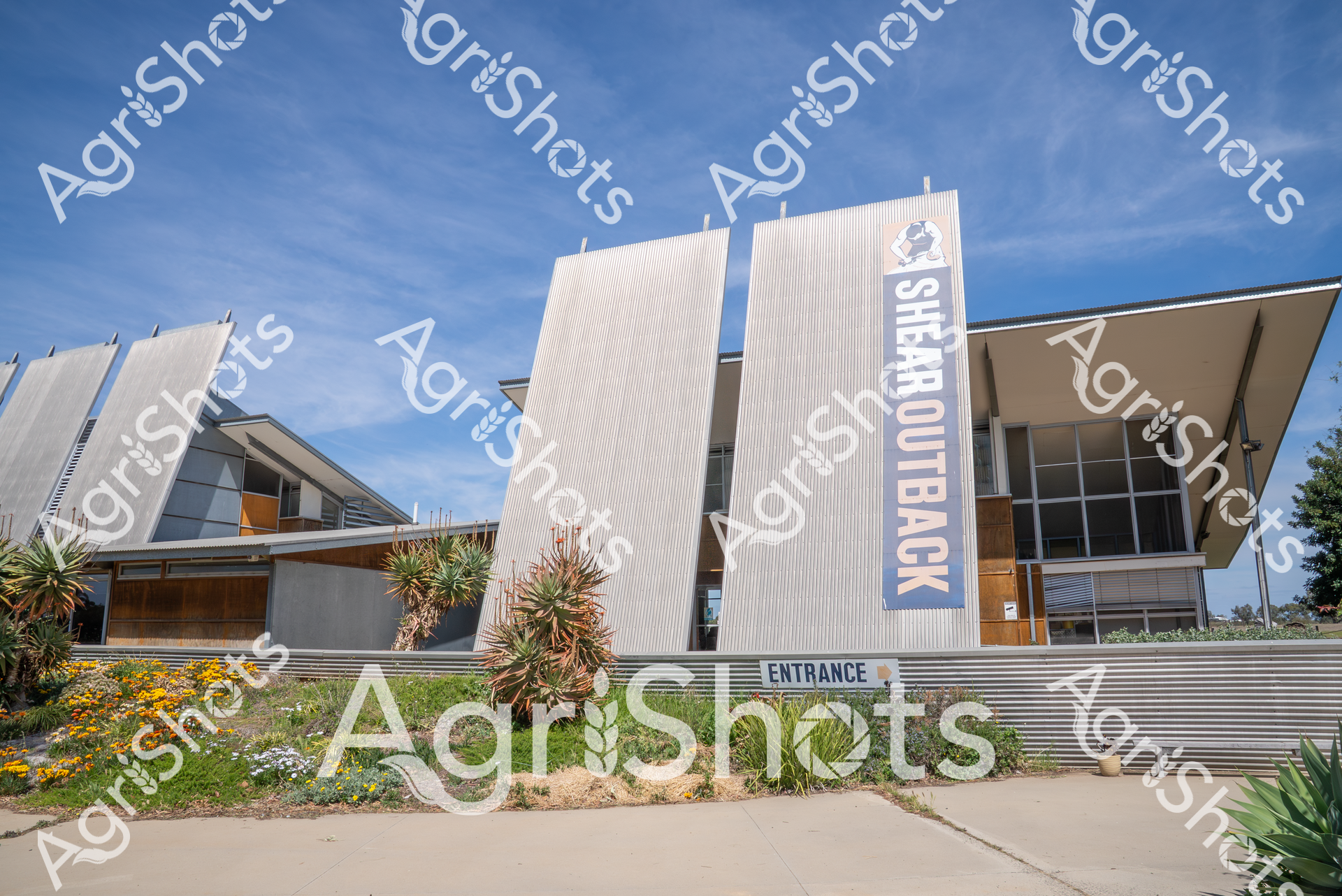
Shear Outback stands as a modern architectural landmark in the Riverina region of New South Wales, showcasing a striking contemporary building with white corrugated facades and large glass windows. The entrance is framed by native Australian landscaping, including vibrant yellow flowers and distinctive succulent plants, highlighting the site's connection to agricultural heritage. This museum and cultural center celebrates the important sheep farming history of the region, offering visitors an immersive experience into Australia's rural traditions.
 Image
Image
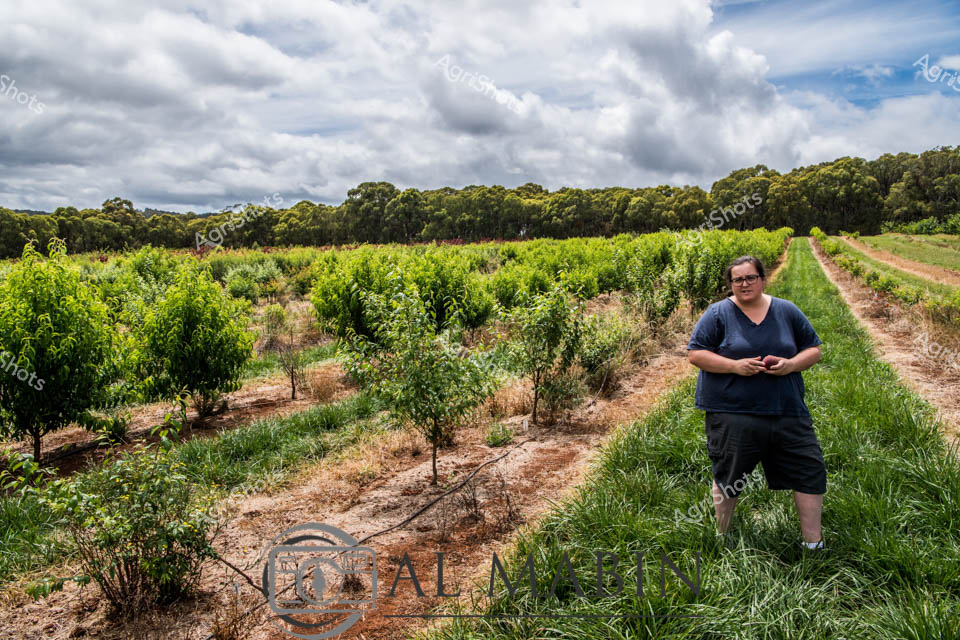
A woman working as a nursery inspector stands among orderly rows of young tree seedlings in Victoria, examining the healthy green plantings that stretch across the rural property. The thriving nursery displays systematic cultivation with neat pathways between the rows of vigorous seedlings, while native trees form a natural backdrop under the partly cloudy sky. Her careful inspection ensures quality control of the growing plants, which appear to be thriving in the well-maintained growing environment. The expansive nursery operation showcases professional agricultural production with organized planting systems designed for optimal seedling development.
 Image
Image
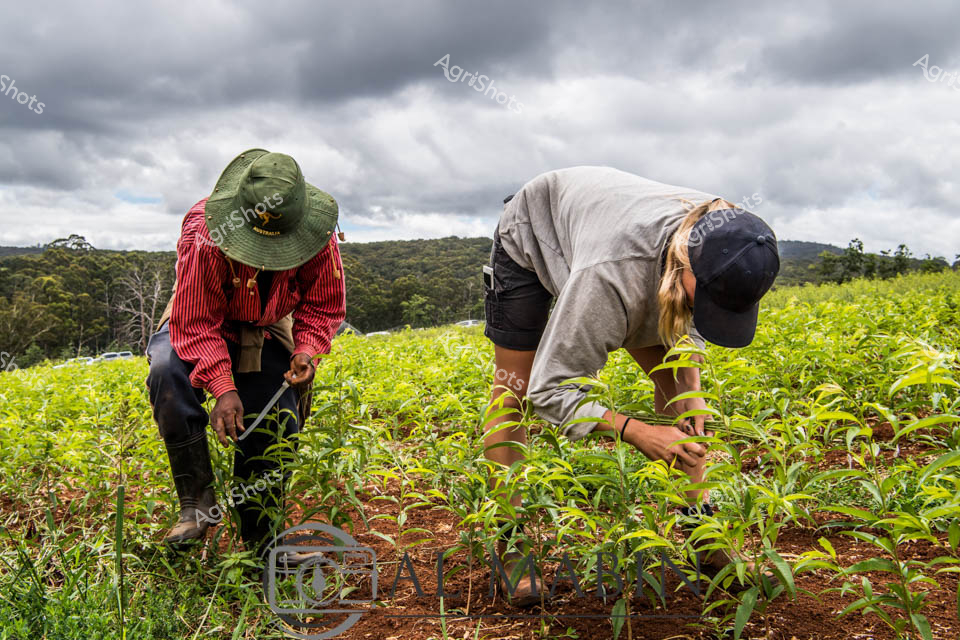
Two farm workers tend to young seedlings in a Victorian nursery setting, with one figure in a red striped shirt and green hat using a tool while another in light clothing carefully handles the delicate plants. The vibrant green seedlings are arranged in neat rows across rich, reddish soil, creating a striking pattern against the rural landscape. Rolling hills covered in dense native trees form a dramatic backdrop under a cloudy sky, highlighting the careful cultivation work taking place in this agricultural nursery. The scene captures the essential planting activities that support Victoria's thriving agricultural industry.