Results for “indoor design”
 Image
Image
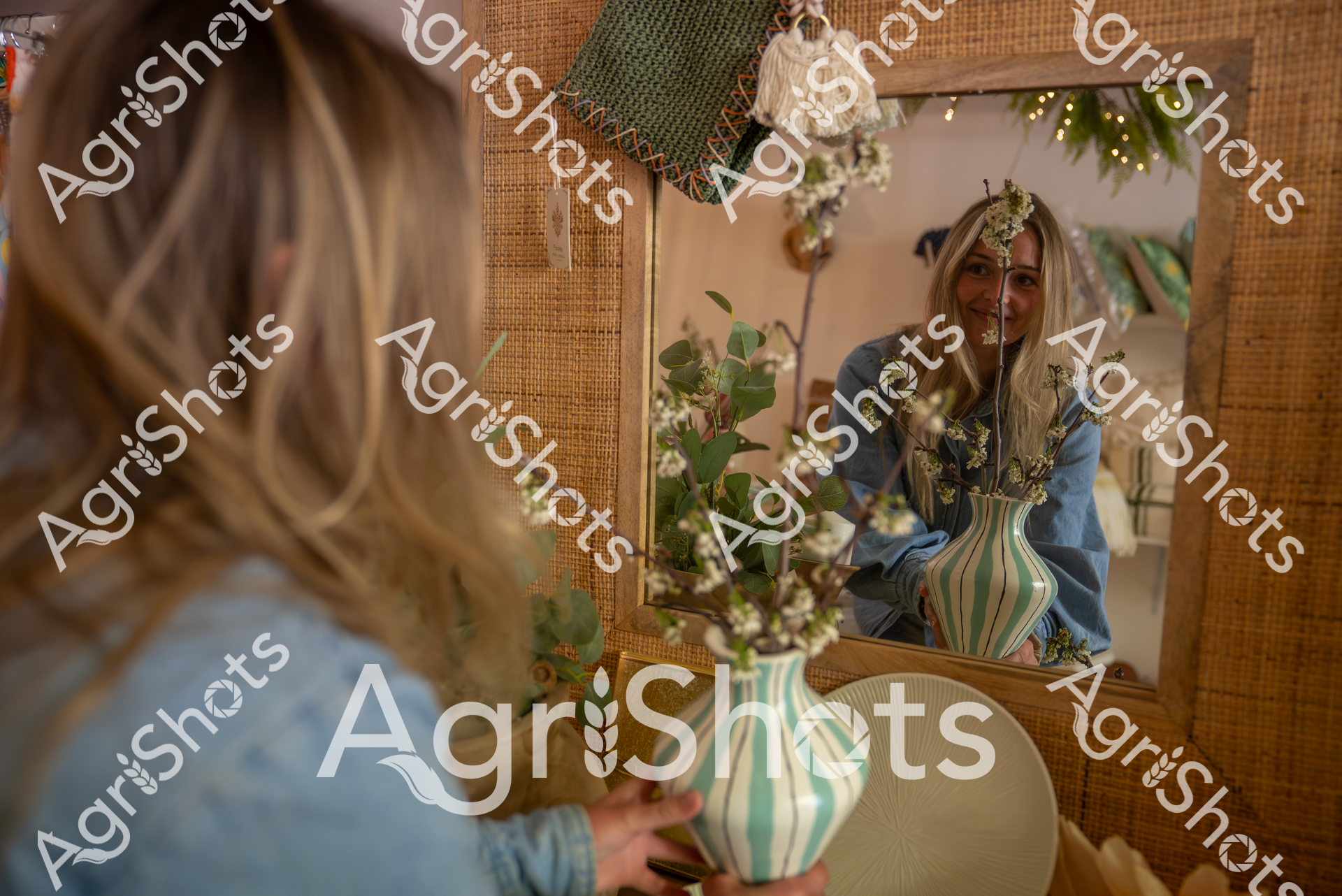
A woman in a blue top arranges delicate white flowers in a striped ceramic vase, creating a serene scene reflected in a mirror with soft, natural lighting and decorative textiles in the background. The image captures a moment of quiet creativity and floral styling, with green and white botanical elements adding a fresh, organic touch to the composition.
 Image
Image
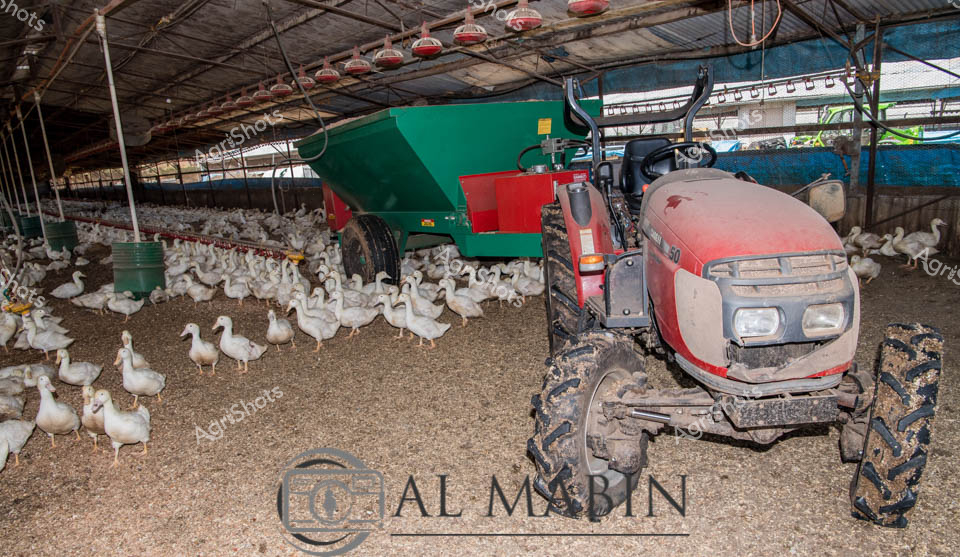
Alabaster-feathered Peking ducks cluster across the expansive shed floor, their compact bodies creating a living carpet against rich brown litter beneath a corrugated iron roof. A robust red and grey Case tractor stands ready alongside a forest-green feed distribution trailer, positioned centrally in this high-efficiency poultry production environment. Crimson heat lamps hang methodically overhead, casting a warm glow across the controlled indoor farming space, designed to optimize duck growth and welfare. Precision agricultural equipment demonstrates the sophisticated approach of modern NSW large-scale duck farming, where mechanical systems seamlessly integrate with carefully managed livestock populations. The scene captures the industrial rhythm of contemporary agricultural production - clean, organized, and engineered for maximum productivity. Muddy tractor tires and carefully maintained infrastructure speak to the technical expertise required in large-scale poultry management, representing a critical sector of Australian agricultural innovation.
 ▶ Video
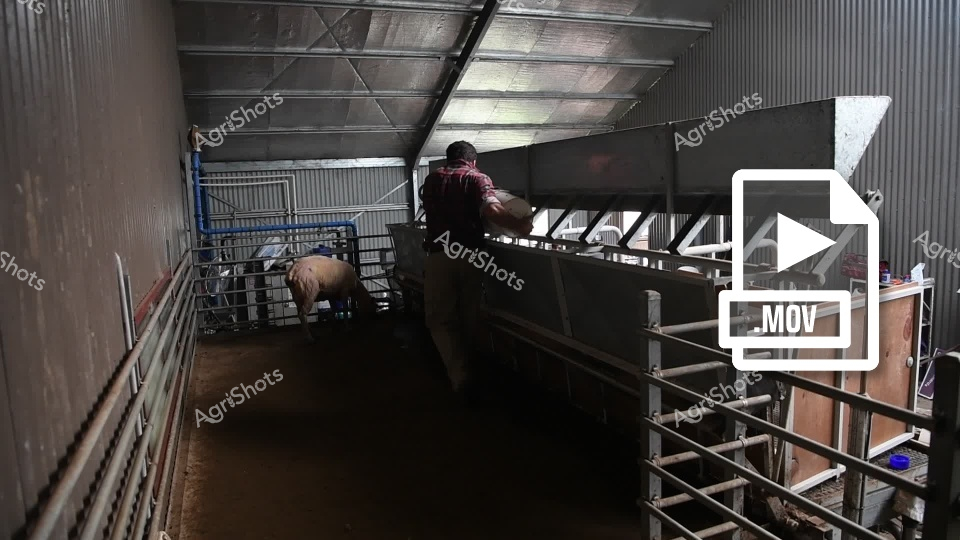
A man farm worker tends to dairy sheep in a modern milking facility in New South Wales, carefully monitoring the animals as they move through the metal handling system. The indoor barn features multiple pens and walkways designed for efficient sheep milking operations, with the worker positioned on an elevated platform to oversee the process. The specialized dairy sheep facility showcases the growing sheep milk industry, with purpose-built infrastructure including metal railings and organized pen systems that facilitate safe and efficient milking procedures.
 Image
Image
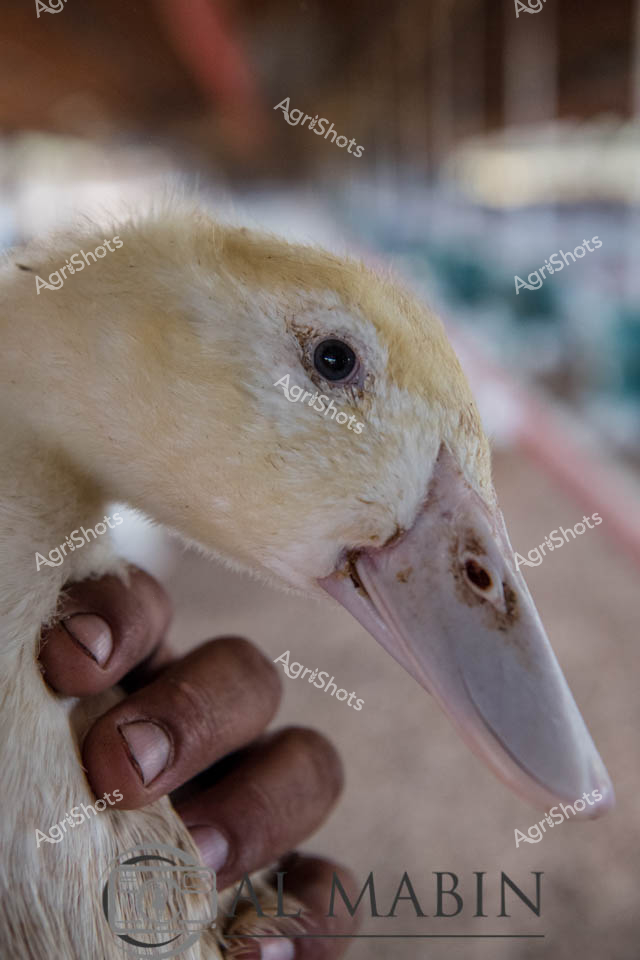
Alabaster feathers gleam under soft light as a farm worker's weathered hand cradles a Peking duck, revealing the intimate connection between human and livestock in modern poultry farming. The duck's luminous eye peers intently, its distinctive white plumage and elongated bill characteristic of this prized breed developed in China but now a staple of Australian agricultural production. Delicate details emerge in this close-up portrait - the subtle texture of downy feathers, the warm brown skin of the hand, the precise positioning that speaks to generations of careful animal husbandry practiced across New South Wales' large-scale farming operations. The image captures the precise moment of handling that defines professional poultry management, where gentle expertise meets biological precision. Soft background tones suggest an indoor farming environment, likely a climate-controlled shed designed to optimize duck development and welfare. Every curve and contour tells a story of agricultural craft, where each bird represents both a living creature and a carefully managed agricultural asset. This portrait embodies the nuanced relationship between agricultural workers and the livestock, showcasing the meticulous care fundamental to Australia's thriving poultry industry.
 Image
Image
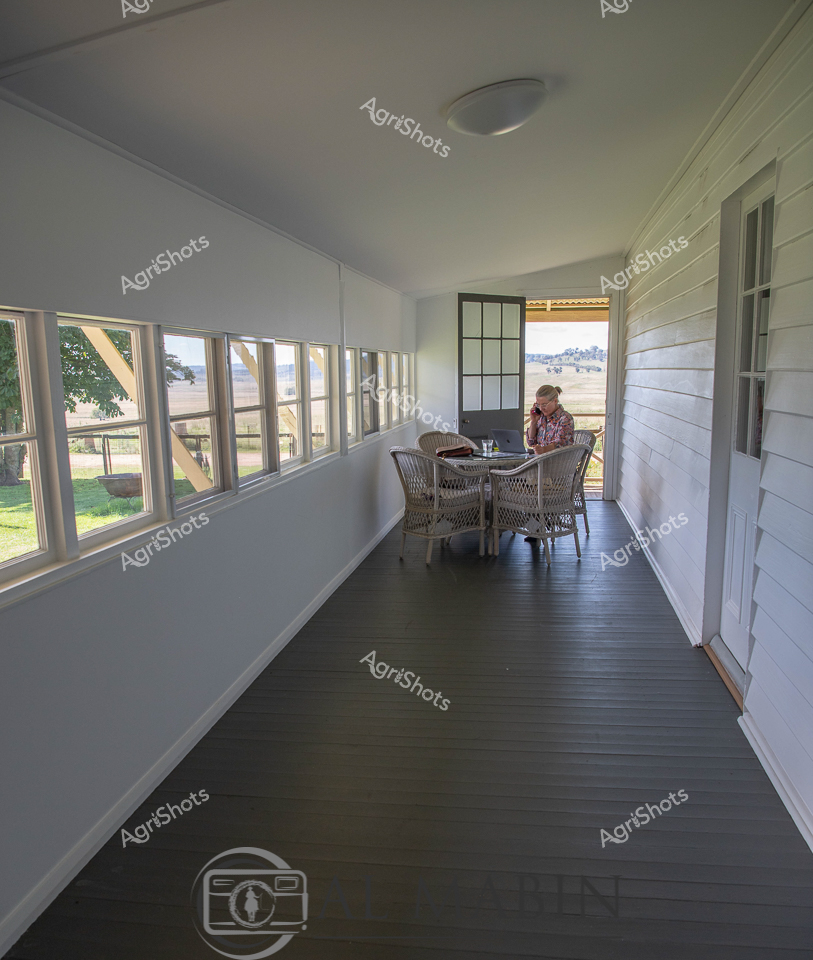
Rural serenity meets modern connectivity in this evocative interior of a farmhouse workspace. A woven white chair and table sit positioned near expansive windows, offering a sweeping panorama of pastoral grasslands and distant hills typical of New South Wales agricultural landscapes. A person in a patterned shirt works quietly at the table, suggesting the contemporary blend of technology and traditional farming life that defines modern agricultural practice. Warm natural light floods the polished wooden floorboards and white-paneled walls, creating a tranquil environment that bridges indoor comfort with the expansive rural exterior. The carefully designed space - with its grid-paned windows and clean lines - represents a sophisticated approach to rural working environments, highlighting how agricultural professionals now integrate digital work with timeless landscape views. This scene captures the essence of contemporary agricultural professionals: connected, focused, and deeply rooted in the landscape that sustains their livelihood.
 Image
Image
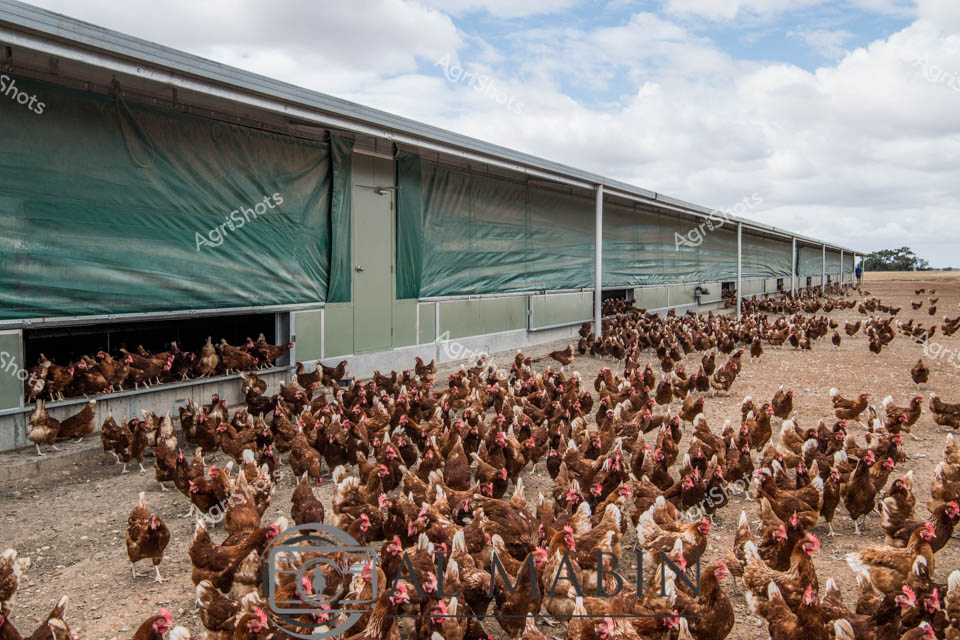
Free-range brown hens crowd the gravelly outdoor area of a modern poultry farm, clustered around a sleek green-paneled shed with sliding access points. The overcast sky and diffused cloudy light suggest a cool morning in rural Victoria, with dozens of chickens moving freely between the sheltered indoor spaces and the expansive external paddock. Rich russet and auburn feathered hens with bright red combs populate the scene, their varied plumage creating a textural mosaic against the pale ground and industrial agricultural infrastructure. The facility represents contemporary Australian egg production, balancing animal welfare considerations with efficient commercial design - the open-sided shelter allowing natural movement and environmental interaction while providing protection and structure. Metallic green windbreaks and sturdy architectural elements frame the scene, highlighting the sophisticated engineering behind modern free-range chicken farming. The composition captures the dynamic energy of a working agricultural environment, where livestock and carefully designed infrastructure coexist to support Australia's robust poultry industry.
 Image
Image
Free-range brown laying hens populate a spacious agricultural shed, representing contemporary egg production in rural Victoria. Hundreds of robust chickens with rich reddish-brown feathering and bright red combs mill across a dusty outdoor paddock area, with large green-tinted fabric sidewalls providing ventilation and shelter. The cloudy sky suggests a mild day, typical of southern Australian farming conditions, while the expansive metal-framed structure demonstrates modern poultry farming infrastructure. Chickens move freely between indoor and outdoor zones, showcasing a semi-large-scale farming approach that balances animal welfare with productive egg harvesting. The scene captures the scale of commercial egg production, with dense clusters of hens moving naturally across a carefully designed agricultural environment. Weathered ground and uniform shed design highlight the pragmatic, functional aesthetic of contemporary Australian agricultural facilities.
 Image
Image
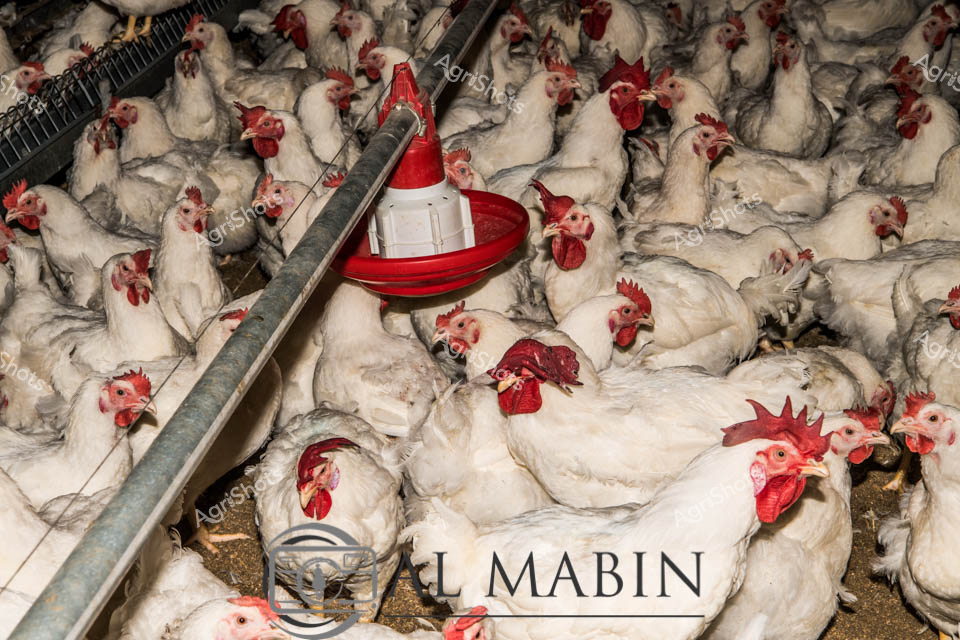
White Leghorn chickens densely populate an industrial-scale indoor poultry facility, showcasing modern large-scale farming techniques. A red and white automatic feeder stands amid the tightly packed flock, highlighting precision agricultural equipment design. The chickens - uniform in their bright white feathering and vivid red combs - create a stark visual landscape of controlled agricultural production. Metal structural elements like feeding rails and infrastructure frame the scene, emphasizing the systematic approach to livestock management. The chickens appear calm but closely confined, representing the efficiency-driven model of contemporary Australian poultry farming.
 Image
Image
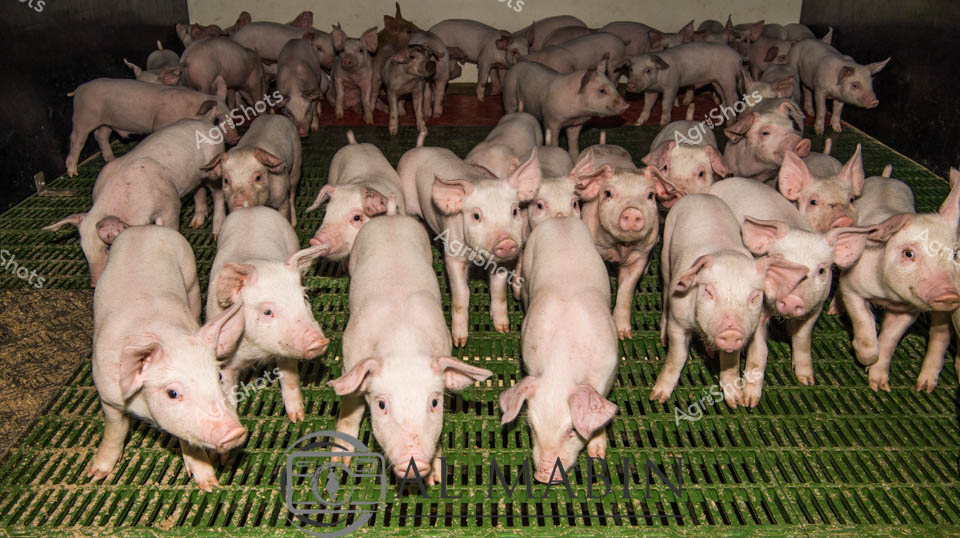
Young Yorkshire-cross piglets crowd a green slatted floor in a modern large-scale indoor pig farming facility. The pale pink and white juvenile pigs cluster tightly, representing a carefully managed livestock breeding operation typical of Western Australia's agricultural sector. Uniform in size and coloration, these weaner pigs demonstrate the precision of contemporary agricultural breeding practices, with their clean genetic lines and controlled environment. The uniform green plastic flooring allows efficient waste management and hygiene, a critical aspect of modern piggery design. Soft overhead lighting illuminates the tightly packed group, highlighting their smooth, pink skin and alert expressions. This scene captures the industrial scale of contemporary pork production, where animal husbandry meets systematic efficiency, reflecting the technological advancement of agricultural operations in the South West Region.
 Image
Image
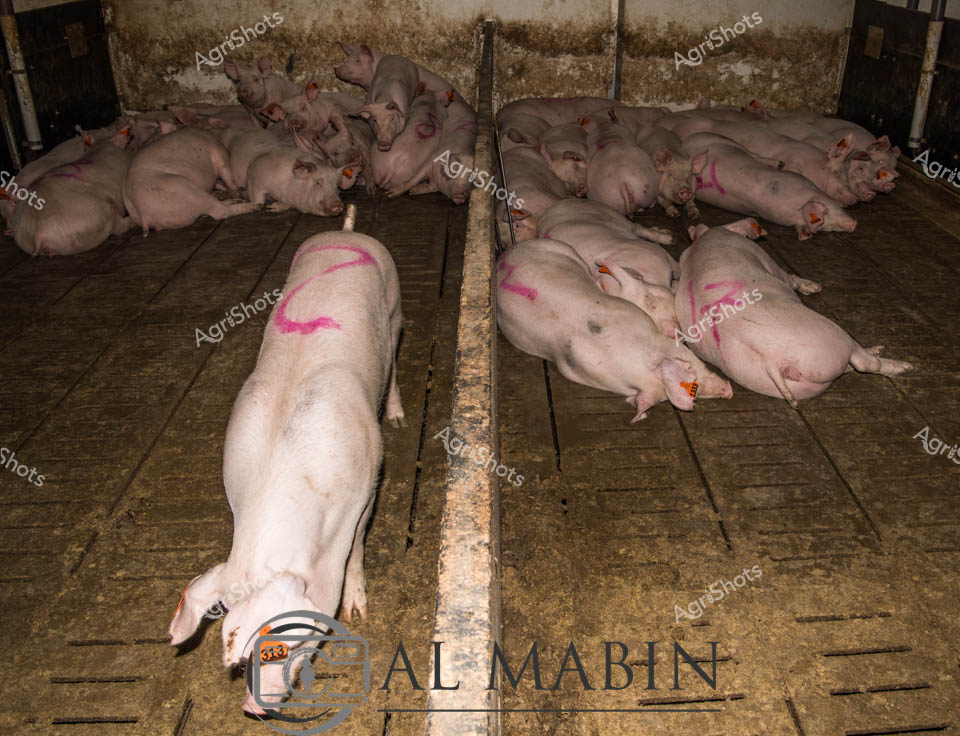
Inside a compact, well-organized piggery facility, multiple groups of pale pink pigs are clustered across slatted concrete flooring, divided by a central drainage channel. The pigs, uniformly marked with bright pink identification numbers, rest closely together in a controlled indoor environment typical of modern large-scale livestock management. Ambient lighting reveals a weathered concrete wall background, suggesting this is a purpose-built agricultural infrastructure designed for efficient animal husbandry. Each pig appears to be a carefully selected breed, likely bred for optimal meat production, with uniform body composition and coloration. The floor's precise grid design allows for waste management and hygiene control, a critical aspect of contemporary agricultural practices. The scene captures the systematic and structured approach of contemporary pig farming, where animal welfare and production efficiency are balanced through carefully engineered environments.
 Image
Image
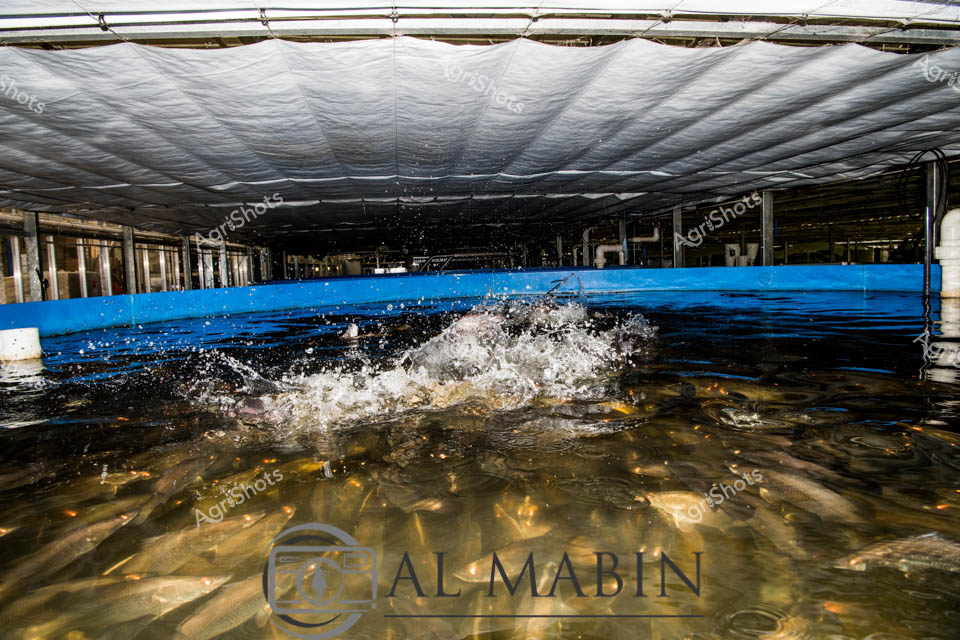
Barramundi surge through the crystalline waters of a high-tech aquaculture facility, their silvery-gold bodies flashing beneath a controlled indoor environment. Powerful splashes erupt as the fish navigate the blue-bordered cultivation tank, creating dynamic patterns of white spray and fluid motion. Sophisticated overhead infrastructure - including carefully tensioned protective netting and precision environmental controls - frame the cultivation space, highlighting the advanced agricultural techniques of modern fish farming. The golden-hued school moves with collective energy, representing a significant protein production system that supports Australian seafood industries. Sleek industrial design meets biological complexity in this carefully engineered aquaculture environment, where each element is meticulously designed to optimize fish health and growth.
 Image
Image
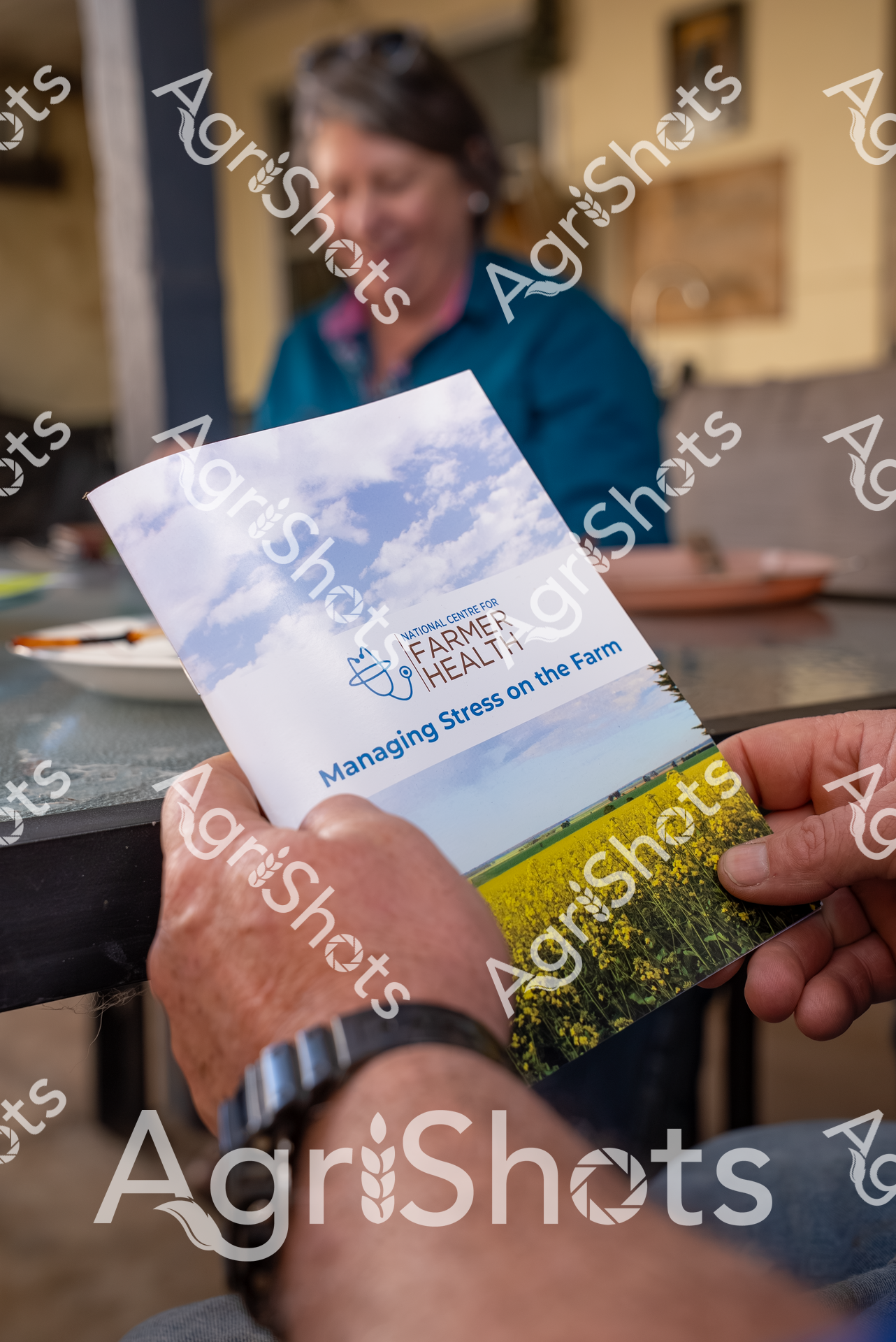
A National Centre for Farmer Health brochure titled "Managing Stress on the Farm" is carefully held in the foreground, capturing the critical intersection of agricultural resilience and mental wellbeing. Soft winter light filters into an indoor setting, where a farmer in a teal jacket sits blurred in the background, suggesting a counseling or support session. The brochure's design features a poignant landscape of golden canola fields against a cloudy sky, symbolizing both the beauty and challenges of rural life. Hands - one wearing a watch - gently handle the informational material, representing the delicate and important conversation about farmer mental health. The muted color palette and intimate framing convey a sense of compassion, understanding, and professional support for agricultural workers facing the complex stresses of farming. This image powerfully illustrates the National Centre for Farmer Health's commitment to holistic rural wellness, addressing the psychological challenges that often accompany agricultural work.
 ▶ Video
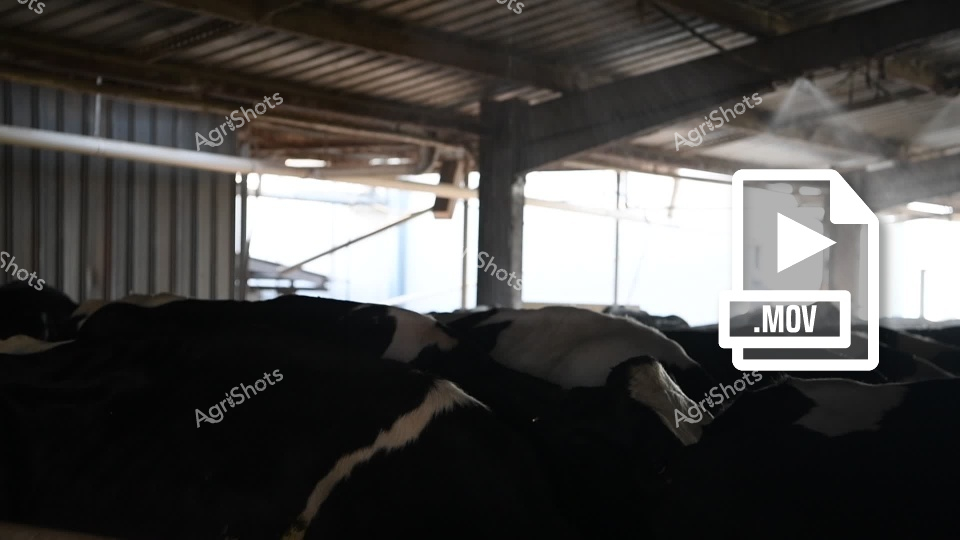
Black and white dairy cows rest inside a corrugated metal barn with filtered sunlight streaming through, revealing a typical indoor cattle shelter with overhead structural supports. The herd appears calm and clustered together, suggesting a well-managed agricultural facility designed for livestock comfort and protection from external elements.
 ▶ Video
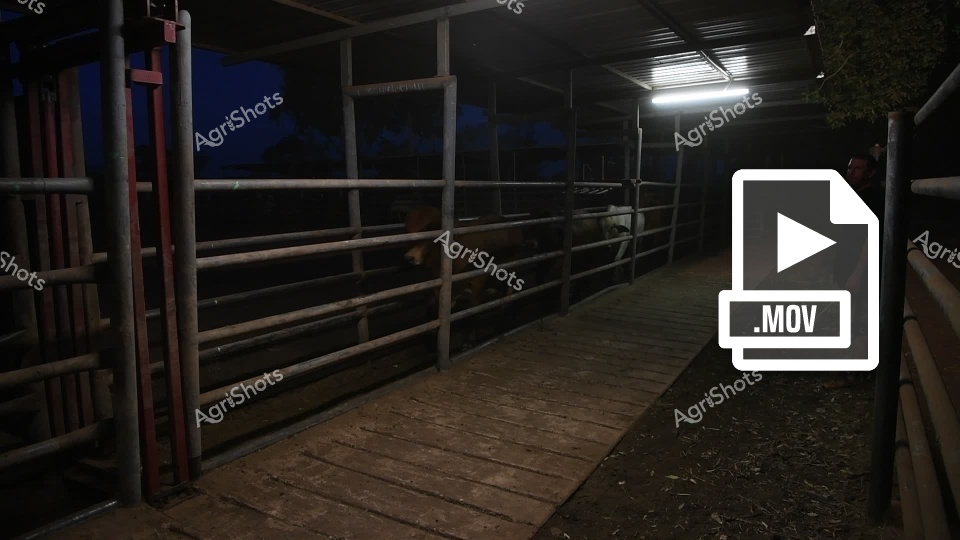
A dimly lit livestock handling facility at night, featuring wooden walkways and metal gates. A single overhead light illuminates the corridor, creating a stark contrast between light and shadow in what appears to be an indoor animal holding area or barn aisle. The wooden floor and metal fencing suggest this is a professional agricultural facility designed for safely moving and managing livestock.
 ▶ Video
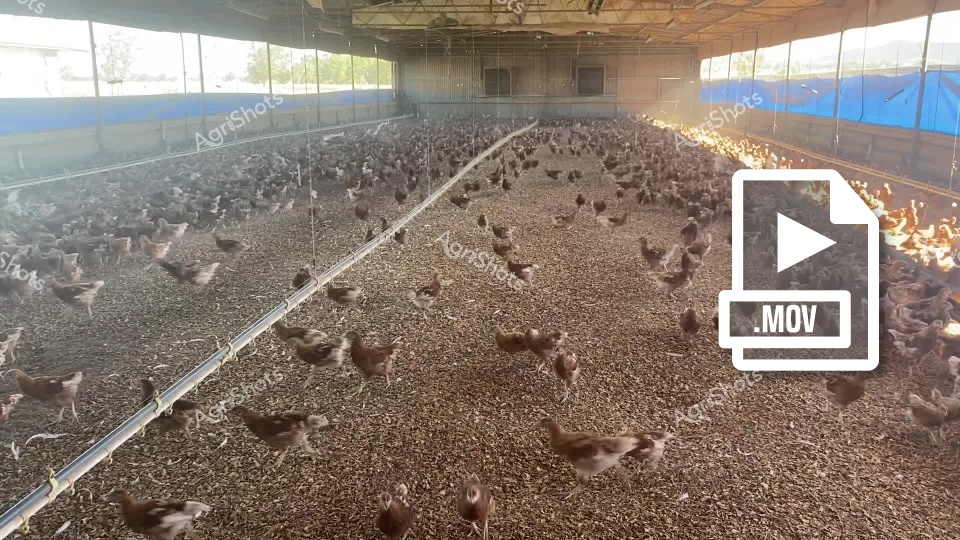
A densely populated indoor chicken farm in New South Wales, with hundreds of hens crowded together on a gravel-like floor. The large, industrial-style facility features blue-lined walls and appears to be designed for large-scale egg production, with chickens packed tightly across the entire floor space.
 Image
Image
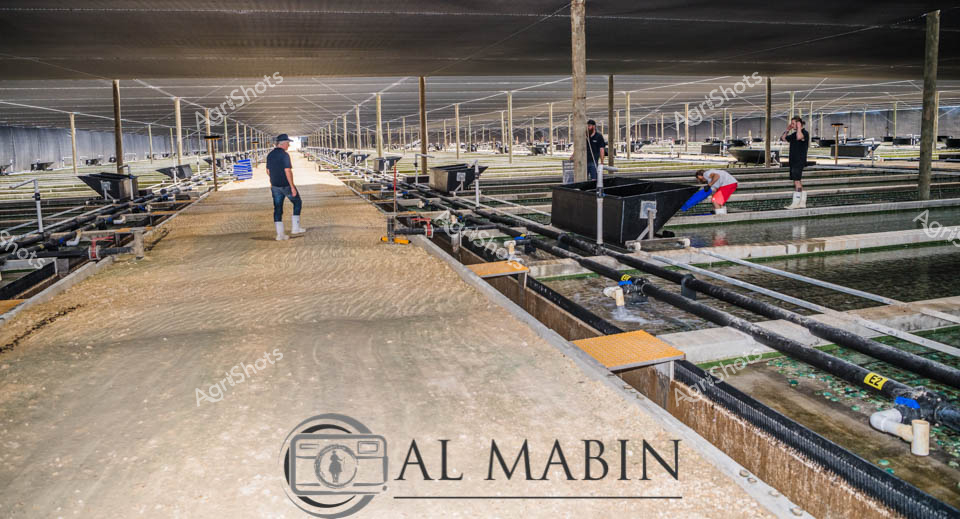
Inside a modern abalone aquaculture facility in Victoria's Barwon South West Region, rectangular concrete tanks stretch across the indoor farm in organized rows. Several farm workers move through the facility tending to the seafood production operation, with one worker in the foreground inspecting the abalone cultivation tanks. The industrial-scale aquaculture setup features systematic water management infrastructure designed for optimal shellfish farming conditions. This represents the sophisticated approach to sustainable seafood production in Victoria's growing aquaculture industry.
 Image
Image
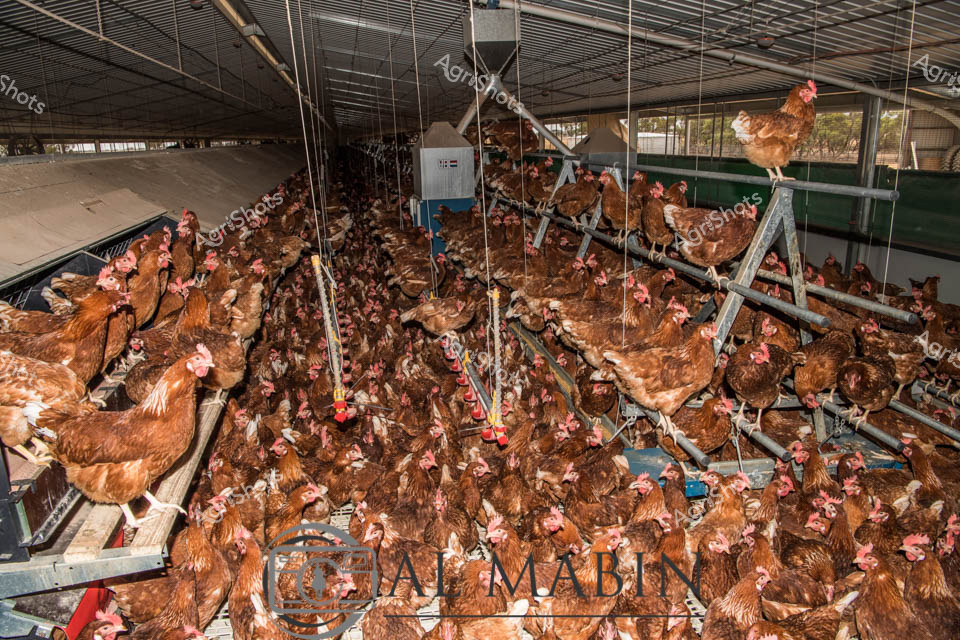
Battery Cage Layer Hens in Commercial Egg Production Facility Russet-brown ISA Brown hens densely populate a mechanized indoor poultry shed, their feathered bodies clustered across multi-tiered metal frameworks. Automated feeding lines snake through the crowded environment, providing consistent access to nutrition for this large-scale egg production system. The industrial infrastructure reveals precision-engineered metal scaffolding, hanging feeders, and calculated spacing designed for maximum efficiency in commercial egg farming. Warm amber and chestnut tones dominate the scene, with the chickens' plumage creating a textured landscape of overlapping feathers and alert red combs. Overhead lighting and galvanized steel structures frame the dense population, highlighting the systematic approach to large-scale agricultural protein production.
 Image
Image
A farm worker in dark clothing tends to large circular aquaculture tanks at a salmon fish farm facility in Tasmania. The industrial setup features multiple concrete tanks with central aerators, designed for raising salmon fingerlings in controlled water conditions. The worker appears to be monitoring or maintaining the tanks as part of the daily aquaculture operations. This indoor facility represents modern fish farming techniques used in Tasmania's thriving salmon industry.
 Image
Image
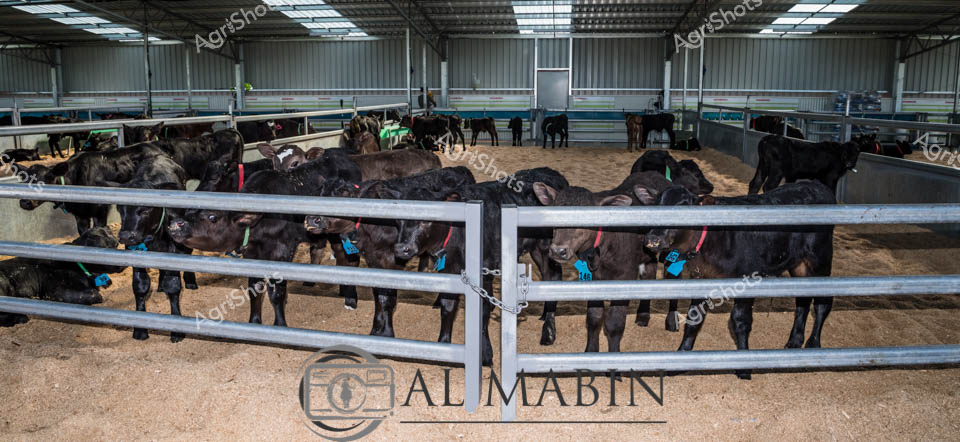
Black and blue-tagged dairy calves cluster in a modern, steel-framed indoor rearing facility, highlighting Tasmania's sophisticated agricultural infrastructure. Sleek Holstein and Jersey crossbred calves stand clustered in a sand-floored pen, their dark coats contrasting against the light industrial interior with skylights streaming natural illumination. Precision metal barriers divide the space, demonstrating contemporary livestock management techniques that prioritize animal welfare and systematic herd development. The uniform blue identification tags on each calf represent meticulous record-keeping and genetic tracking essential to progressive dairy breeding programs. Soft sandy substrate provides comfortable footing, while the structured metal framework suggests a climate-controlled environment designed to optimize young cattle health and early growth stages. This image captures the intersection of agricultural technology and animal husbandry, revealing Tasmania's commitment to advanced, professional dairy production methodologies.
 Image
Image
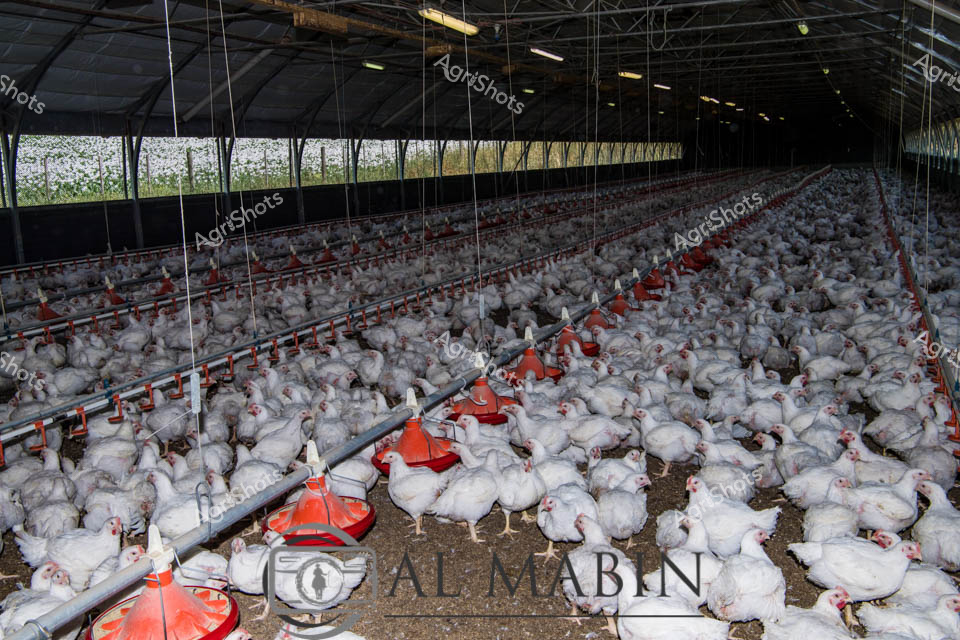
Broiler chickens densely populate a mechanized indoor poultry shed, their white feathered bodies blanketing the floor in neat rows. Bright red automated feeding and watering systems trace lines through the packed shed, contrasting sharply with the pale plumage of the birds. Industrial fluorescent lighting illuminates the controlled environment, revealing a precision-engineered agricultural space designed for maximum protein production. The chickens sit closely together on a textured ground of scattered feed and bedding material, representing contemporary large-scale farming techniques prevalent in Tasmania's agricultural sector. Overhead structural beams and metallic ventilation systems frame the scene, highlighting the engineered infrastructure supporting large-scale livestock production. The image captures the industrial efficiency of modern poultry farming, where every square meter is optimized for rapid protein generation.
 Image
Image
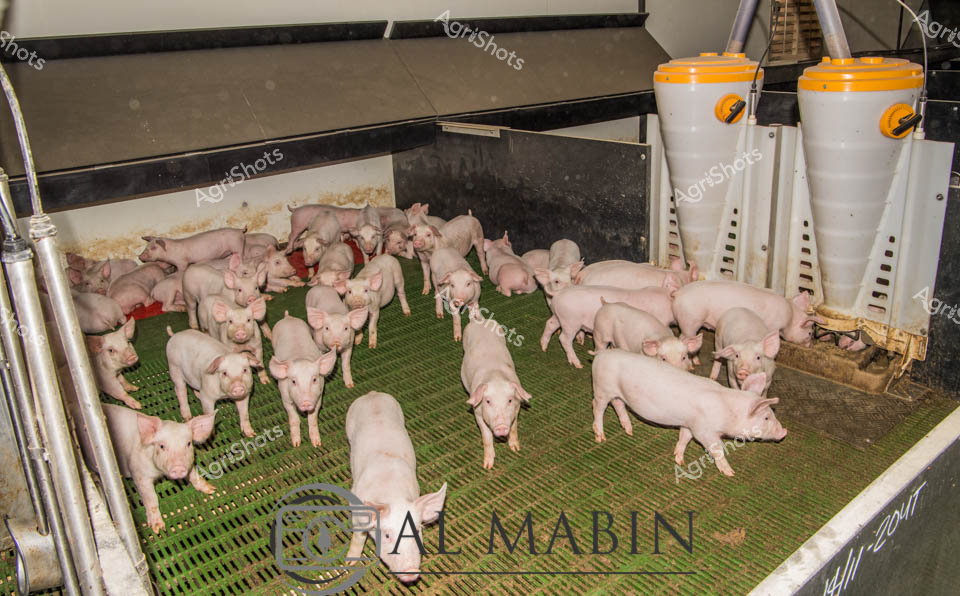
Young Yorkshire-cross piglets populate a state-of-the-art indoor nursery pen, showcasing modern large-scale pig farming technology. The pristine green slatted flooring provides drainage and hygiene, while white conical feeders with bright yellow lids stand ready to dispense precise nutritional supplements. These pink-skinned piglets, uniform in size and development, represent a carefully managed breeding program typical of contemporary agricultural production in Western Australia's southwest region. Metallic infrastructure and clean, controlled environmental elements highlight the precision of current livestock management practices, where animal health and efficient growth are paramount. Soft ambient lighting reveals the clean, organized space designed to maximize piglet survival and rapid weight gain. The scene exemplifies the technological advancement of Australian agricultural systems, where careful genetic selection and controlled environments transform animal husbandry into a sophisticated scientific process.
 Image
Image
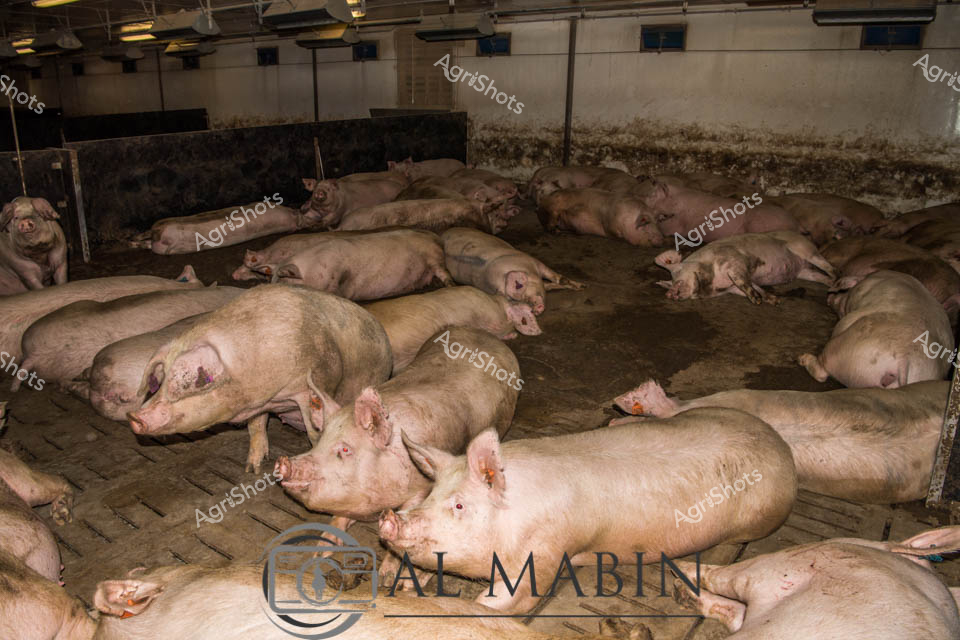
Industrial Pig Farming: Dense Population in Controlled Environment A crowded indoor piggery reveals multiple pink-skinned pigs tightly packed across a concrete slatted floor, representing large-scale agricultural livestock production. Overhead industrial lighting illuminates the enclosed space, casting uniform white-yellow tones across the pale bodies of resting swine. These domesticated animals appear largely stationary, with some lying closely together and others positioned in various reclining postures, demonstrating the confined conditions of modern commercial pig farming. The environment is structured with dark wall barriers and a textured straw-like bedding visible in the background, suggesting a carefully managed agricultural facility designed for maximum efficiency. The pigs, likely bred for meat production, display uniform coloration and substantial body mass, indicating careful genetic selection and controlled nutrition protocols.
 Image
Image
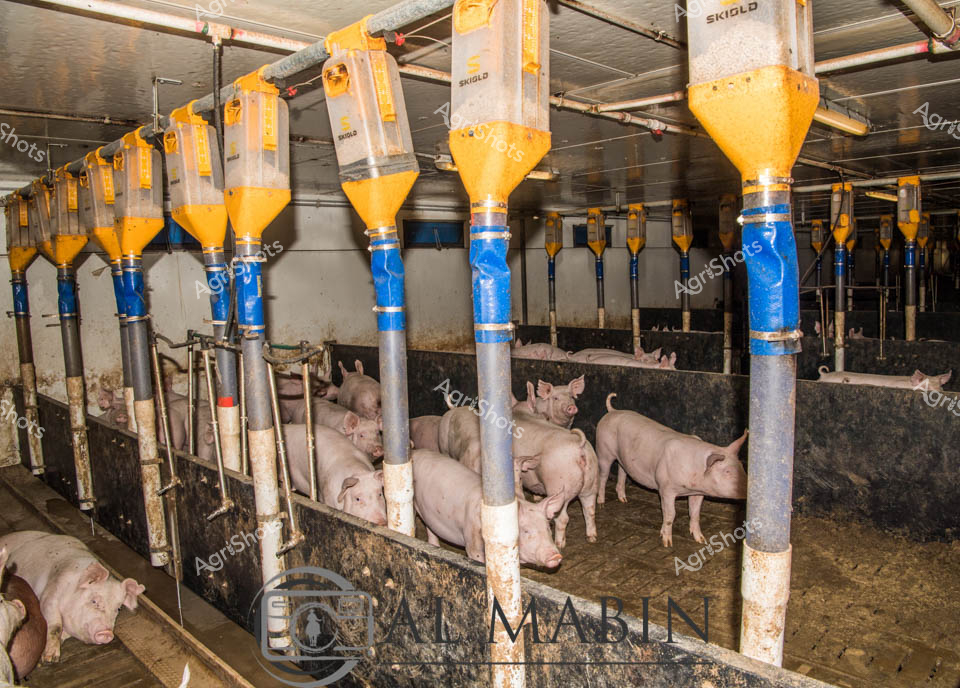
Inside a precisely engineered indoor piggery facility, rows of yellow Skiöld automated feeding stations tower above pink-skinned market-weight pigs in a carefully controlled environment. Steel-blue pipes connect the bright yellow feed hoppers, creating a geometric rhythm of industrial agricultural technology against the concrete and metal infrastructure. The pigs move deliberately between feeding stations, their pale bodies contrasting sharply with the dark pen surfaces, demonstrating the systematic efficiency of modern large-scale livestock production. Designed for maximum nutritional control and minimal waste, these precision feeding systems represent cutting-edge agricultural engineering typical of Western Australia's advanced agricultural sector. Each feeding station is precisely calibrated to deliver exact nutritional requirements, minimizing human intervention and optimizing growth metrics in this highly controlled agricultural ecosystem. The metallic, industrial aesthetic speaks to the technological precision of contemporary livestock management, where agricultural science meets animal husbandry in a carefully orchestrated performance of protein production.
 Image
Image
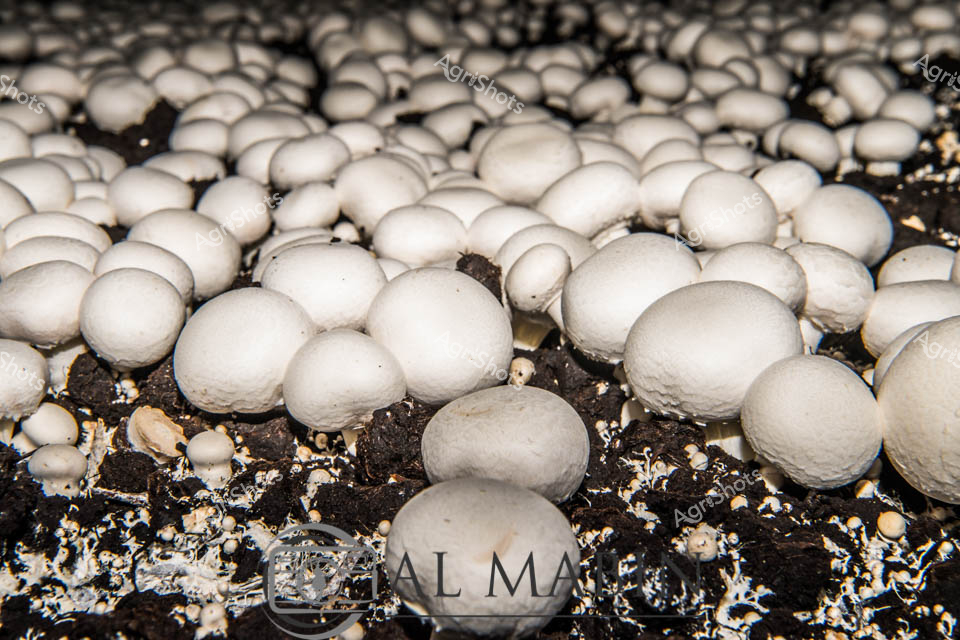
White button mushrooms cluster densely across rich, dark soil, their smooth, rounded forms creating an organic landscape of uniform spheres. Each pristine mushroom emerges at a different stage of growth, ranging from small emerging buttons to fully mature caps, displaying a textural gradient of fungal development. The crisp white coloration contrasts dramatically against the dark, nutrient-rich substrate, highlighting the meticulous cultivation techniques of modern mushroom farming. Delicate mycelial networks and scattered organic debris are visible between the mushrooms, suggesting a carefully controlled agricultural environment designed for optimal fungal production. This image captures the precise, almost mathematical arrangement of commercial mushroom cultivation, revealing the scientific precision behind what appears to be a simple agricultural process. The uniformity and volume of mushrooms demonstrate the efficiency of controlled indoor agricultural systems, where every element of growth is strategically managed to produce a consistent, high-quality food product.