Results for “forestry”
 Image
Image
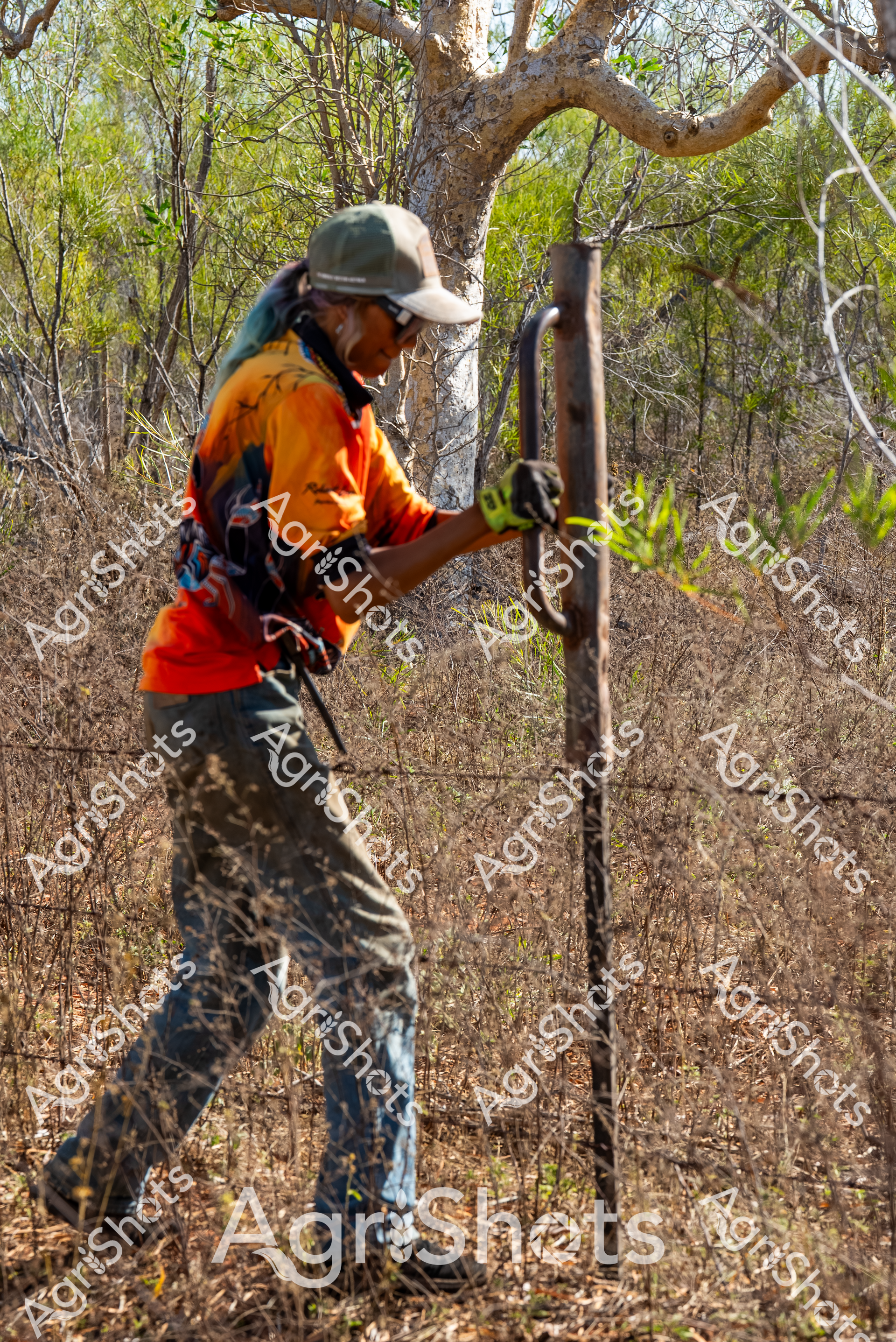
A woman wearing a bright orange safety shirt and cap works on installing rural fencing in the rugged Kimberley region of Western Australia. Standing amid sparse bushland and twisted trees during springtime, she carefully handles fencing equipment while surrounded by the distinctive landscape of Western Australia's northern territory.
 Image
Image
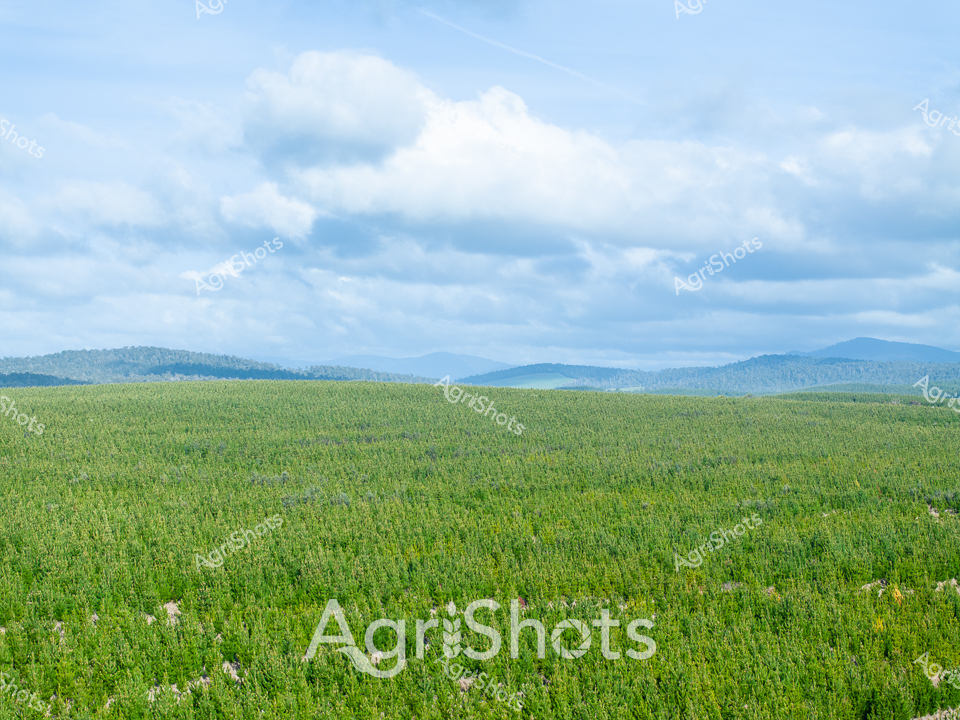
Verdant pine plantations undulate across Tasmania's expansive rural landscape, creating a mesmerizing tapestry of uniform green against distant blue mountain ranges. Perfectly aligned rows of pine trees stretch toward the horizon, demonstrating precision agricultural forestry practices that are fundamental to Tasmania's timber and carbon sequestration industries. Soft blue-grey clouds drift across a wide winter sky, casting subtle shadows on the dense green plantation that represents years of careful agricultural planning and sustainable forest management. The landscape reveals the mathematical elegance of modern forestry - each tree positioned with calculated intention, creating a living carbon capture system that contributes to both environmental stewardship and economic productivity. Subtle variations in green hues hint at different tree ages and growth stages, while the surrounding mountain backdrop provides a dramatic natural context that emphasizes the scale and importance of this agricultural intervention. This scene captures the intersection of ecological strategy and agricultural innovation, showcasing how Tasmania's landscape is simultaneously a productive resource and a critical environmental asset.
 Image
Image
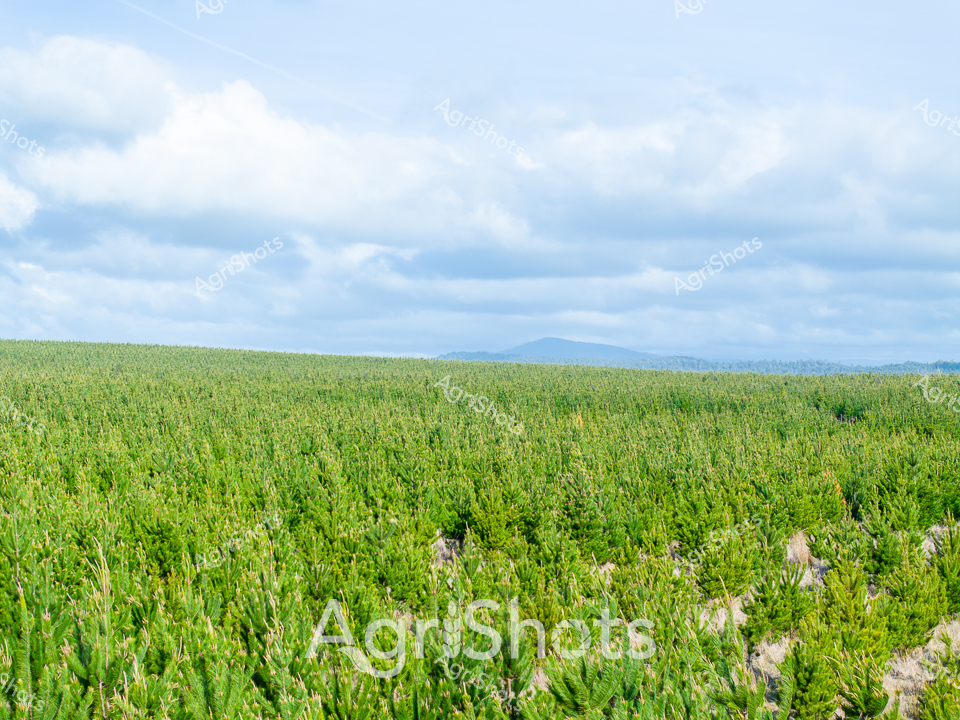
Verdant rows of young pine trees stretch across the undulating landscape, their vibrant green needles creating a uniform carpet of forest potential. This meticulously planned Tasmanian forestry plantation reveals the precision of sustainable timber agriculture, with neat lines of carefully cultivated trees extending to the distant blue mountain ranges. Winter's soft light casts a muted blue-grey sky overhead, highlighting the fresh, uniform growth of the pine seedlings. Subtle variations in the terrain create gentle waves of emerald and sage, punctuated by occasional rocky outcrops that break the sea of green. The plantation represents a critical intersection of environmental management and agricultural productivity, where carefully planned tree cultivation supports both economic and ecological objectives. Each young pine stands as a promise of future timber, carbon sequestration, and sustainable land use in Tasmania's rich agricultural landscape.
 Image
Image
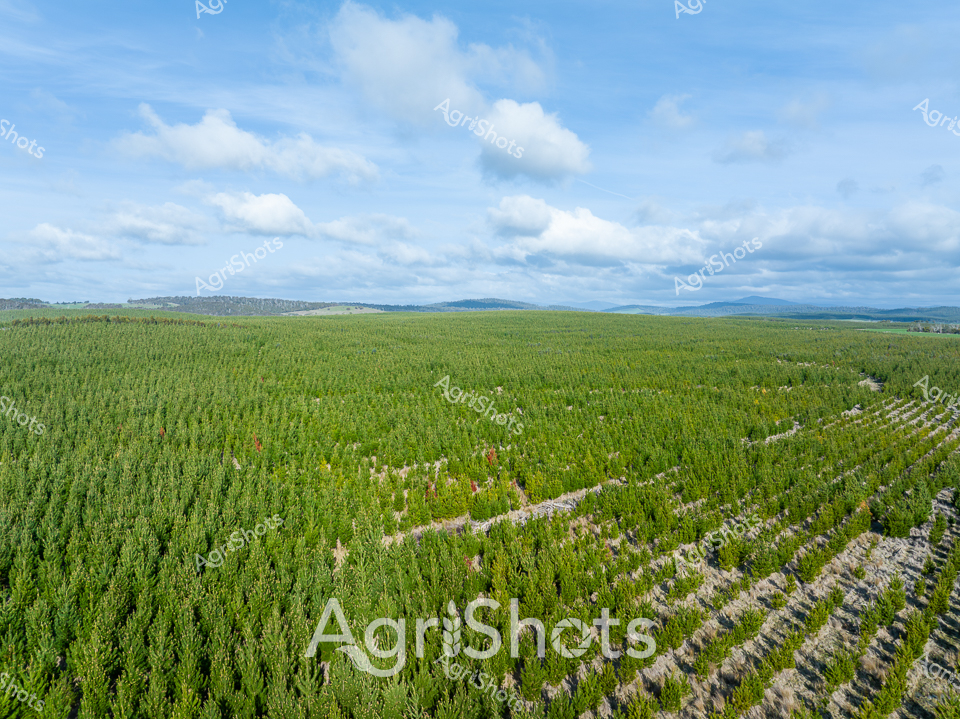
Verdant rows of pine trees stretch across the Tasmanian landscape, a meticulously planned forestry plantation capturing the essence of sustainable agriculture. Uniform green saplings create a geometric tapestry, marching in precise lines towards distant blue mountains under a soft, cloud-dappled sky. The plantation reveals careful agricultural engineering, with access tracks cutting between rows, allowing forest management and future harvest planning. Subtle variations in the tree lines suggest different planting stages, highlighting the long-term vision of commercial forestry in Tasmania's rich agricultural ecosystem. Soft winter light bathes the scene, casting delicate shadows and creating a sense of expansive potential, where each carefully nurtured tree represents both environmental stewardship and economic opportunity. The undulating terrain in the background speaks to Tasmania's distinctive landscape - a perfect canvas for strategic tree cultivation that balances ecological sensitivity with agricultural productivity.
 Image
Image
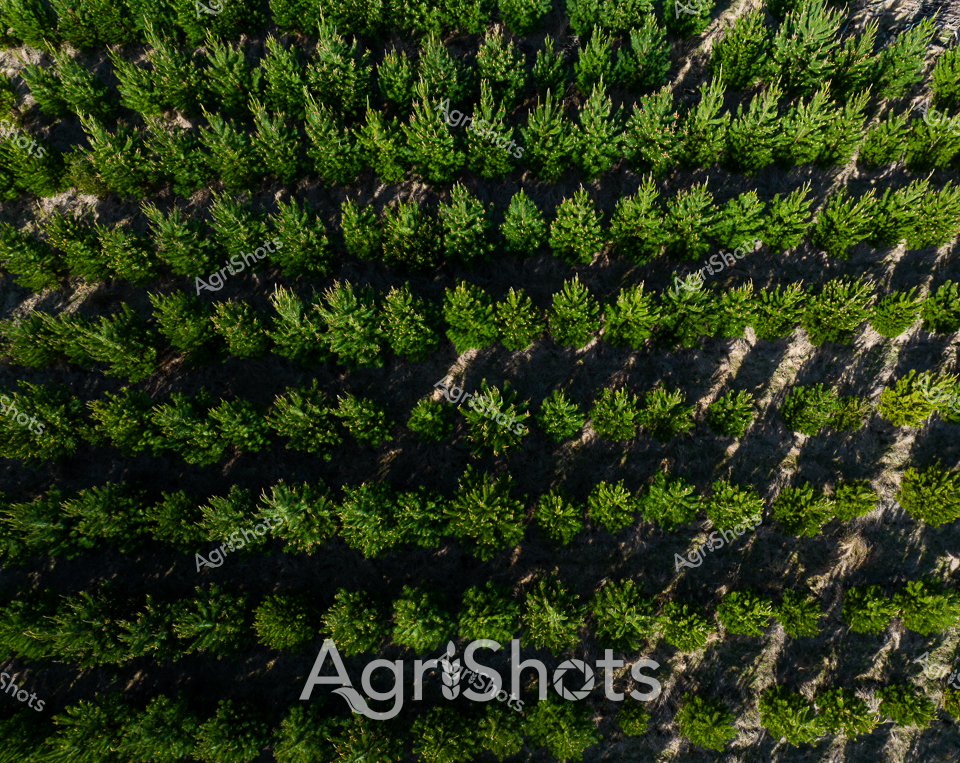
Verdant pine sentinels stand in precise geometric rows, a meticulously ordered forest plantation captured from an aerial perspective. The young evergreen trees burst with vibrant green needles, creating a rhythmic pattern of uniform saplings against dark, rich soil. Shadows cast by each tree create striking diagonal lines, revealing the calculated spacing and agricultural precision of this Tasmanian forestry operation. Tasmania's cool winter climate nurtures these densely planted pine trees, which represent a strategic carbon sequestration and timber production investment. The uniform grid of trees demonstrates modern silvicultural techniques, where each sapling is positioned to maximize growth potential and future harvesting efficiency. This aerial view transforms an agricultural landscape into a mesmerizing geometric tapestry of green and earth tones, showcasing the intersection of environmental management and commercial forestry.
 Image
Image
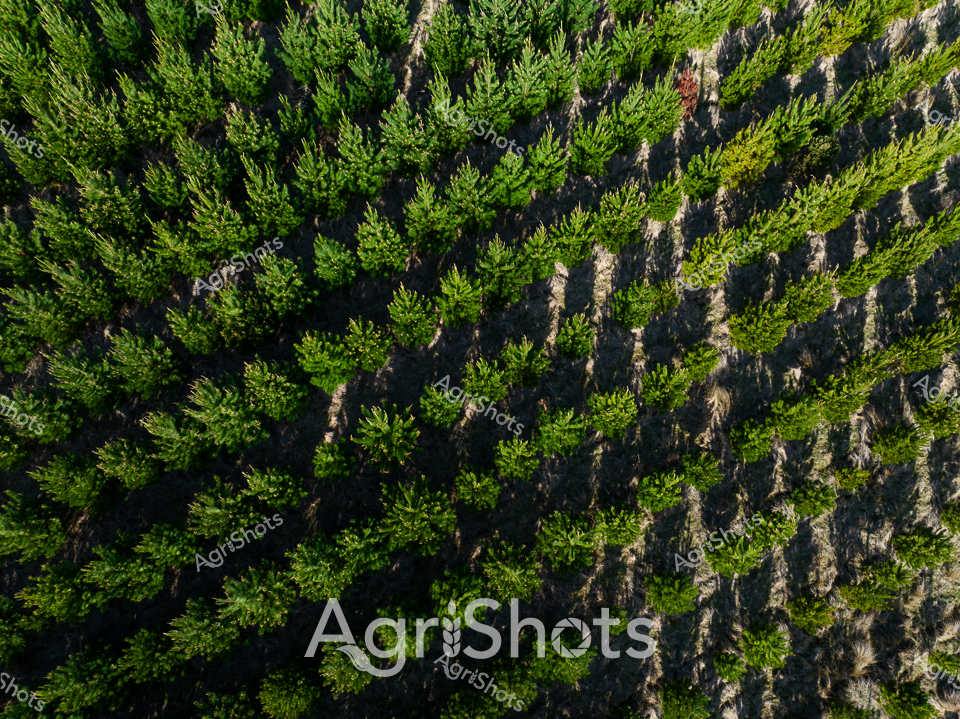
A dense evergreen pine plantation stretches across the Tasmanian landscape, captured from an overhead perspective revealing precise geometric rows of vibrant green conifer trees. Sharp-needled branches create a lush carpet of forest green, interspersed with rugged stone-gray vertical trunks creating a striking linear pattern. Each tree stands uniform yet slightly individualistic, planted with mathematical precision yet maintaining a natural organic rhythm across the undulating terrain. The aerial view highlights the meticulous planning of commercial forestry, where carefully cultivated rows represent sustainable timber production - a critical agricultural industry for Tasmania's rural economy. Winter's cool light enhances the contrast between the deep verdant green of the young pines and the rough textural bark, showcasing the calculated beauty of managed woodland resources. This image captures the intersection of agricultural science, environmental stewardship, and economic planning in one of Australia's most productive timber regions.
 Image
Image
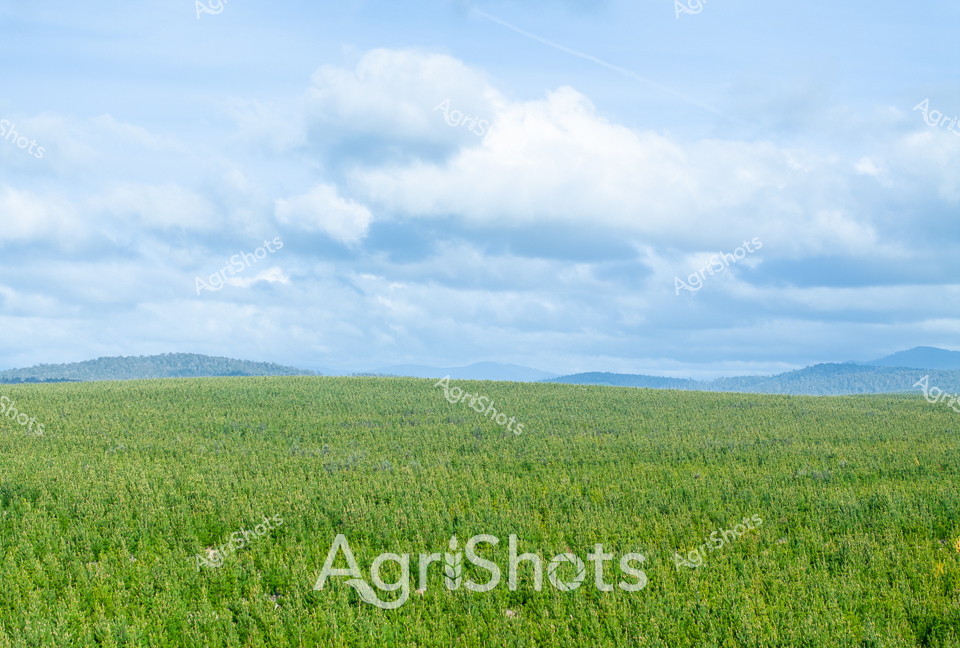
Verdant pine plantation stretches across undulating Tasmanian terrain, a vibrant green carpet rolling toward distant blue-grey mountain ranges. Dense rows of uniform conifers blanket the landscape, their rich emerald needles creating a textural sea under a soft winter sky laden with wispy, pale clouds. The meticulously planted forest represents a strategic carbon capture and sustainable timber production zone, showcasing Tasmania's sophisticated forestry management practices. Subtle variations in the terrain create gentle wavelike impressions across the plantation, with mountain ridges providing a misty, layered backdrop that speaks to the island's complex ecological landscape. This expansive view captures the disciplined geometry of modern forestry - each tree precisely positioned, growing in careful alignment, representing both environmental strategy and agricultural precision. The cool, muted winter light emphasizes the plantation's clean lines and systematic growth, highlighting Tasmania's sophisticated approach to managed woodland ecosystems.
 Image
Image
Precision-planted pine sentinels rise in geometric symmetry, their vibrant emerald needles contrasting against weathered grey bark and rich dark soil. This meticulously managed Tasmanian forestry plantation reveals the calculated artistry of sustainable timber cultivation, with each conifer positioned in razor-sharp rows that cascade across the undulating landscape. The aerial perspective captures the mathematical perfection of modern silviculture, where every tree represents a calculated investment in carbon sequestration and renewable resource management. Winter's subdued light casts subtle shadows between the dense green ranks, highlighting the regimented growth and strategic spacing that maximizes forest productivity. Each pine tree stands as a testament to Tasmania's sophisticated agricultural approach, transforming rugged terrain into a carefully orchestrated green infrastructure that balances ecological preservation with commercial forestry practices. The intricate pattern speaks to generations of agricultural expertise, where landscape engineering meets environmental stewardship.
 Image
Image
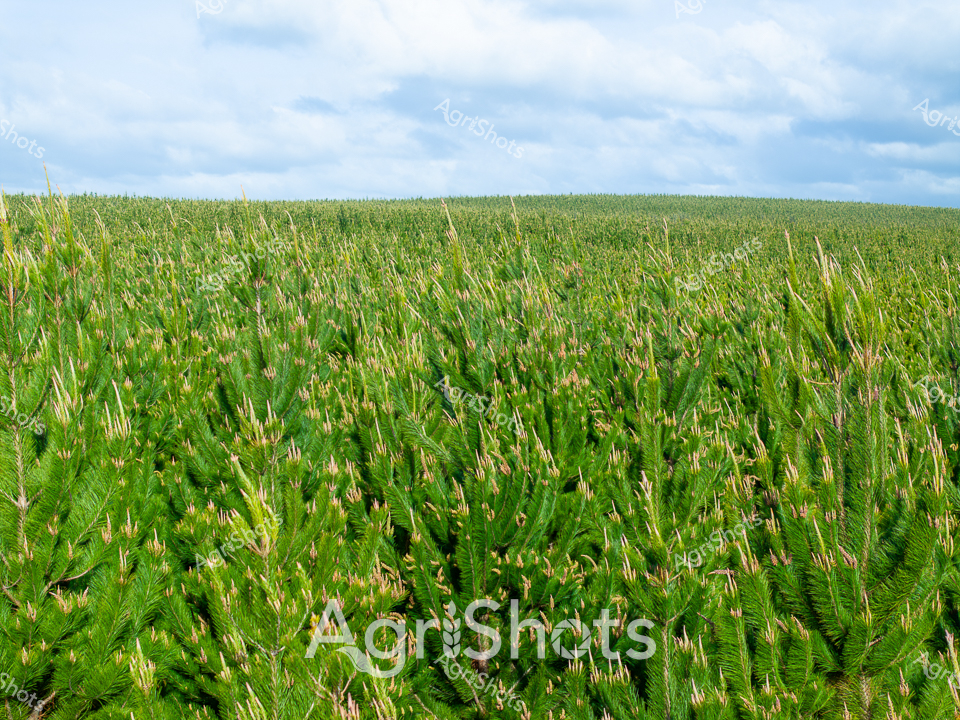
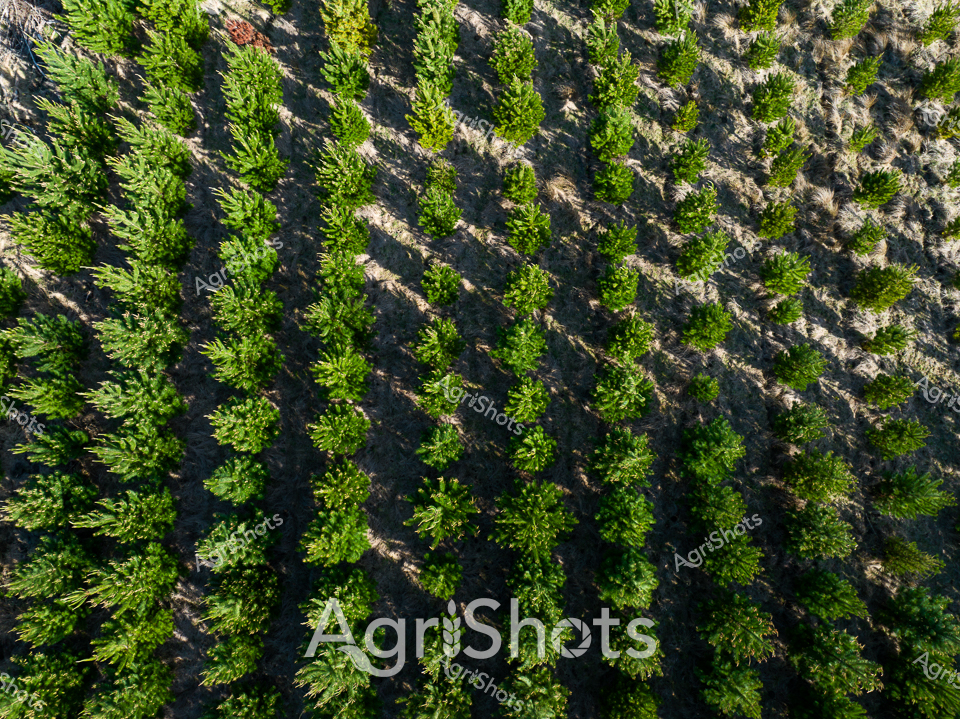
Verdant rows of young pine trees stretch across a gently undulating Tasmanian landscape, their vibrant green needles punctuated by soft emerging buds of pale yellow-green. This meticulously planned forestry plantation represents a critical carbon sequestration initiative, with precisely spaced evergreen seedlings creating a uniform yet naturally textured carpet against a soft, cloud-mottled winter sky. The neat geometric precision of the plantation speaks to modern sustainable forestry practices, where each carefully cultivated tree contributes to environmental restoration and commercial timber production. Subtle variations in the pines' height and density create a rhythmic visual landscape that undulates to the distant horizon, showcasing Tasmania's commitment to managed woodland ecosystems. The cool winter light casts a delicate luminescence across the plantation, highlighting the fresh, resilient green of these emerging trees against the pale blue-grey backdrop of the seasonal sky. This image captures the quiet promise of regenerative agriculture, where strategic tree cultivation becomes both an environmental and economic investment.
 Image
Image
Verdant pine saplings stand in precise diagonal rows, their vibrant green needles creating a geometric tapestry against the rich, dark soil of a meticulously planned forestry plantation. Captured from an aerial perspective, the young trees demonstrate the systematic approach of modern Tasmanian silviculture, each sapling carefully spaced to optimize growth and future timber yield. The winter light casts long shadows between the rows, highlighting the regimented planting and the careful land management practices of the region. This aerial view reveals the intricate planning behind sustainable forestry, showcasing how carefully cultivated tree plantations contribute to carbon sequestration and renewable timber resources. The uniform yet natural pattern speaks to the precision of agricultural science and the careful balance between human intervention and natural growth. The lush green against the textured earth represents hope, regeneration, and the ongoing cycle of sustainable land use in Tasmania's agricultural landscape.
 Image
Image
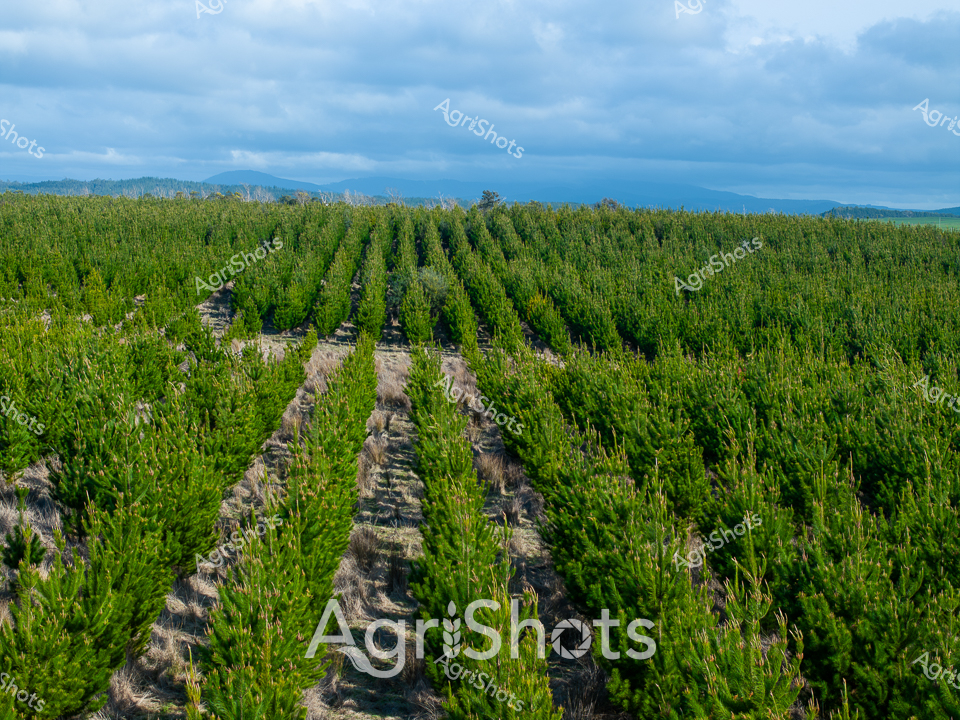
Verdant rows of young pine trees stretch across the undulating Tasmanian landscape, creating a precise geometric tapestry of silvery-green forestry plantation. Meticulously planted in straight, ascending lines, the dense conifer seedlings reveal the careful agricultural planning of a sustainable timber resource against a backdrop of misty blue mountain ranges. The winter season softens the distant horizon with muted cloud layers, casting a tranquil atmosphere over the emerging forest. Each perfectly spaced row demonstrates modern forestry management techniques, with rich soil visible between the young trees, highlighting the careful cultivation and carbon sequestration potential of this strategic agricultural investment. The plantation represents a harmonious blend of environmental stewardship and commercial agricultural practice, transforming the rural Tasmanian terrain into a carefully engineered green infrastructure. The uniform yet natural progression of trees suggests patient cultivation, promising future timber yields and ecological benefit in this quintessential Australian agricultural landscape.
 Image
Image
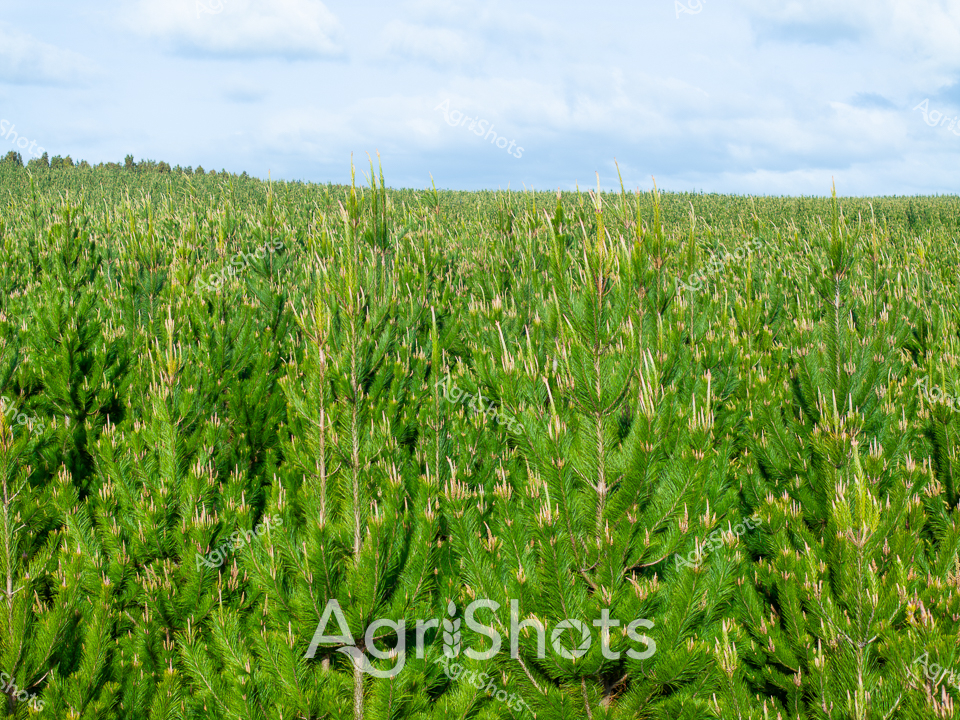
Verdant rows of young pine trees stretch across a Tasmanian plantation landscape, their vibrant green needles punctuated by lighter green new growth and emerging shoots. This carefully managed forestry stand represents a precision agricultural approach to carbon sequestration and sustainable timber production, with uniform saplings creating a dense, undulating green carpet against a soft blue winter sky. The meticulously planted rows showcase the systematic approach of modern forest management, where each tree is strategically positioned to optimize growth, carbon capture, and eventual timber yield. Soft cloud formations drift above the plantation, highlighting the expansive nature of this agricultural investment in environmental sustainability. The young pines demonstrate remarkable uniformity, their vertical lines creating a rhythmic texture that speaks to careful cultivation and scientific forestry practices unique to Tasmania's cool climate regions. This image captures the intersection of agricultural innovation, environmental stewardship, and long-term ecological planning in one of Australia's most significant timber-producing landscapes.
 Image
Image
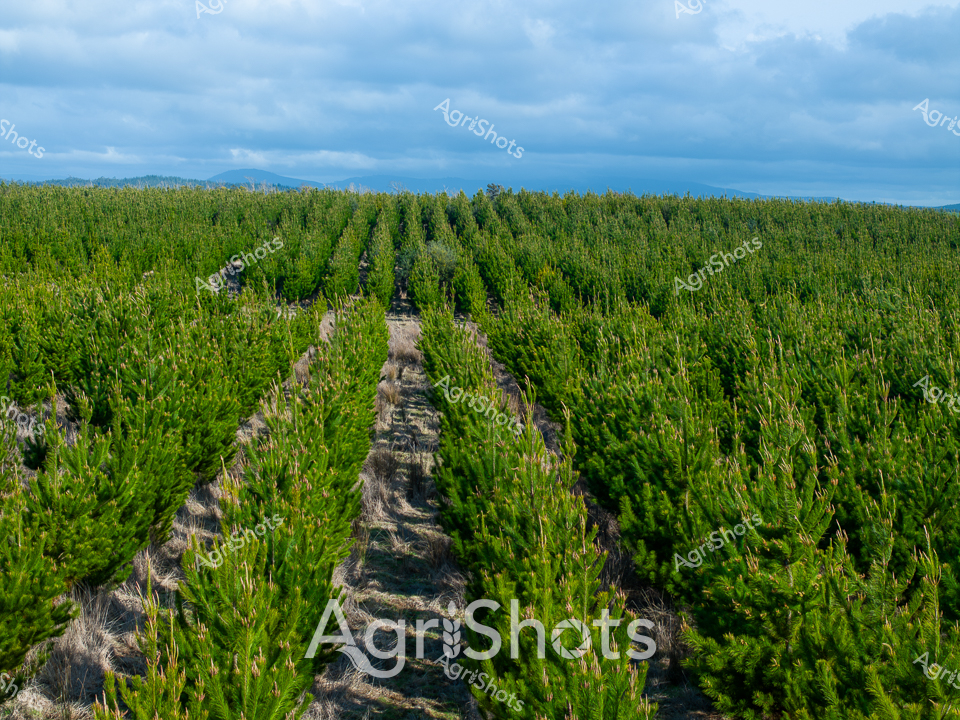
Verdant rows of pine trees stretch across the undulating Tasmanian landscape, creating a mesmerizing geometric pattern of emerald and sage green. Meticulously planted in precise parallel lines, the young plantation forest rises in uniform ranks against a soft blue-grey winter sky, revealing the calculated precision of sustainable forestry management. Dense saplings with bright green needles demonstrate the early stages of a commercial pine forest, with carefully maintained access tracks running between the neat rows allowing for cultivation and future harvesting. Distant mountain ranges blur softly on the horizon, providing a muted backdrop to this carefully engineered agricultural landscape that represents both environmental stewardship and commercial timber production. The plantation exudes a sense of ordered potential - these young trees will eventually become a valuable carbon sink and renewable timber resource, embodying Tasmania's sophisticated approach to managed forestry. The cool winter light casts a subtle luminescence across the trees, highlighting their uniform growth and the strategic planning behind this expansive green investment.
 Image
Image
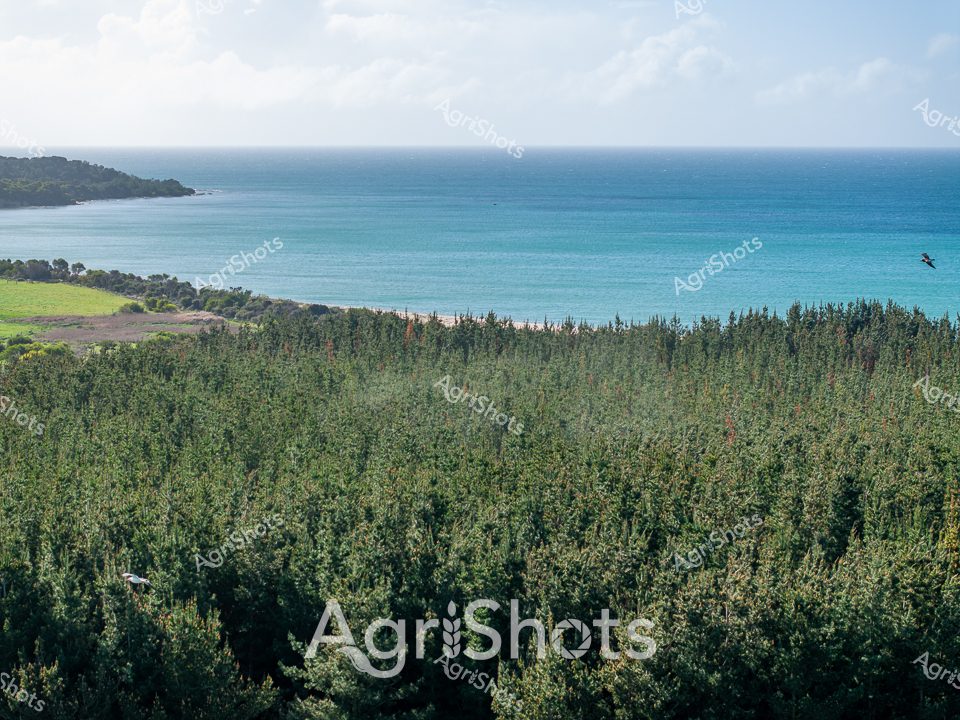
Dense pine plantation cascades toward a pristine Tasmanian coastline, creating a striking agricultural landscape of geometric precision and natural beauty. Uniform rows of dark green conifers stretch across the foreground, representing a carefully managed forestry resource against the expansive turquoise ocean backdrop. The plantation's regimented tree lines contrast elegantly with the soft, undulating coastline, where distant green pastures meet the azure waters under a pale winter sky. A solitary bird glides across the horizon, highlighting the serene environmental scale of this carbon farming endeavor. The image captures the strategic intersection of agricultural production and coastal ecosystems, showcasing Tasmania's sophisticated approach to sustainable timber management and carbon sequestration. The cool winter palette of blues, greens, and muted grays emphasizes the calculated yet harmonious relationship between human agricultural intervention and the natural landscape.
 Image
Image
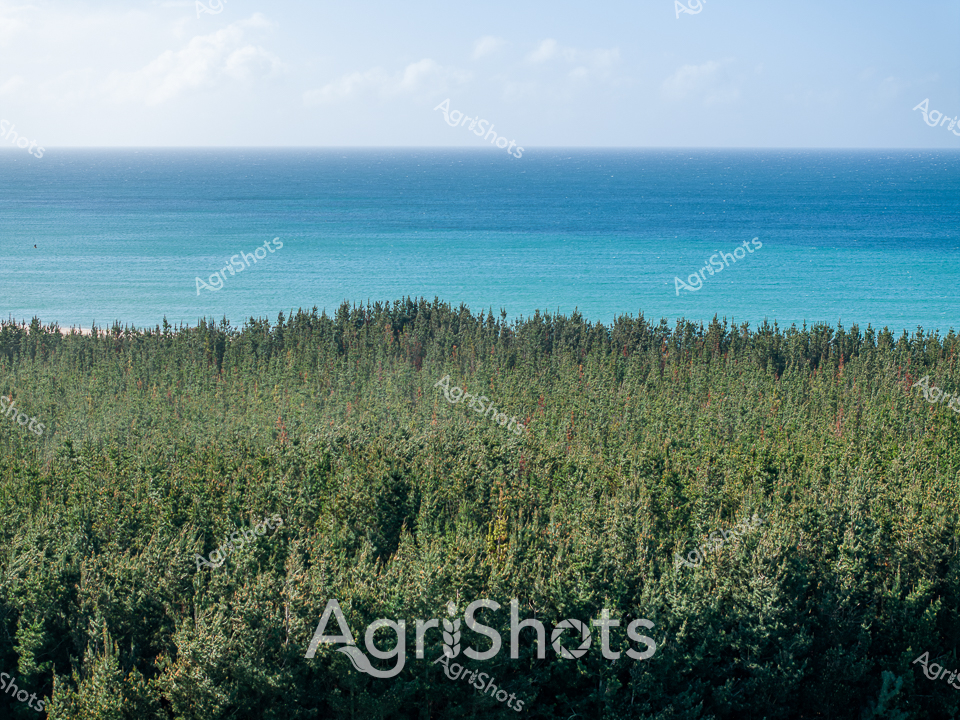
Dense evergreen pine plantations stretch toward a mesmerizing azure Tasmanian coastline, creating a striking visual contrast between deep forest green and layered ocean blues. The meticulously cultivated forest represents a significant carbon sequestration initiative, with uniform rows of pine trees standing in disciplined formation across undulating terrain. Soft winter light bathes the landscape, casting subtle shadows and highlighting the rich texture of the coniferous canopy. The ocean beyond appears calm and expansive, transitioning from deep navy to turquoise near the shoreline, suggesting the maritime environment that defines Tasmania's distinctive agricultural landscape. This image captures the intersection of sustainable forestry management and natural maritime beauty, showcasing how carefully planned tree plantations contribute to environmental conservation and carbon offset strategies. The geometric precision of the plantation against the organic fluidity of the seascape represents a harmonious relationship between human agricultural intervention and the pristine Tasmanian wilderness.
 Image
Image
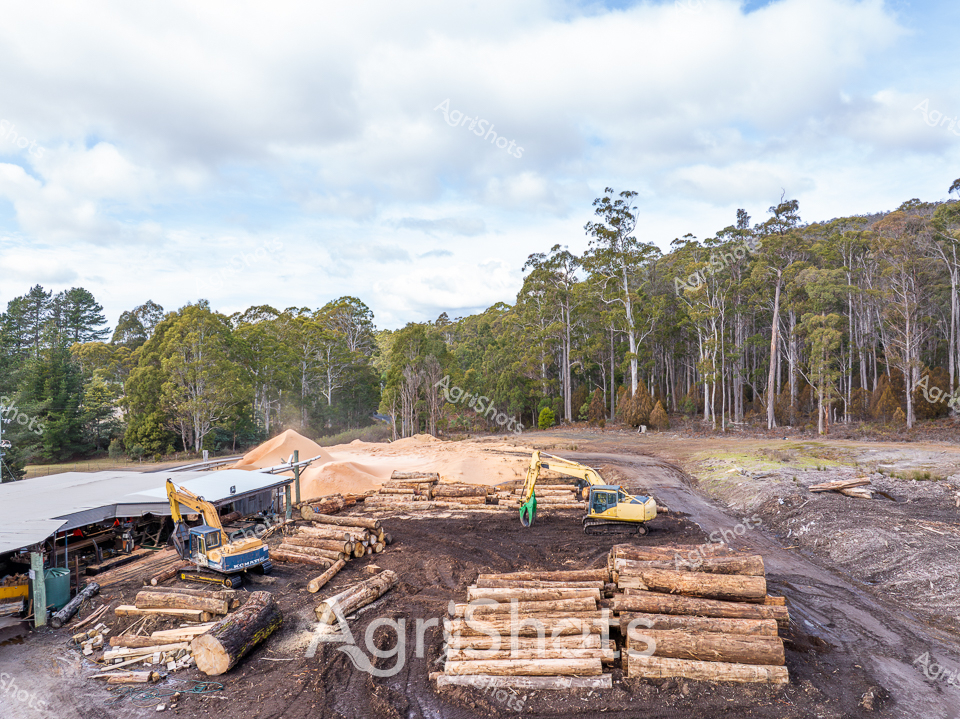
Timber harvesting operations transform the cool Tasmanian forest landscape at this bustling sawmill. Yellow excavators methodically sort and stack fresh-cut pine logs, creating neat piles of raw timber against the backdrop of dense eucalyptus and pine woodland. The rich brown earth and pale timber contrast sharply with the deep green forest, while industrial machinery sits amid the natural terrain, revealing the intricate dance between forestry production and wilderness. Mist hangs softly in the background, suggesting a crisp winter morning where mechanical precision meets natural resources. Stacked logs of varying lengths demonstrate the systematic approach to sustainable timber harvesting, with each machine precisely positioned to maximize efficiency in processing the forest's renewable resource. The scene captures the industrial heart of Tasmania's timber industry - a critical agricultural sector that balances economic productivity with careful forest management.
 Image
Image
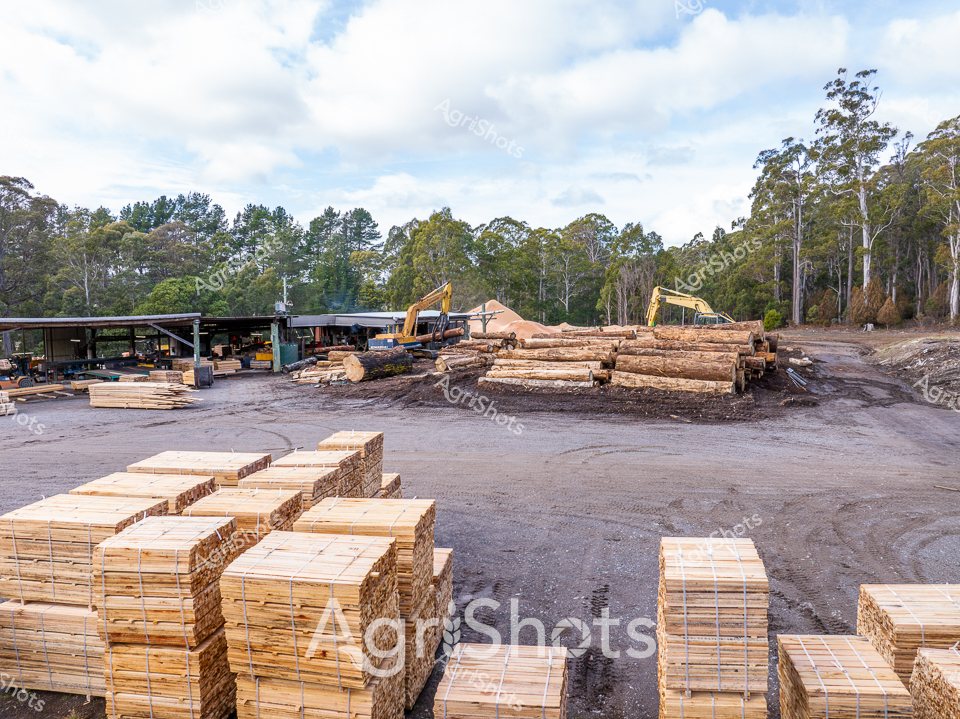
Stacked timber planks and raw forest logs populate this Tasmanian sawmill landscape, revealing the precision of sustainable timber production. Yellow excavators stand ready among neatly bundled lumber stacks, their mechanical presence a testament to industrial forest management. The grey earth and neat timber piles contrast against a backdrop of dense eucalyptus and pine forest, suggesting a carefully managed woodland resource. Pale winter light filters through scattered clouds, casting soft illumination across the timber yard where precision and scale define the industrial agricultural process. Raw log trunks await processing on one side of the yard, while precisely cut lumber planks are meticulously stacked in uniform blocks, demonstrating the transformation from forest resource to commercial timber product. This scene captures the intersection of natural wilderness and industrial agricultural practice, showcasing Tasmania's robust forestry sector with its methodical approach to sustainable timber harvesting.
 Image
Image
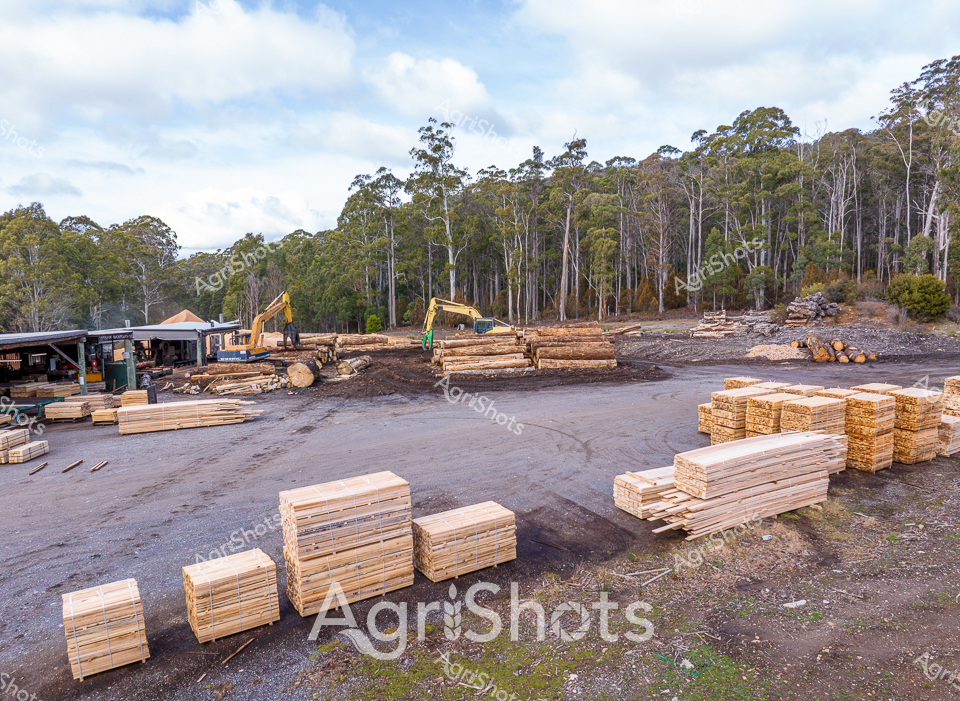
Timber Processing in the Tasmanian Wilderness Raw logs and precision-cut timber planks dominate this industrial forestry landscape, nestled among dense eucalyptus and pine forests. Yellow excavators strategically arrange massive tree trunks beside stacked lumber, revealing the methodical workflow of a Tasmanian sawmill operation. The muddy grey work yard contrasts sharply with the verdant forest backdrop, capturing the stark interface between wilderness and industrial timber production. Neatly organized wooden pallets and freshly milled timber boards showcase the transformation from raw forest harvest to structured building materials, highlighting the region's significant timber industry. Soft winter light diffuses across the cloudy sky, casting muted tones over the working environment and emphasizing the textural qualities of bark, machinery, and processed wood. This scene exemplifies Tasmania's sustainable forestry practices, where careful land management and technological precision convert natural resources into valuable commercial products.
 Image
Image
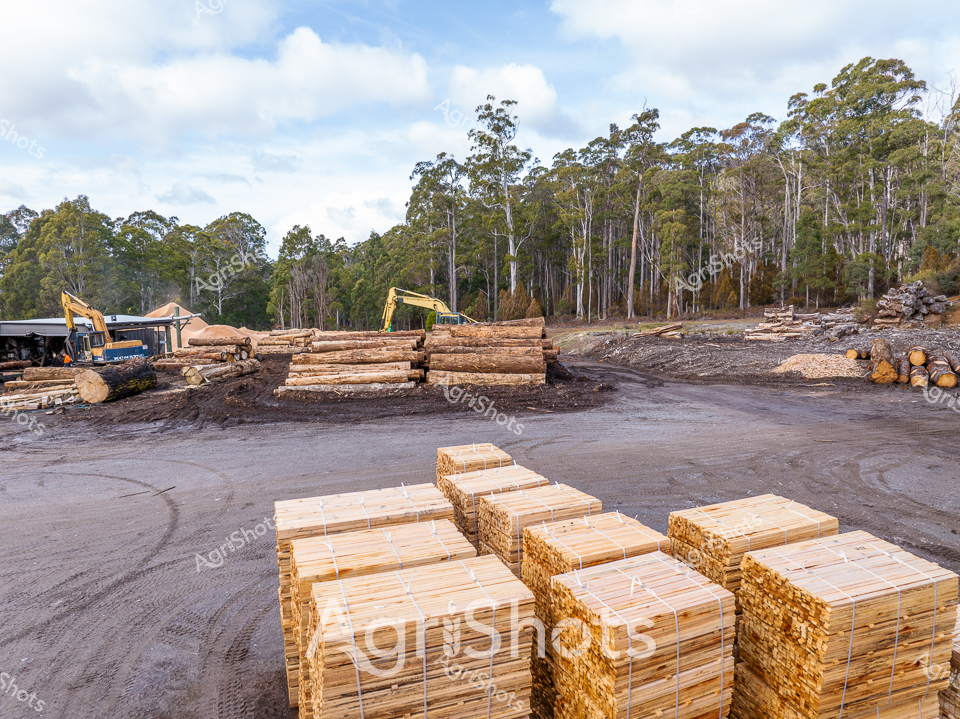
Stacked timber awaits processing at a Tasmanian forestry plantation, where raw pine logs transition into precision-cut lumber. Expansive rows of tall eucalyptus trees frame the industrial workspace, creating a stark contrast between dense forest and structured timber yards. Yellow excavators and heavy machinery stand ready to sort, move, and prepare timber bundles, reflecting the mechanical precision of modern forestry operations. Neatly bundled pine planks in warm honey and wheat tones are meticulously stacked, showcasing the transformation from round logs to angular timber products. The grey compacted earth and misty winter landscape suggest a cool, productive morning where industrial efficiency meets natural resource management. This scene captures the sophisticated intersection of environmental resources and timber industry infrastructure, highlighting Tasmania's significant role in sustainable wood production.
 Image
Image
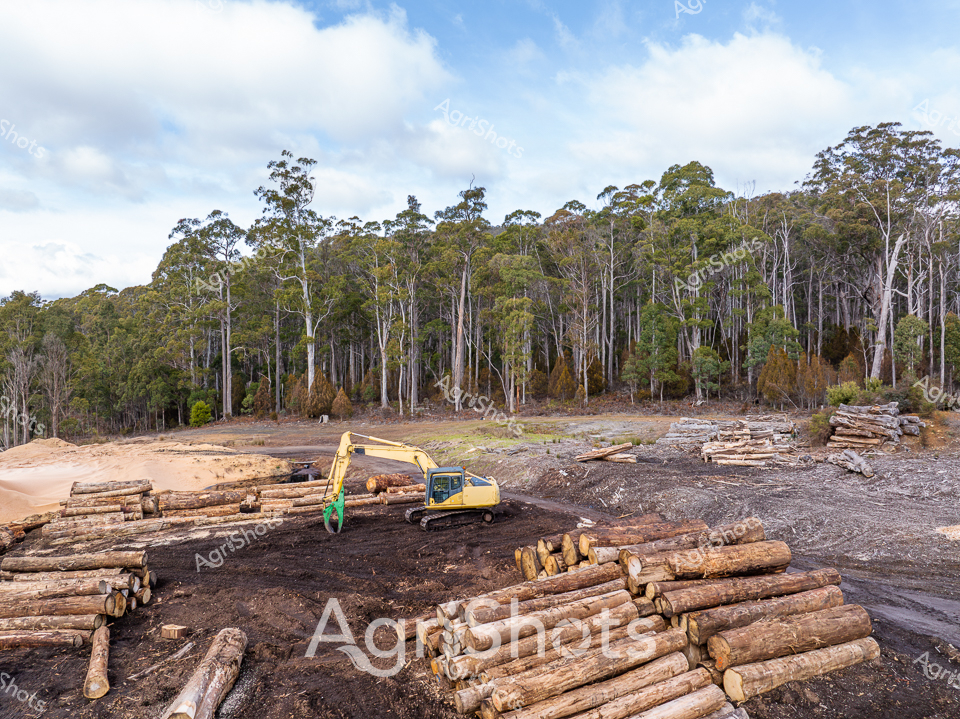
Silvery grey eucalyptus logs sprawl across a cleared logging site, their raw-cut surfaces revealing rich amber and tan heartwood against dark soil. A yellow excavator with a green grapple attachment methodically sorts and moves timber, its robust mechanical form contrasting against the dense forest backdrop of tall, slender trees standing sentinel. The Tasmanian winter landscape presents a stark tableau of industrial forestry, where managed plantation meets wilderness - bare tree stumps and freshly felled logs document the calculated rhythm of sustainable timber harvesting. Clouds drift across a pale blue sky, casting soft light over the scene and highlighting the textural complexity of bark, machinery, and exposed earth. This image captures the precise moment of transformation, where living forest becomes valuable timber resource, revealing the intricate economic and ecological dance of Australian woodland management.
 Image
Image
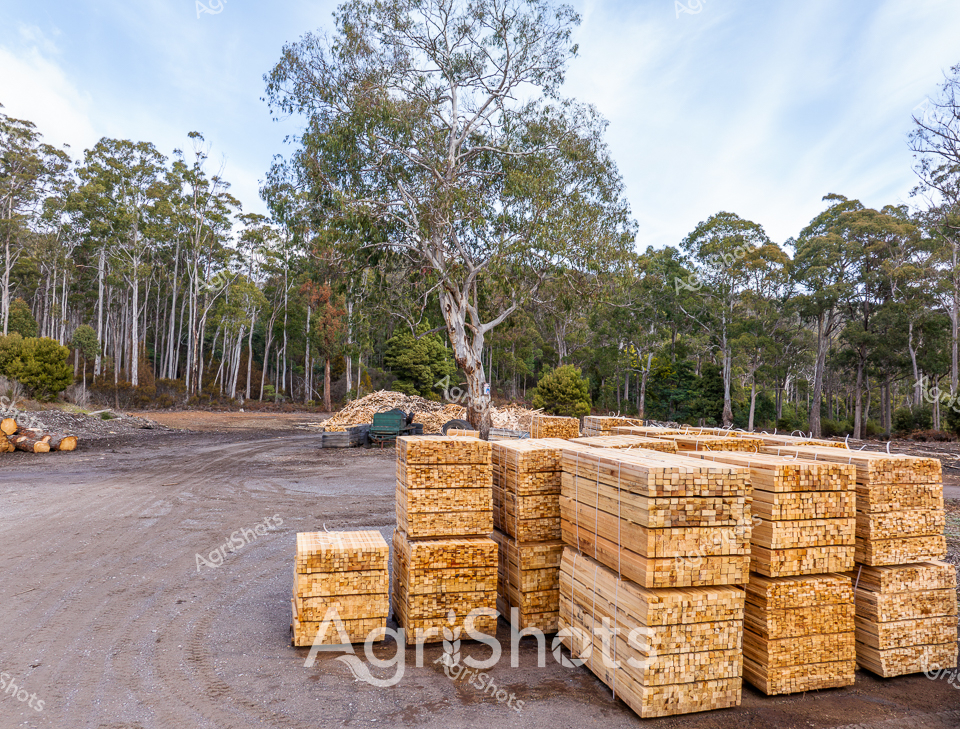
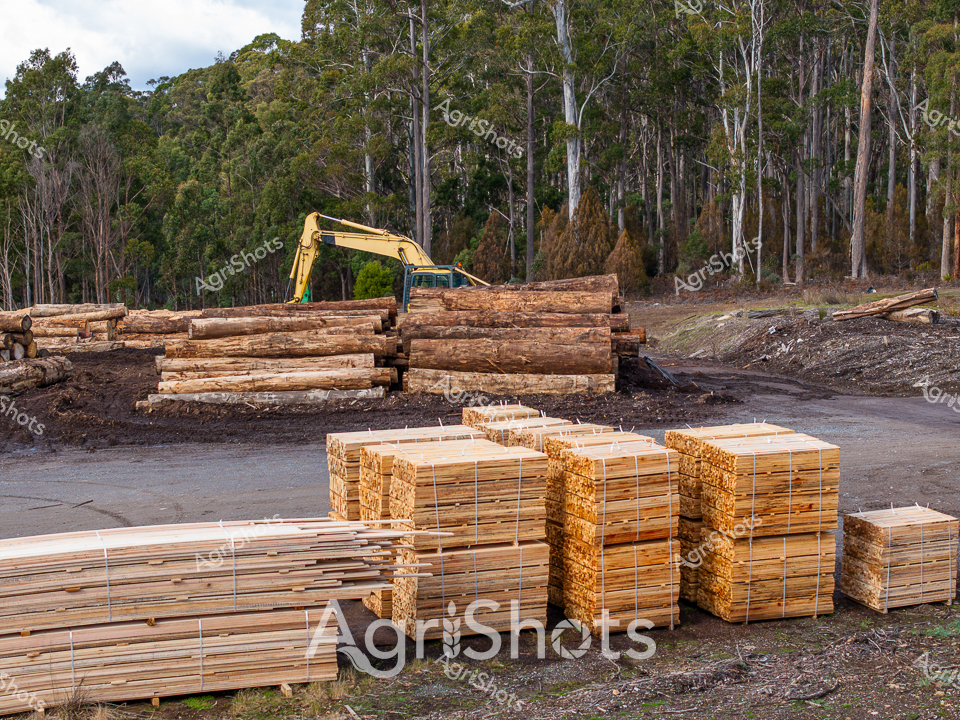
Stacked precision: raw timber awaits processing at a Tasmanian forest products facility. Golden-hued pine lumber stands meticulously arranged in uniform blocks, revealing the systematic workflow of sustainable timber harvesting. The surrounding eucalyptus forest creates a natural backdrop of silvery-green hues, with slender tree trunks stretching skyward, illustrating the renewable nature of managed woodland resources. A cleared dirt yard provides the operational staging ground, where freshly milled timber planks rest before distribution, highlighting the critical link between forest management and timber production. Soft winter light filters through the tree canopy, casting subtle shadows across the neatly stacked timber and highlighting the textural complexity of the recently cut wood. This scene encapsulates Tasmania's robust timber industry, where careful forestry practices transform living trees into valuable construction materials with precision and environmental consideration.
 Image
Image
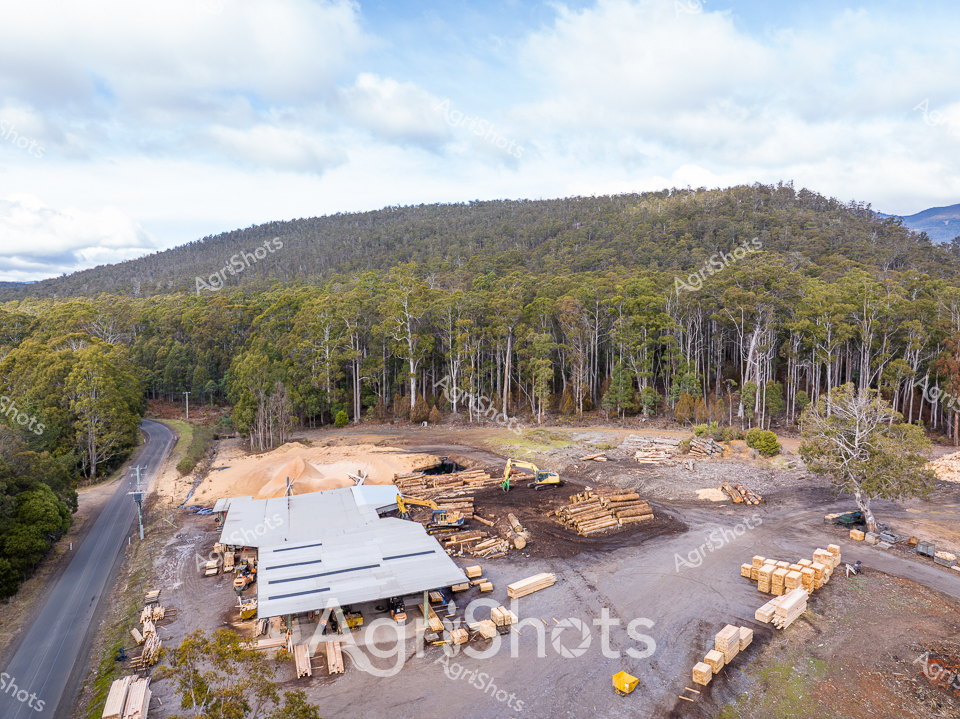
Timber harvest operations unfold in the heart of a Tasmanian forest plantation, where precision meets industrial scale. Stacked logs of varying lengths create a geometric landscape within the sawmill yard, surrounded by dense eucalyptus and pine forests climbing the mountain slopes behind. Yellow heavy machinery - excavators and loaders - stand ready amid the timber sorting area, their bright colors contrasting against the earthy browns and greys of cut logs and graveled ground. A substantial metal-roofed processing shed anchors the site, its industrial profile a testament to the region's robust forestry sector. The surrounding woodland shows a carefully managed ecosystem, with uniform rows of trees indicating planned silvicultural practices typical of Tasmania's sustainable timber industry. Soft winter light filters through scattered clouds, casting subtle shadows across the landscape and highlighting the complex interplay between human industrial activity and the natural forest environment.
 Image
Image
Towering pine plantations frame a bustling timber processing site in Tasmania's cool winter landscape. Stacks of freshly harvested logs sit alongside neatly bundled timber planks, showcasing the precision of modern forestry operations. A yellow excavator stands ready, highlighting the industrial scale of wood production in this southern Australian region. Raw, unprocessed logs in rich brown tones contrast with the processed timber stacked in uniform, golden-hued piles, revealing the transformation from forest to functional building material. The silvery-grey tree trunks of the surrounding eucalypt forest create a natural backdrop, emphasizing the sustainable cycle of plantation forestry. This scene captures the intersection of industrial efficiency and natural resource management, where careful harvesting meets strategic timber production.
 Image
Image
Timber harvesting unfolds at a Tasmanian forest processing site, where precision machinery and carefully stacked timber reveal the intricate dance of sustainable forestry. Yellow excavators maneuver among neatly arranged log piles, their bright color contrasting against the earthy browns and greys of the working yard. A substantial metal-roofed warehouse anchors the scene, providing shelter for equipment and processed timber stock. In the background, a dense eucalyptus forest rises in multilayered greens and greys, showcasing the renewable landscape from which these timber resources are carefully extracted. Stacks of milled lumber sit in organized rows, transformed from raw logs into valuable building materials, highlighting the economic and environmental choreography of responsible forest management. The winter palette of muted tones and the systematic arrangement of logs and machinery speak to the methodical approach of modern Australian forestry operations, where industrial precision meets natural landscape.