Results for “community services”
 Image
Image
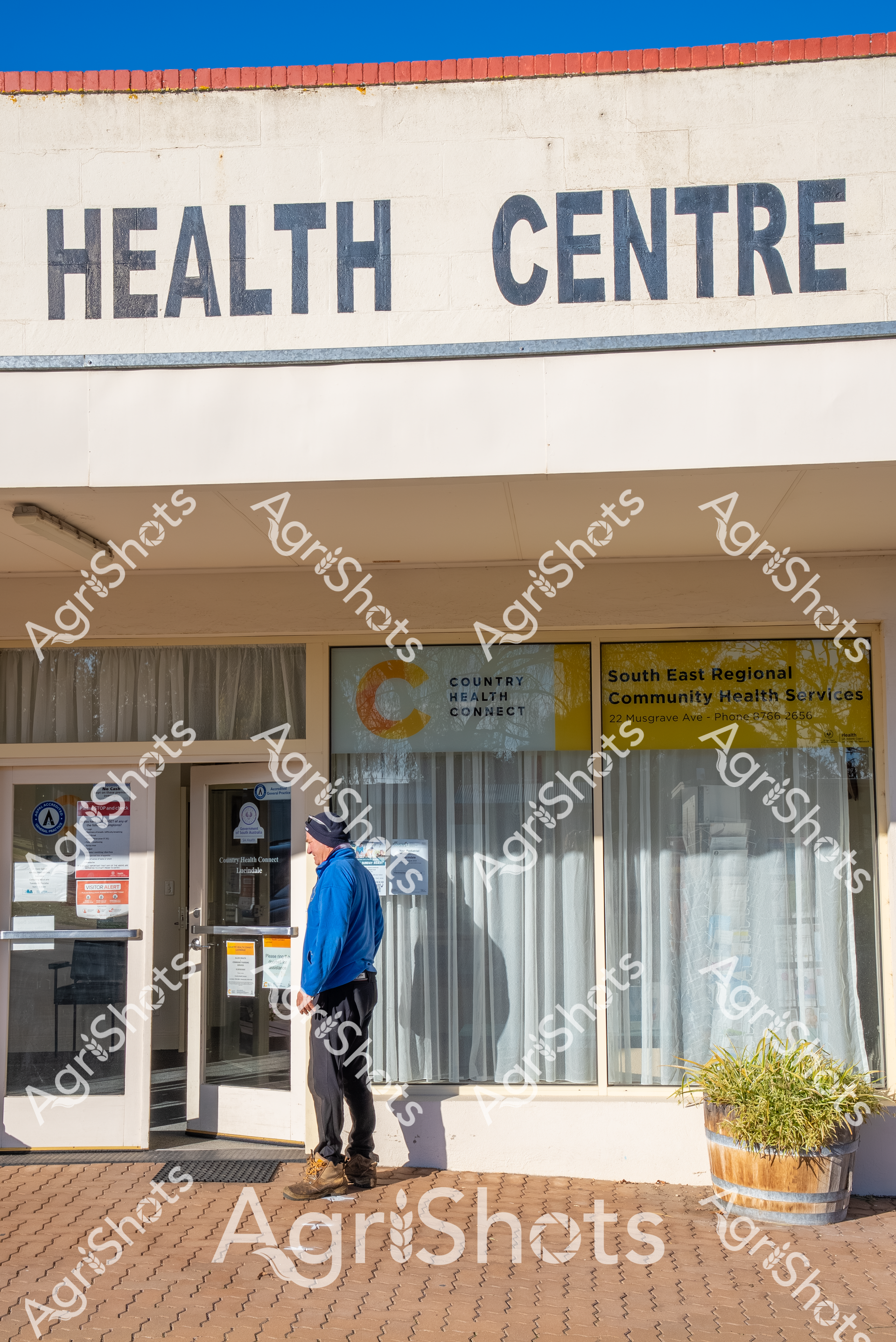
A person in a blue jacket stands outside a rural health centre, showcasing the South East Regional Community Health Services facility. The building features "Country Health Connect" signage and presents a welcoming entrance with brick paving and a potted plant, capturing the essence of community healthcare in a winter setting.
 Image
Image
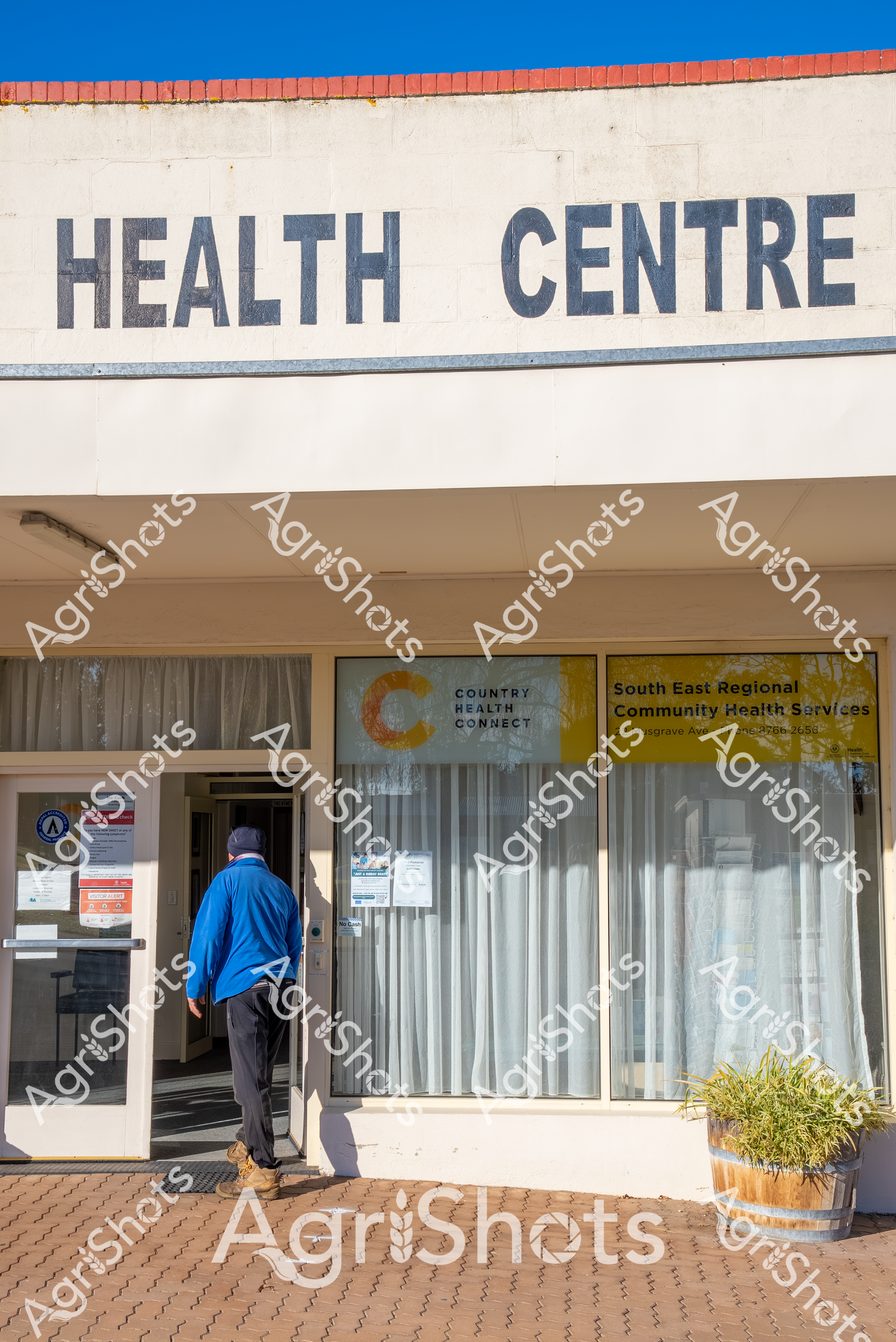
A person in a blue shirt enters a rural health center with signage for the Country Health Connect and South East Regional Community Health Services. The building features white walls, a red-brick trim, and a welcoming entrance with windows and a potted plant, representing accessible healthcare in a small community setting.
 Image
Image
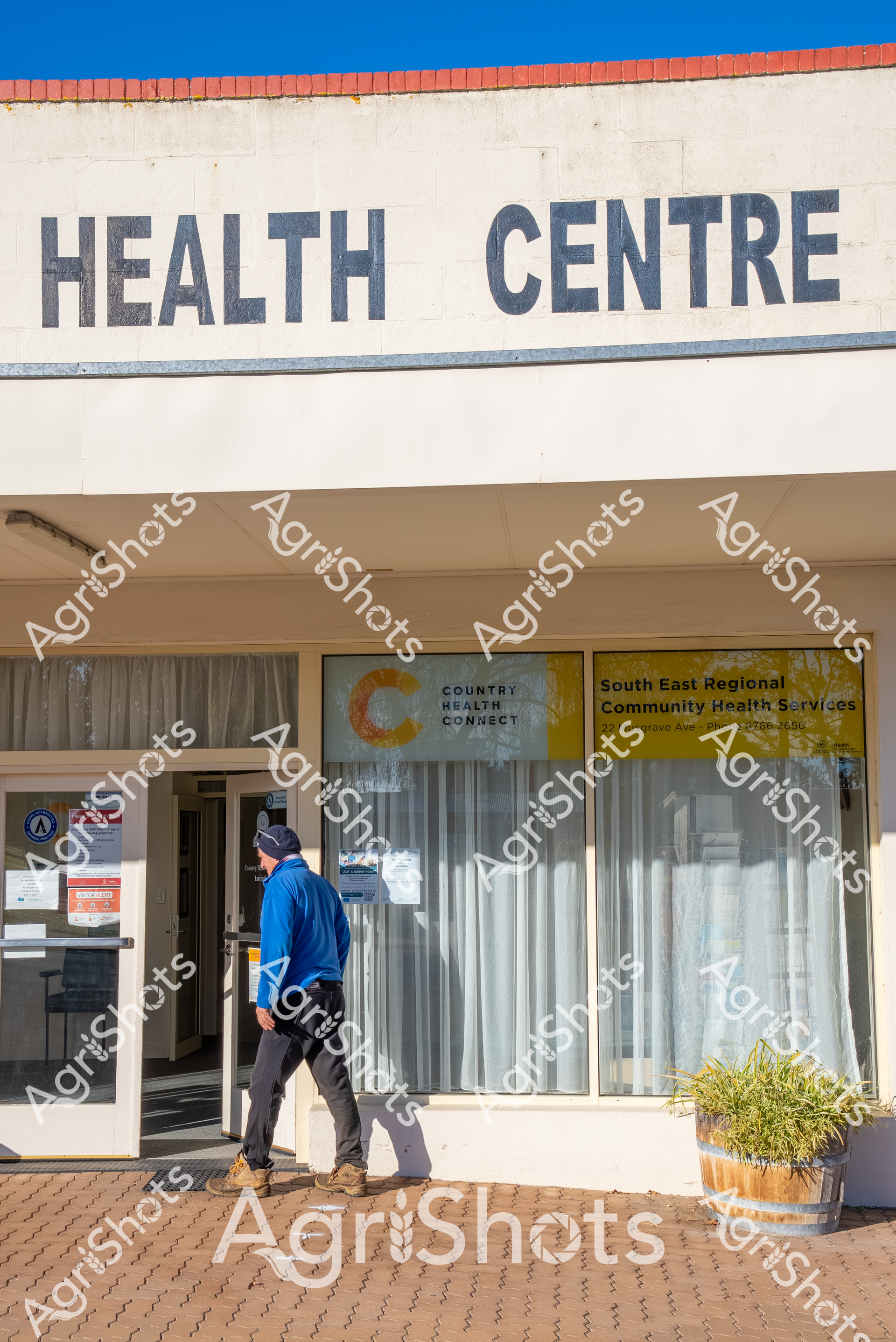
A person wearing a blue jacket enters a rural health center on a bright winter day. The building features signage for the Country Health Connect and South East Regional Community Health Services in South Australia. The entrance is welcoming, with a potted plant and brick pavement leading to the glass doors of this regional medical facility.
 Image
Image
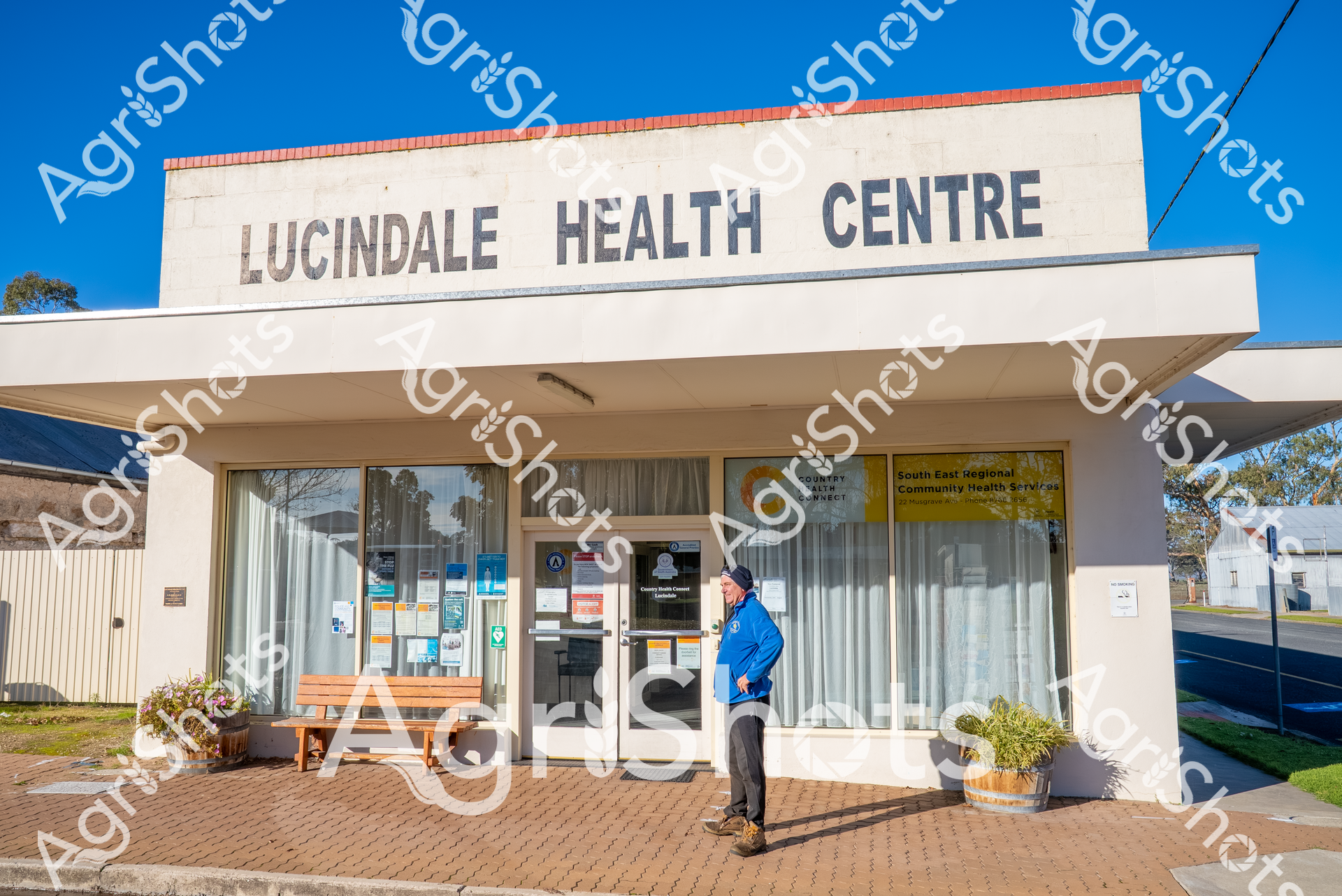
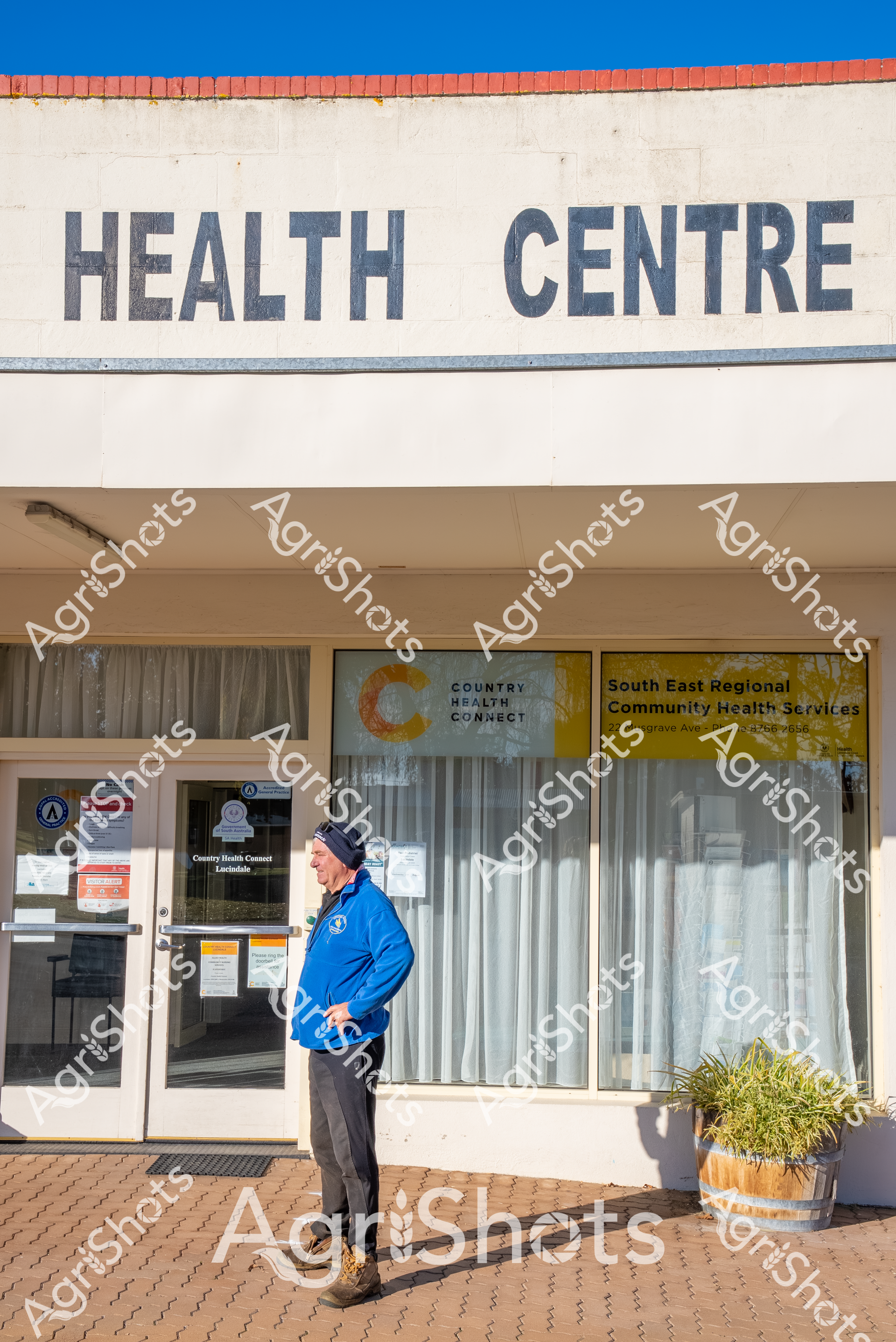
A rural health center stands in a quiet community, with a man in a blue jacket standing near the entrance. The Lucindale Health Centre, part of the South East Regional Community Health Services, offers medical support to this small town during the winter season. The building features glass windows, informational notices, and a welcoming wooden bench, reflecting the center's commitment to local healthcare and wellbeing.
 Image
Image
A person wearing a blue jacket and winter hat stands outside a rural health centre in South Australia. The building displays signage for Country Health Connect and South East Regional Community Health Services, reflecting the region's healthcare infrastructure. The scene captures the winter atmosphere of a small community medical facility.
 Image
Image
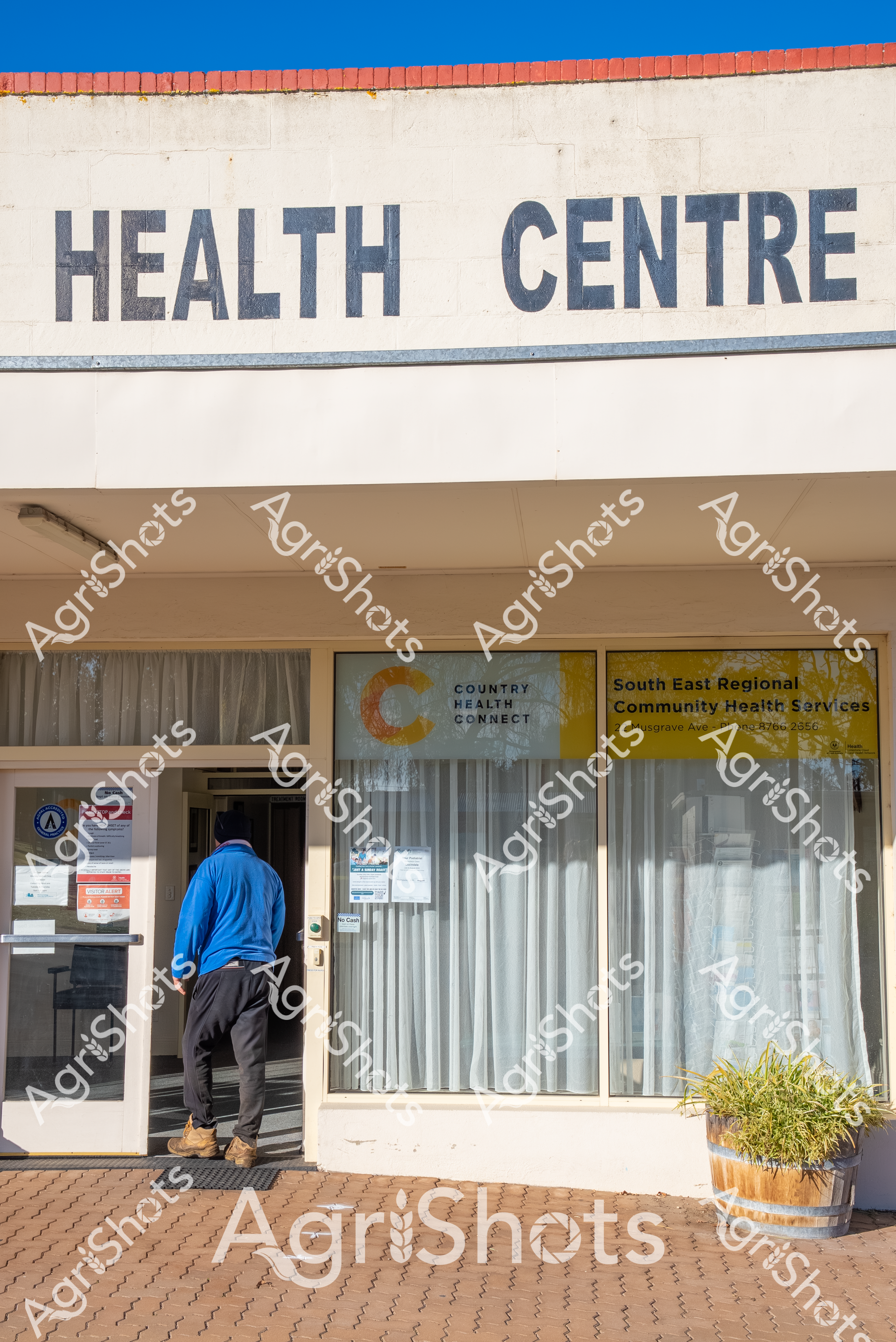
A person in a blue top and dark pants stands at the entrance of a rural Health Centre, with signage for Country Health Connect and South East Regional Community Health Services visible. The building features a white exterior with large lettering and a red-trimmed roof, situated on a brick-paved area with a potted plant nearby. The scene captures a typical community healthcare facility in a regional South Australian setting during winter.
 Image
Image
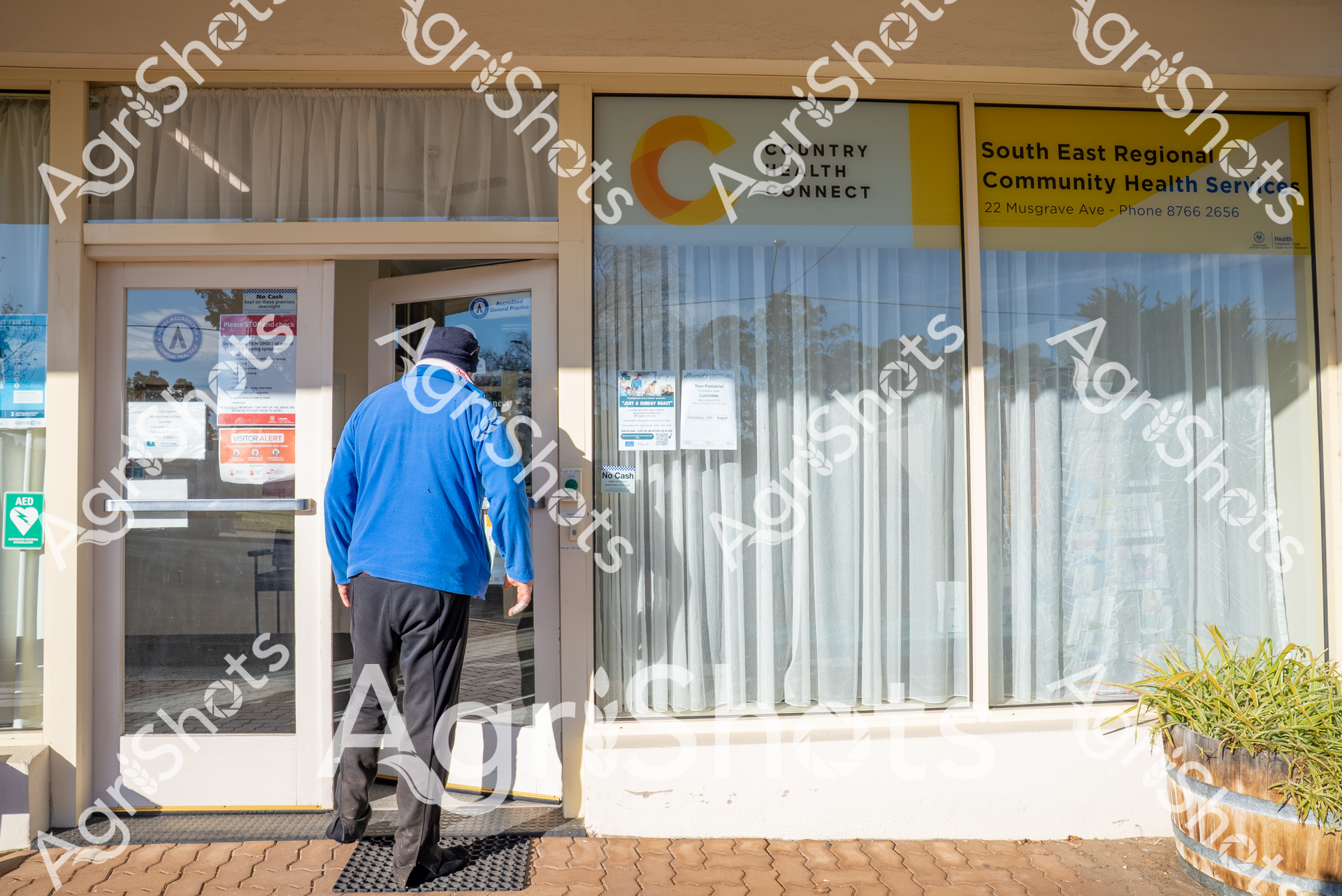
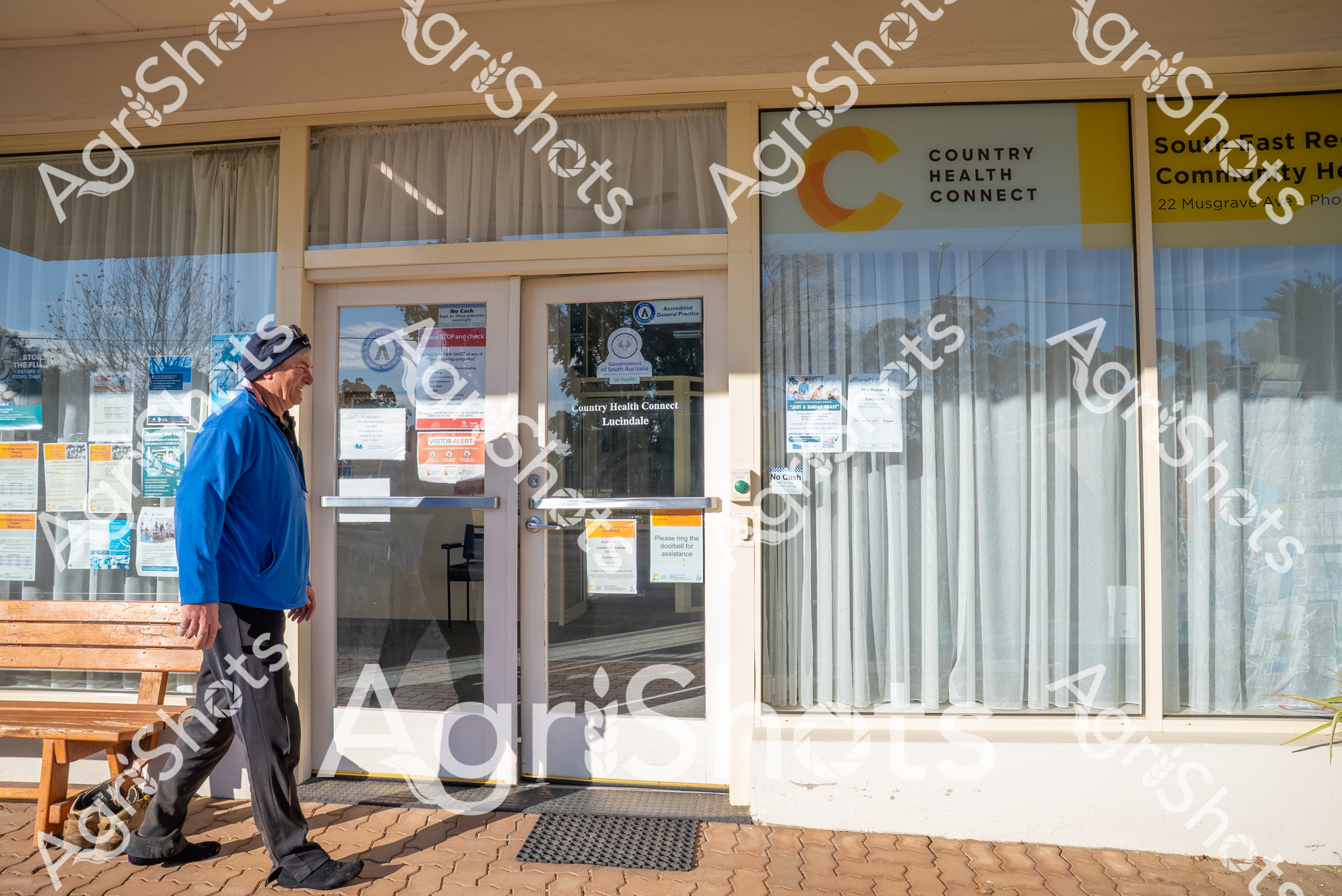
A man in a blue fleece and black pants enters the South East Regional Community Health Services building on a winter day. The entrance features multiple informational posters and windows, with a "Country Health Connect" sign visible. The setting appears to be a rural healthcare facility in South Australia, offering essential medical services to the local community.
 Image
Image
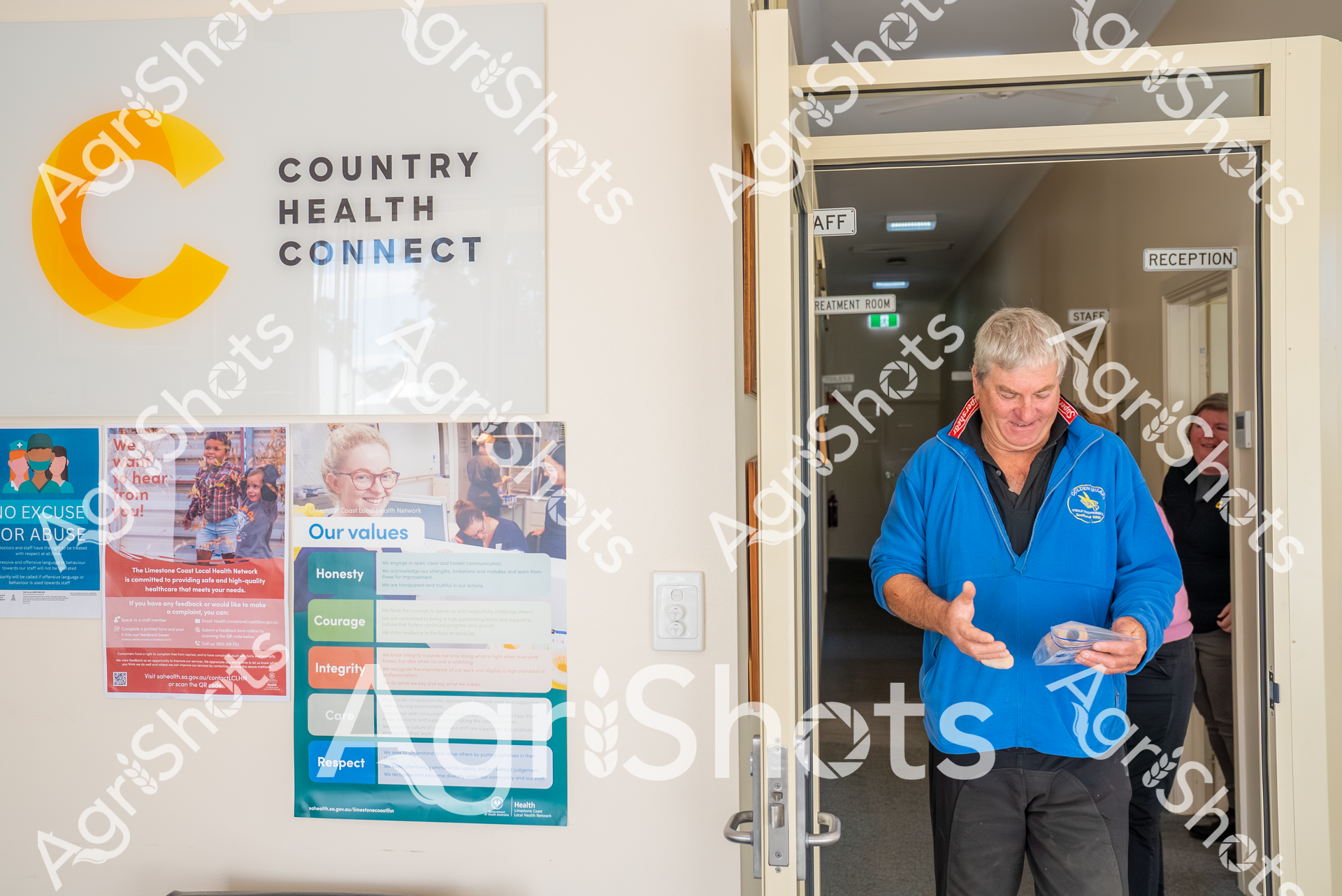
A staff member in a blue polo shirt stands in the doorway of Country Health Connect, surrounded by organizational values posters. The healthcare facility's reception area appears to be located in a rural setting, with a professional and welcoming atmosphere highlighting community health and wellbeing.
 Image
Image
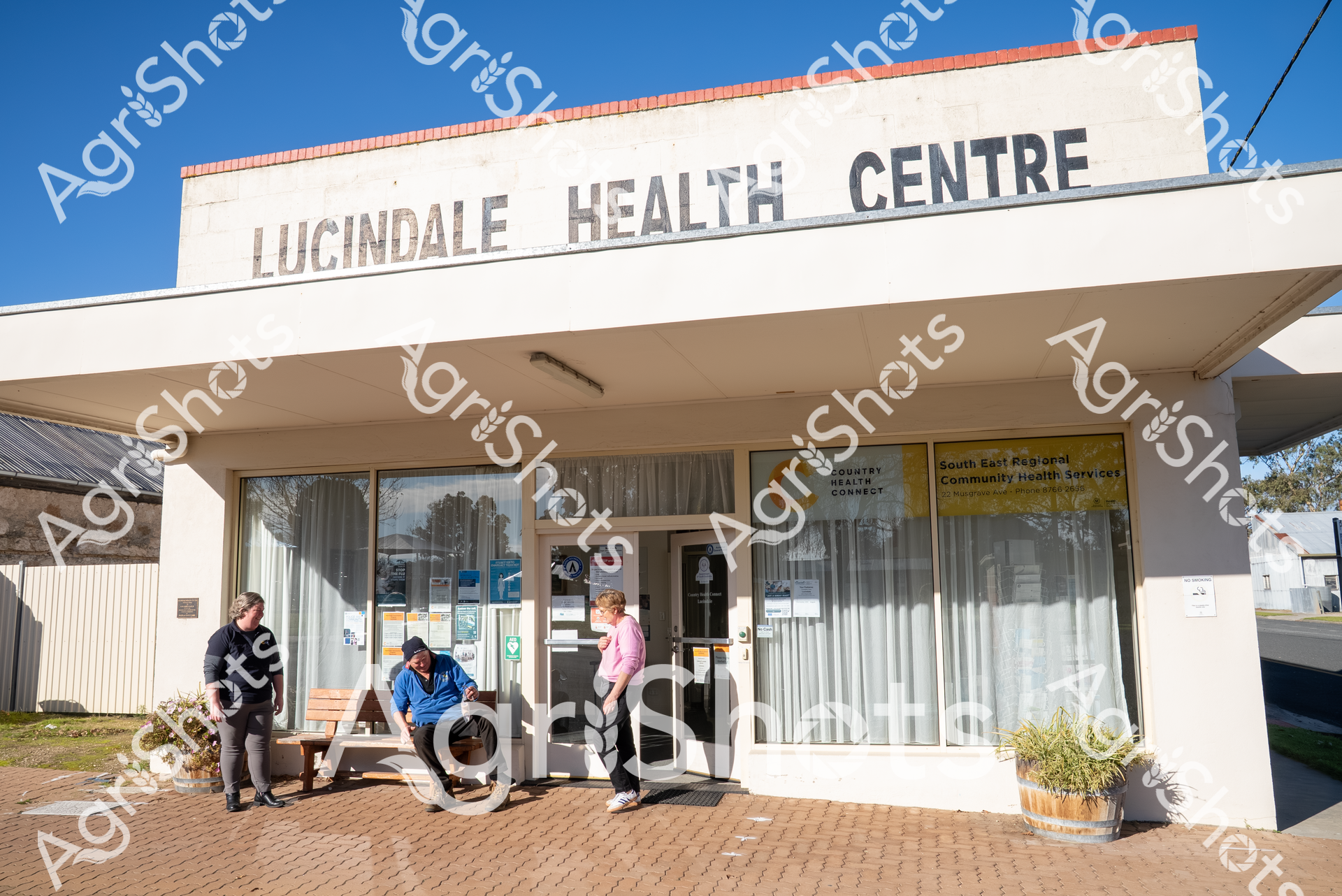
The Lucindale Health Centre stands as a vital community healthcare facility in rural South Australia. Three people are seen outside the white building with large windows, representing the center's important role in local wellbeing during what appears to be a cool winter day in the South East Region.
 Image
Image
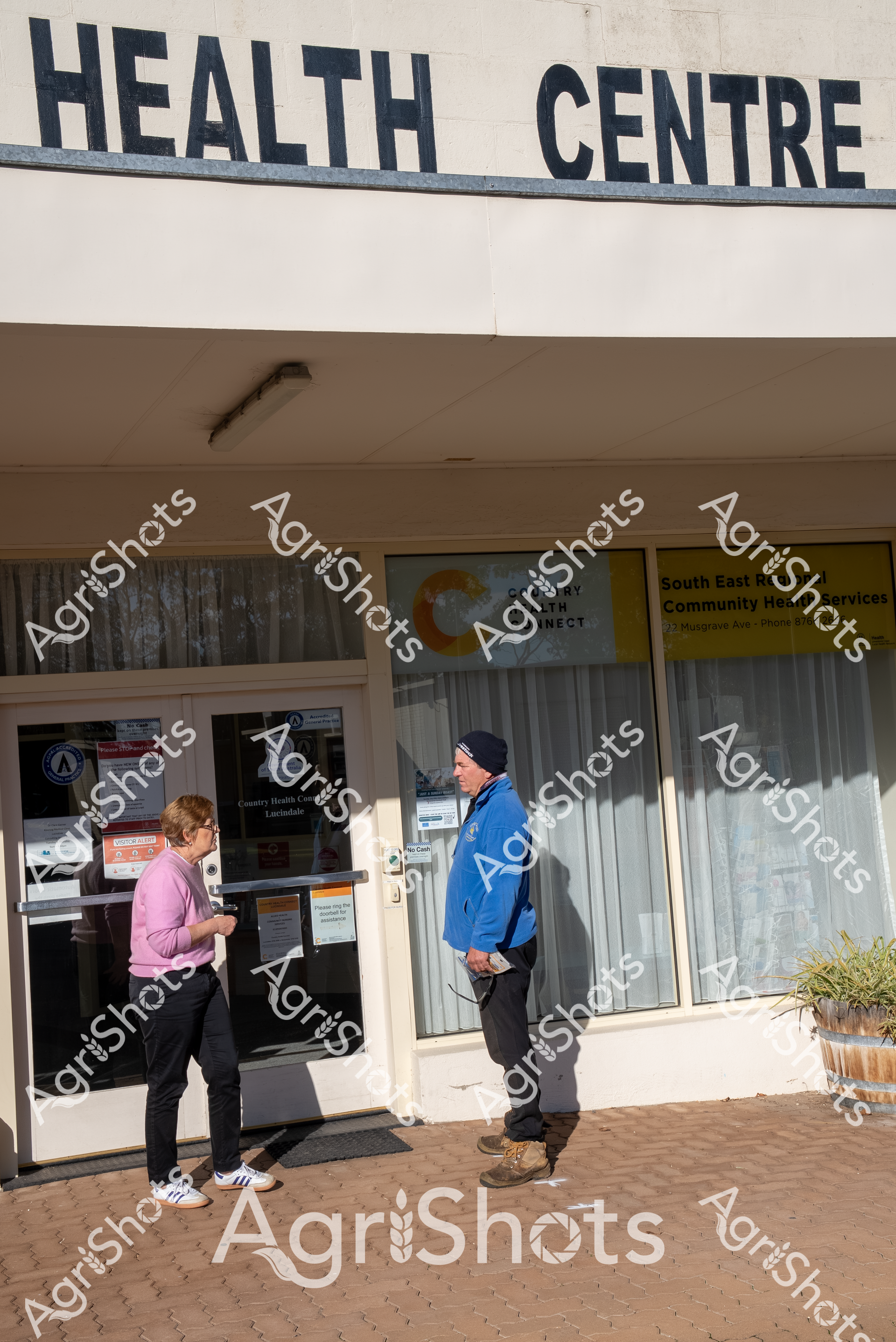
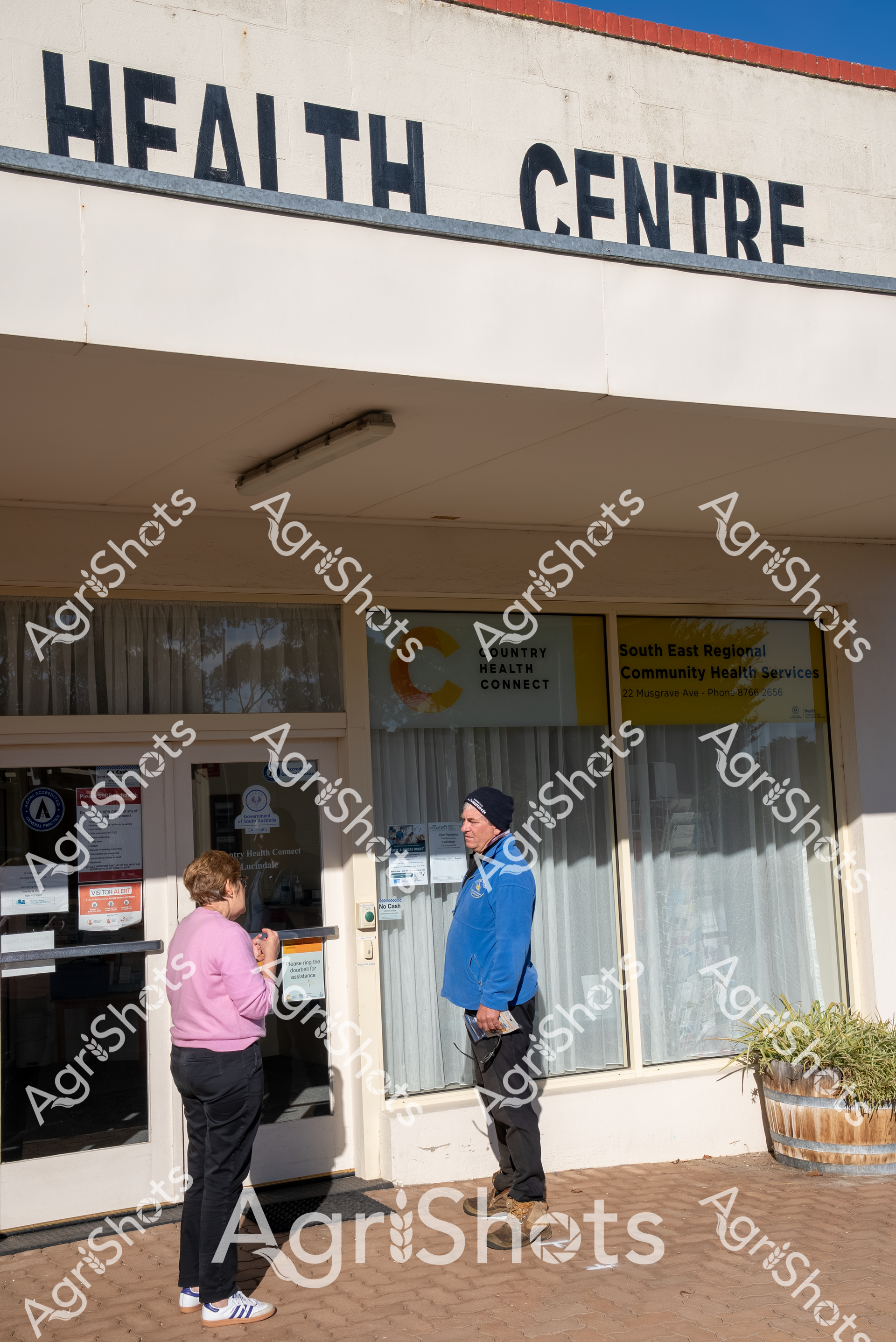
Two people stand outside a rural health centre on a sunny winter day. A woman in a pink sweater and a man in a blue jacket are positioned near the entrance of the South East Community Health Services building. The setting appears to be in a small town in South Australia, highlighting local healthcare access for rural communities.
 Image
Image
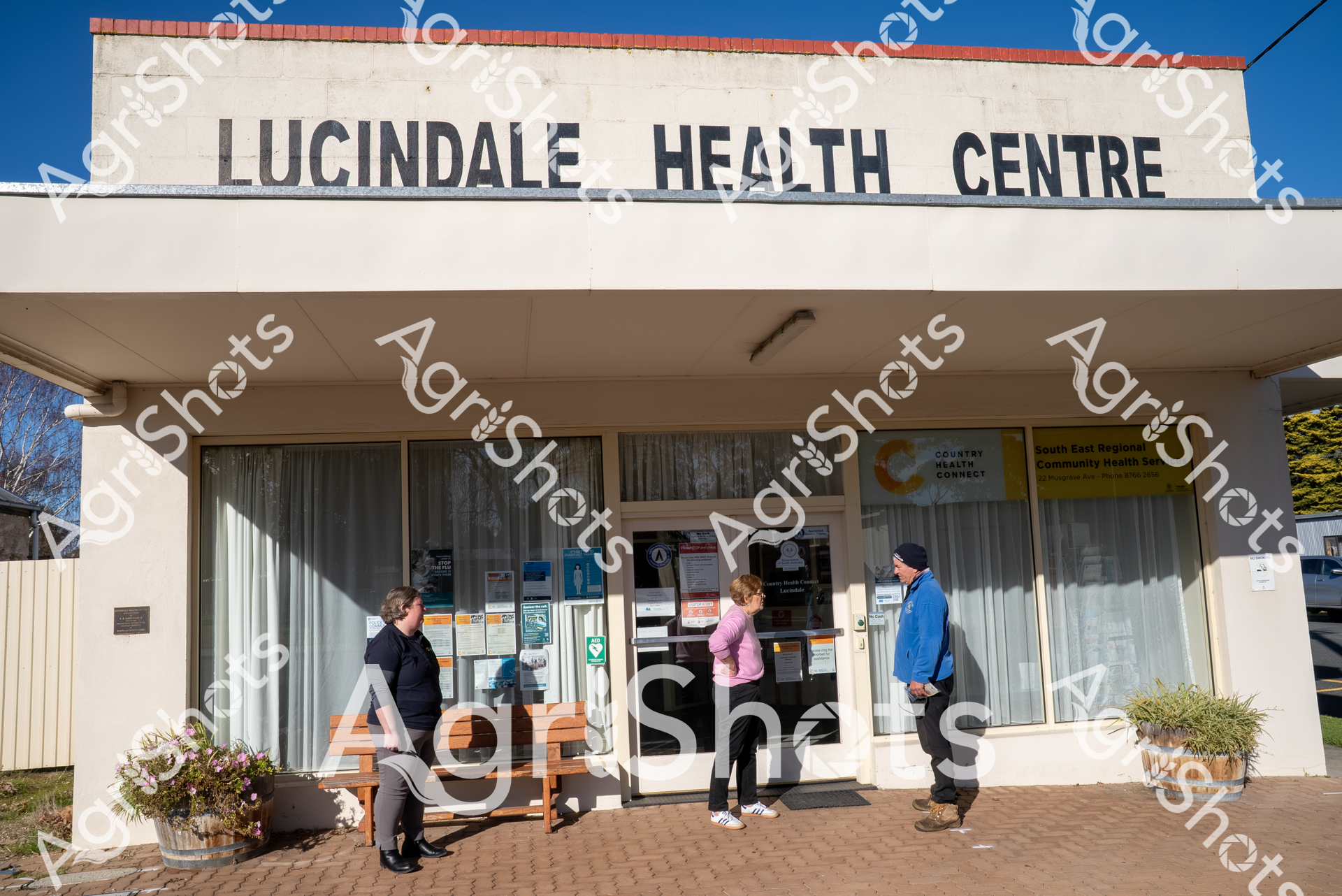
The Lucindale Health Centre stands on a sunny winter day, with three people near the entrance. Located in rural South Australia, this community health facility showcases the importance of local healthcare services in small regional towns. Potted flowers add a welcoming touch to the brick-paved entrance, while informational notices are displayed on the glass doors.
 Image
Image
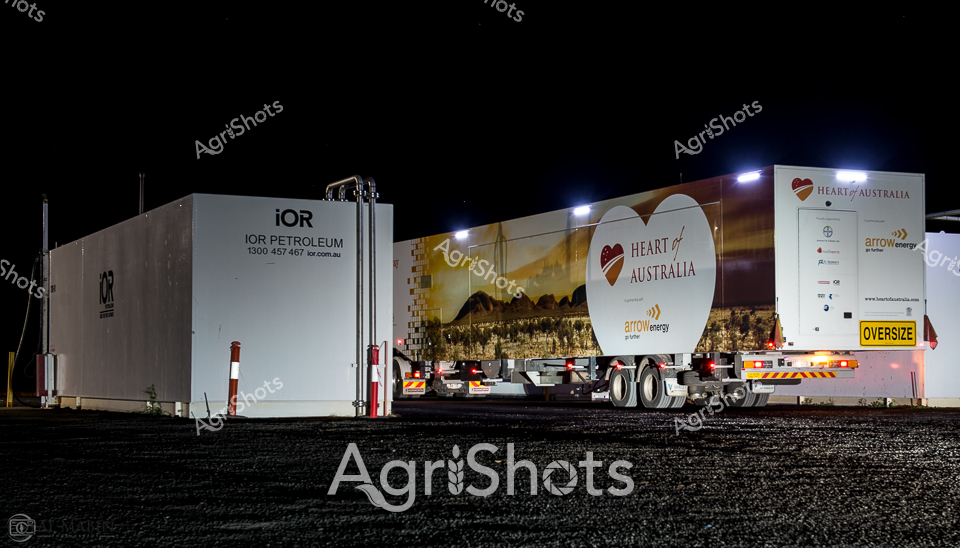
Night falls on a remote industrial transport yard, illuminated by stark overhead lighting that casts dramatic shadows across large transport vehicles. Two massive trailers stand side-by-side - one branded with "IOR Petroleum" in crisp white lettering, and the other adorned with the vibrant "Heart of Australia" mobile healthcare initiative graphics. The "Heart of Australia" trailer, part of an innovative rural healthcare program, features a striking graphic of a landscape silhouette and the organization's heart-shaped logo, signaling its mission to deliver specialized medical services to remote communities. The oversized trailers represent critical infrastructure for regional Queensland, highlighting the interconnected nature of resource industries and community services. The "OVERSIZE" warning on the trailer underscores the specialized nature of these mobile units, designed to traverse challenging outback terrain. Gravel and industrial infrastructure frame the scene, suggesting a rugged operational environment where logistics and healthcare converge. The nighttime setting creates a sense of constant movement and purpose, with the illuminated vehicles appearing ready to dispatch essential petroleum resources or medical services across the expansive Australian landscape. This image captures the resilience and innovation required to support remote communities, where distance and isolation demand creative solutions.
 Image
Image
Rural Medical Checkpoint: A compassionate healthcare professional in crisp white attire carefully checks the blood pressure of a patient wearing a casual cap and light-colored clothing. The examination takes place in a clean, well-lit medical room with a serene landscape painting adorning the white wall, offering a touch of pastoral comfort. Medical equipment and monitoring devices frame the examination area, suggesting a comprehensive health assessment typical of rural community healthcare services. The interaction between the healthcare worker and patient appears relaxed and friendly, reflecting the close-knit nature of rural medical support systems. Soft natural light filters into the room, creating a calm and reassuring atmosphere that speaks to the importance of accessible healthcare in agricultural communities. The setting embodies the connection between rural well-being and professional medical care, highlighting the critical support infrastructure that sustains regional populations.
 Image
Image
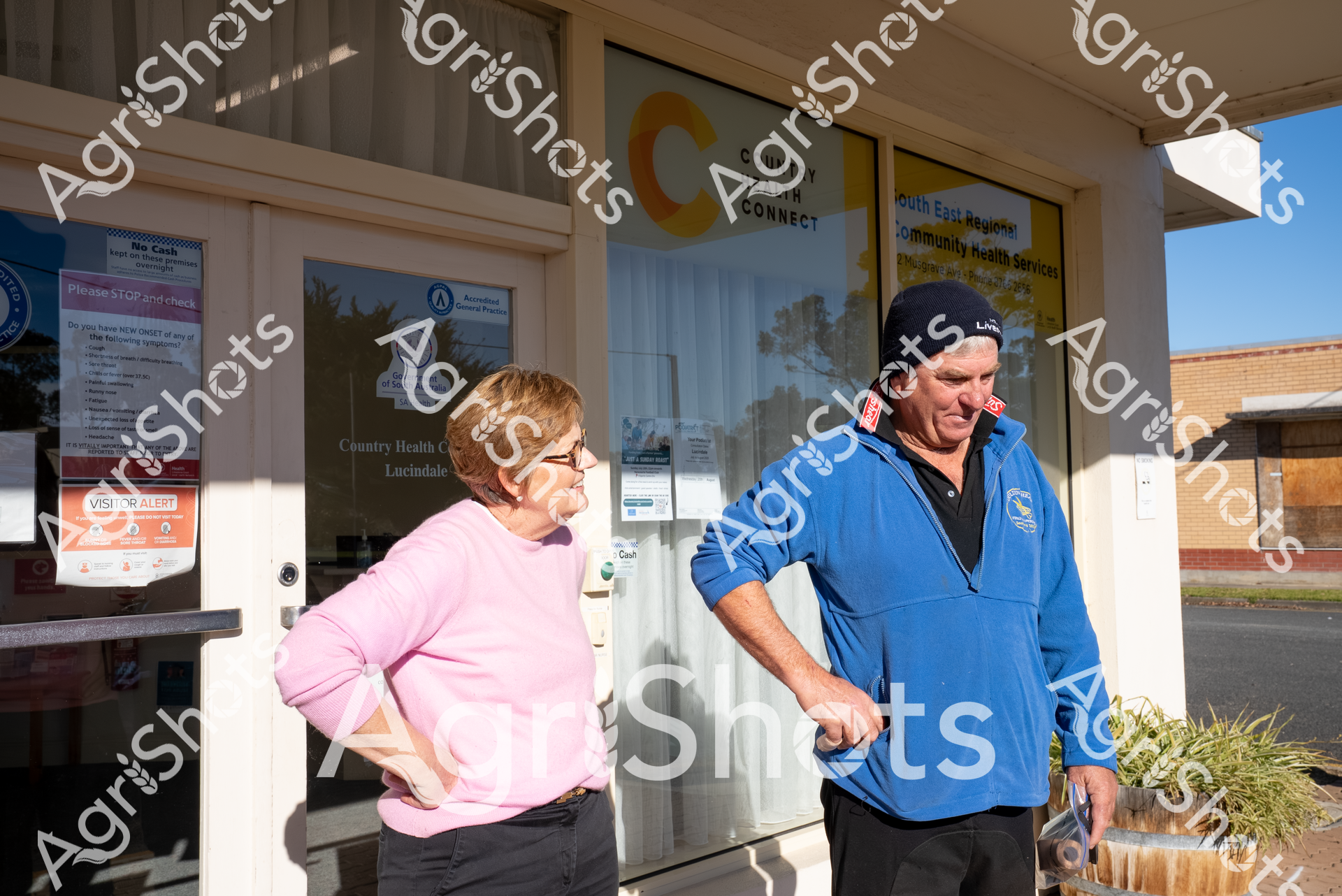
Two people stand outside a rural community health center in South Australia during winter. A woman in a pink sweater and a man in a blue jacket are positioned near the entrance, with various health advisory posters visible behind them. The scene captures the essence of rural healthcare and community wellbeing in the region.
 Image
Image
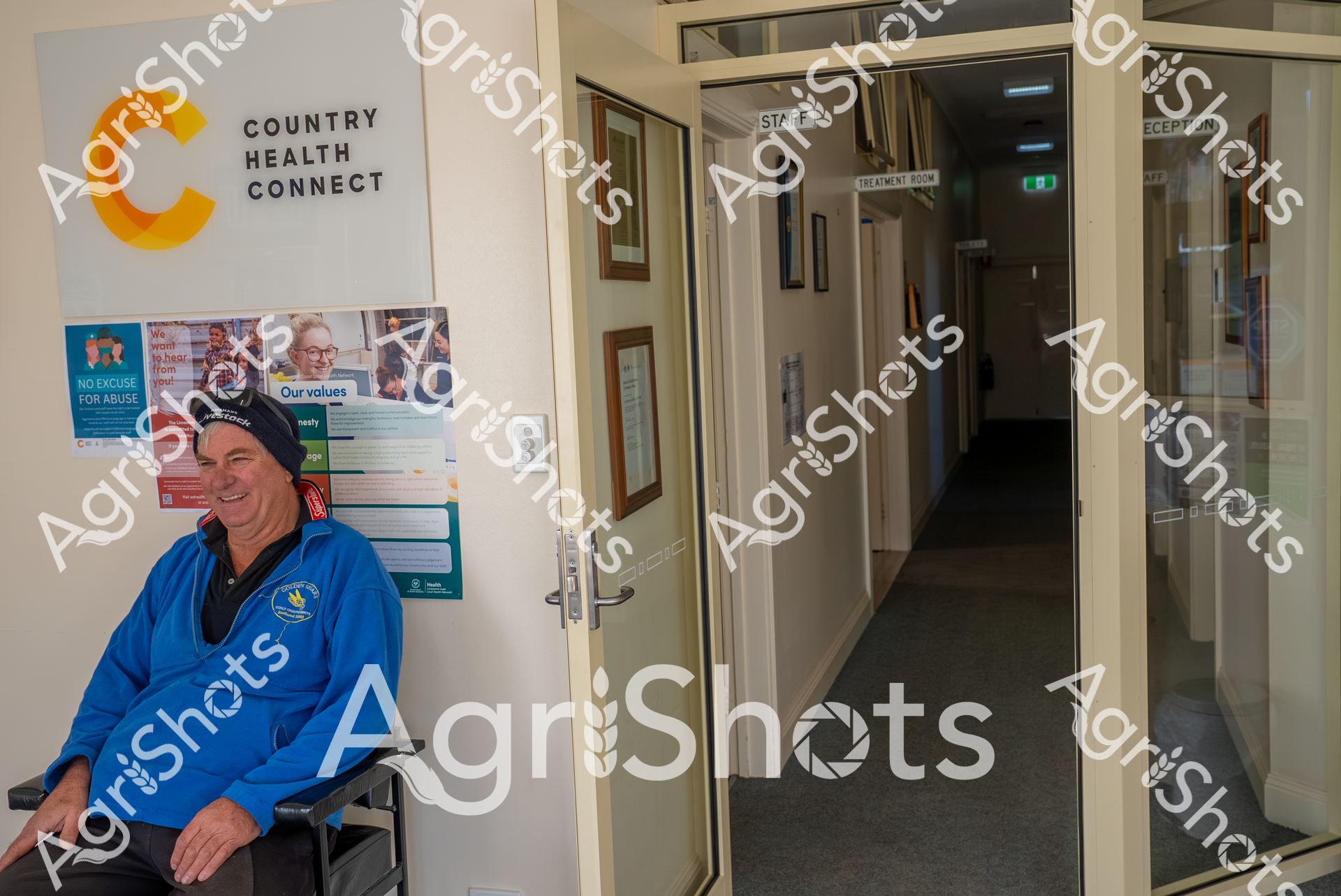
A smiling man in a blue jacket and black cap sits near the entrance of Country Health Connect, a medical facility. The image captures the welcoming atmosphere of a rural healthcare center, highlighting community wellbeing and professional healthcare services in South Australia's southeast region during winter.
 Image
Image
Heart of Australia's mobile health service trailer stationed on a rural highway, embodying innovative healthcare delivery to remote Queensland communities. The crisp winter landscape surrounds a professionally branded medical unit, with bare trees and power lines defining the roadside setting. Sunshine breaks through dramatic cloudy skies, illuminating the trailer's white and yellow graphic design featuring "On the highway to health" messaging. The mobile clinic represents a critical lifeline for isolated rural residents, bringing sophisticated medical services directly to regions with limited healthcare access. Robust and purposefully designed, the trailer features secure mesh screening and a functional entryway, reflecting the resilient and practical spirit of Australian rural infrastructure. This healthcare initiative symbolizes community support, technological innovation, and commitment to delivering essential services across vast and challenging geographical landscapes.
 Image
Image
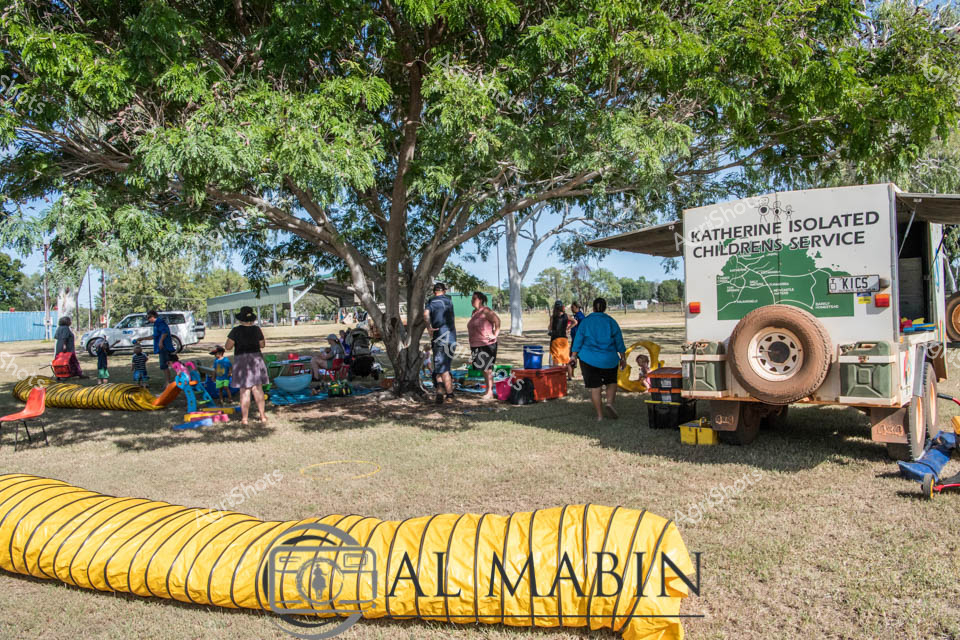
Katherine Isolated Children's Service vehicle nestles under a sprawling eucalyptus tree, anchoring a vibrant outback learning scene. Yellow ventilation tubes and scattered play equipment create a makeshift outdoor classroom in the sun-drenched Northern Territory landscape. Multiple children and adults gather in the dappled shade, representing the innovative remote education model that connects isolated rural students across vast distances. The rugged service vehicle, branded with "KICS" (Katherine Isolated Children's Service), symbolizes the resilience and adaptability of educational services in Australia's challenging geographic terrain. Dusty ground, intermittent grass, and hardy trees frame a quintessential outback educational moment that speaks to the unique challenges and community spirit of remote Australian schooling. The scene captures the intersection of technology, community, and determination in providing learning opportunities for children in some of the most geographically isolated regions of the world.
 Image
Image
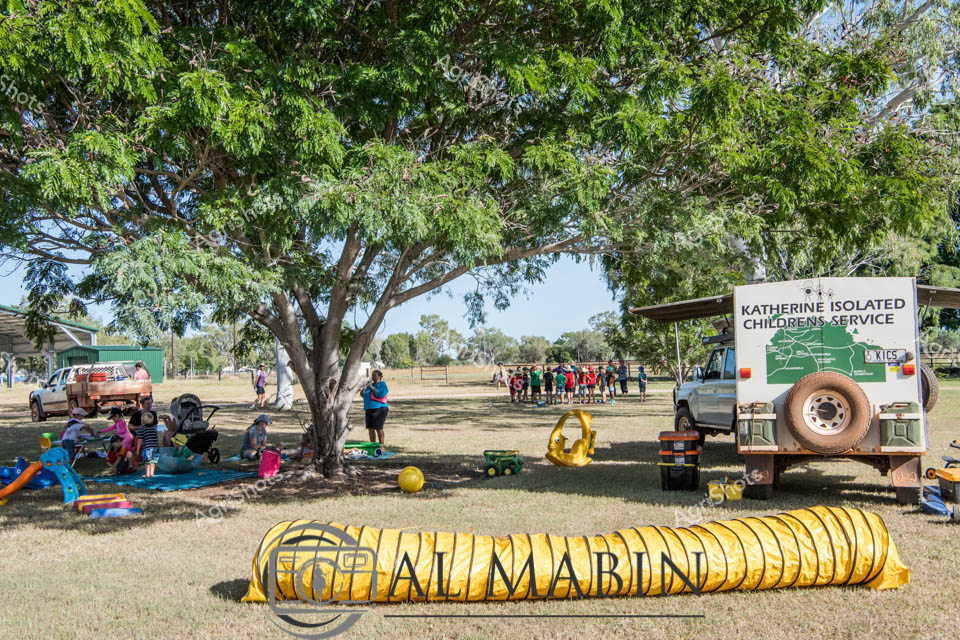
Katherine Isolated Children's Service illuminates the resilience of remote education in Australia's Northern Territory. A yellow "All Marbling" branded inflatable tube dominates the foreground, while children gather under sprawling green trees on a sunlit, dusty paddock. A robust four-wheel-drive vehicle bearing the service's signage anchors the scene, representing the mobile and adaptable nature of educational services in vast, isolated landscapes. Young learners cluster in groups - some seated on colorful play mats beneath the tree's dappled shade, others standing in a coordinated huddle, suggesting an organized learning activity. The landscape speaks of quintessential Australian rural terrain - sparse grassland, scattered eucalyptus trees, and open horizons that stretch beyond the immediate scene. This image captures the spirit of community, connection, and educational innovation in one of Australia's most challenging geographical contexts, where distance is no barrier to learning.
 Image
Image
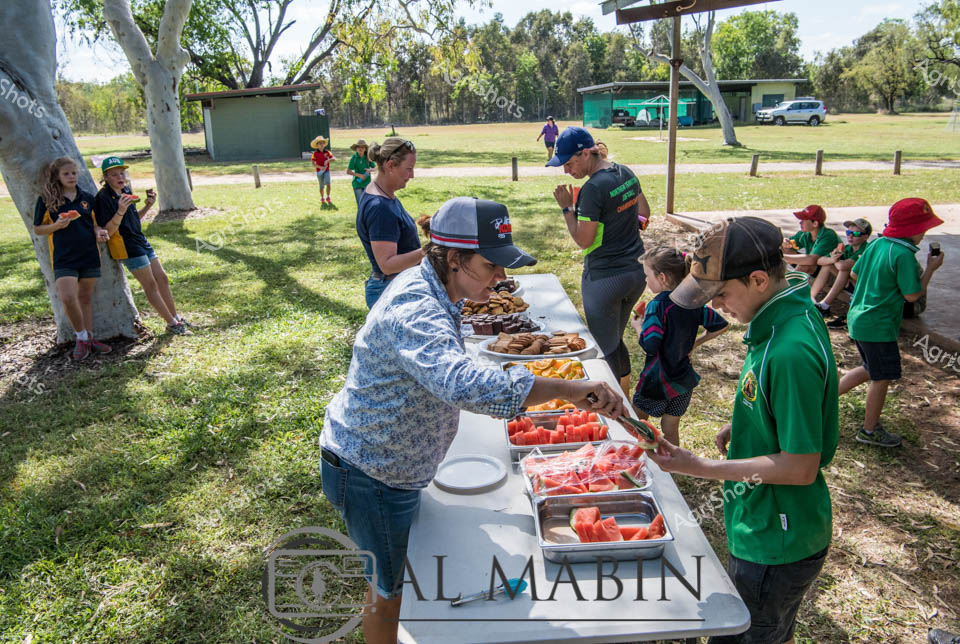
Remote Territory Community Lunch Service A vibrant community gathering unfolds in a sunlit Northern Territory school ground, with local staff serving fresh produce to school children. Crisp white gum trees frame a verdant grass clearing where a portable serving table displays an array of watermelon slices and baked goods. Children in green and navy school uniforms cluster around the refreshment station, reflecting the collaborative spirit of remote education. The scene captures the essential social fabric of rural Australian schooling, where meal times become community connection points. Local staff in casual attire carefully arrange nutritious food, ensuring every child receives sustenance in this outdoor setting. The landscape speaks to the resilience and warmth of Territory communities, with a distant green building and parked vehicle suggesting the practical infrastructure of remote educational services.
 Image
Image
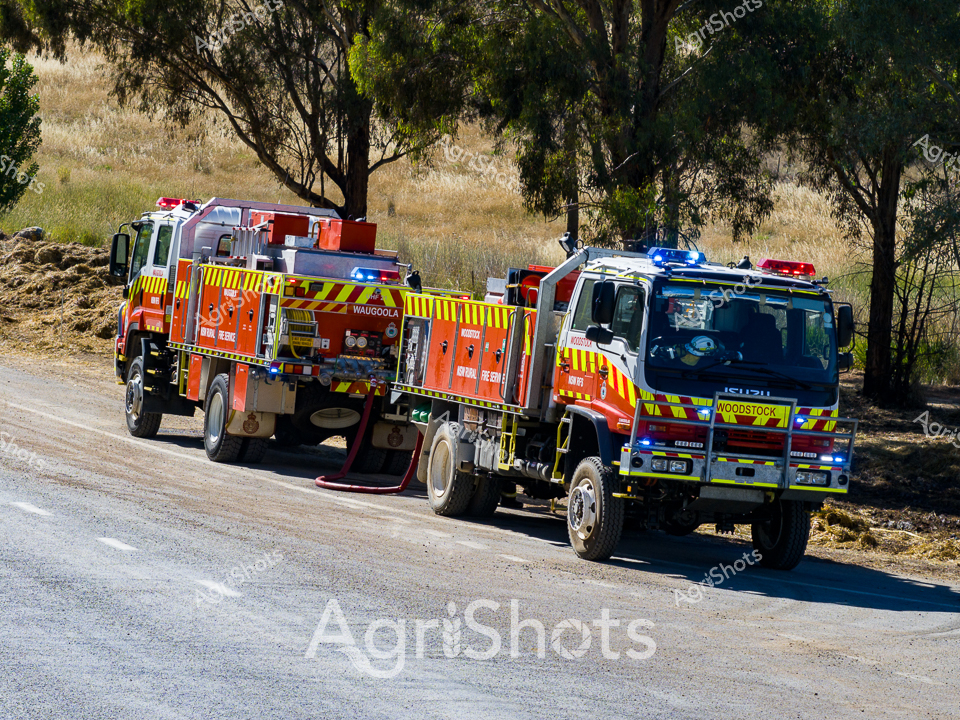
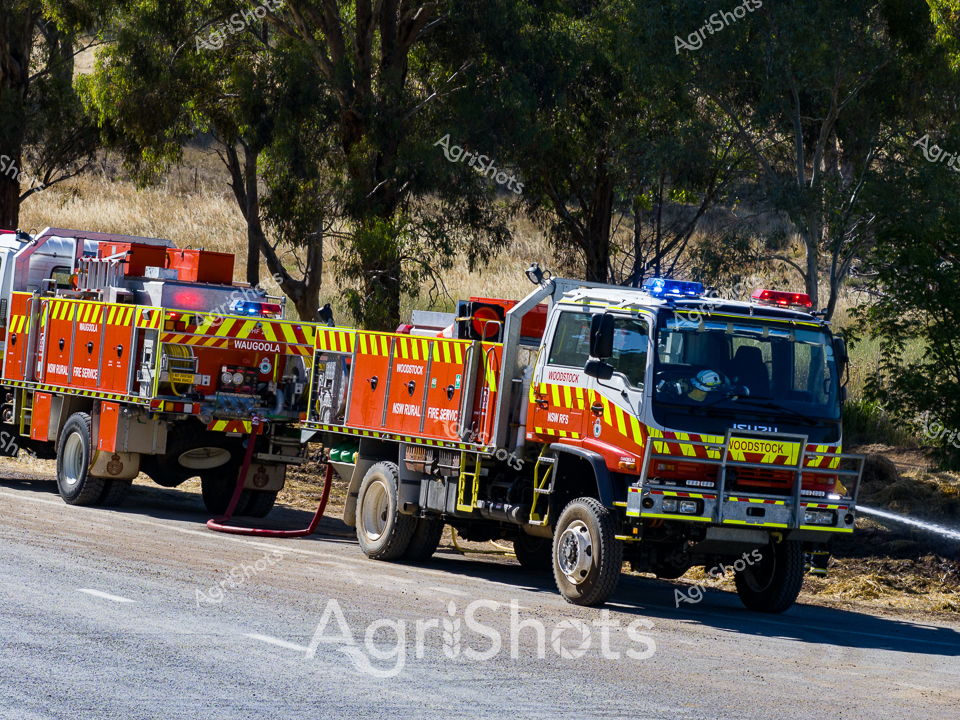
Rural firefighting heroes stand ready on a sun-drenched country road, their robust Waugool and Woodstock fire engines gleaming with high-visibility yellow and orange striped livery. Two powerful emergency response vehicles are positioned among eucalyptus trees and dry golden grasslands, representing the critical bushfire prevention infrastructure of rural New South Wales. Blue emergency lights flash against the dusty landscape, signaling urgent preparedness during the heightened fire danger of an Australian summer. The rugged four-wheel-drive fire trucks, equipped with specialized water tanks and firefighting apparatus, embody the resilience and community protection essential to agricultural regions prone to grassland and bushfire risks. Mounted with robust bull bars and emergency equipment, these vehicles are purpose-built to navigate challenging rural terrain and respond swiftly to potential fire threats in the Central West region. The scene captures the intersection of agricultural landscape and emergency services, highlighting the constant vigilance required to protect farmlands, communities, and natural environments during harsh summer conditions.
 Image
Image
Rural firefighting prowess unfolds on a dusty, sun-drenched road in the Central West region of New South Wales, where two formidable Waggola Rural Fire Service trucks stand ready for action. The robust Isuzu fire engines, adorned in vibrant yellow and red high-visibility livery, are positioned amidst a backdrop of eucalyptus trees, their blue emergency lights piercing the dappled woodland shade. One truck deploys a red water hose, suggesting active fire prevention or suppression tactics in this potentially bushfire-prone landscape during the intense summer months. The vehicles' rugged four-wheel-drive configurations highlight the specialized equipment required to navigate challenging rural terrain, embodying the resilience and preparedness of Australian emergency services. Intricate details of chrome bull bars, complex mechanical equipment, and precision-engineered firefighting infrastructure showcase the technical sophistication behind rural emergency response. This image captures the critical intersection of community safety, professional training, and landscape management that defines Australia's frontline firefighting capabilities.
 Image
Image
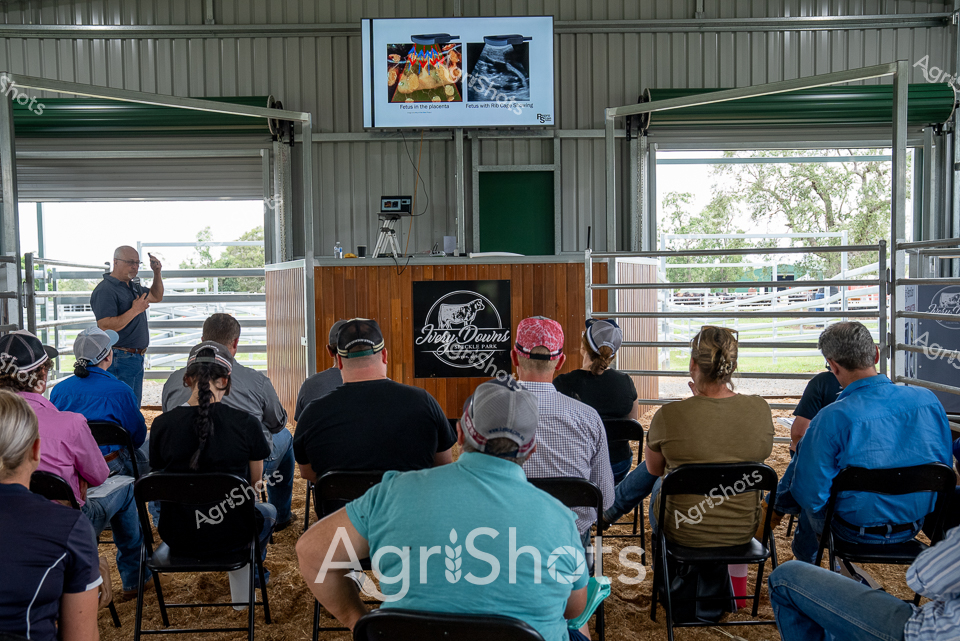
A presenter gestures dynamically from a wooden podium branded with a livestock services logo, guiding participants through advanced cattle reproductive technologies. Multiple attendees wearing varied agricultural workwear - blue shirts, caps, and checked patterns - sit attentively on folding chairs spread across a straw-covered floor, their body language intent and focused. A digital screen overhead displays comparative imagery, likely ultrasound scans and cattle breeding data, indicating a technical deep-dive into bovine reproductive science. The open-sided shed allows natural light and glimpses of surrounding rural landscape, suggesting a South Burnett region location in Queensland during late summer or early autumn. The setting speaks to modern agricultural training: combining sophisticated technological insights with hands-on, pragmatic learning environments. The scene captures the essence of contemporary agricultural education - blending technical expertise, community knowledge sharing, and cutting-edge reproductive scanning techniques. Participants represent a cross-section of rural professionals committed to advancing livestock management through precision data and scientific understanding.