Results for “australian native”
 Image
Image
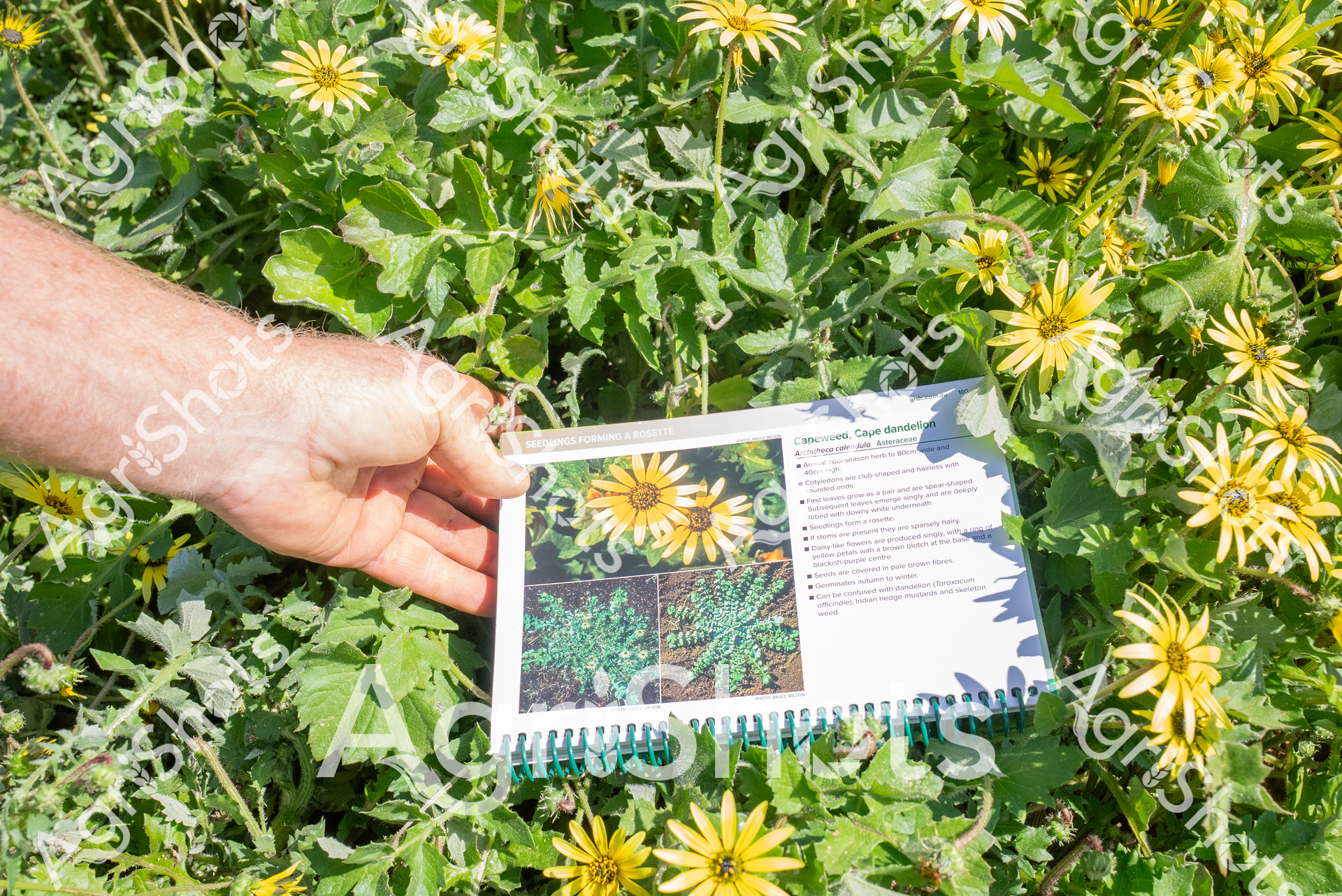
A detailed informational page about Capeweed (Cape dandelion) is held against a background of bright yellow flowering weeds in a green leafy environment. The document appears to be from an agricultural reference guide, showcasing identification details and characteristics of the plant. A hand is visible holding the information sheet, providing scale and context in what seems to be a Western Australian wheatbelt setting.
 Image
Image
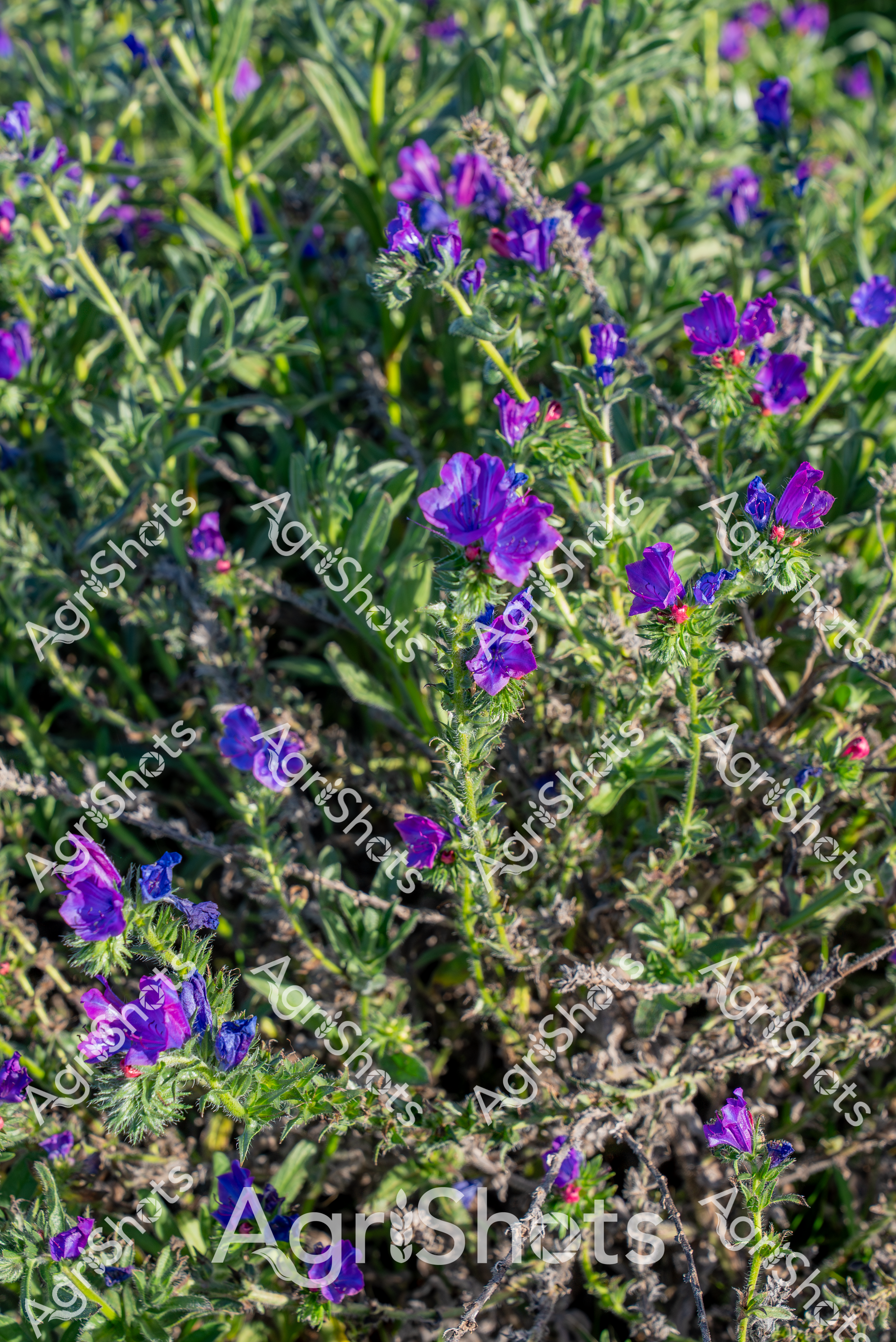
A dense cluster of vibrant purple Paterson's Curse (Echium plantagineum) wildflowers growing in a dry, grassy landscape. These invasive weeds, common throughout the Riverina region of New South Wales, spread quickly across agricultural lands, creating a striking purple carpet against green foliage. The flowers' distinctive trumpet-like shape and hairy stems are characteristic of this problematic introduced species.
 Image
Image
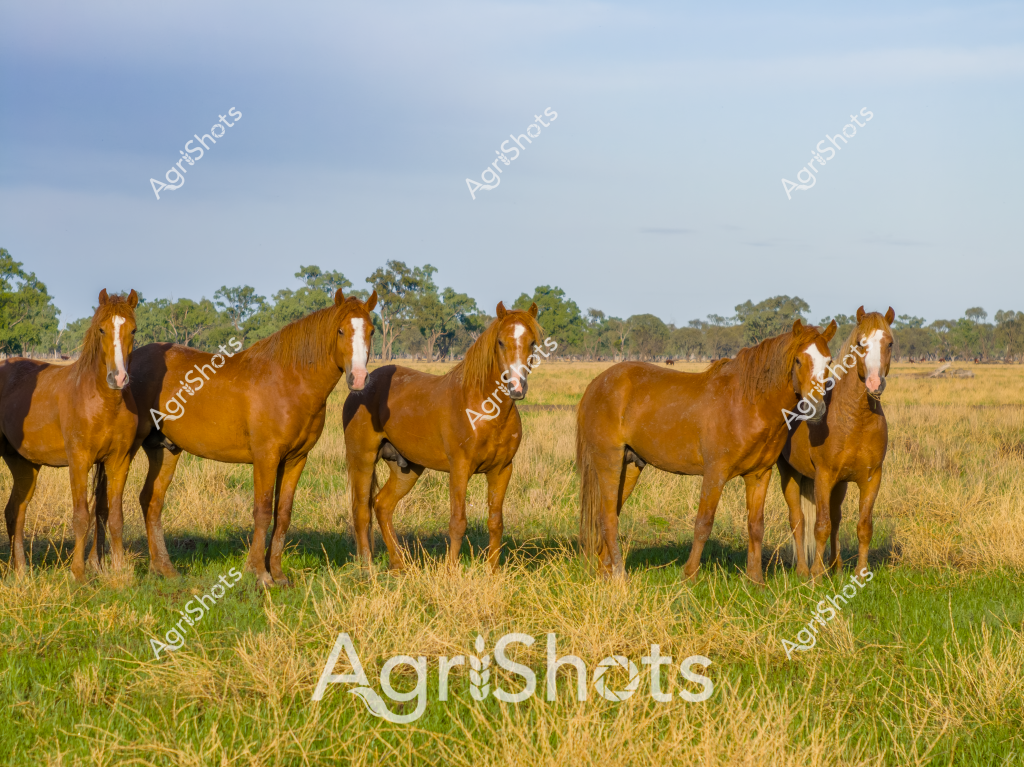
Here's a detailed description for this agricultural stock photo: A striking lineup of chestnut horses stands alert in a golden grassland, showcasing the magnificent conformation of what appears to be a pure breed. The horses have similar rich copper-brown coats with distinctive white facial markings, suggesting they are from a carefully managed stud or station. Set against a backdrop of eucalyptus trees and soft blue sky, the horses are positioned across a dry pasture with varying shades of green and yellow grass. Their muscular bodies and confident stance indicate they are well-bred and likely used for performance or breeding purposes. The soft natural lighting and expansive rural landscape emphasize the beauty of these animals in their native Australian agricultural environment. Each horse stands with an elegant, balanced posture, highlighting the quality of their breeding and the care they receive.
 Image
Image
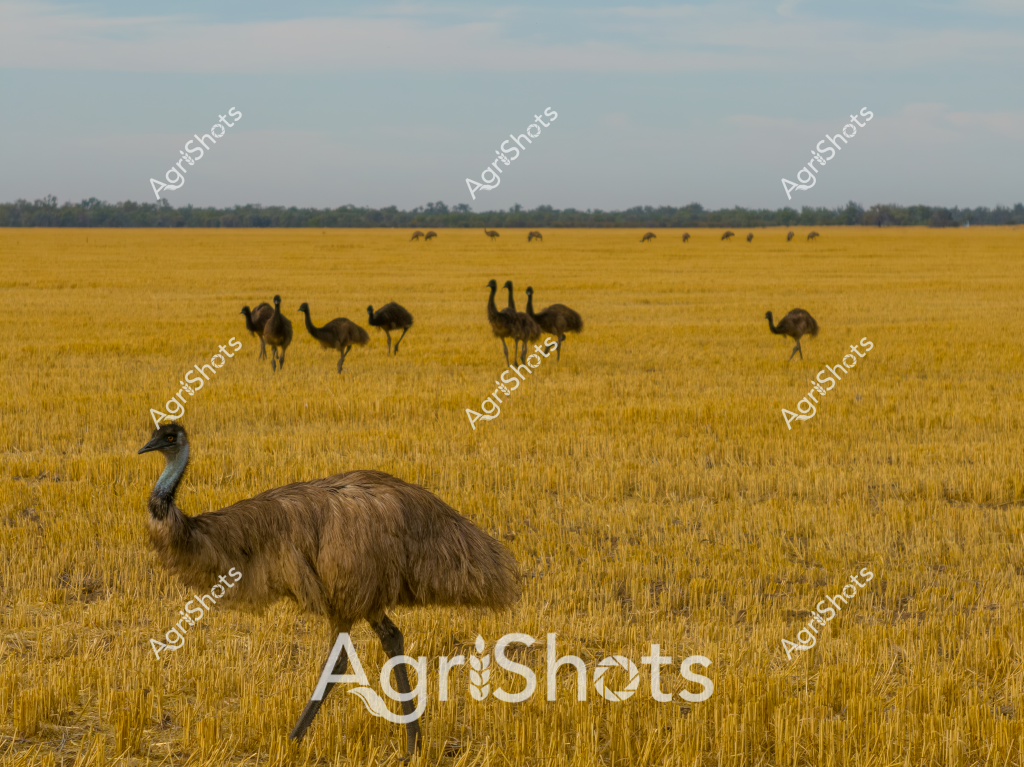
A striking landscape showcasing a flock of emus roaming across a golden wheat stubble field after harvest. The majestic native Australian birds - with their distinctive brown feathered plumage and long legs - are scattered across the expansive yellow landscape, some standing in small groups while others move individually through the short-cut crop remnants. In the background, a distant treeline marks the horizon under a soft, pale blue sky, creating a quintessential Australian agricultural scene that captures the unique wildlife interaction with farming landscapes. The emus appear relaxed and natural, moving freely across the harvested paddock, demonstrating the coexistence of native fauna and agricultural environments. Their earthy brown coloration contrasts beautifully with the bright golden-yellow of the stubble field, creating a visually compelling image that speaks to the wide-open spaces of rural Australia. The scene epitomizes the intersection of wildlife and agriculture, showing how these remarkable birds navigate and inhabit working farmlands, moving with characteristic grace across the post-harvest terrain. The stubble field's uniform texture and color suggest a recently harvested wheat crop, typical of agricultural regions in states like Western Australia, South Australia, or New South Wales.
 Image
Image
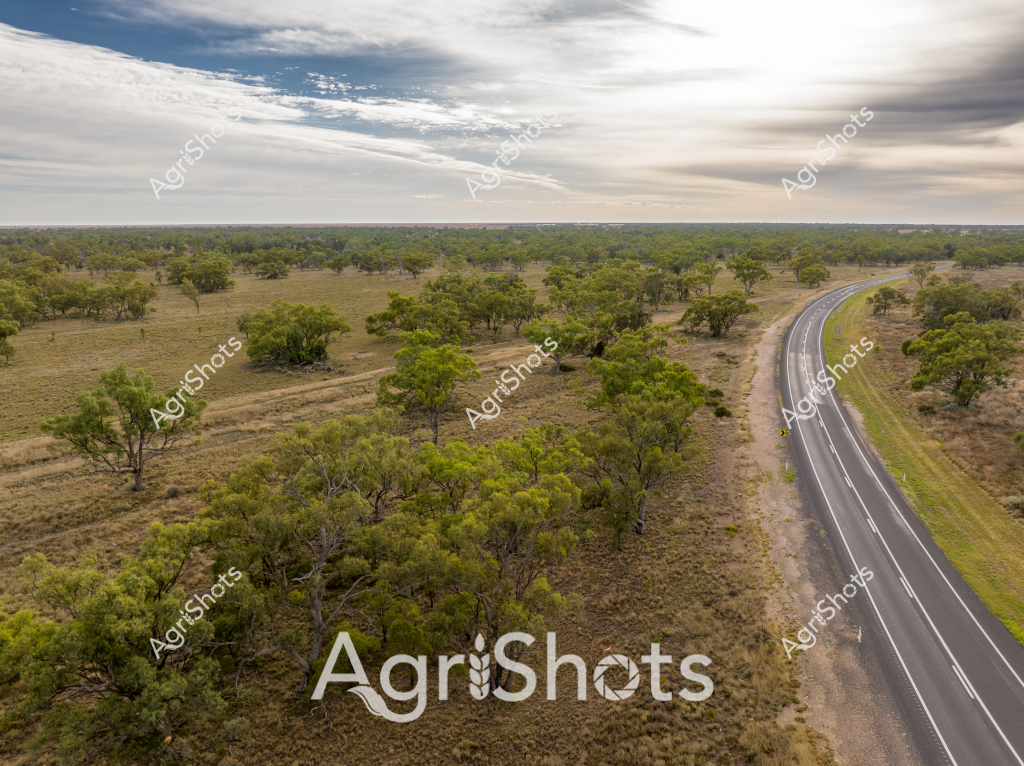
A sweeping rural landscape captures the essence of the Australian outback, with a winding bitumen road cutting through a sparse woodland setting. Scattered eucalyptus trees with silvery-green foliage dot the undulating terrain, creating a patchwork of grasslands and woodland. The landscape appears typical of inland Queensland or New South Wales, with a mix of open pasture and tree-covered areas. A gently curving highway stretches into the distance, its smooth black surface contrasting sharply with the muted greens and browns of the surrounding countryside. The sky is a dramatic canvas of soft cloud formations, with layers of white and blue creating a sense of depth and atmosphere. Subtle variations in the terrain suggest this is a gently rolling pastoral region, likely used for grazing or extensive agriculture. The trees appear drought-resistant, typical of Australian native species that can survive in challenging environmental conditions. The scene captures the vast, open nature of Australian rural landscapes - a sense of space, resilience, and natural beauty that defines the continent's agricultural heartlands. The road symbolizes connection, winding through the landscape and hinting at the distances traversed in rural Australia.
 Image
Image
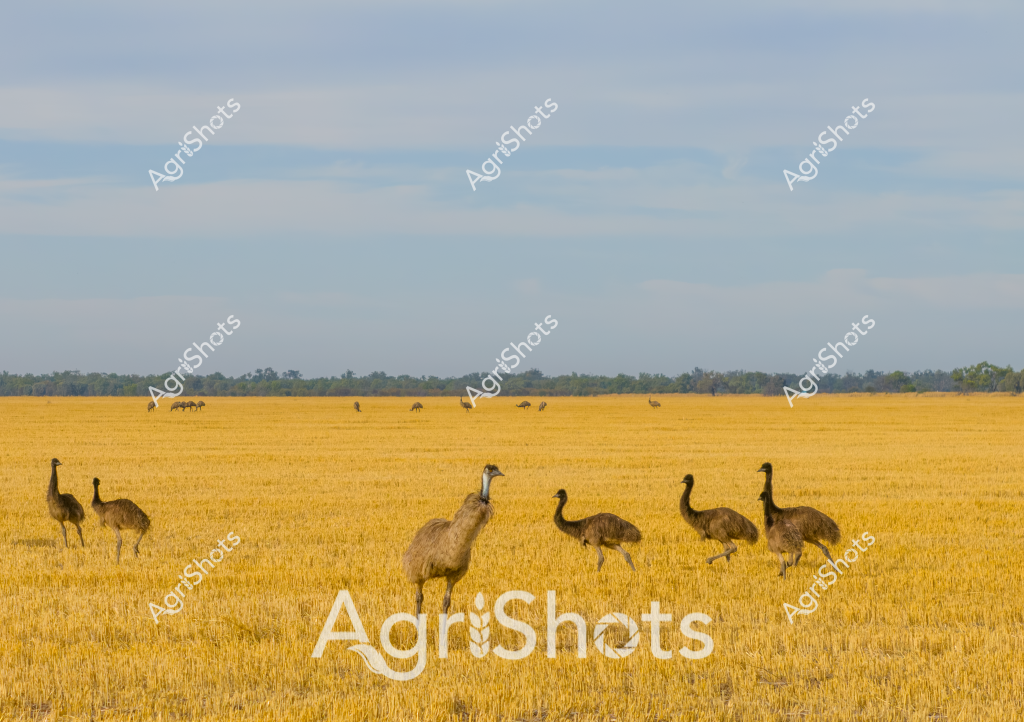
A stunning landscape showcasing a group of emus wandering through a golden wheat stubble field after harvest. The birds, with their distinctive long necks and brown feathered bodies, are scattered across the foreground and background of the image, standing among the short, uniform wheat stalks. The landscape stretches wide and flat, with a line of trees and vegetation marking the distant horizon under a soft, pale blue sky. These native Australian birds appear relaxed, some standing tall while others move casually across the harvested agricultural field, creating a quintessential rural Australian scene that captures the intersection of wildlife and farming landscapes. The rich yellow-gold color of the stubble field provides a striking contrast to the emus' earthy brown plumage, highlighting the beauty of Australia's agricultural regions during the post-harvest season.
 Image
Image
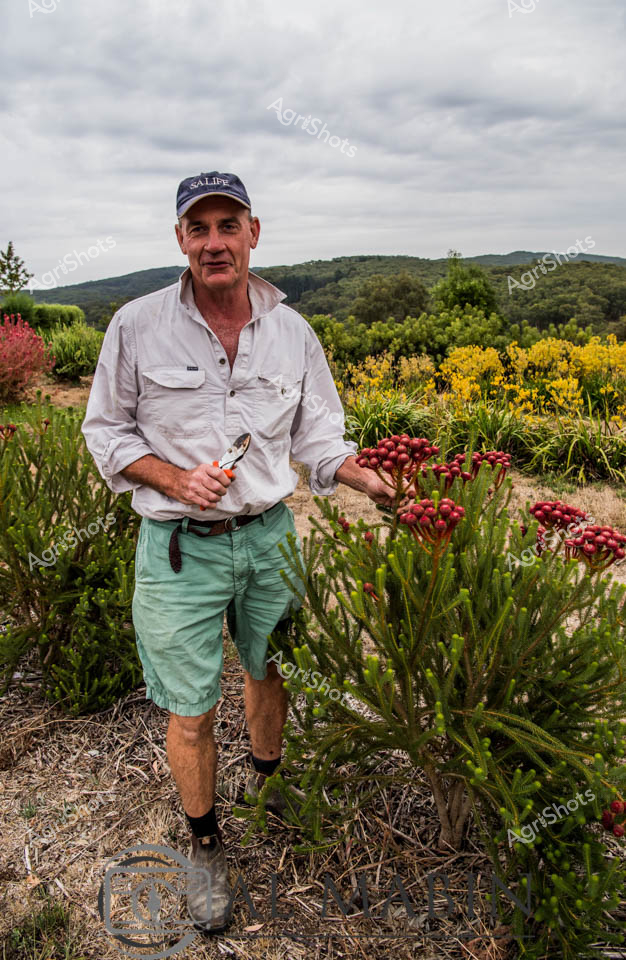
Seasoned horticulturist stands amid a vibrant native garden landscape, showcasing the rich biodiversity of South Australia. Wearing a crisp white button-up shirt, mint green shorts, and a branded cap, the experienced plantsman holds pruning tools, surrounded by striking red proteaceae flowers and yellow flowering shrubs. The overcast sky creates a soft, diffused light that illuminates the lush greenery and undulating forested hills in the background, highlighting the natural beauty of the region's flora. His confident stance and well-worn gardening attire suggest years of expertise in cultivating and maintaining native Australian plant species. The carefully curated garden demonstrates the intricate relationship between skilled horticulture and the preservation of indigenous plant life, with meticulously arranged native plants displaying their robust colors and unique structural forms. The composition captures the essence of South Australian botanical landscapes - resilient, diverse, and breathtakingly beautiful. Clusters of red flower heads contrast brilliantly with the verdant green foliage, creating a stunning visual tapestry that speaks to the region's unique ecological heritage.
 Image
Image
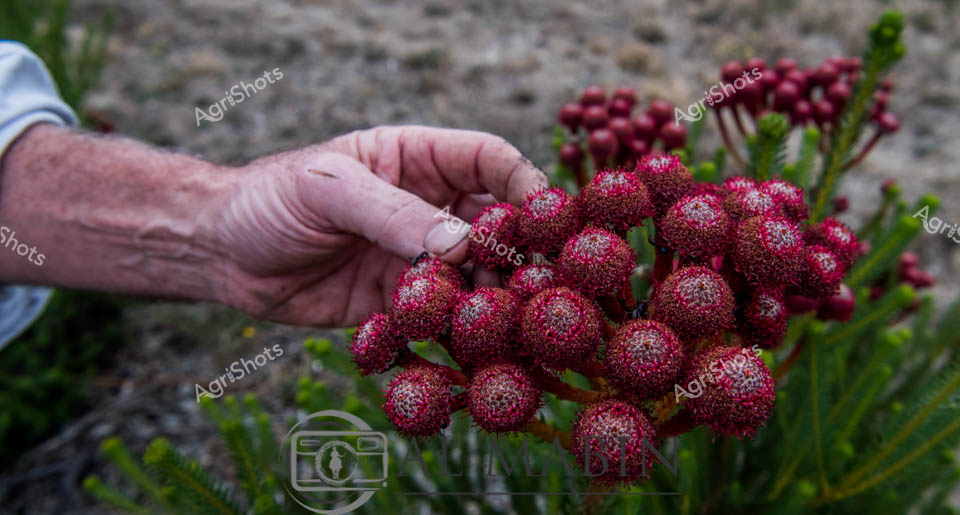
A close-up captures human hands gently examining vibrant red native flowers in South Australia. The detailed shot showcases the distinctive spherical blooms with their intricate texture and deep crimson coloration against green foliage. These Australian native flowers display their characteristic clustered formation, with multiple flower heads visible in the background creating a rich tapestry of color. The intimate perspective emphasizes the delicate interaction between person and plant, highlighting the natural beauty of South Australian flora.
 Image
Image
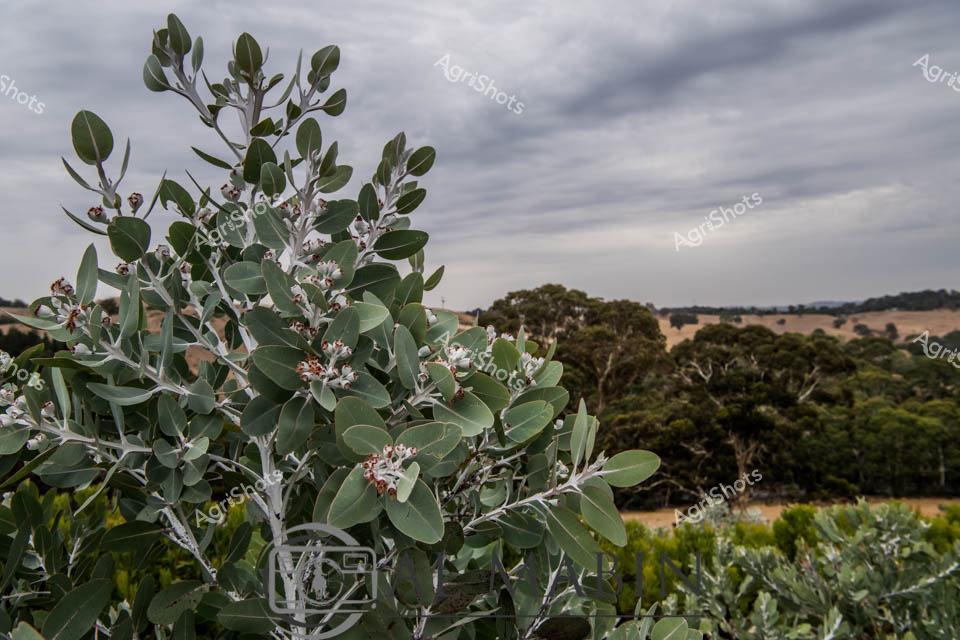
Silvery blue-green foliage of a mature native eucalyptus tree dominates the foreground, its distinctive oval leaves and delicate white blossoms capturing the rugged beauty of the South Australian landscape. Soft, overcast skies cast a muted light across a pastoral scene, where golden wheat fields blend seamlessly with scattered woodland areas in the background. The tree stands sentinel over a gently undulating rural terrain, its branches heavy with small clustered flowers typical of native Australian flora, representing the resilient vegetation that thrives in challenging agricultural environments. Subtle variations of green, from sage to deep forest, create a textural tapestry against the pale, weathered landscape, suggesting the robust nature of indigenous plant species that have adapted to survive in arid and semi-arid regions. The moody, diffused light emphasizes the quiet strength of the native vegetation, a hallmark of South Australian agricultural landscapes where natural ecosystems coexist with cultivated farmland. This image captures the essence of a typical SA rural vista - a harmonious blend of agricultural productivity and untamed natural beauty.
 Image
Image
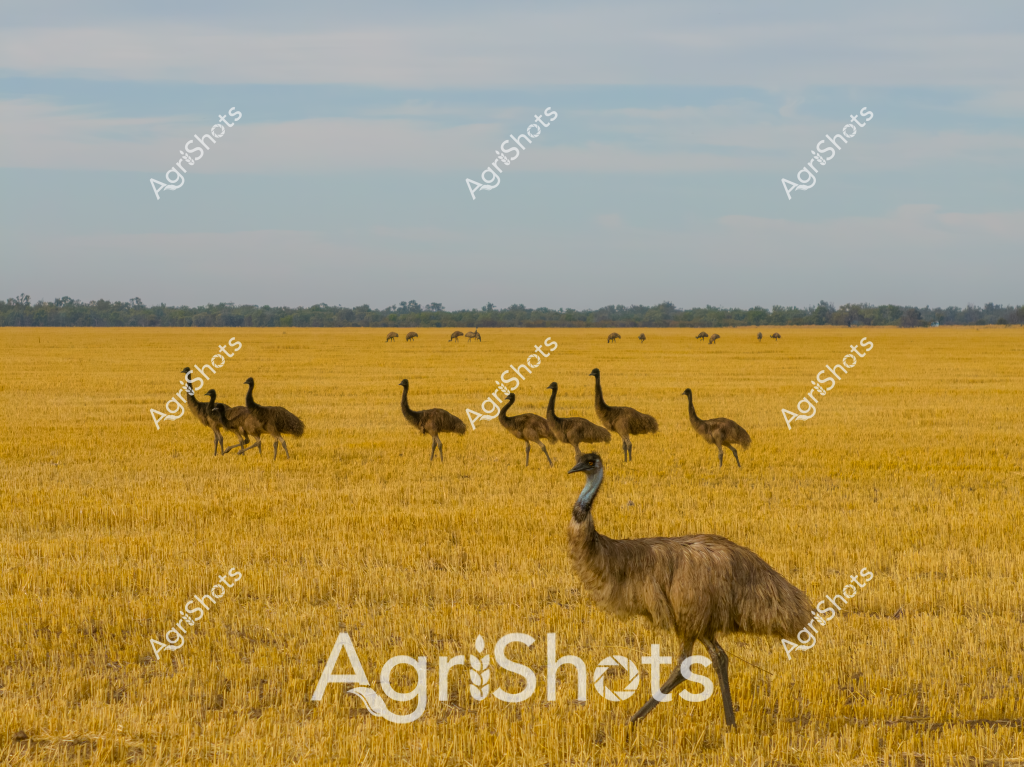
A flock of emus wander across a golden wheat stubble paddock, their distinctive long-legged silhouettes creating a striking scene against the harvest-ready landscape. The birds move in a loose group, with several individuals spread across the foreground and background of the expansive yellow field. Soft blue-gray skies create a muted backdrop to the warm-toned grassland, with distant tree lines marking the horizon. These native Australian birds appear relaxed, moving naturally through the post-harvest agricultural landscape, their brown-feathered bodies blending subtly with the dry stubble. The image captures a quintessential Australian rural scene, where wildlife and agricultural land intersect seamlessly. The wide-open paddock demonstrates the vast scale of Australian agricultural landscapes, with the emus moving freely across the recently harvested wheat field.
 Image
Image
Al Mabra Botanical Reserve unveils a serene Australian native landscape, showcasing the rich biodiversity of South Australia's coastal woodland regions. Verdant green shrubs and mature eucalyptus trees dominate the foreground, creating a tapestry of textured vegetation against a soft, clouded blue sky. Dry golden grasses interweave with vibrant green native plants, revealing the resilient ecosystem of a potentially semi-arid landscape. Winding dirt pathways meander through the vegetation, suggesting this is a managed conservation area or botanical research site, highlighting the delicate balance between preservation and scientific understanding of native flora. The landscape captures the subtle seasonal transitions characteristic of Australian native bushland, with areas of dense greenery contrasting against more sparse, weathered terrain.
 Image
Image
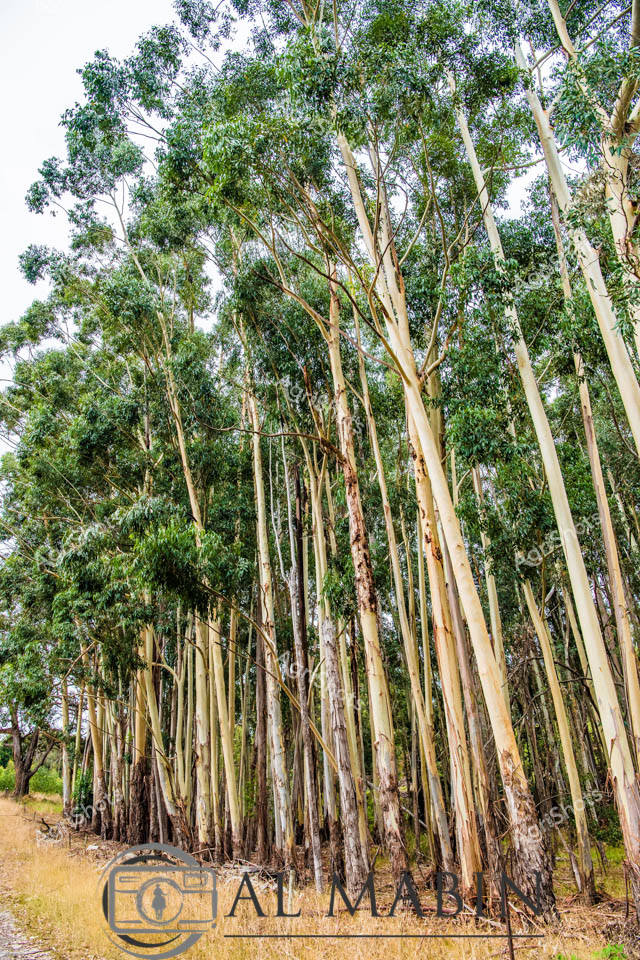
Towering blue gum eucalyptus trees create a majestic forest landscape in this stunning South Australian woodland scene. The tall, slender trunks rise vertically, displaying a remarkable palette of pale cream, soft gray, and muted tan bark that peels and strips in organic patterns. Dense green foliage crowns the trees, creating a lush canopy that filters soft light across the forest floor. A narrow dirt track winds between the trunks, suggesting this could be a managed forest or woodland area likely used for timber production or conservation. The trees stand in tight, parallel formation, their smooth bark gleaming with a subtle luminescence that highlights the natural beauty of Australian native forest ecosystems. This image captures the elegant structural qualities of eucalyptus trees, showcasing their architectural form and the subtle color variations that make these native Australian trees so visually compelling.
 Image
Image
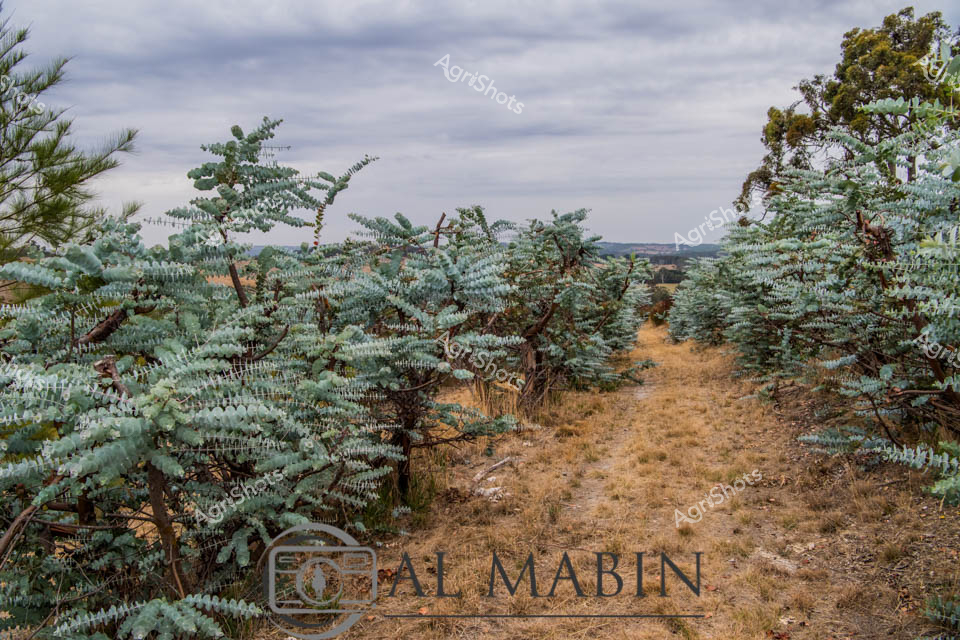
A winding dirt path cuts through native Australian bushland in South Australia, flanked by silvery-green native trees with distinctive feathery foliage. The natural trail meanders between drought-tolerant vegetation, creating a scenic corridor through the rural landscape under an overcast sky. Golden-brown grasses carpet the ground between the native plantings, while established trees provide natural windbreaks and habitat. This quintessential South Australian countryside scene showcases the region's resilient native flora adapting to the variable climate conditions of the agricultural landscape.
 Image
Image
A weathered hand delicately lifts a golden-orange honeycomb frame, its surface densely covered with native Australian stingless bees (Tetragonula carbonaria). The intricate mesh of the frame reveals a rich tapestry of dark bee bodies clustered across the honeycomb's hexagonal cells, reflecting the subtle winter light of Queensland's Lockyer Valley. This close-up captures the intimate process of honey harvesting from a traditional apiary, where the warm wooden hive box and pristine white collection container speak to the careful, generational craft of bee husbandry. The rich amber and deep brown tones of the honeycomb contrast beautifully with the fine details of the bees' tiny bodies, showcasing the delicate ecosystem of these crucial pollinators. Every movement speaks to the gentle expertise required in managing these native bee colonies, a practice that is both an art and a vital agricultural skill unique to Australia's diverse agricultural landscape. The image radiates a sense of quiet concentration and deep respect for these tiny, essential workers of the natural world.
 Image
Image
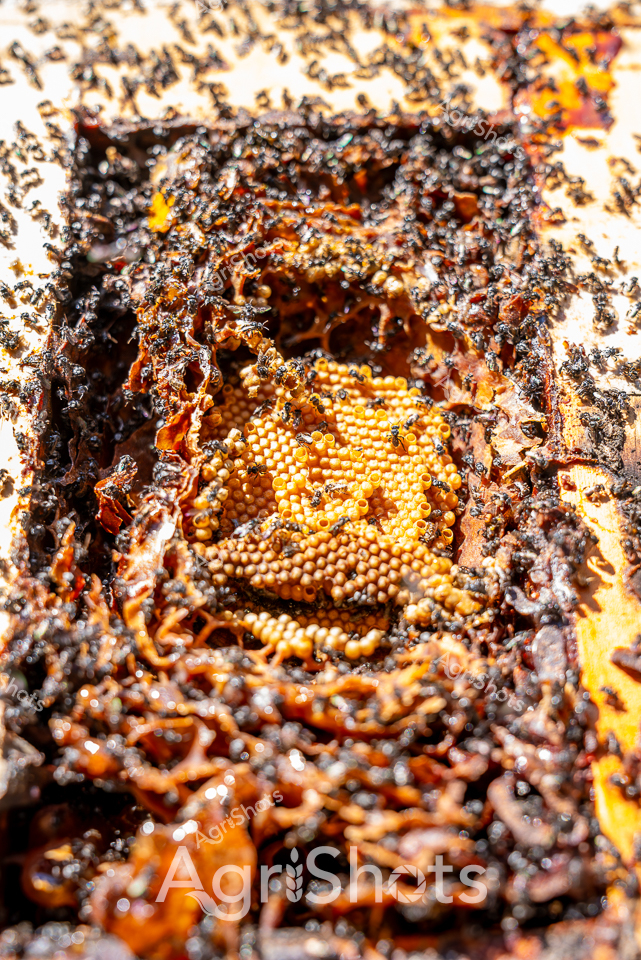
Stingless native bee honey glistens like liquid gold, nestled within the intricate honeycomb of a Trigona carbonaria hive. The close-up reveals the remarkable micro-architecture of an Australian native bee colony, capturing the rich amber and deep brown textures of their meticulously constructed home. Tiny black native bees have crafted an extraordinary nest structure, with perfectly formed hexagonal cells packed densely around a central golden honey reservoir. The organic, layered surfaces suggest the hive's location in the subtropical Lockyer Valley of Queensland, where these remarkable social insects thrive during the mild winter months. Each textured surface tells a story of collective labor, precision, and the sophisticated ecological networks that sustain Australian native bee populations. The image celebrates the intricate world of these essential pollinators, highlighting the delicate beauty of their miniature agricultural enterprise.
 Image
Image
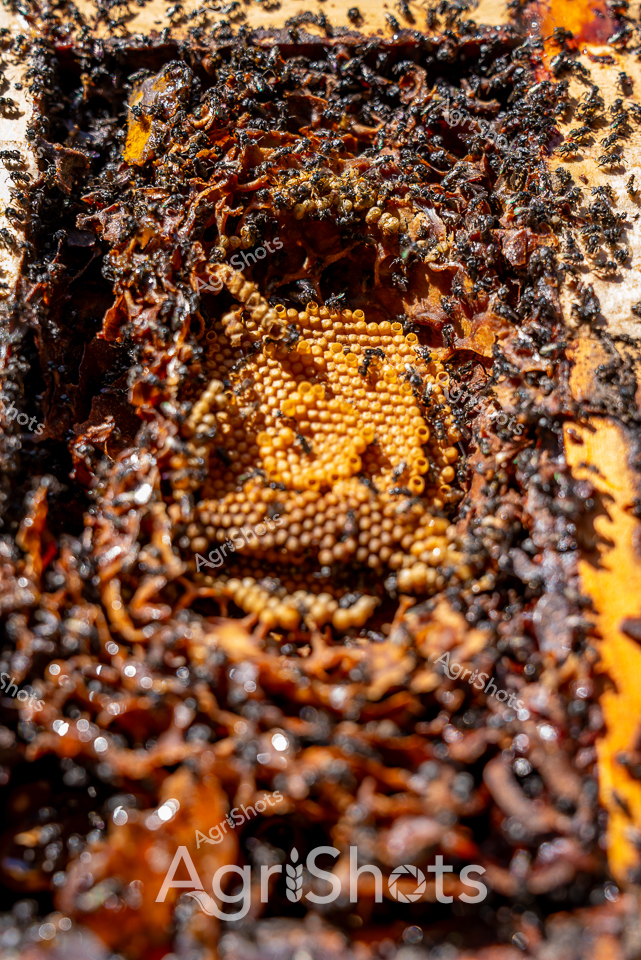
Golden honeycomb clusters nestle into a rich, dark landscape of propolis and amber-hued resin, revealing an intimate portrait of Australian native stingless bee (Tetragonula carbonaria) colony life. The intricate hexagonal wax structures shine like miniature golden pearls, contrasting dramatically against the deep brown and charcoal textures of the hive interior. Winter light filters across the organic, layered surfaces, highlighting the precise architectural complexity of these remarkable Queensland pollinators native to the Lockyer Valley region. Densely packed worker bees move in tight formations around their precious brood chambers, their collective industry representing the sophisticated social structure of these tiny agricultural partners. The macro perspective transforms the bee habitat into an almost abstract landscape, revealing the extraordinary precision and collective intelligence of these small but crucial ecosystem contributors. Each textured surface tells a story of survival, collaboration, and the delicate balance of subtropical Australian apiary environments.
 Image
Image
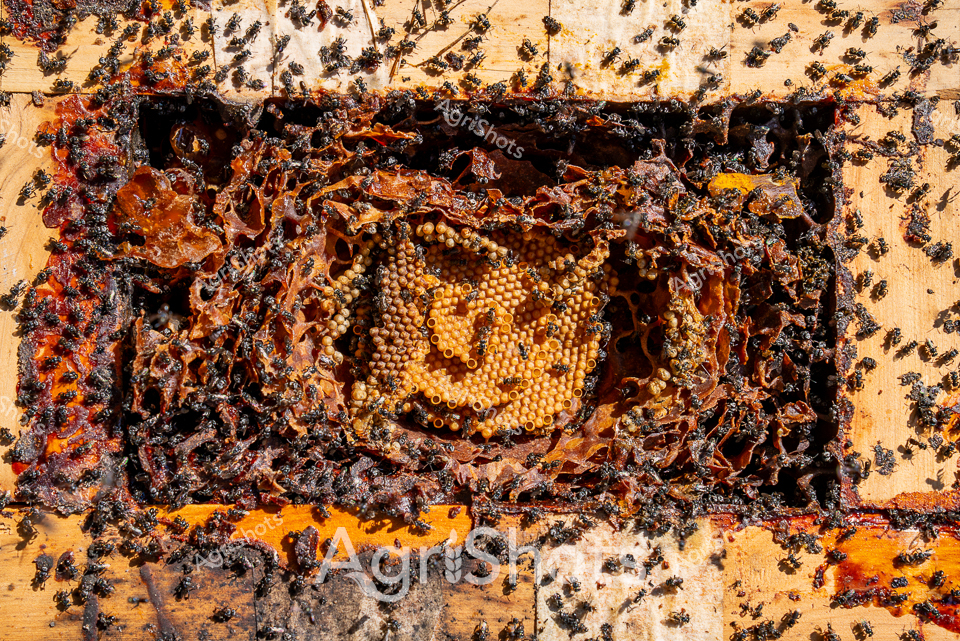
Swarming with life, this intimate portrait of a beehive reveals the intricate golden honeycomb nestled within a weathered wooden frame. Dozens of native Australian stingless bees cluster around the hexagonal wax structure, their tiny bodies creating a living, moving border against the aged timber. The rich amber and deep russet tones of honey and propolis contrast dramatically with the pale wood, capturing the raw, organic essence of apiary work in Queensland's Lockyer Valley during the crisp winter months. Delicate yet complex, the honeycomb's precise geometric patterns showcase the extraordinary engineering of these remarkable insects. Burnt orange and deep brown hues blend across the image, telling a story of natural production and the symbiotic relationship between bees and their carefully constructed home. Propolis—the dark, resinous substance bees use to seal and protect their hive—frames the central honeycomb like an intricate, natural artwork, highlighting the resilience and sophistication of these tiny agricultural workers. Each bee moves with purpose, a testament to the collective intelligence of the colony and the critical role these pollinators play in Australia's agricultural ecosystem. This close-up reveals the hidden world of stingless bee cultivation, a unique and important aspect of Queensland's diverse farming landscape.
 Image
Image
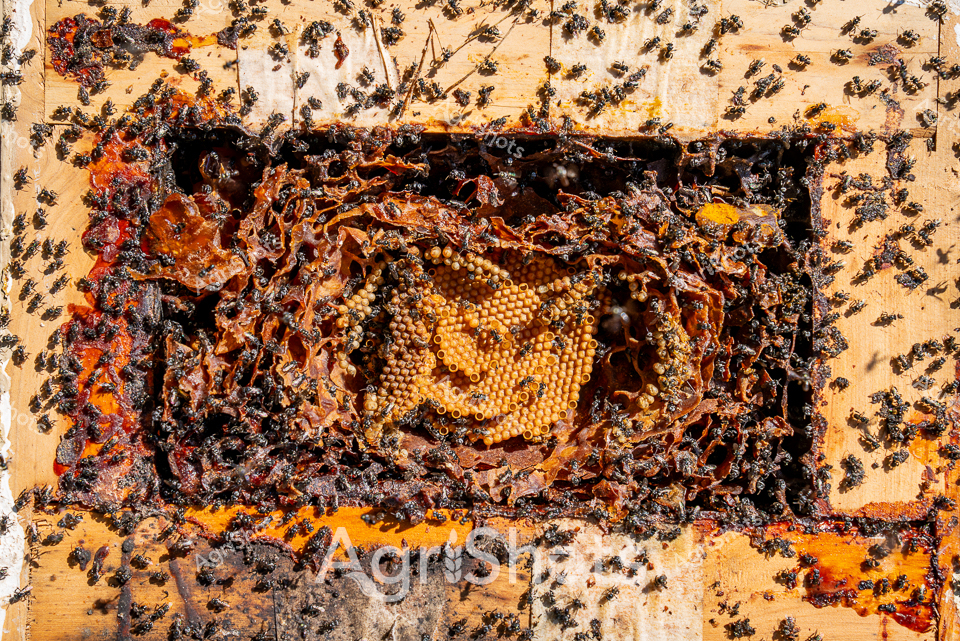
Golden honeycomb, rich with amber-hued honey, emerges from a densely populated hive teeming with native Australian stingless bees. The intricate hexagonal structure of the comb reveals layers of organic complexity, surrounded by clusters of tiny black bees moving with purposeful intensity across the weathered wooden surface. Warm ochre and burnt sienna tones dominate the image, capturing the raw texture of a winter apiary scene in Queensland's fertile Lockyer Valley region. Dark specks of bees blanket the edges of the frame, creating a living border around the central honeycomb that pulses with agricultural vitality. The close-up perspective offers an intimate glimpse into the sophisticated microarchitecture of a native bee colony, showcasing the delicate balance between insect industry and natural design. Sunlight catches the waxy golden cells, highlighting the remarkable precision and productivity of these small but essential pollinators in Australia's agricultural ecosystem.
 Image
Image
Nestled in the arid landscape of Queensland's Lockyer Valley, a beekeeper tends to a native Australian bee hive with meticulous care. Wearing sturdy work boots and protective khaki clothing, they carefully manipulate a golden-toned hive box, revealing the intricate world of stingless native bees. The ground is scattered with dried leaves and rocky debris, typical of the region's winter terrain, casting sharp shadows that highlight the delicate work being performed. Precision tools lie nearby - metal rulers and a small orange implement - suggesting a scientific approach to apiary management. The native bee colony, barely visible but hinted at by the clustered insects around the opened hive, represents a crucial component of Australia's agricultural ecosystem, these tiny pollinators playing a vital role in crop production and environmental balance. The scene captures the intersection of careful agricultural practice and the delicate natural world, showcasing the skill and dedication required in managing native bee populations in one of Queensland's most productive agricultural regions.
 Image
Image
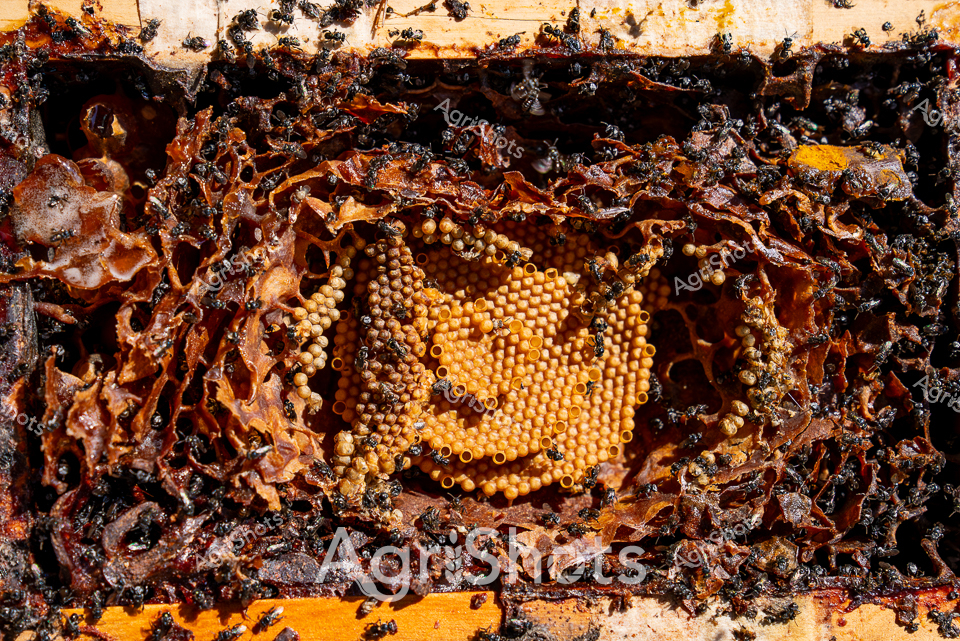
Honeycomb Harvest: A Detailed Beehive Cross-Section Golden amber honeycomb cells pulse with life, revealing the intricate inner workings of a thriving bee colony. Dense clusters of tiny native Australian bees coat the waxen architecture, their bodies moving across the hexagonal structures in a complex choreography of survival. Rich brown and burnt orange tones define the organic layers of the hive, with the pristine geometric precision of the honey storage cells contrasting against the rough, textured surrounding wax and propolis. Delicate spherical eggs nestle within the perfectly aligned cells, promising future generations of pollinators critical to agricultural ecosystems. This intimate cross-section captures the remarkable engineering of a bee colony during the crisp winter months of Queensland's Lockyer Valley, where agricultural biodiversity and native bee populations represent a crucial element of sustainable farming practices. The microscopic detail reveals a miniature world of remarkable order and productivity, highlighting the extraordinary complexity of these essential agricultural partners.
 Image
Image
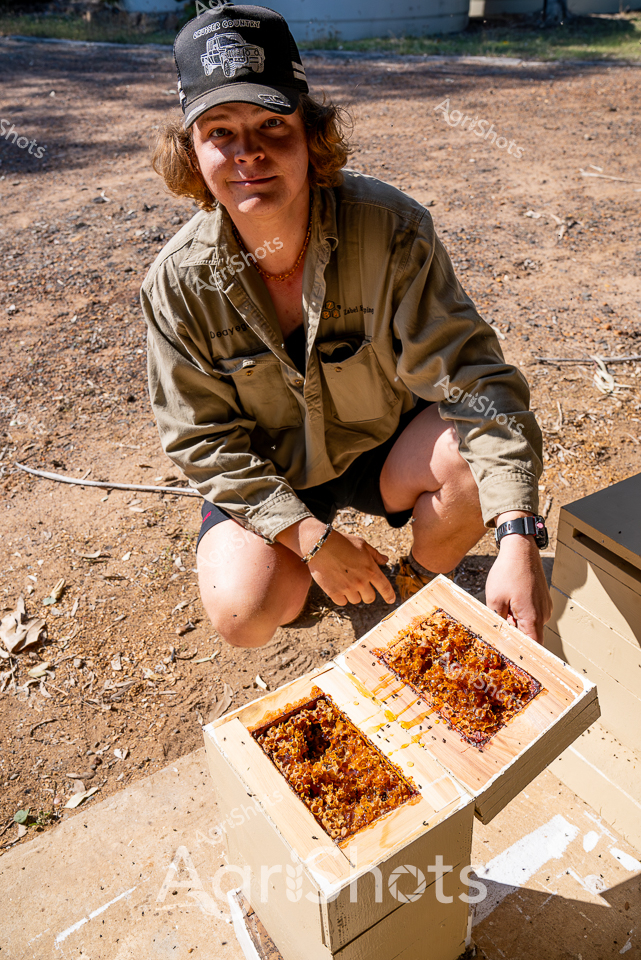
In the dappled winter sunlight of Queensland's Lockyer Valley, a careful apiarist tends to native bee hives, crouched low among scattered leaves and soft earth. Wearing an olive-green field jacket and a dark cap, the beekeeper delicately inspects two wooden hive boxes, their weathered surfaces holding intricate honeycomb structures teeming with Australian native bee colonies. Sturdy hiking boots anchor the scene, suggesting careful, deliberate movement around these delicate pollinators. The soft browns and muted greens of the surrounding landscape create a natural, intimate backdrop that highlights the precision of apiary management. Rustic wooden hive boxes, filled with golden-brown honeycomb and bustling with insects, represent the careful stewardship of these crucial agricultural workers. This image captures the quiet concentration and deep connection between a skilled beekeeper and the complex ecosystem of native Australian stingless bees, showcasing the nuanced art of sustainable honey production in the region's winter season.
 Image
Image
Crouched on the dusty ground of Queensland's Lockyer Valley, a beekeeper in a khaki work shirt and branded cap tends to native Australian bee hives. Two wooden honey frames sit open, revealing the rich golden-brown honeycomb within - a testament to the intricate work of local stingless bee species. The winter sunlight casts sharp shadows across the arid landscape, highlighting the textured surface of the ground and the careful positioning of the hives. This scene captures the precision and dedication of agricultural specialists working with native pollinators, showcasing the unique approach to apiary management in the Australian agricultural landscape. The beekeeper's attentive posture and specialized equipment demonstrate the careful science behind honey production and bee conservation. The image speaks to the resilience of both the bees and the agricultural workers who support these critical ecological partners.
 Image
Image
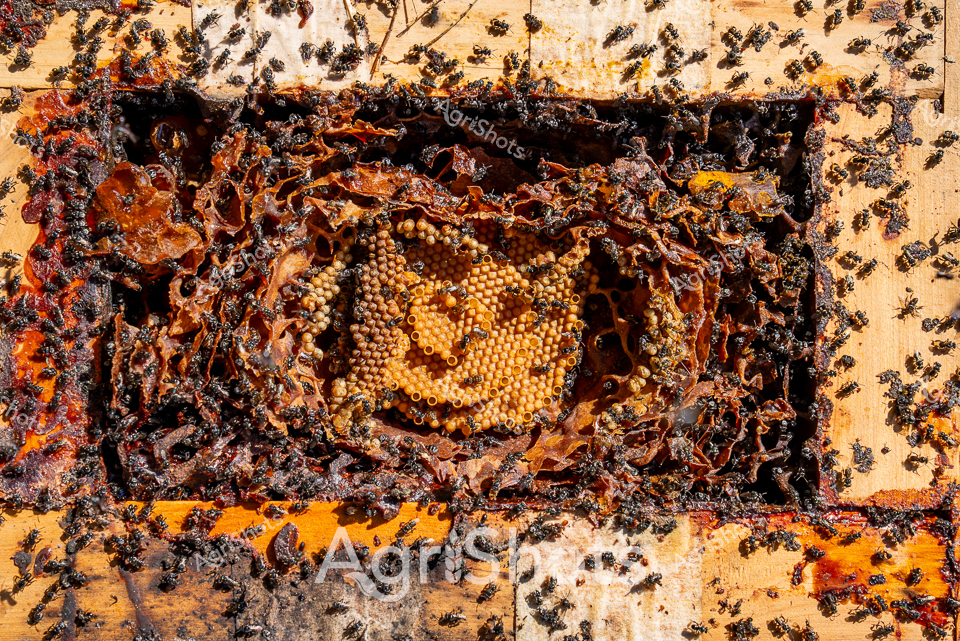
Honeycomb Harvest: Stingless Native Bee Colony Golden amber and charcoal textures reveal an extraordinary close-up of a native Australian stingless bee hive, captured in the winter light of Queensland's Lockyer Valley. The intricate honeycomb structure glows like burnished bronze, surrounded by intricate layers of propolis and wax, with hundreds of tiny dark native bee workers clustering across the wooden hive surface. Delicate hexagonal chambers pulse with the concentrated industry of Tetragonula carbonaria, Queensland's beloved native bee species, whose complex social structure and unique honey production represent an ancient agricultural tradition. Rich ochre and burnt sienna tones highlight the organic, almost sculptural quality of this microcosmic agricultural ecosystem, where each bee contributes to a remarkable collective endeavor. The dense, textured margins of the hive showcase the bees' remarkable architectural skills, building resilient structures that protect their queen and sustain their colony through the cooler winter months of subtropical Queensland.
 Image
Image
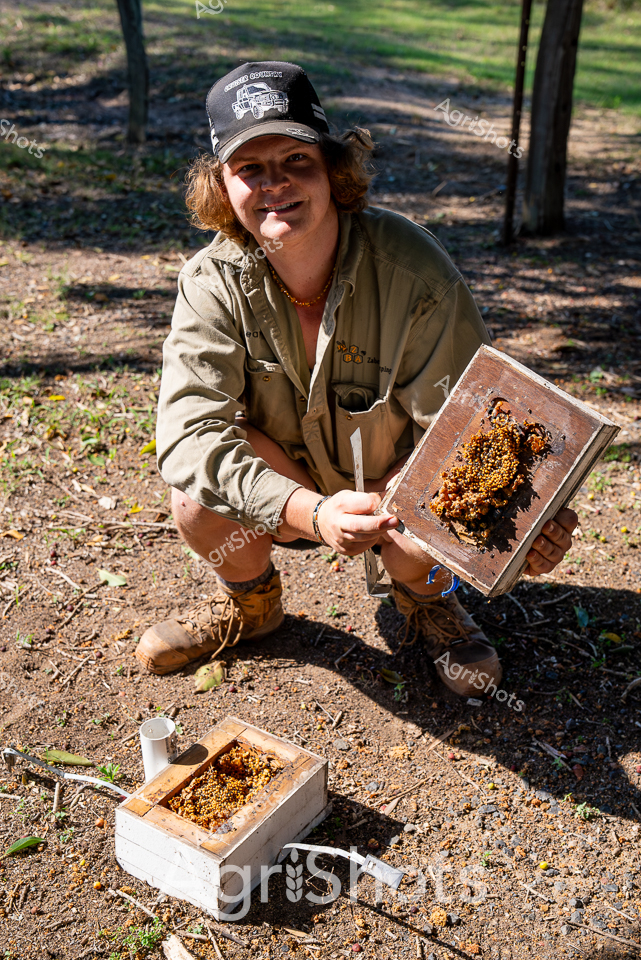
Queensland Apiarist Nurturing Native Bee Ecosystem A dedicated apiarist crouches in the dappled winter sunlight of the Lockyer Valley, carefully examining a native bee colony nestled within a wooden hive frame. Dressed in a khaki work shirt and sturdy boots, she wears a branded cap that speaks to her professional connection with agricultural ecosystems. The ground beneath her is a textured canvas of dry earth and scattered leaves, typical of the region's winter landscape. Two wooden hive boxes rest on the ground, revealing the intricate golden-brown honeycomb structures teeming with native Australian stingless bees. Her gentle smile and careful handling demonstrate the nuanced skill required in managing these critical pollinators, whose role in agricultural sustainability is paramount. The soft shadows of nearby trees create a natural backdrop, highlighting the delicate relationship between human stewardship and the intricate world of these tiny agricultural partners.