Browse the collection
 Image
A black and tan dog, likely a Rottweiler breed, lies resting on a pale floor in a soft, subdued indoor environment. The dog appears relaxed and calm, with its muscular body stretched out and head lowered, displaying a peaceful demeanor. Its thick black coat with rich tan markings covers a powerful frame, characteristic of the breed's strong and protective nature. Soft, diffused lighting highlights the dog's sleek fur and muscular physique, creating a serene and intimate portrait of canine tranquility. The dog's posture suggests a sense of security and comfort in its home environment, with paws outstretched and eyes partially closed in a state of quiet repose.
 Image
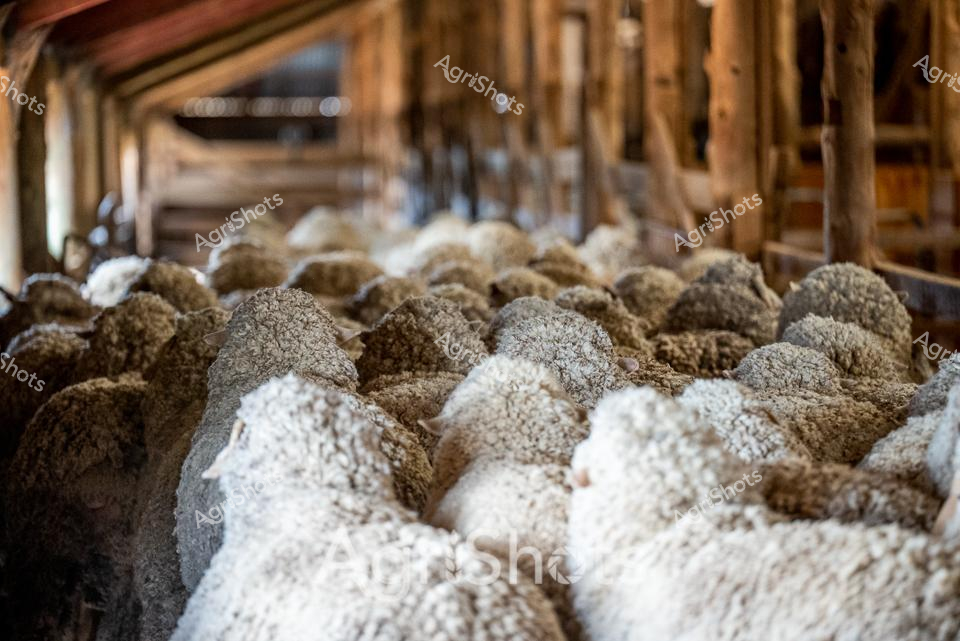
Tightly packed Merino sheep huddle together in a weathered timber woolshed, their dense fleeces a tapestry of earthy greys and pristine whites. The rugged wooden interior speaks of generations of pastoral history, with worn timber posts and soft light filtering through gaps in the walls, casting a warm, golden glow across the flock. These prized wool-producing sheep demonstrate the hallmark characteristics of the renowned Merino breed - compact bodies covered in thick, tightly-curled wool that speaks to the resilience of Australian agricultural traditions. The rich textures of their fleeces suggest they are awaiting shearing, a critical moment in the annual cycle of wool production that has been the economic backbone of many rural communities across New South Wales. Soft shadows and the close proximity of the sheep create an intimate atmosphere, capturing the quiet anticipation of the woolshed - a space where agricultural skill, animal husbandry, and generational farming knowledge converge in a quintessential Australian rural scene.
 Image
Muscled shearers bend intently over lanolin-rich Merino sheep, their practiced hands moving swiftly across woolly bodies in the warm, timber-lined woolshed. Suspended electric shears swing from overhead supports, casting soft shadows across the wooden floor strewn with dense fleeces. Muscular workers in blue, green, and black athletic tops move with synchronized rhythm, each focused on removing the thick winter coat from powerful sheep positioned between their legs. Fans mounted on wooden walls circulate air thick with the earthy scent of wool and livestock, creating a sense of industrious concentration in this quintessential Australian agricultural workspace. The golden wood paneling and mechanical equipment reflect generations of pastoral craft, where skill, strength, and efficiency combine to harvest one of Australia's most valuable agricultural commodities. Each precise movement tells a story of rural expertise, connecting contemporary farming practice with a deep agricultural heritage.
 Image
Crisp autumn light filters through coastal pine trees as Merino ewes cluster tightly in rustic steel livestock yards. A seasoned station hand in a navy blue shirt and charcoal vest surveys the flock, his weathered hat casting a shadow across the rich ochre earth. The woolly sheep - prized Merinos with dense, tightly-curled fleeces - stand clustered together, their creamy white wool a striking contrast against the reddish-brown paddock soil and rust-toned metal yards. Another worker in a wide-brimmed sun hat observes from a different angle, suggesting this is a careful assessment of the flock's condition, perhaps preparing for shearing or a stock management decision. The scene captures the quintessential Australian pastoral landscape - a moment of quiet concentration where generations of agricultural expertise meet the timeless rhythms of livestock farming. Soft breezes stir the surrounding trees, highlighting the calm, purposeful atmosphere of rural station life in regional New South Wales.
 Image
Merino wool grower watches over a tight cluster of pure-bred sheep in a rustic livestock yard near a weathered steel shed. The workers' pale straw-colored wide-brimmed hat contrasts against the dusty terracotta-hued earth, while mature Merino sheep huddle together, their dense fleece ranging from creamy white to soft gray. Rural eucalyptus trees frame the background, suggesting an expansive pastoral landscape in inland New South Wales. A quiet concentration emanates from the scene - a timeless moment of agricultural vigilance where generations of pastoral knowledge are distilled into patient observation. The wooden livestock yards, robust metal fencing, and compact sheep paddock speak to generations of careful stock management. This image captures the essence of Australian sheep farming - a delicate choreography of human skill and animal husbandry set against the unforgiving yet beautiful agricultural landscape.
 Image
Merino sheep cluster tightly in a sandy-floored livestock yard, their dense, ivory-white fleeces creating a unified mass of curling wool. A working dog circles the periphery, its dark coat a sharp contrast against the pale sheep and reddish-brown earth. Two station hands wearing wide-brimmed sun hats - one in a cream jacket, the other in navy - observe from the wooden yard rails, their posture suggesting decades of accumulated pastoral knowledge. A third worker in a blue vest stands near the gate, watching the subtle choreography of animal movement and canine herding. Mature trees frame the background, their deep green foliage softening the corrugated iron shed and wooden fence lines. This is quintessential Australian sheep station infrastructure - functional, robust, designed to withstand harsh rural conditions. The scene captures a moment of controlled precision: dog, humans, and sheep engaged in the timeless rhythms of livestock management, where generations of breeding and training converge in a single, practiced interaction. The soft overcast light suggests early morning, a cool time for stock work before the intensity of midday heat descends on the New South Wales pastoral landscape.
 Image
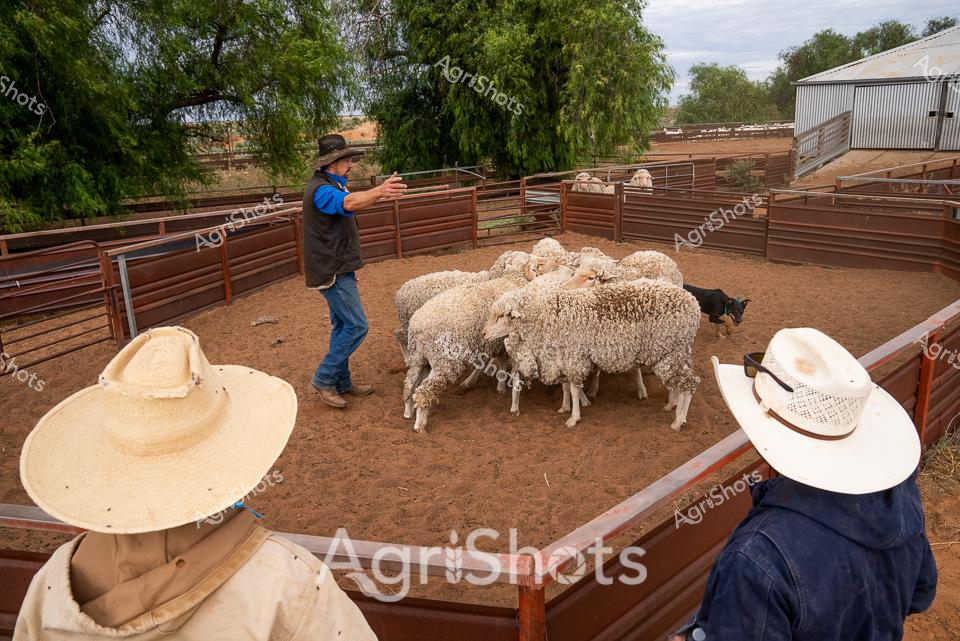
Merino wool producers orchestrate a precise sheep herding demonstration in a dusty rural paddock, showcasing traditional livestock management skills. A blue-shirted stockman directs a tight cluster of woolly Merino sheep within sturdy wooden yards, using subtle hand gestures and body language to control the flock's movement. Two experienced station hands wearing wide-brimmed protective sun hats observe from the yard's perimeter, their stance reflecting generations of agricultural expertise. The rustic stockyard, surrounded by drought-tolerant trees and a corrugated iron shed, epitomizes the resilient landscape of rural New South Wales. Tightly packed sheep display the dense, crimped fleece characteristic of premium Merino wool production - their cream and tan fleeces a testament to careful breeding and agricultural husbandry. The scene captures the nuanced interaction between skilled handlers and livestock, highlighting the intricate communication and respect fundamental to Australian pastoral traditions.
 Image
Merino sheep cluster in a rusty-red earthen yard, their dense, creamy fleece standing out against the rich soil and weathered timber fencing. A station hand in a vivid blue shirt and dark vest moves purposefully across the paddock, his wide-brimmed sun hat casting a protective shadow as he surveys the flock. Mature pepper trees provide a soft green backdrop to the rural scene, their drooping branches offering a hint of shade in what appears to be a warm, overcast day typical of inland New South Wales. The corrugated iron shearing shed stands sentinel, a classic piece of Australian agricultural infrastructure weathered by decades of pastoral life. The sheep, prized Merino stock, showcase the robust breeding and careful management central to Australia's wool industry - their thick, uniform fleece a testament to generations of selective farming. This image captures the quiet intensity of station life, where every movement is deliberate and every animal is a valuable asset in the challenging landscape of the Australian outback.
 Image
Merino sheep cluster tightly in a rustic livestock yard, their dense, creamy-white fleece forming a textured mass against the red earth of a rural Australian station. A station hand in a blue shirt and dark vest moves deliberately among the flock, guiding and assessing the animals with practiced expertise. Weathered wooden fencing and corrugated iron sheds frame the scene, while willow trees provide soft green backdrop under an overcast sky. Two other workers wearing wide-brimmed hats observe from the yard's edges, their postures suggesting years of accumulated agricultural knowledge. The sheep - classic Merino breed with their characteristic woolly covering - stand grouped and alert, representing the backbone of Australian pastoral agriculture. Rich earthy tones of brown, blue, and cream create a quintessential rural landscape that speaks to generations of livestock management and the intricate relationship between farmers and their animals.
 Image
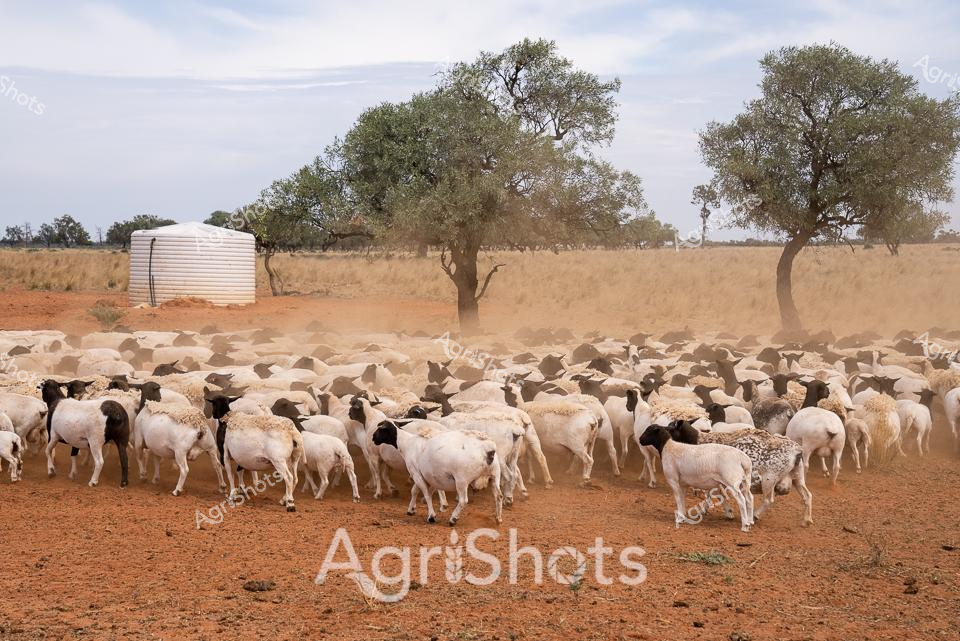
Dorper sheep cluster across the dusty ochre paddock, their white bodies with distinctive black heads creating a living mosaic against the rust-red earth. Sparse olive-grey gum trees punctuate the landscape, offering minimal shade beneath an overcast sky typical of the Murray Region in late winter. A weathered water tank stands sentinel, a crucial infrastructure element on this expansive station, supporting livestock through the challenging dry season. The flock moves with a quiet, purposeful energy - hardy Dorper breeding showing in their robust frames, perfectly adapted to Australia's harsh inland environments. Fine bulldust rises in subtle clouds around their hooves, illustrating the arid conditions of this New South Wales agricultural landscape. The scene captures the resilience of pastoral farming: animals, landscape, and essential infrastructure working in delicate harmony under the vast, muted Australian sky.
 Image
Merino sheep cluster within a rustic circular yard, their dense, creamy fleece contrasting against the rich terracotta earth of an Australian pastoral landscape. A seasoned stockhand directs the flock with practiced movements, supported by a vigilant working dog wearing a bright blue collar. Weathered timber yards and a corrugated iron shed frame the scene, while mature willow trees provide a verdant backdrop under a soft, overcast sky typical of sheep country in New South Wales. Two additional workers, wearing classic wide-brimmed agricultural hats in cream and beige, observe from the yard's perimeter, their stance reflecting generations of pastoral knowledge. The black working dog moves with precise, controlled energy, demonstrating the critical role of canine partners in managing livestock. This image captures the intricate choreography of stock management - a delicate balance of human skill, animal intuition, and carefully designed infrastructure that defines Australian agricultural practice. The scene pulses with quiet concentration, showcasing the understated expertise of rural professionals who maintain one of Australia's most significant agricultural traditions: fine wool production.
 Image
Merino sheep huddle tightly in rustic wooden yards, their dense fleece gleaming with the soft silver-white characteristic of premium wool-producing bloodlines. A station hand in a blue jacket and dark vest stands attentively, his weathered hat suggesting decades of pastoral experience, watching over the flock with practiced concentration. The rich brown earth of the yard contrasts against lush green trees in the background, revealing a classic Australian agricultural landscape typical of New South Wales stations. A straw-colored wide-brimmed hat rests prominently in the foreground, a quintessential piece of rural workwear that speaks to protection from harsh sunlight and generations of farming tradition. A working dog rests quietly in the background, ready to assist with livestock management at a moment's notice. The scene captures the quiet intensity of sheep farming - a delicate balance of human skill, animal husbandry, and connection to the land that defines Australia's agricultural heritage.
 Image
Merino sheep huddle tightly in a rustic wooden yard, their dense, creamy wool creating a textural landscape of curls and waves. A station hand in a blue shirt and dark vest stands attentively beside the pen, while another worker in a broad-brimmed sun hat surveys the flock from a slight distance. A working dog rests quietly on the reddish-brown earth, ready to assist if needed, embodying the practiced choreography of rural livestock management. Weeping willow trees frame the background, their drooping branches casting dappled shade over the yard, suggesting a warm day in rural New South Wales. The scene captures the essence of Australian pastoral life - a careful, generations-old dance of human, animal, and landscape, where skill and quiet concentration manage the movement and care of valuable merino livestock. The weathered yards, the clustered sheep, and the watchful workers represent a timeless moment in agricultural practice, where tradition and expertise combine in the subtle art of livestock handling.
 Image
Merino ewes cluster tightly in a rustic livestock yard, their dense, creamy fleece offering a textural contrast to the rich terracotta-colored earth. A station hand wearing a classic wide-brimmed Australian sun hat observes the flock from behind, embodying the quiet vigilance of pastoral life. Mature weeping willow trees frame the scene, providing gentle green shadows against the arid backdrop, suggesting this is a carefully managed agricultural landscape in rural New South Wales. The wooden rail yards and carefully arranged pens speak to generations of livestock management expertise, with the tight grouping of sheep indicating an experienced handler's skill. The muted palette of beige, brown, and soft whites creates a timeless agricultural tableau that captures the essence of Australian sheep farming - a delicate balance of human intervention and natural livestock behavior. This image resonates with the deep traditions of Australian pastoral life, where skilled workers like tthe station hand maintain centuries-old practices of sheep husbandry. The scene communicates a sense of calm purpose, showcasing the nuanced relationship between farmer and flock in an unforgiving rural environment.
 Image
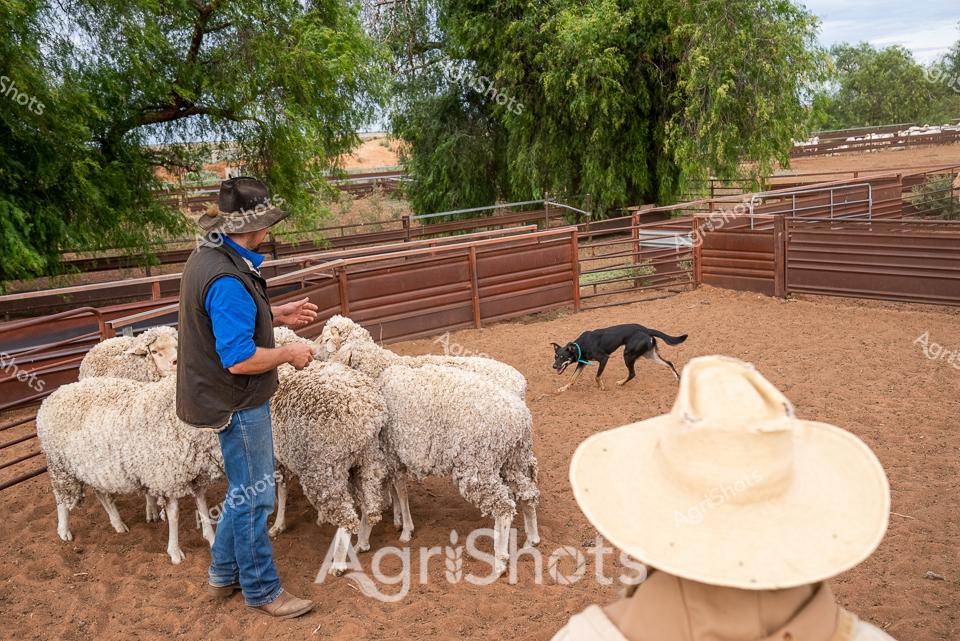
Dusty merino sheep cluster together in a rustic livestock yard, their dense, creamy-white fleeces contrasting against the rich terracotta-colored earth. A station hand in a blue shirt and grey vest carefully manages the small flock, his movements deliberate and calm. A working dog, sleek and attentive in black, circles the periphery of the yard, ready to assist with precision and skill. Weathered wooden yards and gnarled willow trees frame the scene, suggesting a classic Australian pastoral landscape in the dry inland regions of New South Wales. The soft light and muted tones hint at early morning or late afternoon, when stock work is typically conducted to avoid the intense midday heat. A broad-brimmed hat worn by another worker in the foreground emphasizes the quintessential rural Australian aesthetic, highlighting the enduring connection between humans, animals, and the challenging agricultural landscape.
 Image
Sun-drenched sheep yards in rural New South Wales cradle a quintessential Australian agricultural moment. A station hand in blue and grey stands with muscular Merino sheep in a rustic wooden-railed enclosure, the rich terracotta-colored earth contrasting with verdant trees in the background. A wide-brimmed straw hat dominates the foreground, suggesting protection from the intense outback sunlight, while hinting at the careful livestock management underway. The pristine white fleece of the Merinos reflects the breed's prized status in Australian wool production, their dense, uniform coats a testament to generations of careful breeding. The scene captures the quiet concentration of farm work - a solitary figure moving among docile sheep, representing the enduring connection between pastoral workers and the livestock. Every element speaks to the resilience and skill of Australian agricultural workers, who manage complex ecosystems with understated expertise under challenging environmental conditions.
 Image
Australian wool production comes alive in this dynamic shearing shed, capturing the rhythmic precision of skilled shearers working with fine Merino sheep. Multiple workers in vibrant workwear - blue, green, and pink tops - bend carefully over woolly sheep, efficiently removing fleeces in a wooden-walled shed lined with industrial fans and shearing equipment. The wooden floor catches discarded wool fragments, while the structured lighting highlights the physical labor of this quintessential rural task. Each shearer moves with practiced technique, managing the substantial woolly bodies with strength and care, representing generations of agricultural expertise. Large mechanical fans circulate air, suggesting the physical intensity of the work, while the uniform wooden walls create a disciplined, functional workspace typical of Australian pastoral operations. The scene pulses with agricultural heritage, showcasing the meticulous process of transforming raw wool from living sheep to a valuable textile commodity.
 Image
Dusty red earth stretches beneath overcast skies at a sprawling sheep station in New South Wales, where a lone stockman navigates a dirt track on a dirt bike, herding a massive flock of Merino sheep. The dense woolly mob congregates tightly within a fenced paddock, their cream-colored fleeces creating a uniform sea against the ochre landscape. Wearing a vibrant pink top that stands out against the muted rural backdrop, the rider skillfully maneuvers the motorcycle, using the machine to guide and control the livestock's movement. Sparse trees and farm infrastructure punctuate the horizon, with sheds and yards visible in the background, testament to the sophisticated agricultural operations of modern Australian pastoral enterprises. The scene captures the quintessential Australian rural workflow - where technology and traditional livestock management techniques merge seamlessly across vast, arid landscapes. This image embodies the resilience, skill, and technological adaptability of contemporary Australian sheep farming.
 Image
Merino sheep await their annual fleece harvest in a traditional woolshed, the heart of pastoral activity in rural New South Wales. Skilled shearers bend and work with practiced precision, using specialized hand shears to remove the dense, cream-white fleece from each sheep. The wooden interior resonates with agricultural heritage - weathered timber walls lined with industrial fans and work equipment create a functional workspace bathed in warm ambient light. A shearer in a pink top and another in a grey shirt methodically move along the wooden floor, their bodies angled and muscles tensed with the physical rhythm of generations of wool production. Scattered fleeces pool around their feet, a soft cascade of pure white wool highlighting the tactile and textural nature of this quintessential Australian agricultural process. The scene captures the intense concentration and physical skill required in sheep farming, embodying the resilience and expertise of rural workers who form the backbone of Australia's wool industry.
 Image
Merino woolcraft unfolds in a rustic paddock, where a skilled sheep handler guides a tight mob of dense, silvery-fleeced merinos through a controlled yard. A keen working dog circles with precision, ready to support the handler's subtle movements and commands. Dressed in classic rural workwear - blue shirt, denim jeans, and a black vest - the handler stands confidently amid the reddish-brown earth of the stock yards, framed by weathered metal gates and towering willow trees offering dappled shade. The scene captures the intricate dance of livestock management, where human and canine work in silent collaboration to move and manage the valuable merino flock. A wide-brimmed agricultural hat in the foreground suggests multiple hands are involved in this day's work, highlighting the collaborative nature of station life. The image breathes with the quiet intensity of Australian pastoral operations, where generations of skill and understanding between humans, dogs, and livestock create a harmonious agricultural ecosystem.
 Image
A lone rider on a dirt bike cuts a vibrant figure against the dusty paddock, guiding a dense flock of Merino sheep through the dry pastoral landscape of rural New South Wales. Wearing a bright pink top and wide-brimmed hat, the stockman navigates the motorcycle deftly among hundreds of woolly sheep, kicking up a cloud of ochre dust that softens the background of distant farm buildings and scattered trees. The overcast sky provides a muted blue-grey canvas, highlighting the earthy tones of the landscape and creating a sense of expansive Australian agricultural terrain. Merino sheep crowd tightly together, their uniform fleece creating a textured mass of movement and energy, while the motorcycle represents the modern intersection of traditional farming techniques and contemporary agricultural practices. This dynamic scene captures the essence of station life - the skill of mustering, the vastness of the landscape, and the resilience of those who work the land. The image embodies the spirit of Australian rural life: practical, robust, and intimately connected to the environment.
 Image
A dusty outback landscape comes alive with the movement of a large flock of mixed-breed sheep - predominantly white with scattered dark-colored animals - clustered around a concrete water trough. A vigilant working dog stands guard near the trough, its black coat contrasting sharply with the rich terracotta-red earth and sparse golden grasslands. Sparse mulga trees dot the horizon, creating a classic Australian pastoral scene that speaks to the resilience of livestock farming in challenging arid conditions. The concrete water infrastructure, weathered and essential, provides critical hydration for the herd, highlighting the careful management required to sustain agriculture in this unforgiving environment. Midday sunlight casts minimal shadows, suggesting the intense heat of a typical inland summer day, where water becomes the lifeblood of both animals and agricultural operations. The precise arrangement of the flock and the attentive dog reveal the intricate choreography of livestock management in remote Australian rangelands.
 Image
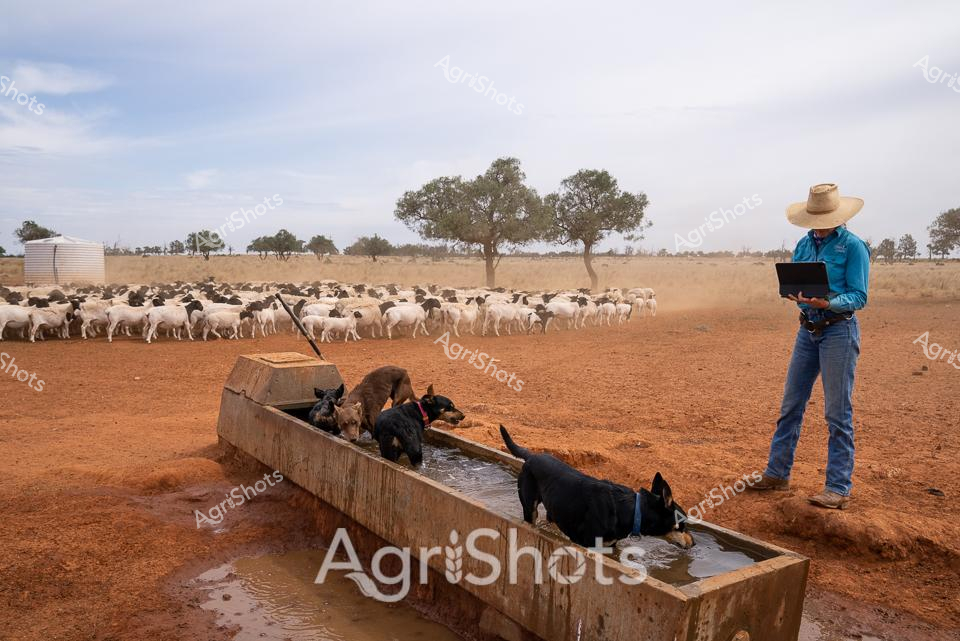
Australian sheep station in the Murray Region of New South Wales: A classic rural landscape where modern technology meets traditional farming. A station hand in a crisp blue long-sleeved shirt and wide-brimmed sun hat stands alongside a water trough, holding an iPad while managing a sizeable flock of Dorper sheep. The dusty red earth and sparse grey-green trees define the arid background, with a herd of white and black Dorper sheep grazing across the paddock. Working dogs drink from the concrete water trough, cooling themselves during what appears to be a warm, overcast day. The scene captures the intersection of agricultural tradition and digital innovation - a lone worker using technology to monitor and manage livestock across a vast, challenging Australian pastoral landscape. Sparse trees and a water tank in the distance emphasize the remote, challenging environment where modern farmers leverage both traditional skills and contemporary tools to work the land.
 Image
Beneath an expansive grey sky, a station hand surveys a sprawling flock of Dorper sheep across the rust-colored earth of the Murray Region in New South Wales. The landscape is sparse yet vital - scattered gum trees punctuate the dusty horizon, while dozens of white and brown Dorper sheep mill and move across the arid paddock. Her stance speaks of generations of pastoral knowledge, a connection to the land that runs deeper than the cracked soil beneath her boots. The scene captures the essence of Australian agricultural resilience - a lone figure monitoring the flock against a landscape that demands strength and patience. The soft light and muted palette suggest early morning or late afternoon, a liminal time when the day's heat has not yet fully asserted itself, and the rhythms of station life continue their timeless cycle.