Browse the collection
 Image
Towering Cyclone grain silos rise from the expansive, sun-bleached plains of rural New South Wales, their gleaming silver surfaces catching the soft light beneath a canvas of pewter and pearl clouds. The meticulously engineered storage structures stand sentinel over the recently harvested wheat fields, their corrugated metal skin reflecting the harsh agricultural landscape surrounding them. Precise external ladders climb each cylindrical tower, offering access for maintenance and grain monitoring, while a green mobile conveyor sits ready to transfer the season's precious harvest. The ground around the silos is bare and dusty, a testament to the arid conditions of this agricultural heartland, with distant treelines and faint horizons suggesting the vast, uninterrupted breadth of the Australian wheat belt. These Cyclone silos represent the pinnacle of modern agricultural infrastructure - robust, efficient, and designed to protect and preserve the critical grain yields that underpin regional economic survival. The scene captures the intersection of engineering, agriculture, and landscape - a quintessential image of Australian rural productivity and resilience.
 Image
Broad-shouldered farmers survey a herd of rich, coal-black Angus cattle within meticulously arranged steel livestock yards. The robust steel fencing creates a geometric framework around the earthy ground, casting subtle shadows in the late morning sunlight of New England's high country. Wearing classic rural workwear - one in a vivid blue workshirt, the other in a soft sage green - the stockmen stand confidently amid their prized stud cattle, their wide-brimmed protection hats casting slight shadows over their faces. The Angus cattle, dense with muscular frames and deep charcoal coats, cluster together, their powerful bodies a testament to generations of careful breeding and agricultural expertise. Bare trees in the background suggest early winter or late autumn, with pale grasses and muted landscape tones highlighting the cattle's intense darkness. This scene epitomizes the precision and care of Australian beef cattle production, where generations of knowledge converge in the careful management of a superior genetic livestock line.
 Image
Towering grain silos stand sentinel against a dynamic cloudy sky at the agricultural facility, their metallic silver surfaces gleaming under the expansive blue Australian landscape. Five massive steel storage structures rise from a gravel hardstand, representing the critical infrastructure of modern grain production and storage. A robust white road train truck sits poised beside the silos, ready to transport the season's harvest, symbolizing the essential logistics of agricultural supply chains in rural Australia. The panoramic scene captures the scale and precision of contemporary farming, where advanced storage technology meets the rugged functionality of agricultural transport. Soft cloud formations drift across the sky, casting shifting shadows on the corrugated metal surfaces, highlighting the interplay between natural elements and human agricultural engineering. This image encapsulates the spirit of Australian agricultural enterprise - resilient, sophisticated, and deeply connected to the rhythmic cycles of planting, growing, and harvesting.
 Image
Brilliant golden light bathes a quintessential Australian grain farm during harvest season, where gleaming white cylindrical silos stand sentinel against an azure sky streaked with wispy cirrus clouds. A powerful yellow auger extends from a robust agricultural machine, transferring glistening white grain - likely wheat or urea - into a yellow-trimmed harvesting trailer. A red tractor with an enclosed cabin anchors the scene, its operator carefully managing the precision grain transfer process. The dusty ochre ground and scattered farm infrastructure reveal a typical rural agricultural setting in New South Wales, where advanced machinery transforms centuries-old farming practices. Metallic grain storage bins with their distinctive conical tops frame the composition, highlighting the sophisticated infrastructure supporting modern Australian broadacre agriculture. The scene pulses with mechanical efficiency, capturing the industrial poetry of contemporary grain production - a testament to technological innovation and the enduring spirit of rural enterprise.
 Image
Towering grain silos stand resolute against a brooding steel-grey sky, anchoring the dusty agricultural landscape of rural New South Wales. Corrugated metallic cylinders rise in graduated sizes, connected by sturdy external staircases, their silvered surfaces catching subtle light variations amid the overcast conditions. A vivid green mechanical auger stretches toward the nearest silo, suggesting ongoing harvest preparations or grain transfer operations. Industrial infrastructure surrounds the central storage complex - a weathered white control building and tall elevator structure complement the primary cylindrical structures. The earthen ground appears parched and compact, typical of the challenging agricultural terrain of inland Australia, with a harsh neutrality that underscores the resilience required in grain production. These substantial storage facilities represent critical infrastructure in the agricultural supply chain, engineered to protect valuable wheat harvests through unpredictable seasonal conditions and safeguard a crucial component of Australia's agricultural economy.
 Image
Merino ewes crowd the shaded sheep yards beneath mature trees, their dense, silvery-white fleeces creating a living carpet of wool. A skilled stockworker in a teal work shirt moves purposefully among the flock, assisted by a vigilant black working dog positioned near the yard fence. The tight clustering of sheep suggests an active drafting or management process, typical of fine wool production in rural New South Wales. Soft green foliage filters sunlight across the scene, creating a dappled landscape that speaks to the pastoral traditions of Australian agriculture. Sturdy wire fencing and metal gates frame the yard, highlighting the precision and infrastructure required in modern sheep farming. This image captures the quiet efficiency of livestock management - a moment of controlled movement and professional expertise in the timeless rhythm of the agricultural landscape.
 Image
Towering grain silos dominate the agricultural landscape, their corrugated steel surfaces gleaming with a silvery patina against the dusty earth. A sophisticated grain handling mechanism sits poised at the base of these massive storage structures, its blue-powered motor and precision engineering ready to manage the season's harvest. Yellow warning signs and carefully positioned access panels speak to the serious safety protocols of modern grain management. The concrete foundation provides a solid platform for the robust machinery, highlighting the intersection of agricultural engineering and crop storage technology. Meticulously arranged and built to withstand the harsh Australian rural environment, these silos represent the critical infrastructure that enables farmers to store and protect their valuable grain yields. The scene captures the quiet strength and technical sophistication of contemporary agricultural operations, where every component is designed for efficiency and preservation of the harvest.
 Image
Towering grain silos stand sentinel across a windswept rural landscape, their corrugated steel gleaming under a dramatic clouded sky near sunset. The massive cylindrical structures of varying sizes cluster together on a dusty earth pad, representing the critical infrastructure of Australian grain production. A yellow agricultural harvesting machine and support trailer nestle between the silos, suggesting ongoing harvest preparations or equipment maintenance. The scene captures the expansive, rugged character of rural agricultural operations, with native vegetation and a lone cypress tree punctuating the horizon. Soft blue-grey clouds drift overhead, casting subtle shadows and creating a sense of atmospheric depth that speaks to the unpredictable climate farmers must navigate.
 Image
Aerial vista of agricultural infrastructure: four gleaming silver grain silos standing sentinel in the arid landscape of rural New South Wales. These precise cylindrical sentinels, manufactured by , rise from a dusty ochre terrain marked with subtle vehicle tracks and sparse vegetation. Meticulously engineered with radial ribbed metal surfaces, the silos capture and reflect the harsh Australian sunlight, their pristine white-silver surfaces contrasting dramatically with the surrounding burnt-amber earth. A slender green pipeline connects the storage units, suggesting sophisticated agricultural logistics and efficient grain management during harvest season. Distant hints of infrastructure - a small red vehicle and attached technical module - underscore the sophisticated technological ecosystem supporting modern agricultural production. These monumental structures represent the backbone of Australian grain production, silent guardians of the critical wheat harvest that sustains regional economies and feeds global markets.
 Image
Nestled in a rustic cattle yard shed, a dedicated agricultural worker meticulously manages livestock data on a laptop computer. Wearing a pink and gray striped shirt and a branded baseball cap, she operates within a sophisticated cattle handling system, with a Gallagher cattle crush and electronic monitoring equipment surrounding her. Sunlight filters through the corrugated metal roof, casting warm shadows on the dirt floor and highlighting the high-tech agricultural tools integrated into this traditional farming environment. The scene captures the modern intersection of technology and livestock management, with digital screens displaying animal weights and tracking information. An orange handheld device and a digital readout screen (showing 424) indicate precise measurement and monitoring capabilities. Cattle pens are visible in the background, suggesting this is a working agricultural facility, likely in rural New South Wales. This image embodies the evolving role of women in agriculture, showcasing technical expertise and hands-on management in a traditionally male-dominated field. The careful attention to detail, sophisticated equipment, and professional approach reflect the sophisticated nature of contemporary Australian agricultural practices.
 Image
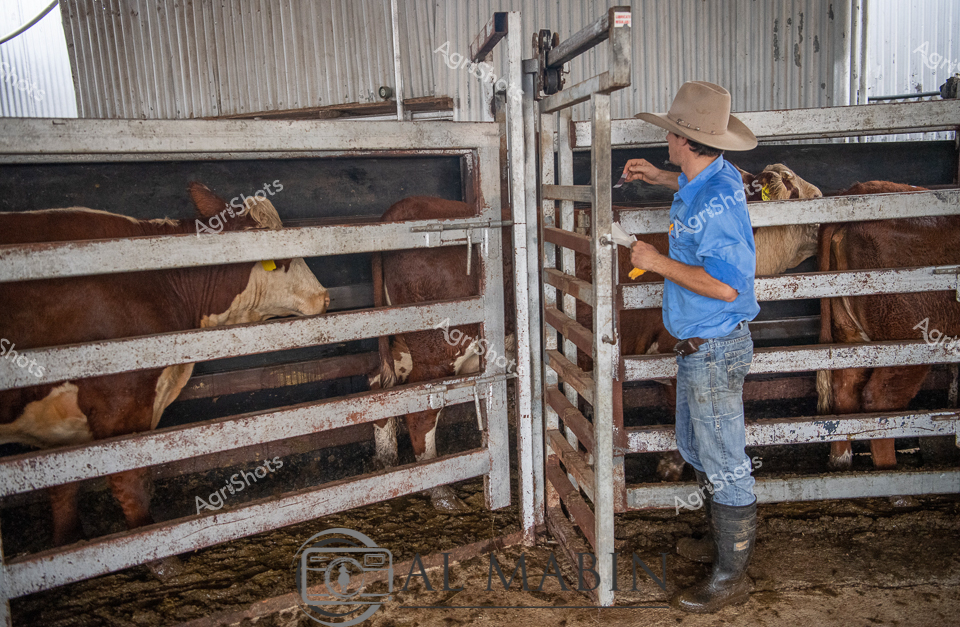
In a weathered steel cattle yard nestled in the New England region of New South Wales, a seasoned stockman tends to a pen of robust Hereford cattle. Wearing a crisp blue shirt, faded denim jeans, and a classic wide-brimmed stockman's hat, the farmer carefully manages the herd within tight metal livestock gates. The rich mahogany-red and white-faced Herefords stand quietly, their muscular frames pressed against weathered steel barriers, highlighting the rugged infrastructure of Australian cattle farming. The corrugated iron shed provides a stark, industrial backdrop to this quintessential agricultural scene, with soft natural light filtering across the earthy tones of dirt and straw. The stockman's precise movements suggest years of experience, handling the cattle with calm expertise typical of generational farming knowledge. His rubber boots and working attire blend seamlessly with the functional environment, emphasizing the practical nature of livestock management. Yellowed ear tags mark each animal, indicating careful breeding and tracking in this professional stud cattle operation. The image captures the intimate relationship between farmer and livestock, a fundamental narrative of Australian agricultural excellence.
 Image
Merino ewes and Hereford cattle cluster together on undulating pastures beneath a mottled grey sky, presenting a quintessential New England tableland landscape. A stockman on horseback, wearing a wide-brimmed akubra and weathered riding gear, quietly guides the herd across lush green and golden grasslands dotted with scattered eucalyptus trees. Weathered fence lines divide the paddocks, suggesting generations of careful land management in this resilient agricultural region. The robust brown and white cattle display the distinctive markings of classic Hereford breeding, their muscular forms testament to the careful genetic selection of this renowned beef-producing district. A working dog sits attentively near the horse, ready to assist in moving the herd with practiced precision. The soft overcast light reveals the textured landscape - a patchwork of native grasses, worn earth tracks, and the sparse, wind-shaped trees characteristic of Australia's high country grazing lands.
 Image
Livestock management technology unfolds in this rugged cattle yard, capturing the precision of modern agricultural practice. A worker in a dusty pink and grey sweater focuses intently on a laptop, analyzing data from a digital Gallagher livestock management system, while another individual in a blue shirt and cowboy hat operates the cattle crush in the background. The corrugated iron shed provides shelter from the harsh Australian sun, with metal livestock gates and processing equipment creating a structured workspace surrounded by the earthy tones of a rural paddock. The digital display shows real-time measurements, highlighting the intersection of traditional farming and cutting-edge technology. Worn work boots, a branded baseball cap, and practical clothing speak to the hardworking nature of rural professionals who combine technical skill with hands-on livestock management. Sunlight filters through the shed, casting dramatic shadows across the concrete and dirt floor, emphasizing the gritty, authentic environment of a working cattle station in rural New South Wales. This image captures the essence of contemporary Australian agricultural practice - where technology, skill, and deep agricultural knowledge converge to ensure efficient and safe livestock management.
 Image
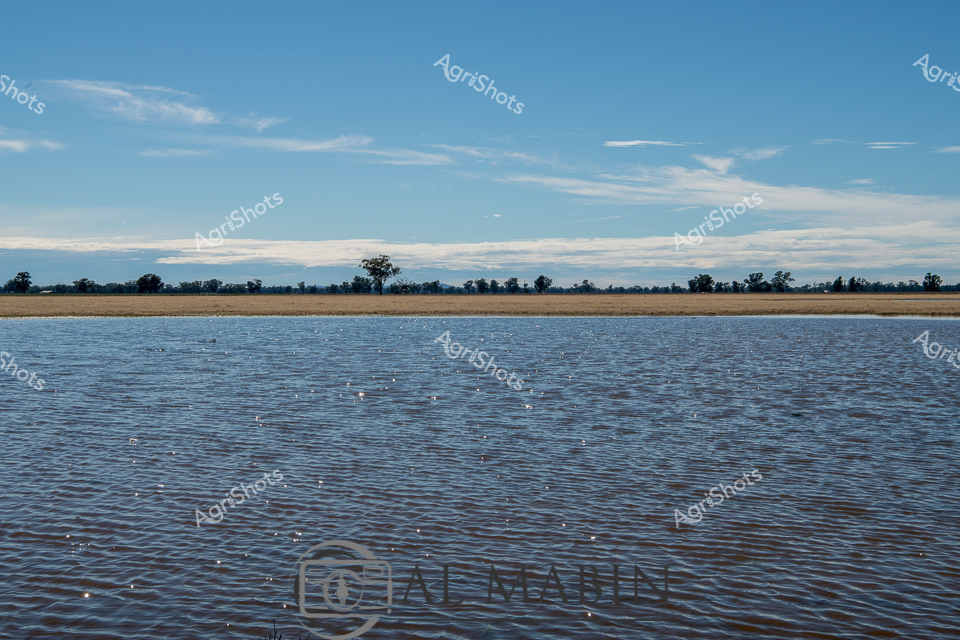
Floodwaters stretch across a vast agricultural landscape in rural New South Wales, creating a silvery-blue mirror beneath a vast, cloud-strewn sky. The expansive water surface reflects the soft wispy cirrus clouds overhead, transforming the agricultural terrain into a temporary inland sea. Scattered tree lines mark the distant horizon, their silhouettes providing a subtle boundary between water and sky in this dramatic seasonal inundation. The flooding captures a critical moment in the agricultural cycle, where water becomes both a potential challenge and a vital resource for dryland farming regions. Soft ripples texture the water's surface, catching sunlight and creating a luminous, almost ethereal quality to the landscape. This image powerfully illustrates the dynamic and sometimes unpredictable nature of agricultural environments in Australia, where water management and seasonal variations play a crucial role in farming sustainability.
 Image
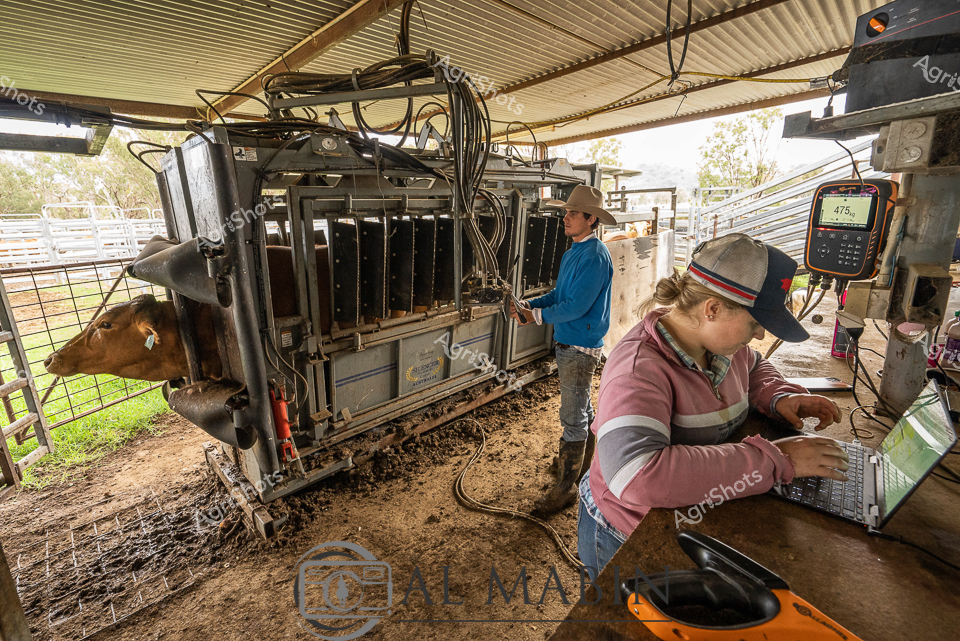
Cattle processing unfolds with precision inside a steel-clad farm shed, where cutting-edge agricultural technology meets traditional livestock management. A powerful Gallagher cattle crush stands centrally, restraining a rust-colored bovine, while a blue-shirted worker in a wide-brimmed stockman's hat carefully monitors the equipment's hydraulic mechanisms. Alongside, a colleague in a pink layered top and cap focuses intently on a laptop, meticulously recording data from the animal's health assessment and vaccination procedure. Mud-splattered metal flooring and industrial infrastructure frame this quintessential rural Australian scene, with soft natural light filtering through the corrugated roof revealing the methodical rhythm of farm operations. Digital readouts and specialized veterinary equipment underscore the high-tech approach to modern cattle management, blending manual expertise with sophisticated tracking and monitoring systems. The atmosphere hums with quiet concentration, each movement deliberate and professional, highlighting the sophisticated skill required in contemporary agricultural practices. Galvanized steel, dusty workwear, and the sturdy frame of livestock create a textural landscape that speaks to the robust, pragmatic spirit of Australian farming.
 Image
Clad in a vivid blue jacket and weathered jeans, a stockman operates a robust Spencer cattle crush in a rustic shed, preparing to administer livestock treatments. The industrial-grade silver and grey machinery stands firmly anchored in a muddy rural workspace, surrounded by sturdy wooden and metal fencing. Overhead cables and mechanical attachments suggest precision agricultural equipment designed for safe and efficient cattle handling. Cloudy skies filter soft light through the corrugated iron structure, creating a muted atmosphere typical of early morning livestock management. Strategic positioning of the crush allows controlled movement and minimal stress for the animals during essential health procedures like drenching and vaccination. A red and blue container of agricultural treatment solution sits nearby, highlighting the careful, systematic approach to animal husbandry in regional Australian farming practices.
 Image
Cattle weighing and processing unfolds in a sturdy steel-roofed livestock shed, where agricultural technology meets hands-on farm management. A worker in a dusty pink and grey top operates a digital recording system, tracking precise animal data on a digital screen displaying "490", while another colleague in a blue shirt manages a sophisticated Gallagher cattle crush - an advanced hydraulic livestock handling system. The metal infrastructure surrounds a dark-coated beast, highlighting the careful, methodical approach of modern agricultural practice. Warm sunlight filters through the corrugated roof, casting soft shadows on the dirt floor and revealing the meticulous infrastructure of contemporary farming. This scene captures the intersection of rural skill, technological innovation, and animal husbandry, where precision and care define agricultural work. The machinery, clothing, and environment speak to the professional, calculated nature of contemporary livestock management in rural Australia.
 Image
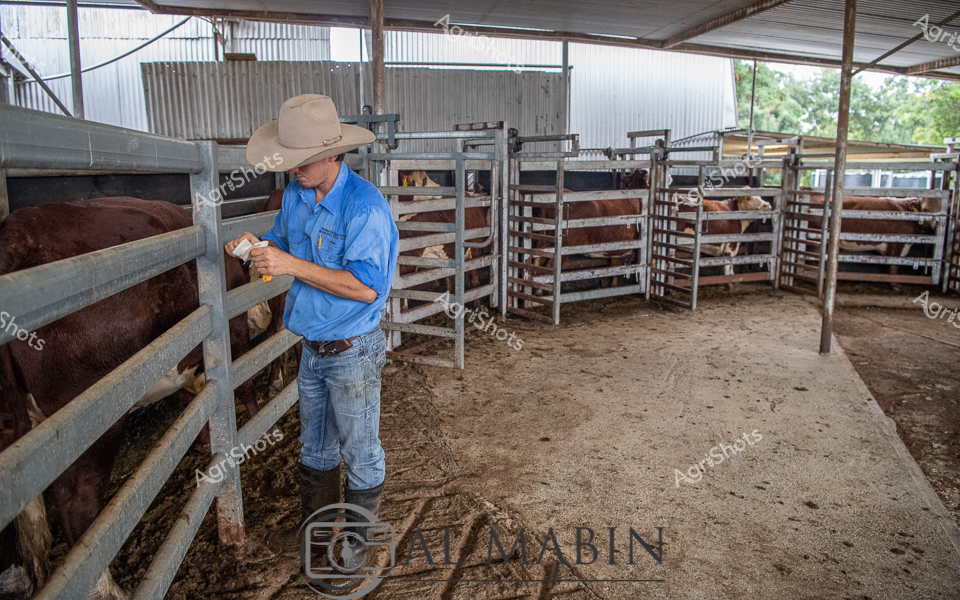
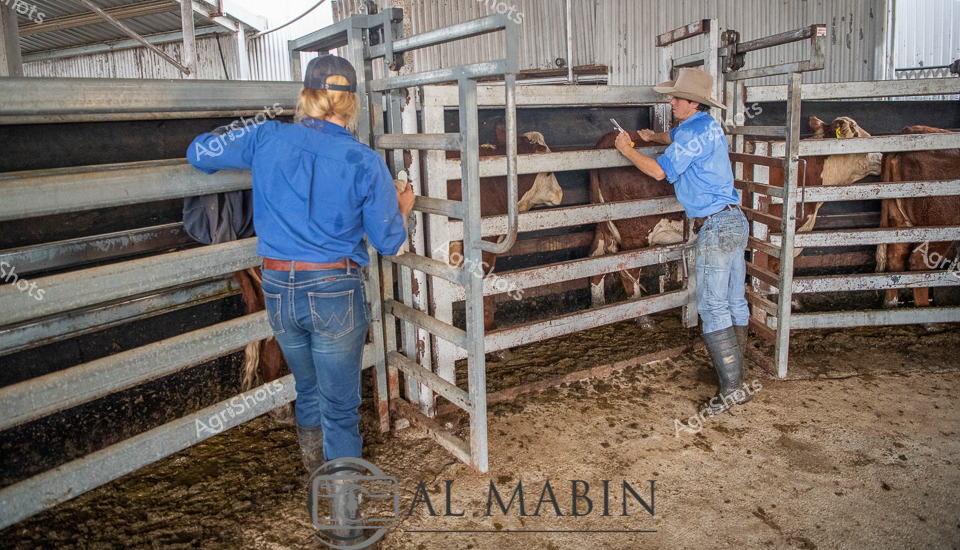
Under the expansive metal-roofed cattle yards, a seasoned stockman pauses mid-task, his weathered cowboy hat casting a shadow across his concentrated gaze. Dressed in a crisp blue work shirt and well-worn denim jeans, he carefully handles a syringe, preparing for artificial insemination of the Hereford cattle penned in the steel-railed enclosures. Rich, ruddy-coated beef cattle stand quietly in the adjacent pens, their muscular frames a testament to the careful breeding practices of New England's renowned stud operations. The yard's earthen floor tells a story of countless hooves and generations of agricultural expertise, with soft light filtering through the corrugated iron shed, casting subtle shadows across the meticulously organized livestock infrastructure. This scene captures the precision and quiet expertise of Australian cattle breeding - a delicate balance of science, skill, and generations of agricultural knowledge. The cool, controlled environment of the cattle yards represents the sophisticated approach to livestock management in New South Wales, where every movement is deliberate and every action is guided by decades of farming wisdom.
 Image
Cattlemen assess a pen of Hereford steers in a steel-framed livestock handling facility, their blue workshirts and denim creating a crisp uniform against the weathered metal infrastructure. One worker wearing a wide-brimmed hat carefully examines the herd, while the other stands ready to assist, both demonstrating the precise, methodical approach of professional cattle management. The sturdy metal gates and solid wooden flooring of the holding pen speak to generations of agricultural engineering designed for animal welfare and efficient stock handling. Rich brown and cream-colored Herefords press against the railings, their muscular frames and distinctive white faces characteristic of this prized beef breed, popular throughout New England's high country. Soft afternoon light filters through the corrugated steel shed, casting subtle shadows and highlighting the textured surfaces of earth, hide, and metal. This scene captures the quiet expertise of Australian livestock professionals, where generations of agricultural knowledge converge in a moment of careful stock assessment.
 Image
Merino sheep huddle in a gleaming metal drenching race, awaiting veterinary treatment under the open-sided shelter of a rural livestock facility. A weathered farm worker in a deep burgundy shirt and wide-brimmed sun hat stands watchful, Zolvix animal health product in hand, preparing to administer parasite prevention medication. The brilliant blue sky and lush green paddock beyond frame a quintessential Australian agricultural scene, with mature trees casting dappled shade across the dusty yard. Precision infrastructure - a Proway branded livestock handling system - ensures safe and efficient stock management, reflecting the sophisticated approach of modern sheep farming. Soft cream and white wool of the Merino flock contrast against the galvanized steel equipment, while overhead cables and mechanical systems hint at the technological integration of contemporary pastoral operations. This moment captures the careful, methodical care central to successful livestock management in rural New South Wales.
 Image
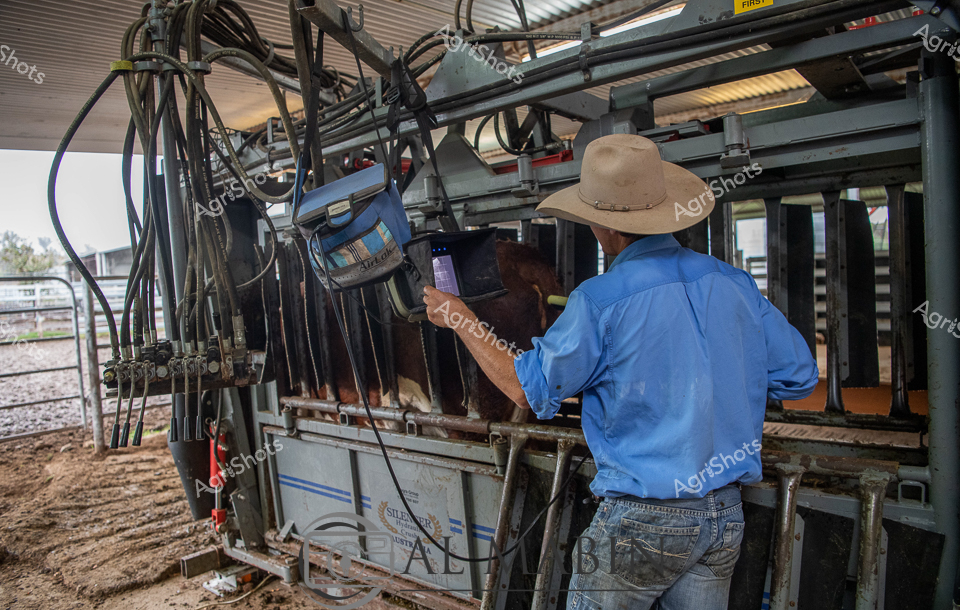
Weathered and focused, a seasoned cattle handler in a blue workshirt and wide-brimmed stockman's hat leans into the steel cattle yard gates, carefully preparing to conduct artificial insemination on a Hereford breeding herd. The metal livestock handling infrastructure - galvanized steel gates and race panels - creates a structured environment within the covered livestock shed, typical of professional cattle breeding operations in New England, New South Wales. Soft natural light filters through the corrugated iron walls, illuminating the sandy ground trampled by generations of cattle hooves. The handler's posture reflects decades of agricultural expertise, his movements deliberate and practiced as he works among the rich brown Hereford cattle, their robust frames testament to careful genetic selection. This scene captures the quiet precision of modern beef cattle management, where science and traditional farming craft intersect to improve livestock breeding outcomes. The muted palette of blues, browns, and metallic grays speaks to the functional aesthetic of Australian agricultural infrastructure.
 Image
Under the corrugated metal roof of a modern cattle handling facility, a skilled farmworker in a crisp blue shirt and wide-brimmed sun hat operates a sophisticated livestock management system. The Catagra cattle crush stands ready, its robust steel framework designed to safely restrain animals for critical agricultural procedures like vaccination, pregnancy testing, and health monitoring. Hydraulic arms and precision equipment surround the worker, who carefully manages electronic tracking and medical protocols with focused professionalism. Dark rubber tubes and technical mechanisms create a complex network of agricultural technology, highlighting the sophisticated intersection of animal husbandry and modern innovation. Soft natural light filters through the shed, casting subtle shadows on the dirt floor and emphasizing the careful, methodical nature of livestock management in contemporary Australian agriculture. The scene represents the careful balance of animal welfare, technological efficiency, and agricultural expertise that defines modern farming practice in rural New South Wales.
 Image
A skilled agricultural worker in a vibrant blue uniform stands within a robust cattle crush, intently monitoring a digital ultrasound screen to perform pregnancy testing. The compact machinery surrounds her, with multiple black cables and mechanical components creating an intricate industrial backdrop of greys and metallic tones. Her baseball cap and professional posture reveal a focused, methodical approach to cattle reproductive health monitoring. Soft natural light filters through the structure, suggesting an early morning scene typical of rural livestock operations in regional New South Wales. This image powerfully illustrates the intersection of veterinary science, agricultural technology, and skilled professional expertise, highlighting the sophisticated techniques used in contemporary cattle breeding and farm management.
 Image
Rural Outlook: Agricultural Innovation Meets Pastoral Landscape A contemporary workspace frames an expansive pastoral scene, capturing the seamless integration of agricultural technology and traditional rural environments. Large floor-to-ceiling windows provide an uninterrupted view of a gently rolling paddock, studded with mature eucalyptus trees and golden grasslands stretching toward distant horizons. A sleek workstation positioned before the window hosts a laptop, documents, and professional accessories, suggesting a modern agricultural professional's mobile office environment. Vibrant alstroemeria flowers in rich crimson and burgundy tones sit in a metallic vase, adding a touch of warmth and life to the neutral workspace. The cloudy sky reflects a soft, diffused light across the landscape, indicating a contemplative moment in what appears to be late autumn or early winter in rural New South Wales. This tableau eloquently illustrates the contemporary agricultural professional's connection to land, technology, and the enduring beauty of Australian rural landscapes.