Browse the collection
 Image
Weathered and focused, a seasoned farmer stands within the dusty confines of a rural sheep yard, managing a flock of merino sheep during a critical livestock management operation. Dressed in a classic brown jacket and wide-brimmed hat, he grips the metal gate of the drafting race, carefully controlling the movement of woolly animals through the narrow sorting pens. The surrounding infrastructure reveals a typical Australian agricultural setting - metal gates, wooden posts, and a utilitarian shed in the background, all testament to the pragmatic design of working stations in regional New South Wales. The flock of merino sheep, prized for their fine wool, cluster together with their distinctive dense, creamy-white fleeces, creating a textural contrast against the dry, ochre-toned ground. Midday sunlight casts sharp shadows, highlighting the farmer's deliberate movements and the angular lines of the livestock handling equipment. This scene encapsulates the disciplined choreography of agricultural work - a moment of quiet concentration where years of experience manifest in smooth, practiced interactions between farmer, animals, and infrastructure.
 Image
Merino ewes cluster tightly in a corrugated iron shearing shed, managed with precision by two experienced wool producers. A keen working dog navigates the dense flock, its black and tan coat contrasting against the sea of creamy-white wool. The handlers, dressed in traditional rural attire - khaki vests, blue layers, and wide-brimmed hats - stand ready with wooden stock panels, guiding the sheep through their processing routine. Soft blue marks dot the woolly backs, indicating individual identification for breeding or management purposes. The shed's weathered metallic walls frame the scene, capturing the quiet intensity of pastoral work where generations of agricultural expertise are silently expressed through measured movements and disciplined animal handling. This image speaks to the intricate choreography of Australian sheep farming - a delicate balance of human skill, canine intelligence, and livestock management that has defined rural economic and cultural landscapes for generations.
 Image
Sunlight filters through the corrugated iron walls of a classic Australian woolshed, illuminating the rhythmic dance of shearers at work. Skilled workers move with practiced precision, each carefully maneuvering heavy, woolly sheep into position on the shearing board. The scene captures the heart of rural wool production, with workers wearing practical workwear in bold red and blue tones against the weathered timber and metal interior. Fleeces fall in soft, cloud-like piles as electric shears buzz, revealing the clean, pale skin of freshly shorn sheep. The atmosphere is one of focused efficiency, a testament to generations of agricultural expertise that define Australia's wool industry. Every movement speaks to the physical skill and endurance required in this demanding rural profession, showcasing the connection between human labor and agricultural production that has long been crucial to the nation's economic and cultural identity.
 Image
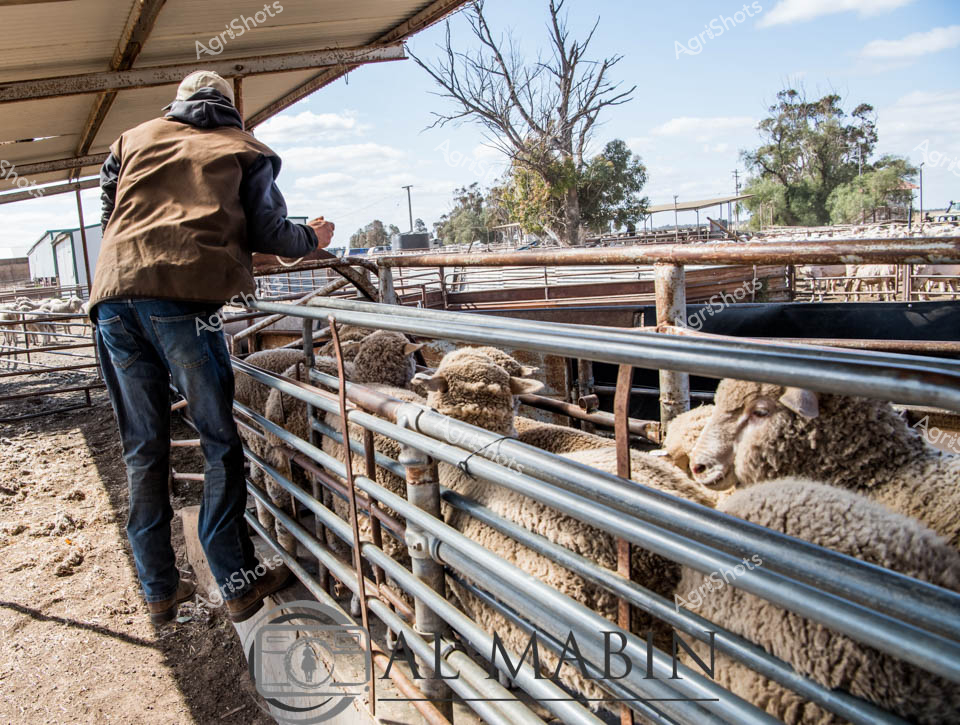
Under the corrugated iron shelter of a woolshed, a farmer stands at the sheep yards, surveying a pen of dense-fleeced merino sheep. The dusty yard speaks to the harsh Australian rural landscape, with bare trees and open skies typical of inland New South Wales. Wearing a robust brown work jacket and dark jeans, the farmer is positioned with quiet authority, overlooking the tightly packed flock of woolly sheep pressed against the galvanized steel fencing. The scene captures the essence of Australian agricultural practice - a moment of careful livestock management where each animal represents both economic value and generations of careful breeding. Metal gates and multiple holding pens suggest this is a sophisticated modern agricultural facility, designed for efficient stock handling. The muted earth tones of the landscape - browns, greys, and soft whites of the sheep fleeces - create a quintessential pastoral tableau that speaks to the resilience and methodical nature of Australian farming.
 Image
In the heart of a weathered woolshed, a seasoned shearing team works methodically, stripping fleeces from merino sheep with practiced precision. A loyal working dog, black and tan with an alert posture, watches intently from the worn wooden floor, embodying the silent partnership between canine and farmer that defines Australian rural life. Shearers in blue and grey work garments bend and move in synchronized rhythm, their hands deftly handling electric shears as clouds of wool drift across the rustic interior. Weathered corrugated iron walls and timber support beams frame the scene, telling stories of generations of pastoral industry. Sunlight filters through gaps in the structure, casting a soft, textured light on the fleece-strewn floor and highlighting the gritty, authentic atmosphere of sheep processing. This snapshot captures the essence of Australian agricultural heritage - skill, hard work, and the unspoken collaboration between humans, dogs, and livestock that sustains rural communities.
 Image
Aerial view of a sprawling livestock saleyards facility in the Riverina region of New South Wales, capturing the intricate infrastructure of Australia's agricultural heartland. Neat concrete pens stretch across the expansive site, with carefully sorted mobs of sheep clustered in distinct paddocks, revealing the meticulous organization of livestock trading. Multiple road trains and semi-trailers are positioned at the bottom of the facility, ready to transport stock between farms, sale yards, and markets. The early morning light casts long shadows across the grey concrete and dusty surroundings, highlighting the geometric precision of the agricultural infrastructure. Surrounding roadways and parking areas frame the site, with sparse trees and rural landscape visible at the edges, embodying the functional beauty of Australian agricultural logistics. The scene represents a critical node in the livestock supply chain, where farmers, traders, and transporters converge to facilitate the movement of sheep through the regional economy.
 Image
Merino sheep crowd the steel-railed yards, their pale wool gleaming under the harsh midday light of a dry inland pastoral setting. A weathered farm worker in a classic Australian akubra hat and blue layered work clothing stands attentively among the livestock, managing a herding dog at his side. Orange and blue water containers mark his working space, while an orange hose suggests ongoing animal management tasks like backlining - a critical sheep health treatment process. The compact yard demonstrates the precision of Australian livestock management, with densely packed sheep waiting to be processed, their bodies creating a textured landscape of pale forms against the dusty earth. The scene captures the disciplined rhythm of rural agricultural work, where every movement and tool serves a purposeful function in maintaining the health and productivity of the flock. This image exemplifies the quiet expertise of Australian agricultural workers, where generations of knowledge merge with practical skill in managing valuable Merino livestock.
 Image
Merino ewe and her two lambs stand alert on a windswept, frost-bleached pasture in central New South Wales. The mature ewe, her fleece a dense silvery-grey, towers protectively over her bright white spring lambs, their woolly coats still soft and downy. Pale winter grasses stretch across the landscape, creating a muted golden backdrop that highlights the stark contrast between the mother's weathered frame and her delicate offspring. Early morning light casts crisp shadows, suggesting the sharp chill of a late winter or early spring morning in the high country. Each animal's pink-rimmed ears stand erect, suggesting vigilance and the inherent alertness that ensures survival in Australia's challenging agricultural landscapes. This intimate portrait captures the resilience of Merino breeding stock - a cornerstone of Australia's renowned wool industry - symbolizing renewal, nurture, and the perpetual cycle of pastoral life.
 Image
Merino ewes and their young lambs gather at a water point in a dry, golden grassland paddock, framed by eucalyptus woodland in the background. Late winter sunlight bathes the fenced pasture, highlighting the woolly white and grey coats of the sheep clustered around a small blue water source. A solitary white guardian alpaca stands watchfully at the edge of the flock, a traditional livestock protection strategy employed by Australian farmers to deter predators. The landscape speaks of resilience - weathered fence posts, sparse winter grasses, and the robust livestock adapted to the challenging agricultural terrain of rural New South Wales. Young lambs huddle close to their mothers, some drinking, others exploring the dusty ground, capturing the annual cycle of renewal on this sheep station.
 Image
Weathered and resolute, a seasoned woolgrower stands sentinel in the dusty sheep yards of rural New South Wales. Wearing a classic wide-brimmed akubra and a sturdy brown canvas work jacket, he leans against the metal gates of the drafting pens, surrounded by a flock of merino sheep. The harsh, sun-bleached landscape stretches behind him, with grain silos and rustic farm infrastructure punctuating the distant horizon. His stance speaks of generations of agricultural knowledge - a quiet mastery of livestock management and the unforgiving Australian pastoral environment. The merino flock, tightly clustered in the yards, represents the backbone of Australia's agricultural heritage - prized for their fine wool and resilience in challenging conditions. This image captures the essence of Australian agricultural life: hard work, connection to the land, and the timeless relationship between farmer and livestock under the vast, open skies of the inland.
 Image
The compelling pastoral scene captures a thriving flock of sheep grazing across a gently undulating paddock in rural New South Wales. Crisp late winter or early spring light bathes the landscape, highlighting the soft cream and white fleeces of mature ewes and their energetic lambs. Scattered granite boulders punctuate the dry grassland, while distant eucalyptus trees and a weathered wooden fence line frame the expansive agricultural terrain. The flock represents a healthy mix of mature breeding ewes and their young offspring, clustered together in familial groups across the pasture. Lambs of varying sizes dart and play near their protective mothers, demonstrating the vitality of the breeding season. The terrain suggests a classic Australian sheep station, with its rocky ground, sparse vegetation, and open horizons typical of the region's pastoral landscapes. Soft greys, muted greens, and earthy browns dominate the color palette, creating a sense of rugged authenticity that speaks to generations of agricultural heritage. The carefully managed flock represents the resilience and productivity of Australian sheep farming, a cornerstone of the nation's agricultural economy.
 Image
Muscled shearers work in rhythmic precision within a corrugated iron woolshed, their bodies bent and focused on the delicate craft of removing fleece from merino sheep. Harsh overhead lighting casts stark shadows across the weathered timber floors, illuminating scattered wool and creating a monochromatic tableau of agricultural labor. Each worker moves with practiced efficiency, positioning sheep and wielding electric shearing handpieces to carefully strip away thick, lanolin-rich wool in continuous sweeping motions. The industrial atmosphere speaks to generations of rural skill, where physical strength and technical expertise combine in a timeless ritual of Australian wool production. Worn denim and work shirts blend into the gritty, functional environment, highlighting the human connection to livestock and the ongoing economic importance of wool to rural communities. This intimate scene captures the raw energy and technical mastery of shearer and sheep, a quintessential moment in the agricultural narrative of regional Australia.
 Image
Merino ewes cluster densely across a windswept pasture, their woolly silver-grey fleeces gleaming against the expansive blue-clouded sky of a classic Australian pastoral landscape. The flock stands close together on sparse grasslands, their robust bodies testament to the hardiness required of livestock in the challenging agricultural environments of New South Wales. Muscular and compact, these sheep represent the backbone of Australia's renowned wool industry, their thick, fine-quality fleeces reflecting generations of careful breeding and agricultural expertise. Each animal displays the characteristic dense, soft undercoat and longer protective outer wool that makes Merino sheep prized globally for textile production. The clouded sky suggests early morning or late afternoon light, casting soft shadows across the undulating ground and highlighting the textural complexity of the flock's interconnected forms. This scene captures the essence of Australian agricultural resilience - a tightly-knit community of livestock thriving in an environment that demands strength, adaptation, and collective survival.
 Image
Merino ewes and lambs cluster together on a windswept pasture, their dense fleeces buffering against the cool blue sky and distant bare tree. The flock represents the resilience of Australian sheep farming - thick-wooled, hardy animals standing firmly on frost-tipped grass, embodying generations of agricultural expertise. Mature ewes with their lighter-colored lambs create a textural landscape of curling wool and muscular frames, their positioning suggesting a recent muster or routine paddock inspection. Soft greys and creams dominate the scene, with delicate variations in the sheep's coat textures revealing the quality of bloodline and pasture nutrition. A classic New South Wales pastoral setting emerges, where the landscape's subtle contours and the livestock's quiet strength tell a story of sustainable farming practice and generational connection to the land. The image captures the quintessential Australian agricultural moment - a flock at rest, representing both economic productivity and the poetic beauty of rural enterprise.
 Image
Beneath an expansive sky mottled with soft gray clouds, a seasoned stock manager stands vigilant over a flock of merino ewes grazing on lush pastureland. Dressed in a tan work vest, blue denim jeans, and a flat cap, the farmer surveys the undulating green landscape with a quiet, attentive demeanor typical of rural Australian agricultural workers. The merino sheep, prized for their fine wool, cluster together in a dense group, their woolly fleeces a uniform off-white against the verdant grasslands and distant treeline. The scene captures the timeless rhythm of pastoral life in rural New South Wales, where generations of farmers have tended their flocks under wide-open skies. Soft afternoon light casts subtle shadows across the paddock, highlighting the gentle contours of the land and the careful stewardship of livestock that is central to Australian agricultural heritage. This image embodies the connection between farmer, animal, and landscape - a quintessential snapshot of sheep farming in the Australian countryside.
 Image
Merino ewes and lambs graze peacefully across undulating green pastures near a line of weathered eucalyptus trees, creating a quintessential Australian rural landscape in New South Wales. The late morning light casts soft shadows across the verdant paddock, highlighting the woolly white and cream fleeces of the densely packed flock. Silver-barked gum trees punctuate the landscape, providing scattered shade and windbreaks for the grazing sheep, their branches silhouetted against a backdrop of gentle blue-white clouds. This pastoral scene captures the essence of Australian sheep farming - a delicate balance of careful land management, livestock husbandry, and the timeless connection between farmer, animals, and landscape. The flock appears healthy and well-managed, with lambs nestled among the mature ewes, suggesting a successful breeding season and robust agricultural practice.
 Image
Windswept pastures of New South Wales unfold beneath a dramatic cloud-strewn sky, where a seasoned stock manager watches over a robust flock of merino ewes and lambs. Dressed in a layered ensemble of beige vest and blue jacket, the stockman surveys the grassy paddock, his mesh-backed cap shielding him from the mild rural atmosphere. A working dog, alert and poised, assists in managing the tightly grouped sheep, which drift across the undulating green landscape dotted with scattered eucalyptus trees. The flock represents the quintessential Australian agricultural landscape - healthy, dense with woolly bodies, grazing peacefully under an expansive blue and white cloudscape. Soft grasses blend with the muted tones of the sheep's fleece, creating a textural canvas that speaks to generations of pastoral care and agricultural expertise. This scene captures the timeless relationship between farmer, animal, and landscape - a testament to the resilience and skill of Australian sheep farming.
 Image
Weathered and resolute, a seasoned stock manager stands sentinel over a thriving flock of merino ewes grazing across a verdant pasture in rural New South Wales. His sturdy tan work vest and well-worn denim speak to generations of agricultural tradition, while the expansive sky above hints at the wide-open possibilities of the Australian pastoral landscape. Soft white sheep dot the grassy field, their woolly forms creating a living tapestry against the emerald and golden grasslands, with distant tree lines marking the horizon. The midday light casts sharp shadows and illuminates every texture - from the rough fabric of the stock manager's clothing to the dense fleece of the livestock. This image captures the quiet dignity of Australian sheep farming, where a single guardian maintains watchful care over a valuable flock, embodying the resilience and connection to land that defines rural agricultural life. The crisp blue sky and scattered clouds suggest early spring, a season of renewal and promise for both stock manager and sheep.
 Image
Merino stock manager surveys the flock on an expansive, undulating pasture under a dramatic cloud-strewn sky. Dressed in a layered uniform of agricultural workwear - a beige vest over a blue fleece, topped with a branded cap - the experienced stockman stands watchful, a communication device nestled near his mouth. A mob of white woolly ewes and lambs grazes peacefully across the gently rolling paddock, punctuated by isolated gum trees that define the rural landscape's horizon. The scene captures the quintessential Australian sheep farming experience: wide-open grasslands of likely New South Wales high country, where generations of farmers have carefully managed livestock across challenging terrain. Soft greys and browns of the landscape blend with the sheep's pristine fleeces, creating a harmonious tableau of pastoral production. The stockman's weathered profile and attentive stance speak to the skill, patience, and deep connection required in modern agricultural management - a visual narrative of Australia's enduring pastoral heritage.
 Image
Charcoal-black Angus cattle stand resolute across a lush pasture, their muscular frames and dense winter coats reflecting the robust genetics of Australia's premier beef breeding lines. Clustered tightly together under a soft winter sky of pale blue and silvered clouds, these cattle display the hallmark characteristics of high-quality Angus stock - compact bodies, deep chest cavities, and calm, alert expressions. Numbered ear tags indicate careful livestock management, with each animal representing a carefully curated genetic lineage typical of professional New South Wales cattle operations. The grassland stretches beneath their hooves, a verdant carpet of native pasture grasses, suggesting late winter or early spring conditions when paddocks begin regenerating after the drier months. Each beast displays the characteristic deep black coat with occasional reddish-brown undertones, signaling prime breeding stock from a well-managed agricultural enterprise. Their collective stance - alert, unified, slightly windswept - communicates both the strength of the herd and the meticulous agricultural practices of modern Australian beef production.
 Image
A seasoned stock manager stands watchful over a dense flock of merino ewes grazing across a gently undulating pasture in rural New South Wales. The mid-morning landscape glows with soft winter sunlight, casting long shadows across the pale green grasslands punctuated by scattered eucalyptus trees on the distant horizon. Two working dogs patrol the edges of the flock, their lean bodies alert and ready to assist with herding. The stock manager, dressed in a practical beige vest and checked cap, surveys the scene with the calm expertise of generations of Australian farmers. Hundreds of woolly merinos cluster together, their pale fleeces creating a textured blanket across the paddock, representing the backbone of Australia's agricultural heritage. The expansive sky, filled with wispy clouds, frames this quintessential rural scene - a testament to the careful land management and livestock husbandry that defines Australian pastoral farming.
 Image
Stark and serene, a lone weathered gum tree stands sentinel over a robust herd of Black Angus cattle grazing on lush pastureland. The bare, silvered branches of the tree contrast dramatically against an expansive azure sky dotted with wispy clouds, creating a quintessential Australian rural landscape. A tight cluster of sleek, muscular Angus cattle huddle together, their deep black coats gleaming in the soft afternoon light, suggesting the rich genetic quality of this prime beef herd. The grassland stretches out in a verdant carpet, hinting at the fertile conditions of what appears to be a well-managed pastoral property in New South Wales. The composition captures the resilience of Australian agriculture - the solitary tree representing endurance, while the healthy herd embodies the productivity of modern cattle farming. This image speaks to the sophisticated breeding and land management practices that make Australian beef renowned worldwide, showcasing the harmonious relationship between livestock, landscape, and agricultural expertise.
 Image
Stark silhouettes of Black Angus cattle dominate the foreground, a powerful herd clustered tightly against the rugged pastoral landscape of rural New South Wales. A weathered, leafless tree stands sentinel on the left, its bleached branches reaching into a brilliant blue sky scattered with wispy clouds, creating a dramatic contrast with the dark, muscular bovines. The cattle - classic Angus breed with their deep black coats and sturdy frames - represent the quintessential Australian beef bloodline, standing resolute on sun-dappled grasslands that stretch towards a distant horizon. Their collective presence suggests strength and resilience, emblematic of the robust agricultural traditions of the region. Soft winter grasses provide a muted green carpet, while the expansive sky and isolated tree underscore the wide-open spaces characteristic of Australian cattle country. This image captures the raw beauty of beef production, highlighting the connection between land, livestock, and the enduring spirit of rural agricultural communities.
 Image
Merino ewes and their lambs graze peacefully across a lush pasture near a small farm dam, casting a dense flock across the verdant green landscape. Scattered eucalyptus trees punctuate the rolling paddocks, providing gentle shade and windbreaks under a classic Australian rural skyscape of soft blue and billowing white clouds. The late morning light illuminates the woolly flock, highlighting their varied shades of cream and grey against the rich emerald grasslands. This quintessential pastoral scene captures the essence of Australian sheep farming - a harmonious blend of productive agricultural landscape and natural beauty characteristic of inland New South Wales. The tranquil composition speaks to generations of pastoral farming, where livestock and landscape exist in delicate, sustainable balance.