Browse the collection
 Image
Battery Cage White Leghorn Layers: Industrial Poultry Production Stark white Leghorn chickens crowd tightly within a steel-framed battery cage system, their pale feathers pressed against metal gridwork and yellow positioning markers. Packed shoulder-to-shoulder, the hens display the intense density of commercial egg production, their red combs and wattles creating stark crimson accents against their uniform white plumage. Each bird seems simultaneously compressed and alert, a living testament to agricultural efficiency and industrial livestock management. The metallic vertical divider bisecting the frame emphasizes the systematic, regimented nature of this controlled environment, where every square centimeter is optimized for maximum protein and egg output. Harsh lighting reveals every feather and physiological detail, presenting an unflinching view of modern agricultural practices that prioritize production metrics over individual animal comfort. This image captures the cold calculus of industrial farming - a world where living creatures are transformed into precisely managed biological systems.
 Image
Cascading rows of vibrant tomatoes ripple through a gleaming hydroponic greenhouse, creating a mesmerizing agricultural landscape of verdant green and rich crimson. Precision-engineered growing systems support lush vines laden with produce, ranging from emerald green unripe fruits to deep red fully ripened tomatoes, showcasing the remarkable controlled environment of modern horticultural technology. Suspended on carefully tensioned wires and nestled in white growing channels, the tomato plants demonstrate remarkable uniformity and density, reflecting sophisticated agricultural engineering typical of advanced Australian agricultural practices. The glass roof floods the interior with natural light, creating a luminous environment that highlights the complex infrastructure of irrigation pipes, support structures, and meticulously managed growing conditions. Each tomato plant appears perfectly positioned, with fruits hanging in graduated stages of ripeness - a testament to the exacting science of controlled agricultural production. The immaculate white and metallic infrastructure contrasts beautifully with the organic, living greenery, embodying the harmonious intersection of technological innovation and natural growth in contemporary Australian agricultural systems.
 Image
White leghorn layer hens crowd densely within a modern, climate-controlled poultry shed at The large-scale farming facility. The precisely engineered wire battery cages allow systematic management of the flock, with uniform white birds positioned across multiple tiers under carefully controlled environmental conditions. Yellow feeding troughs line the systematic rows, providing consistent nutritional access for these commercial egg-producing chickens. Overhead lighting and ventilation systems create a regulated atmosphere designed for maximum productivity, reflecting contemporary agricultural engineering principles. The birds appear calm and uniformly positioned, demonstrating the precision of contemporary livestock management techniques. This image captures the industrialized approach to poultry production that characterizes large-scale agricultural operations in New South Wales, where efficiency and systematic animal husbandry are paramount.
 Image
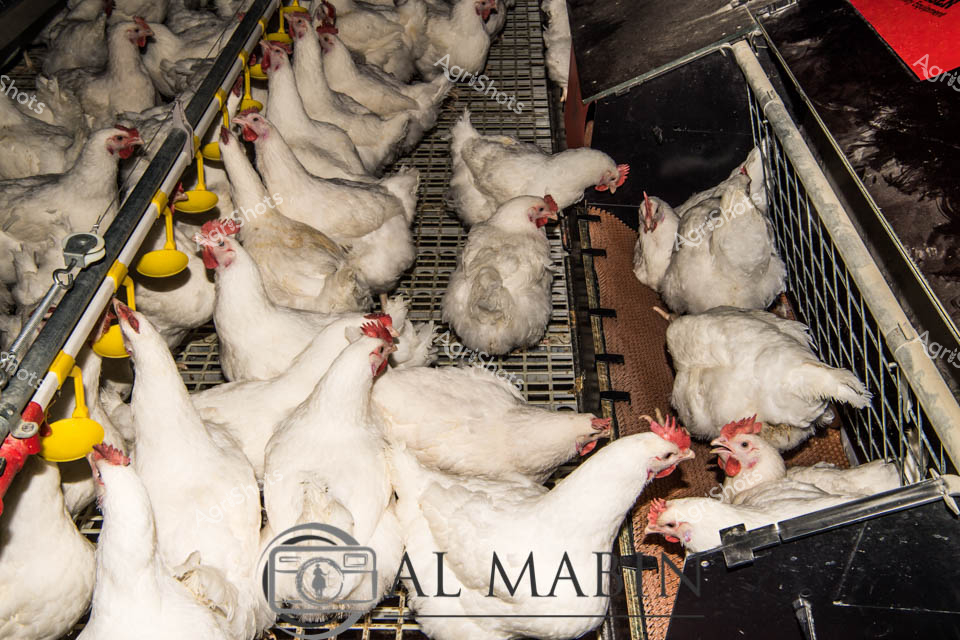
White commercial broiler chickens crowd a multilevel battery cage system, exemplifying large-scale poultry production techniques common in Australian agricultural operations. Tightly packed birds rest on metal wire flooring, surrounded by yellow water dispensers and structured metal framing typical of modern industrial chicken farming infrastructure. The pale white feathered chickens demonstrate uniform breeding, with similar body sizes and red combs characteristic of high-efficiency meat production breeds. Metallic greys, stark whites, and bright yellow accents define the mechanical, systematic environment, reflecting the precision of contemporary agricultural technology. Narrow passageways between cage sections allow limited movement, highlighting the densely optimized space management of commercial poultry facilities. The image captures the industrial scale and technological precision of Australian chicken farming, where genetic selection and standardized housing enable maximum protein production efficiency.
 Image
Hydroponic tomato cultivation stretches across a gleaming glass cathedral of agricultural precision. Ripe red and green tomatoes cluster densely on meticulously trained vines, suspended vertically along a central pathway that bisects the climate-controlled greenhouse. Crisp white metal support structures rise symmetrically, creating orderly corridors where each plant follows a precise growth pattern, maximizing yield and efficiency. The verdant green foliage contrasts beautifully with the ripening fruit - emerald green transitioning through golden yellow to deep crimson - demonstrating the progressive stages of tomato maturation. Cool, filtered light filters through the glass roof, creating an even illumination that highlights the extraordinary productivity of modern hydroponic farming techniques. This controlled environment represents the pinnacle of agricultural innovation, where water, nutrients, and climate are engineered to produce consistent, high-quality produce that can supply markets year-round, regardless of external conditions.
 Image
Fluffy day-old chicks huddle together on a perforated tray, nestled among fresh brown and white eggs in an agricultural incubation setting. The delicate yellow-tinged downy feathers of the newly hatched chicks contrast beautifully with the smooth, warm-toned eggs surrounding them. This precise moment captures the early stages of poultry production, showcasing the intricate process of egg hatching in a modern large-scale farming environment. Rows of meticulously arranged eggs create a rhythmic pattern, with the soft, vulnerable chicks scattered throughout, representing the beginning of a new generation of poultry. The image speaks to the precision and care of contemporary agricultural practices, highlighting the delicate balance between technology and nature in food production.
 Image
Hydroponic Tomato Cultivation: A Precision Agricultural Landscape Rows of ripening tomatoes cascade through a meticulously engineered greenhouse, transforming agricultural science into a living canvas of green and crimson. Precisely spaced plants climb white vertical supports, their fruits transitioning from emerald to sunset-orange, demonstrating the controlled environment of modern hydroponic farming. A central walkway of pale concrete bisects the greenhouse, allowing workers careful access to monitor growth and conduct maintenance. Advanced agricultural systems are evident in the uniform plant supports, carefully managed nutrient flows, and systematic vertical growing technique that maximizes production in a compact space. The greenhouse environment suggests coastal or inland New South Wales, where innovative agricultural practices are transforming traditional crop production. This image captures the intersection of technological precision and natural growth, revealing how Australian agriculture is pioneering sustainable, high-yield food production methods that optimize water usage and crop health.
 Image
Pristine rows of crimson tomatoes burst with vibrant color against the angular glass architecture of a modern hydroponic greenhouse. White modular growing panels create a structured backdrop for lush green tomato plants climbing towards the translucent ceiling, supported by precise metal trellising. Each growing module is meticulously organized, displaying uniform rows of ripe red tomatoes nestled in white containers marked with circular branding logos. The controlled environment speaks to cutting-edge agricultural technology, where precision farming meets horticultural artistry - every plant positioned with intention, every fruit developing under carefully monitored conditions. Soft natural light filters through the geometric glass framework, casting gentle shadows across the verdant growth and highlighting the systematic arrangement of produce. This sophisticated greenhouse represents the pinnacle of contemporary Australian agricultural innovation, transforming traditional crop cultivation into a scientifically calibrated, visually striking enterprise.
 Image
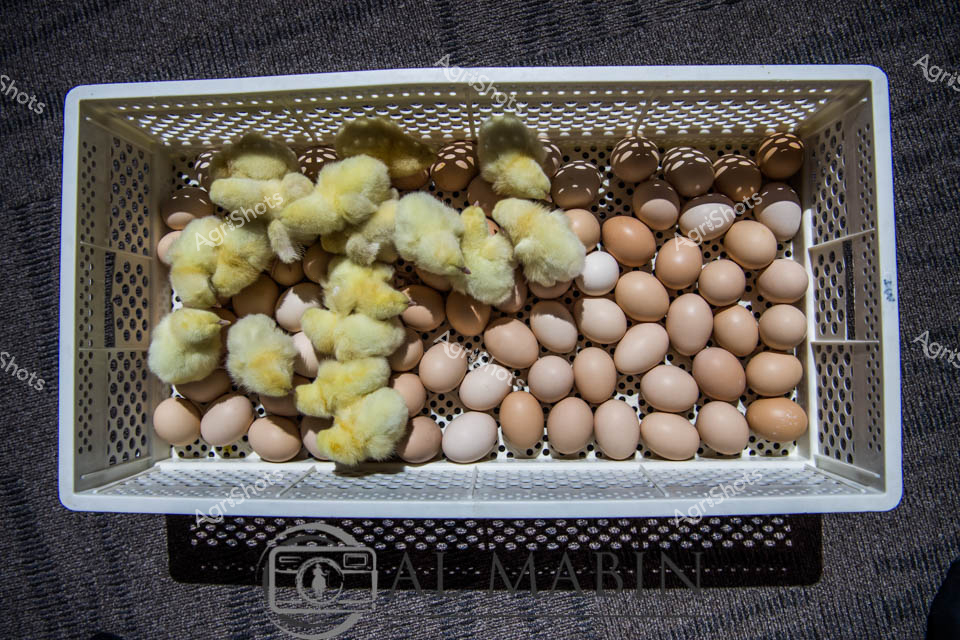
Newly hatched golden-yellow chicks nestle among warm brown eggs in a perforated white plastic crate, capturing the precise moment of new life emerging in a modern poultry hatchery. Soft downy feathers contrast with the smooth, uniform shells, revealing the intricate process of commercial egg production. The delicate yellow chicks huddle together, their tiny forms scattered across the carefully arranged eggs, representing the first stage of a meticulously managed agricultural cycle. The Al Marini branding visible on the crate speaks to the professional, scientific approach of contemporary Australian poultry farming. Each chick and egg is positioned with calculated precision, reflecting the efficiency of large-scale farming techniques that are crucial to meeting national and global food production demands. This intimate close-up illuminates the remarkable beginning of life in the agricultural ecosystem, where each tiny creature represents a carefully orchestrated process of breeding, incubation, and livestock management.
 Image
White Leghorn broiler chickens crowd a mechanized laying facility, suspended on wire mesh flooring beneath red Jansen agricultural equipment branding. Uniform yellow drinking cups provide hydration at precise intervals, highlighting the systematic efficiency of modern poultry production. Each bird appears clinically positioned, their bright red combs contrasting sharply against pristine white feathers, embodying the industrial precision of contemporary agricultural livestock management. The tightly controlled environment suggests a controlled climate-regulated shed, typical of large-scale farming practices in rural Australian agricultural zones. Metallic infrastructure - galvanized pipes, grid flooring, and mechanical feed systems - underscores the technological infrastructure supporting large-scale protein production. This image captures the clinical reality of industrial chicken farming, where biological organisms are integrated into a carefully engineered productive system, revealing both the technological sophistication and systemic standardization of contemporary agricultural practices.
 Image
Freshly hatched yellow chicks huddle together, their downy feathers soft and vibrant, nestled alongside rows of uniform brown eggs in a perforated white plastic tray. The agricultural scene captures a pivotal moment in poultry production, where new life emerges alongside potential future generations. Meticulously arranged, the eggs display the precision of modern large-scale farming practices, with each pale brown shell carefully positioned in a grid-like formation. The young chicks, still warming themselves and recovering from the hatching process, contrast beautifully with the smooth, unbroken eggs surrounding them. This image represents the cyclical nature of agricultural production, showcasing the delicate transition from embryo to newly emerged chick in a controlled, efficient farming environment. The crisp white tray and the subtle color gradations from soft yellow to warm brown create a compelling visual narrative of agricultural reproduction and systematic livestock management.
 Image
White Leghorn chickens densely populate a multilevel battery cage system, characteristic of industrial egg production. The tightly packed birds sit on straw-covered floors, their bright red combs contrasting sharply against pure white feathers. Metal wire dividers segment the cages, restricting movement and maximizing space efficiency in this precision-engineered agricultural environment. Each level is meticulously organized, reflecting modern poultry farming's systematic approach to livestock management. The uniform coloration and breed consistency suggest a carefully controlled genetic selection process aimed at optimizing egg production.
 Image
Serpentine rows of hydroponic tomato vines cascade through this modern glasshouse, revealing a precision agricultural landscape in New South Wales. Vibrant green and ripening red tomatoes cluster densely along white-supported trellises, creating a mesmerizing gradient of color and growth. The pristine concrete pathway bisects the plantation, offering a sterile, engineered contrast to the lush organic vegetation surrounding it. Meticulously trained vines stretch vertically, supported by horizontal wires and white structural elements, demonstrating advanced horticultural techniques that maximize crop yield and quality. Each tomato plant appears carefully managed, with fruits at various stages of maturation - from emerald green to deep crimson - suggesting a carefully controlled environment of temperature, nutrition, and irrigation. This glasshouse represents the pinnacle of Australian agricultural innovation, transforming controlled cultivation into an art form that promises consistent, high-quality produce for markets and consumers.
 Image
Ripening tomatoes cascade through the verdant branches of a meticulously managed glasshouse, showcasing the pinnacle of modern horticultural precision in New South Wales. Clusters of emerald and crimson fruits hang suspended amid a complex network of supporting structures, revealing the carefully orchestrated growth stages from unripe green to deep ruby-red. Soft filtered light penetrates the glass, creating a luminous atmosphere that highlights the smooth, glossy surfaces of the tomatoes and the intricate green foliage surrounding them. Each plant appears strategically positioned, demonstrating the calculated approach of contemporary greenhouse agriculture - a testament to the innovation driving Australian produce production. The image captures the intersection of technological expertise and natural growth, presenting tomatoes as both a scientific achievement and a beautiful agricultural product ready for market.
 Image
Industrial precision meets rural craftsmanship in this intimate glimpse of a modern agricultural workstation. A robust blue-toned workbench anchors the scene, equipped with a computer system and surrounded by the utilitarian infrastructure of a professional shearing shed. Landmark-branded green collection bins stand ready, suggesting meticulous organization in wool processing. Coiled pneumatic cables and technical equipment hint at the sophisticated mechanics behind traditional sheep shearing practices. The weathered wooden floor and industrial metal framework evoke generations of agricultural labor, where cutting-edge technology seamlessly integrates with time-honored farming techniques. This workspace represents the intersection of agricultural heritage and contemporary efficiency, capturing the nuanced evolution of Australian rural industries.
 Image
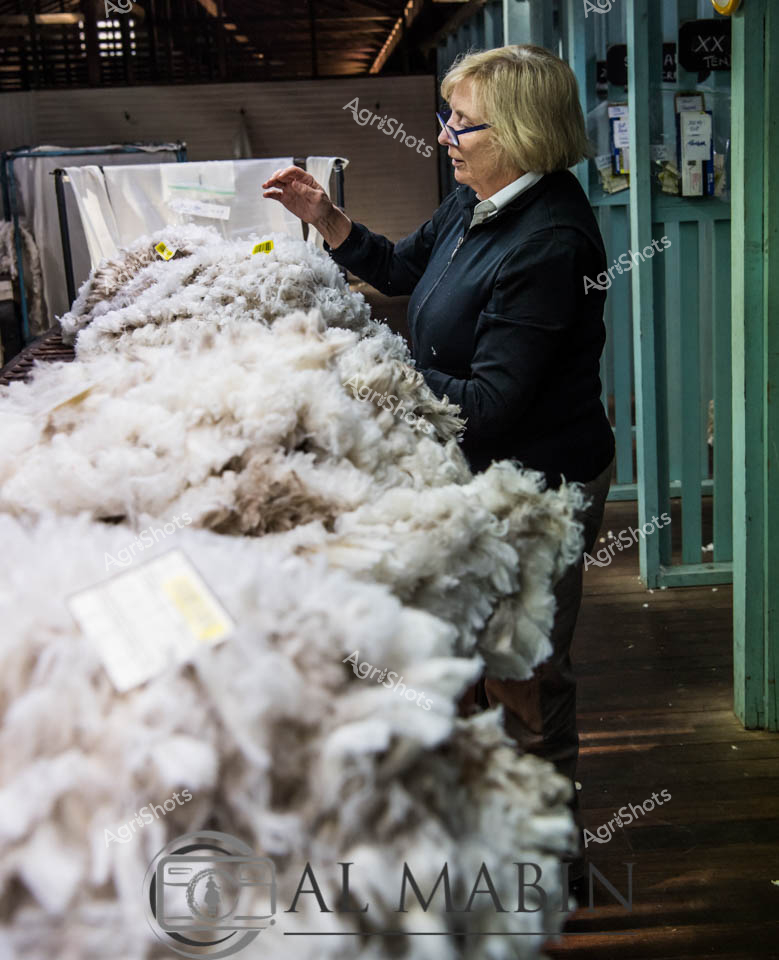
Weathered and focused, a seasoned wool expert surveys a magnificent fleece in a classic Australian woolshed. Pristine white merino wool, dense and voluminous, cascades across the wooden sorting table - a testament to the fine quality of Australian sheep farming. The elder wool handler, dressed in a navy blue jacket and black vest, wears glasses and displays the quiet concentration of decades of experience in rural textile production. Soft industrial lighting illuminates the steel-blue walls of the shearing shed, with its utilitarian infrastructure of gates, shelves, and work stations visible in the background. This image captures the tactile craftsmanship of wool selection, where every fleece is carefully examined for its potential, representing generations of agricultural expertise and the intricate process behind Australia's world-renowned wool industry. The scene embodies the intersection of traditional skills and modern agricultural practices, where human knowledge and animal husbandry combine to produce one of the country's most valuable agricultural exports.
 Image
A weathered, work-worn hand delicately holds a newborn lamb, capturing the tender moment of birth in a monochrome scene of raw agricultural life. Soft white wool cushions the tiny creature, creating a stark contrast against the rough, experienced fingers cradling its fragile form. The intimate black and white image reveals the gentleness required in livestock care, highlighting the profound connection between farmer and animal at the most vulnerable moment of new life. Textural details speak to generations of farming expertise - the creased skin, the careful grip, the protective stance that speaks to years of understanding animal husbandry. This powerful portrait embodies the nurturing spirit of agricultural work, where strength and delicacy coexist in the critical moments of stock managering new life into the world.
 Image
In the subdued light of a classic Australian woolshed, an experienced shearer stands amid towering stacks of pristine white merino wool fleece. His weathered hands carefully handle the freshly shorn wool, testament to decades of pastoral craft in rural Australia. The expansive fleece - soft, dense, and luminously white - cascades across wooden sorting tables, embodying the exceptional quality of Australian merino wool production. Aged metal storage compartments line the shed's green-painted walls, bearing faded labels that speak to generations of agricultural record-keeping. The elder worker's navy and black layered clothing reflects the practical, hardwearing style of farm workers, protecting against the variable temperatures of shearing season. This intimate scene captures the quiet expertise and generational knowledge embedded in Australia's wool industry, where each carefully handled fleece represents not just a commodity, but a continuation of agricultural heritage and skilled craftsmanship.
 Image
Premium Merino wool fleece, freshly shorn and meticulously handled, rests on a wooden sorting platform in a classic Australian woolshed. The dense, pristine white fleece displays intricate natural textures - soft, curling fibers intertwined with subtle variations of cream and pale grey, revealing the exceptional quality of fine Merino wool. Each twisted lock tells a story of careful breeding and expert animal husbandry, showcasing the hallmark softness and remarkable crimp characteristic of Australia's renowned sheep industry. The fleece sits heavy and voluminous, demonstrating the remarkable wool yield of well-managed Merino sheep, a cornerstone of Australian agricultural excellence. A yellow tag affixed to the fleece indicates precise tracking and grading, reflecting the meticulous documentation and quality control integral to modern wool production. This close-up captures the raw beauty of Australia's wool industry - a testament to generations of agricultural expertise and the sophisticated science behind premium textile production.
 Image
Ripening tomatoes cluster densely on verdant vines within a precision-engineered glass greenhouse, revealing the sophisticated agricultural techniques of modern Australian horticulture. Deep crimson and vibrant green fruits nestle among intricate vine structures, supported by white trellising and carefully managed growing systems. The controlled environment suggests advanced hydroponic cultivation methods typical of New South Wales' progressive agricultural sector, where climate and technology intersect to optimize produce quality and yield. Soft, diffused light filters through the glass, creating a lush, fertile atmosphere that highlights the gradual color transformation of the tomatoes from pale green to rich red. Precision markers and support structures are subtly visible, indicating meticulous crop management and scientific approach to vegetable production. This image captures the intersection of natural growth and technological innovation, representing the cutting-edge agricultural practices that position Australian horticulture at the forefront of global food production.
 Image
Soft white fleece cascades in billowing mounds along the sorting table, where an experienced wool expert meticulously examines each carefully classed batch of premium Merino wool. Her skilled hands move with practiced precision, assessing the quality and characteristics of the freshly shorn wool in this traditional woolshed environment. Wearing a dark jacket and glasses, she stands amid the raw, textural landscape of pure wool, her movements deliberate and focused on selecting and grading each fleece. Soft morning light filters through the shed's rustic wooden structure, illuminating the pristine white wool and creating a sense of timeless agricultural craftsmanship. The woolshed's green-tinted walls and utilitarian shelving provide a classic backdrop to this quintessential Australian wool processing scene, capturing the meticulous care and generations of expertise embedded in the country's finest wool production. Each fleece represents a chapter in Australia's rich pastoral heritage, a testament to the intricate skills of wool classers and the remarkable Merino sheep breed.
 Image
Aerial view of a vast, tightly-clustered Merino sheep flock grazing on verdant pastureland, creating a remarkable living carpet of woolly grey-white bodies across the undulating grasslands. The dense congregation suggests an expertly managed mob, likely during a mustering operation in the expansive rangelands of New South Wales. A distant vehicle hints at the careful coordination required to control such a massive livestock group, with the sheep instinctively bunching together for protection and guidance. The lush green landscape stretches to the horizon, revealing the rich agricultural terrain that supports this substantial flock. Subtle variations in the sheep's fleece colors create a textural mosaic, showcasing the uniformity and health of this premium Merino herd. The image captures the essence of Australian pastoral farming - a delicate balance of human intervention and natural animal behavior against the backdrop of an immense, fertile landscape.
 Image
Merino sheep cluster in a dense, living canvas across the golden-brown pastures of rural New South Wales, forming an organic heart-shaped formation that illustrates the precision of modern livestock management. A blue agricultural vehicle sits quietly in the lower right corner, suggesting the technological support behind this pastoral scene. The livestock herd appears tightly packed, creating a silvery-white mass that contrasts dramatically against the subdued earth tones of the surrounding grasslands. A linear windbreak of mature trees traces the horizon, providing a natural boundary to the expansive grazing landscape. The aerial perspective reveals the meticulous control and strategic mustering techniques employed by Australian farmers, highlighting the intricate relationship between agricultural workers, the livestock, and the land. The image captures the essence of Australian agricultural practice - a blend of traditional stock managering and contemporary farming methods, where technology and nature collaborate to manage livestock with remarkable efficiency.
 Image
Aerial Merino Muster: Precision and Scale A dense, undulating flock of pristine white Merino sheep forms an organic, triangular shape across a expansive grassland paddock, demonstrating the remarkable scale of Australian sheep farming. A blue utility vehicle sits quietly to the right, suggesting the modern technological support behind traditional livestock management. The aerial perspective reveals the extraordinary coordination required to gather and direct thousands of sheep, with the flock appearing almost like a living, breathing organism against the muted green and brown pastoral landscape. Scattered rocky outcrops punctuate the grassy terrain, typical of the rugged New South Wales agricultural regions. The image captures the essence of Australian agricultural practice - a delicate choreography of human intervention and natural movement, where skilled mustering techniques transform a sprawling landscape into a carefully managed agricultural ecosystem.