Browse the collection
 Image
Hereford cattle crowd the weathered wooden yards, their rich reddish-brown and white coats contrasting against the muddy ground and soft, leafy trees of what appears to be a New England region pastoral landscape. A stockman in a bright blue shirt and another worker in a light green hat move deliberately among the herd, conducting pregnancy testing for this stud cattle operation. The mature trees surrounding the yards suggest late spring or early summer, with fresh green foliage providing a gentle backdrop to the agricultural scene. These robust Hereford cattle, with their distinctive white faces and solid muscular bodies, stand closely packed in the sturdy timber-railed pens, reflecting the careful management of a professional breeding program. Yellow ear tags mark each animal, signaling individual tracking and careful genetic selection. The scene captures the precision and care of Australian beef cattle breeding - a blend of traditional farming practice and modern agricultural science.
 Image
Red Hereford cattle fill a weathered wooden livestock yard, their rich reddish-brown coats with distinctive white faces creating a striking visual against the rustic timber fencing. A worker in a bright blue shirt oversees the herd, likely conducting pregnancy testing or stud selection in the lush green paddock of what appears to be a New England Region property in New South Wales. The cattle are tightly clustered, their muscular bodies pressed close together, each marked with a yellow ear tag for identification. Blossoming trees in the background suggest spring, with soft green foliage providing a gentle contrast to the robust animals. The scene captures the essential rhythm of agricultural life - careful livestock management, the connection between farmer and herd, and the meticulous work of breeding and maintaining quality stock. Yellow ear tags glint in the soft light, marking each animal as part of a carefully managed agricultural enterprise, while the weathered yards speak to generations of farming expertise.
 Image
Muscular and majestic, a prime Hereford cow and her calf stand resolute in a rugged New England region cattle yard. The mature cow's rich mahogany-red coat contrasts beautifully with her distinctive white face and flanks, highlighting the classic Hereford breed characteristics. Numbered ear tags in vibrant yellow mark the animals, suggesting this is a carefully managed stud breeding operation in New South Wales. The muddy yard and weathered metal gates frame the livestock, with distant eucalyptus trees creating a quintessential Australian agricultural backdrop. Every powerful muscle and solid stance of the cow speaks to generations of selective breeding for beef production, embodying the resilience of Australian cattle farming. The intimate proximity of mother and calf demonstrates the quiet strength and familial bonds inherent in pastoral life, capturing a moment of calm amid the rigorous demands of rural enterprise.
 Image
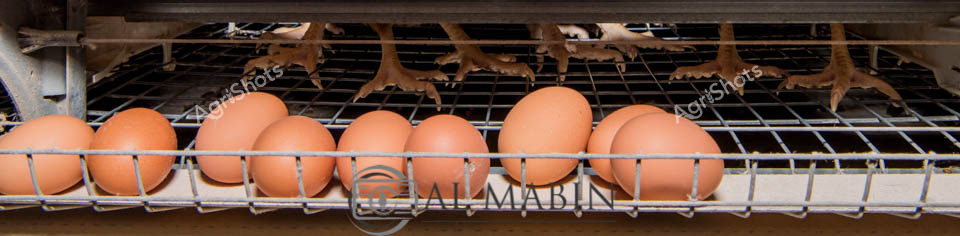
Fresh, amber-hued eggs rest in uniform precision along a wire shelf, capturing the systematic efficiency of modern poultry production. Soft brown eggs nestle in a galvanized wire rack, their uniform color and shape revealing careful selective breeding and consistent agricultural practices typical of Australian large-scale egg farming. Mechanical ventilation and structured shelving suggest a controlled environment, likely within a climate-regulated henhouse in a New South Wales poultry facility. The muted palette of rust-brown eggs against the metallic grid creates a geometric composition that speaks to the methodical nature of contemporary agricultural systems. Overhead, shadowy structural elements hint at the intricate infrastructure supporting large-scale egg production, where each egg represents a carefully managed unit of agricultural output. The image exemplifies the precise, industrialized approach to livestock management that characterizes Australian agricultural innovation, transforming traditional farming into a highly optimized, scientific enterprise.
 Image
Stacked with precision and efficiency, thousands of farm-fresh eggs fill multiple layers of gray egg trays in a dimly lit agricultural storage facility. A worker wearing a high-visibility orange and navy polo shirt and cap stands alongside the impressive egg pallet, holding a cylindrical object - likely used in egg handling or quality control. The meticulously arranged eggs represent the output of large-scale poultry farming, showcasing the scale and systematic approach of modern egg production in rural Australia. Soft brown and tan egg colors create a uniform, textured surface across the carefully stacked trays, highlighting the consistency and quality of commercial egg collection. The subdued lighting and industrial setting underscore the behind-the-scenes logistics of agricultural supply chains, where massive quantities of produce are sorted, stored, and prepared for distribution. This image captures the intersection of agricultural technology, labor, and food production - a testament to the sophisticated systems that bring eggs from farm to table across New South Wales and beyond.
 Image
Black and white pastoral intensity frames a classic New England livestock scene. Sturdy weathered timber yards contain a herd of Hereford cattle, their distinctive white faces and dark bodies creating strong visual contrast against the muted landscape. Wooden fence posts, silvered by years of exposure, create geometric lines leading the eye across the paddock where additional cattle graze near a distant farm shed. The bovine in the foreground leans against the fence rail, epitomizing the calm resilience of agricultural life, while clouded skies suggest the unpredictable climate that defines rural farming environments. This image captures the essence of Australian cattle breeding - a delicate balance of rugged infrastructure, animal husbandry, and the timeless connection between land, livestock, and farmer. The monochrome palette emphasizes texture and form, transforming an everyday agricultural moment into a powerful narrative of rural production and pastoral heritage.
 Image
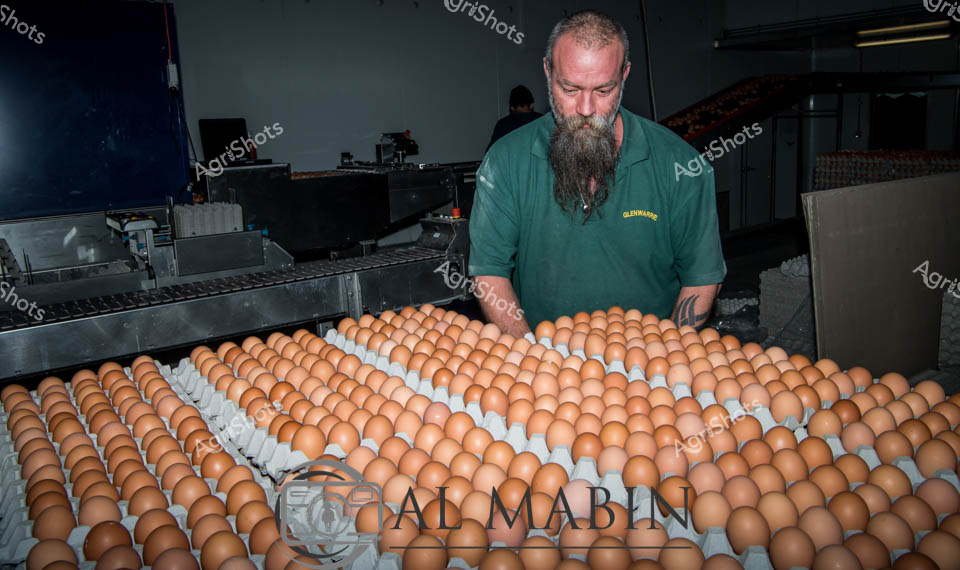
In a meticulously organized egg processing facility, a seasoned agricultural worker carefully inspects hundreds of freshly laid brown eggs. Wearing a forest green polo shirt with company branding, the bearded worker stands amid rows of perfectly aligned eggs nestled in white cardboard trays. The industrial setting reveals a sophisticated sorting and grading conveyor system, highlighting the precision of modern poultry production. Warm brown and cream-colored eggs create a textural landscape, demonstrating the scale and efficiency of contemporary egg farming in Australia. Soft industrial lighting and the worker's focused demeanor underscore the methodical nature of agricultural processing, where each egg represents a carefully managed product. The image captures the intersection of traditional farming skill and technological innovation, revealing the unseen complexity behind a daily staple of Australian breakfast tables.
 Image
A sea of golden-yellow chicks blankets the floor of an industrial poultry shed, densely packed and chirping softly. Pale morning light filters through a window, revealing a rural landscape of paddocks and farm infrastructure in the blurred background. The young chickens huddle close together, their downy feathers creating a textured carpet across the shed's bare floor, representing the early stages of large-scale agricultural production. Stark concrete walls frame the scene, highlighting the controlled environment of modern poultry farming. The image captures the systematic and efficient nature of commercial egg and meat production, where hundreds of day-old chicks are meticulously raised in carefully managed conditions. This photograph offers an unfiltered glimpse into the initial stage of Australia's poultry industry, where precision and scale are paramount to meeting national food production demands.
 Image
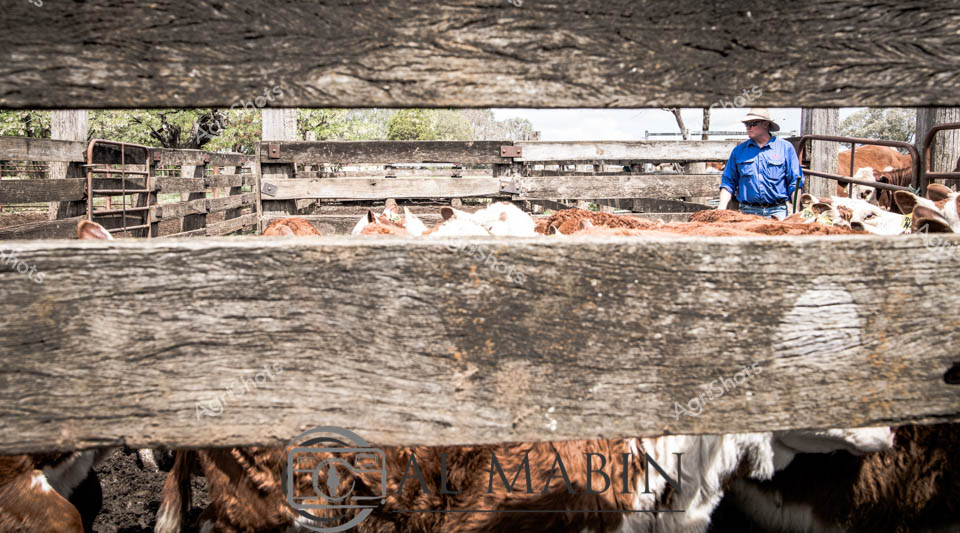
Weathered timber yards frame a quintessential rural cattle management scene in New England, New South Wales. A stockman in a crisp blue work shirt and light-colored wide-brimmed hat surveys a pen of robust Hereford cattle, their distinctive red and white coats gleaming against the rough wooden fencing. The tight composition reveals the precision of pregnancy testing, a critical process in stud cattle breeding - each animal carefully positioned for health assessment and herd management. Soft filtered light suggests an early morning session, with the textured wooden rails creating a rustic foreground that highlights the agricultural expertise unfolding in the background. The scene breathes with the quiet concentration of professional cattle handlers, capturing the nuanced skill of regional livestock management. Rich earthy tones of timber, soil, and cattle hide create a compelling visual narrative of Australian agricultural practice, showcasing the intimate connection between farmer and livestock in a carefully maintained rural environment.
 Image
Young broiler chicks huddle densely across the floor of a commercial poultry shed, their soft golden-yellow downy feathers creating a sea of uniform color. Brilliant natural light streams through a window, casting soft illumination over the massive flock, revealing the tightly packed nature of large-scale chicken farming. Dozens of tiny chicks jostle and move together, creating a living carpet across the concrete floor, their collective body heat and proximity essential for early growth and survival. The industrial interior surrounds them - rough concrete walls, simple window framing, and minimal environmental detailing emphasize the systematic, controlled environment of modern agricultural production. This scene captures the initial stages of poultry farming, where hundreds of day-old chicks are carefully managed to become future egg or meat producers. The image reveals the precise, structured approach of contemporary agricultural practices, where every element is carefully controlled to maximize efficiency and productivity.
 Image
Dusty cattle yards echo with the quiet concentration of rural enterprise as a seasoned stockman surveys a pen of robust Hereford cattle. Rich chestnut and white-coated steers cluster together, their yellow identification tags glinting in the soft light, each beast tagged and tracked with methodical precision. The stockman, dressed in a crisp blue work shirt and wide-brimmed hat, stands sentinel among the wooden yards, a testament to generational knowledge and agricultural craft. Rugged timber rails frame the scene, weathered by countless seasons of cattle trading and management, while trees in the distant background hint at the expansive New England landscape of northern New South Wales. These cattle represent the backbone of a stud operation, likely preparing for pregnancy testing - a critical process in maintaining herd quality and reproductive efficiency. The image captures the quintessential rhythm of Australian cattle farming: methodical, patient, and deeply connected to the land.
 Image
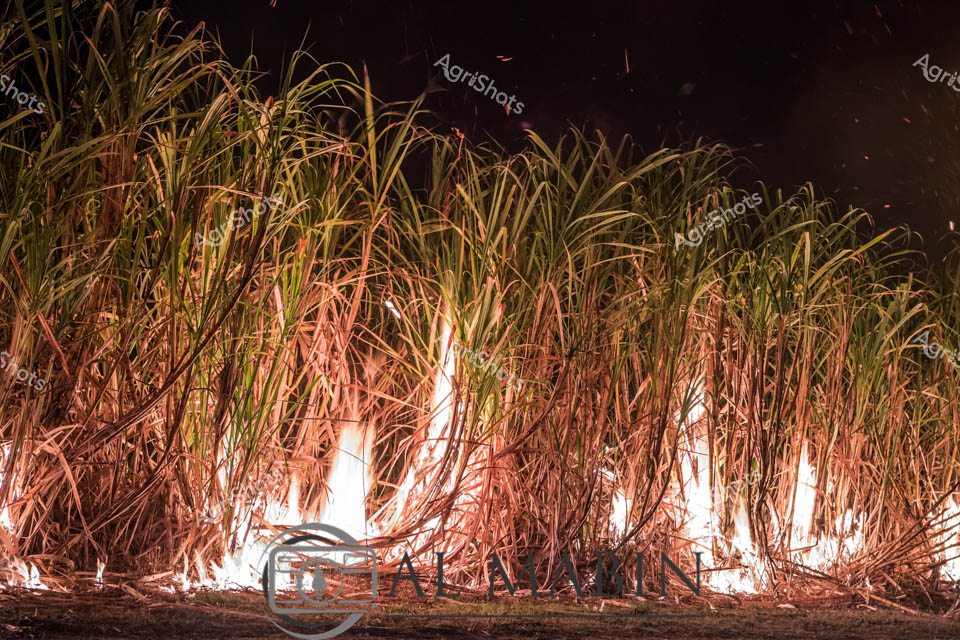
Sugarcane burns under the dark night sky, flames licking through dense green and reddish-brown stalks in a dramatic agricultural ritual. Harvesting preparations transform the agricultural landscape as controlled fire sweeps through the tall cane fields, clearing dried leaves and preparing the crop for cutting. Intense orange and white flames illuminate the thick grass-like vegetation from below, creating a mesmerizing interplay of light and shadow across the field. The burn method is a traditional technique used by Australian sugarcane farmers to reduce leaf matter, improve harvest efficiency, and reset the field for the next growing cycle. Sparks and embers dance upward, punctuating the darkness and highlighting the textural complexity of the sugarcane plantation. This nocturnal scene captures the raw, elemental process of agricultural land management in regional New South Wales, where fire becomes a critical tool in sustainable crop preparation.
 Image
Soft morning light bathes a pristine sugarcane irrigation channel in rural New South Wales, revealing the intricate agricultural landscape of Australia's northern coastal regions. The perfectly aligned waterway cuts between lush green sugarcane fields, with rich dark soil visible on one side and mature cane crops standing tall with their distinctive feathery green-brown foliage. Wispy clouds drift across a pale blue sky, reflecting delicately in the mirror-like water surface that provides critical hydration to this vital agricultural ecosystem. The irrigation channel demonstrates sophisticated water management techniques essential to sustainable sugarcane farming, with carefully maintained grassy banks ensuring efficient water distribution to the crop's extensive root systems. The scene captures the precision and harmony of modern agricultural practices, where engineered infrastructure meets natural landscape in a seamless, productive partnership. This meticulously managed agricultural corridor represents the backbone of Australia's sugar production, highlighting the critical role of water resources in supporting one of the country's significant export crops.
 Image
Muscular Hereford cattle crowd the timber-railed yards under dappled sunlight, their rich chestnut and white coats gleaming against the muddy holding pens. Two agricultural workers in blue and green shirts move deliberately among the herd, conducting pregnancy testing for this stud breeding operation in New England's rugged pastoral landscape. The wooden yards, weathered and robust, contain the calm but watchful cattle, who stand shoulder-to-shoulder in the compact space surrounded by mature eucalyptus trees. Soft cloud cover diffuses the daylight, creating an even, muted atmosphere typical of the region's temperate agricultural environment. Each animal represents carefully selected genetics, part of a meticulous breeding program aimed at improving herd quality and productivity. The scene captures the quiet expertise of Australian cattle management - a blend of traditional farming practices and modern scientific breeding techniques characteristic of New South Wales' renowned beef production regions.
 Image
Day-old golden chick hatchlings huddle densely across the floor of a commercial poultry brooding shed, their tiny downy bodies creating a living carpet stretching from wall to wall. Soft amber and beige feathers blend together, creating a textural landscape of newborn poultry, packed tightly in uniform rows beneath a window revealing a distant pastoral landscape. The brooding shed's interior offers a controlled environment typical of modern large-scale agricultural practices, with stark concrete walls and a clinical, functional aesthetic that speaks to efficient livestock management. Pale morning light filters through the window, casting a soft diffusion over the hundreds of newly hatched chickens, each representing a potential future layer or meat bird in Australia's robust poultry industry. The dense clustering of chicks demonstrates their instinctive behavior to stay warm and protected, a survival mechanism that agricultural scientists and farmers carefully manage through precise environmental controls. This image captures a critical moment in commercial poultry production - the vulnerable first days of life where temperature, humidity, and care are paramount to successful livestock development.
 Image
Burnt sugarcane stalks stretch across the landscape, their blackened forms testament to the post-harvest burning practice common in Australian cane fields. Golden-yellow and charcoal-black stems create a dense, textured canvas against the pale blue sky, revealing the intricate aftermath of harvest preparation in Queensland or northern New South Wales. The controlled burn eliminates excess leaf matter, prepares the field for replanting, and helps manage pest populations, a critical agricultural technique in sugarcane production. Slender cane stalks with hints of green remain standing, their burnt surroundings creating a stark, almost sculptural environment that speaks to the rhythmic cycles of agricultural work. Early morning light filters through the burnt field, casting long shadows and highlighting the intricate network of fallen and standing stalks, capturing a moment of agricultural transformation. This scene embodies the raw, pragmatic beauty of Australian sugarcane farming - a landscape of renewal, efficiency, and the delicate balance between destruction and regeneration.
 Image
Cattle pregnancy testing unfolds in a bustling rural workspace, where experienced agricultural professionals meticulously document livestock reproductive data. A seasoned stockman in a crisp blue workshirt and weathered wide-brimmed hat operates a laptop, carefully logging details against a backdrop of metal cattle yards and lush green paddock trees. Nearby, another worker in a green polo shirt manages veterinary supplies, with a white medical container and an Agri-Vet branded clipboard signaling the systematic nature of stud cattle management. The scene captures the precision and methodical approach of modern cattle breeding, where technology and traditional agricultural expertise intersect to optimize herd productivity. Soft natural light and the muted tones of dusty yards, blue workwear, and green pasture create an authentic snapshot of New England region agricultural practice, highlighting the meticulous care and professional documentation integral to successful livestock production.
 Image
Layer upon layer of russet-feathered hens crowd the wire shelves of a contemporary egg production facility, their distinctive red combs standing out against the industrial gray infrastructure. Orange eggs nestle in the wire baskets below, a testament to the systematic efficiency of modern poultry farming. The tightly arranged battery cages speak to the large-scale agricultural methods common in New South Wales' commercial egg production sector, where precision and volume define the operation. Warm brown and reddish feathers create a living tapestry against the sterile metal framework, highlighting the contrast between organic life and mechanical systems. Each hen appears alert, their keen eyes and proud crests suggesting a stoic adaptation to the controlled environment of large-scale egg farming. This image captures the industrial heartbeat of Australian agricultural production - a world where animal husbandry meets technological optimization, generating food at scale for urban and rural markets alike.
 Image
Muscular Simmental cattle cluster tightly within metal yard gates, their burnished copper and white coats gleaming against the rich chocolate-brown earth. A farmer in a vivid raspberry-colored shirt stands sentinel, overseeing the herd's careful management against a backdrop of verdant pastures and rolling hills. The cattle - robust beef breed stock with distinctive coloration - bunch together, their powerful bodies radiating quiet strength and agricultural purpose. Soft morning light filters across the landscape, illuminating the bare-branched tree and lush green paddocks beyond the yard, suggesting early autumn in a classic New South Wales rural setting. Yellow ear tags mark each animal, signaling this is a carefully managed stud breeding operation where genetic lines and individual animal quality are precisely tracked. The scene captures the methodical, purposeful rhythm of Australian cattle farming - a blend of careful animal husbandry, strategic livestock management, and deep connection to the land.
 Image
Muscular Simmental cattle cluster tightly in a steel-gated yard, their rich auburn and white-flecked coats gleaming against the muddy ground. Nestled in a lush pasture of emerald green, the herd represents a prime example of Australian beef breeding excellence, with well-developed muscular frames typical of this productive continental breed. Surrounding paddocks stretch into misty woodland backgrounds, suggesting a temperate Southern Highlands or New England region of New South Wales. The tight grouping indicates careful stock management, with animals likely being prepared for assessment, sale, or veterinary inspection. Bare deciduous trees hint at late winter or early spring, a critical period for cattle nutrition and herd preparation. This image captures the precision and care of modern Australian cattle husbandry - a testament to generations of agricultural expertise and strategic breeding programs that underpin the nation's robust beef industry.
 Image
Fresh eggs cascade across a wire-mesh collection tray, their warm terracotta and soft buff hues revealing the natural palette of free-range poultry production. Chicken feet grip the upper wire rack, a stark industrial counterpoint to the organic curves of the eggs below. Soft, diffused lighting highlights the smooth, unblemished shells, each egg a perfect testament to careful husbandry and controlled environmental conditions. The layered composition—from the textured chicken feet to the uniform eggs—captures the intricate balance between living creatures and systematic agricultural practice. This image encapsulates the quiet industry of Australian egg production, where technology and animal husbandry intersect to deliver a staple food product with remarkable consistency and quality.
 Image
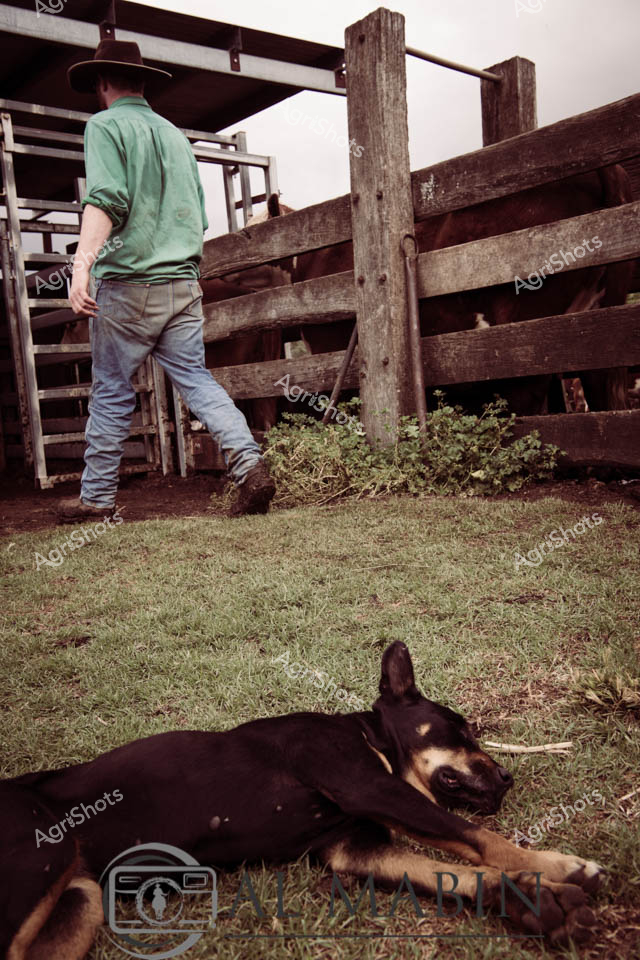
Dusty afternoon light filters across a weathered cattle yard in New England, New South Wales, where a stockman in a sage green shirt and faded denim stands preparing for pregnancy testing. Worn timber yards frame the scene, their silvered wooden posts and rails telling stories of countless cattle movements. A dark working dog lies attentively on the grass, ears alert and body relaxed, ready to respond to any subtle command. The stockman's stance suggests concentration and practiced skill - a quintessential moment of rural agricultural work where precision and experience converge. Sparse grass and packed earth beneath hint at the demanding environment of cattle country, where every movement and interaction between human, animal, and landscape is purposeful. This image captures the understated intensity of beef cattle management, where generations of knowledge are distilled into quiet, efficient moments of farm work.
 Image
English Spinach and Radish Market Display Vibrant local produce bursts with color and freshness at this urban farmers market stall, showcasing the exceptional quality of regional agricultural produce. A display of beautifully arranged root vegetables fills the frame - deep burgundy beetroots on the left blend into bright orange carrot tones, while crisp English spinach leaves create a verdant central section and plump pink radishes dominate the right side of the display. Two market vendors stand proudly behind their meticulously organized produce, wearing welcoming smiles and neat black tops, embodying the passionate spirit of small-scale farming. Handwritten chalkboard price signs - "English Spinach $4.50" and "Radish $3.50" - add an artisanal touch to the presentation, highlighting the direct connection between grower and consumer. The backdrop suggests an historic urban market setting, with arched stone buildings creating a classic architectural frame for this celebration of fresh, locally grown vegetables. Every element of the image speaks to sustainable agriculture, community connection, and the pride of carefully cultivated produce.
 Image
Vibrant Swiss chard and rhubarb burst from an elegant woven basket, creating a lush tableau of agricultural abundance. Brilliant magenta, yellow, and deep green stalks intertwine, showcasing the remarkable color palette of fresh-harvested produce. The vegetables are bundled with care, their crisp leaves and robust stems revealing the peak freshness of a market garden harvest. Soft burlap provides a rustic foundation for the basket, enhancing the organic, farm-fresh aesthetic of the composition. This stunning arrangement celebrates the rich horticultural heritage of regional Australian farming, highlighting the meticulous craft of vegetable cultivation. The intricate textures and jewel-toned colors speak to the extraordinary diversity and quality of produce grown in New South Wales market gardens, capturing the essence of sustainable, small-scale agricultural production.