Browse the collection
 Image
Harvesting sugarcane under a soft, overcast sky, an agricultural worker navigates a vehicle through the dense green and golden-brown stalks of a mature cane field. The rugged terrain reveals a well-worn track between towering sugarcane plants, their long leaves swaying gently in the morning light. From the perspective of the vehicle's interior, the scene captures the intricate process of crop management in a classic Australian agricultural landscape. Charred and flattened cane remnants from a recent burn-off create a stark contrast with the vibrant green shoots emerging through the blackened earth, signaling the cyclical nature of sugarcane cultivation. The worker's silhouette, framed by the vehicle's window, suggests concentration and expertise in maneuvering through the challenging field conditions. This image epitomizes the resilience and technological precision of modern sugarcane farming in New South Wales, where generations of agricultural knowledge merge with contemporary farming techniques.
 Image
Flames surge through golden sugarcane stalks, illuminating the night with an intense amber glow across the agricultural landscape. The controlled burn transforms the field into a mesmerizing spectacle of agricultural practice, where fire cleanses and prepares the land for harvest in rural New South Wales. Burning sugarcane is a traditional method of clearing leaf matter and preparing fields before mechanical harvesting, with bright flames consuming the dry vegetation and creating a dramatic, flickering boundary between earth and sky. Embers dance upward, casting a warm radiance that highlights the intricate textures of the cane stalks, their slender forms backlit against the deep darkness. This nocturnal agricultural ritual represents generations of farming knowledge, where fire becomes a strategic tool in crop management, clearing ground and reducing external processing costs. The image captures the raw, elemental power of agricultural transformation, where fire serves as both destroyer and renewer in the delicate ecosystem of sugarcane production.
 Image
Burnt and blackened sugarcane stubble sprawls across a dense field, revealing the aftermath of a controlled burn during harvest season in rural New South Wales. Charred stalks of green and yellow cane intertwine, creating a complex lattice of burnt vegetation stretching across the landscape. The burn technique is a critical agricultural practice, clearing remnant plant matter and preparing fields for replanting, while also naturally controlling pests and weeds. Silvery-green and amber cane stems lean at irregular angles, their twisted forms highlighting the intense heat that has swept through the field, leaving a dark, scorched earth beneath. This image captures the raw, elemental transformation of the sugarcane landscape - a moment of deliberate destruction that paradoxically renews and prepares the land for future growth. The intricate texture and layered colors of the burnt cane create a visually striking representation of Australian agricultural processes, showcasing the rugged efficiency of modern farming techniques.
 Image
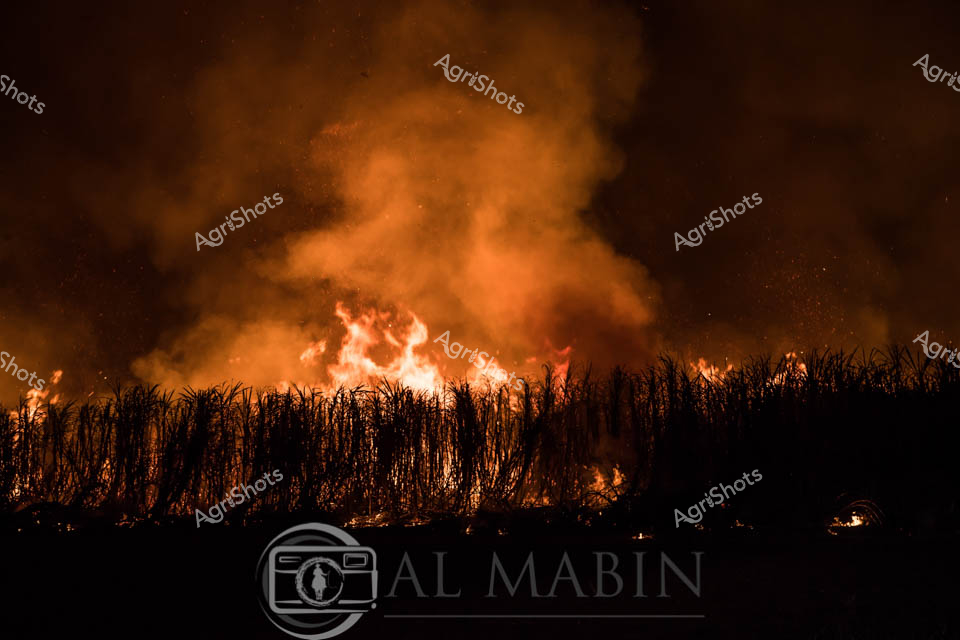
Flames consume the sugarcane fields under the dark night sky, creating a dramatic agricultural spectacle of controlled burning. Intense orange and deep crimson fire licks through the tall, dry cane stalks, illuminating the landscape with a fierce, primal energy characteristic of pre-harvest land management in regional New South Wales. The deliberate burn eliminates dry leaves and prepares the field for efficient mechanical harvesting, a critical practice in sugarcane production that reduces pest populations and enhances crop yield. Sparks and embers dance upward, creating a mesmerizing display of agricultural transformation against the inky black backdrop, while the silhouetted cane rows stand sentinel to the controlled destruction. This nighttime burn represents a generations-old technique of agricultural preparation, where fire becomes a strategic tool in crop management, simultaneously clearing and renewing the land.
 Image
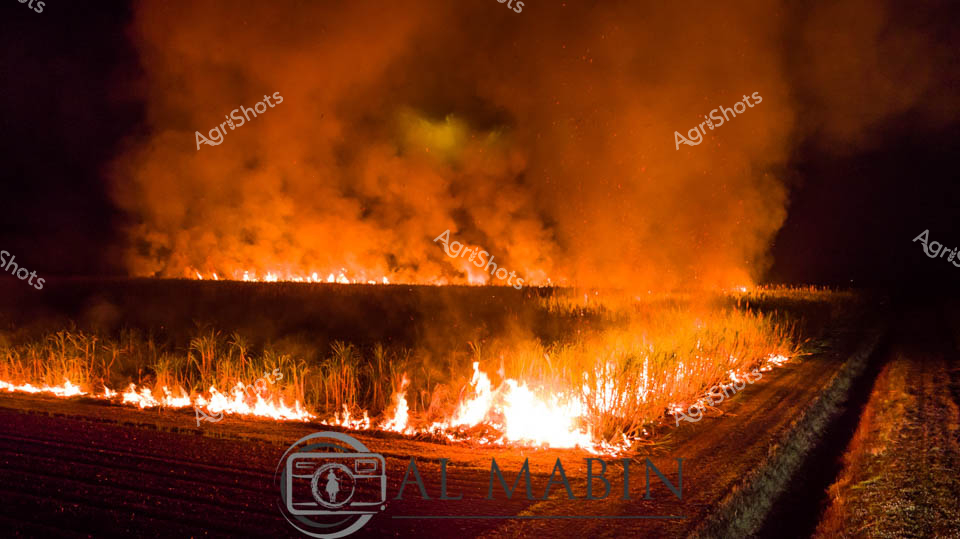
Flames lick across the night-dark landscape, transforming sugarcane fields into a blazing canvas of orange and yellow. Controlled burning illuminates the agricultural terrain, a critical stage of the pre-harvest ritual in New South Wales' sugarcane regions. Precise lines of fire consume dry vegetation, clearing fields and preparing for mechanical harvesting while naturally managing crop residue and pest populations. The intense heat radiates outward, casting dramatic shadows along carefully demarcated field boundaries and drainage channels. Smoke billows skyward, creating a primal tableau that speaks to generations of agricultural practice and the rhythmic renewal of the land. This striking nocturnal scene captures the raw, elemental process of agricultural management, where fire becomes a strategic tool in the complex choreography of crop production.
 Image
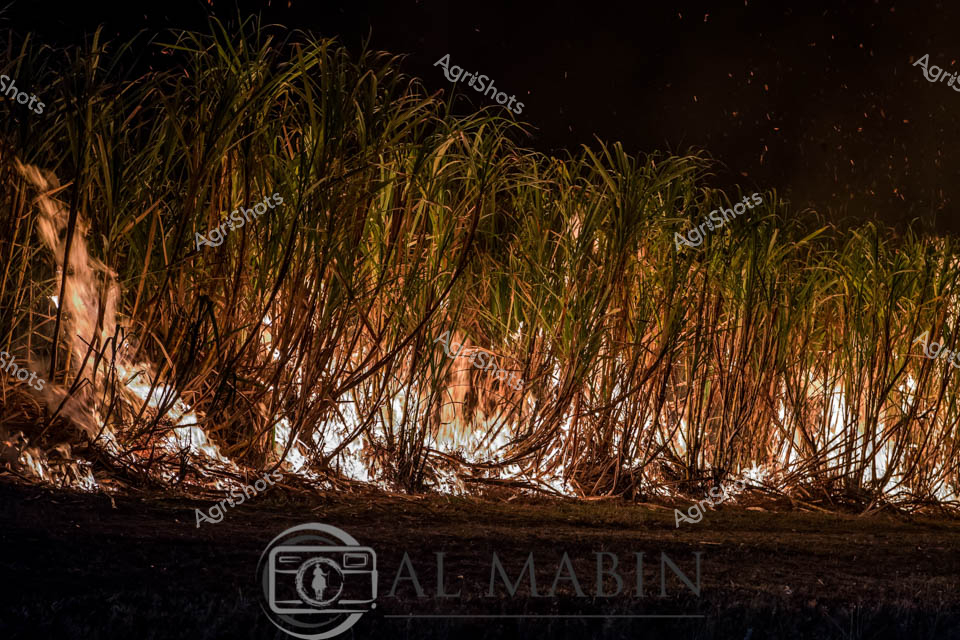
Sugarcane fields ignite in a dramatic nocturnal burn across the dark landscape of rural New South Wales. Flames lick through the dry, golden-green stalks, creating an intense agricultural spectacle of controlled burning during harvest season. The fire traces along the base of the cane rows, burning away excess foliage and preparing the field for cutting, a traditional method of crop management that reduces leaf matter and prepares sugarcane for efficient harvesting. Intense orange and amber flames contrast against the deep black night, highlighting the textured stems and creating a mesmerizing visual of agricultural transformation. This nighttime burn illuminates the agricultural practice with a primal, elemental energy, revealing the intricate relationship between farmers and the land. The controlled fire represents a critical stage in the sugarcane production process, burning away external material to maximize crop value and prepare for the upcoming harvest.
 Image
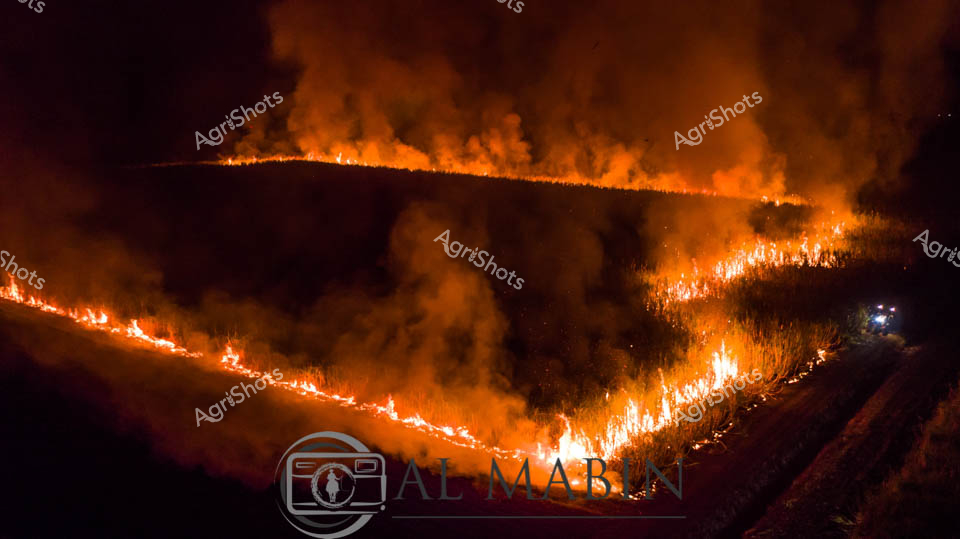
Flames surge across rolling grasslands, transforming the nocturnal landscape into a blazing canvas of orange and crimson. A controlled burn illuminates the agricultural terrain, likely a strategic cane field preparation technique common in New South Wales sugarcane regions. Intense lines of fire snake along the ground, consuming dry grasses and vegetation in a methodical progression, clearing fields for future crop cultivation. The night sky glows with an ethereal amber light, casting dramatic shadows and highlighting the textural contours of the burning landscape. In the periphery, a faint vehicle light suggests agricultural workers monitoring the carefully managed burn, ensuring the fire remains contained and purposeful. This powerful image captures the raw, elemental process of land management in Australian agricultural practices, where fire serves as a critical tool for renewing pastures, controlling undergrowth, and preparing fields for the next planting season.
 Image
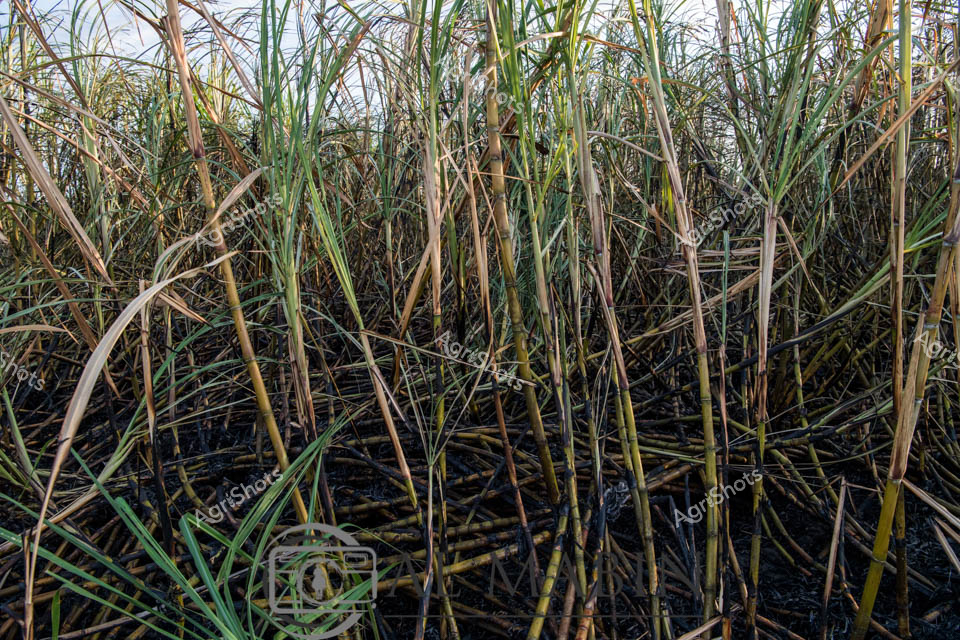
Scorched earth and towering sugarcane stalks dominate this dramatic agricultural landscape, capturing the intense post-harvest burning practices of Australia's northern cane fields. Blackened ground contrasts sharply with the standing green and yellow-tinged cane stems, which rise like natural sentinels across the burnt terrain. The vertical lines of the cane create a dense, textural scene that speaks to the brutal efficiency of agricultural land management in Queensland and New South Wales. Burnt remnants of previous crops intermingle with standing cane, revealing the cyclical nature of sugarcane cultivation - where fire cleanses the land, preparing it for new growth and next season's planting. The image captures the raw, elemental process of agricultural renewal, with charred ground and standing cane representing the transition between harvest and regeneration. This scene epitomizes the rugged agricultural practices that have defined Australia's sugar industry for generations, showcasing the stark beauty of post-harvest agricultural landscapes.
 Image
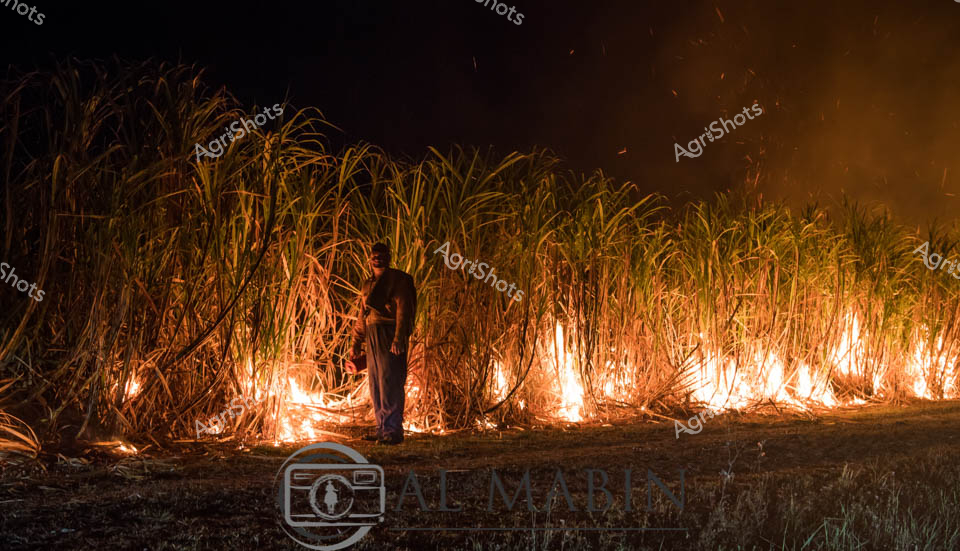
Scorching flames dance along the edges of towering sugarcane stalks under the inky black night sky, illuminating a solitary figure standing amid the controlled burn. Dressed in dark protective clothing, the agricultural worker guides the deliberate fire that will clear the field before harvest, a traditional agricultural practice in the sugarcane regions of New South Wales. Golden-amber flames lick through the dense green and yellowing cane, creating a mesmerizing wall of light that transforms the landscape into a luminous tableau of agricultural methodology. Embers float upward like fireflies, casting an ethereal glow across the field and silhouetting the worker who manages this precise agricultural technique essential to sugarcane preparation. The controlled burn removes leaf matter, prepares the ground for cutting, and reduces the volume of material transported to the mill, representing generations of farming wisdom passed down through Queensland and Northern NSW cane regions. This dramatic nocturnal scene captures the raw intersection of human agricultural intervention and the elemental power of fire, a critical moment in the sugarcane harvest cycle.
 Image
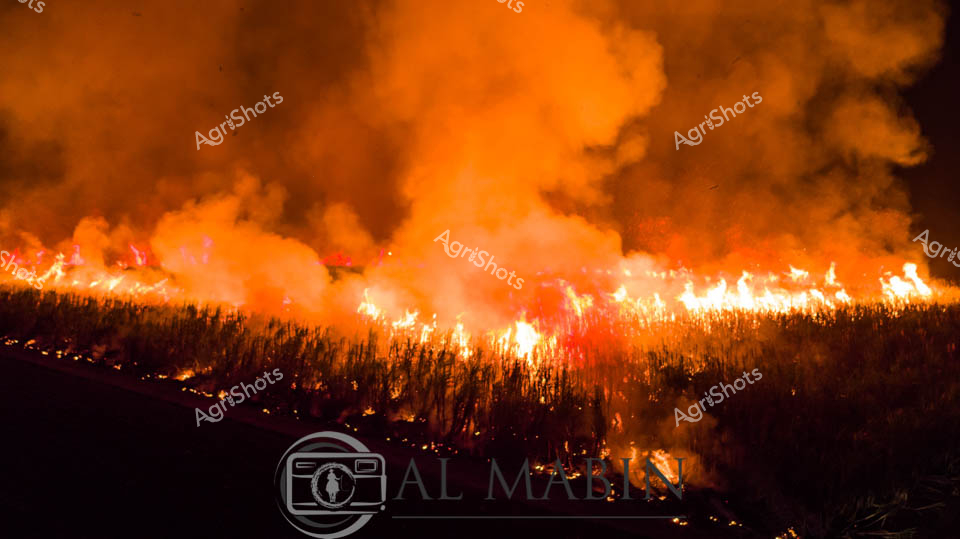
Flames consume the sugarcane fields in a fierce, controlled burn, illuminating the night sky with an intense orange and red glow. Stretching across the landscape, the deliberate fire cleanses the fields, preparing them for harvest in the traditional method used throughout New South Wales. Tall cane stalks crackle and spark, creating a mesmerizing wall of flame that transforms the dark agricultural terrain into a brilliant, burning tableau. Thick plumes of smoke billow upward, creating dramatic clouds that reflect the intense heat and light of the burning crop. This agricultural practice, known as pre-harvest burning, helps remove leaves and unwanted plant material, making harvesting more efficient and preparing the sugarcane for processing. The image captures the raw power of agricultural land management, revealing the dramatic intersection of human intervention and natural cycles in the sugarcane production process.
 Image
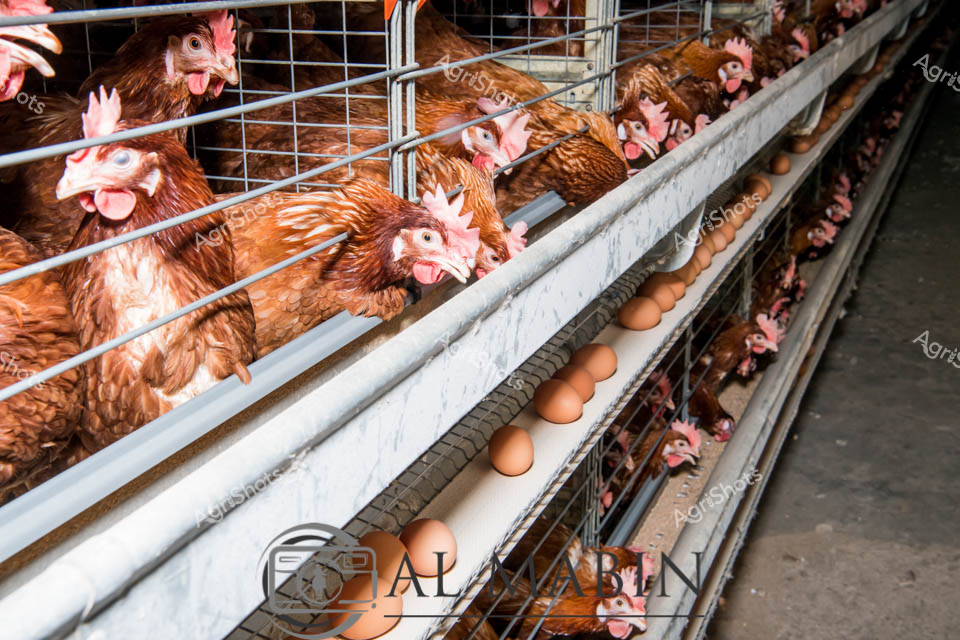
Battery hens crowd the wire cages of an large-scale egg production facility, their reddish-brown feathers pressed against metallic barriers. Pristine white conveyor systems beneath the cages efficiently collect a steady stream of fresh brown eggs, each one rolling smoothly along the mechanical pathway. The uniform rows of chickens demonstrate the industrialized nature of modern agricultural egg production, with tightly packed hens positioned in precise multiple-tier arrangements. Soft pink combs and alert eyes peek through the wire grid, revealing the living creatures behind this systematic food production process. Overhead lighting casts a clinical illumination across the metallic surfaces, highlighting the mechanical precision of contemporary poultry farming infrastructure. This image captures the complex intersection of animal husbandry and industrial efficiency, revealing the structured environment where protein production meets agricultural technology in rural Australia.
 Image
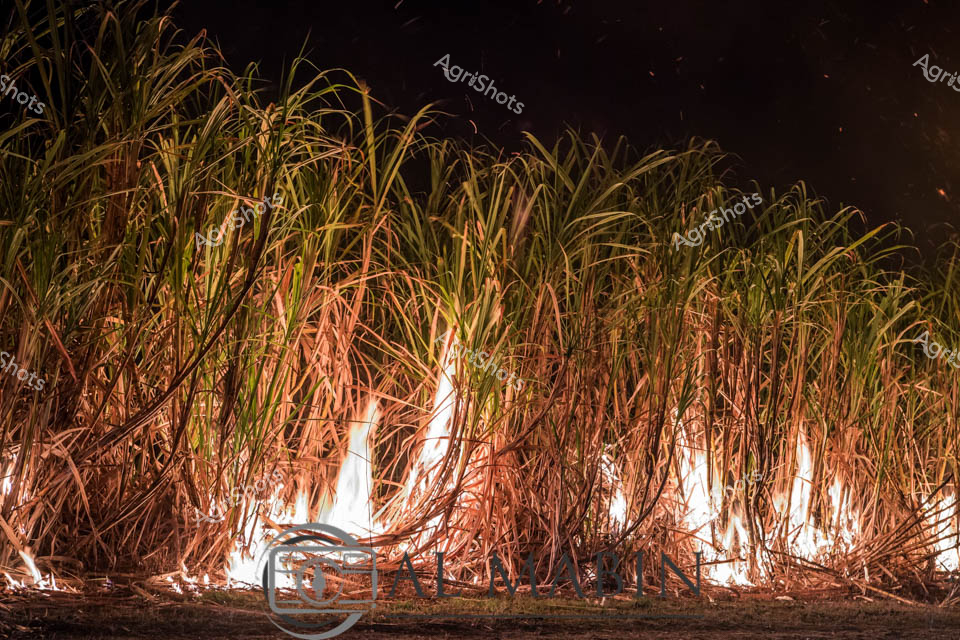
Flames dance through a dense stand of sugarcane, illuminating the night with an intense amber and white glow. The controlled burn blazes across the field, a critical part of the pre-harvest preparation in sugarcane cultivation across New South Wales. Brilliant white-orange flames lick through the tall green and browning cane stalks, creating a mesmerizing pyrographic display that reveals the agricultural precision of Australian cane farmers. The fire systematically clears dry leaves and undergrowth, preparing the field for mechanical harvesting and removing pest habitats in a traditional land management technique. Sparks drift upward against the inky black background, creating a dramatic contrast that highlights the raw energy of this agricultural practice. This nocturnal scene captures the rugged beauty of sugarcane production, where fire becomes a strategic tool in transforming the landscape and preparing for the annual harvest.
 Image
Battery-caged layer hens huddle closely in uniform wire compartments, their rich russet-brown feathers contrasting against galvanized steel infrastructure. Fresh brown eggs line the wire collection tray beneath the cages, each perfectly formed and aligned, representing the systematic efficiency of modern egg production. The industrial setting reveals precise environmental controls typical of large-scale poultry farming, with metallic barriers and standardized housing designed for maximum egg yield. Reddish-brown hens with prominent combs demonstrate the Rhode Island Red breed, prized for consistent egg production in Australian agricultural systems. Stark fluorescent lighting emphasizes the clinical, production-focused environment, highlighting the streamlined process from living hen to consumer egg product. This image captures the technological precision of contemporary egg farming, where animal husbandry meets industrial scale manufacturing in New South Wales' agricultural landscape.
 Image
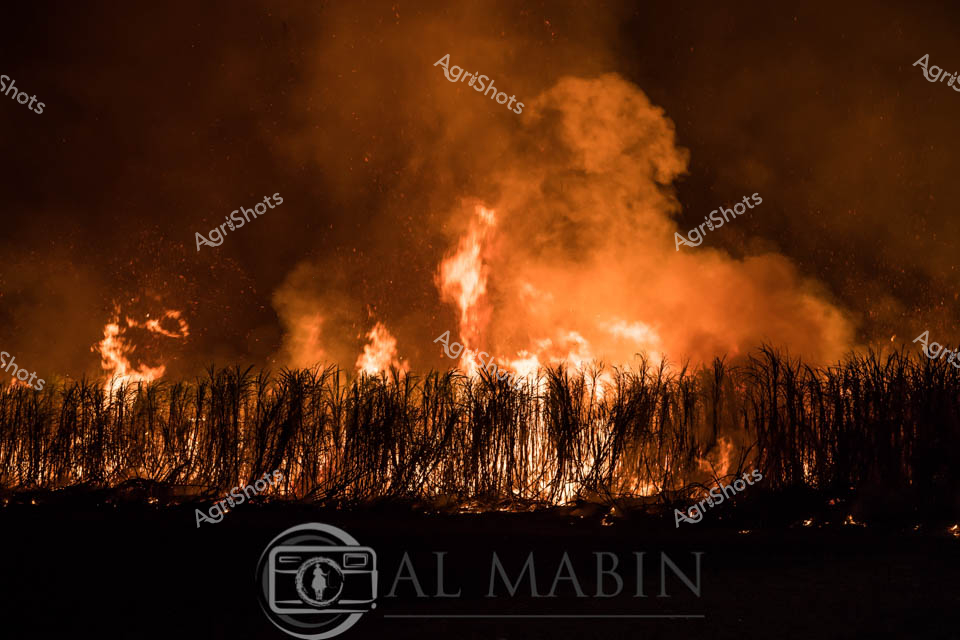
Fierce flames engulf a sugarcane field under the dark night sky, illuminating the landscape with an intense orange and amber glow. Towering stalks of burnt sugarcane stand blackened and charred, their silhouettes stark against the raging inferno that sweeps across the agricultural terrain. Pre-harvest burning, a traditional agricultural practice in New South Wales, clears fields of excess leaf matter, prepares the crop for cutting, and helps control pests and weeds. The controlled burn creates a dramatic visual spectacle, with multiple fire zones generating massive plumes of smoke that billow dramatically into the night atmosphere. Sparks and embers dance upward, creating a mesmerizing display of destructive yet purposeful agricultural management. This image captures the raw power of fire as a critical tool in the sugarcane production process, highlighting the intense and strategic methods used by farmers to prepare their fields for harvest in the rich agricultural landscapes of regional Australia.
 Image
Golden dawn light streams through an industrial window, illuminating a densely packed enclosure of soft golden-brown chicks. Hundreds of newly hatched poultry huddle together across the floor of a climate-controlled brooding shed, their downy feathers creating a uniform sea of movement and warmth. The young chickens cluster tightly, their collective body heat essential in these critical early weeks of life, with farmland and distant structures visible through the open window. This large-scale farming environment represents precision agricultural practice, where each chick is carefully nurtured to ensure optimal growth and productivity. The rich, textured landscape of tiny feathered bodies creates a living carpet, showcasing the sophisticated approach to modern poultry production in rural Australia. The scene captures the delicate balance of commercial agriculture - systematic yet life-sustaining, where careful management transforms these vulnerable young birds into a critical component of the national food supply chain.
 Image
Fresh eggs cascade across a wire-mesh collection tray, their warm terracotta and soft buff hues revealing the natural palette of free-range poultry production. Chicken feet grip the upper wire rack, a stark industrial counterpoint to the organic curves of the eggs below. Soft, diffused lighting highlights the smooth, unblemished shells, each egg a perfect testament to careful husbandry and controlled environmental conditions. The layered composition—from the textured chicken feet to the uniform eggs—captures the intricate balance between living creatures and systematic agricultural practice. This image encapsulates the quiet industry of Australian egg production, where technology and animal husbandry intersect to deliver a staple food product with remarkable consistency and quality.
 Image
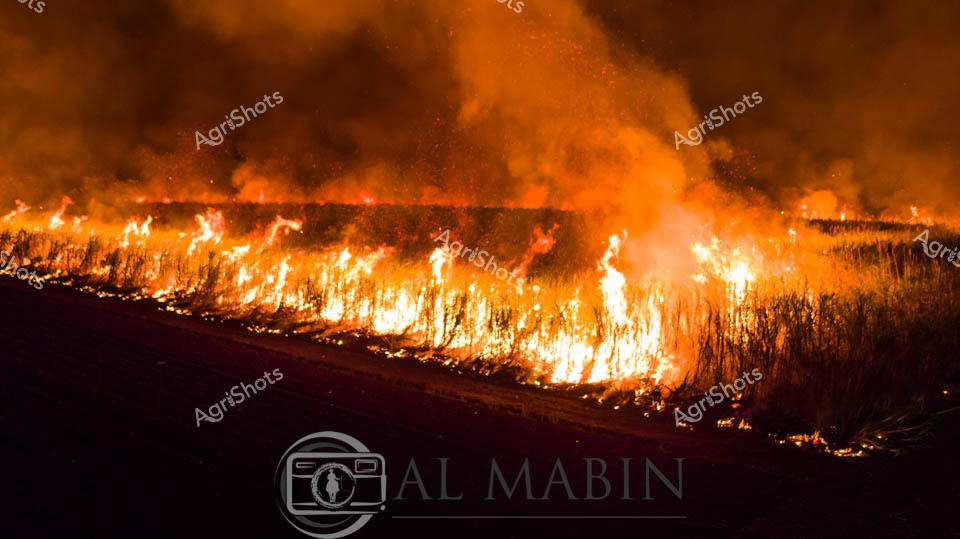
Scorching flames surge across a vast sugarcane field, illuminating the night with an intense orange and amber glow. The controlled burn sweeps methodically along the agricultural landscape, a critical preparation technique for harvesting in the New South Wales cane farming region. Tall dry cane stalks ignite in a dramatic line of fire, creating a mesmerizing wall of flames that reaches skyward, casting dramatic shadows and generating immense heat against the dark background. This traditional agricultural practice helps clear unwanted vegetation, eliminate pests, and prepare fields for efficient mechanical harvesting, representing generations of farming wisdom passed through Queensland and NSW sugarcane communities. The precision of the burn line demonstrates the skill of local farmers who carefully manage these fires to maximize crop productivity while minimizing environmental impact. Captured under the cover of darkness, the image reveals the raw, elemental power of agricultural land management techniques that have sustained Australian rural economies for decades.
 Image
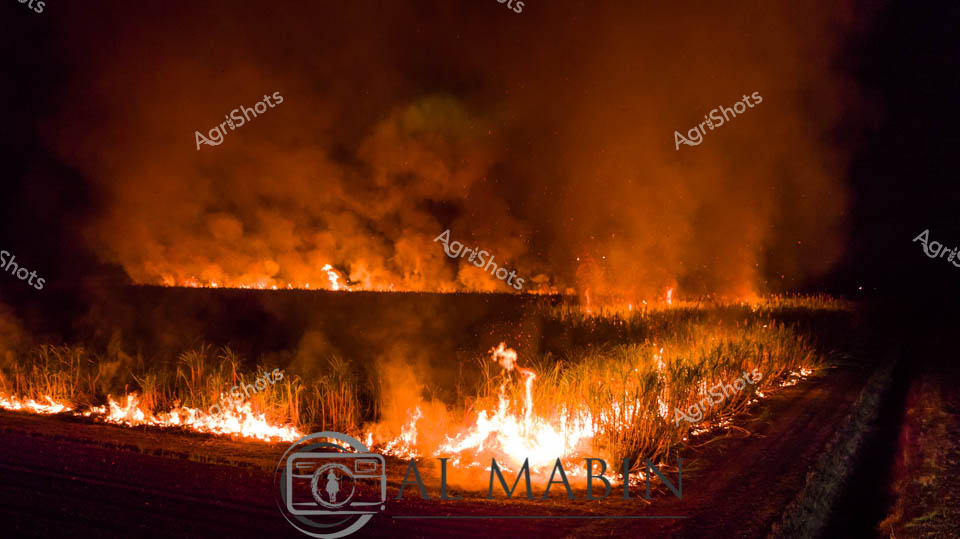
Flames consume the sugarcane fields under the cover of night, illuminating the dark landscape with an intense orange glow. A controlled burn sweeps across the rural paddock, a critical technique in pre-harvest agricultural management in New South Wales. The fire moves methodically through the dry cane stalks, clearing undergrowth and preparing the field for mechanical harvesting. Brilliant flames lick upward, creating dramatic silhouettes against the inky black background, with scattered embers dancing into the smoky atmosphere. This deliberate burning reduces leaf matter, makes cutting easier, and can help manage pest populations, representing a generations-old agricultural practice in Australian sugarcane production. The intense heat and dynamic movement of the fire create a powerful visual testament to the precision and strategic planning inherent in modern agricultural systems.
 Image
Bathed in the soft, diffused light of an industrial poultry shed, a seasoned egg farmer stands confidently beside rows of meticulously organized battery cages. Warm brown-feathered hens populate the wire enclosures, their russet and amber plumages creating a rich, textured landscape against the steel-gray infrastructure. Pristine white eggs roll gently along sloped collection trays, a testament to the precision of modern agricultural systems. The farmer, dressed in a classic blue work shirt and well-worn jeans, cradles a healthy hen in one arm, wearing a protective wide-brimmed hat that speaks to years of outdoor work. His relaxed posture and gentle handling of the bird suggest decades of experience in large-scale egg production. This snapshot captures the intersection of agricultural efficiency and animal husbandry, revealing the carefully managed world of commercial egg farming in rural Australia, where technology and traditional farming knowledge combine to feed a growing population.
 Image
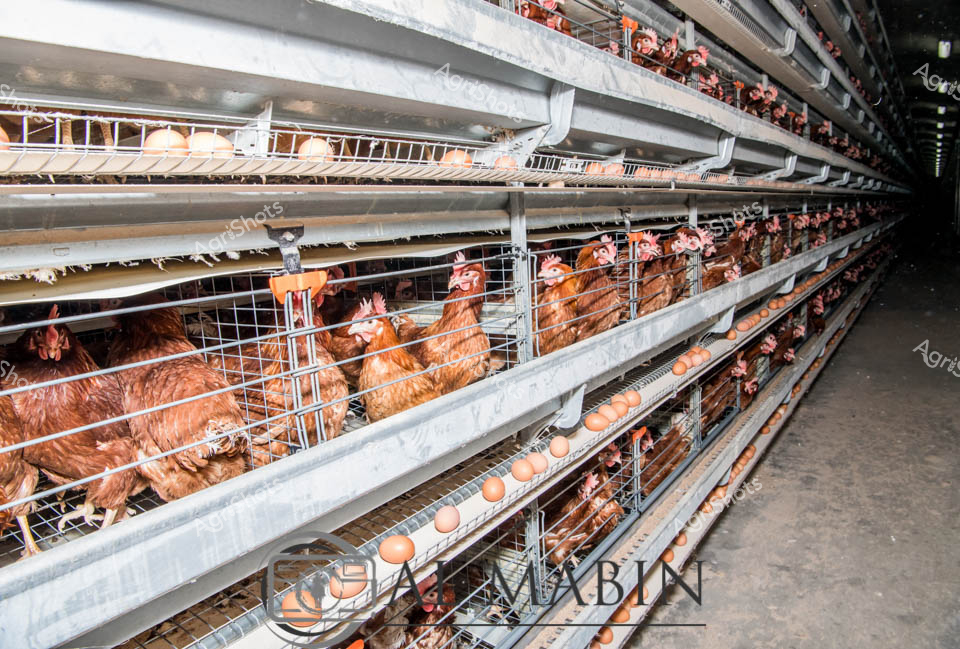
Battery hens huddle in tightly packed wire cages, their russet and golden-brown feathers contrasting against the steel-grey industrial infrastructure of a modern egg production facility. Rows of uniform wire enclosures stretch horizontally, with pristine white and pale orange eggs resting on angled collection trays beneath each cage level. The controlled environment reveals the intense efficiency of contemporary poultry farming, where multiple generations of laying hens are systematically arranged to maximize egg production. Soft ambient lighting illuminates the metallic shelving and wire mesh, casting subtle shadows that accentuate the birds' cramped living conditions. Each chicken appears relatively uniform in coloration, suggesting a carefully bred commercial laying stock selected for consistent egg output.
 Image
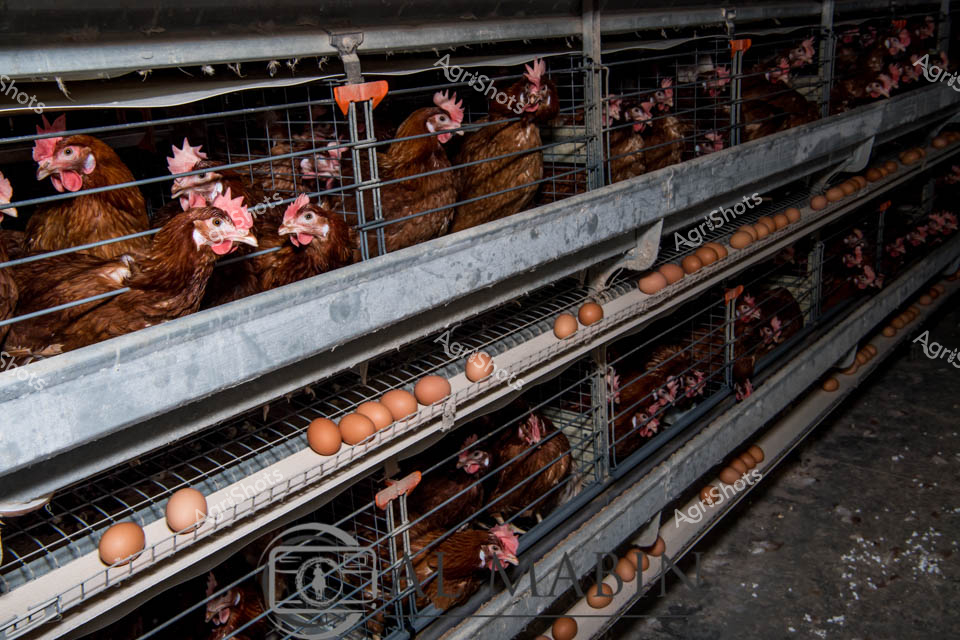
Battery hens crowd into tightly spaced wire cages, their russet-brown feathers pressed against galvanized steel barriers. Rows of fresh brown eggs line the wire shelves beneath each cage, testament to the relentless egg production of these confined layers. Industrial lighting casts a stark illumination across the multiple tiers of the poultry housing, revealing the dense, systematic arrangement of the commercial egg farm. Each hen clusters near her compatriots, their red combs visible against the metallic infrastructure of this large-scale agricultural environment. The uniform grid of cages stretches across the image, a powerful representation of modern agricultural efficiency in egg production. These layers, likely hybrid breeds selected for maximum productivity, demonstrate the industrial scale of contemporary egg farming typical of New South Wales agricultural operations.
 Image
Battery-caged hens reveal the precision of modern Australian egg production, with uniform brown eggs lined meticulously in a wire rack. Pale cream-colored eggs sit perfectly parallel, their smooth shells gleaming under industrial lighting, demonstrating the systematic efficiency of contemporary poultry farming. Overhead, glimpses of chicken feet and wire mesh suggest the enclosed, controlled environment typical of large-scale egg production facilities. The metallic grid and uniform egg coloration speak to the standardized agricultural practices that support Australia's robust food supply chain. Each egg represents a carefully managed product of carefully bred chickens, optimized for consistent size, color, and quality. The image captures the industrial scale of egg production - a critical component of agricultural infrastructure that feeds millions across the nation.
 Image
Weathered cattle yards cradle a herd of sturdy Hereford cattle in the rolling landscape of New England, New South Wales. A stockman in a vibrant blue work shirt and wide-brimmed hat stands amid the muddy holding pen, conducting essential pregnancy testing for the stud cattle breeding program. The rich brown and white-faced cattle press against weathered timber yards, their yellow ear tags glinting in the soft light filtering through surrounding eucalyptus trees. Rustic metal gates and wooden posts frame the scene, telling a story of generations of agricultural practice in this rugged pastoral setting. The ground is churned and wet, testament to the recent movement of cattle and the persistent work of managing a productive beef herd. This moment captures the heart of Australian cattle farming - a blend of careful animal husbandry, practical skill, and deep connection to the land.
 Image
Industrial Layer Farm: Precision Egg Production Rows of russet-feathered hens cascade across multiple steel-gray wire battery cages in this intense agricultural production environment. Uniform brown chickens stand tightly packed, each allocated a precise rectangular space within the mechanized vertical farming system. Pink-combed hens cluster against wire mesh, with fresh eggs strategically positioned along smooth metal channels beneath each row. The clinical, symmetrical infrastructure creates a stark geometric perspective - a central concrete walkway bisecting identical stacked layers of poultry infrastructure. Efficient environmental controls and standardized housing represent contemporary agricultural engineering, maximizing protein production through calculated spatial optimization.