Browse the collection
 Image
Aerial view of a classic Australian woolshed nestled among paddocked grasslands, capturing the essence of pastoral New South Wales. The expansive silver-grey corrugated shed stands as a central landmark, surrounded by meticulously fenced green pastures and scattered eucalyptus trees casting long morning shadows across the landscape. Intricate fence lines divide the property into carefully managed grazing zones, revealing the precision of modern agricultural land management. The property appears to be a prestigious Merino stud station, likely Boonoke, with its precisely arranged infrastructure designed to support high-quality wool production. Soft golden-green grass suggests early spring, when young rams graze and prepare for shearing season, the landscape alive with the potential of new growth and pastoral productivity. The geometric precision of the shed, fences, and natural landscape speaks to generations of agricultural expertise and the calculated beauty of Australian rural enterprise.
 Image
Merino ewe stands protectively over her newborn lambs moments after giving birth in a windswept grassland of rural New South Wales. The mature ewe's dense, cream-colored fleece contrasts against the muted golden-brown pasture, while her two freshly born lambs remain slick with birthing fluids, their delicate forms trembling on spindly legs. Blood-stained and vulnerable, the lambs press close to their mother's substantial body, seeking warmth and safety in the immediate aftermath of birth. Rich textures dominate the scene - the tight, woolly crimp of the ewe's fleece, the wet sheen of the newborn lambs' coats, and the dry, whispering grasses of the paddock. This raw, visceral moment captures the unvarnished reality of livestock breeding, where survival depends on maternal instinct and resilience. The image embodies the cyclical nature of agricultural life - birth, nurture, continuation - against the expansive, indifferent landscape of Australian sheep country.
 Image
Merino rams cluster in pristine white-railed paddocks beside a classic corrugated iron woolshed, sunlight filtering through gnarled eucalyptus trees casting dappled shadows across the manicured pasture. The weathered blue-grey agricultural building stands as a testament to generations of wool production in rural New South Wales, its "Wanganella Will Bowman" signage hinting at the rich pastoral heritage of this distinguished Merino stud station. Muscular, dense-fleeced rams huddle near the shearing shed, their woolly coats gleaming with the promise of premium Australian wool, embodying the genetic excellence of generations of careful breeding. Crisp white fencing delineates carefully managed grazing areas, reflecting the precision and care characteristic of high-performance agricultural enterprises. The landscape breathes with the rhythm of spring - fresh green grass, soft light, and the quiet industry of a working agricultural property that represents the pinnacle of Australian sheep breeding tradition. Every element speaks to the meticulous craft of wool production: from the strategically designed infrastructure to the immaculately maintained livestock.
 Image
Aerial perspective of Boonoke, a legendary Merino sheep station in New South Wales, capturing the expansive pastoral landscape during the vibrant renewal of spring. The weathered woolshed stands prominently, its blue-trimmed white roof boldly emblazoned with the "BOONOK" station name, surrounded by carefully arranged livestock paddocks and sandy access roads. Mature eucalyptus trees cast long shadows across the dusty terrain, providing natural windbreaks and shade for the station's valuable Merino flock. Intricate network of wooden fences delineate carefully managed grazing areas, revealing the systematic approach of professional wool production. The surrounding grasslands display a soft palette of greens and earth tones, punctuated by the geometric precision of agricultural infrastructure. This vista epitomizes the resilient spirit of Australian pastoral enterprise - a meticulously organized agricultural landscape that balances traditional farming practices with modern rural management techniques.
 Image
Muscular Merino rams crowd together in a weathered woolshed, their dense, creamy-beige fleece reflecting the soft light filtering through the shed's slatted walls. The robust animals, characteristic of the renowned Pepin Merino bloodline, stand tightly packed between steel railings, their powerful frames and distinctive curved horns showcasing the pinnacle of Australian wool breeding. Shadows and warm light play across their textured coats, revealing the intricate patterns and varying shades of their woolly covering - a testament to generations of selective breeding in the harsh landscapes of New South Wales. The close proximity of these prized rams suggests preparation for shearing or selection, their solid presence embodying the quiet strength of Australian agricultural heritage. Weathered timber and metal infrastructure frame the scene, hinting at the long history of wool production that has been crucial to the nation's economic development. The atmospheric lighting and tight composition capture the raw, elemental nature of station life, where every animal represents years of careful genetic management and agricultural expertise.
 Image
Mossy-fleeced Merino rams huddle in a weathered woolshed, their verdant green and grey wool creating a living tapestry of pastoral vitality. Soft morning light filters through the corrugated iron walls of this classic New South Wales shearing shed, illuminating the robust frames of these prized Pepin Merino stud rams. Each animal bears a unique coat of dense, textured fleece - some a rich moss green, others a muted slate grey - highlighting the genetic diversity and careful breeding of this distinguished bloodline. The rams stand clustered in their holding pen, alert and muscular, embodying generations of selective agricultural expertise that has made Australian Merino wool renowned worldwide. Worn metal gates and the aged timber of the shed speak to decades of pastoral tradition, while the rams themselves represent the cutting edge of agricultural innovation and genetic refinement. This image captures the quiet strength of Australian agricultural heritage - a moment of pastoral poetry where breeding, landscape, and livestock intersect in sublime harmony.
 Image
Golden light bathes a classic Merino ram paddock at Boonoke Station, revealing a quintessential New South Wales wool production scene. Five robust Pepin Merino rams stand proudly in tight formation, their dense, silvery-grey fleeces glowing with warm sunset hues, highlighting the extraordinary wool quality that defines Australian fine wool production. Their muscular bodies and distinctive curled horns demonstrate the genetic excellence of this premium stud line, meticulously bred for superior fleece density and structural integrity. The pastoral landscape stretches behind them - gnarled eucalyptus trees and soft grassy meadows framing a quintessential Australian agricultural vista. Each ram displays the breed's characteristic heavy, wrinkled skin and tight, fine wool characteristic of top-tier Merino genetics, representing generations of selective breeding. The early spring setting captures these magnificent animals in their prime, symbolizing the precision, care, and agricultural expertise inherent in Australia's world-renowned sheep breeding industry.
 Image
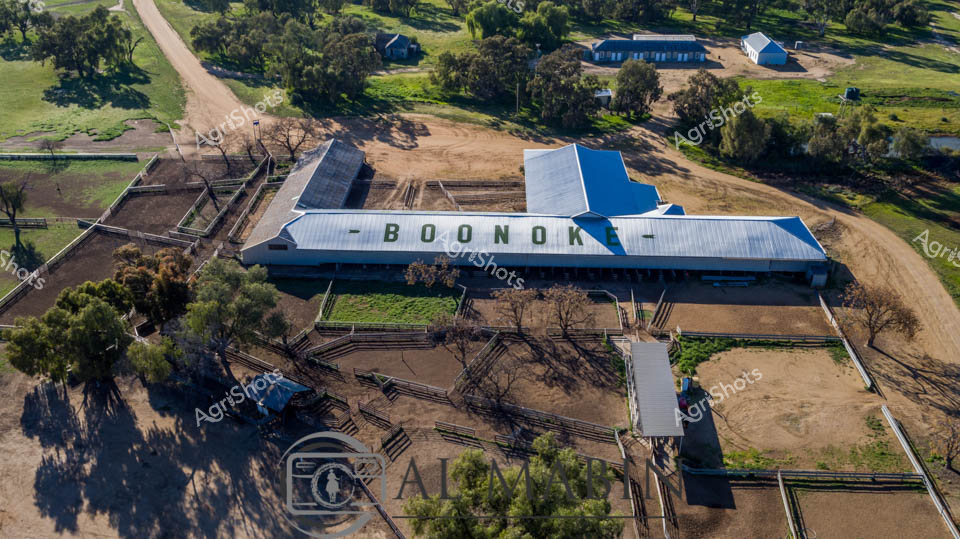
Aerial perspective of Boonoke, a legendary Merino sheep station nestled in the pastoral landscapes of New South Wales. Sprawling corrals and wooden infrastructure surround a classic blue and white woolshed, where generations of premium wool production have unfolded. Bare trees cast long shadows across dusty paddocks, suggesting early spring light illuminating the agricultural heritage of this iconic property. Meticulously engineered livestock handling facilities snake through the property, revealing the precision and planning integral to modern sheep station management. The weathered timber fences and substantial shearing complex speak to decades of agricultural expertise, with the "BOONOK" signage boldly marking this renowned Merino stud's central processing hub. Scattered gum trees provide natural windbreaks across the undulating terrain, framing a quintessential Australian pastoral scene that epitomizes the resilience and sophistication of rural wool production.
 Image
Nestled in the golden pastoral landscape of New South Wales, this expansive woolshed stands as a testament to Australia's rich agricultural heritage. The long, blue-roofed structure dominates the frame, its corrugated iron gleaming under the crisp spring sunlight, surrounded by a rugged paddock dotted with gnarled eucalyptus trees. This is a classic Merino sheep station, with the iconic woolshed positioned strategically amid carefully managed grazing lands, representing generations of pastoral expertise. The architectural design speaks to functional efficiency - a hallmark of Australian rural engineering. Multiple levels and angled rooflines provide optimal ventilation and workspace for shearing operations, with wooden fencing and holding pens visible around the perimeter. The surrounding landscape tells a story of resilience, with dry earth and scattered trees indicating the challenging environment where these renowned Merino sheep are bred and managed. The metallic blue roof catches the eye, contrasting beautifully with the muted browns and greens of the landscape, while the weathered timber and metal structures hint at decades of agricultural tradition. This is more than a building - it's a living piece of Australian agricultural history, embodying the spirit of rural innovation and pastoral excellence.
 Image
Battery hens jostle for space in a multi-tiered industrial laying facility, their cramped wire cages stretching across the interior. Brown eggs accumulate on the lower collection shelves, evidence of relentless production in this precision-engineered agricultural environment. Rust-red feathered hens crowd against metal wire dividers, their beaks and heads protruding through narrow openings, indicating the confined conditions of commercial egg production. The stark infrastructure reveals an efficient but austere system of protein and nutrition generation, typical of large-scale poultry operations found across Australian agricultural regions. Soft ambient lighting highlights the metallic greys of the cage structures contrasting against the warm browns of feathers and eggs, creating a clinical yet organic visual texture. This image captures the industrial scale of modern egg production, where hundreds of birds are systematically arranged to maximize output in a controlled, mechanized setting.
 Image
Stacked woolsacks fill the weathered timber shearing shed, a testament to the rich pastoral heritage of New South Wales. Robust wooden pillars rise from the worn floorboards, supporting a high-pitched roof with translucent panels that filter soft, diffused light across the expansive interior. Blue and white woolsacks crowd the foreground, each bearing the distinctive markings of a carefully managed merino wool collection, while pristine white bales stand neatly arranged in the background. The shed's rustic architecture speaks to generations of agricultural tradition - rough-hewn local timber, corrugated iron walls, and an elegant structural frame that has witnessed countless shearing seasons. Sunlight streams through the windows, highlighting the textural contrast between the soft, compressed wool and the raw, weathered timber of this quintessential Australian woolshed. This space embodies the precision and care of Australian wool production, a silent monument to the meticulous craft of sheep farming in the heart of rural New South Wales.
 Image
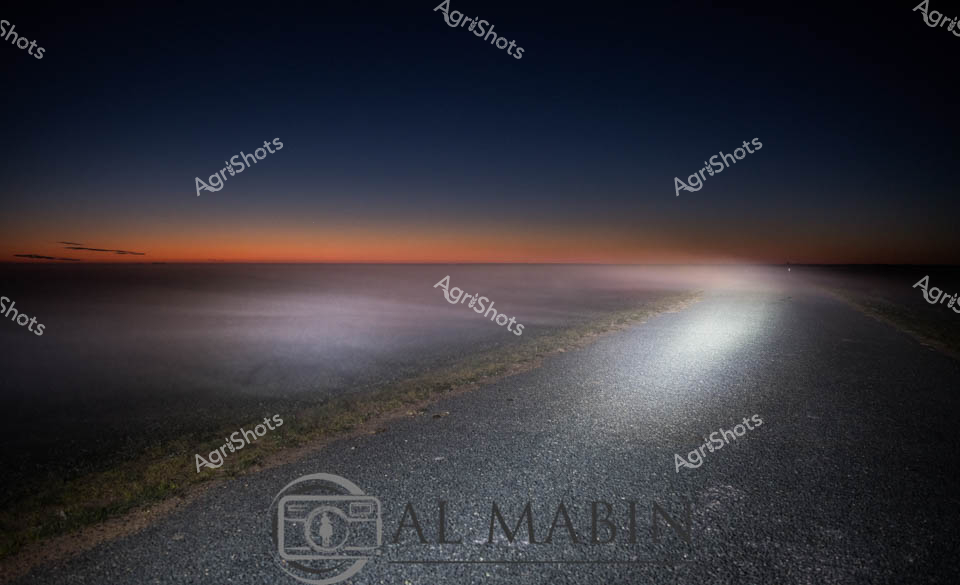
A twilight landscape emerges, revealing a lonely rural road stretching into misty horizons under a gradient sunset sky. The asphalt road cuts through a dark landscape, with a brilliant white light beam illuminating one side, creating a dramatic contrast between darkness and brilliant luminescence. The scene captures the ethereal transition between day and night, with deep blue-black tones gradually blending into warm orange sunset hues near the horizon. Soft fog or mist seems to blur the boundaries between land and sky, lending a mysterious and contemplative atmosphere to the scene. The road appears isolated and expansive, suggesting a remote agricultural or rural setting typical of Australian countryside landscapes. The long exposure and carefully balanced lighting create a sense of stillness and infinite possibility, transforming an ordinary roadway into a poetic visual narrative of transition and silence.
 Image
Merino rams stand sentinel in a rustic shearing shed, their dense, silvery-grey fleece a testament to generations of careful breeding. Muscular and statuesque, these Boonoke stud rams occupy a weathered wooden pen, framed by rusted iron bars that speak to the enduring legacy of Australian wool production. The tight, uniform curls of their wool reflect the pinnacle of Merino genetics, showcasing the result of meticulous selection at this renowned New South Wales station. Soft morning light filters through the weathered timber of the woolshed, casting shadows that highlight the rams' powerful shoulders and distinctive curved horns. Each animal stands with a quiet dignity, embodying the resilience and strength of Australia's premier wool-producing bloodlines. The image captures a moment of pastoral perfection - a slice of agricultural heritage that tells the story of Australia's world-renowned wool industry, where each ram represents years of agricultural expertise and careful husbandry.
 Image
Merino rams stand poised in a classic Australian woolshed, their dense fleeces revealing generations of careful breeding at this historic stud station. Corrugated iron walls and robust timber pens frame these magnificent animals, showcasing the rugged elegance of pastoral infrastructure in New South Wales. Two additional rams occupy separate holding pens behind the central divider, their muscular forms testament to the careful genetic selection of premium wool-producing bloodlines. The foreground ram exhibits a particularly impressive fleece - dense, uniform, and a soft grey-white characteristic of high-quality Merino wool, catching the diffused light filtering through the shed. This scene captures the quintessential spring moment in Australian agricultural life, where livestock are prepared for shearing and assessment, representing centuries of agricultural expertise. The structured environment of the woolshed - with its robust metal and timber construction - provides a perfect backdrop to highlight these superior Merino genetics, embodying the precision and care of Australian pastoral tradition.
 Image
Burnished golden sunlight bathes the historic Wangavilla woolshed, casting long shadows across meticulously maintained white livestock yards. A cluster of robust Merino rams huddles within the precisely constructed fenced paddocks, their dense fleece gleaming with the soft sheen of premium wool. A blue-clad agricultural worker stands sentinel near the corrugated iron structure, guiding the flock with practiced movements against a backdrop of mature eucalyptus trees and manicured pasture. The woolshed, branded with agricultural credentials, represents the pinnacle of Australian pastoral excellence - a testament to generations of refined merino breeding and expert stock management. White post-and-rail fencing creates geometric precision around the livestock area, while the blue canopy provides strategic shade and shelter. The scene captures the quintessential rhythm of spring in rural New South Wales, where stud breeding and wool production converge in a choreographed dance of agricultural expertise. Soft shadows, verdant grass, and the disciplined arrangement of sheep and infrastructure tell a story of meticulous care, generations of agricultural knowledge, and the enduring legacy of Australian wool production. This is more than a landscape - it is a living portrait of rural craftsmanship.
 Image
Boonoke Station unfurls across the lush pastoral landscape of New South Wales, a quintessential Australian agricultural tableau bathed in soft morning light. Azure-roofed sheds and weathered infrastructure nestle among verdant paddocks and scattered eucalyptus trees, revealing the intricate infrastructure of a renowned Merino wool enterprise. The property's distinctive blue-roofed woolshed stands as a centerpiece, surrounded by networks of dirt tracks and meticulously maintained livestock enclosures that speak to generations of pastoral expertise. Geometric lines of fencing and carefully arranged agricultural buildings create a rhythmic composition across the verdant landscape, highlighting the strategic design of a sophisticated sheep breeding station. Shadows cast by mature trees stretch across sun-drenched earth, creating a textural interplay between manicured pastures and rugged rural infrastructure. The Boonoke landscape embodies the resilience and precision of Australian agricultural practice, where sophisticated stud breeding and wool production meet the timeless rhythms of the land. This aerial perspective captures the sophisticated ecosystem of a premier Merino sheep station, where strategic land management, architectural functionality, and agricultural innovation converge in a stunning visual narrative of rural Australian life.
 Image
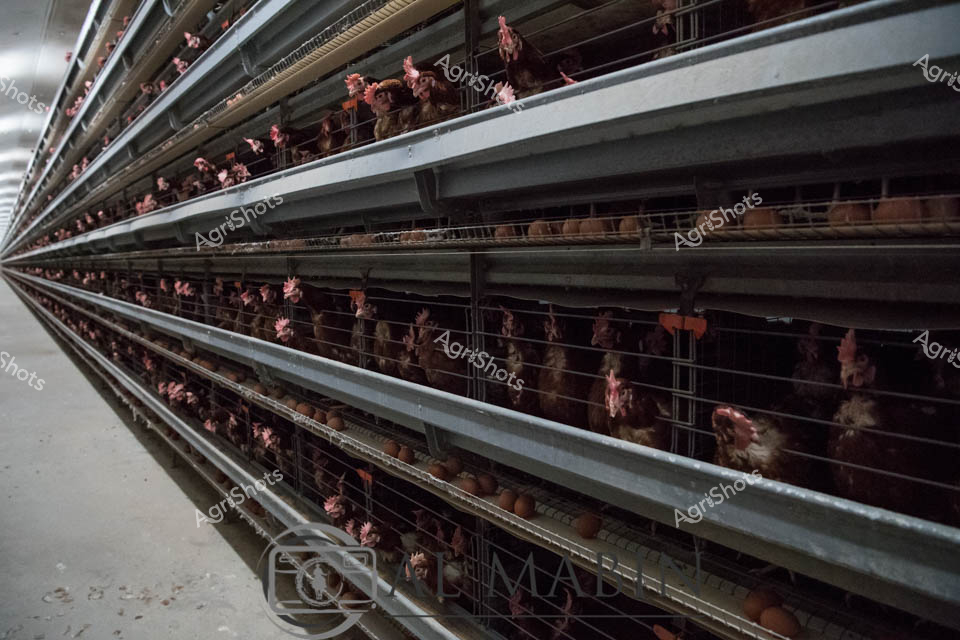
Battery-caged layers populate multi-tiered steel housing, revealing an large-scale egg production environment characteristic of modern Australian poultry operations. Reddish-brown hens are densely packed across uniformly structured metal shelving, their forms compressed within narrow wire enclosures that maximize spatial efficiency. Soft ambient light reveals intricate metallic infrastructure designed for controlled agricultural production, with uniform rows extending horizontally and vertically. Each cage contains multiple birds, their feathered bodies creating a textured landscape of muted browns, russets, and deep ochres against the industrial grey infrastructure. The sterile, systematic arrangement speaks to industrial-scale food production techniques optimizing yield and economic output in contemporary agricultural systems. These tightly confined layers represent a pragmatic approach to meeting Australia's substantial egg consumption demands, reflecting complex negotiations between agricultural productivity, animal welfare considerations, and economic imperatives.
 Image
This image appears to be a close-up texture shot of granular material, most likely a type of agricultural or landscaping aggregate. The surface is densely packed with small, irregular stones and pebbles in varying shades of white, beige, and light brown, creating a complex and textured appearance. The aggregate seems uniformly distributed, with a mix of sizes ranging from fine gravel to small stones, suggesting this could be a construction or landscaping material like crushed granite, limestone, or decorative stone used in agricultural settings such as drainage areas, garden paths, or land stabilization. The texture is rough and uneven, with each particle casting subtle shadows that add depth and dimensionality to the surface.
 Image
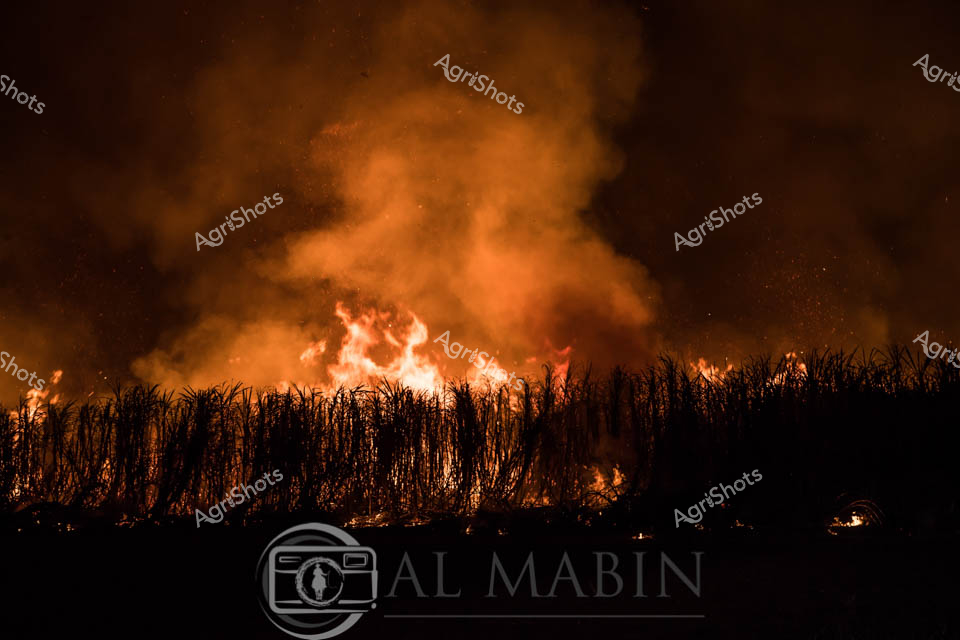
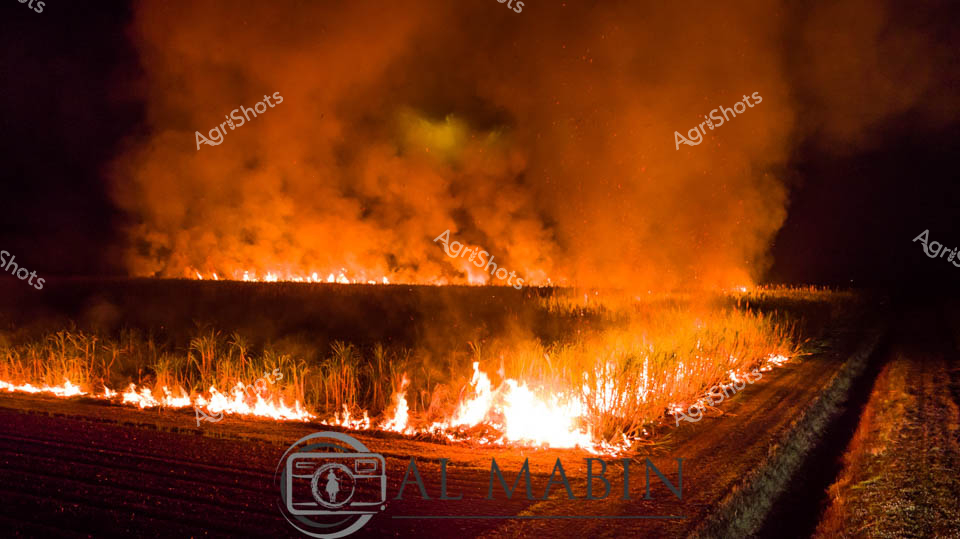
Flames consume the sugarcane fields under the dark night sky, creating a dramatic agricultural spectacle of controlled burning. Intense orange and deep crimson fire licks through the tall, dry cane stalks, illuminating the landscape with a fierce, primal energy characteristic of pre-harvest land management in regional New South Wales. The deliberate burn eliminates dry leaves and prepares the field for efficient mechanical harvesting, a critical practice in sugarcane production that reduces pest populations and enhances crop yield. Sparks and embers dance upward, creating a mesmerizing display of agricultural transformation against the inky black backdrop, while the silhouetted cane rows stand sentinel to the controlled destruction. This nighttime burn represents a generations-old technique of agricultural preparation, where fire becomes a strategic tool in crop management, simultaneously clearing and renewing the land.
 Image
Flames lick across the night-dark landscape, transforming sugarcane fields into a blazing canvas of orange and yellow. Controlled burning illuminates the agricultural terrain, a critical stage of the pre-harvest ritual in New South Wales' sugarcane regions. Precise lines of fire consume dry vegetation, clearing fields and preparing for mechanical harvesting while naturally managing crop residue and pest populations. The intense heat radiates outward, casting dramatic shadows along carefully demarcated field boundaries and drainage channels. Smoke billows skyward, creating a primal tableau that speaks to generations of agricultural practice and the rhythmic renewal of the land. This striking nocturnal scene captures the raw, elemental process of agricultural management, where fire becomes a strategic tool in the complex choreography of crop production.
 Image
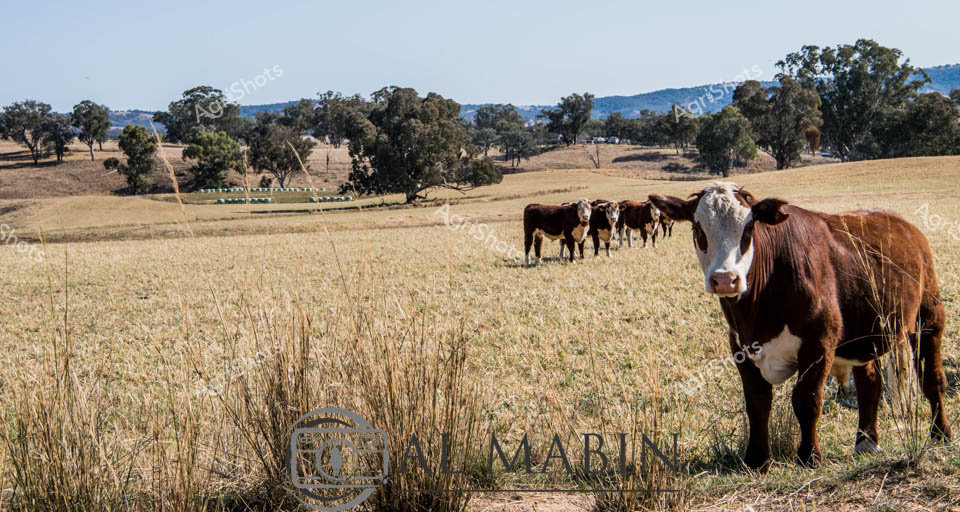
Burnished golden pastures stretch across the undulating New England landscape, where a small herd of robust Hereford cattle grazes peacefully beneath an expansive blue sky. A rich mahogany and white-faced bovine stands prominently in the foreground, her muscular frame a testament to the superior breeding of this pastoral region of New South Wales. Scattered eucalyptus trees dot the rolling hillsides, providing gentle shade and windbreaks for the livestock, their silvery-green foliage creating a quintessential Australian rural backdrop. The late summer paddock bears the characteristic dry, textured grasses of the region, their pale golden hues indicating the end of a long, hot season. In the middle distance, the herd moves with a calm purposefulness, representing the genetic quality of a carefully managed stud operation. Distant blue-tinged mountains frame the horizon, suggesting the vast, open spaces that define Australian agricultural landscapes. This image captures the essence of New England's beef cattle industry - a harmonious blend of natural beauty, agricultural expertise, and the quiet dignity of well-bred livestock thriving in their native environment.
 Image
Aerial precision transforms a verdant agricultural landscape into an extraordinary typography canvas, spelling "THE GROWER" across meticulously cultivated crop rows. Verdant green hues undulate and shift, revealing how careful agricultural planning can create visual poetry from farmland, turning ordinary grain or oats fields into a powerful statement of rural identity. The crisp, clean letterforms emerge through subtle variations in crop density and texture, demonstrating remarkable agricultural artistry that celebrates the farmer's craft and connection to the land. This stunning aerial perspective from a New South Wales agricultural region captures the creativity and technological sophistication of modern farming, where precision and innovation intersect with natural rhythms. The strategic alignment of crop rows creates a striking visual message that honors the skill, dedication, and cultural significance of agricultural workers. Captured during the vibrant growth of spring, the image is a breathtaking testament to human ingenuity and the profound beauty of agricultural landscapes.
 Image
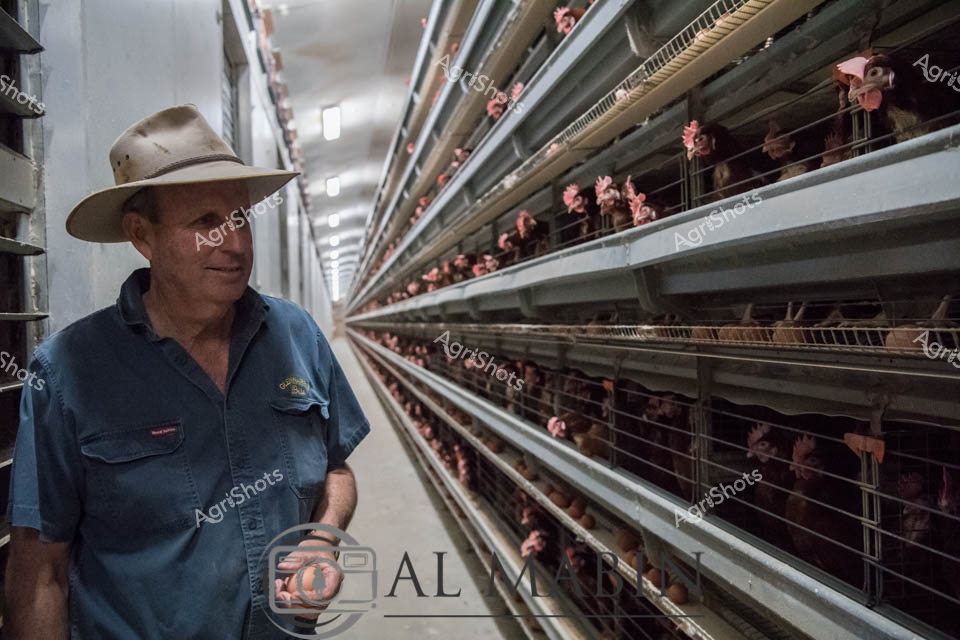
In the stark, fluorescent-lit interior of a modern laying facility, a seasoned poultry farmer stands confidently alongside rows of wire battery cages housing brown commercial laying hens. Dressed in a classic blue work shirt and worn fedora, the experienced agricultural worker surveys the meticulously organized production environment with a sense of quiet pride. Multiple tightly stacked levels of cages stretch into the distance, each populated with productive hens positioned in precise uniformity, representing the pinnacle of efficient egg production technology. The controlled indoor setting highlights the industrialized approach to contemporary Australian egg farming, where sophisticated infrastructure enables consistent, large-scale protein supply. Soft pinkish-brown feathered hens peek through cage wire, their orderly arrangement reflecting the systematic precision of modern agricultural practices. This image captures the intersection of traditional farming expertise and contemporary agricultural engineering, showcasing how generations of agricultural knowledge combine with technological innovation to support Australia's food production systems.
 Image
Sunlight bathes the golden pastures of New England, New South Wales, revealing a quintessential Australian cattle landscape. A robust Hereford cow stands prominently in the foreground, her rich chestnut and white coat gleaming against the dry grasslands, while a small herd clusters behind her on the undulating terrain. Scattered eucalyptus trees dot the landscape, with distant blue mountains creating a classic pastoral backdrop that speaks to generations of agricultural tradition. The scene captures the resilience of beef cattle farming in this high-country region, where sturdy herds graze on seasonal pastures that transition from lush green to burnished gold. This stud Hereford displays the breed's characteristic markings - a white face and rich reddish-brown body - representing the careful genetic selection that defines quality Australian beef production. The image embodies the quiet strength of rural enterprise, where livestock and landscape merge in a timeless Australian agricultural tableau.