Browse the collection
 Image
Golden afternoon light bathes a working sheep station in Central West Queensland, where precision and patience define the drafting process. A stockworker in a vivid blue work shirt and cap stands amid gleaming galvanized steel sheep yards, carefully managing a small group of Dorper sheep. The distinctive white-bodied, black-headed Dorpers move carefully through the metal gates, their muscular frames highlighting the breed's robust meat-production qualities. Corrugated iron sheds cast long shadows across the dusty yard, creating geometric patterns of light and metal that speak to generations of pastoral infrastructure. The grated flooring beneath the animals allows for efficient waste management, demonstrating the considered design of modern agricultural facilities. Every element of the scene - from the worker's measured movements to the sheep's controlled progress - reflects the quiet expertise of Australian livestock management.
 Image
Golden morning light bathes a stark western Queensland sheep station, where a precision drafting operation unfolds against an expansive, arid landscape. A skilled working dog, alert and muscular, stands poised near a blue steel drafting race, ready to assist in moving a mob of pure Dorper sheep. The pristine white-fleeced sheep cluster tightly within galvanized steel yard panels, their woolly bodies casting long shadows across the dusty ground. An elevated drafting platform rises mechanically to the cloudless sky, a testament to modern agricultural engineering that enables efficient livestock management in challenging outback conditions. The scene captures the essence of Australian pastoral life - a delicate choreography of human innovation, animal husbandry, and harsh landscape, where generations of farming expertise are distilled into every calculated movement. The crisp, clear atmosphere speaks to the early hours of a day that will soon become scorchingly hot, highlighting the resilience required in central Queensland's unforgiving agricultural environment.
 Image
Golden light bathes a quintessential Queensland sheep station at dawn, where a stockman in a crisp blue work shirt and cap stands amid a bustling set of steel sheep yards. Dorper sheep - easily recognizable by their distinctive white bodies and dark heads - crowd the metal gates and fencing, awaiting drafting and sorting. The pastoral landscape stretches endlessly in the background, a muted palette of earth tones and soft grey sky suggesting the early morning's tranquil beginnings. The stockman moves with practiced efficiency, his posture relaxed yet purposeful, embodying generations of agricultural expertise. Muscular and alert working dogs would typically complete this scene, though not visible in this frame. The metallic sheep yards gleam in the low sunlight, their geometric lines contrasting with the organic movement of the woolly livestock pressing against the mesh barriers. This image captures the essence of Australian agricultural life - the quiet dedication, the expansive terrain, and the intimate connection between farmer, animals, and landscape. The scene speaks to the meticulous work of livestock management, where each animal is carefully assessed and directed, representing the backbone of rural economic sustainability.
 Image
Queensland Livestock Mustering: Merino Flock on the Move Dusty golden grasslands stretch beneath a cloudless azure sky as a seasoned stockman guides a small Merino flock across a sprawling pastoral landscape. A keen working dog bounds alongside the sheep, its black and tan coat gleaming in the harsh midday sunlight, herding the woolly white and black-faced animals with precision and energy. The stockman, dressed in a crisp white long-sleeved shirt and cap, wields a traditional stockman's crook, maintaining control and direction of the flock with subtle gestures and quiet commands. The Merino sheep, with their distinctive thick fleece and variation of white and darker-marked individuals, move as a cohesive unit across the dry, stubbled paddock. Fence lines and distant tree silhouettes mark the boundaries of this expansive cattle station, highlighting the vast agricultural terrain of rural Queensland. The image captures the timeless rhythm of Australian pastoral life - the symbiotic relationship between human, dog, and livestock that has defined agricultural work in this challenging landscape for generations.
 Image
The Canine Patrol: Elite Working Dogs at Rest Five alert German stock manager working dogs rest strategically across dusty, arid terrain near a robust green military-style utility vehicle. The sun-baked landscape of sparse grassland and scattered acacia trees suggests a remote station environment in outback Queensland. These professionally trained canines, wearing distinctive harnesses in red and black, demonstrate disciplined formation - each positioned with calculated precision, tongues slightly extended, vigilantly scanning the surrounding terrain. Their matching black and tan coats blend seamlessly with the ochre earth, highlighting their exceptional camouflage capabilities. The green Toyota Land Cruiser utility, equipped with protective mesh and rugged off-road modifications, stands as a testament to the demanding agricultural and security work these dogs perform across challenging rural landscapes. This image captures the profound partnership between highly trained working dogs and the essential machinery of Australian agricultural protection and management.
 Image
Kelpie Muster: A Masterclass in Working Dog Precision Seven alert kelpies rest on the sun-baked earth, their muscular bodies a testament to generations of Australian pastoral breeding. Wearing distinctive harnesses in blue and black, these exceptional working dogs demonstrate the disciplined focus that makes them legendary in rural livestock management. Each dog sits with ears pricked and tongues slightly extended, casting crisp shadows across the dusty ground - a visual representation of readiness and controlled energy. The rich tan and deep black coats of these kelpies blend harmoniously with the ochre landscape, highlighting their evolutionary adaptation to harsh Australian rural environments. The precise, almost military-like arrangement of the dogs speaks to their training and the deep partnership between these animals and their handlers in the challenging world of Australian agriculture.
 Image
Windswept and resolute, a classic Australian windmill stands sentinel over the arid expanses of a remote Queensland pastoral landscape. The towering steel structure dominates the foreground, its intricate array of metal blades poised against a pale blue horizon, casting a stark silhouette over the sun-bleached earth. Scattered sparse vegetation and distant scrubland stretch toward the horizon, revealing the unforgiving nature of this agricultural terrain. The windmill, a critical lifeline in this dry ecosystem, represents generations of rural resilience - its weathered mechanical form designed to draw precious groundwater from deep beneath the parched ground. Solar panels now augment the traditional windmill design, highlighting the evolution of water management technologies in challenging Australian environments. The landscape speaks of endurance: muted ochre tones, scattered low vegetation, and an endless sky embodying the raw, uncompromising beauty of the Australian outback.
 Image
Australian Merino sheep mustering at a remote pastoral station in Queensland, where a stockman guides a black and tan working dog across a sun-hardened, golden-brown paddock. The skilled working dog, wearing a high-visibility yellow collar, moves with precision around a small flock of white-fleeced Merino ewes, demonstrating the critical partnership between human, canine, and livestock in Australian agriculture. The stockman, dressed in a classic light-colored work shirt and blue jeans, holds a traditional stock handling stick, ready to direct both dog and sheep with subtle gestures. Bare, sparse trees punctuate the distant horizon under a clear, azure sky, revealing the harsh, arid landscape typical of Queensland's inland pastoral regions. This scene captures the essence of Australian rural life - the resilience, skill, and teamwork required to manage livestock in challenging environmental conditions, where every movement is purposeful and every interaction between human, dog, and animal is a finely tuned dance of agricultural expertise.
 Image
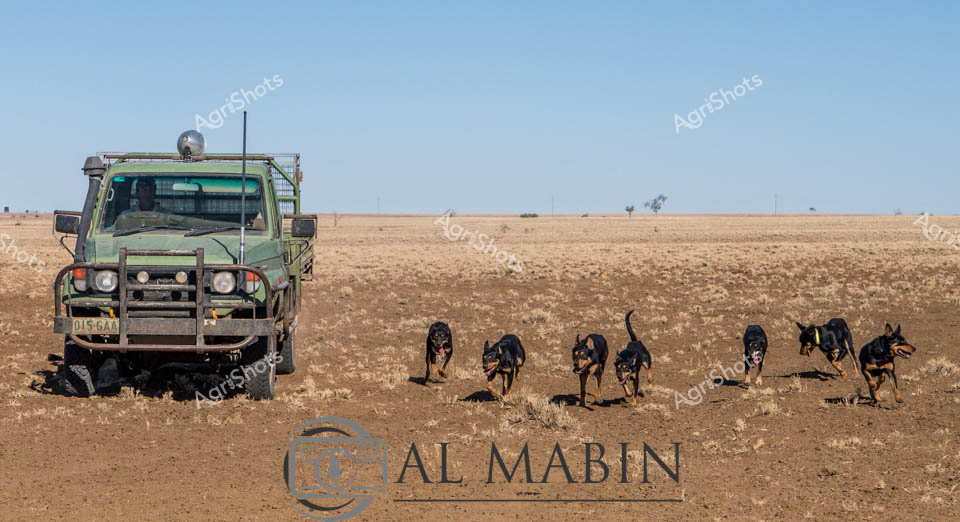
Working cattle dogs fan out across a parched pastoral landscape, their muscular forms aligned with a camouflage green utility vehicle against an expansive golden-brown drought-affected paddock. Six lean, alert working dogs move with disciplined precision, their dark coats contrasting against the sun-bleached earth of what appears to be a remote Queensland cattle station. The robust four-wheel drive vehicle, equipped with a protective bullbar and satellite communication equipment, stands as a testament to the resilient infrastructure supporting agricultural operations in harsh Australian rural environments. The cloudless cerulean sky stretches endlessly, emphasizing the stark, open terrain that defines this agricultural setting. These highly trained canines demonstrate the critical role of working dogs in mustering livestock across vast properties, their athletic postures suggesting readiness and collective purpose. Every element speaks to the uncompromising spirit of Australian pastoral life - lean dogs, rugged vehicle, and an environment that demands constant adaptation and skill.
 Image
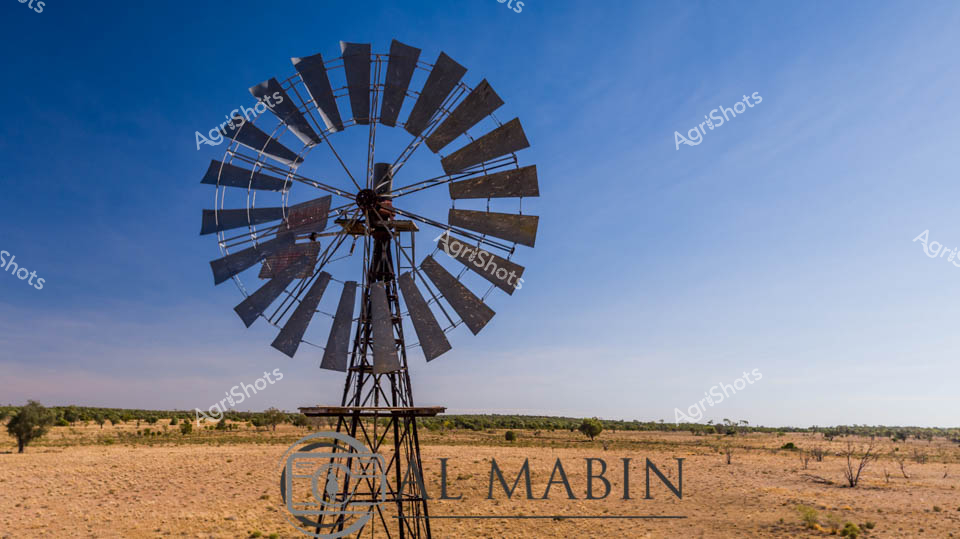
Beneath an expansive cerulean sky, a classic Australian windmill stands sentinel over a sun-parched pastoral landscape in rural Queensland. The weathered steel windmill, with its intricate array of metal blades, rises from a dry golden grassland scattered with sparse, resilient trees, embodying the enduring spirit of outback agriculture. Each precisely angled blade catches the slightest whisper of breeze, a critical mechanism for drawing precious groundwater in this arid environment where water management defines survival. The metallic structure's industrial silhouette creates a stark contrast against the soft, muted earth tones of the surrounding landscape, symbolizing human adaptation to challenging agricultural conditions. This windmill represents generations of pastoral innovation - a testament to engineering and resilience that has sustained farming communities across remote Australian territories for over a century. The image captures the raw beauty of agricultural landscapes, where each structural element tells a story of survival, resourcefulness, and connection to the land.
 Image
Merino ewes cluster tightly across drought-hardened pasture, their creamy white fleeces contrasting against the golden-brown grasslands under a cloudless azure sky. A skilled working dog - black and tan with a bright yellow visibility collar - moves purposefully among the flock, herding with precise, low-angled movements. Standing watchful nearby, a station worker in a pale long-sleeved shirt and cap holds a stock handling implement, monitoring the sheep's movement and the dog's herding technique. The scene captures the quintessential Australian pastoral landscape - an expansive, sun-drenched paddock typical of Queensland's sheep farming regions, where precision livestock management and working dog skills are critical to agricultural success. The image speaks to the resilience of rural workers and animals navigating challenging environmental conditions, with the dog's athletic stance and the careful positioning of the sheep revealing generations of refined agricultural practice.
 Image
A precision-trained pack of working Australian Kelpies rest alert on dusty, sun-baked earth, embodying the quintessential rural working dog breed pivotal to Australian agricultural operations. These muscular, compact canines - predominantly black and tan with athletic builds - demonstrate the concentrated focus and disciplined readiness essential for livestock management on remote stations. Each dog wears a distinctive colored harness, suggesting a coordinated working team, their erect ears and keen expressions reflecting generations of selective breeding for intelligence and herding capability. The arid, ochre-toned ground beneath them speaks to the harsh Queensland pastoral landscape, where these resilient dogs are critical partners in managing livestock across vast, challenging terrains. The harsh midday lighting and sharp shadows underscore the uncompromising environment these remarkable animals navigate daily, highlighting their adaptability and working prowess.
 Image
drought-affected pastoral landscape under a vast blue Queensland sky, where a rural worker tends a crucial water source. Wearing a classic wide-brimmed agricultural hat and sturdy work attire, the individual leans intently over a circular concrete water trough, manipulating the water flow amid a parched paddock. Bare, twisted tree branches and sparse vegetation underscore the harsh environmental conditions, with reddish-brown earth stretching towards scattered gum trees on the horizon. Water splashes dynamically, creating a momentary contrast against the dry, dusty ground - a visual metaphor for resilience and agricultural persistence in challenging Australian outback conditions. The scene captures the daily manual labor and critical water management essential to maintaining agricultural operations in remote Queensland stations during prolonged dry seasons.
 Image
Beneath the vast, cloudless Queensland sky, a lone farmhand tends to a circular water trough on a sun-baked pastoral station. The arid landscape stretches out in muted browns and ochres, punctuated by scattered eucalyptus trees casting long shadows across the parched earth. Wearing a wide-brimmed hat for protection against the intense outback sun, the worker carefully maintains the critical water source, essential for livestock survival in this harsh environment. The concrete trough stands as a lifeline in the dry paddock, its circular form creating a stark geometric contrast to the rugged, uneven terrain. A single pink float bobs on the water's surface, a splash of color against the monochromatic landscape. Weathered fence posts define the boundaries of the paddock, telling stories of generations of pastoral management and resilience. This scene captures the quintessential Australian agricultural challenge - sustaining life and livestock in an unforgiving climate. The image speaks to the meticulous care and constant vigilance required to operate a successful station in the remote Australian interior, where water management is crucial to survival.
 Image
A disciplined team of working dogs rests on the sun-baked earth of a remote Queensland cattle station, their muscular bodies alert yet calm. These precision-trained German stock manager and Kelpie cross working dogs wear color-coded collars signaling their specialized roles in stock management, their black and tan coats blending seamlessly with the arid landscape. Each dog displays a remarkable level of professional composure, positioned strategically as if awaiting a silent command, their ears pricked and tongues lightly panting in the intense midday heat. The hard-packed, ochre-toned ground reflects the unforgiving central Queensland terrain, a backdrop that speaks to the resilience required of both canine workers and their human handlers in this challenging agricultural environment. Their compact, athletic builds reveal generations of selective breeding for endurance, intelligence, and herding instinct - essential qualities for managing livestock across vast, unforgiving pastoral stations.
 Image
Dusty dawn light bathes a remote Queensland cattle station, where Dorper sheep cluster tightly in a steel drafting yard. A young worker in a blue long-sleeved shirt and pink cap carefully manages the livestock, her posture confident and attentive. Weathered metal gates and fencing frame the scene, stretching across an arid landscape of sparse golden plains that extend to the horizon. The agricultural infrastructure reveals precision and care in livestock management - the curved loading ramp and strategic yard design allowing controlled movement of the black and white woolly animals. Another experienced station worker stands nearby, observing the careful sorting process with a calm, practiced eye. The crisp morning air and metallic blues and grays of the yards contrast with the earthy tones of the sheep and surrounding landscape, capturing the disciplined rhythm of Australian sheep farming.
 Image
Under the expansive Queensland sky, a quiet moment of rural connection unfolds at a remote sheep station. Two children stand alongside an adult, observing a dusty yard filled with a dense flock of Dorper sheep - their white and tan bodies moving in subtle, rhythmic patterns against the dry, ochre-colored ground. A working dog sits attentively near their feet, part of the quiet choreography of station life, while metal yard panels frame the scene and a solitary tree stands sentinel in the distant background. The soft morning light casts long shadows across the paddock, highlighting the fine dust rising from the sheep's movement and capturing the subtle textures of the landscape. Dressed in blue and bright colors, the observers seem deeply engaged in the quiet ritual of livestock management, representing the next generation of Australian agricultural stewardship. The scene speaks to the timeless rhythm of pastoral life - patient observation, careful management, and the intricate relationship between people, animals, and the challenging environment of the Australian outback.
 Image
Bathed in the golden light of early morning, a sheep drafting operation unfolds across the expansive Central West Queensland pastoral landscape. Dorper sheep crowd a metal drafting pen, their woolly bodies pressed together under a sheltered steel structure, while two workers in blue jackets and a child in a pink cap supervise the sorting process. The surrounding cattle yards stretch to a distant horizon of flat, arid grasslands, capturing the quintessential rhythm of station life. A working dog assists in moving the mob, with precise movements guiding sheep through narrow metal gates and sorting pens. The metal infrastructure - galvanized steel yards, loading ramps, and overhead shelter - stands in sharp contrast to the soft, earthy tones of the landscape. Shadows are long and crisp, indicating the scene is unfolding in the cool, clear light of dawn, a strategic time for livestock management in the harsh Queensland interior. The image speaks to the generational nature of pastoral work, with the child learning alongside experienced workers, embodying the continuity of agricultural practice in remote Australian landscapes. Every element - from the carefully designed livestock infrastructure to the focused stance of the workers - reflects the skill, precision, and resilience required in modern sheep production.
 Image
Bathed in the golden light of early morning, two ranch workers guide a mob of Dorper sheep through a precision drafting process in expansive Queensland station yards. The galvanized steel livestock pens gleam under the clear blue sky, creating a geometric backdrop of metallic greys against the dusty, ochre landscape stretching to the distant horizon. One worker in a blue long-sleeved shirt and the other in a blue jacket with a pink cap carefully maneuver the woolly flock through a narrow metal chute, their practiced movements demonstrating years of agricultural expertise. The Dorper sheep - a hardy South African breed renowned for meat production and drought resistance - huddle together, their cream and dark brown fleeces creating a textured mosaic of livestock management. Harsh sunlight casts sharp shadows across the yard, highlighting the industrial precision of modern sheep farming infrastructure. This scene captures the essence of Australian agricultural skill: patient, methodical stock management under challenging environmental conditions.
 Image
A vast, arid Queensland station stretches beneath a cloudless azure sky, where a substantial flock of Dorper sheep clusters along the edge of a reflective dam. The hardy livestock, a mix of white and dark-colored animals, huddle close to the water's edge, their woolly bodies casting long shadows across the dusty, rocky terrain. Dry, ochre-toned earth surrounds the gathering, creating a stark contrast with the deep blue of the water and the clear sky above. These resilient Dorper sheep, bred for their adaptability to harsh Australian pastoral landscapes, demonstrate the quintessential survival instinct of livestock in remote stations, gathering to drink during what appears to be the peak heat of a scorching day. The scene captures the essence of Australian agricultural life - a testament to the challenging environment and the robust animals that thrive within it. The reflective surface of the dam mirrors the flock, creating a mesmerizing visual symmetry that underscores the critical relationship between water and survival in the unforgiving Australian outback.
 Image
Merino ewes cluster tightly across the arid western Queensland pastoral landscape, their woolly forms creating a dense silvery-white mass against the weathered ochre and sage scrublands. A classic windmill stands sentinel on the horizon, its steel blades motionless in the still, clear morning air, symbolizing generations of pastoral water management in this unforgiving terrain. The landscape speaks of resilience - sparse saltbush and spinifex scatter across the dusty ground, punctuated by the occasional low rise, creating a classic Australian sheep station panorama that stretches endlessly beneath a pale blue sky. These Merino sheep, bred for their exceptional wool quality, represent the backbone of Australia's agricultural heritage, grazing contentedly on the sparse vegetation of this expansive dry inland property. The scene captures the timeless rhythm of pastoral life, where survival depends on careful land management, strategic livestock positioning, and an intimate understanding of harsh environmental conditions. Every element - from the scattered shrubs to the distant windmill - tells a story of adaptation, persistence, and the delicate balance between human intervention and natural ecosystem.
 Image
Expansive herds of pristine white Dorper sheep congregate along the water's edge of a remote Queensland station dam, their woolly forms casting long shadows across the parched earth during the harsh midday light. The flock moves with a collective rhythm, some drinking from the reflective water surface while others cluster in tight groups across the dusty, cracked terrain. Characteristic of Central West Queensland's unforgiving pastoral landscapes, this scene captures the resilience of both livestock and landscape - a testament to generations of agricultural stewardship in one of Australia's most challenging farming environments. The dam's mirror-like surface perfectly reflects the sheep and surrounding landscape, creating a striking visual symmetry that emphasizes the vast, open nature of the station country. Soft beiges and browns dominate the palette, interrupted only by the clean white coats of the Dorper breed, renowned for their adaptability to harsh, arid conditions. This image encapsulates the raw beauty of Australian agricultural life - a delicate balance of survival, resource management, and the timeless connection between land, animals, and those who work them.
 Image
Serenity blankets this isolated water source on a vast Queensland station, a lifeline etched into the arid pastoral landscape. A small, circular dam reflects the intense blue of a cloudless sky, surrounded by weathered native grasses and scattered drought-resistant shrubs. The horizon stretches endlessly, a golden-brown expanse of grassland punctuated by sparse vegetation, capturing the resilient spirit of Australia's agricultural heartland. Soft grasses in muted greens and tans frame the water's mirror-like surface, creating a natural sanctuary that sustains livestock and wildlife through the harsh outback conditions. The crisp clarity of the scene suggests early morning light, with a pristine stillness that speaks to the quiet strength of remote station life. This tranquil water point represents the critical infrastructure that enables agricultural survival in one of the world's most challenging farming environments, a testament to generations of pastoral management and adaptation.
 Image
Dazzling aerial view of a quintessential Central West Queensland sheep station at first light, where a tightly packed mob of Dorper sheep fills a circular drafting yard. The compact, muscular sheep—a mix of white and dark coats—huddle together in a dense cluster, casting long shadows across the sun-baked earth. A sophisticated steel drafting race with white railings extends from the yard, leading towards a weathered tin-roofed station building, surrounded by the vast, ochre landscape of sparse paddocks and distant horizon. The early morning light casts a soft, golden glow across the scene, highlighting the geometric precision of the livestock infrastructure against the raw, unforgiving terrain. Strategically positioned gates and walkways demonstrate the sophisticated livestock management techniques of modern Australian pastoral operations, where every movement and sorting of stock is carefully planned and executed. The image captures the essence of Australian agricultural resilience—a carefully orchestrated dance between human engineering and animal husbandry, set against the breathtaking expanse of outback Queensland.