Browse the collection
 Image
Incubating quail eggs nestle across a textured landscape of sawdust and straw, illuminated by a warm overhead lamp casting a nurturing glow. Precision agricultural equipment - a green egg collection tray, a red heating element, and a white monitoring device - stand sentinel around the delicate clusters of mottled, earthy-toned eggs. The controlled environment reveals the meticulous care of modern quail breeding, where every element is carefully calibrated to support optimal hatching conditions. Soft shadows and the granular texture of the bedding material create a sense of quiet anticipation, highlighting the delicate balance of technology and nature in contemporary avian reproduction. The scene speaks to Queensland's advanced agricultural practices, where large-scale farming techniques merge scientific precision with the fundamental rhythms of life emerging. Each carefully positioned implement and softly clustered egg represents a moment of potential, capturing the intricate choreography of agricultural production.
 Image
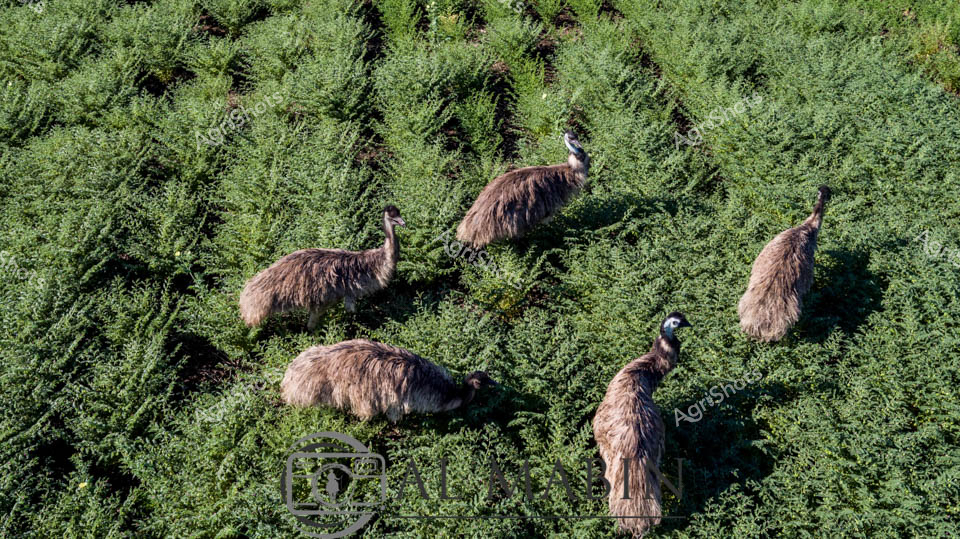
Emus roam through dense, vibrant green chickpea fields under the bright Queensland sun, their mottled brown feathers blending with the lush ferns and foliage. Five majestic birds spread across the verdant landscape, each moving independently yet part of a cohesive group, their long necks and powerful legs navigating the agricultural terrain with surprising grace. The wild natives appear perfectly at home among the agricultural crop, a quintessential Australian pastoral scene that captures the unique intersection of wildlife and farming ecosystems. The thick, textured greenery of the chickpea plants creates a rich backdrop, providing camouflage and sustenance for the emus as they move through the field. Sunlight filters through the vegetation, casting soft shadows and highlighting the birds' remarkable plumage - a mix of soft browns and greys that speak to their evolutionary adaptation to Australia's challenging agricultural landscapes. This image encapsulates the dynamic relationship between native wildlife and cultivated lands, showcasing how agricultural spaces can serve as habitats and corridors for indigenous species.
 Image
Young quail huddle across a sandy floor beneath red overhead heating lamps in a carefully controlled large-scale farming environment. The delicate grey-brown birds cluster densely around temperature-regulated equipment, creating a textured landscape of soft feathers and fine grains. Soft ambient lighting illuminates the carefully managed indoor breeding space, highlighting the intricate details of the quail's downy plumage against the warm golden substrate. The systematic arrangement of heating units and uniform distribution of birds demonstrates modern agricultural precision in Queensland's specialized poultry production. This controlled setting represents contemporary agricultural techniques designed to maximize bird health, comfort, and potential yield in a professional breeding facility.
 Image
Precision and care define this snapshot of quail egg production, capturing the meticulous sorting and grading process in a modern agricultural facility. Hundreds of delicate, speckled quail eggs are carefully arranged in pristine white plastic trays, their mottled beige and brown surfaces creating a natural mosaic of texture and color. Weathered hands frame the tray, suggesting the experienced touch of a skilled farm worker managing the delicate produce. Each egg displays a unique pattern of dark spots against its pale background, highlighting the natural variation in these miniature oval treasures. The systematic stacking of trays speaks to the efficiency of contemporary poultry farming, where every egg is handled with deliberate attention and sorted with clinical precision. This close-up reveals the intricate world of small-scale egg production, where quality control and gentle handling transform these tiny eggs from farm to table with remarkable care and expertise.
 Image
Dense clusters of quail pack a dimly lit industrial shed, illuminated by warm red heat lamps suspended overhead. The compact grey-brown birds huddle tightly across the floor, creating a living carpet of feathered bodies against dark substrate. Precise rows of crimson feeding and watering stations punctuate the crowded space, demonstrating industrial-scale poultry production techniques. Corrugated metal walls and overhead lighting suggest a purpose-built agricultural facility designed for maximum efficiency in quail rearing. The controlled environment reflects modern large-scale farming practices, where precise climate management and automated systems optimize bird density and growth conditions. Metallic infrastructure and uniform red feeding equipment create a structured, mechanized atmosphere that contrasts with the organic movement of hundreds of small birds occupying every available space.
 Image
Delicate quail chicks nestle in calloused, weathered hands against a backdrop of straw and scattered ground cover. These young birds, with their intricate feather patterns of cream, white, and charcoal, display the remarkable speckled markings characteristic of their breed - a testament to the genetic precision of modern poultry farming. Each chick sits quietly, their soft downy plumage contrasting with the rough skin of the hands gently supporting them, revealing the tender care integral to large-scale farming practices. The intimate close-up captures the vulnerability of these young birds and the nurturing touch of agricultural expertise, highlighting the critical early stages of quail production. Soft natural lighting emphasizes the textural details, from the birds' complex feather arrangements to the lined and sun-weathered skin of the hands, suggesting years of agricultural experience. This image eloquently communicates the delicate balance of care, science, and human connection that underpins successful modern agricultural breeding programs.
 Image
In the dusty, sun-drenched landscape of rural Queensland, a seasoned agriculturalist tenderly cradles two delicate quail in her weathered hands. Wearing a crisp blue gingham shirt that speaks to the pragmatic style of farm life, she stands amidst dry grasslands and scattered eucalyptus trees, her weathered expression softened by a gentle smile. The quail - compact, feathered, and vulnerable - rest quietly in her protective grip, showcasing the intimate connection between farmer and livestock. Her short, wind-tousled grey hair and confident posture reveal decades of experience in agricultural practice, particularly in small-scale poultry farming. The muted earth tones of the background contrast sharply with her vibrant pink accents, creating a visual narrative of resilience and nurturing in the challenging Australian agricultural environment. This image captures a moment of quiet expertise, highlighting the critical role of women in agricultural industries and the nuanced care required in specialized farming practices.
 Image
Dense clusters of young quail huddle tightly together in a dimly lit, climate-controlled indoor environment, revealing the intricate world of large-scale poultry farming. The birds, with their soft, mottled plumage ranging from warm beiges to rich browns, create a living tapestry of feathered bodies pressed closely against each other. Their delicate forms and alert postures suggest recent hatching, with tiny heads and downy feathers creating a textured landscape of avian life. The darkness and close proximity highlight the industrial precision of modern quail breeding, where every centimetre of space is carefully managed to optimize growth and productivity. Soft shadows and the birds' natural coloration create a sense of organic movement within a highly controlled agricultural setting.
 Image
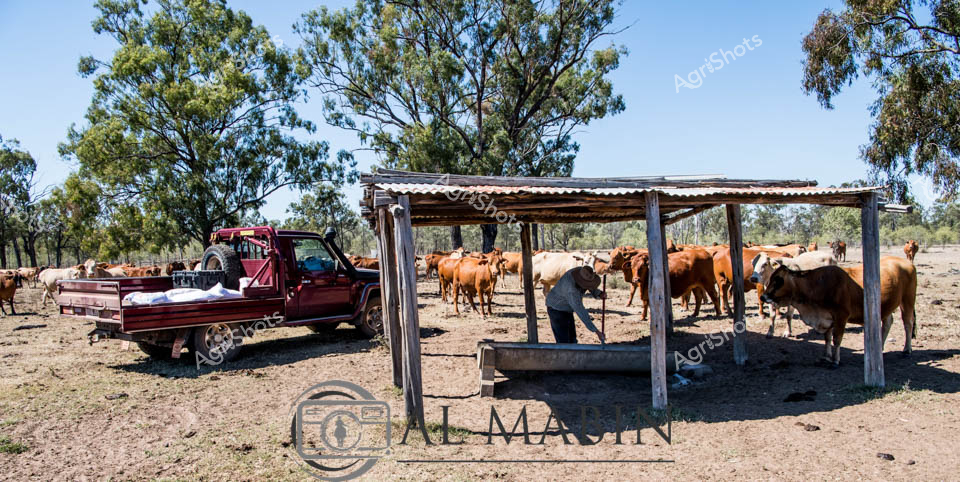
Dusty red earth and weathered timber define this quintessential Queensland cattle station scene. A maroon utility vehicle sits adjacent to a rustic open-sided shelter, where several rust-colored beef cattle cluster around a supplementary feed station. The harsh midday sunlight casts sharp shadows across the sparse, dry paddock, highlighting the rugged eucalyptus trees scattered across the background. A station worker tends to the cattle, moving with practiced efficiency beneath the corrugated iron roof that provides critical shade in the unforgiving outback environment. The rich auburn coats of the cattle contrast beautifully against the pale, parched ground, capturing the resilience of Australian pastoral life. This image encapsulates the daily rhythm of cattle management - sustenance, shelter, and the intricate dance between human intervention and natural landscape that defines modern agricultural practice in rural Queensland.
 Image
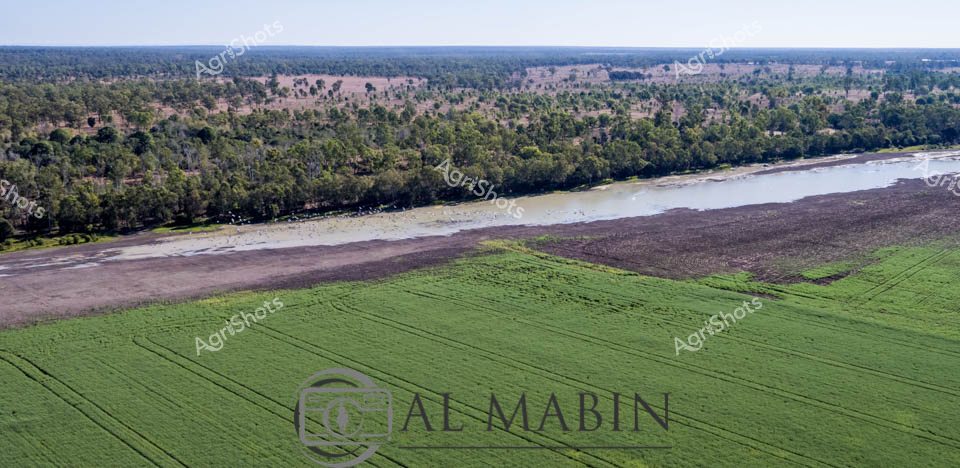
Nestled in the expansive agricultural landscape of Queensland, this striking aerial view captures the intricate relationship between waterways and cultivated land. Vibrant green chickpea fields stretch across the foreground, their precise row patterns revealing meticulous agricultural planning and modern farming techniques. The rich agricultural terrain meets a winding river, with its muddy banks creating a natural boundary between the cultivated areas and the surrounding native bushland. Dense eucalyptus forests frame the river's edge, offering a textural contrast to the geometric precision of the crops. The panoramic vista speaks to the resilience and sophistication of Australian agricultural practices, showcasing how farmers strategically utilize water resources and carefully selected land to produce vital food crops in challenging environmental conditions.
 Image
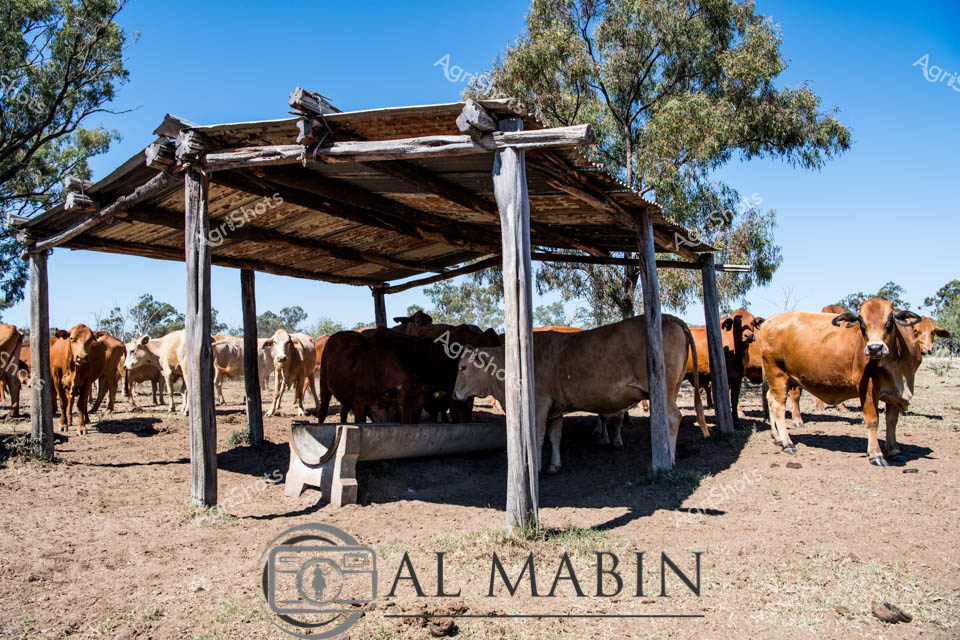
Brahman and Santa Gertrudis crossbred cattle cluster beneath a rustic timber shelter on a sun-drenched Queensland cattle station, seeking respite from the intense midday heat. The rough-hewn wooden structure, constructed from weathered posts and corrugated iron, provides essential shade across the dusty, sparse ground. A large mineral supplement block sits centrally, drawing the herd closer as they rotate through the sheltered feeding area. Rich chestnut and warm tan hides contrast against the bleached earth and silvery eucalyptus trees scattered across the background, capturing the stark beauty of northern Australian pastoral landscapes. These robust cattle, adapted to harsh tropical conditions, represent the resilient bloodlines that have shaped Australia's beef industry, standing testament to generations of agricultural innovation and survival in challenging environments. The clear azure sky and harsh sunlight underscore the challenging climatic conditions that define cattle production in remote Queensland stations.
 Image
Weathered timber yards cluster around gnarled eucalyptus trees, capturing a quintessential Central Queensland cattle station landscape. Robust beef cattle, rich russet and chestnut browns, stand clustered within rough-hewn wooden yards constructed from native timber poles, their bark-like texture testament to decades of rural craftsmanship. Sparse woodland surrounds the enclosure, with pale golden ground and scattered trees revealing the harsh, arid conditions typical of inland Queensland grazing country. Muscular cattle huddle together, their compact forms suggesting resilience and adaptation to challenging agricultural environments. The wooden cattle trap stands as a critical infrastructure point, representing generations of livestock management techniques essential to Australia's beef production heritage.
 Image
Brahman-cross cattle cluster in the harsh midday sun of a Queensland cattle station, seeking shade beneath weathered timber yards. Russet-colored beasts shift restlessly within rough-hewn wooden fence panels, their muscular frames testament to generations of breeding for tropical resilience. Sparse gum trees cast dappled shadows across the parched, rust-colored earth, creating a patchwork of light and shade that speaks to the unforgiving nature of the Australian pastoral landscape. The wooden yards, constructed from raw bush timber, stand as a practical testament to frontier engineering - simple, robust structures designed to contain powerful livestock in remote stations where innovation meets survival. The scene captures the raw essence of cattle management - a delicate dance of human intervention and animal endurance in one of the world's most challenging agricultural environments.
 Image
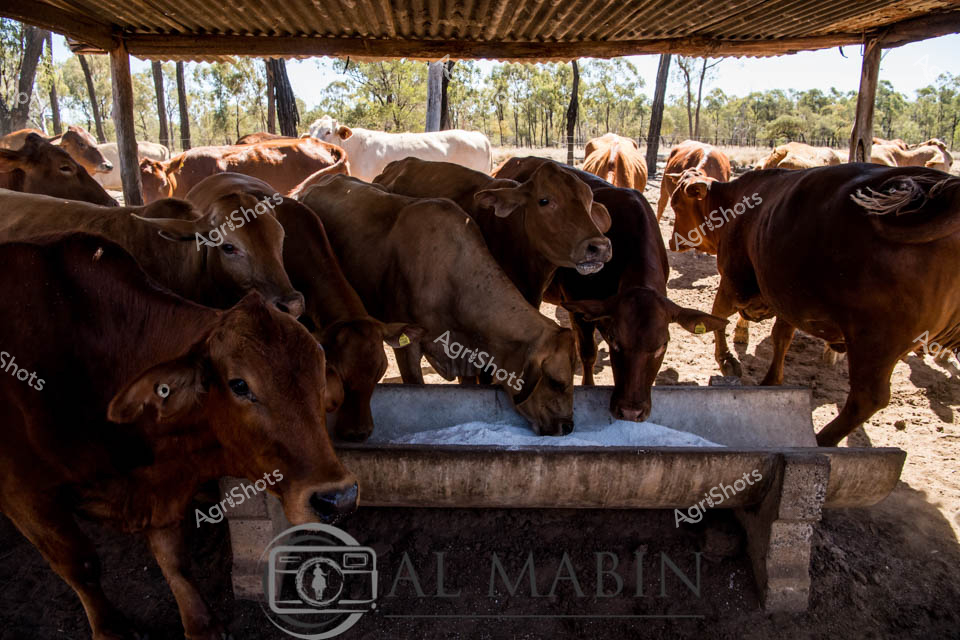
Brahman-cross cattle cluster beneath a rustic timber-framed shelter, eagerly consuming mineral supplement from a weathered concrete feed trough. The arid Queensland pastoral landscape stretches behind them, golden grasslands and sparse eucalyptus trees defining the classic station environment. Rich russet and chocolate-brown coats gleam in the harsh midday sunlight, with a few white-flecked animals standing out among the herd. These resilient beef cattle, typical of northern Australian agricultural regions, demonstrate the daily nutritional management crucial to maintaining livestock health in challenging dry season conditions. Yellow ear tags punctuate their earthy coloration, a subtle marker of systematic livestock tracking and management. The tight grouping around the supplementary feed trough reveals the animals' collective instinct and the critical role of strategic feeding in maintaining cattle condition during sparse grazing periods, embodying the resourceful spirit of Queensland's pastoral enterprises.
 Image
Meandering through a classic Queensland riverine landscape, this scene captures the rugged essence of an inland waterway. Weathered eucalyptus trees lean dramatically over the green-tinted waters, their silvery-grey branches creating a natural sculptural framework that speaks to the resilience of Australian riparian ecosystems. The serpentine river winds between grassy banks, its calm surface reflecting the soft blue sky and providing a lifeline through an arid pastoral environment. Fallen timber creates natural barriers and habitat zones within the watercourse, demonstrating the intricate ecological balance of these critical water systems. The soft palette of greens, browns, and muted blues evokes the understated beauty of rural Queensland, where water is a precious resource that shapes both landscape and livelihood. This image embodies the raw, unmanicured beauty of Australian inland waterways - a testament to the enduring nature of the continent's remarkable landscapes.
 Image
Dusty red earth and weathered timber yards frame a quintessential Queensland cattle station scene at the height of the dry season. Brahman-cross cattle huddle in the dappled shade of sparse eucalyptus woodland, their russet and cream coats contrasting against the parched ground and silvery tree trunks. Robust wooden stock yards with rough-hewn rails create a structured containment zone, typical of pastoral infrastructure designed to manage livestock during mustering and processing. Harsh sunlight casts sharp shadows across the paddock, emphasizing the skeletal trees and the compact grouping of cattle seeking respite from the intense heat. This image embodies the grit and pragmatic beauty of Australia's northern pastoral regions, where cattle farming represents both an industry and a profound connection to the land.
 Image
Dusty red earth and silvered timber fencing frame a rugged cattle yard nestled within a sparse eucalyptus woodland. Burnished brown and cream Brahman and crossbred cattle cluster in weathered wooden yards, their muscular frames testament to the resilience of northern Australian beef production. Harsh midday sunlight casts sharp shadows across the compact paddock, highlighting the robust timber posts and rails that contain the herd. Each animal stands patient and stoic, reflecting the enduring spirit of pastoral landscapes where survival demands strength and adaptability. Sparse ground vegetation and the dry, hardened soil speak to the challenging environmental conditions that define cattle farming in Australia's northern regions.
 Image
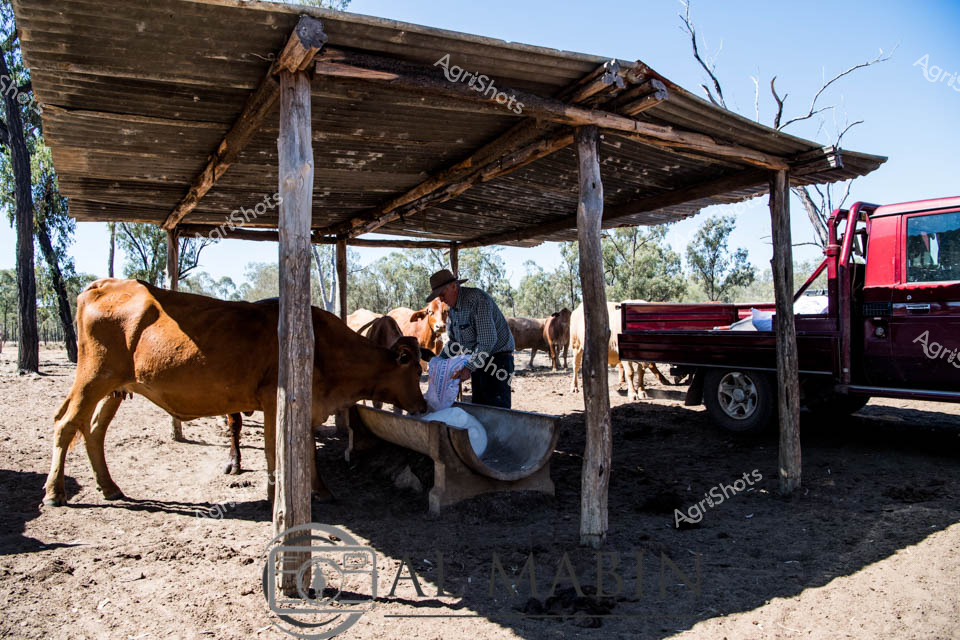
Dusty red earth and weathered timber define this quintessential Queensland cattle station scene. A rugged wooden shelter provides shade for cattle, with a rich reddish-brown beast standing close to a worker preparing a mineral supplement lick. The sparse landscape of scattered eucalyptus trees speaks to the harsh agricultural environment, while a deep maroon utility truck sits nearby, ready for ranch work. An experienced stockhand in a classic checked shirt carefully manages the cattle supplement, likely a critical nutritional intervention during the dry season. The ground is parched and compact, highlighting the challenging conditions of outback cattle farming, where strategic supplementation can make the difference between thriving and surviving herds. Robust infrastructure like this simple but functional shelter demonstrates the ingenuity of Australian agricultural workers adapting to demanding rural landscapes.
 Image
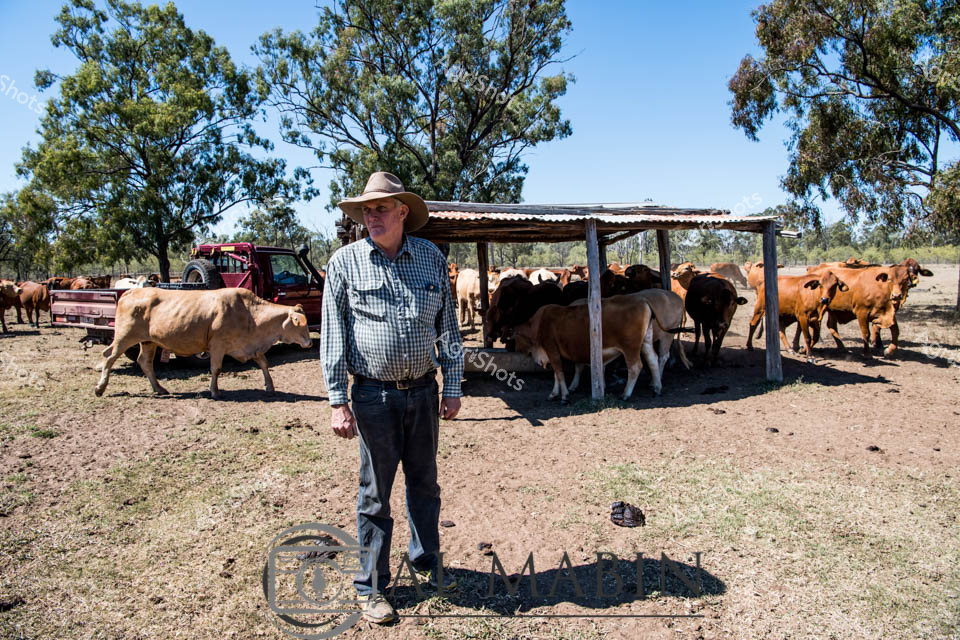
Bathed in brilliant Queensland sunlight, an experienced cattle station manager stands amid a herd of robust beef cattle, embodying the resilience of rural Australian agriculture. Wearing a classic checked work shirt, wide-brimmed sun hat, and practical dark jeans, he surveys the livestock gathered around a corrugated iron shelter in a dry, eucalyptus-lined paddock. The cattle - a mix of rich chestnut and deep brown colors - represent a carefully managed beef herd, with some sheltering from the midday heat under the rustic lean-to structure. A weathered red utility vehicle sits in the background, a quintessential piece of station equipment that speaks to the demanding yet essential work of managing large-scale cattle operations in central Queensland. The landscape is quintessentially Australian - sparse grassland, scattered gum trees, and a cloudless blue sky suggesting the harsh but productive environment of outback cattle country. This image captures the essence of Australian agricultural enterprise: resilience, practical innovation, and a deep connection to the land.
 Image
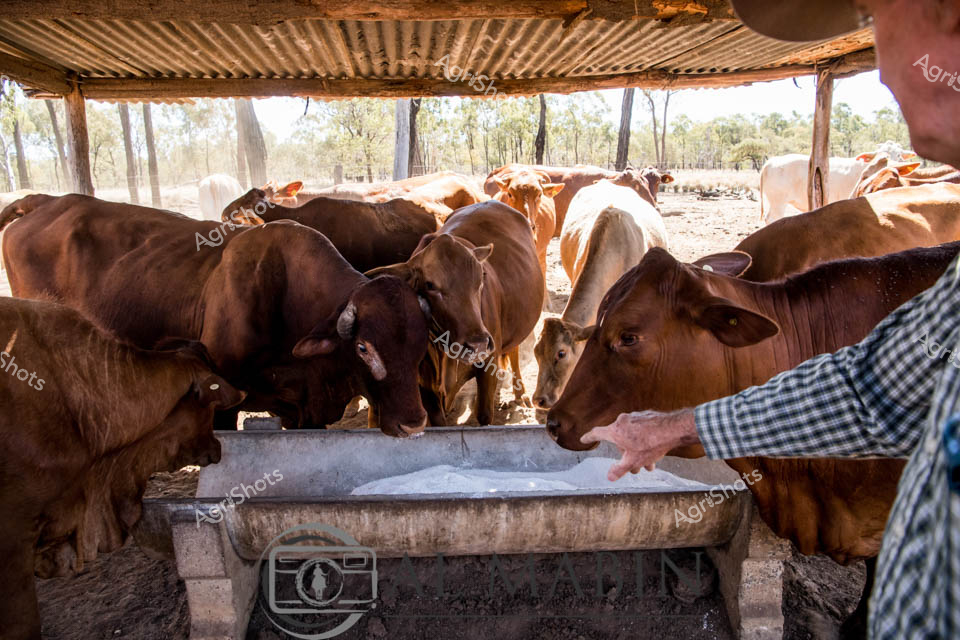
Dusty sunlight filters through a rustic corrugated iron shelter on a Queensland cattle station, where a herd of rich mahogany and cream-colored beef cattle cluster around a concrete mineral supplement trough. A weathered farm worker's hand in a blue and white gingham sleeve reaches out, guiding the livestock's attention to the nutritional lick block - an essential practice for maintaining cattle health in the arid pastoral landscape. Slender gum trees stand sentinel in the background, casting long shadows across the parched earth, highlighting the harsh yet resilient environment of outback cattle farming. The cattle - likely Brahman or Brahman-cross breeds renowned for their heat tolerance - press closely together, their muscular bodies gleaming with varying shades of burnt sienna and tan, demonstrating the robust genetics developed for surviving in challenging Australian agricultural conditions. This intimate scene captures the daily rhythm of station life, where careful animal husbandry and strategic nutritional management are critical to sustainable beef production in one of the world's most demanding agricultural terrains.
 Image
Twisted river gums arch gracefully over a tranquil waterway, their weathered bark and sinuous branches casting intricate shadows on the translucent green water. The scene captures a quintessential Australian riparian landscape, likely in regional Queensland, where ancient eucalyptus trees have shaped the riverbank ecosystem for generations. Smooth water flows with a soft, blurred momentum, revealing the gentle current beneath the surface, while the surrounding landscape speaks of resilience and endurance. Pale tree trunks contrast against the verdant background, their gnarled forms telling silent stories of survival in harsh Australian conditions. Scattered grasses and exposed tree roots frame the waterway, creating a natural composition that embodies the raw, untamed beauty of the Australian wilderness. This image represents the delicate interconnection between water, vegetation, and landscape in a typical Queensland river system, highlighting the subtle complexity of rural environmental systems.
 Image
Pristine white cotton bolls stretch across the expansive Queensland landscape, punctuated by a gleaming green John Deere cotton picker methodically harvesting the field. The machine moves with precision, guided by advanced GPS technology, creating distinct lanes of harvested and unharvested terrain. Brilliant sunlight captures the stark contrast between the crisp white cotton and the rich brown earth, revealing the meticulous nature of modern agricultural practices. The mechanical harvester towers above the crop, its vibrant green paintwork standing out dramatically against the sea of fluffy white cotton bolls ready for collection. Dust billows softly behind the machine, a testament to the dry Queensland climate and the intricate dance of agricultural technology transforming raw landscape into valuable agricultural produce. This aerial perspective captures the extraordinary scale and efficiency of contemporary cotton farming, where cutting-edge machinery transforms vast agricultural landscapes with remarkable speed and precision.
 Image
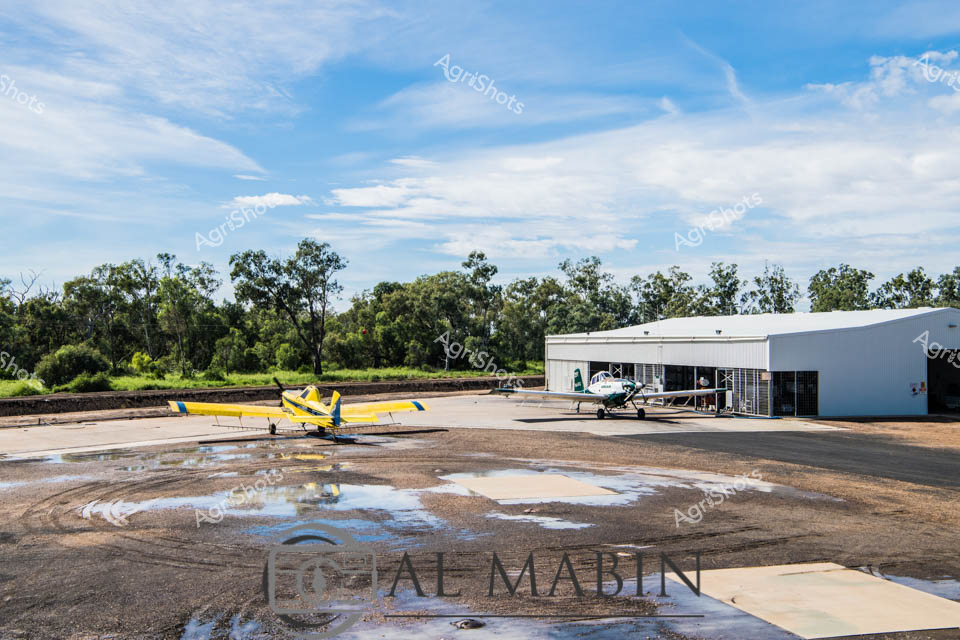
Rural Agricultural Aviation at Dawn A yellow and blue agricultural aircraft sits poised on a damp tarmac, reflecting the early morning light at a remote agricultural airstrip. Puddles from recent rain scatter across the concrete apron, creating mirror-like surfaces that reflect the surrounding eucalyptus woodland. A white hangar stands sentinel in the background, housing another agricultural aircraft, suggesting this is a specialized aerial agricultural operations base. The sky is a soft palette of blues and whites, with wispy clouds suggesting the beginning of a clear day in rural Queensland. This is the domain of crop dusting and agricultural aviation - specialized aircraft designed to support farming operations through precision crop spraying, defoliation, and aerial monitoring. The scene captures the intersection of advanced agricultural technology and the rugged Australian rural landscape, where innovative farming techniques meet the challenges of broad-acre agriculture.
 Image
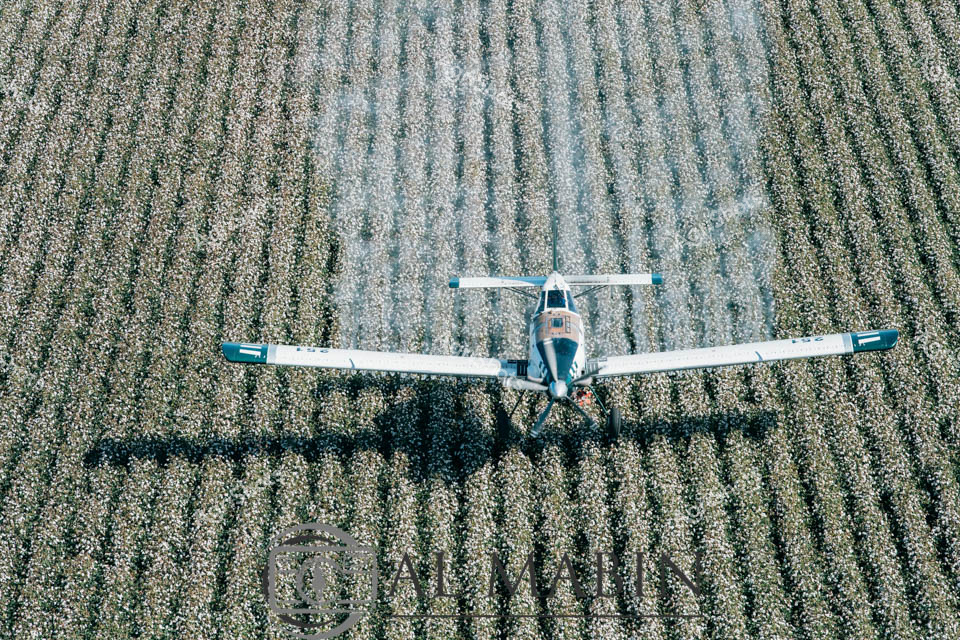
Precision agriculture takes flight over a meticulously cultivated cotton field, where an agricultural aircraft navigates between uniform rows of mature cotton plants. The sleek blue and white crop duster hovers low, its wings spread wide against the intricate geometric pattern of silvery-green foliage, preparing to apply defoliant in preparation for harvest. Queensland's expansive agricultural landscape stretches beneath the plane, demonstrating the sophisticated technology modern farmers employ to maximize crop yield and efficiency. The aerial view reveals the mathematical precision of modern cotton cultivation - each row perfectly aligned, each pass of the aircraft calculated to optimize crop management. Soft blue and white tones of the aircraft contrast beautifully with the muted green and silver textures of the cotton field, capturing the harmonious intersection of technological innovation and natural agricultural production. This image epitomizes the cutting-edge approach of Australian agricultural practices, where advanced machinery and strategic environmental management combine to produce one of the world's most valuable fiber crops.