Browse the collection
 Image
Golden desert light bathes a remote Queensland cattle station track, revealing delicate animal tracks winding across rusty-orange sand and sparse, sage-green scrubland. The early morning sunlight casts long, dramatic shadows that highlight the textured landscape, with small tufts of native grasses clustering around rocky ground. Subtle hoof prints trace a meandering path across the rich ochre-colored earth, suggesting recent cattle movement through this harsh yet beautiful interior terrain. The aerial perspective captures the immense scale of the station, where livestock traverse vast, seemingly endless landscapes under the expansive Australian sky. Sparse vegetation punctuates the ground, demonstrating the resilient ecosystem of central Queensland's arid regions. This image encapsulates the raw beauty and challenging environment of Australia's beef production heartland, where mustering and land management require exceptional skill and connection to the landscape.
 Image
Golden hour sunset bathes a Queensland cattle station in warm light, capturing a stockman astride a sleek black horse within a rustic timber-rail paddock. Wearing a classic wide-brimmed stockman's hat, blue work shirt, and tan leather chaps, the rider sits confidently in the Western-style saddle, demonstrating the timeless connection between Australian rural workers and their equine companions. A small working dog sits nearby, completing the quintessential pastoral scene of station life. Weathered gum trees frame the background, their silvery leaves softly illuminated against a mottled cloud-scattered sky, revealing the expansive and rugged landscape of outback Queensland. The horse - a powerful, well-muscled breed typical of station work - stands calm and alert, its dark coat gleaming with a hint of chestnut undertones, embodying the strength and resilience required in harsh rural environments. This image captures the essence of Australian agricultural heritage - a moment of quiet connection between rider, horse, and the vast, untamed landscape that defines rural Queensland.
 Image
Dusty golden light bathes a remote Queensland cattle station waterhole, where a herd of mixed breed cattle wade through shallow waters during a strategic muster. The serpentine waterway curves through arid brown grasslands, with a stark, leafless white tree standing sentinel in the midst of the crossing. Brahman-cross and red Droughtmaster cattle navigate the water cautiously, their varied coat colors ranging from deep russet to black and white patches, creating a living mosaic against the muted landscape. Stockmen guide the herd with practiced movements, slowly directing the cattle through the water crossing to consolidate and move them to another part of the vast station property. The aerial perspective reveals the intricate choreography of mustering - a delicate dance of human skill and animal instinct played out across the unforgiving Australian pastoral landscape. This scene captures the essence of northern Australian cattle management: resilience, patience, and adaptation to a challenging environment where water is both a lifeline and a strategic point of control.
 Image
Dust billows beneath thunderous skies as a sleek white helicopter hovers low over the golden-brown grasslands of a Queensland cattle station. A robust, dark-coated beef cow moves swiftly across the arid landscape, her muscular frame a testament to the resilience of Australian cattle breeds. The skilled helicopter pilot navigates the aircraft with precision, using aerial mustering techniques to guide the livestock across the expansive, sun-bleached terrain. Wispy clouds streak the blue-grey horizon, casting dramatic light on the rugged, sparse vegetation characteristic of outback grazing lands. This dynamic scene captures the essence of modern Australian cattle management - a perfect fusion of advanced agricultural technology and the timeless art of stock handling.
 Image
Towering against the expansive Queensland sky, a remarkable geological formation rises from a rugged landscape of eucalyptus and native bushland. This ancient sandstone pinnacle stands as a sentinel, its weathered surfaces telling millennia of geological history, with jagged edges and stratified layers revealing the patient sculpting of wind and time. Scattered trees cling to the rocky hillside, their resilient green foliage providing a rich contrast to the stone's earthy ochre and gray tones. Wispy clouds drift across a blue-gray backdrop, suggesting the dynamic atmospheric conditions typical of rural Queensland's complex climate. The rock formation appears almost like a natural watchtower, overlooking the surrounding landscape with a sense of timeless endurance - a landmark that has witnessed countless seasons of agricultural transformation. This striking geological feature embodies the raw, untamed spirit of the Australian outback, representing the rugged beauty that frames the agricultural heartlands of Queensland.
 Image
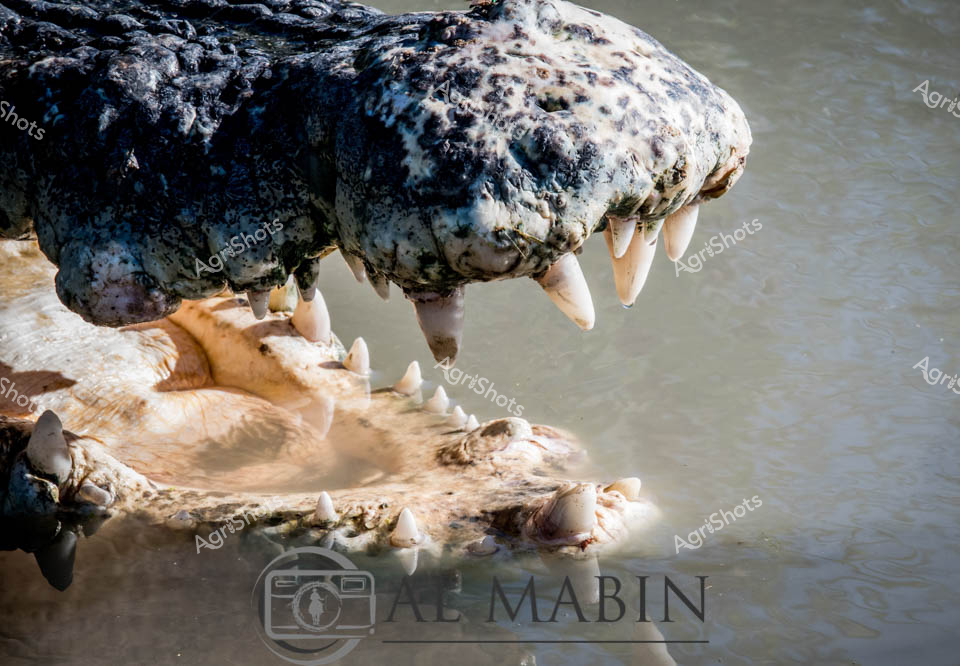
Saltwater crocodile jaws emerge from murky waters, revealing a prehistoric predator's formidable dentition. Massive, scaled head displays a mottled texture of charcoal and pale gray, with razor-sharp ivory teeth interlocking in a powerful display of natural weaponry. The reptile's weathered snout and muscular jaw represent the apex predator of northern Queensland's tropical waterways, a living fossil perfectly adapted to its aquatic environment. Translucent water ripples around the creature's armored form, suggesting the subtle movement of a patient hunter poised in its natural habitat. The intricate pattern of scales and the brutal precision of the teeth speak to millions of years of evolutionary refinement, capturing the raw, uncompromising survival mechanism of one of Australia's most iconic reptilian species. This close-up reveals the primal intensity of a saltwater crocodile, a keystone species of Queensland's complex river ecosystems.
 Image
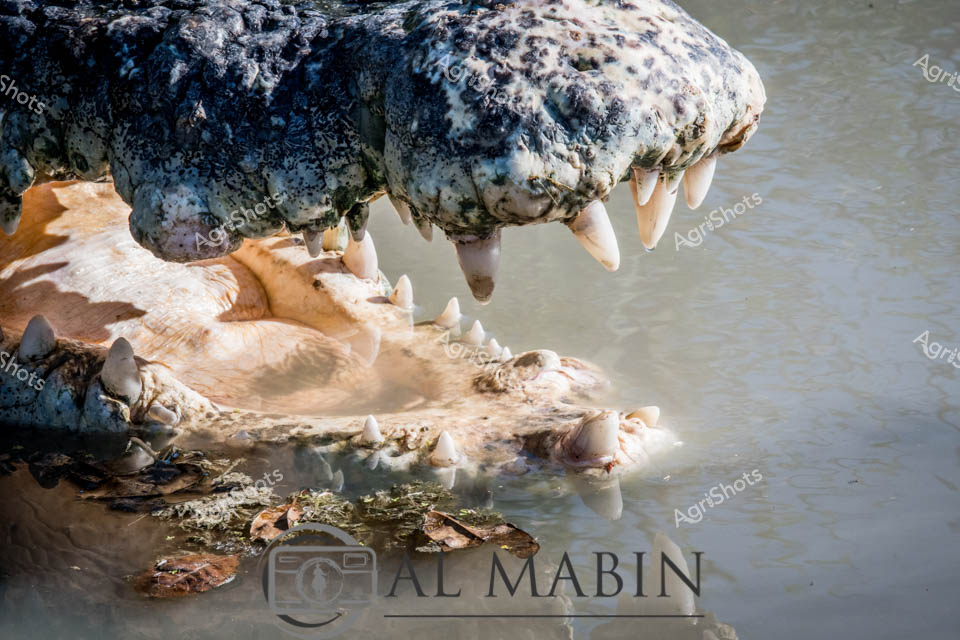
Razor-sharp teeth gleam in the harsh Queensland sunlight as a massive saltwater crocodile rests partially submerged, its prehistoric form a testament to prehistoric predatory perfection. The creature's scaled hide displays a mottled pattern of deep charcoal and weathered stone grays, blending seamlessly with the murky water and scattered leaf debris. Powerful jaws hang slightly open, revealing rows of ivory-white, dagger-like teeth that speak to millions of years of evolutionary hunting design. The textured, armored skin tells a story of survival, with each bump and scale a chronicle of life in the unforgiving waterways of northern Australia. Water laps gently around the crocodile's massive form, creating a deceptively peaceful scene that masks the raw, primordial power of this apex predator. This image captures the raw essence of Queensland's wild ecosystem, a living relic that embodies the untamed spirit of Australia's most challenging landscapes.
 Image
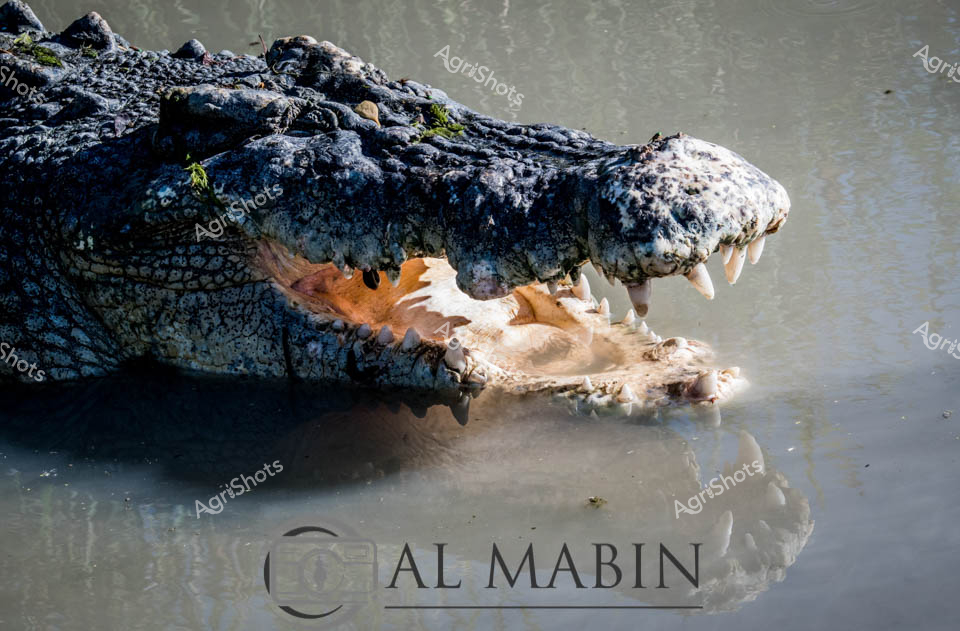
A massive saltwater crocodile lurks menacingly in shallow, murky waters, its prehistoric form a testament to the raw wilderness of Queensland's tropical landscapes. The creature's armored, slate-gray skin is textured with ancient scales, punctuated by patches of moss and river debris, creating a camouflage perfect for ambush predation. Its powerful jaw is slightly ajar, revealing rows of razor-sharp teeth and a glimpse of pale orange inner mouth, highlighting the prehistoric power of these apex predators that inhabit Australia's northern waterways. Muscular and immense, the crocodile embodies the untamed ecological dynamics of Queensland's riverine ecosystems, where survival demands absolute primordial strength. Ripples in the water surrounding the creature suggest recent movement, hinting at the potential energy and latent threat inherent in this magnificent reptilian hunter.
 Image
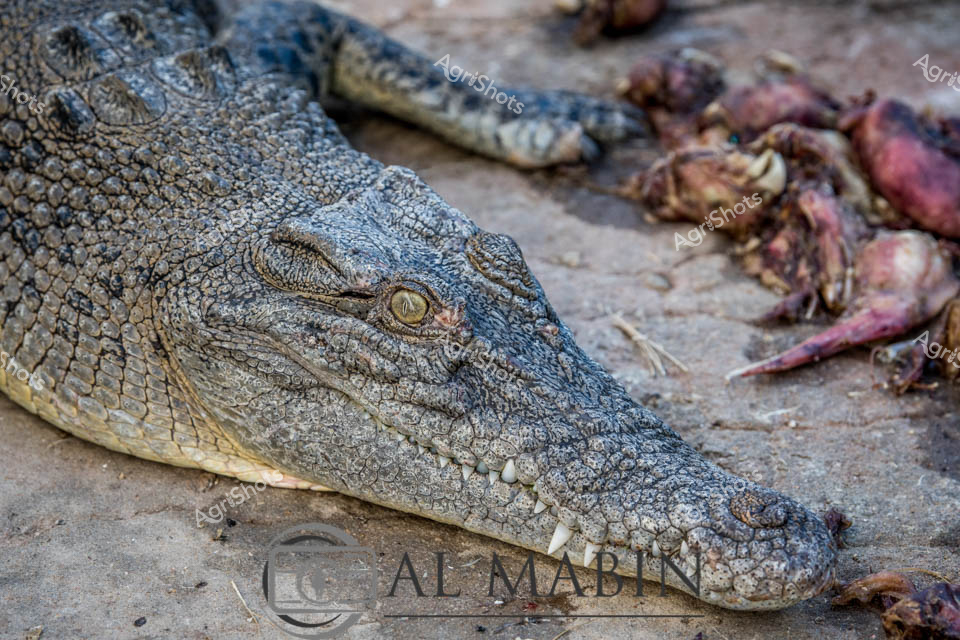
Saltwater crocodile resting on rocky terrain, its prehistoric scaled hide a testament to evolutionary perfection. The reptile's muscular body displays an intricate mosaic of gray and olive-green scales, with a powerful jaw lined with razor-sharp teeth. A golden-amber eye peers with prehistoric intensity, reflecting millennia of predatory adaptation. Scattered around the crocodile are what appear to be discarded crustacean remains, suggesting a recent feeding or the wild ecosystem of northern Queensland's coastal regions. The textured ground and weathered appearance hint at the harsh, unforgiving landscape of Australia's tropical north, where these apex predators reign supreme. This image captures the raw, primordial essence of one of nature's most successful and unchanged hunters, embodying the untamed wilderness of Queensland's coastal habitats.
 Image
Beneath brooding Queensland skies, a compact Robinson R22 helicopter rests on the russet earth of an expansive pastoral landscape. A stockman in a classic wide-brimmed cattleman's hat surveys the rugged terrain, his black jacket providing sharp contrast against the muted grasses and distant rocky escarpment. This is cattle station country - a harsh, beautiful environment where aerial mustering transforms the challenging landscape into an efficient cattle management arena. The rocky mesa in the background speaks to the geological drama of the region, while sparse eucalyptus trees punctuate the golden grasslands. The helicopter represents modern agricultural technology seamlessly integrated into timeless pastoral traditions, ready to assist in gathering livestock across thousands of hectares that would be impossible to navigate efficiently on horseback. The scene embodies the resilience and innovation of Australian pastoral workers who continue to adapt and thrive in one of the world's most demanding agricultural environments.
 Image
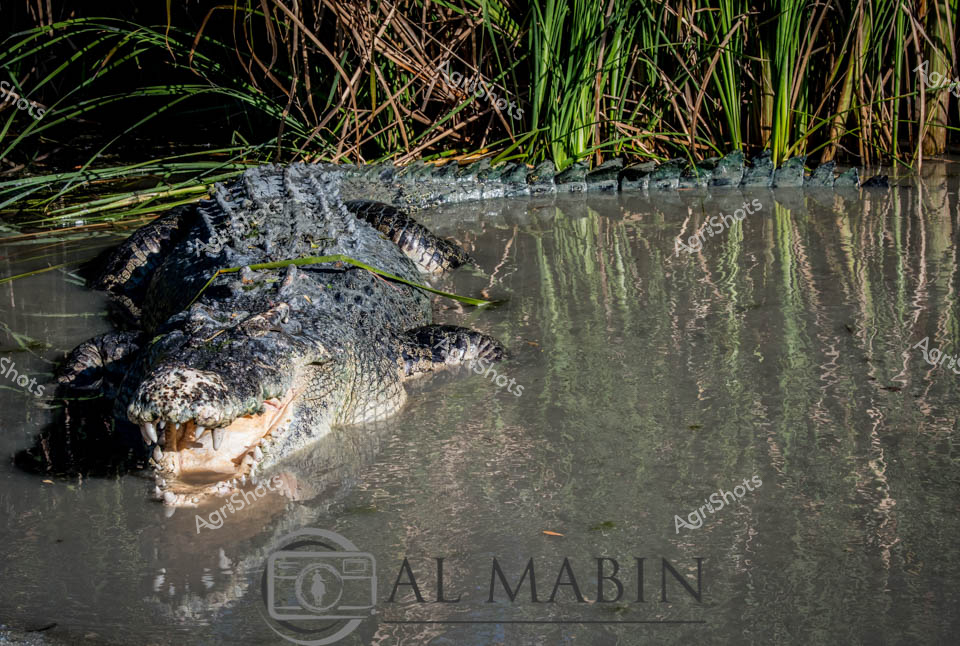
Saltwater crocodile rests in a tranquil Queensland wetland, its prehistoric form draped across murky waters bordered by dense reeds and grasses. The massive reptile's armored skin - a complex tapestry of grays, greens, and charcoal - blends seamlessly with the shadowy aquatic environment. Powerful jaws slightly agape reveal rows of razor-sharp teeth, a primal reminder of this apex predator's hunting prowess. Rippling reflections of surrounding vegetation create an almost painterly effect around the crocodile's muscular form, highlighting the intricate relationship between wildlife and their delicate ecosystem. Soft green reed stalks punctuate the background, creating a natural frame that emphasizes the crocodile's prehistoric magnificence. This image captures the raw, untamed essence of Queensland's northern wilderness, where ancient creatures continue to inhabit landscapes largely unchanged for millennia.
 Image
In the murky depths of a Queensland waterway, two prehistoric sentinels emerge - their weathered, armored skin a mosaic of olive and charcoal, textured like ancient bark. Massive reptilian eyes, golden and unblinking, pierce through the watery environment, reflecting millennia of evolutionary perfection. Droplets cascade across their scaled surface, highlighting the intricate topography of their primordial armor, with moss-green highlights accentuating the rugged terrain of their prehistoric form. These saltwater crocodiles embody raw, elemental power - silent apex predators whose very presence speaks of survival, patience, and the untamed wilderness of Australia's northern territories. Each scale tells a story of adaptation, each subtle movement a testament to a creature unchanged since the age of dinosaurs, perfectly camouflaged in their aquatic domain.
 Image
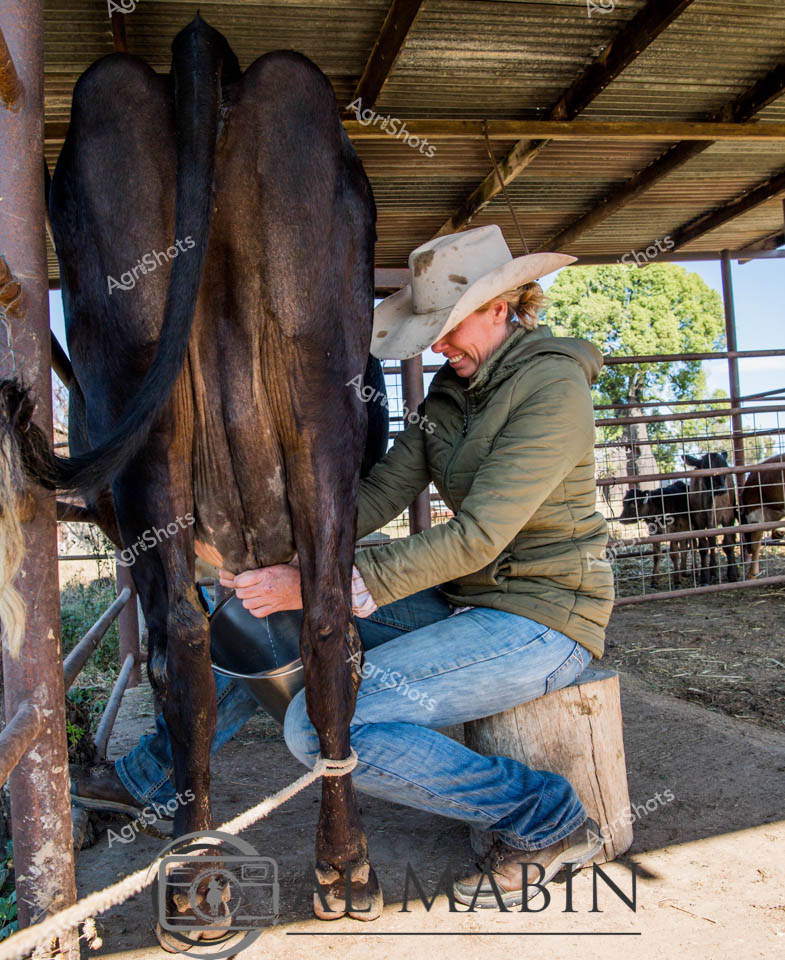
Morning milking unfolds in a rustic shed, where a seasoned dairy worker tenderly extracts milk from a deep-black Holstein cow. Perched on a weathered wooden stool, the worker wears a classic Australian rural ensemble - a faded olive jacket, well-worn blue jeans, and a cream-colored wide-brimmed stockman's hat. Soft sunlight filters through the corrugated iron roof, casting gentle shadows across the compact milking station, with livestock pens visible in the background. The worker's hands move with practiced precision, each motion revealing years of experience in dairy farming, a testament to the skill and dedication of Queensland's agricultural professionals. The cow stands patiently, her glossy black coat highlighting the intimate connection between farmer and animal in this quintessential rural scene. Metal milking equipment and rope ties suggest a traditional yet functional workspace, embodying the pragmatic spirit of Australian farming culture.
 Image
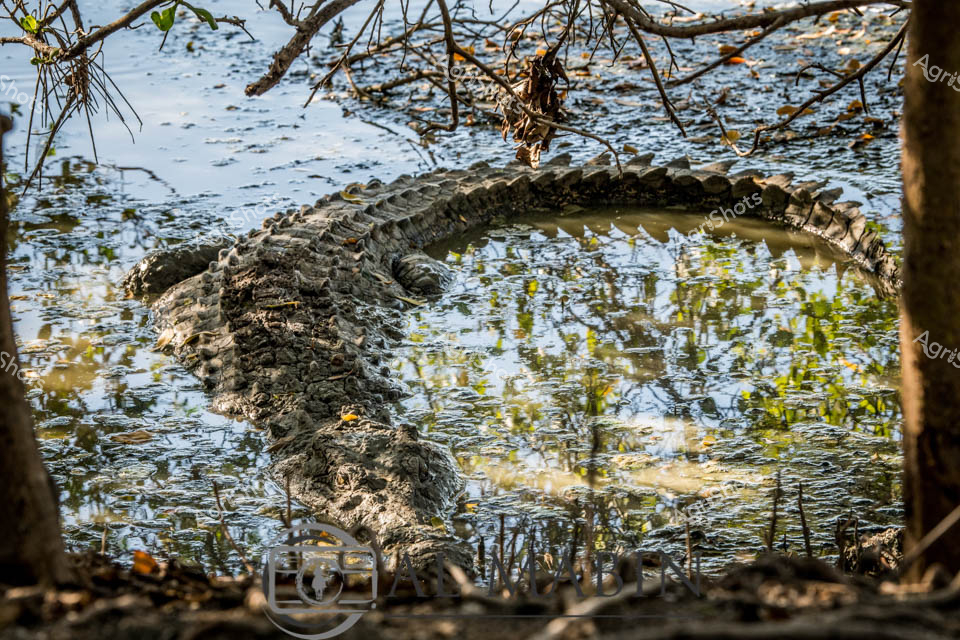
Prehistoric predator basking in the dappled wetland light, a saltwater crocodile rests motionless amid the reflective waters of a tropical Queensland waterway. Muscular and armored, its rugged scaled skin blends seamlessly with the tangled branches and murky underwater landscape, a testament to evolutionary perfection honed over millions of years. Mottled greens and browns of the surrounding foliage create a camouflage canvas, highlighting the reptile's primordial form as it lies suspended between water and shoreline. The dense, layered branches frame the scene, offering a glimpse into the raw, untamed ecosystems of Australia's northern territories. Soft filtered sunlight penetrates the canopy, casting shifting reflections across the crocodile's rugged hide and the water's surface, creating a dynamic interplay of light and shadow. This powerful image captures the essence of Queensland's wild landscapes - dangerous, beautiful, and utterly compelling in its natural complexity.
 Image
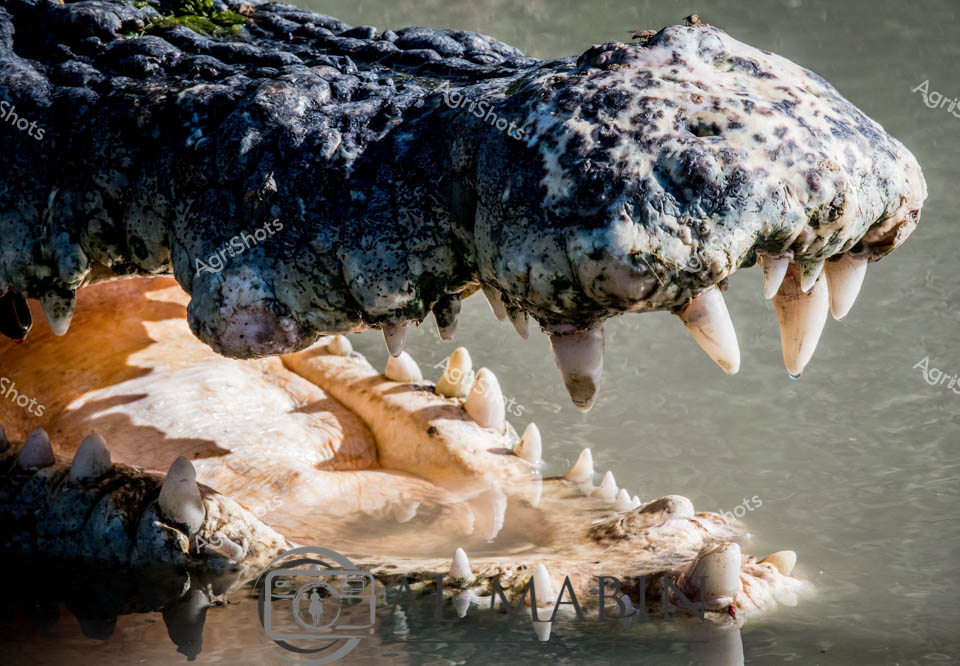
Massive saltwater crocodile jaws emerge from murky water, revealing a prehistoric predator's incredible dental arsenal. Razor-sharp ivory-colored teeth interlock with prehistoric precision, highlighting the remarkable evolutionary design of these ancient reptilian hunters native to Queensland's northern waterways. The crocodile's skin displays a complex tapestry of mottled grey, blue-black, and white textures - a natural camouflage perfectly adapted to subtropical river environments. Weathered scales and bumpy dermal structures create a tactile landscape that speaks to decades of survival in harsh tropical conditions. The close-up perspective captures the raw power and primordial menace of one of Australia's most iconic apex predators, with water reflecting the creature's formidable presence. This extraordinary image encapsulates the wild, untamed essence of Queensland's remarkable wildlife, showcasing nature's perfect predatory engineering in stunning, visceral detail.
 Image
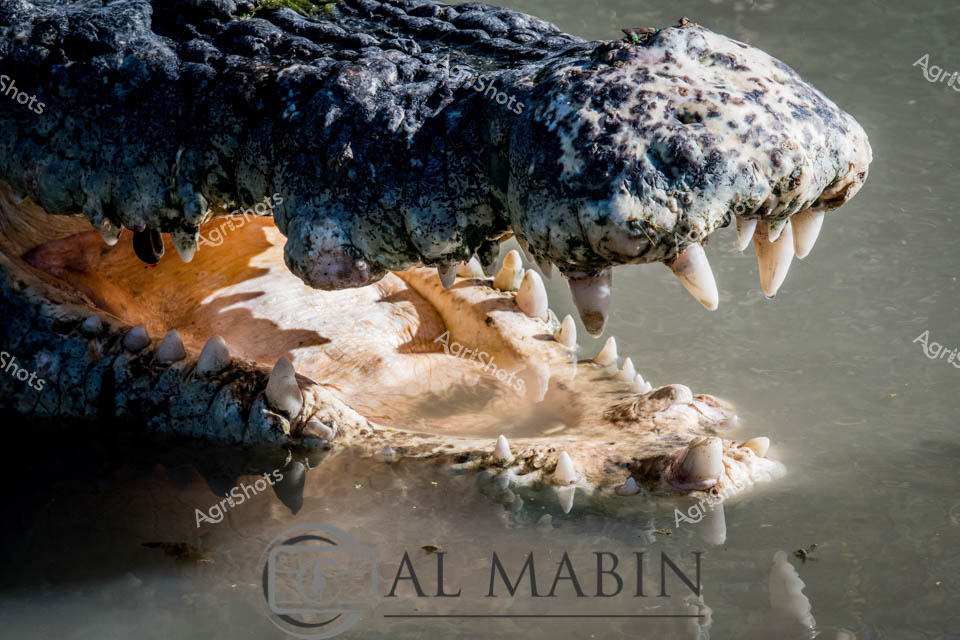
Primordial predator emerges from murky waters, revealing prehistoric power and precision. Razor-sharp ivory teeth line the massive reptilian jaw, a testament to millions of years of evolutionary perfection. Textured scales in mottled slate-gray and pale granite cascade across the crocodile's formidable skull, each ridge and bump telling a story of survival in Australia's northern waterways. The creature's mouth gapes open, displaying an intricate landscape of bone-white dentition against a soft, almost golden inner mouth membrane, capturing the raw, unfiltered intensity of an apex predator. Captured in crisp detail, this image speaks to the untamed wilderness of Queensland's tropical regions, where these ancient hunters have ruled for countless millennia. The waterline reflects the crocodile's muscular form, highlighting the prehistoric drama of survival in Australia's most challenging ecological environments.
 Image
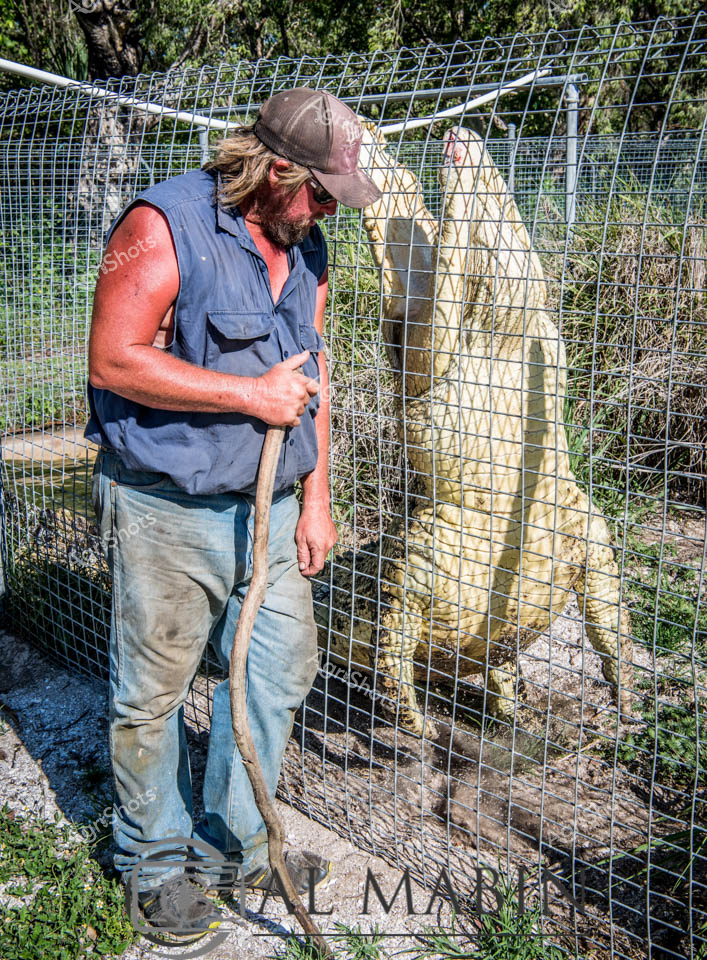
Queensland saltwater crocodile handler secures a massive pale crocodile within a sturdy wire mesh enclosure. Wearing dusty blue work vest, weathered jeans, and a worn cap, the experienced wildlife worker grips a long wooden handling pole, standing vigilantly beside the powerful reptile. The crocodile's pale, scaled hide contrasts against the green vegetation and wire fencing, highlighting the prehistoric power contained within the controlled environment. Harsh sunlight casts strong shadows, emphasizing the rugged texture of both the handler's work-worn clothing and the crocodile's intricate skin patterns. This portrait captures the intense concentration and professional expertise required in managing one of Australia's most formidable predatory species, showcasing the critical work of wildlife conservation and management in tropical Queensland. The scene speaks to the delicate balance between human intervention and respecting the raw, primordial nature of these ancient creatures.
 Image
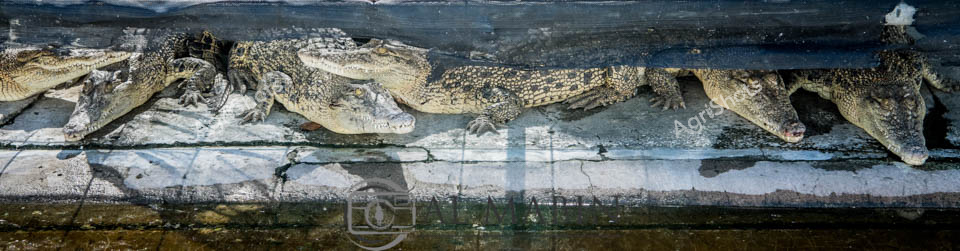
Sprawled across a weathered concrete bank, a congregation of saltwater crocodiles bask in the muted light of an overcast Queensland day. Their armored, mottled skin—a complex tapestry of olive, tan, and charcoal—reflects the rugged texture of their environment. Powerful bodies press against each other, creating a prehistoric tableau of prehistoric predators in repose, their scaled forms blending and overlapping in a mesmerizing composition of prehistoric precision. The reptiles' characteristic ridged backs and muscular forms suggest immense potential energy, even in their seemingly languid state. Hints of water and stone frame the scene, with a subtle reflective surface beneath the crocodiles adding depth and a sense of primordial stillness. This image captures the raw, prehistoric essence of Queensland's apex aquatic predators, revealing the complex social dynamics and remarkable adaptation of these ancient creatures in their native habitat.
 Image
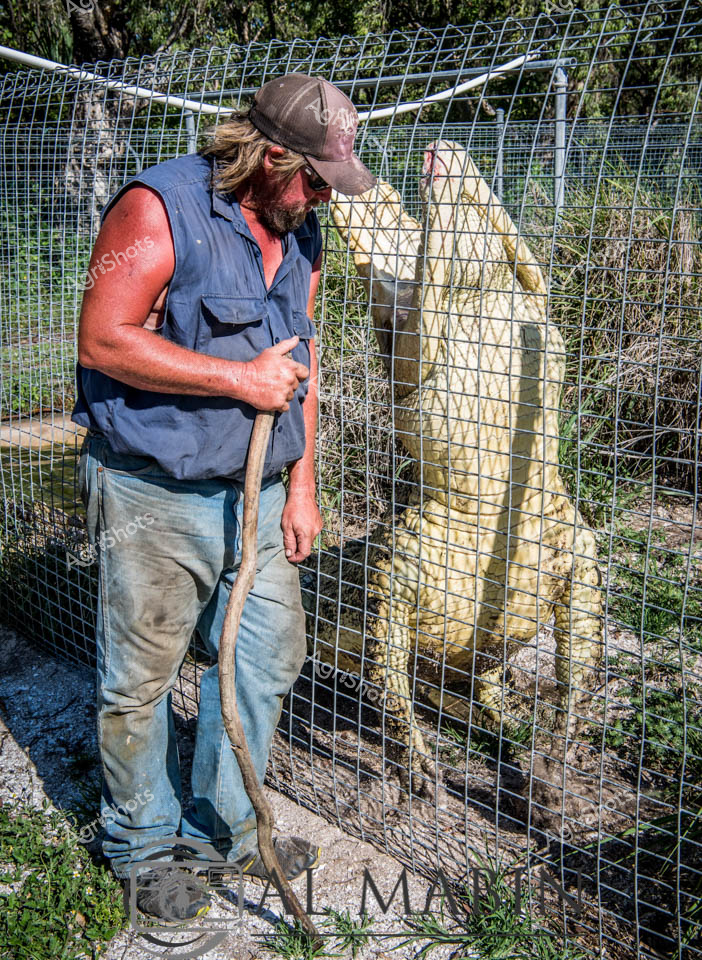
Queensland Wildlife Conservation: Saltwater Crocodile Management A seasoned wildlife handler stands vigilant beside a massive saltwater crocodile within a sturdy wire mesh enclosure. Dressed in well-worn blue sleeveless work shirt, faded denim trousers, and a weathered cap, the operator grips a long handling pole with practiced expertise. The enormous prehistoric reptile, a classic example of Australia's notorious apex predator, presses against the galvanized steel mesh - its pale, textured hide a testament to the species' remarkable prehistoric adaptation. The enclosure sits amid native bush vegetation, suggesting a wildlife management facility or research station typical of Far North Queensland's crocodile conservation efforts. Sunlight filters through surrounding greenery, casting dappled shadows that highlight the rugged outdoor setting. This scene represents the critical interface between human management and wildlife preservation, showcasing the careful, controlled interactions required to study and protect one of the world's most dangerous predatory species. The handler's deeply tanned, muscular physique and calm demeanor reflect years of professional experience in managing these powerful creatures, embodying the specialized skill set demanded by Queensland's wildlife management professionals.
 Image
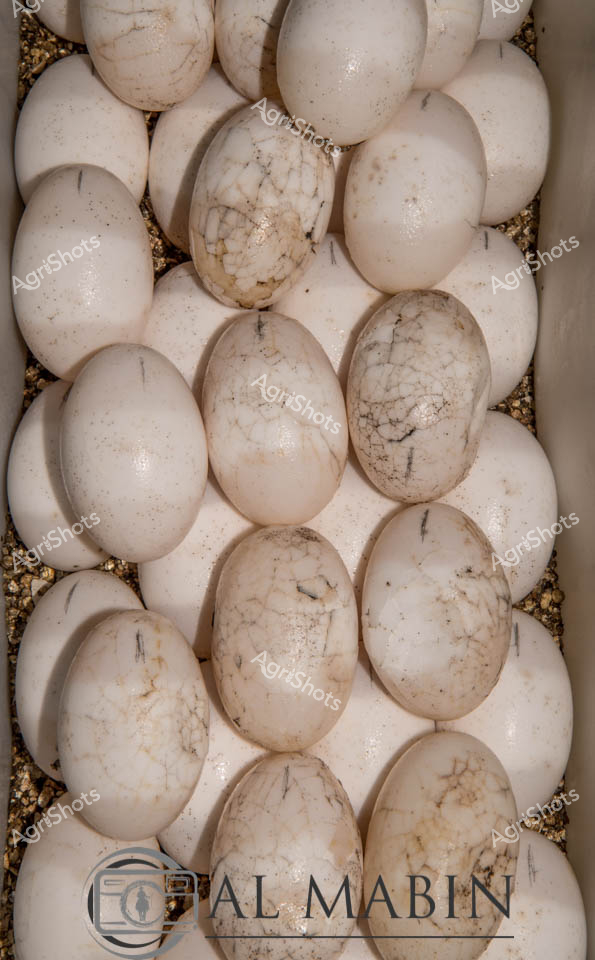
Marbled white eggs nestled in golden substrate, each oval form bearing delicate crackle-like patterns across its smooth surface. The clutch displays subtle variations in ivory and cream tones, creating a textural landscape of potential life and agricultural promise. Precision and organic beauty define this carefully arranged collection, suggesting the meticulous care of specialist breeding or incubation practices. Crisp edges and uniform positioning reveal a professional approach to egg management, likely representing controlled agricultural environments where every detail matters. The neutral palette speaks to natural fertility and the delicate balance of agricultural science.
 Image
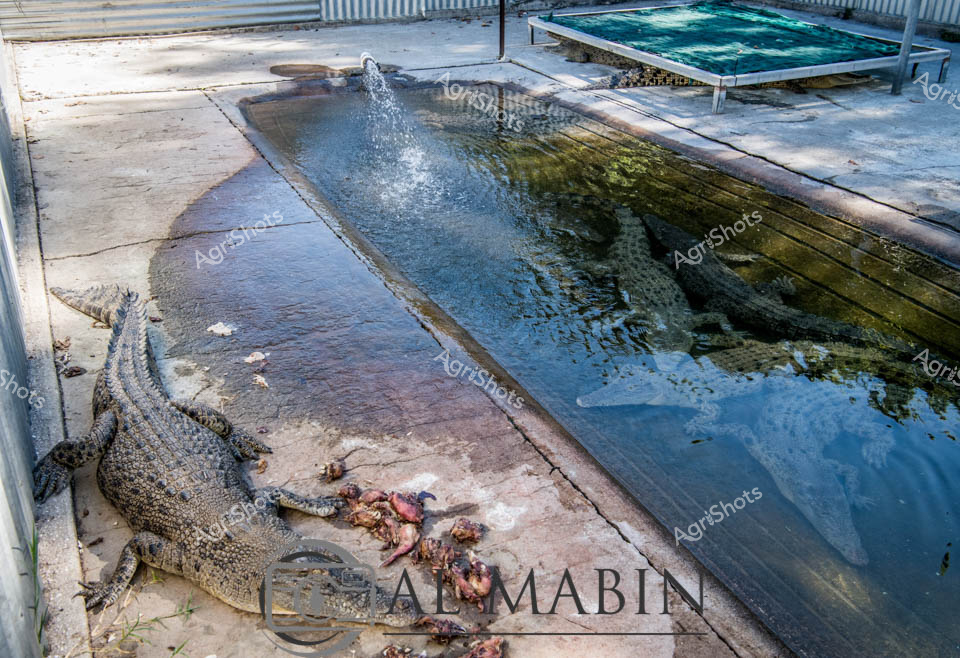
Saltwater crocodile rests beside a water feature at an agricultural research facility in Queensland, muscular predator sprawled on concrete near a feeding trough with raw meat remnants. A powerful fountain jets water into the pool, creating dynamic rippling reflections across the textured concrete surfaces. The crocodile's armored, scaled skin displays intricate prehistoric textures, its powerful body positioned between the feeding area and the deep green water reservoir. Crisp architectural elements frame the scene - corrugated metal walls, precise concrete borders, and a structured pool demonstrate a controlled, scientific environment for studying these apex predators. The image captures the raw intensity of one of Australia's most formidable reptilian species within a carefully managed agricultural research setting, highlighting the intersection of scientific observation and natural power.
 Image
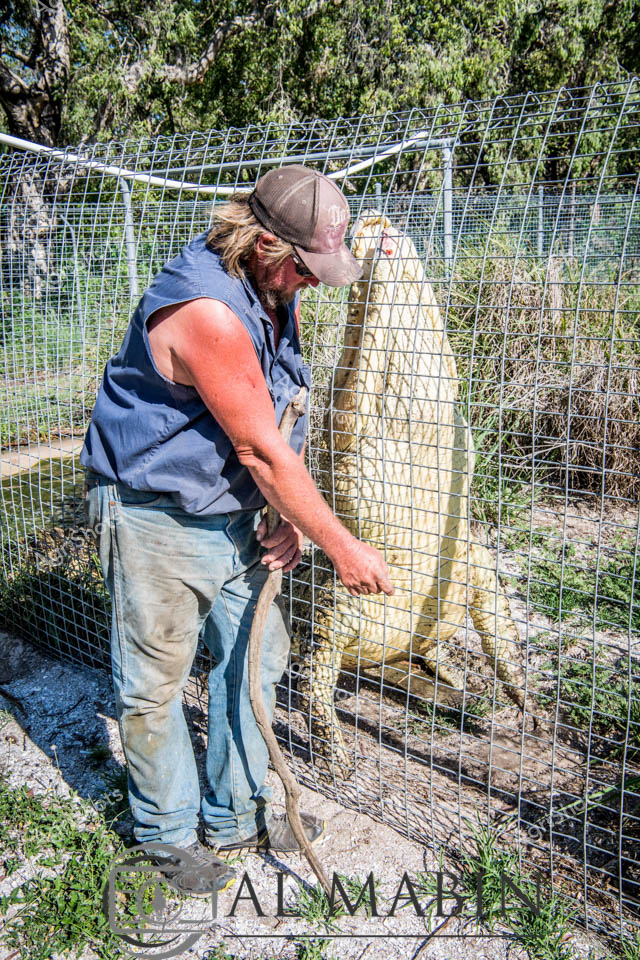
Saltwater crocodile handler carefully manages a large prehistoric predator within a sturdy wire mesh enclosure. Wearing rugged work attire - faded blue sleeveless shirt, worn denim pants, and a protective cap - the handler maintains a cautious yet controlled proximity to the formidable reptile. The wire cage appears situated in a tropical Queensland landscape, surrounded by dense greenery and dappled sunlight filtering through native vegetation. Muscular and weathered, the handler grips a long tool, likely used for managing and redirecting the crocodile's movements, demonstrating the specialized skills required in wildlife management and conservation. The crocodile, a pale golden-yellow color, represents one of Australia's most iconic and dangerous native species, highlighting the critical work of professional wildlife handlers in protecting both human and animal populations. The raw intensity of the interaction speaks to the delicate balance between human intervention and respecting the natural power of these ancient creatures.
 Image
Lurking beneath the tranquil surface of a Queensland waterway, two saltwater crocodiles rest in the dappled light filtering through overhanging vegetation. Their rugged, prehistoric forms blend seamlessly with the murky underwater terrain, one a pale silvery-gray and the other a mottled olive green, showcasing the remarkable camouflage of these apex predators. Scaled skin textured like ancient armor reflects the subtle interplay of sunlight and shadow, revealing the intricate patterns that have survived millions of years of evolution. The reptiles float motionless, a testament to their patient hunting strategy, their powerful bodies suspended between rocky substrate and the mirrored water's surface. Tree branches and leaves create a complex reflection, softening the edges of these formidable creatures and creating an atmosphere of primordial stillness. This intimate portrait captures the raw, prehistoric essence of Queensland's northern wilderness, where crocodiles reign as living relics of a prehistoric world.
 Image
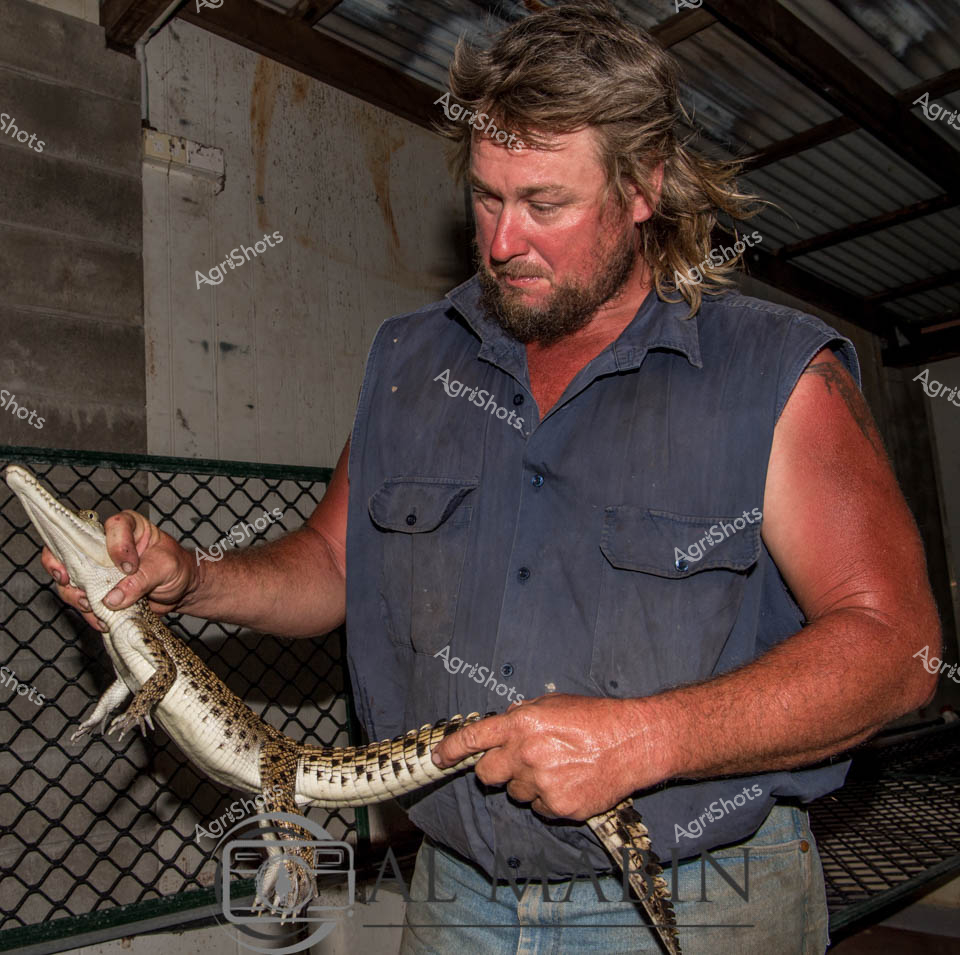
In the shadowy confines of a wire-mesh enclosure, a seasoned wildlife handler delicately manages a young saltwater crocodile, showcasing the raw intensity of Queensland's reptile management. Wearing a sleeveless blue work shirt and faded denim, the weathered handler grips the prehistoric predator with practiced calm, his muscular, sun-bronzed arms revealing years of experience in handling these powerful creatures. The crocodile, a juvenile with pristine white and mottled golden-brown scales, lies tensioned between strong hands, its powerful jaw and prehistoric anatomy a testament to millions of years of evolutionary perfection. Corrugated metal sheeting forms the backdrop, creating a utilitarian environment that speaks to the professional approach of wildlife conservation and research stations across northern Australia. The scene captures a moment of controlled interaction, where human expertise meets the untamed potential of one of the world's most formidable predators, highlighting the delicate balance of respect and technical skill required in managing these remarkable animals.