Browse the collection
 Image
A man working as a stockman rides his red ATV while mustering a large herd of Brahman cattle along a dusty stock route. The loyal cattle dog stands alert on the back of the quad bike, ready to assist with the droving operation. The mixed herd of predominantly brown and grey Brahman cattle, recognizable by their distinctive humped shoulders, move steadily through the sparse woodland paddock. This scene captures the essence of Australian beef cattle operations, where modern equipment like motorbikes and ATVs have become essential tools for efficiently managing large herds across expansive station country.
 Image
A weathered man working as a stockman sits mounted on horseback during droving operations, captured in striking black and white photography. The experienced horseman wears a classic wide-brimmed hat and striped shirt, with glasses and what appears to be a cigarette, embodying the traditional Australian pastoral lifestyle. His weathered hands grip the reins as he pauses during cattle work, his profile showing the rugged determination of outback droving. The intimate close-up composition highlights the timeless connection between stockman and horse along the historic stock routes.
 Image
A stockman on horseback works through a large herd of Brahman cattle in dusty yards, with the distinctive humped cattle creating a sea of brown and cream colored bodies across the paddock. The rider, wearing a wide-brimmed hat, guides his horse through the densely packed mob as dust rises from the dry earth beneath countless hooves. This classic Australian cattle mustering scene captures the traditional methods still used on stations across the country, where skilled horsemen move large numbers of beef cattle through yard systems for processing or transport.
 Image
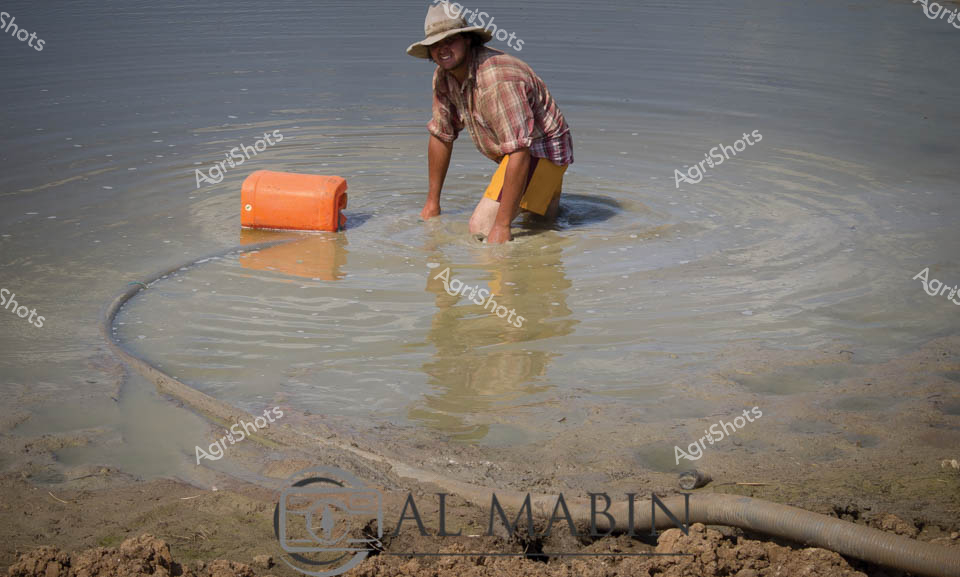
A farm worker kneels in shallow water at a rural dam, carefully operating water pumping equipment during what appears to be a droving operation along a stock route. The worker, wearing a wide-brimmed hat and plaid shirt, manages an orange flotation device and hose system while positioned in the muddy water. This scene captures the essential water management activities required when moving livestock across remote Australian properties, where access to reliable water sources is critical for successful cattle or sheep droving operations.
 Image
A close-up perspective of powdery, textured earth reveals the subtle landscape of a stock route, capturing the granular details of Australian pastoral terrain. Soft gradients of tan, beige, and grey create a nuanced surface that speaks to the dry, weathered character of rural traveling pathways used for livestock movement. The finely grained soil shows delicate variations in tone and minute scattered particles, suggesting the weathered resilience of agricultural landscapes. Fine dust motes and minute textural variations hint at the movement of hooves and the subtle dynamics of wind and erosion across these traditional droving tracks. This intimate ground-level view invites contemplation of the often-overlooked textural narratives embedded in rural landscapes, where each grain of soil tells a story of movement, endurance, and the interconnected rhythms of land and livestock.
 Image
Australian Cattle Dog nestled in a weathered, sun-bleached container amidst dry grassland, embodying the resilient spirit of rural working dogs. The blue heeler's mottled grey and tan coat blends seamlessly with the dusty, straw-strewn ground, reflecting the harsh textures of the Australian pastoral landscape. Compact and alert, the dog rests with a sense of quiet purpose, its keen eyes and upright ears suggesting constant readiness for herding or working tasks. The worn container, likely a repurposed agricultural vessel, provides a makeshift shelter that speaks to the resourceful nature of farm life. Soft afternoon light casts subtle shadows, highlighting the dog's muscular frame and the intricate patterns of its working breed coat. This intimate portrait captures the unbreakable bond between working dogs and the challenging agricultural environments they call home, showcasing the quiet dignity of Australia's livestock management tradition.
 Image
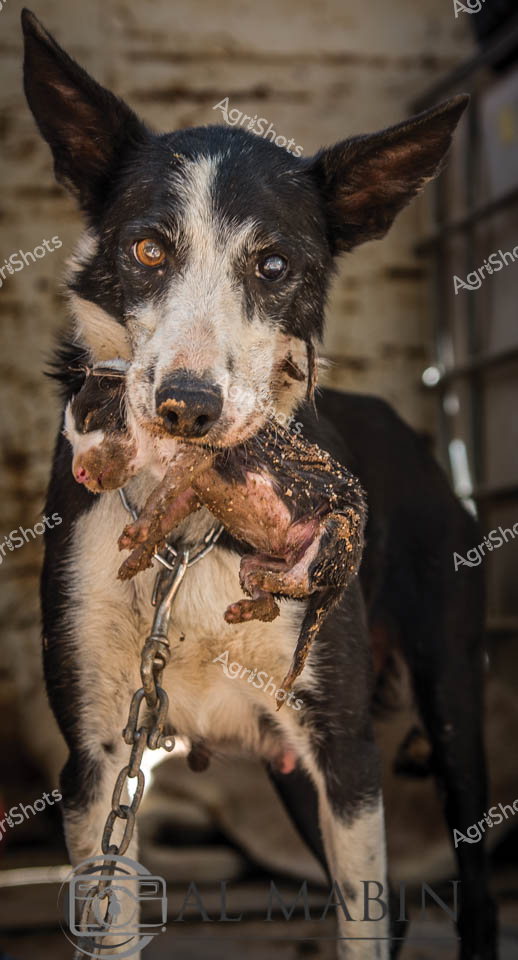
A weathered black and white working dog with alert amber eyes holds a muddy stick or bone in its mouth, showcasing the hardy nature of droving dogs used on Australian cattle stations. The dog's intelligent expression and sturdy build reflect the resilience required for life on the stock routes, where these loyal companions assist with mustering and moving livestock across vast rural properties. Dirt and debris on the dog's coat tell the story of long days working in dusty paddocks and along traditional droving paths.
 Image
Brahman cattle surge across the dusty inland plains, a living river of pale hides and muscular frames undulating through the dry seasonal landscape. The hardy northern Australian beef breed moves with purposeful momentum, their distinctive humped silhouettes creating a sweeping panorama against sparse grasslands and distant treeline. A soft dust cloud trails behind the herd, capturing the raw energy of traditional stock route droving - a timeless ritual of pastoral movement that has shaped Australia's agricultural heritage. Varying shades of cream, tan, and charcoal define the cattle's coats, reflecting the resilient genetics developed to thrive in challenging tropical and subtropical environments. The expansive sky suggests mid-morning light, with a pale blue backdrop highlighting the earthy tones of the dry grassland terrain. This powerful scene captures the essence of extensive cattle production - a testament to generational agricultural skill, landscape adaptation, and the enduring connection between land, livestock, and human enterprise.
 Image
Dusty ochre and russet cattle cluster along a shaded riverbank, their muscular bodies testament to the resilience of Australian livestock during a challenging dry season. A classic stock route scene unfolds, with a dense mob of predominantly brown and white cattle crowded near the water's edge, surrounded by native eucalyptus trees and sparse riverside vegetation. The harsh sunlight and rocky ground speak to the unforgiving landscape of inland Australia, where droving remains a critical agricultural practice for moving herds between grazing territories. Brahman-cross cattle dominate the herd, their distinctive robust frames and heat-tolerant coloration perfectly adapted to the challenging outback environment. The riverbank provides a crucial watering point, with cattle packed tightly, creating a living canvas of bovine resilience against a backdrop of weathered gum trees and a cloudscattered sky. This image captures the raw essence of pastoral Australia - a timeless moment of survival, movement, and the unbreakable connection between livestock, landscape, and generations of agricultural heritage.
 Image
A horseman droving Brahman cattle across a wooden bridge in rural Australia, with the distinctive humped cattle moving steadily along the timber deck structure. The rider on horseback guides the herd through the crossing, surrounded by native eucalyptus trees under a partly cloudy sky. This traditional droving scene captures the enduring connection between stockmen and cattle in Australian pastoral operations, showcasing the movement of beef cattle along established stock routes. The steel suspension bridge provides safe passage over what appears to be a creek or river crossing, demonstrating the infrastructure that supports livestock movement across the landscape.
 Image
Stormy seas crash against the rugged coastline of South Australia's Yorke Peninsula, capturing the raw maritime energy of the region's coastal landscape. Golden late afternoon sunlight breaks through heavy cloud cover, casting dramatic light across the turbulent dark waters. Waves surge and churn, their deep blue-green surfaces reflecting the complex interplay of cloud and emerging sunlight. The distant shoreline appears golden and windswept, with rolling hills silhouetted against the dramatic sky. This seascape embodies the wild, untamed maritime character of South Australia's coastal environments, showcasing the powerful intersection of land, sea, and sky. The scene speaks to the maritime heritage and natural resilience of the region's coastal ecosystems, where agricultural landscapes meet the challenging Southern Ocean.
 Image
A bearded man working as a mussel farmer examines freshly harvested mussels aboard his boat in the waters off South Australia's Yorke Peninsula. Wearing bright orange gloves and green waterproof overalls, he handles the rope-grown mussels that have been lifted from the ocean using the boat's hydraulic equipment. The aquaculture operation showcases the marine farming industry in the Eyre Peninsula Region, where mussels are cultivated in the clean Southern Ocean waters. Safety protocols are evident as the worker carefully processes the harvest while positioned on the vessel's deck overlooking the expansive seascape.
 Image
The dense arrangement of shellfish reveals their rich, deep slate-colored shells, each glistening with a subtle iridescence that speaks to their recent extraction from the cold, nutrient-rich waters of South Australia's coastal regions. These marine delicacies, likely sourced from the pristine aquaculture zones of the Yorke or Eyre Peninsulas, represent a critical segment of the region's sustainable seafood industry. The robust, utilitarian container suggests the methodical precision of marine harvesting - a delicate balance of maritime expertise and ecological stewardship. Textural contrasts emerge between the smooth mussel shells, the rough-worn yellow container edges, and the soft, structured white fabric that cradles the catch, capturing the raw, elemental nature of marine farming. This image encapsulates the quiet dignity of South Australian marine agriculture - a testament to the careful cultivation and harvest of one of the ocean's most prized culinary treasures.
 Image
Robust marine harvesting equipment cradles a load of freshly collected blue-black mussels, their clustered shells glistening with seawater against the sleek stainless steel sorting mechanism. The vessel's deck stretches out against the expansive turquoise waters of South Australia's coastal region, likely off the rugged Yorke or Eyre Peninsula. Mechanical precision meets oceanic bounty as the mussel harvest sorting system methodically separates and processes the catch, revealing the sophisticated aquaculture technologies that support regional seafood production. Weathered metallic surfaces and hydraulic components speak to the industrial resilience required for marine farming, with the rippling ocean horizon providing a stark, luminous backdrop to this maritime agricultural endeavor. Coiled hydraulic lines and precision-engineered sorting trays demonstrate the technical expertise behind sustainable shellfish cultivation, capturing the intersection of technological innovation and natural marine ecosystems. The cool blue-green seascape and mechanized harvesting equipment embody the professional, methodical approach of South Australian aquaculture specialists.
 Image
A man working as an aquaculture farmer harvests mature mussels from suspended rope lines in the pristine waters off South Australia's coastline. Wearing bright yellow and green safety gear with orange gloves, he carefully handles the rope cultivation system loaded with dark, fully-grown shellfish. The crystal-clear ocean water surrounding the boat creates ideal conditions for mussel farming, while the structured rope framework demonstrates the organized approach to marine aquaculture operations. This scene captures the hands-on nature of sustainable seafood production along the Yorke Peninsula region, where ocean farming provides fresh mussels for local and export markets.
 Image
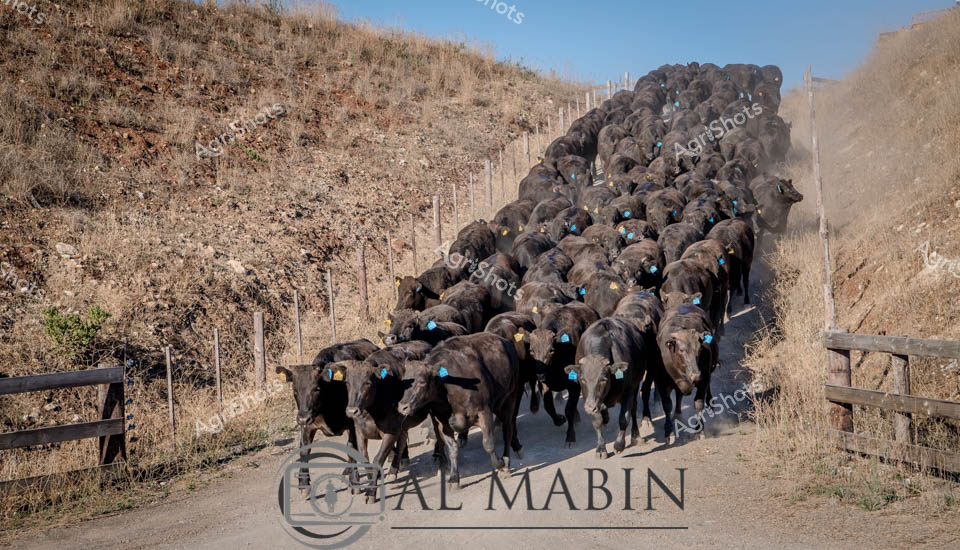
Dusty dawn breaks over the rugged pastoral landscape as a dense herd of dark Wagyu cattle moves methodically along a fenced dirt track. The sleek black bovines, each marked with distinctive blue ear tags, create a powerful river of movement against the arid, golden-brown hillside. Mayura Station's premium beef cattle navigate the narrow path with calm precision, casting long shadows in the early morning light. Their muscular frames and uniform coloration speak to careful breeding and management, quintessential of South Australian cattle operations. The fenced corridor guides the herd, creating a striking compositional line that draws the eye through the undulating terrain. Every animal moves with a collective purpose, embodying the disciplined rhythm of modern agricultural practice - a testament to the skill of the unseen musterers directing this impressive livestock movement.
 Image
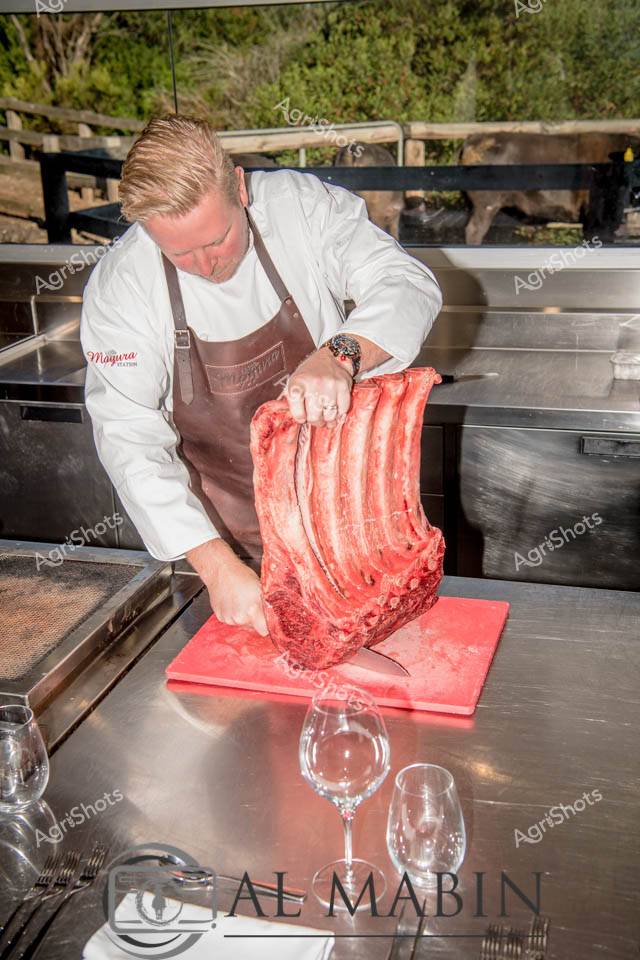
A skilled chef in a crisp white jacket and brown apron carefully handles a prime cut of rich, marbled Wagyu beef at Mayura Station in South Australia. The deep crimson meat rests on a bright red cutting board, surrounded by gleaming stainless steel kitchen surfaces and delicate wine glasses, suggesting a high-end culinary preparation. Framed by an outdoor setting with wooden fencing and verdant greenery in the background, the scene captures the precision and artistry of premium beef production and preparation. The chef's focused posture and expert handling highlight the meticulous craft of transforming exceptional livestock into world-class cuisine. Soft natural light emphasizes the luxurious texture and color of the beef, connecting the agricultural origins of the product with its final gourmet presentation. This image exemplifies the sophisticated journey from South Australian cattle farm to refined dining experience, showcasing the state's renowned Wagyu beef production.
 Image
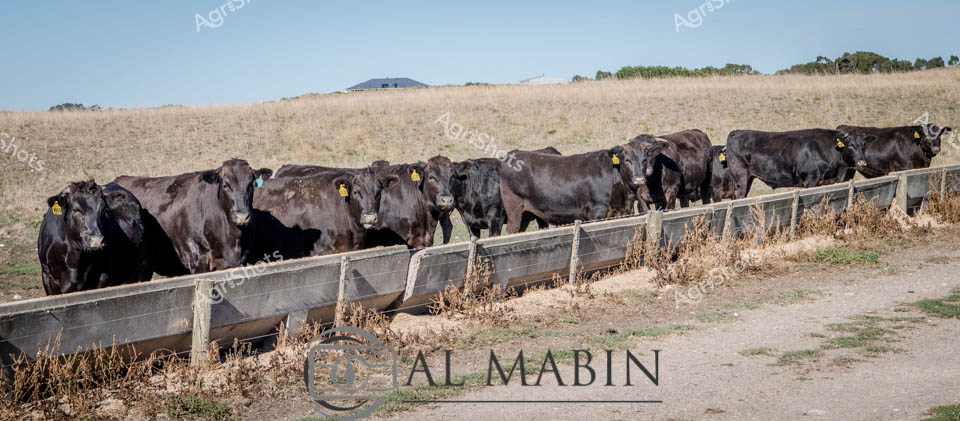
Wagyu cattle stand in disciplined formation along a weathered timber feeding trough, their deep midnight-black coats gleaming against the golden dry pasture of rural South Australia. Each animal wears a bright yellow ear tag, identifying them as part of a carefully managed breeding program. The summer-scorched landscape stretches out behind them - a pale, wheat-colored paddock meeting a soft blue horizon, suggesting the unforgiving heat of an Australian agricultural region. These premium beef cattle, known for their exceptional marbling and meat quality, are positioned with military precision, suggesting meticulous farm management and advanced animal husbandry practices. The scene speaks to the resilience of Australian agricultural enterprises, where sophisticated breeding techniques meet harsh natural conditions.
 Image
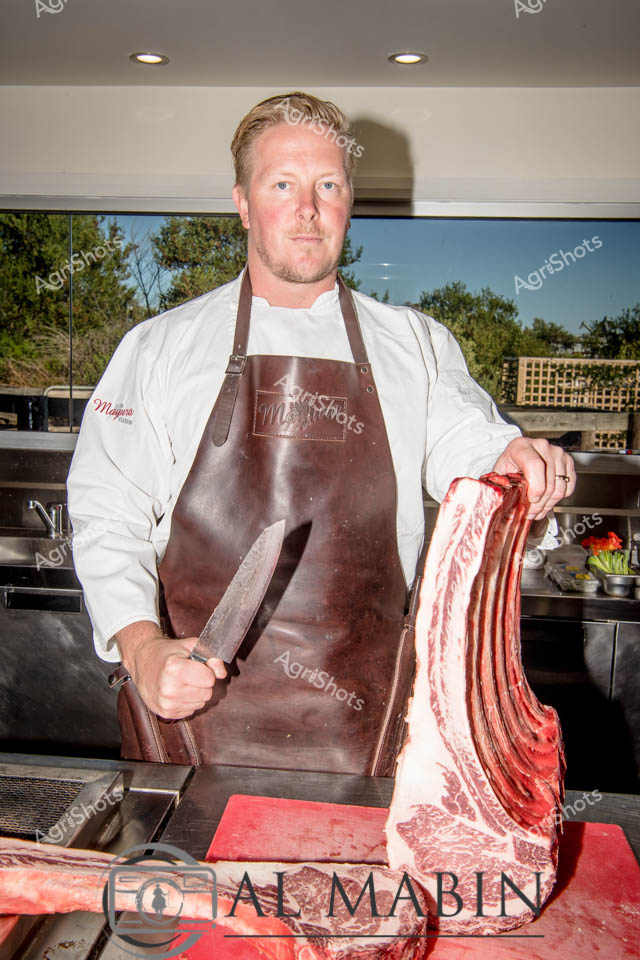
A professional chef stands confidently in a modern kitchen, wearing a crisp white chef's jacket and a rich brown leather apron. He holds a traditional butcher's knife in one hand and grips a premium cut of marbled Wagyu beef in the other, revealing the exceptional quality of the meat with its distinctive red and white intramuscular fat patterns. The scene speaks to the precision of high-end culinary preparation, showcasing the journey from premium livestock to gourmet dining. Recessed lighting and glass windows behind him create a clean, professional backdrop that highlights the deep red tones of the beef and the chef's focused demeanor. Every element of the composition communicates excellence in meat preparation - from the chef's expert grip to the pristine cutting surface, embodying the artistry of modern Australian agricultural and culinary expertise.
 Image
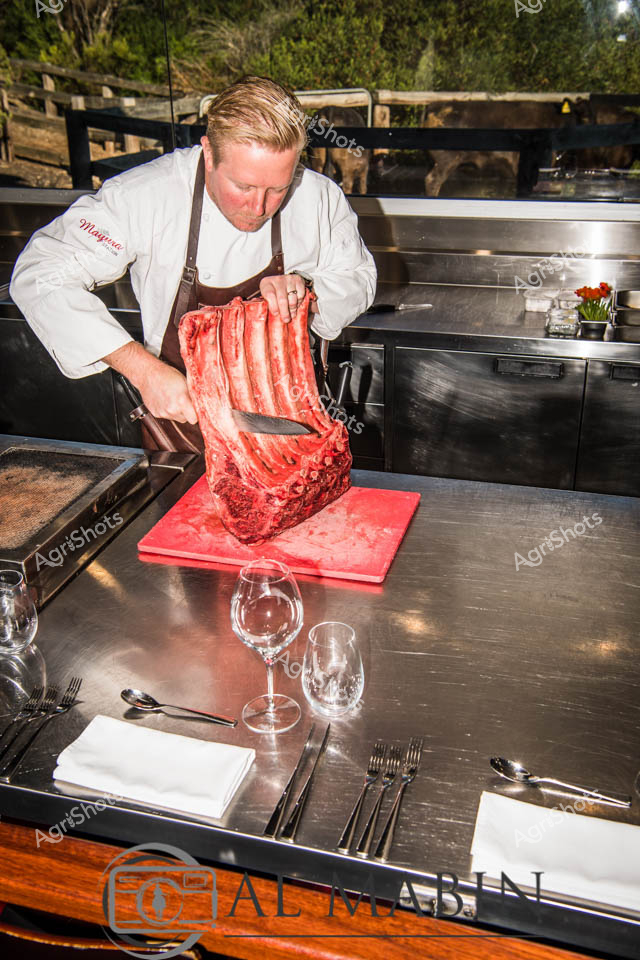
Expert butchery unfolds in an elegant restaurant kitchen, showcasing premium Wagyu beef preparation. A professional chef in crisp white jacket and brown leather apron carefully handles a vibrant red, marbled prime cut of meat on a bright red cutting board. Precision stainless steel surfaces, delicate wine glasses, and pristine white linen hint at a high-end dining experience focused on exceptional meat quality. The carefully trimmed beef, likely from Mayura Station's renowned South Australian Wagyu herd, displays extraordinary intramuscular fat marbling – a hallmark of premium beef genetics and meticulous animal husbandry. Soft background lighting and glimpses of greenery suggest an intimate, carefully curated culinary environment dedicated to showcasing Australia's world-class beef production. Every element speaks to the sophisticated journey from pasture to plate, highlighting the agricultural excellence and culinary craftsmanship inherent in premium beef production.
 Image
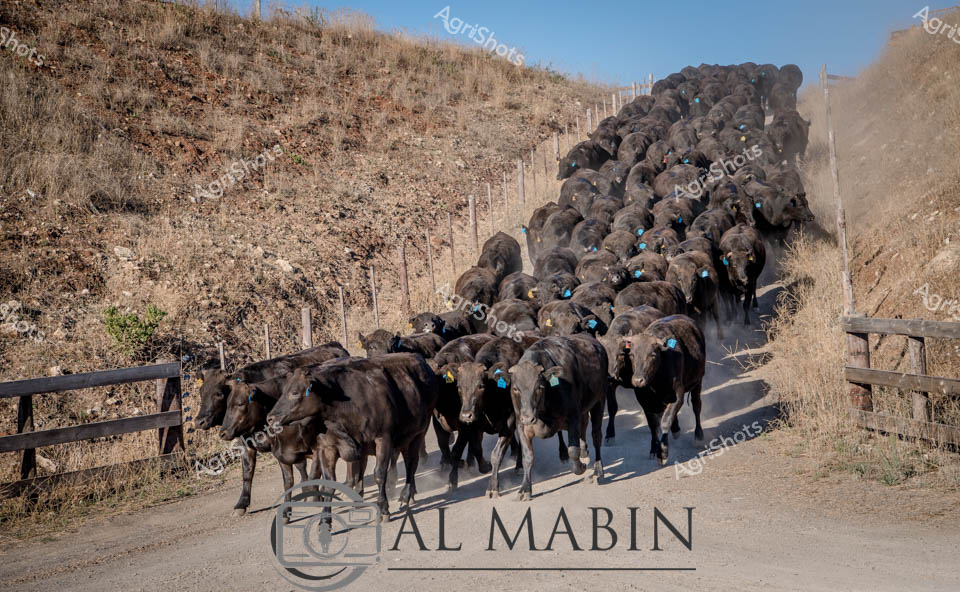
Muscular black Wagyu cattle surge along a dusty farm track, their powerful bodies tightly packed between weathered wooden fencing in a classic South Australian pastoral landscape. Blue ear tags glint against their deep charcoal coats as the herd moves with disciplined momentum, kicking up fine dirt beneath their hooves. Dry grassland slopes rise steeply on either side, creating a natural channel guiding the cattle's deliberate progress, with sparse vegetation highlighting the arid agricultural terrain. The clear blue sky and harsh midday light emphasize the rugged, unforgiving environment that defines cattle farming in this region. Each animal displays the distinctive muscular build of premium Wagyu breeding stock, representing significant agricultural investment and genetic selection.
 Image
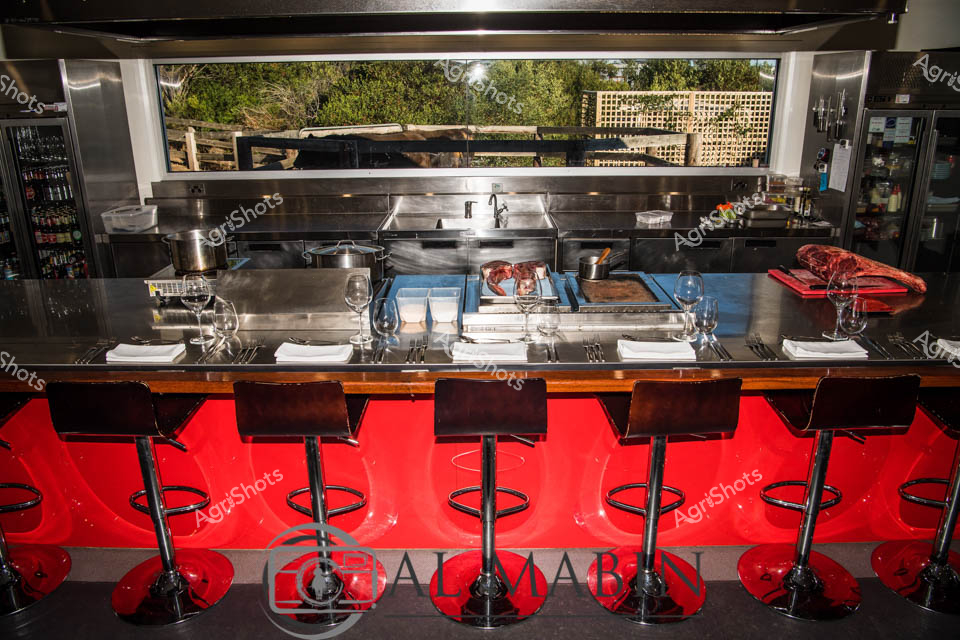
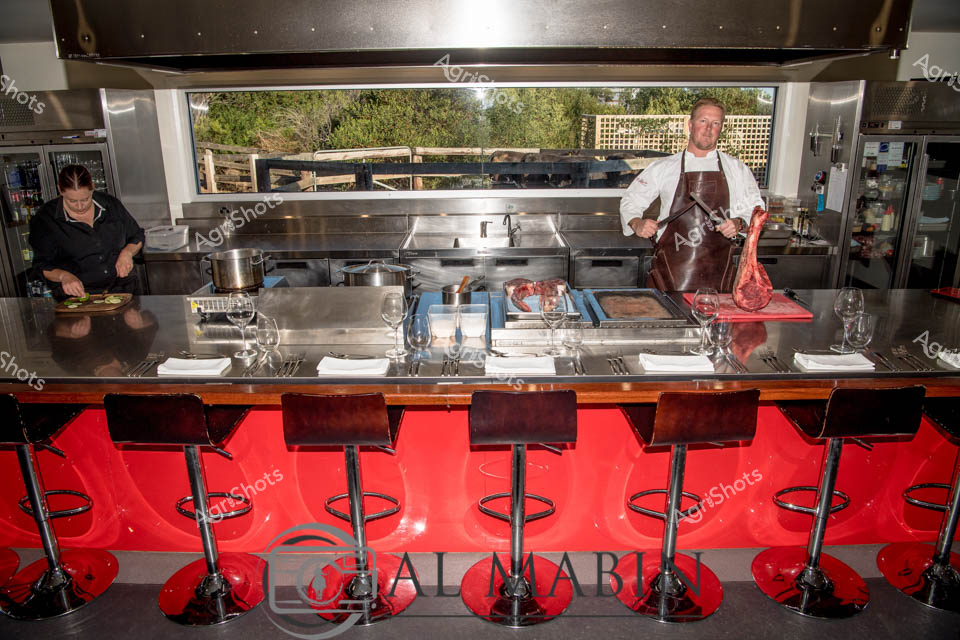
Gleaming stainless steel and vibrant red create a theatrical stage for culinary performance at this high-end restaurant kitchen bar. Premium Wagyu beef cuts rest prominently on a pristine preparation surface, showcasing the pinnacle of South Australian agricultural excellence. Precisely arranged wine glasses and crisp white linens frame an immaculate workspace that blends professional kitchen functionality with elegant dining design. Sophisticated bar stools in deep burgundy and black invite diners to witness the artistry of meat preparation, with a glimpse of lush greenery visible through the expansive kitchen window. The meticulously organized space speaks to the precision of Australian agricultural production, from pasture to plate. Every element - from the expertly displayed beef to the carefully positioned culinary tools - demonstrates a commitment to quality that defines South Australia's premium food culture.
 Image
Open kitchen theatre showcases the precision of premium beef preparation at a high-end restaurant. A professional chef in a crisp white uniform and burgundy leather apron carefully handles a large primal cut of deep red Wagyu beef, highlighting the premium quality of South Australian cattle production. Gleaming stainless steel surfaces and professional cooking equipment create a clinical, artistic workspace, with red bar stools adding a vibrant accent to the professional kitchen environment. Another kitchen staff member works quietly in the background, preparing complementary ingredients with focused concentration. Elegant wine glasses and pristine white linens suggest a sophisticated dining experience that celebrates the finest local beef production. The expansive kitchen window reveals a glimpse of natural landscape, connecting the refined culinary preparation to the agricultural origins of the premium meat.
 Image
A thundering herd of sleek black Wagyu cattle moves purposefully along a dusty, fenced dirt track in the arid South Australian landscape. The densely packed mob displays uniform dark coloration, with bright blue ear tags standing out against their glossy coats. Dry grassland and rocky terrain frame the narrow path, creating a natural cattle drive corridor lined with weathered wooden fence posts. Kicked-up dust billows behind the herd, capturing the dynamic energy of cattle movement and the rugged pastoral environment. The precise alignment and close grouping of the cattle suggests skilled mustering techniques typical of expert Australian cattle management. This powerful image encapsulates the essence of beef production in the challenging terrain of rural South Australia, highlighting the careful husbandry and agricultural expertise required to manage premium Wagyu livestock.