Browse the collection
 Image
Packed tightly in a radial formation, a herd of Brahman cattle huddles together, their muscular bodies ranging in hues from rich tan to deep brown and pale cream. The cattle's distinctive loose skin and pronounced humps characterize this heat-tolerant breed, perfectly adapted to Australia's challenging tropical and subtropical landscapes. Each animal presses close to its neighbours, creating a living, breathing mosaic of bovine forms that suggests both vulnerability and collective strength. Their sleek, slightly damp coats reflect the harsh conditions of a stock route, where cattle are traditionally driven long distances across vast pastoral landscapes. The overhead perspective highlights the intricate, almost geometric arrangement of the herd, transforming what might be a mundane scene of livestock movement into a powerful visual metaphor for resilience and community in the unforgiving Australian agricultural environment.
 Image
A mixed herd of Brahman cattle, including distinctive grey and brown colored animals with characteristic humped backs, moves across a sealed road in what appears to be an arid pastoral region. The cattle are part of a larger mob that has spread across both the asphalt road surface and the adjacent dusty paddocks, creating a classic droving scene along this remote stock route. The dry, sparse landscape stretching to the horizon under a clear blue sky emphasizes the challenging conditions these hardy Brahman cattle are adapted to survive in. Power lines visible in the distance suggest this rural road serves as an important transport corridor through Australia's expansive cattle country.
 Image
A figure on horseback works as a stockman, droving a herd of horses along a dusty stock route in the Australian outback. The rider, positioned in side view and facing away from camera, guides the brown and bay horses through sparse grassland dotted with fence posts. Golden afternoon light illuminates the scene as dust rises from the hooves of the moving herd, capturing the timeless tradition of Australian droving. The expansive landscape stretches toward distant hills under an overcast sky, showcasing the vast scale of station country where stockmen continue this essential livestock management practice.
 Image
A droving scene unfolds across sun-baked terrain as a stockman on a motorbike works alongside two working dogs to move livestock across the dusty paddock. The rider, wearing a wide-brimmed hat and work clothes, navigates the arid landscape on his trail bike while the dogs move purposefully through the sparse vegetation. This traditional method of stock movement combines modern mobility with time-tested droving techniques, showcasing the enduring partnership between stockmen, motorbikes, and working dogs on Australian cattle stations.
 Image
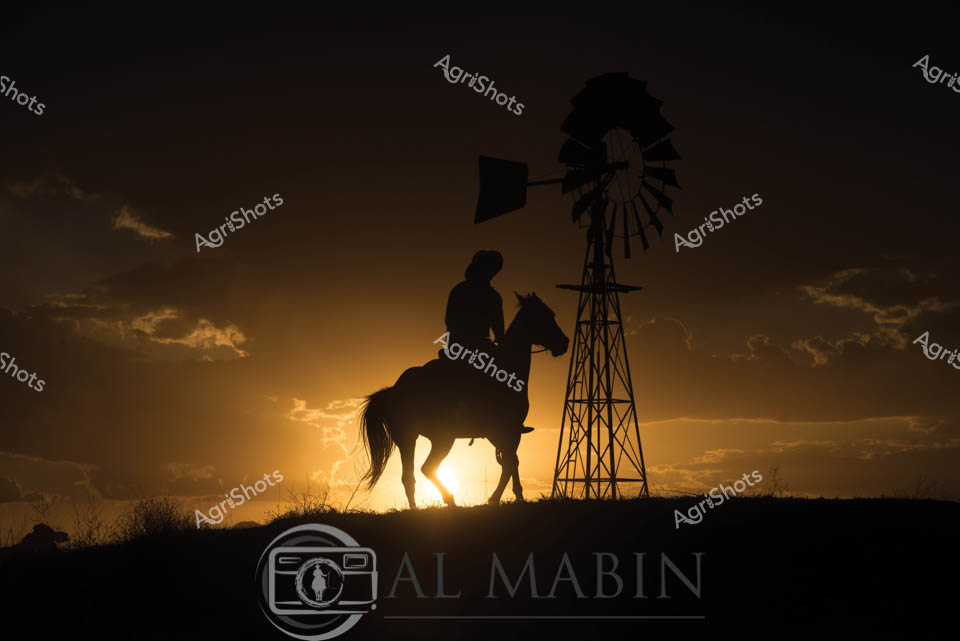
A figure on horseback is silhouetted against a dramatic sunset sky beside a classic farm windmill, creating an iconic scene of Australian rural life. The rider and horse appear as dark silhouettes against the golden light, capturing the timeless connection between stockwork and the land. The windmill's distinctive lattice tower and multi-bladed wheel structure stands prominently against the moody sky, representing essential water infrastructure on remote stations. This evocative scene embodies the enduring spirit of droving and stock route traditions across Australia's pastoral landscapes.
 Image
A stockman wearing a characteristic wide-brimmed hat and brown work shirt surveys the cattle herd across the expansive station paddock under clear blue skies. The mixed breed cattle, appearing to include Brahman characteristics with their varied colors of red, black, and white, graze and move freely across the dry, dusty landscape dotted with native trees. This scene captures the essence of Australian beef cattle operations, where experienced cattlemen manage large herds across vast pastoral properties. The weathered terrain and sparse vegetation reflect typical outback grazing conditions where these hardy cattle thrive in Australia's challenging rural environment.
 Image
A silhouetted figure on horseback surveys the landscape during a golden sunset, with a traditional windmill standing tall against the dramatic sky. The scene captures the timeless essence of droving and stock route work, as horse and rider pause in their journey across the rural Australian countryside. Warm amber and orange tones paint the sky with scattered clouds, creating a picturesque backdrop that emphasizes the enduring connection between stockmen and the land they traverse.
 Image
The image presents a muted sage green textile or paper surface, reminiscent of agricultural document backgrounds or archival storage materials. Fine textural details include subtle fiber variations and minute speckles, creating a uniform yet organic visual texture typical of professional agricultural record-keeping materials. The background suggests precision and careful documentation, hallmarks of modern agricultural management practices. Subtle variations in the green tone evoke connections to rural landscapes, crop fields, and the meticulous record-keeping essential to successful farming operations.
 Image
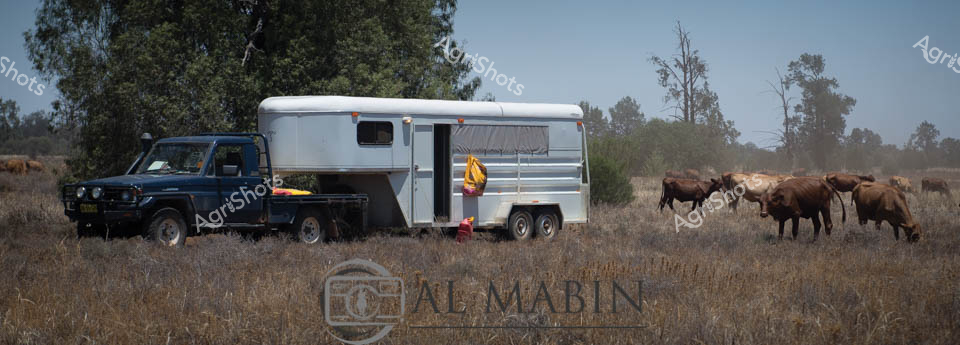
Brahman cattle amble across a sun-drenched grassland, their distinctive humped silhouettes moving through dry golden pasture beside a rugged blue Toyota landcruiser and a white horse float. The arid landscape speaks of central Queensland's harsh pastoral environments, where droving remains a timeless agricultural practice. Muscular white and brown Brahman cattle, bred for heat and insect resistance, demonstrate the resilience of Australia's beef industry in challenging terrain. Scattered eucalyptus trees provide sparse shade against a pale blue sky, capturing the unforgiving yet majestic nature of rural stock routes. A yellow safety vest hanging on the trailer suggests the careful preparation of stockmen managing livestock movement across vast distances.
 Image
A line of black Angus beef cattle gather along wooden feed troughs in a South Australian pastoral landscape. The cattle are positioned for feeding against the backdrop of golden, dry grassland that stretches across rolling hills under a clear blue sky. This scene captures the essence of extensive beef cattle operations in SA's agricultural regions, where hardy Angus cattle thrive in the country's variable seasonal conditions. The wooden feeding infrastructure and open paddock setting demonstrate typical livestock management practices across South Australia's beef producing areas.
 Image
A weathered man working as a stockman sits mounted on horseback during droving operations, captured in striking black and white photography. The experienced horseman wears a classic wide-brimmed hat and striped shirt, with glasses and what appears to be a cigarette, embodying the traditional Australian pastoral lifestyle. His weathered hands grip the reins as he pauses during cattle work, his profile showing the rugged determination of outback droving. The intimate close-up composition highlights the timeless connection between stockman and horse along the historic stock routes.
 Image
A close-up perspective of powdery, textured earth reveals the subtle landscape of a stock route, capturing the granular details of Australian pastoral terrain. Soft gradients of tan, beige, and grey create a nuanced surface that speaks to the dry, weathered character of rural traveling pathways used for livestock movement. The finely grained soil shows delicate variations in tone and minute scattered particles, suggesting the weathered resilience of agricultural landscapes. Fine dust motes and minute textural variations hint at the movement of hooves and the subtle dynamics of wind and erosion across these traditional droving tracks. This intimate ground-level view invites contemplation of the often-overlooked textural narratives embedded in rural landscapes, where each grain of soil tells a story of movement, endurance, and the interconnected rhythms of land and livestock.
 Image
Australian Cattle Dog nestled in a weathered, sun-bleached container amidst dry grassland, embodying the resilient spirit of rural working dogs. The blue heeler's mottled grey and tan coat blends seamlessly with the dusty, straw-strewn ground, reflecting the harsh textures of the Australian pastoral landscape. Compact and alert, the dog rests with a sense of quiet purpose, its keen eyes and upright ears suggesting constant readiness for herding or working tasks. The worn container, likely a repurposed agricultural vessel, provides a makeshift shelter that speaks to the resourceful nature of farm life. Soft afternoon light casts subtle shadows, highlighting the dog's muscular frame and the intricate patterns of its working breed coat. This intimate portrait captures the unbreakable bond between working dogs and the challenging agricultural environments they call home, showcasing the quiet dignity of Australia's livestock management tradition.
 Image
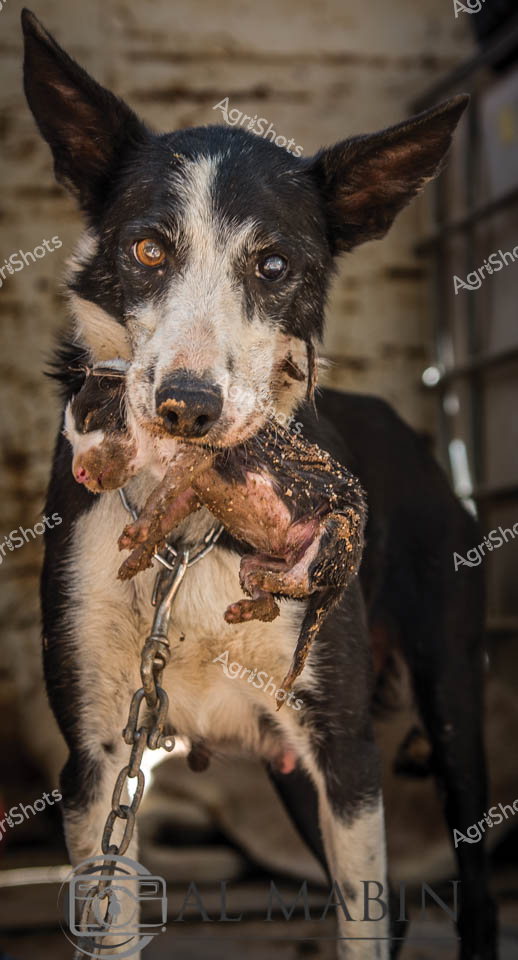
A weathered black and white working dog with alert amber eyes holds a muddy stick or bone in its mouth, showcasing the hardy nature of droving dogs used on Australian cattle stations. The dog's intelligent expression and sturdy build reflect the resilience required for life on the stock routes, where these loyal companions assist with mustering and moving livestock across vast rural properties. Dirt and debris on the dog's coat tell the story of long days working in dusty paddocks and along traditional droving paths.
 Image
Brahman cattle surge across the dusty inland plains, a living river of pale hides and muscular frames undulating through the dry seasonal landscape. The hardy northern Australian beef breed moves with purposeful momentum, their distinctive humped silhouettes creating a sweeping panorama against sparse grasslands and distant treeline. A soft dust cloud trails behind the herd, capturing the raw energy of traditional stock route droving - a timeless ritual of pastoral movement that has shaped Australia's agricultural heritage. Varying shades of cream, tan, and charcoal define the cattle's coats, reflecting the resilient genetics developed to thrive in challenging tropical and subtropical environments. The expansive sky suggests mid-morning light, with a pale blue backdrop highlighting the earthy tones of the dry grassland terrain. This powerful scene captures the essence of extensive cattle production - a testament to generational agricultural skill, landscape adaptation, and the enduring connection between land, livestock, and human enterprise.
 Image
Dusty ochre and russet cattle cluster along a shaded riverbank, their muscular bodies testament to the resilience of Australian livestock during a challenging dry season. A classic stock route scene unfolds, with a dense mob of predominantly brown and white cattle crowded near the water's edge, surrounded by native eucalyptus trees and sparse riverside vegetation. The harsh sunlight and rocky ground speak to the unforgiving landscape of inland Australia, where droving remains a critical agricultural practice for moving herds between grazing territories. Brahman-cross cattle dominate the herd, their distinctive robust frames and heat-tolerant coloration perfectly adapted to the challenging outback environment. The riverbank provides a crucial watering point, with cattle packed tightly, creating a living canvas of bovine resilience against a backdrop of weathered gum trees and a cloudscattered sky. This image captures the raw essence of pastoral Australia - a timeless moment of survival, movement, and the unbreakable connection between livestock, landscape, and generations of agricultural heritage.
 Image
Dusty droving dogs gather in a sparse woodland paddock, their lean bodies a testament to the hard work of mustering livestock across the unforgiving Australian outback. A mix of working breeds - blue heelers, kelpies, and mixed cattle dogs - cluster together, their varied coat colors of black, brown, and mottled grey blending with the dry golden grass and weathered tree trunks. The late afternoon light casts long shadows across the parched ground, highlighting the dogs' muscular frames and alert postures, ready to spring into action at a moment's notice. Sparse eucalyptus trees punctuate the landscape, providing minimal shade in the harsh rural setting, their gnarled branches standing as silent witnesses to countless livestock drives. These versatile working dogs represent the backbone of Australian pastoral culture - intelligent, resilient, and absolutely crucial to managing livestock across vast, challenging terrains. Their collective stance speaks to their teamwork and discipline, essential qualities for droving dogs navigating stock routes that stretch across hundreds of kilometers of remote countryside.
 Image
Brahman cattle stride purposefully along a dusty rural road at twilight, their distinctive silvery-grey hides gleaming against the soft pink and lavender sunset. These resilient northern Australian cattle breed, renowned for their heat tolerance and tick resistance, move with quiet determination across the pastoral landscape. Silhouetted trees punctuate the distant horizon, creating a serene backdrop of muted greens and purples that speaks to the vast, tranquil expanses of the cattle country. The smooth bitumen road cuts a precise line through the grasslands, providing a stark contrast to the organic shapes of the surrounding terrain. Each animal's muscular frame and characteristically large, pendulous ears capture the essence of the Brahman breed - adaptable, robust, and perfectly suited to Australia's challenging agricultural environments. The ethereal evening light bathes the scene in a dreamlike quality, transforming an ordinary droving moment into a poetic representation of rural Australian agricultural life.
 Image
A man working as a stockman rides his red ATV while mustering a large herd of Brahman cattle along a dusty stock route. The loyal cattle dog stands alert on the back of the quad bike, ready to assist with the droving operation. The mixed herd of predominantly brown and grey Brahman cattle, recognizable by their distinctive humped shoulders, move steadily through the sparse woodland paddock. This scene captures the essence of Australian beef cattle operations, where modern equipment like motorbikes and ATVs have become essential tools for efficiently managing large herds across expansive station country.
 Image
A stockman on horseback herds a large mob of Brahman cattle along a dusty stock route during golden hour. The rider, silhouetted against the warm evening light, guides hundreds of beef cattle down a dirt road flanked by power lines, creating an iconic scene of Australian droving. Dust rises from the hooves of the moving herd as they travel across the rural landscape, with the horse and rider positioned strategically to control the mob's movement. This classic pastoral scene captures the enduring tradition of moving cattle across stations in Australia's beef industry.
 Image
A close-up view captures weathered work boots caked in dust and mud, worn by someone during droving activities along a stock route. The heavy-duty leather boots show extensive use from outdoor agricultural work, with dirt embedded in every crease and seam. Blue denim jeans are tucked into the worn boot tops, while the ground beneath reveals the dusty, well-traveled surface of a traditional stock route used for moving livestock across rural Australian landscapes.
 Image
A man working as a stockman sits mounted on his brown and white paint horse while droving a herd of mixed Brahman cattle across dry golden grassland. The cattle, displaying the characteristic humped shoulders and varied coloring of the Brahman breed, graze and move through the sparse pasture under scattered trees. The horseman wears a wide-brimmed hat and appears comfortable in the saddle, embodying the traditional methods of cattle management on what appears to be a remote Australian station. The scene captures the timeless partnership between horse and rider in beef cattle operations, where mobility and horsemanship remain essential skills for moving livestock across expansive properties.
 Image
A weathered anvil sits abandoned among dried grass and fallen leaves, its heavy iron form bearing the embossed text "SOMERFIELD MILL" on its face. The blacksmith's tool shows decades of rust and wear, with its distinctive horn extending to the left and sturdy base resting on the ground. This piece of rural industrial heritage represents the essential metalworking equipment once vital to station life, where droving stock routes required constant maintenance of horseshoes, tools, and equipment repairs in remote Australian pastoral regions.
 Image
Two working dogs rest peacefully on dusty ground covered with scattered straw and hay, their bodies stretched out in comfortable repose after what appears to be an active day of droving. The larger tan-colored dog lies beside a smaller grey and white companion, both displaying the relaxed posture typical of hardworking stock dogs taking a well-deserved break along the stock route. Their positioning on the earthen surface, surrounded by dried vegetation and feed material, suggests they're at a rest stop during livestock movement operations. These loyal droving dogs exemplify the essential partnership between working animals and pastoralists in Australian agricultural operations, where such canines are indispensable for moving and managing livestock across vast rural properties.