Browse the collection
 Image
Aerial panorama of the Mayura Station feedlot, a meticulously engineered agricultural landscape in South Australia showcasing precision livestock management. Rows of rich brown Wagyu cattle populate carefully designed feeding pens, their dark bodies contrasting against pale earth and silvery infrastructure. A vivid blue water reservoir sits to the left, supplying critical hydration for the operation, while gleaming white grain silos stand sentinel on the right side of the facility. Geometric precision defines the layout - interconnected metal walkways, structured paddocks, and carefully graded ground demonstrate sophisticated cattle husbandry techniques. Surrounding native bushland of deep green provides a natural frame, highlighting the strategic integration of modern agricultural practice within the broader ecosystem. The expansive aerial perspective reveals the complex choreography of contemporary beef production - a testament to Australian agricultural innovation, where technology, animal welfare, and landscape management converge with remarkable sophistication.
 Image
Clustered around a weathered concrete water trough, a herd of Holstein and black dairy cows dominates a lush green pasture under a soft, overcast sky. The monochromatic black and white cattle are punctuated by a single rich brown cow, creating a striking visual rhythm across the paddock. Water cascades into the trough, creating ripples and reflections that contrast with the algae-tinged surface, while the cattle stand shoulder-to-shoulder, their muscular forms and distinctive markings highlighting the robust health of this carefully managed dairy herd. In the background, more cattle graze on the expansive grasslands, suggesting a substantial agricultural operation typical of South Australian dairy regions. The scene captures the quiet industriousness of modern agricultural practice - a carefully orchestrated landscape of productivity and animal husbandry. The cool, muted palette of greens and grays speaks to the temperate climate and rich pastoral environment that supports these high-performing dairy cattle.
 Image
Holstein dairy cows graze across a verdant pasture under a brooding, steel-gray sky, creating a quintessential Australian agricultural landscape. The black and white dairy herd stands prominently against the lush green grasslands, their distinctive Holstein markings stark and clear. Muscular and robust, these cows represent the backbone of Australia's dairy industry, each animal a testament to generations of careful breeding and agricultural expertise. The overcast conditions suggest early morning or late afternoon, with soft diffused light highlighting the textural details of the cattle's coats and the undulating pasture. A herd of approximately 10-12 cows populate the frame, some standing alert while others gently graze, embodying the calm productivity of rural farming life. The expansive landscape captures the sense of wide-open agricultural spaces characteristic of South Australian dairy regions, where livestock thrive in carefully managed pastoral environments.
 Image
Aerial view of a sophisticated beef cattle feedlot nestled in the expansive South Australian pastoral landscape. Pristine white silos and industrial-scale infrastructure frame a meticulously organized agricultural operation, where rows of Wagyu cattle rest under a long sheltered feeding pavilion. A striking purple-lined water reservoir sits adjacent to the feedlot, providing critical water resources for the cattle and surrounding agricultural ecosystem. The undulating terrain reveals a patchwork of golden grasslands and scattered native bushland, with distant hills creating a dramatic backdrop that speaks to the rugged beauty of rural agricultural regions. Precision engineering meets natural landscape, with carefully constructed cattle pens, gravel access roads, and strategically placed agricultural buildings demonstrating modern sustainable farming practices. The scene captures the intersection of technological innovation and traditional pastoral farming, revealing the complex infrastructure required to manage high-quality beef production in the challenging Australian agricultural environment.
 Image
Clustered around an ancient stone water trough, a herd of Holstein and brown dairy cattle gather on a verdant pasture under soft, overcast skies. The robust cattle—predominantly black and white with one rich brown individual—stand closely together, their muscular bodies reflecting generations of careful agricultural breeding. Water streams from a red valve into the concrete trough, creating ripples across the surface populated with floating algae and reflecting the expansive green landscape behind. Yellow ear tags identify individual animals, speaking to modern livestock management practices. The overcast light bathes the scene in muted tones, emphasizing the lush grasslands stretching to the distant horizon, where more cattle can be seen grazing—a testament to the region's thriving pastoral industry.
 Image
The expansive aerial photograph captures the essence of modern Australian dairy farming, revealing a meticulously managed pasture where Holstein cattle graze across a vibrant green landscape. A centre pivot irrigation system sweeps gracefully across the field, creating concentric circles of lush vegetation that contrast sharply with the surrounding arid brown terrain. The carefully distributed black and white dairy cows dot the verdant landscape like living brushstrokes, demonstrating the precision of contemporary agricultural practices in South Australia's challenging environmental conditions. The image speaks to the agricultural innovation required to sustain livestock in semi-arid regions, with the irrigation system transforming dry ground into a productive grazing environment. Varying shades of green - from emerald to pale chartreuse - showcase the successful water management technique that allows these dairy cattle to thrive. The geometric patterns created by the irrigation infrastructure and the scattered positioning of the cattle create a compelling visual narrative of human intervention and natural productivity.
 Image
Apple harvest scene in a South Australian orchard featuring two workers on metal tripod ladders picking fruit from heavily laden apple trees. A woman farm worker in a bright pink jacket reaches for apples on the right ladder, while another farm worker in a red plaid shirt harvests from the left side of the row. The orchard stretches into the distance with neat rows of fruit trees, showcasing the organized precision of commercial apple production during harvest season.
 Image
Workers inspect and maintain an apple processing facility in South Australia, where conveyor systems transport freshly harvested fruit through grading technology. Three men work as processing technicians on elevated metal platforms, with one worker crouched beside the sorting machinery while others observe the operation. Thousands of red and green apples flow through multiple conveyor lines below, creating streams of colorful fruit moving toward packaging stations. This automated facility represents modern orchard processing technology, efficiently handling the large-scale sorting and grading operations essential for South Australian apple and cider production.
 Image
A vast pasture of emerald green stretches beneath a soft, muted grey sky, hosting a substantial herd of Holstein dairy cattle. Black and white spotted cows cluster around weathered concrete water troughs, their markings creating a striking visual mosaic against the muddy earthen feeding area and lush grasslands beyond. The scene captures a quintessential South Australian dairy landscape, where generations of agricultural practice have shaped both the land and the livestock. In the background, additional cattle graze peacefully, creating a sense of abundance and pastoral productivity. The concrete troughs, robust and functional, demonstrate the pragmatic infrastructure supporting modern farming techniques, allowing efficient water access for the herd. A few brown and reddish cattle intermingle with the predominantly black and white Holsteins, adding subtle color variation to the composition and highlighting the genetic diversity within this carefully managed agricultural environment.
 Image
Aerial panorama of a state-of-the-art beef cattle feedlot in South Australia's pastoral landscape. Meticulously designed infrastructure reveals a sophisticated agricultural operation, with expansive holding pens housing a dense population of dark-coated cattle, likely premium Wagyu breeds. Gleaming silver grain silos and modern white agricultural buildings punctuate the rustic earthen terrain, creating a geometric contrast against the surrounding native bushland and distant tree lines. A substantial water dam reflects the azure sky, providing critical hydration for the livestock and highlighting sustainable water management practices. Curved loading ramps and precisely engineered walkways demonstrate advanced animal handling systems, while the long covered feeding shed suggests careful nutritional management and protection from harsh Australian climate conditions. The scene captures the sophisticated intersection of agricultural technology, animal husbandry, and landscape - a testament to modern Australian beef production's precision and scale.
 Image
Lush emerald pastures stretch beneath an expansive South Australian sky, hosting a thriving dairy herd of Holstein cattle grazing across a meticulously irrigated field. The vibrant green landscape contrasts sharply with the surrounding golden and brown agricultural terrain, revealing a precision irrigation system with a center pivot mechanism visible in the foreground. Dozens of black and white dairy cows are scattered across the verdant paddock, representing a carefully managed agricultural operation that maximizes land productivity through advanced water management techniques. The broad, undulating landscape reveals distant farm infrastructure - agricultural buildings, scattered trees, and the subtle contours of rural terrain - highlighting the extensive nature of modern agricultural practices in this region. A bright, even light suggests mid-morning conditions, creating crisp visual definition across the pasture and emphasizing the health and density of the cattle herd.
 Image
Aerial panorama of a meticulously designed South Australian beef cattle feedlot, where precision agriculture meets livestock management. Rows of deep brown Wagyu cattle populate a carefully structured feeding area, sheltered by an expansive silver-gray shed that provides protection from harsh environmental conditions. Surrounding the central livestock zone, a network of infrastructure reveals the complexity of modern agricultural operations - gleaming white grain silos, a vivid blue water dam, and strategically positioned white buildings that support feeding, processing, and management systems. The landscape transitions from the rich earthy tones of the feedlot to the muted greens of native bushland and rolling pastures, creating a striking visual representation of agricultural land use. Geometric lines of fencing, pathways, and structural elements contrast beautifully with the organic movement of cattle, highlighting the intersection of natural animal husbandry and technological farming approaches. This comprehensive aerial view captures the sophisticated ecosystem of contemporary beef production, where every element is designed for efficiency, animal welfare, and sustainable agricultural practice.
 Image
Nestled in the renowned Coonawarra wine region of South Australia, this vineyard scene captures the essence of cool-climate viticulture. A weathered wooden vine post, marked with the number 156, stands as a silent sentinel among lush green grape vines heavy with ripening clusters of deep blue-purple fruit. The meticulously ordered rows stretch into the distance, revealing the precision and care of vineyard management. Vibrant green leaves create a canopy that filters soft light, highlighting the rich textures of the vine canopy and the carefully tended earth between the rows. Characteristic of the region's terra rossa soil, the ground beneath the vines appears rich and well-maintained, speaking to the generations of viticultural expertise that have shaped this landscape. The image encapsulates the quiet moments of late summer, when grapes approach their peak ripeness and the vineyard pulses with the promise of an exceptional vintage.
 Image
Vibrant emerald grape leaves unfurl against the rich, terra-cotta-hued earth of the Coonawarra wine region, capturing the intimate connection between vine and soil. The intricate texture of the weathered, russet-brown ground contrasts beautifully with the delicate, serrated edges of the verdant foliage, highlighting the nuanced terroir that defines this renowned South Australian wine-growing landscape. Tendrils of the grapevine curl with organic grace, suggesting the early stages of growth and the promise of a future vintage. The close-up composition reveals the meticulous care and natural beauty inherent in viticultural practices, where every leaf and soil particle tells a story of environmental symbiosis. Soft, diffused lighting bathes the scene, creating a sense of quiet anticipation and the gentle rhythms of agricultural life.
 Image
Lush verdant grape vines cascade along meticulously maintained rows in the renowned Coonawarra wine region of South Australia. A weathered wooden vineyard marker stands sentinel, painted in a vibrant two-tone of sunny yellow and azure blue, its rustic patina telling stories of seasons past. Soft grey gum trees blur softly in the background, creating a quintessential Australian viticultural landscape that speaks to generations of careful cultivation. The vines themselves are richly green and full, their leaves clustered and healthy, suggesting a promising vintage in the making. Soft ground cover and fallen leaves hint at the changing seasonal conditions, likely early autumn when grape harvest preparations are underway. This intimate close-up captures the essence of South Australian viticulture - a delicate balance of rugged agricultural tradition and precise, modern wine-growing techniques that have made the Coonawarra region internationally renowned for its exceptional cool-climate wines.
 Image
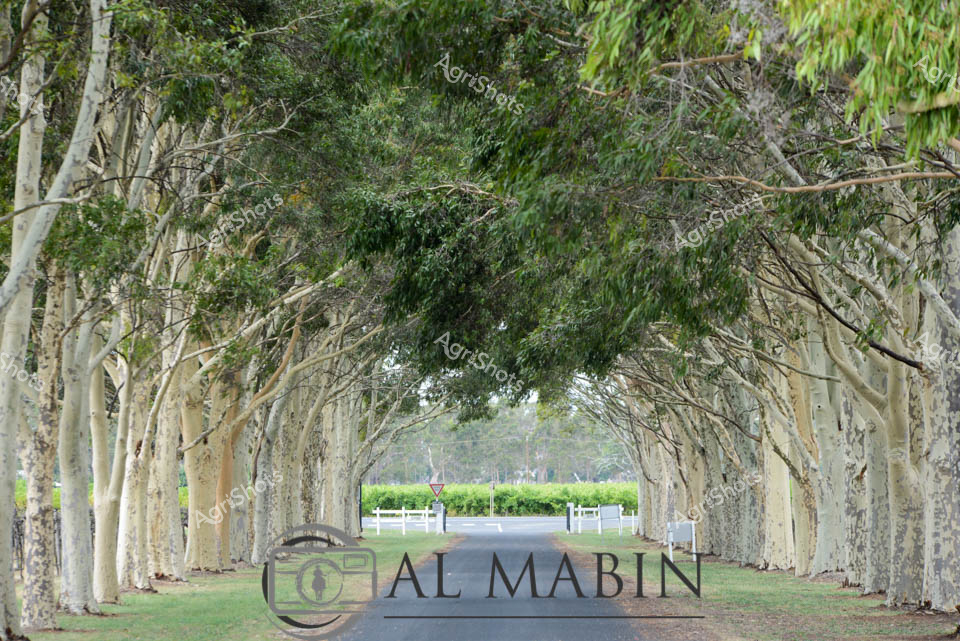
Sweeping tree-lined avenue leads to the estate, a majestic entrance framed by mature plane trees creating a natural archway over a pristine asphalt road. The trees, with their distinctive pale bark and spreading branches, form an elegant corridor stretching towards a distant green landscape. Soft morning light filters through the canopy, casting dappled shadows on the grassy verges and creating a sense of tranquil anticipation. The carefully maintained avenue speaks to the meticulous care of rural Australian landscapes, where natural beauty meets agricultural precision. White fence posts and a glimpse of verdant fields in the background suggest this is more than just a simple road - it's an entrance to a carefully curated agricultural property.
 Image
Sun-drenched rows of vibrant green grapevines stretch across the fertile landscape of the renowned Coonawarra wine region in South Australia. Meticulously planted in precise parallel lines, the young vines are supported by weathered wooden posts, with one post marked with the number '156', suggesting careful vineyard management and tracking. The ground between the rows is dry and dusty, with sparse grass and wild vegetation, indicating the challenging terroir that contributes to the distinctive mineral character of Coonawarra's famous red wines. A soft blue sky provides a serene backdrop, highlighting the lush green foliage of the vines in their early to mid-growth stage, likely during the spring or early summer growing season. The wooden posts, silvered by years of exposure to the elements, stand as silent sentinels marking the boundaries of this carefully cultivated agricultural landscape. The image captures the essence of Australian viticulture - a harmonious blend of careful agricultural practice and the raw, natural beauty of the wine-producing countryside.
 Image
Brahman cattle drift across a sun-scorched paddock as the day's final light blazes through bruised storm clouds. The distinctive grey-white cattle, renowned for their heat tolerance and resilience, move quietly across parched earth, their muscular bodies casting long shadows in the golden evening light. Silhouetted gum trees punctuate the distant horizon, creating a quintessential Australian rural landscape that speaks to generations of pastoral heritage. These Brahman cattle, with their characteristic humps and loose skin, represent a breed perfectly adapted to the harsh conditions of northern Australia's agricultural regions. The sunset paints the sky in dramatic layers of amber, orange, and deep purple, transforming the dry landscape into a canvas of raw, elemental beauty. This scene captures the enduring spirit of Australian cattle farming - a testament to survival, adaptation, and the timeless rhythm of rural life.
 Image
Wagyu cattle cluster across a parched South Australian paddock, their deep black coats contrasting sharply against the golden dry grasslands. Clustered tightly near a green water tank, the herd represents premium beef genetics, each animal marked with a distinctive yellow ear tag for individual tracking. The landscape speaks of late summer - crisp blue skies, sparse tree lines on the distant horizon, and ground baked to a dusty brown texture that crunches underfoot. These robust Wagyu represent the pinnacle of Australian beef production, bred for exceptional marbling and meat quality in challenging agricultural conditions. The dense grouping suggests careful management, with animals seeking shade and proximity to water during the intense midday heat. Yellow ear tags and sleek black coats highlight the careful genetic selection and professional livestock husbandry characteristic of modern South Australian cattle farming.
 Image
Ripening clusters of inky purple Cabernet Sauvignon grapes nestle among lush, serrated green vine leaves in the renowned Coonawarra wine region of South Australia. The dense, tightly-packed grape bunches reveal a rich, deep bluish-black color, signaling their approach to harvest maturity. Vibrant green leaves with subtle hints of yellowing edges suggest late summer or early autumn, when grape varietals develop their most complex flavors before picking. The intricate layering of leaves creates a textural backdrop, softening the image with varying shades of green and allowing glimpses of the prized fruit. These grapes, growing in the region's famous terra rossa soil, promise exceptional wine with the distinctive mineral and robust characteristics that make Coonawarra wines globally celebrated.
 Image
Lush emerald grapevines cascade across the undulating landscape of the renowned Coonawarra wine region in South Australia, their orderly rows stretching towards a distant line of eucalyptus trees. Brilliant azure skies with billowing white clouds create a dramatic backdrop, while a telecommunications tower punctuates the horizon, signaling the blend of agricultural tradition and modern infrastructure. The vineyard's rich red terra rossa soil - famous for producing exceptional wine grapes - provides a warm, rustic foundation beneath the verdant vines, each carefully pruned and supported by sturdy posts. A hint of crimson foliage among the green suggests the early stages of seasonal change, perhaps indicating late autumn or early winter in this prestigious wine-growing district. The expansive, harmonious scene speaks to the agricultural expertise and natural beauty of the Coonawarra, a region celebrated for its exceptional cool-climate wines.
 Image
Pendulous clusters of deep purple cabernet sauvignon grapes hang heavily amid the lush, verdant canopy of a Coonawarra vineyard. Vibrant green leaves with serrated edges create a textured backdrop, highlighting the rich, bluish-indigo fruit at perfect ripeness. The intricate grape bunches demonstrate the exceptional terroir of South Australia's renowned wine region, where the famous terra rossa soil nurtures exceptional viticulture. Soft, dappled light filters through the vine foliage, revealing the nuanced color transitions from deep aubergine to lighter lavender tones across the grape clusters. Each bunch represents the culmination of careful cultivation, promising intense flavors characteristic of the prestigious Coonawarra wine-growing landscape. The image captures the moment just before harvest, when the grapes have developed their full complexity and are ready to be transformed into world-class Australian wine.
 Image
Ripe clusters of deep purple cabernet sauvignon grapes dangle heavily among verdant vine leaves, anchored securely by a weathered wooden trellis post in the renowned Coonawarra wine region of South Australia. The late summer vineyard scene captures the rich agricultural heritage of the region, with lush green foliage surrounding the dark, almost midnight-blue grape bunches ready for harvest. Precise wire supports trace geometric lines against the organic curves of the vine, showcasing the careful cultivation and scientific approach of modern viticulture. Soft, diffused light suggests early morning, with hints of pale yellow leaves indicating the approaching autumn and the culmination of the growing season. These robust grapes represent the distinctive terra rossa soil and cool climate that make the Coonawarra region world-renowned for producing exceptional red wines, particularly cabernet sauvignon.
 Image
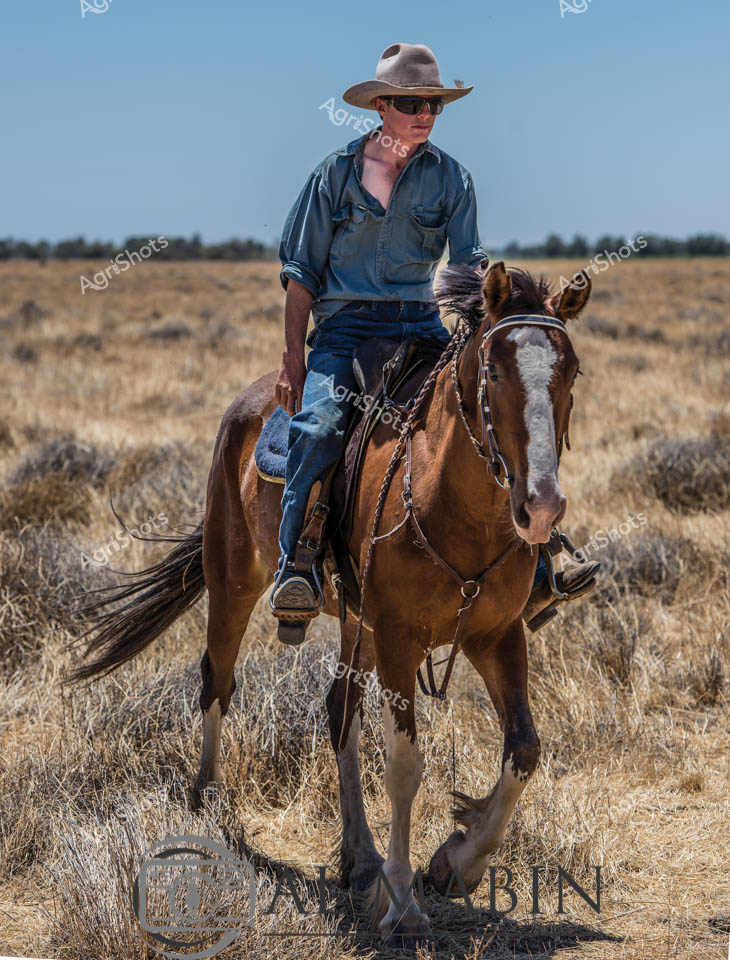
A stockman on horseback navigates through golden grassland during droving operations, showcasing traditional Australian cattle management techniques. The rider, mounted on a chestnut horse with distinctive white facial markings, demonstrates the enduring partnership between stockman and horse that remains essential for livestock work across remote stations. The dry, sun-bleached pasture and open landscape capture the harsh beauty of the Australian outback, where droving along historic stock routes continues to be a vital part of pastoral operations. This scene epitomizes the skilled horsemanship and resilience required for effective livestock management in Australia's expansive rural properties.