Browse the collection
 Image
Image
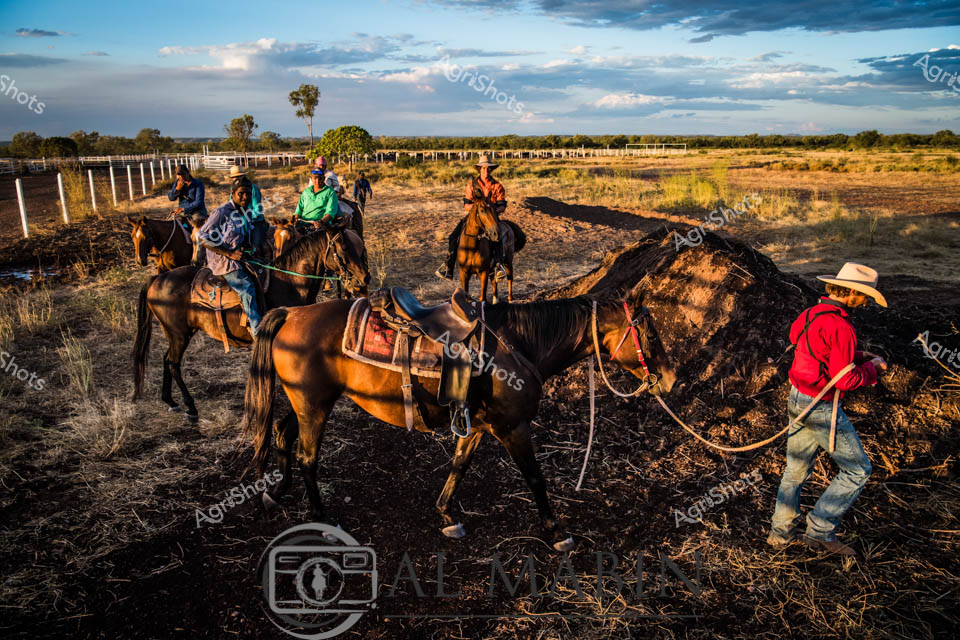
Station hands guide horses and cattle through dusty yards at a Western Australian cattle station during golden hour. A man wearing a red shirt and hat works alongside the mounted riders, managing the livestock through the well-constructed timber yards. The warm evening light illuminates the dry paddock landscape, with established fencing infrastructure stretching across the property, capturing the essence of authentic station life in Australia's pastoral heartland.
 Image
Image
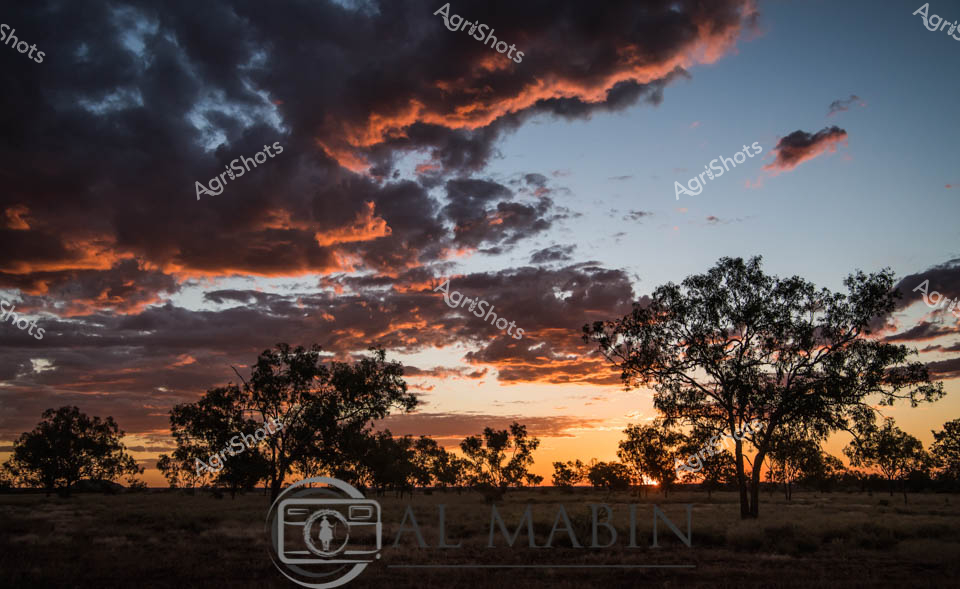
Burnished copper and deep indigo collide in a breathtaking Western Australian sunset, silhouetting a sparse eucalyptus woodland across an expansive station landscape. Twisted, hardy trees punctuate the arid horizon, their windswept branches etched against a blazing sky where storm clouds smolder with remarkable intensity. The fading light transforms the pastoral terrain into a canvas of raw, elemental beauty - revealing the resilient spirit of the Australian outback in its most dramatic moment. Soft golden light bleeds along the ground, illuminating the sparse grassland and creating a subtle gradient between earth and sky that speaks to the endless, untamed spaces of Western Australia. Each gnarled tree stands as a silent sentinel, bearing witness to the daily drama of light and shadow that defines life in this remote agricultural region. The landscape breathes with a profound sense of quiet majesty, capturing the timeless relationship between land and sky that has defined agricultural life in this continent for generations.
 Image
Image
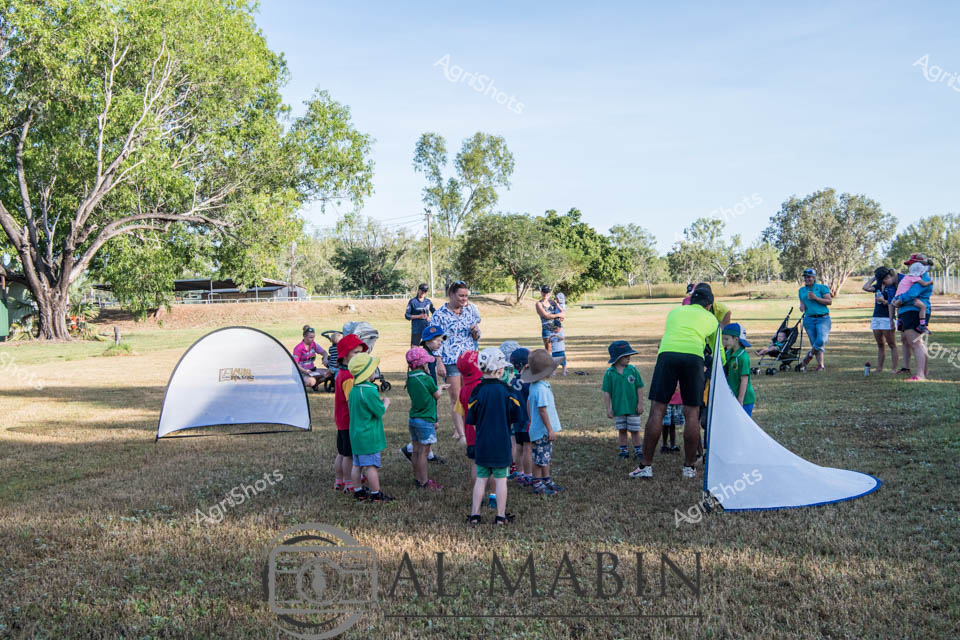
Remote Learning in the Top End A vibrant cluster of young learners gathers on a sun-drenched rural grassland, embodying the spirit of Northern Territory education. Children wearing bright green and blue shirts stand attentively around portable white photography screens, suggesting an interactive outdoor learning session. The surrounding landscape reveals classic Top End vegetation - scattered eucalyptus trees, sparse grasslands, and a wide blue sky characteristic of the dry season. Adult supervisors in blue patterned shirts monitor the group, indicating this is likely a School of the Air supplementary activity, bridging distance education with hands-on engagement. The ground appears slightly parched, with golden-brown grass revealing the harsh agricultural environment of central Australia. The scene captures the resilience and adaptability of educational practices in remote communities, where learning extends far beyond traditional classroom walls and embraces the unique landscape of the Northern Territory.
 Image
Image
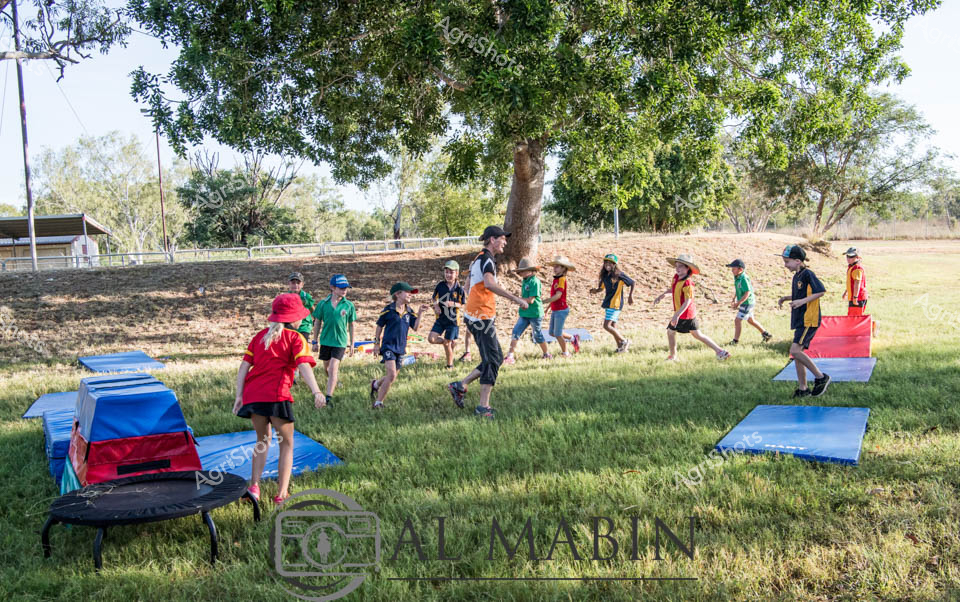
Rural classroom without walls: Young learners navigate a dynamic outdoor learning circuit under the dappled shade of a mature eucalyptus tree. Students in vibrant house team colors - red, green, blue, and yellow - move between blue and red training mats, engaging in a structured physical education activity that speaks to the adaptable spirit of remote Australian education. The landscape hints at a Northern Territory setting, with dry grasslands, sparse trees, and a distant rural infrastructure suggesting a school of the air environment where distance is no barrier to interactive, hands-on learning. Each child demonstrates focus and energy, moving with purpose across the grassy training ground, embodying the resilience and creativity required in remote educational settings. The scene captures the essence of Australian rural schooling - flexible, community-driven, and deeply connected to the expansive landscape, where learning extends far beyond traditional classroom walls.
 Image
Image
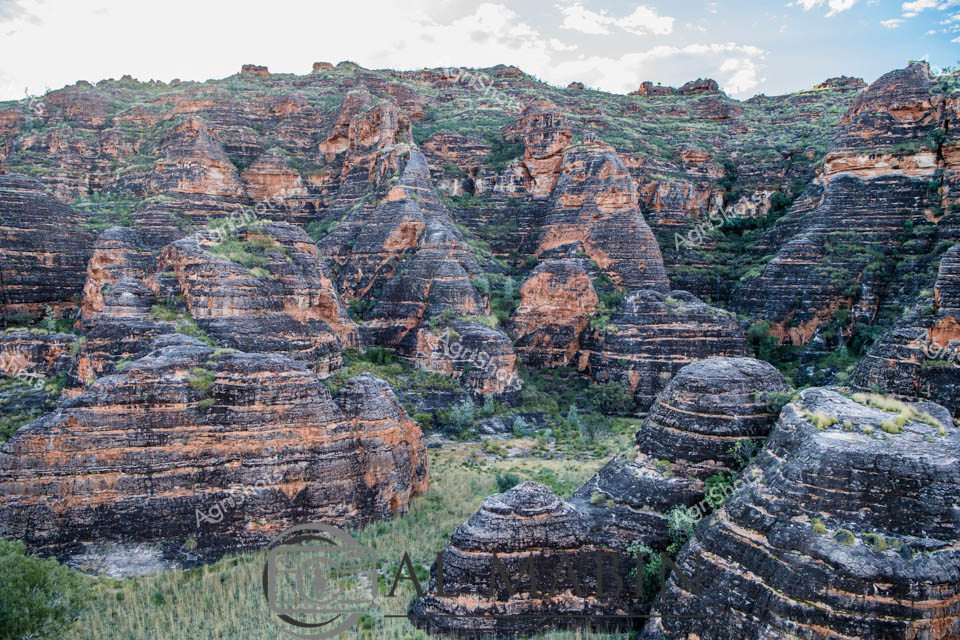
Striated sandstone domes rise like silent sentinels across the rugged Bungle Bungle landscape in Western Australia's Kimberley region. Ancient geological formations crafted by wind and rain create a mesmerizing maze of beehive-shaped rock formations, their layered surfaces alternating between deep charcoal and rich ochre bands. Sparse spinifex grasses and hardy vegetation nestle between the towering rock structures, testament to the resilient ecosystem of this remote station country. The weathered stone formations reveal millions of years of geological history, with each striped layer telling a story of sedimentary compression and erosion. Soft clouds drift across a pale blue sky, casting gentle shadows that accentuate the dramatic topography of this iconic West Australian wilderness. These remarkable geological formations, part of Purnululu National Park, represent an extraordinary landscape that speaks to the raw, untamed beauty of Australia's northwestern frontier.
 Image
Image
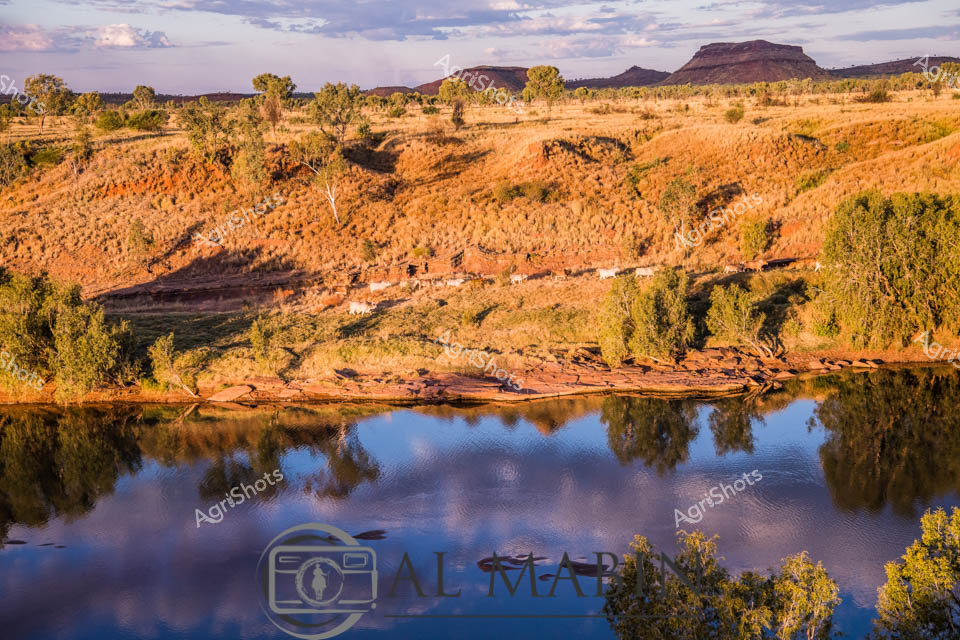
Kimberley twilight bathes the rugged pastoral landscape in golden warmth, capturing the essence of Western Australia's remote cattle country. A tranquil river winds through the rocky terrain, its glassy surface perfectly mirroring the ochre escarpments and scattered eucalyptus trees. The late afternoon light illuminates the weathered riverbanks, revealing the rich textures of red earth, weathered rock formations, and verdant river vegetation. Distant plateau formations rise majestically on the horizon, defining the expansive pastoral station landscape typical of the region. Soft cloud formations drift across a pastel sky, suggesting the transition between dry and wet seasons that characterize this harsh yet beautiful agricultural frontier. The scene embodies the resilient spirit of Australian pastoral life - a delicate balance between challenging terrain and the enduring productivity of cattle stations in one of the world's most demanding agricultural environments.
 Image
Image
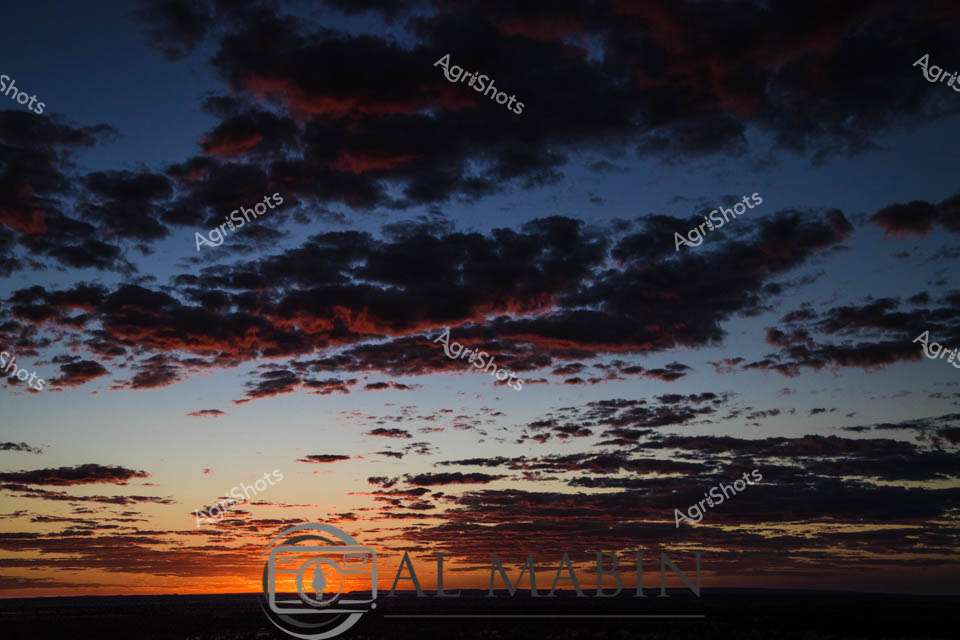
Crimson and indigo clouds cascade across the western Australian horizon, marking the close of another day on the expansive station landscape. The sunset blazes with intense orange and golden hues, creating a dramatic canvas that stretches infinitely across the sky, revealing layers of complex cloud formations. Deep charcoal and slate-colored clouds are illuminated with burning red edges, creating a breathtaking atmospheric display that captures the raw, untamed beauty of the western Australian wilderness. The gradient shifts from a molten horizon line upward through deepening shades of twilight, representing the transformative moment between day and night in this vast agricultural terrain. Each cloud formation seems to tell a story of endless space, of winds traveling uninterrupted across hundreds of kilometers of open station country.
 Image
Image
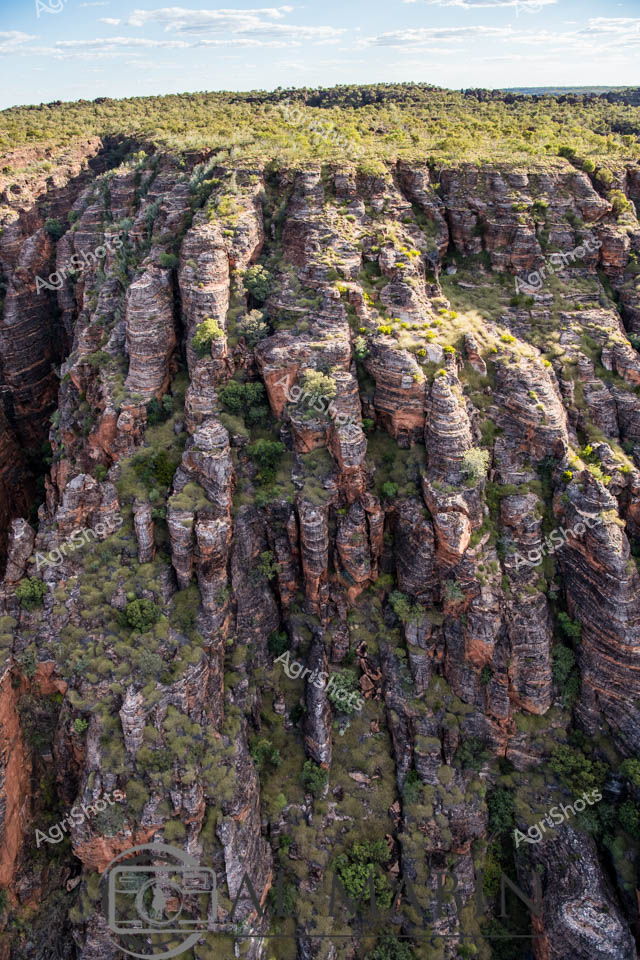
Ancient stone sentinels rise from the rugged landscape of Western Australia's Kimberley region, the iconic beehive-shaped formations of the Bungle Bungle Range in Purnululu National Park. Layered sandstone pillars create a mesmerizing geological tapestry, their distinctive orange and dark gray bands telling a story of millions of years of erosion and environmental transformation. Sparse vegetation clings tenaciously to the rocky surfaces, highlighting the resilience of life in this harsh yet breathtaking terrain. Soft clouds drift across a pale blue sky, casting subtle shadows that accentuate the dramatic contours of these remarkable rock formations. The landscape speaks to the raw, untamed beauty of Australia's remote wilderness, a testament to the geological forces that have shaped this continent over millennia. From this aerial perspective, the intricate textures and colors of the landscape reveal a complex ecosystem balanced precariously between rocky outcrops and sparse vegetation, embodying the rugged spirit of Australia's agricultural frontier.
 Image
Image
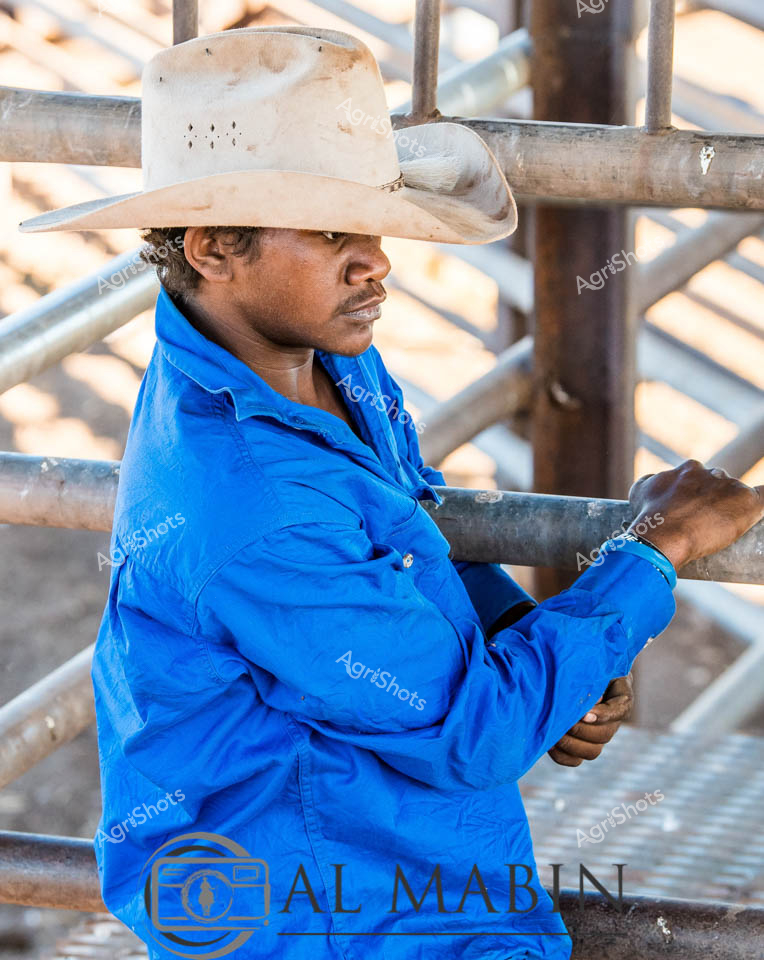
A man working as a station hand leans against metal cattle yard rails at a Western Australian property, wearing a weathered white cowboy hat and bright blue work shirt. The close-up portrait captures the contemplative moment of an experienced stockman during cattle operations, with the galvanized steel infrastructure of the yards creating geometric patterns in the background. His positioning against the sturdy rails demonstrates the daily interaction between workers and the essential equipment that defines Australian cattle station operations.
 Image
Image
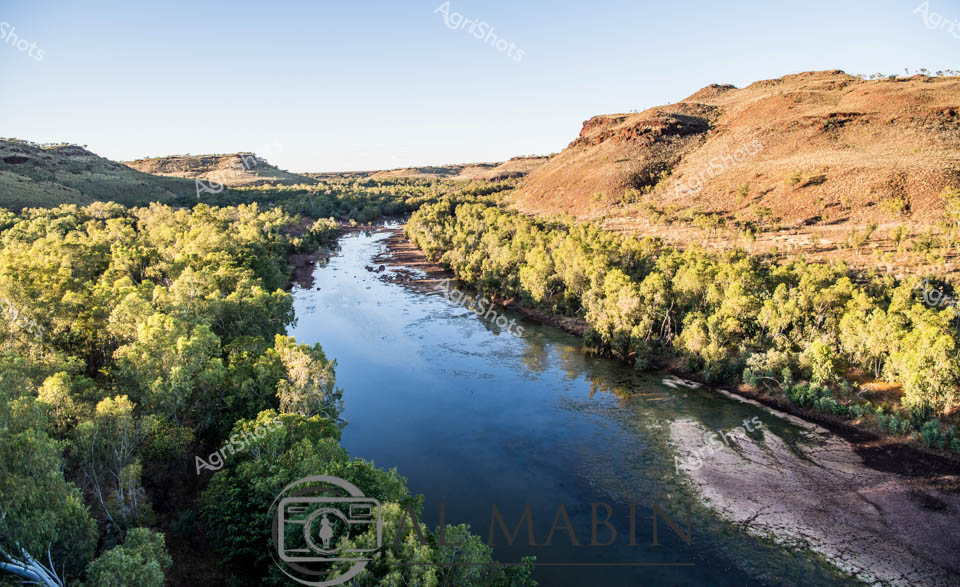
Northwest Western Australian river system winds through a golden-hued landscape of rocky escarpments and dense eucalyptus woodland. The azure waters of the river slice between rust-colored rocky banks, creating a serpentine pathway through an ancient landscape. Sunlight bathes the scene in warm tones, highlighting the lush riverine vegetation and casting long shadows across the weathered terrain. Dense stands of river gums and paperbarks crowd the waterway, their pale green and yellow foliage providing a stark contrast to the arid rocky hillsides. This timeless vista captures the remarkable resilience of Australian riparian ecosystems, where life clusters tenaciously around water sources in an otherwise harsh environment. The panoramic view reveals the intricate relationship between water, vegetation, and geological formations that define the continent's interior landscapes, showcasing the raw beauty of Western Australia's remote pastoral regions.
 Image
Image
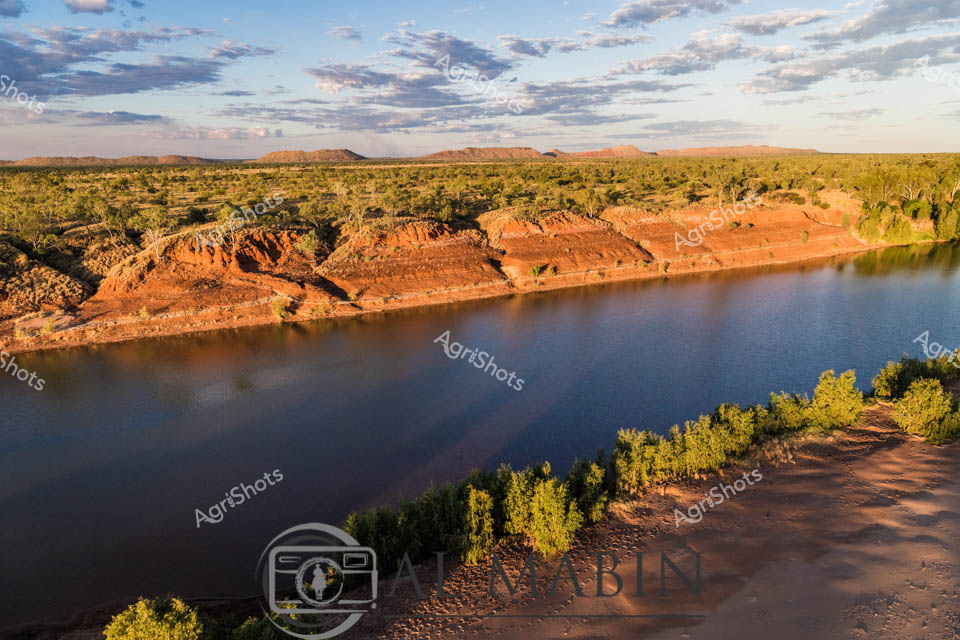
Golden Hour on the Pilbara River Burnished ochre cliffs rise from the tranquil waters, casting long shadows across a serpentine river cutting through the rugged Pilbara landscape. Late afternoon sunlight bathes the rocky escarpments in warm amber tones, illuminating layered sedimentary banks that tell millennia of geological history. Sparse eucalyptus and acacia trees line the riverbank, their bright green foliage providing a vibrant contrast against the rich terracotta earth and deep blue water. The expansive horizon reveals distant rocky outcrops and an endless savanna stretching toward the horizon, capturing the raw, untamed spirit of Western Australia's remote interior. Soft clouds drift across a pale blue sky, suggesting the approaching twilight of a classic Australian summer evening. This timeless scene represents the harsh beauty of the continent's northwestern regions - a landscape of endurance, raw geological power, and subtle ecological complexity.
 Image
Image
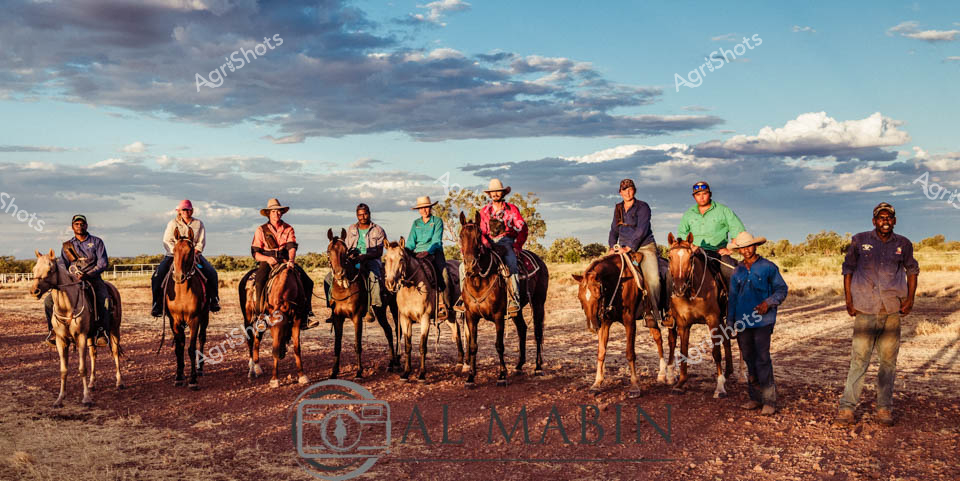
A group of station hands on horseback gather at a remote Western Australian cattle station during golden hour, with the horses lined up in formation across the dusty red earth. The riders, wearing typical station attire including wide-brimmed hats and work shirts, create a classic outback scene against the expansive landscape. Two men stand on foot beside the mounted group, likely coordinating the day's cattle work activities. The dramatic sky filled with clouds and warm lighting captures the essence of station life in the Australian pastoral industry.
 Image
Image
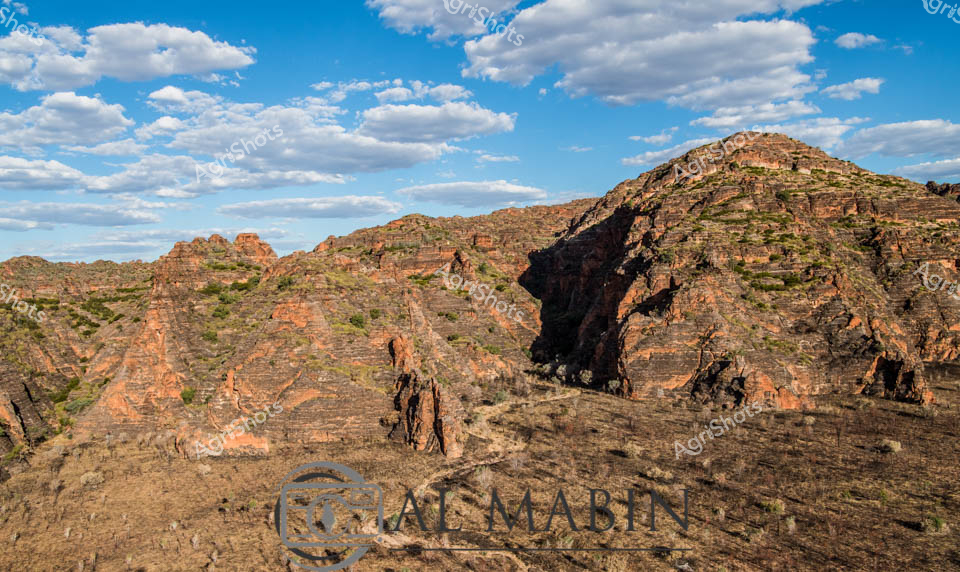
Geological majesty unfolds across the rugged Bungle Bungle Range in Western Australia's Kimberley region, where ancient sandstone domes rise like sentinels against a luminous azure sky. Layered in ochre and charcoal, these remarkable rock formations reveal millennia of geological history, their striped surfaces sculpted by wind and water into extraordinary beehive-like shapes. Sparse vegetation clings to rocky outcrops, testament to the harsh yet beautiful landscape that defines this remote pastoral terrain. Wispy clouds drift overhead, casting subtle shadows that accentuate the dramatic contours and textures of the rocky landscape. The Cattamarra logo subtly positioned in the foreground hints at the agricultural context of this extraordinary wilderness, bridging the connection between rugged landscape and pastoral enterprise. This vista epitomizes the raw, untamed beauty of Western Australia's interior - a landscape that challenges and inspires those who work and live in such demanding environmental conditions.
 Image
Image
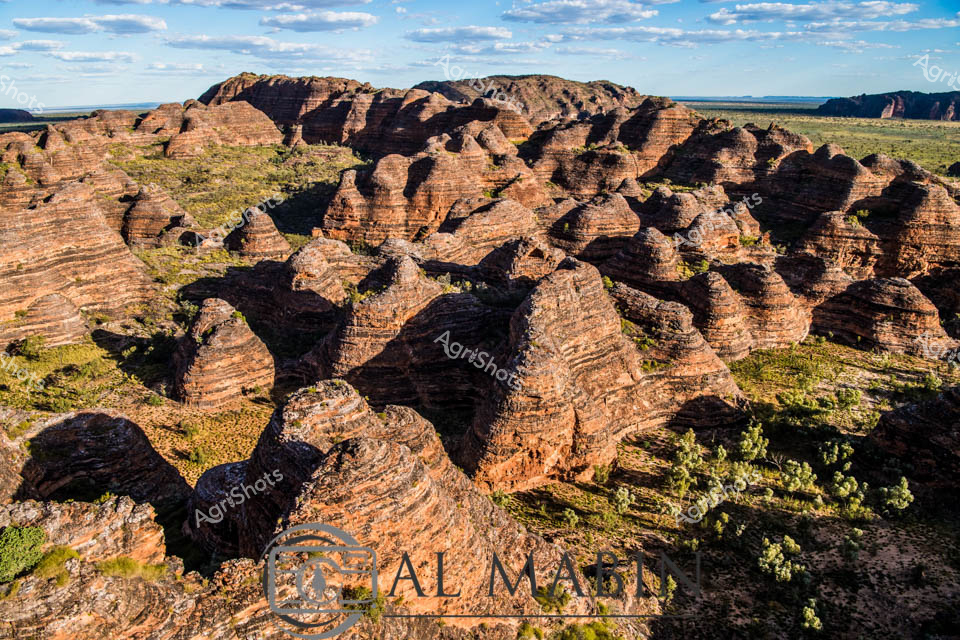
Ancient sedimentary domes of the Bungle Bungle Range rise dramatically across the landscape, their distinctive orange and black striped beehive-like formations creating a mesmerizing geological tapestry. Located in Purnululu National Park in Western Australia's Kimberley region, these extraordinary rock formations represent millions of years of geological transformation, with intricate layered sandstone and limestone creating a stunning natural architecture. Sparse vegetation of low shrubs and resilient spinifex grasses punctuate the rocky terrain, highlighting the rugged beauty of this remote agricultural frontier. The midday sunlight casts sharp shadows between the rounded rock formations, accentuating their unique contours and revealing the complex geological processes that shaped this remarkable landscape. This aerial perspective captures the raw, untamed essence of Western Australia's interior - a challenging but magnificent environment that defines the resilience of agricultural communities operating in extreme terrain. The azure sky with scattered clouds provides a perfect backdrop, emphasizing the scale and grandeur of this extraordinary natural landmark.
 Image
Image
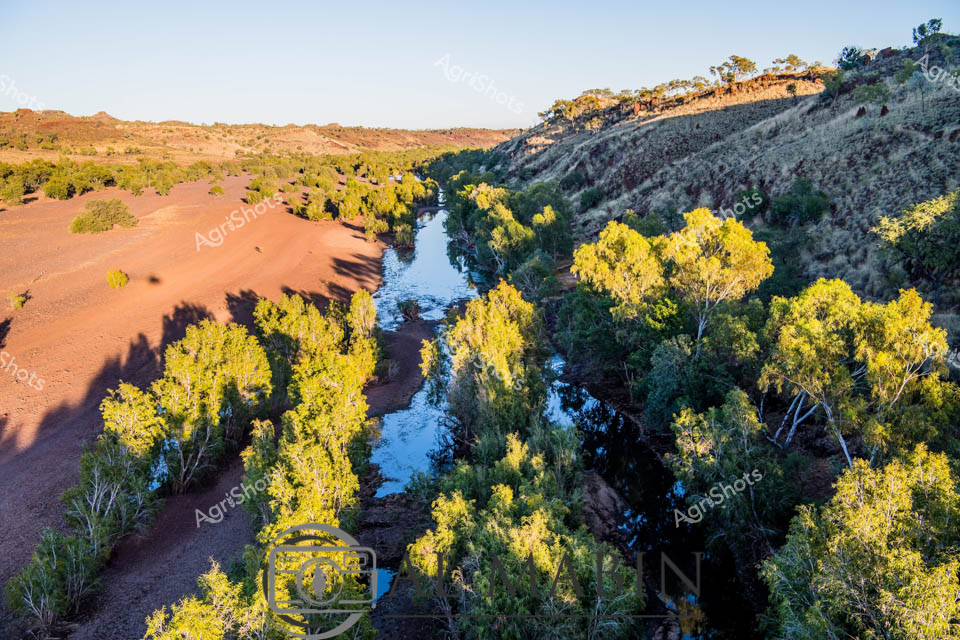
Golden Paperbarks Embrace Ancient Waterway Luminous golden paperbarks cascade along a sinuous waterway cutting through the rust-red earth of Western Australia's arid landscape. Early morning sunlight bathes the scene, illuminating the vibrant yellow-green foliage of native Melaleuca trees contrasting dramatically against the ochre soil and deep blue water channel. This pristine riparian corridor winds through an expansive station landscape, revealing the delicate ecological balance of inland Australia's water systems. Rugged hills frame the vista, their weathered slopes telling millennia of geological story, while the river represents a critical lifeline sustaining diverse vegetation in this harsh environment. The landscape speaks to the resilience of native ecosystems, where water transforms seemingly barren terrain into a verdant corridor of life. Soft shadows stretch across the landscape, capturing the tender moment between night's retreat and day's full emergence.
 Image
Image
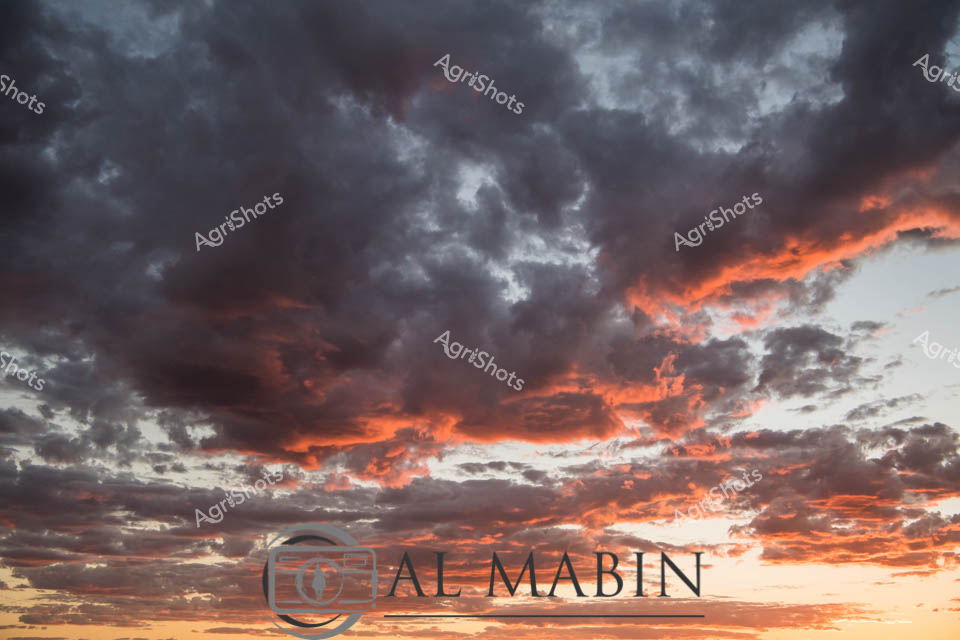
Apocalyptic sunset erupts across the Western Australian pastoral landscape, transforming the sky into a dramatic canvas of molten orange and deep charcoal clouds. Thunderous formations billow and surge, casting intense luminescent bands of fiery crimson and burnt sienna against the brooding grey cloudscape. The expansive horizon speaks to the immense scale of agricultural terrain - a quintessential moment capturing the raw, untamed beauty of station country in the late evening. Layers of cloud stratify horizontally, creating a powerful sense of atmospheric depth and movement that reflects the dynamic environmental conditions of the inland territories. The fading light signals the transition from day to night, with the sun's final rays igniting the sky in a breathtaking display of natural drama typical of Western Australian landscapes. This image encapsulates the profound, elemental power of the Australian outback - a timeless scene where sky and land merge in spectacular, primordial intensity.
 Image
Image
Sandstone towers of the Bungle Bungles rise majestically against a vibrant azure sky, their layered ochre and charcoal bands revealing millions of years of geological history in Purnululu National Park. Dramatic sedimentary rock formations create a rugged landscape of interconnected domes, each stratum telling a story of ancient environmental changes and tectonic movements. The rocky terrain is punctuated by small pockets of resilient vegetation clinging to narrow crevices, demonstrating the tenacious life force of the Western Australian wilderness. Warm sunlight bathes the rocky formations, highlighting the intricate textures and creating a sharp contrast between the rich burnt orange rock faces and deep shadowed recesses. These iconic beehive-shaped formations, created through erosion over millennia, stand as a testament to the raw, untamed beauty of Australia's remote landscape. The pristine wilderness captures the essence of the continent's ancient geological heritage, offering a breathtaking glimpse into the profound and enduring character of the Australian landscape.
 Image
Image
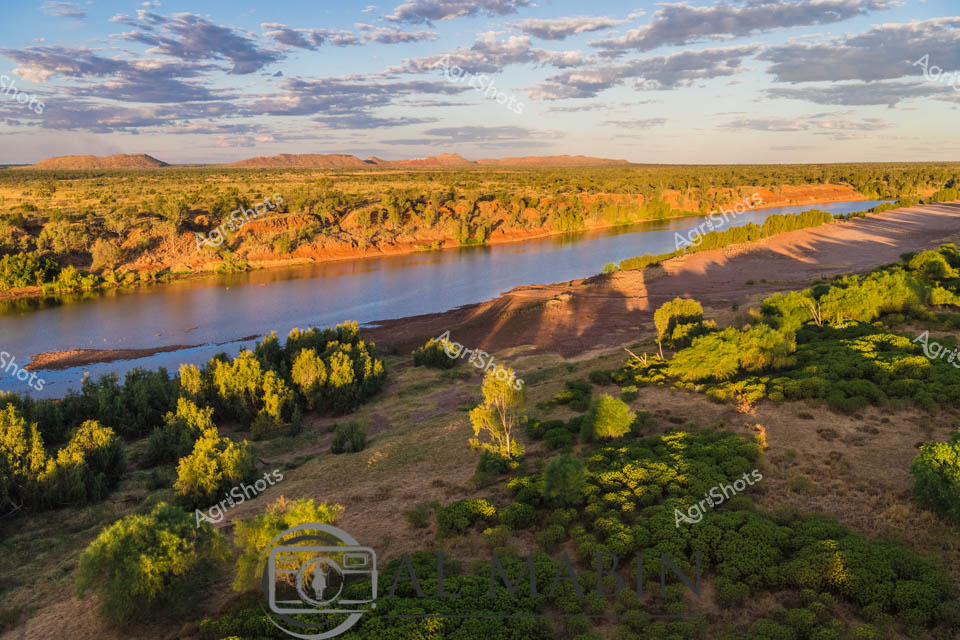
Golden hour illuminates the serpentine curves of a Western Australian river, casting warm amber and rich green hues across an expansive pastoral landscape. The waterway meanders through rugged terrain, its banks lined with vibrant eucalyptus and acacia trees, their leaves glowing in the late afternoon sunlight. Rocky red-earth cliffs frame the riverbanks, creating dramatic geological formations that contrast against the lush vegetation and calm water surface. Distant ranges rise on the horizon, showcasing the vast, untamed beauty of the Australian outback with its distinctive layered geological structures. Soft clouds drift across a luminous sky, creating a sense of serene spaciousness that epitomizes the breathtaking wilderness of Western Australia's interior. This stunning vista captures the raw, timeless essence of Australian pastoral landscapes - a testament to the robust natural beauty that defines agricultural regions in this remarkable continent.
 Image
Image
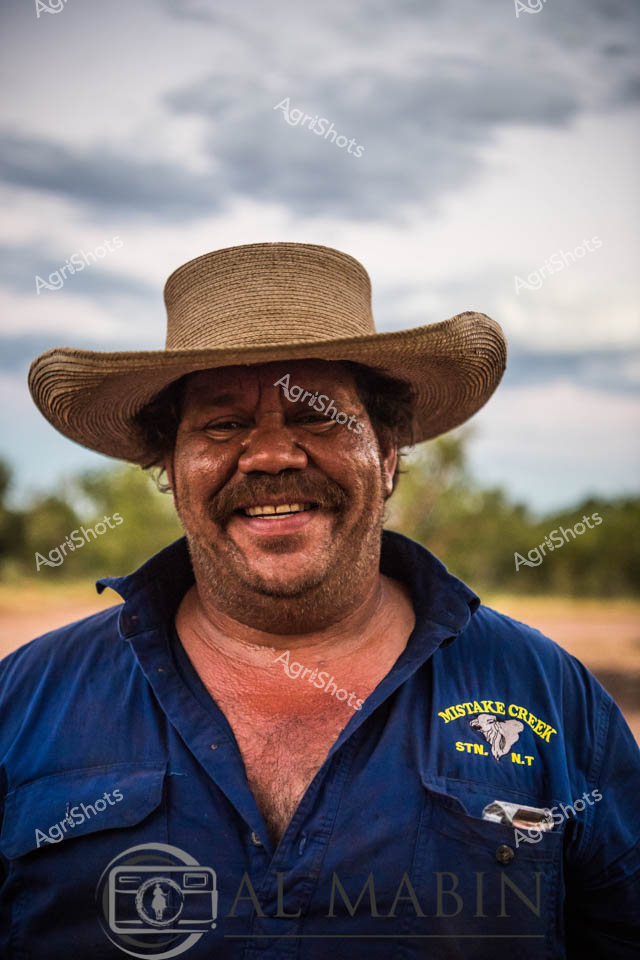
A smiling man working as a station hand stands confidently in the Western Australian countryside, wearing a classic wide-brimmed straw hat and blue work shirt emblazoned with "Mustang Creek Station." His weathered, sun-touched face radiates genuine happiness and satisfaction, embodying the spirit of outback life. Behind him, the vast landscape stretches under a dramatic cloudy sky, with scattered vegetation typical of WA's pastoral regions. This close-up portrait captures the authentic character and resilience of those who work the remote cattle and sheep stations across Australia's agricultural heartland.
 Image
Image
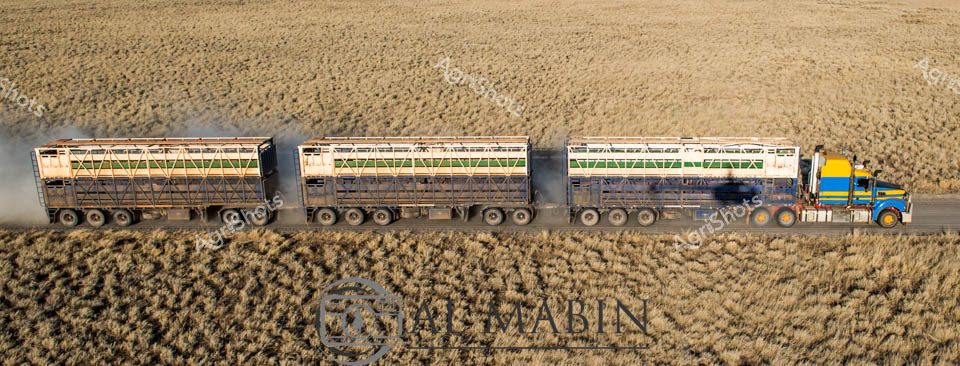
Thundering across the arid Northern Territory landscape, a massive road train hauls its trio of stock trailers through a golden grassland vista. The blue and yellow prime mover, a classic long-haul truck, pulls three expansive white and green livestock trailers designed for transporting cattle across vast Australian pastoral territories. Dust billows behind the vehicle, creating a dramatic contrast against the textured, wheat-colored grassland stretching to the horizon. This quintessential outback transport represents the critical infrastructure of Australia's beef industry, connecting remote cattle stations with processing facilities hundreds of kilometers away. The multi-trailer road train, engineered for efficiency and endurance, symbolizes the logistical challenges and remarkable engineering adapted to Australia's extreme agricultural environments. Each trailer's robust metal framework and multiple axles are purpose-built to navigate challenging terrain, carrying potentially hundreds of Brahman cattle—the heat-tolerant breed perfectly suited to the Northern Territory's harsh climate.
 Image
Image
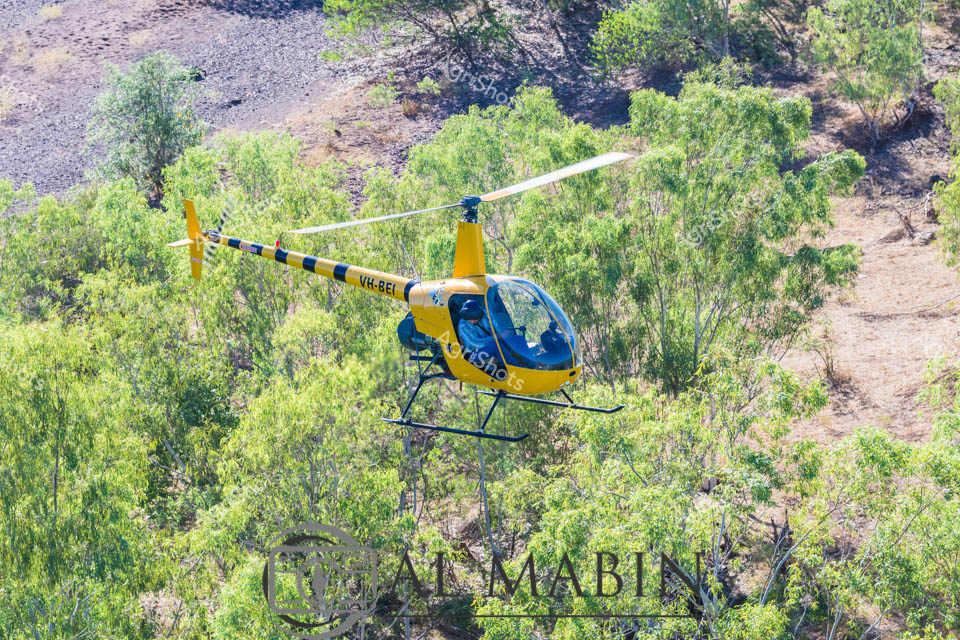
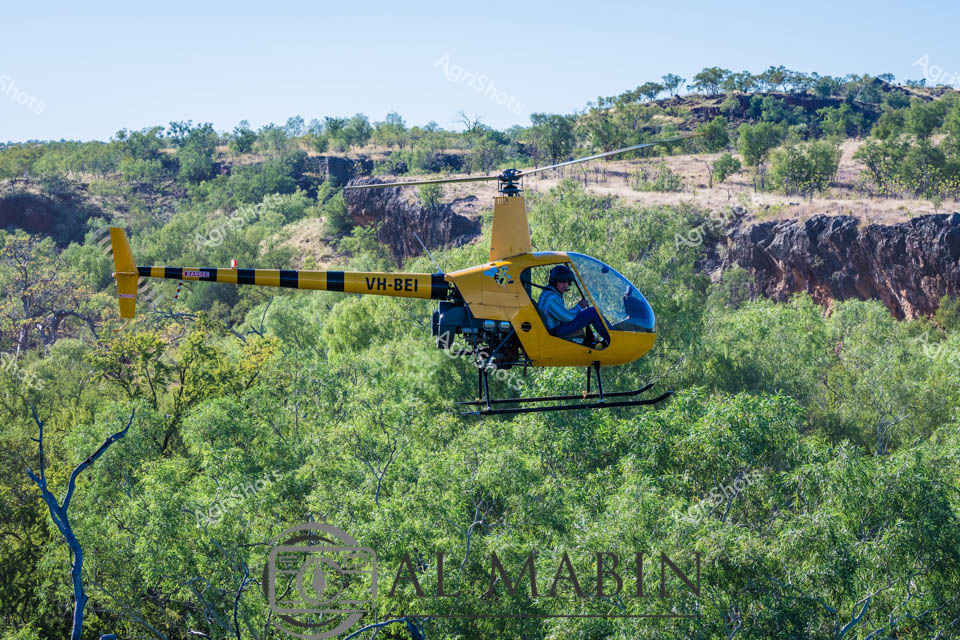
Sunlight blazes across the rugged Kimberley landscape as a vibrant yellow and blue Robinson R22 helicopter hovers above dense eucalyptus scrubland. The light aircraft performs a precise aerial survey, its gleaming metallic frame a stark contrast against the muted greens and ochre earth of a remote Western Australian pastoral station. Designed for precision mustering, this nimble helicopter represents the pinnacle of modern agricultural aviation technology, capable of navigating challenging terrain and assisting stockmen in managing vast cattle properties. The compact two-seater craft demonstrates the sophisticated techniques used in Australian agricultural operations, where aerial support has become essential for monitoring and moving livestock across expansive, difficult-to-access landscapes. Every element of the scene speaks to the innovation and resilience required in outback agricultural management - from the specialized aircraft to the unforgiving yet beautiful bushland stretching to the horizon. The helicopter's registration VH-BEI is clearly visible, a technical detail that grounds this dramatic image in the practical realities of contemporary rural Australian operations.
 Image
Image
A bright yellow helicopter with registration VH-BEI hovers above dense green vegetation in the rugged landscape of Western Australia. The aircraft appears to be conducting station operations, flying low over the tree-covered terrain with rocky outcrops and hills visible in the background. The lush canopy below contrasts with the more arid-looking elevated ground, showcasing the diverse topography typical of WA's pastoral regions where helicopters are essential for mustering and property management across vast remote areas.
 Image
Image
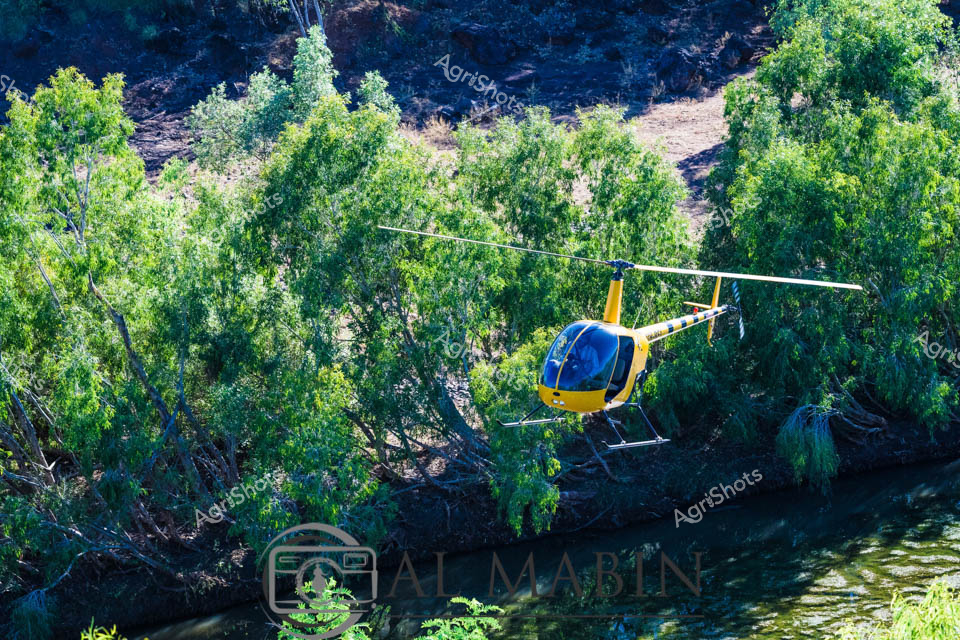
A bright yellow helicopter with blue cockpit windows hovers above lush green trees along a waterway in Western Australia. The aircraft appears to be conducting station operations, likely mustering or surveying work across the verdant landscape. Dense native vegetation creates a canopy below while the helicopter maintains position over the rural property. This aerial perspective captures the integration of modern aviation technology with traditional Australian station management practices.
 Image
Image
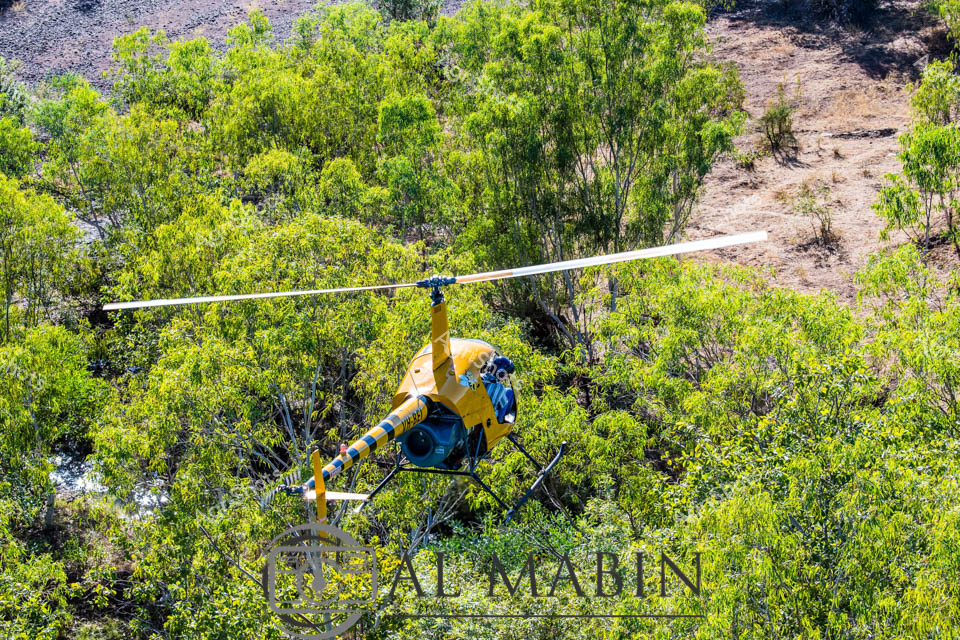
Yellow Eurocopter navigating the dense eucalyptus woodland of a remote Western Australian cattle station, hovering amidst vibrant lime-green foliage during cattle mustering operations. The precision-engineered aircraft, marked in bold yellow and blue, represents the modern intersection of agricultural technology and rugged pastoral landscape, suspended delicately above the undulating terrain. Aerial mustering techniques transform traditional livestock management, allowing rapid and efficient movement of cattle across vast, challenging landscapes where ground access remains difficult. The helicopter's strategic positioning demonstrates the skill of the pilot in manoeuvring through challenging tree-lined country, embodying the sophisticated approach to large-scale agricultural management in Western Australia's expansive pastoral zones. Sunlight filters through the tree canopy, creating a dynamic interplay of light and shadow that highlights the technical capabilities of contemporary agricultural aviation. The scene captures the essence of Australian agricultural innovation - blending advanced machinery with untamed natural environments to sustain livestock production across thousands of square kilometres.