Browse the collection
 Image
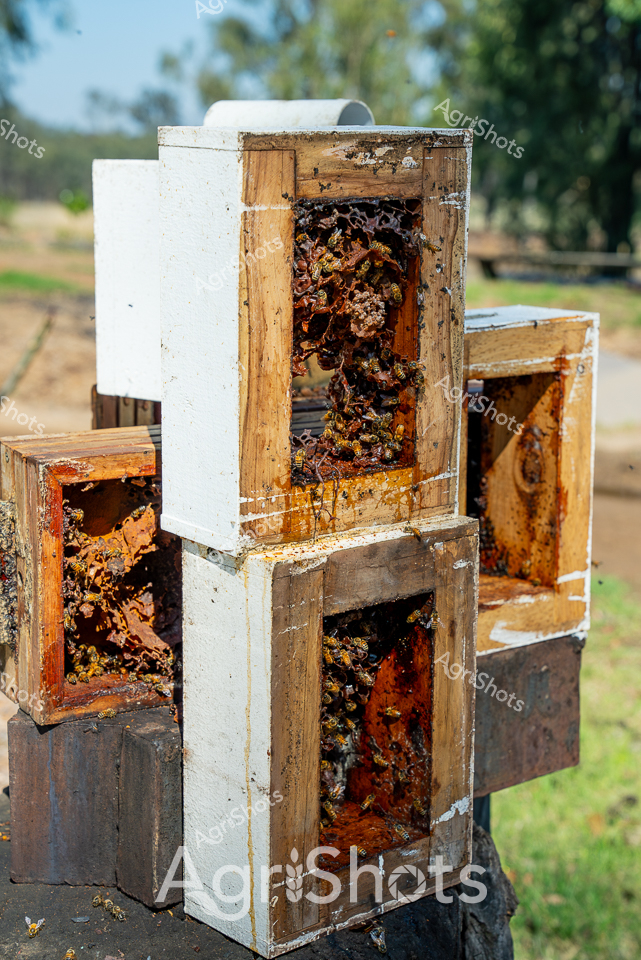
Stacked wooden bee hives reveal the intricate inner workings of a thriving native Australian apiary. Worn white and weathered timber boxes are carefully arranged, exposing honeycomb-filled chambers rich with golden-brown propolis and dense clusters of buzzing native stingless bees. The winter landscape of Queensland's Lockyer Valley stretches behind the hives, with muted green pastures and soft distant treelines creating a serene backdrop for this sustainable agricultural practice. Each hive box shows the complex organic textures of bee activity - layers of honey, wax, and bee colonies pressed into the wooden compartments, telling a story of meticulous beekeeping and the delicate ecosystem of native pollinators. Rust-toned stains and aged wood grain speak to the traditional methods of managing these important agricultural partners, highlighting the connection between careful cultivation and the natural rhythms of insect life. This intimate view into a native bee colony captures the quiet industry and remarkable architectural precision of these essential agricultural workers.
 Image
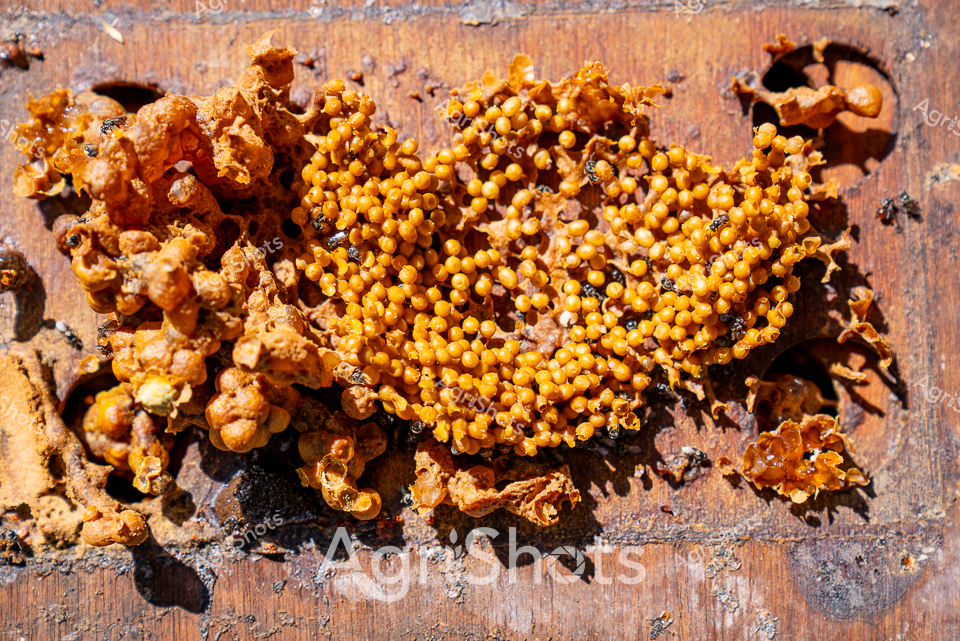
Golden clusters of native Australian bee propolis burst across weathered timber, revealing the intricate microarchitecture of a thriving bee colony's defensive resin. The rich amber and ochre tones of the propolis create a stunning organic mosaic against the aged, textured woodgrain surface, capturing the raw biological artistry of these remarkable pollinators. Concentrated in dense, granular formations, the propolis demonstrates the remarkable construction capabilities of Queensland's native bee species, their collective labor producing these intricate golden formations that protect and seal their hive structures. Winter light casts precise shadows across the uneven surface, highlighting the complex textures and revealing the meticulous precision of these small creatures' architectural instincts. Each tiny golden sphere and irregular cluster represents a fragment of botanical resin collected from local flora, transformed and assembled with extraordinary collective intelligence. This close-up reveals the microscopic engineering of Australia's native bee ecosystem, a testament to the sophisticated survival strategies developed in the challenging landscapes of the Lockyer Valley region.
 Image
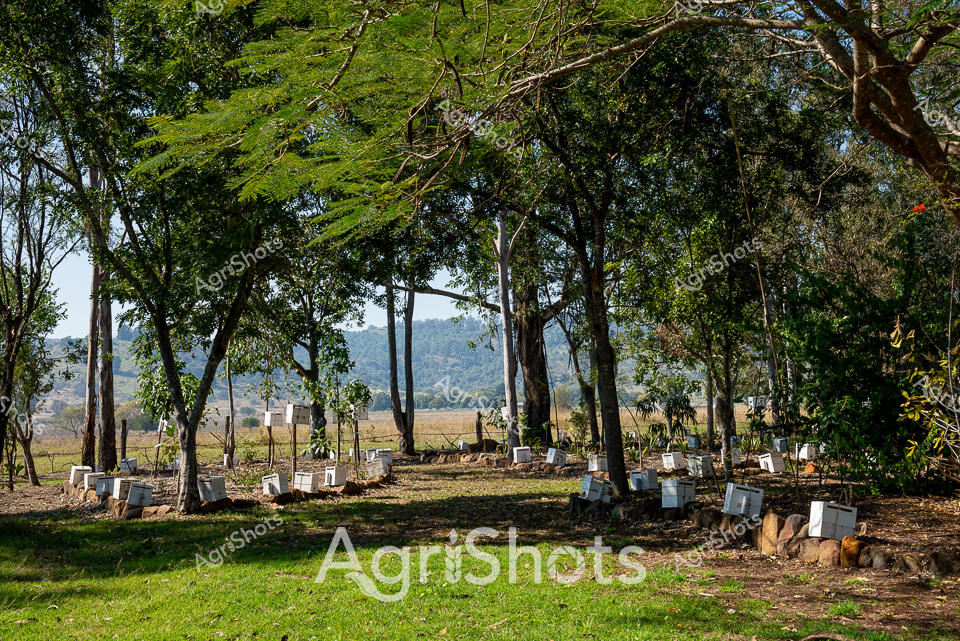
Nestled in the verdant landscape of Queensland's Lockyer Valley, a tranquil apiary sits beneath a canopy of native trees. White bee hives are carefully positioned on a grassy clearing, surrounded by the gentle shade of mature trees with delicate green foliage. The winter season casts a soft, clear light across the scene, highlighting the strategic placement of each hive among the dappled ground and natural woodland setting. Rows of carefully maintained hive boxes create a structured yet organic arrangement, suggesting meticulous care and understanding of bee cultivation. The background reveals rolling hills and distant landscapes, typical of the rich agricultural terrain of Queensland. This serene apiary represents the delicate art of beekeeping, showcasing the intricate relationship between agricultural practice and the natural environment, where native Australian bees play a crucial role in local ecosystem and agricultural productivity.
 Image
Rows of pristine white bee hives line the banks of a tranquil dam in Queensland's fertile Lockyer Valley, creating a serene agricultural tableau. Tall eucalyptus trees frame the scene, their verdant branches reflected perfectly in the still water, creating a mirror-like surface that doubles the visual depth of the landscape. Winter's soft light filters through the canopy, casting a gentle illumination across the apiary site, highlighting the precise arrangement of hives against the natural woodland backdrop. The strategic positioning of these hives suggests a carefully managed agricultural practice, taking advantage of the region's rich biodiversity and water resources to support crucial pollination and honey production. Each white box represents a complex ecosystem of industrious bees, silently working to support agricultural productivity across the surrounding farmlands. The crisp, clear environment captures the essence of Queensland's agricultural sophistication - a harmonious blend of natural landscape and controlled agricultural intervention, showcasing how bee management is an integral part of the region's sustainable farming practices.
 Image
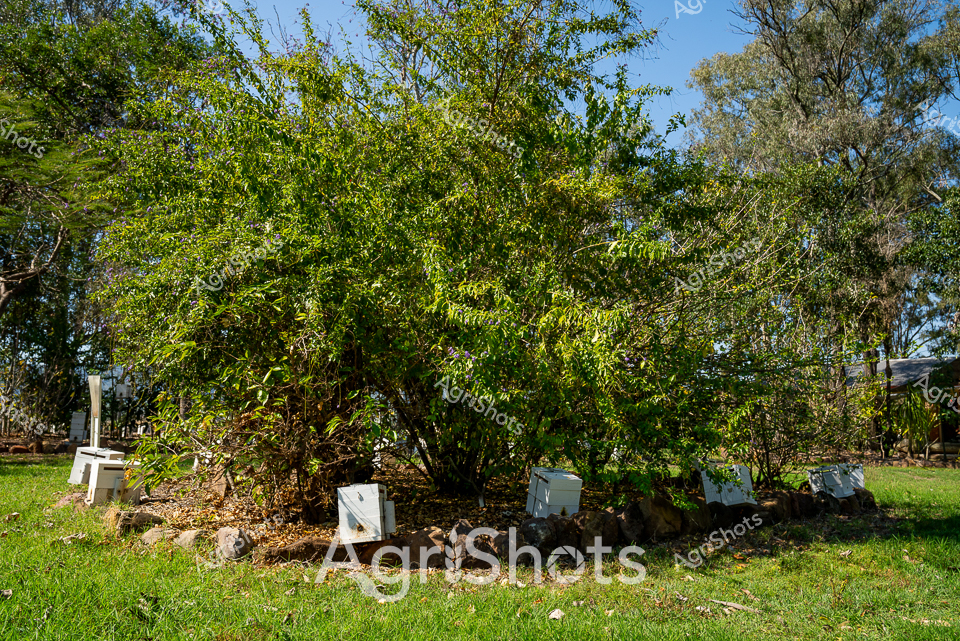
Nestled in the lush green surrounds of Queensland's Lockyer Valley, a cluster of white bee hives rests beneath a verdant canopy of native trees. The winter sunlight filters through branches, casting a soft glow on the carefully positioned hives surrounded by fallen leaves and grass. This tranquil apiary setting speaks to the delicate art of beekeeping in one of Australia's most productive agricultural regions. Native Australian bee species likely inhabit these hives, representing a crucial component of the local ecosystem and agricultural landscape. The white boxes stand in quiet contrast to the rich green and brown tones of the natural environment, suggesting meticulous care and precision in managing these important pollinators. The scene captures the understated beauty of agricultural practice, where human intervention meets natural cycles in a harmonious arrangement that supports both local biodiversity and agricultural productivity.
 Image
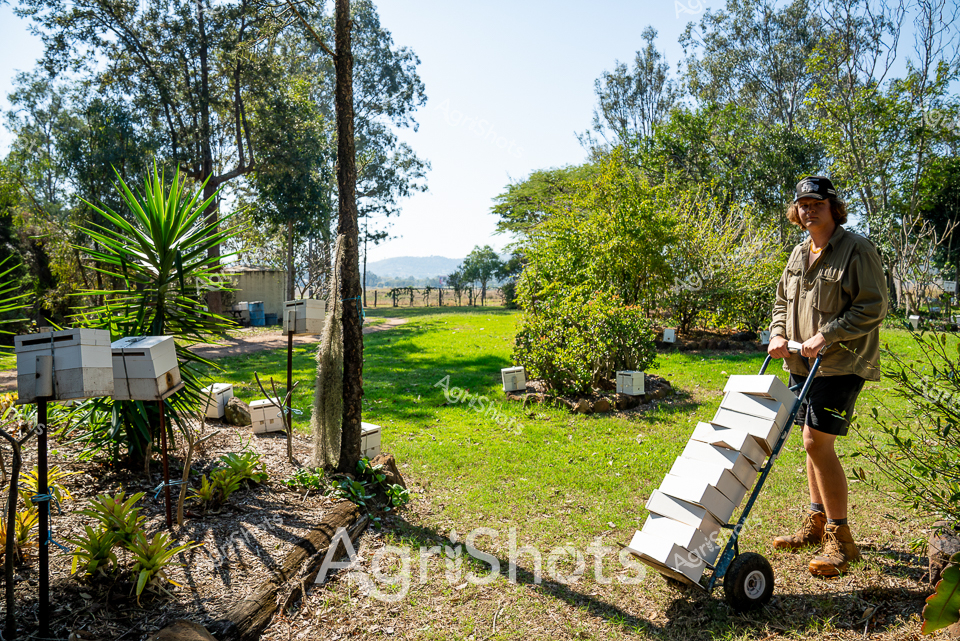
Nestled in the lush landscape of Queensland's Lockyer Valley, a dedicated apiarist tends to a carefully arranged collection of native Australian bee hives. Dressed in practical khaki work attire and a protective cap, the beekeeper maneuvers a hand trolley loaded with white bee boxes across a verdant lawn surrounded by eucalyptus trees and native vegetation. The winter sunlight filters through the green canopy, casting dappled shadows on the meticulously maintained apiary site. Scattered yucca-like plants and native shrubs provide a vibrant backdrop to the white rectangular hives, some positioned on stands near trees, others being carefully transported. The scene captures the precise, methodical nature of Australian native bee cultivation - a delicate balance of scientific precision and deep respect for the environment. This snapshot represents the careful stewardship of these critical pollinators, highlighting the important role of professional apiarists in maintaining biodiversity and supporting agricultural ecosystems in regional Queensland.
 Image
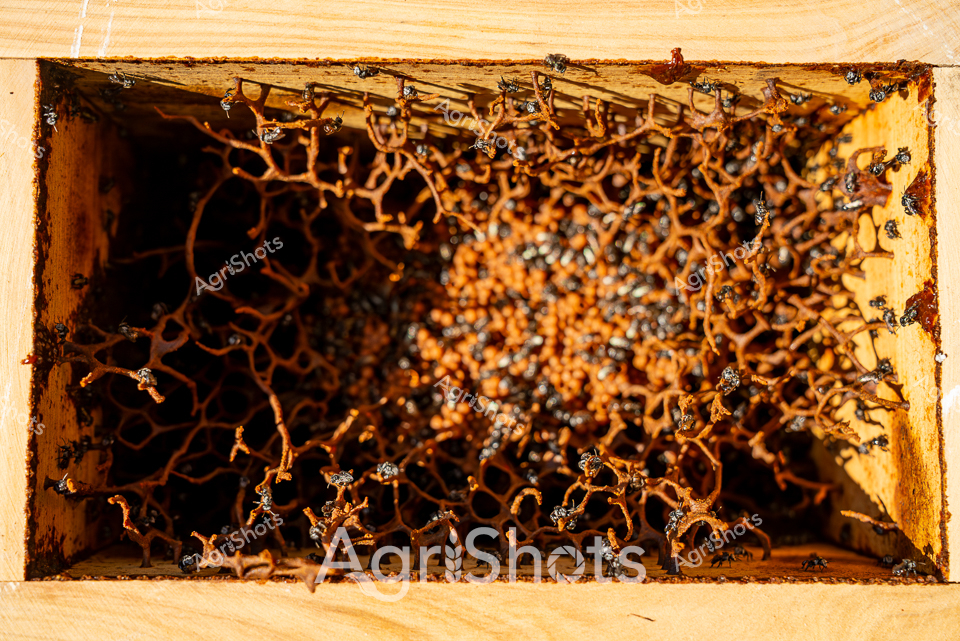
Honeycomb intricate with golden-amber propolis and delicate bee pathways fills a wooden hive box, revealing the complex architectural marvel of a thriving apiary. Clusters of native Australian stingless bees (Tetragonula carbonaria) weave an extraordinary network of wax tunnels and chambers, their dark bodies contrasting against the warm ochre tones of the honeycomb structure. The dense, organic lattice demonstrates the remarkable engineering of these tiny pollinators, with interconnected passages representing a sophisticated social system built with precision and collective intelligence. Captured in the crisp light of a Lockyer Valley winter morning, this close-up reveals the microscopic world within a native bee colony, highlighting the agricultural importance of these critical insects to Queensland's ecosystem and agricultural landscape. The wooden hive frame provides a structured backdrop to the living, breathing honeycomb - a testament to the delicate balance between human agricultural intervention and natural biological processes. Each intricate pathway and cluster speaks to the remarkable collaboration and survival strategies of these tiny creatures, whose role in pollination and ecosystem maintenance is crucial to Australian agricultural sustainability. The rich amber and brown tones create a sense of warmth and vitality within the contained microcosm of this native bee colony.
 Image
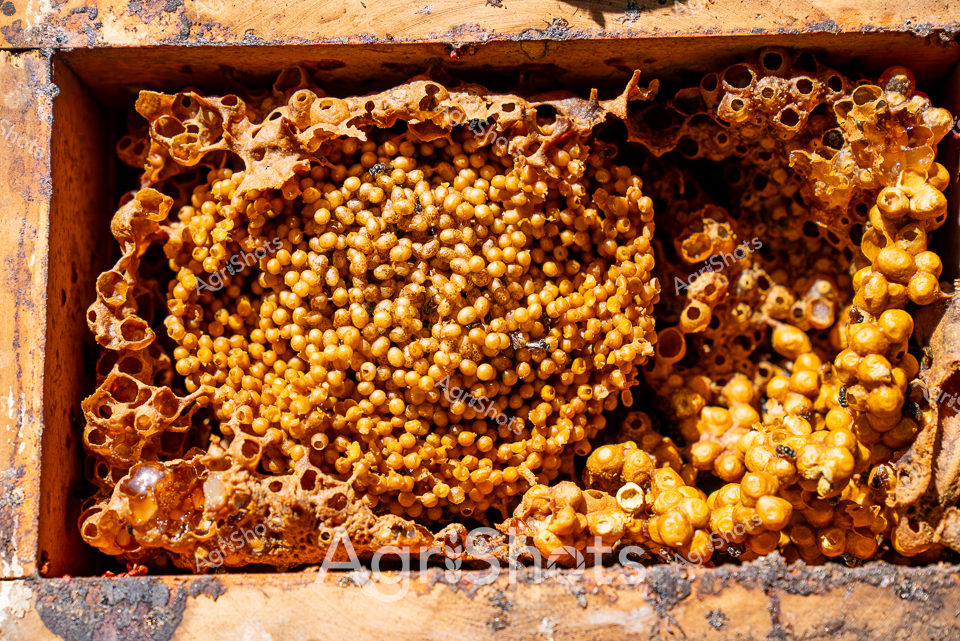
Golden harvest of stingless Australian native bees bursts from an intricately textured honeycomb frame, capturing the rich amber and ochre tones of a winter's day in Queensland's fertile Lockyer Valley. Hundreds of tiny, perfectly spherical honey globules cluster densely across the honeycomb's waxy infrastructure, revealing the meticulous work of local Tetragonula carbonaria - Australia's beloved native sugarbag bee species. The raw, weathered wooden hive frame bears the patina of countless seasons, its edges rough and sun-bleached, providing a rugged contrast to the luminous, organic precision of the bee colony's architectural marvel. Each golden orb represents concentrated nectar transformed through extraordinary collaboration, a microcosm of agricultural symbiosis that epitomizes the delicate yet robust nature of Australian apiary practices. The image pulses with quiet intensity, showcasing the intricate relationship between landscape, insects, and human cultivation in one of Queensland's most productive agricultural regions.
 Image
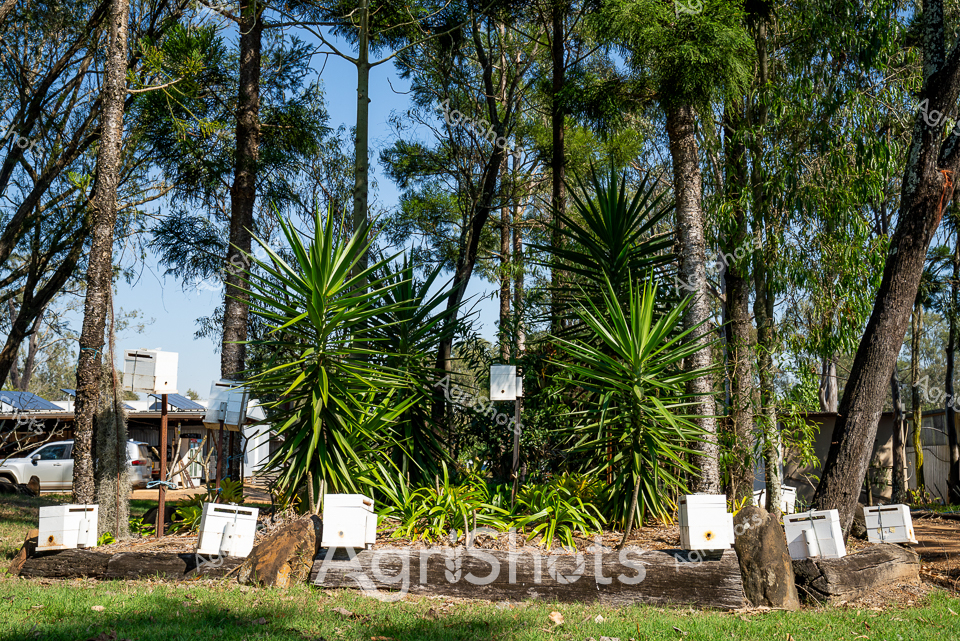
Nestled in the dappled sunlight of a Queensland winter morning, a meticulously arranged apiary reveals the intricate world of native Australian beekeeping. White wooden hive boxes stand sentinel among weathered logs and vibrant green yucca plants, their precise arrangement speaking to the careful management of a local bee colony. Tall eucalyptus trees frame the scene, creating a natural backdrop that reflects the pristine Lockyer Valley environment. These specialized hives, likely housing native stingless bee species like Tetragonula carbonaria, showcase the sophisticated approach to maintaining these crucial pollinators in their natural habitat. The soft winter light filters through the trees, illuminating the lush grass and creating a sense of tranquil productivity that is quintessentially Australian agricultural. The carefully maintained apiary represents a harmonious intersection of agricultural practice and environmental stewardship, highlighting the importance of bee conservation in Australia's delicate ecosystem.
 Image
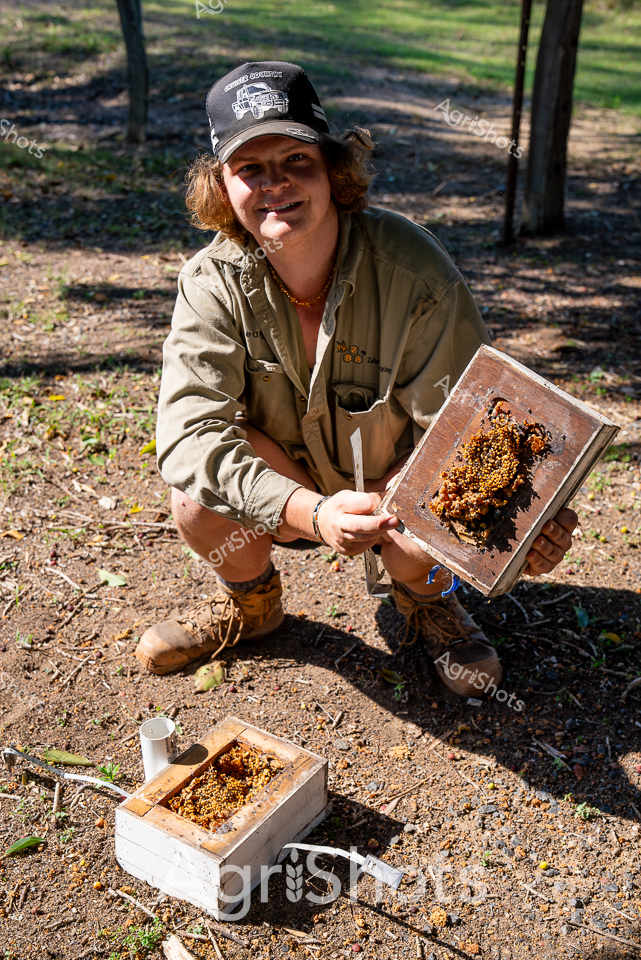
Queensland Apiarist Nurturing Native Bee Ecosystem A dedicated apiarist crouches in the dappled winter sunlight of the Lockyer Valley, carefully examining a native bee colony nestled within a wooden hive frame. Dressed in a khaki work shirt and sturdy boots, she wears a branded cap that speaks to her professional connection with agricultural ecosystems. The ground beneath her is a textured canvas of dry earth and scattered leaves, typical of the region's winter landscape. Two wooden hive boxes rest on the ground, revealing the intricate golden-brown honeycomb structures teeming with native Australian stingless bees. Her gentle smile and careful handling demonstrate the nuanced skill required in managing these critical pollinators, whose role in agricultural sustainability is paramount. The soft shadows of nearby trees create a natural backdrop, highlighting the delicate relationship between human stewardship and the intricate world of these tiny agricultural partners.
 Image
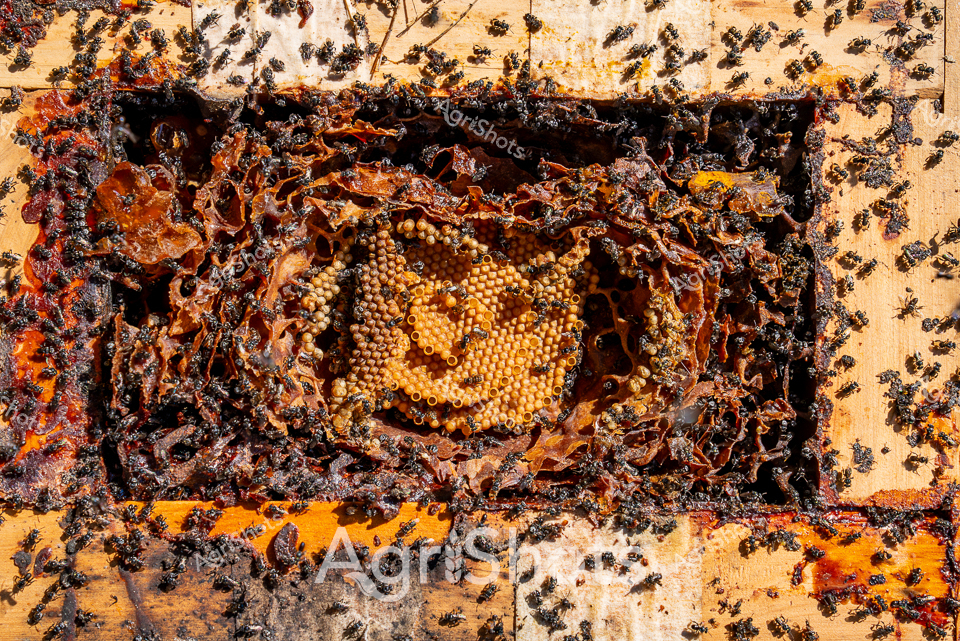
Honeycomb Harvest: Stingless Native Bee Colony Golden amber and charcoal textures reveal an extraordinary close-up of a native Australian stingless bee hive, captured in the winter light of Queensland's Lockyer Valley. The intricate honeycomb structure glows like burnished bronze, surrounded by intricate layers of propolis and wax, with hundreds of tiny dark native bee workers clustering across the wooden hive surface. Delicate hexagonal chambers pulse with the concentrated industry of Tetragonula carbonaria, Queensland's beloved native bee species, whose complex social structure and unique honey production represent an ancient agricultural tradition. Rich ochre and burnt sienna tones highlight the organic, almost sculptural quality of this microcosmic agricultural ecosystem, where each bee contributes to a remarkable collective endeavor. The dense, textured margins of the hive showcase the bees' remarkable architectural skills, building resilient structures that protect their queen and sustain their colony through the cooler winter months of subtropical Queensland.
 Image
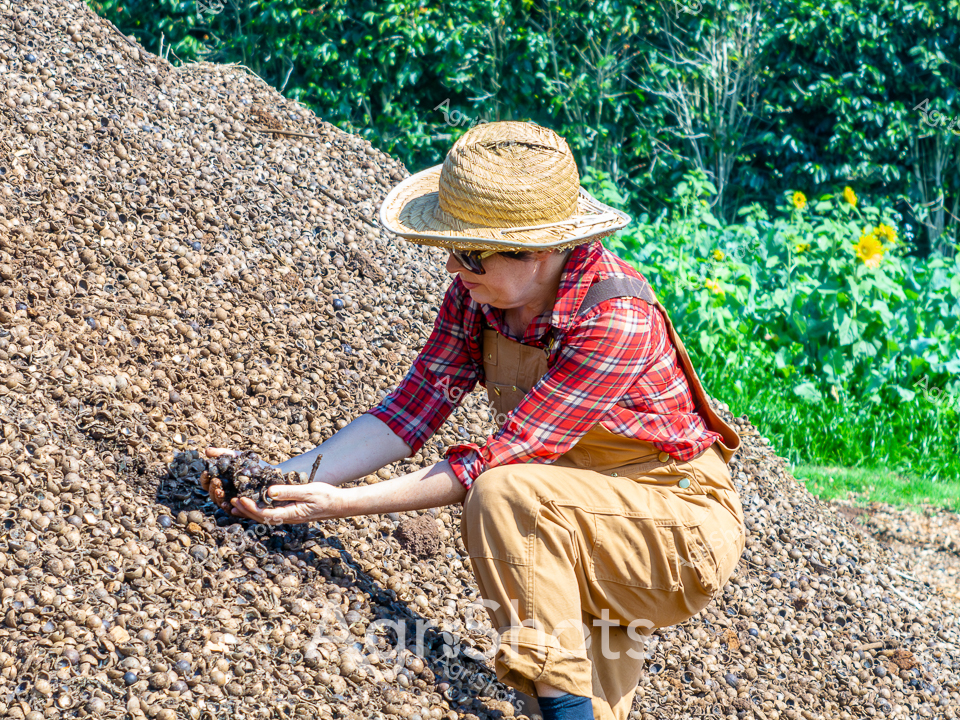
A female agricultural worker crouches amid a massive pile of macadamia nut shells, her weathered hands sifting through the organic material under the warm spring sunshine of New South Wales' Northern Rivers region. Dressed in a classic red plaid flannel shirt, tan cargo pants, and a wide-brimmed straw hat for sun protection, she embodies the dedicated spirit of rural agricultural workers. Sunflowers bloom vibrantly in the background against a lush green landscape, creating a vibrant contrast with the earthy brown tones of the macadamia shell compost heap. Her careful sorting and examination of the shells suggests a meticulous approach to sustainable farm management, likely preparing organic material for crop cover or soil enrichment. The scene captures the intricate work of agricultural processing, where every shell and fragment represents potential nutrient recycling and environmental stewardship. The rich textures of shells, soil, and vegetation tell a story of careful cultivation and the deep connection between farmer and land in this productive agricultural landscape.
 Image
Coffee cherries ripen in radiant clusters along verdant branches, their deep crimson fruit gleaming against lush green foliage. A skilled agricultural worker wearing a classic red and black plaid flannel shirt and tan canvas overalls carefully inspects the coffee plantation, her warm smile reflecting genuine connection with the crop. The sunlight filters through the dense canopy, highlighting the rich textures of leaves and ripening fruit in the Northern Rivers region of New South Wales during a vibrant spring morning. Her practiced hand reaches between the branches, selecting and assessing the coffee cherries' readiness for harvest, embodying the dedication and intimate knowledge of agricultural workers who nurture crops from seedling to market. The scene captures the intricate relationship between farmer and land, showcasing the meticulous care required in specialty coffee production. Verdant rows of coffee trees stretch into the background, creating a lush, productive landscape that speaks to the region's agricultural heritage and the careful stewardship of sustainable farming practices.
 Image
Ripe ruby-red coffee cherries cluster amid deep emerald leaves as a woman wearing a vibrant red plaid shirt and tan work overalls carefully harvests the delicate fruit. Her gentle, focused movements reveal an intimate connection with the coffee plantation, likely nestled in the lush Northern Rivers region of New South Wales. Sunlight filters through the verdant canopy, casting dappled highlights across the coffee trees and illuminating the rich, glossy clusters of ripening berries. Her warm smile and attentive touch suggest a deep passion for agricultural craft, embodying the spirit of women in agriculture who nurture both crop and land with exceptional care and expertise. The scene captures the precise moment of selective harvesting, where each cherry is evaluated for perfect ripeness - a critical skill in producing high-quality specialty coffee. This image radiates the vibrant energy of springtime, showcasing the meticulous art of coffee cultivation and the human connection to the agricultural landscape.
 Image
Coffee Harvest in Full Bloom: A skilled agricultural worker wearing a vibrant red and black plaid shirt carefully inspects a coffee tree laden with clusters of ripening cherries. The lush green leaves provide a verdant backdrop to the stunning array of crimson and green coffee fruits hanging in dense bunches. Set in the fertile Northern Rivers region of New South Wales during the spring season, the scene captures the meticulous care and intimate connection between the farmer and her crop. Varying from deep ruby red to bright green, the coffee cherries showcase different stages of ripeness, demonstrating the nuanced expertise required in selective harvesting. The worker's gentle touch and attentive gaze reveal a profound understanding of the crop's delicate nature, highlighting the artisanal approach to coffee cultivation in this picturesque Australian agricultural landscape. Sunlight filters through the coffee tree's canopy, creating a soft, dappled light that emphasizes the rich textures of leaves and fruit. This image celebrates the dedication of women in agriculture, capturing a moment of quiet concentration and pride in the bountiful harvest.
 Image
Verdant coffee trees cascade across rolling hills, framing two agricultural workers amid a lush spring harvest in the Northern Rivers region of New South Wales. One worker in a classic red plaid shirt and tan canvas apron, complemented by a wide-brimmed straw hat and reflective sunglasses, carefully examines ripening coffee cherries. Her companion, wearing a soft floral shirt and a woven sunhat, stands nearby in quiet consultation, both focused on assessing the crop's readiness. The vibrant green foliage creates a natural corridor, highlighting the rich agricultural landscape and the meticulous care required in specialty coffee production. Filtered sunlight illuminates the scene, casting gentle shadows and emphasizing the textural qualities of leaves and fruit. This image captures the collaborative spirit of women in agriculture, showcasing the intimate connection between farmers and the land, and the precision required in nurturing a premium coffee harvest.
 Image
Crimson coffee cherries cluster densely along verdant branches, bursting with ripeness under the soft light of a spring morning in the Northern Rivers region of New South Wales. A farmer wearing a plaid shirt and wide-brimmed hat carefully harvests the precious fruit, her hands moving with practiced precision among the rich green leaves. The coffee cherries transition from deep emerald to vibrant scarlet, indicating their perfect moment of harvest - each cluster a jewel-like testament to careful cultivation and agricultural expertise. The scene captures the intimate relationship between farmer and crop, with dappled sunlight filtering through the coffee trees and highlighting the lustrous texture of the fruit. Some cherries remain green, while others have achieved a deep burgundy hue, showcasing the nuanced stages of coffee fruit maturation. This image embodies the meticulous work of agricultural professionals, revealing the artistry and skill required to produce high-quality coffee from tree to cup.
 Image
Coffee Harvest in the Northern Rivers Crimson and tan plaid moves through lush coffee tree foliage, as a skilled agricultural worker selectively harvests ripe coffee cherries. Deep burgundy and green clusters of coffee fruit dangle from verdant branches, signaling peak ripeness in this vibrant spring landscape. Wearing classic farm overalls and a checked shirt, the worker moves with practiced precision, carefully selecting only the most perfectly developed cherries from the dense canopy. Sunlight filters through broad coffee tree leaves, creating a dappled emerald and golden landscape that highlights the rich agricultural heritage of New South Wales' Northern Rivers region. Each cluster represents months of careful cultivation - from delicate flowering to fruit development - embodying the intricate relationship between farmer and crop. This image captures the nuanced art of coffee production, where expertise, patience, and intimate knowledge of the land transform simple fruit into a global commodity.
 Image
Ruby-red coffee cherries cascade from verdant branches, each cluster a jewel-like testament to careful cultivation. A skilled agricultural worker wearing a vibrant red and black plaid shirt peers through the lush green foliage, her discerning gaze assessing the ripeness of the coffee crop. The sunlight filters through the leaves, casting a soft, dappled light on the coffee plantation, suggesting a crisp spring morning in the Northern Rivers region of New South Wales. Her experienced hands hover near the clusters, ready to selectively harvest only the most perfectly mature cherries - a crucial skill in producing high-quality specialty coffee. The image captures the intimate connection between the farmer and her crop, highlighting the meticulous care and expertise required in agricultural production. The rich, saturated colors and detailed framing showcase the beauty of agricultural work, transforming a simple harvest moment into a celebration of rural craftsmanship and sustainable farming.
 Image
Crimson-clad and straw-hatted, a skilled agricultural worker carefully harvests ripe coffee cherries from verdant branches heavy with deep burgundy and crimson fruit. Sunlight filters through lush green coffee tree canopies, illuminating the rich clusters of beans at various stages of ripeness. Her practiced hands gently select the most mature cherries, demonstrating the precision and care integral to specialty coffee production in Australia's Northern Rivers region of New South Wales. The scene captures the vibrant essence of spring coffee cultivation, with the worker's red plaid shirt and tan overalls complementing the natural palette of the plantation. Wearing protective sunglasses and a wide-brimmed straw hat, she moves methodically among the trees, her movements reflecting generations of agricultural knowledge and connection to the land. The image celebrates the meticulous craft of coffee harvesting, showcasing the intimate relationship between farmers and their crops in this lush, productive landscape. These carefully selected coffee cherries represent the first critical step in transforming raw fruit into the world-renowned specialty coffee that has become a hallmark of Australian agricultural excellence.
 Image
Ripening coffee cherries cluster in vibrant crimson and emerald clusters, hanging heavily among deep green coffee tree foliage. The lush branches reveal multiple stages of fruit maturation, with bright red ripe cherries nestled alongside unripe green clusters - a visual representation of the agricultural progression towards harvest. Sunlight filters through the verdant canopy, highlighting the glossy surfaces of the coffee cherries and creating a rich, textural landscape that speaks to the meticulous cultivation of this precious crop. Each branch tells a story of careful agricultural practice, with the fruit arranged in dense, promising bunches that hint at the potential flavor complexity waiting to be developed. The image captures the fertile promise of the Northern Rivers Region in springtime, where coffee cultivation represents both agricultural expertise and a deep connection to the land. These coffee cherries, suspended between green and red, symbolize the delicate art of crop management and the patient journey from tree to cup.
 Image
Crimson and emerald coffee cherries cascade along verdant branches, ripe with promise in a lush plantation bathed in golden spring sunlight. A worker wearing a wide-brimmed straw hat and reflective sunglasses delicately navigates the coffee tree, her skilled hands selecting the most perfect fruit clusters. Her practiced touch reveals decades of agricultural expertise, moving with gentle precision among the dense foliage of deep green leaves and clusters of coffee cherries transitioning from vibrant green to rich burgundy red. The scene captures the meticulous art of coffee harvesting, where each cherry represents potential flavor and quality, carefully selected at the precise moment of optimal ripeness. Soft light filters through the canopy, highlighting the nuanced colors and textures of the coffee plantation - a testament to the careful cultivation and intimate connection between farmer and crop. This image embodies the essence of agricultural craftsmanship, showcasing the Northern Rivers Region's rich coffee-growing tradition and the dedicated women who are integral to Australia's agricultural landscape.
 Image
Macadamia harvest aftermath blankets the northern New South Wales landscape in a rich, earthy panorama. Massive mounds of spent macadamia shells - deep brown and textured like volcanic rock - dominate the foreground, representing the agricultural byproduct of nut processing. Verdant tree lines frame the scene, creating a lush green backdrop against distant misty mountains, while several agricultural workers move purposefully across the middle ground, engaging in post-harvest land management. The shells, a critical component of sustainable agricultural practices, will likely be repurposed as mulch, compost, or biomass, highlighting the circular economic principles of modern farming. Soft spring sunlight bathes the landscape, casting gentle shadows and illuminating the textural contrast between the russet shell piles and the vibrant green pasture. This image captures the quintessential Australian agricultural ethos - resourcefulness, environmental stewardship, and the intricate relationship between crop production and land regeneration.
 Image
Scarlet and emerald coffee cherries cascade across verdant branches as an experienced agricultural worker tenderly inspects the ripening crop. Wearing a straw sun hat and protective sunglasses, the worker's weathered hands gently assess the developing fruit, tracking the progression from unripe green to deep crimson clusters. Her plaid shirt suggests a crisp spring morning in the Northern Rivers region of New South Wales, where coffee cultivation thrives in the subtropical landscape. Sunlight filters through the lush coffee tree canopy, casting a warm glow on the meticulous inspection process that represents generations of agricultural expertise. Each coffee cherry cluster tells a story of patient cultivation, with varying stages of ripeness creating a vibrant mosaic of color against the dark green leaves. This image captures the intimate connection between farmer and crop, highlighting the skilled observation and care required to produce exceptional coffee in one of Australia's emerging agricultural regions.