Browse the collection
 Image
Tasmania's winter pastures come alive with a vibrant herd of Hereford and Angus cross cattle grazing peacefully across a lush green paddock. Rich chestnut-red and deep black bovines dot the landscape, their coats glistening in the soft, golden winter sunlight filtering through a bare, weathered tree in the background. Young calves huddle close to their mothers, creating a tableau of pastoral tranquility that speaks to the robust beef cattle breeding traditions of Tasmania's agricultural heartland. The verdant pasture stretches out, revealing subtle undulations and patches of moisture, highlighting the rich, fertile soils that support this healthy livestock population. Mature cattle graze methodically, their varied coat colors creating a natural patchwork against the emerald-green grass, while bare tree branches provide a stark, architectural contrast to the organic movement of the herd. This serene scene captures the essence of Tasmanian cattle farming - a delicate balance of natural landscape and agricultural stewardship, where generations of careful breeding and land management create a sustainable and picturesque agricultural environment.
 Image
Rugged Tasmanian winter pastures cradle a pair of robust Hereford-Angus cross cattle, their distinctive black and white coats gleaming in the soft golden sunlight. Framed by weathered white fence posts and rusty barbed wire, these sturdy beef cattle stand close together, their muscular bodies a testament to the hardiness required to thrive in Tasmania's challenging agricultural landscape. The lead cow's white face is punctuated by rich dark markings, while her companion's deeper coloration speaks to the careful crossbreeding that produces superior meat quality. Frost-touched grass creates a muted green backdrop, highlighting the animals' powerful physique and the quiet resilience of livestock farming in this southern island state. Ear tags glint like small beacons, marking each animal as part of a carefully managed herd, while the soft focus of distant paddocks suggests the expansive nature of Tasmanian cattle country. The image captures a moment of serene productivity, embodying the essence of Australian rural agriculture - tough, beautiful, and purposeful.
 Image
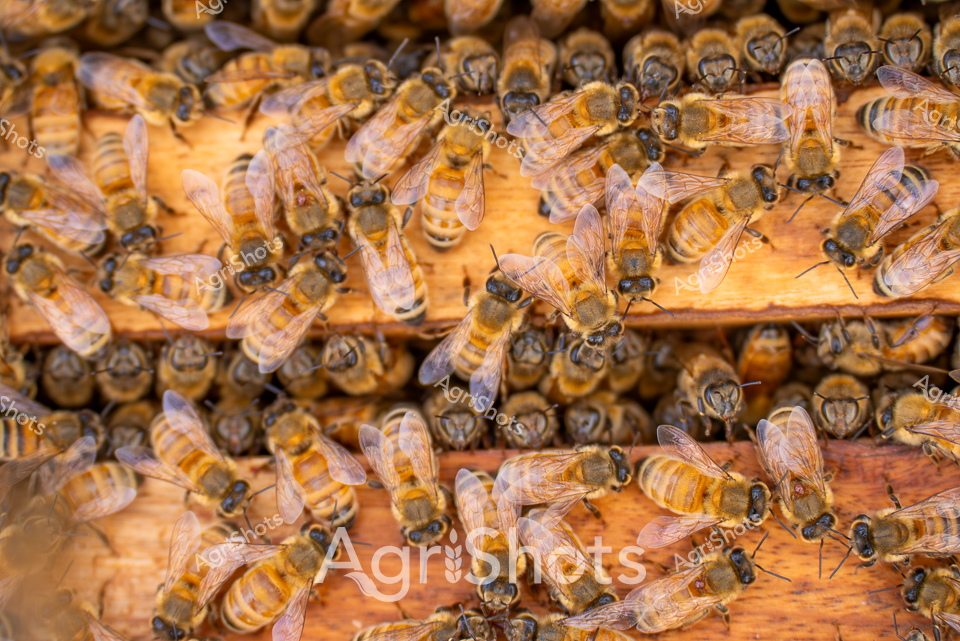
Golden sunlight bathes a bustling honeycomb, capturing the intricate world of honey production in Tasmania's winter apiary. Dense clusters of worker bees cover the wooden hive frames, their amber and bronze bodies creating a living tapestry of agricultural productivity. Translucent wings shimmer with delicate movement as the bees cluster tightly, maintaining critical hive temperature during the cooler seasonal months. Each bee appears meticulously positioned, representing the extraordinary collective organization of these remarkable pollinators essential to agricultural ecosystems. The warm wooden tones of the hive contrast beautifully with the bees' rich golden-brown coloration, highlighting the natural harmony of this sophisticated agricultural environment. This intimate close-up reveals the complex social structure and remarkable precision of honeybee colonies, fundamental to Tasmania's rich agricultural landscape and critical for crop pollination across the region.
 Image
Soft morning light bathes a lush Tasmanian pasture as three Coopworth ewes graze peacefully, their thick winter fleeces gleaming ivory against the emerald grass. A classic Tasmanian winter sunrise illuminates the paddock, casting golden highlights across the woolly backs of these robust sheep. Two younger lambs nibble contentedly in the foreground, their muscular frames and dense coats reflecting the breed's renowned hardiness and adaptability to cool southern agricultural landscapes. In the background, a mature ewe continues grazing, symbolizing the continuous cycles of pastoral life in Tasmania's rich farming regions. The scene captures the quintessential serenity of Australian sheep farming - a landscape of gentle undulations, verdant pastures, and livestock that embody generations of agricultural expertise. The Coopworth breed, known for exceptional meat and wool production, represents the genetic precision and environmental resilience that characterizes modern Australian livestock management.
 Image
Rolling pastures of soft emerald green stretch beneath a gentle Tasmanian winter sunrise, populated by a thriving flock of Coopworth ewes and their delicate lambs. Pristine woolly bodies contrast beautifully against the lush landscape, with mature ewes standing watchful while young lambs playfully explore the verdant paddock. Weathered fence lines trace the contours of the pasture, rocky outcrops and distant trees creating a quintessential rural backdrop that speaks to the rich agricultural heritage of the region. The soft morning light bathes the scene in warmth, highlighting the creamy off-white fleeces and the tender movements of the lambs as they nestle close to their mothers or take tentative steps of independence. This serene tableau captures the essence of Tasmanian sheep farming - a delicate balance of nurture, landscape, and generational agricultural practice where each lamb represents renewal and promise for the coming season. The image embodies the quiet resilience of livestock farming, where every animal is both an individual and part of a greater pastoral ecosystem.
 Image
Soft winter sunlight bathes a lush Tasmanian pasture, illuminating a peaceful flock of Coopworth ewes and their newborn lambs. Verdant green grass stretches across the landscape, providing rich grazing ground for the woolly mothers and their delicate offspring. Mature ewes with thick, creamy fleeces rest alongside tiny lambs, their pale bodies standing in sharp contrast to the emerald meadow. Some lambs huddle close to their mothers, while others explore the field with tentative steps, embodying the vulnerability and promise of new life. The flock is spread across the gentle slope, some grazing quietly, others standing alert, representing the natural rhythm of sheep farming in Tasmania's fertile agricultural region. This serene scene captures the essence of winter lambing season - a critical and hopeful time in the sheep farming calendar, where new generations promise renewal and productivity for rural agricultural communities.
 Image
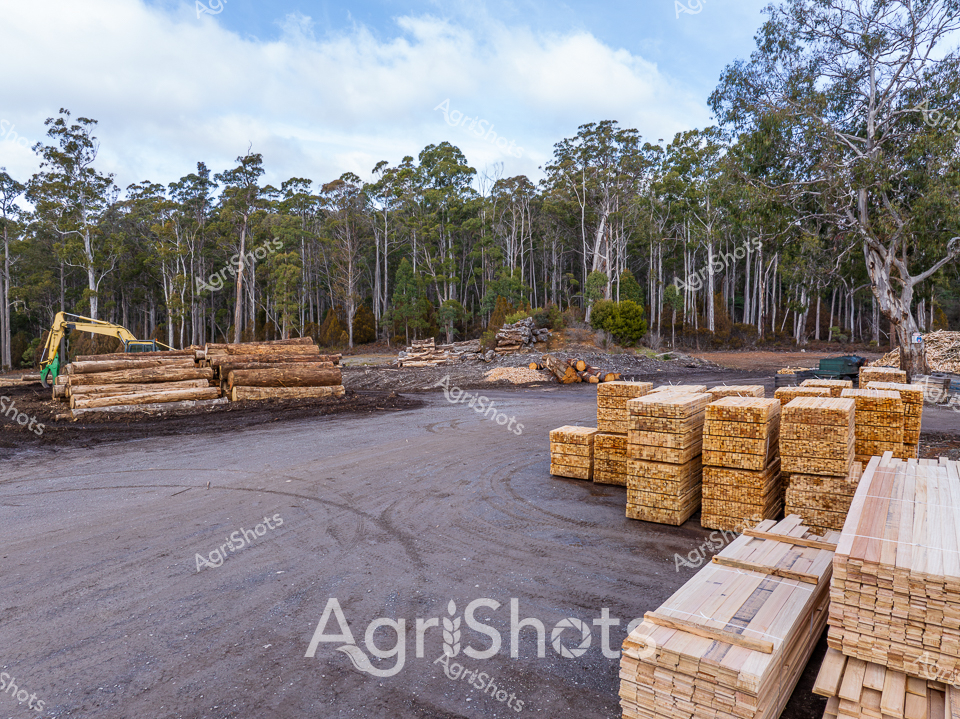
Timber harvesting transforms the Tasmanian winter landscape at this bustling sawmill operation. Stacked logs and precisely cut timber planks dominate the foreground, revealing the systematic process of forest production against a backdrop of dense eucalyptus and pine woodland. A yellow industrial machine stands ready to maneuver raw timber, while neatly organized stacks of lumber showcase the precision of modern forestry techniques. The muted winter palette of grays, browns, and soft greens creates a stark industrial tableau, where the rhythmic geometry of processed wood contrasts with the organic lines of the surrounding forest. Tire tracks in the dirt yard tell stories of constant movement and productivity, highlighting Tasmania's crucial timber industry and its careful balance between resource extraction and environmental management. The scene captures a moment of transition - from living forest to structured building materials - embodying the calculated efficiency of sustainable woodland resource utilization.
 Image
Dappled light cascades across a lush Tasmanian pasture, where a tranquil herd of deer grazes peacefully against a backdrop of dense eucalyptus woodland. The soft winter landscape is carpeted in rich green grass, dotted with a mix of pale cream and russet-brown deer of varying ages. Young fawns cluster near adult deer, some browsing intently while others stand alert, their elegant forms creating a living tapestry across the gently sloping paddock. The herd appears relaxed and well-established, suggesting a managed wildlife or agricultural setting typical of Tasmania's diverse agricultural landscape. Soft shadows and muted winter light highlight the animals' delicate markings and muscular forms, creating a serene pastoral scene that speaks to the state's rich biodiversity and agricultural heritage. The dense forest backdrop provides a natural, sheltering boundary, emphasizing the harmonious relationship between cultivated land and native wilderness. This image captures the quiet rhythm of rural Tasmanian life, where introduced species like deer coexist seamlessly with the indigenous landscape, representing the nuanced agricultural ecosystems that define the island's unique agricultural character.
 Image
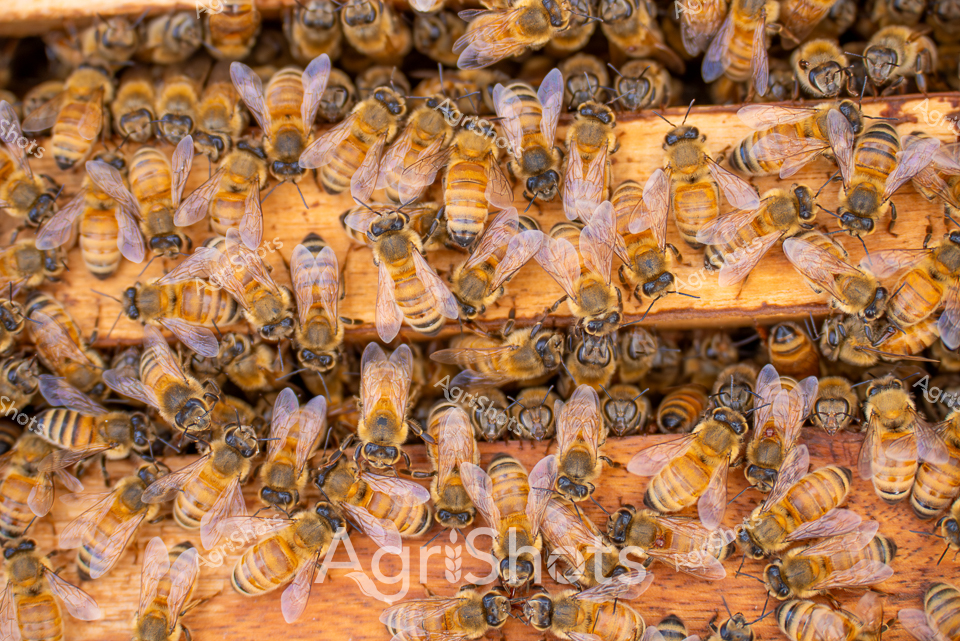
Honeybees cluster densely across warm golden wooden hive frames, their amber and black striped bodies creating a living tapestry of agricultural industry. Translucent wings shimmer against the rich timber surfaces, revealing intricate hexagonal honeycomb structures beneath their collective mass. Each bee appears meticulously positioned, representing the extraordinary collective intelligence of these crucial pollinators so vital to Tasmania's agricultural ecosystem. The tight formation suggests thermal regulation - a survival strategy where worker bees generate heat to protect their colony during the cooler Tasmanian winter months. Delicate wings overlap and intersect, creating a mesmerizing pattern of movement and stillness, highlighting the sophisticated social organization of these remarkable insects. The rich wooden tones and the bees' amber coloration evoke the warmth of honey and the deep connection between agricultural practices and natural biological systems.
 Image
Exposed clay-orange earth reveals the fragile geology of a Tasmanian winter landscape, where weathered eucalyptus trees cling precariously to an eroding riverbank. Silvery-grey tree trunks rise from the rust-colored soil, their gnarled roots partially exposed and twisting across the steep embankment, demonstrating nature's resilient struggle against environmental degradation. Sparse green foliage punctuates the scene, with slender saplings and hardy bushes emerging from the mineral-rich substrate, highlighting the persistent regenerative capacity of the Tasmanian wilderness. The vertical composition emphasizes the dramatic tension between geological instability and botanical persistence, creating a stark portrait of landscape transformation. Muted winter tones of sage, rust, and slate grey suggest a quiet, contemplative moment in the island's rugged terrain, where each exposed root and aged bank tells a story of slow, inexorable change. This image captures the delicate ecological balance of Tasmania's unique landscape, where soil conservation and environmental resilience intersect.
 Image
Bare-branched eucalyptus trees rise from a stark orange-red clay embankment, revealing the raw geological landscape of a Tasmanian winter. The silvery-grey trunks stand in dense, parallel formations, their slender forms creating a rhythmic pattern against the pale, overcast sky. Sparse green foliage clings to the upper branches, hinting at the resilience of vegetation in this challenging terrain. The exposed soil bank tells a story of geological processes and potential land management challenges, with its rich ochre tones contrasting dramatically against the muted forest palette. Roots of the trees grip tenaciously into the eroded ground, symbolizing the persistent struggle between vegetation and environmental forces. This landscape captures the essence of Tasmania's rugged agricultural frontier - a testament to the complex interplay between land, climate, and botanical survival.
 Image
Tender woolly lambkins frolic across a lush emerald pasture in Tasmania's early winter morning light, signaling the start of lambing season. A mature Coopworth ewe, her dense fleece textured with golden-cream hues, stands watchful amid her young offspring, who leap and play with unrestrained energy. Soft morning sunlight bathes the verdant paddock, casting gentle shadows and highlighting the delicate forms of the newborn lambs as they explore their world with spindly legs and curious gazes. The scene captures the quintessential rhythm of agricultural life - renewal, nurturing, and the perpetual cycle of growth that defines Tasmania's rich pastoral landscape. In the background, more ewes and lambs dot the green expanse, creating a living tableau of agricultural abundance and the gentle promise of spring. This image embodies the heart of Australian sheep farming - resilient, beautiful, and fundamentally connected to the rhythms of the land.
 Image
Muscular Angus cattle graze contentedly across a lush emerald pasture, their jet-black coats creating a striking contrast against the verdant winter landscape of Tasmania. Mature cows and younger calves spread across the grassland, each wearing distinctive blue ear tags that mark their individual identification. The backdrop reveals a dense forest of silvery-green eucalyptus trees climbing the gentle mountain slope, creating a quintessential Australian pastoral scene that speaks to the rich agricultural heritage of the region. The rolling green paddock stretches beneath a soft, muted winter sky, with the cattle seemingly unbothered by the cool season. Some animals stand alert, while others graze peacefully, showcasing the robust nature of the Angus breed - renowned for its adaptability and thriving condition even in cooler mountain landscapes. The depth of field captures the expansive nature of this Tasmanian cattle farm, with multiple animals positioned across the foreground, highlighting the healthy stock and well-maintained pasture. The image epitomizes the resilience and beauty of Australian agricultural landscapes, where premium beef production meets stunning natural environments. Each animal represents the quality and strength of Tasmania's livestock farming traditions.
 Image
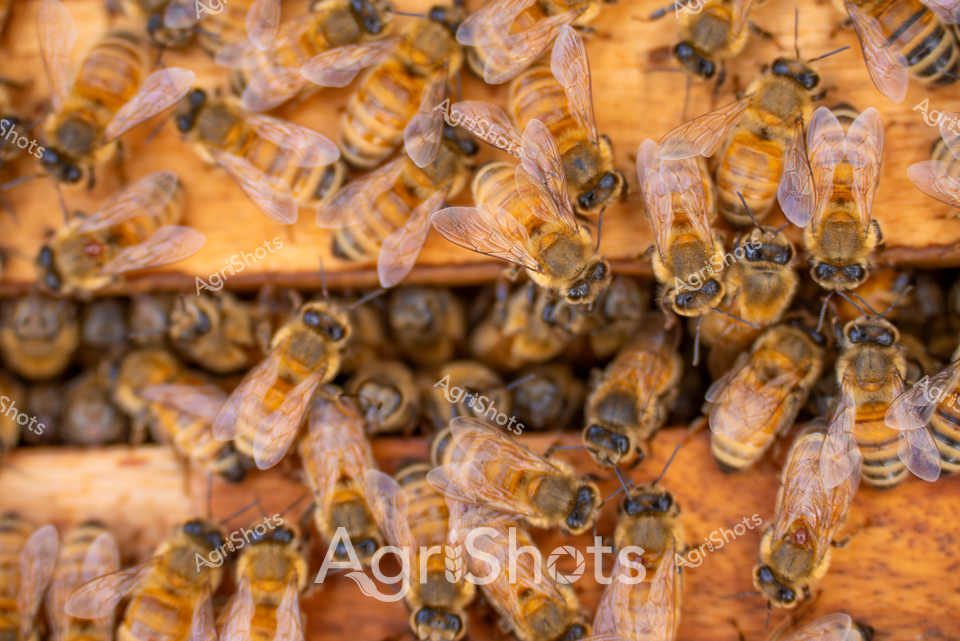
Honeybees cluster densely across a warm amber-toned wooden honeycomb frame, their translucent golden-brown wings overlapping in a mesmerizing collective pattern. Each bee displays intricate details - segmented bodies, delicate antennae, and subtle variations in amber and bronze coloration that capture the remarkable complexity of these social insects. The frame represents a snapshot of intense hive activity, with worker bees tightly packed together, likely managing brood cells, regulating hive temperature, or communicating through sophisticated chemical signals. This close-up reveals the extraordinary organizational structure of a bee colony, where every individual plays a critical role in the collective survival and productivity of the hive. The rich wooden textures and warm golden tones suggest a Tasmanian apiary during the quieter winter months, when bees cluster for warmth and conserve energy. The image celebrates the remarkable microcosm of bee society - a testament to nature's intricate design and the crucial role these pollinators play in agricultural ecosystems.
 Image
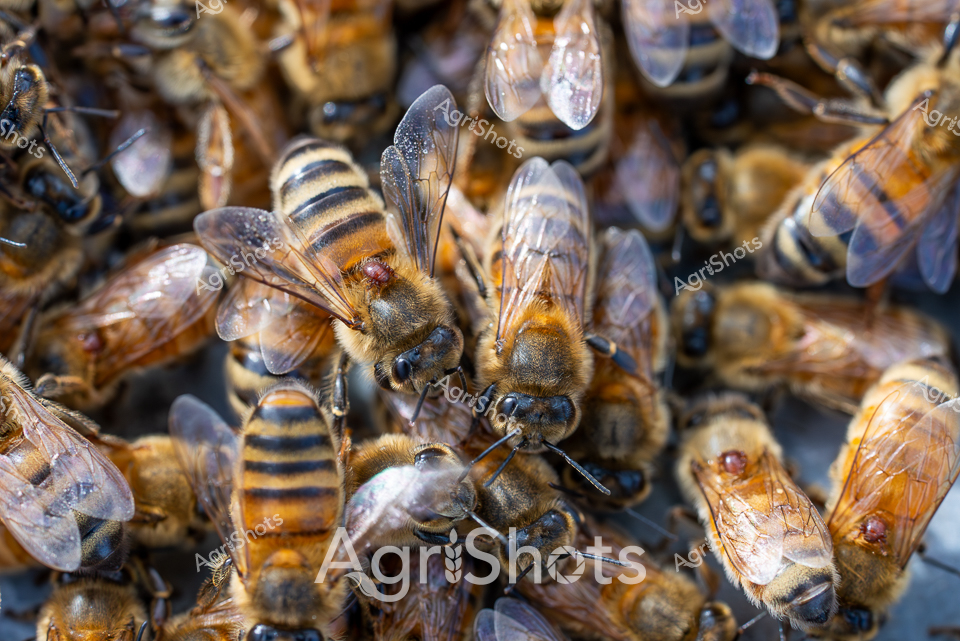
Honeybees cluster in a dense, living tapestry, their golden-amber bodies interwoven in a complex social dance within the hive. Translucent wings shimmer with delicate iridescence, catching the light and revealing intricate wing structures against the warm, textured bodies of worker bees. The close-up reveals the remarkable detail of these pollinators - their striped abdomens, fuzzy thoraxes, and compound eyes reflecting an extraordinary level of biological sophistication. Each bee is precisely positioned, demonstrating the remarkable collective intelligence of the colony, where every individual plays a crucial role in the survival and productivity of the hive. The image captures the intimate, bustling world of apiary life, showcasing the precision and communal nature of these essential agricultural partners that are critical to crop pollination across Tasmania's diverse agricultural landscapes. The rich golden and amber tones suggest a winter light, highlighting the resilience of these incredible insects during the cooler months of the agricultural cycle.
 Image
Golden swarms of European honeybees cluster densely in an intricate, living tapestry of amber and bronze. Delicate translucent wings overlap as hundreds of worker bees press together, their fuzzy golden-brown bodies creating a mesmerizing texture of movement and interconnection. Each bee's exquisite details are captured in sharp focus - segmented abdomens, fine antennae, and the subtle variations in their striped coloration revealing the complex social structure of this extraordinary colony. The tight clustering behavior suggests these bees are likely managing temperature regulation during the cooler Tasmanian winter months, huddling together to maintain critical warmth for colony survival. This intimate macro perspective offers a rare glimpse into the sophisticated collective intelligence of these remarkable pollinators, highlighting the intricate social systems that underpin agricultural ecosystems. The warm golden tones and precise biological details transform a simple bee cluster into a living, breathing portrait of collaborative survival.
 Image
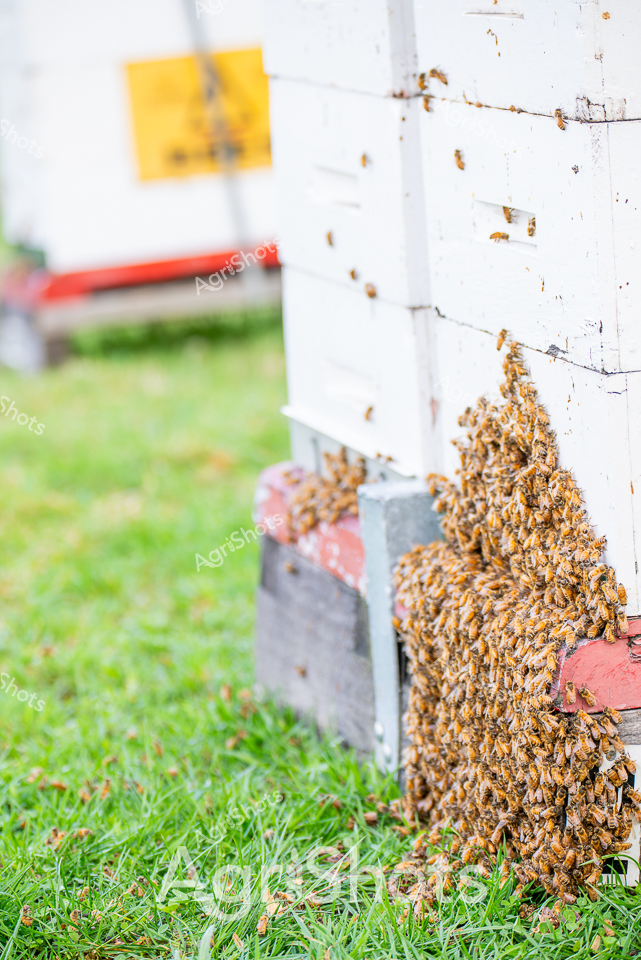
Honey-gold honeybees swarm densely across a white wooden beehive, creating a living, undulating mass against the crisp winter landscape of a Tasmanian apiary. Nestled on vibrant green grass with frost-tinged edges, the hive stands resolute, its white panels and pink-toned base providing stark contrast to the bustling colony clinging to its exterior. Clusters of worker bees congregate in tight, intricate formations, their collective movement suggesting a complex social choreography of survival and industry during the cold seasonal months. A blurred yellow sign in the background hints at the careful management and scientific precision of modern apiculture, while the meticulous arrangement of the hives speaks to the methodical approach of Tasmanian beekeepers. The scene captures the resilience of these remarkable insects, thriving even in the challenging winter environment, their golden bodies creating a living tapestry that symbolizes agricultural productivity and ecological interconnectedness. The image pulses with life, energy, and the quiet drama of agricultural practice in one of Australia's most renowned agricultural regions.
 Image
Soft winter light bathes a lush Tasmanian pasture where a diverse herd of deer grazes peacefully. Fawn and chestnut-colored deer intermingle with pale white individuals, creating a mosaic of movement across the verdant green grassland. Towering eucalyptus and native forest trees form a dense, textured backdrop of olive and sage tones, their branches reaching skyward and framing the pastoral scene. Young fawns nestle close to their mothers, some grazing while others stand alert, reflecting the gentle rhythm of farm life in this pristine Tasmanian landscape. The herd appears well-maintained, suggesting careful agricultural management of these deer, likely for venison production or specialty livestock breeding. The serene composition captures the essence of Tasmania's rich agricultural diversity - a harmonious blend of native wilderness and carefully cultivated livestock set against a landscape of remarkable natural beauty.
 Image
Fallow deer populate a lush winter pasture in rural Tasmania, their varied coat colors ranging from creamy white to rich chestnut brown creating a living tapestry across the verdant landscape. The herd grazes peacefully, with some animals bearing distinctive antlers while younger deer move between the adults, showcasing the generational depth of this managed wildlife population. Soft winter light illuminates the green grasslands, with scattered eucalyptus trees providing a classic Tasmanian agricultural backdrop that speaks to the island's unique ecosystem and wildlife management practices. Scattered throughout the scene, deer of different ages demonstrate the health and diversity of this carefully maintained herd, their delicate legs and alert postures highlighting the grace of these introduced species that have become an integral part of Tasmania's agricultural landscape. The dense clustering and relaxed behavior of the deer suggest a well-managed property with optimal grazing conditions, representing the careful balance between wildlife conservation and agricultural land use that characterizes Tasmania's rural environments.
 Image
A vibrant, bustling colony of honeybees clusters tightly together, their golden-amber bodies gleaming with intricate striped patterns and delicate, translucent wings. Captured in exquisite macro detail, the bees huddle in a dense, organic mass that pulses with collective energy, each individual precisely positioned yet part of a complex social organism. Soft amber and brown tones dominate the image, with hints of iridescent blue-grey in their translucent wings, creating a rich textural landscape of fuzzy bodies and gossamer membranes. The close framing reveals the incredible biomechanical design of these crucial pollinators - their segmented bodies, compound eyes, and delicate wing structures showcasing nature's extraordinary engineering. This is a Tasmanian winter scene from an active apiary, where the bee colony maintains its critical warmth and social structure during the colder months, demonstrating the remarkable resilience and interconnectedness of these essential agricultural workers. The image captures the silent, intense communication and survival strategies of a honeybee community, a microcosm of agricultural productivity and natural wonder.
 Image
A serene winter herd of fallow deer grazes peacefully across a verdant pasture in Tasmania, their tawny and white coats blending harmoniously against the lush green grassland. Dense eucalyptus woodland rises in the background, creating a classic Tasmanian agricultural landscape that speaks to the state's diverse pastoral heritage. The herd displays remarkable uniformity, with dozens of deer quietly browsing, their heads lowered in synchronized feeding patterns across the undulating paddock. A few lighter-colored individuals stand out among the predominantly brown animals, adding visual interest and highlighting the genetic diversity within this managed deer population. The scene captures the tranquil intersection of wildlife management and agricultural land use, demonstrating how introduced species can be sustainably integrated into Tasmania's rich ecological environments. The soft winter light casts a muted, even illumination across the landscape, emphasizing the textural details of the deer's winter coats and the layered, moss-green forest behind them.
 Image
Grazing across a verdant Tasmanian alpine meadow, a magnificent herd of deer spreads out among weathered stone outcroppings, creating a breathtaking tableau of wilderness and wildlife. The lush green landscape, softened by winter's gentle touch, provides a rich pasture for dozens of deer, their brown and tan coats blending subtly with the rocky terrain. Scattered boulders rise like ancient sentinels, breaking the sweeping grassland into natural compartments where small groups of deer cluster and graze. Each animal stands alert yet relaxed, some browsing on low vegetation while others stand watchful, their delicate legs and elegant forms casting shadows on the emerald ground. The scene captures the raw beauty of Tasmania's high country, where wildlife moves with quiet grace across an undulating landscape of stone and grass. This expansive view speaks to the pristine natural environments that make Tasmania a unique sanctuary for wildlife and a remarkable example of unspoiled ecological diversity.
 Image
A sweeping emerald pasture in Tasmania hosts a magnificent herd of fallow deer, densely clustered across undulating grasslands. The expansive mob represents hundreds of deer, their coats ranging from rich chocolate brown to creamy white, creating a living tapestry against the verdant winter landscape. Scattered rocky outcrops and sparse winter-bare trees frame the scene, suggesting a high-country pastoral setting typical of Tasmania's rugged agricultural regions. Small clusters and individual deer graze peacefully, while others stand alert, their slender forms creating a dynamic, organic composition that speaks to the careful wildlife management of the island's agricultural estates. The soft, muted winter light casts gentle shadows across the herd, highlighting the nuanced textures of fur and terrain, and conveying a sense of serene abundance in this pristine Tasmanian wilderness. This landscape captures the delicate balance between managed wildlife populations and the natural rhythms of pastoral ecosystems, showcasing the diverse agricultural practices that define Tasmania's unique rural character.
 Image
Andean mountain pastures bloom with silvery tussock grasses, hosting a graceful herd of deer traversing the undulating terrain. A mix of tawny brown and pristine white deer move in single file across the windswept slope, their delicate hooves picking careful paths through the dense, windswept grassland. The landscape speaks of Tasmania's rugged high country - a windswept plateau where winter's muted palette of ochres, browns, and pale straw creates a textural canvas of remarkable subtlety. Each animal moves with an elegant, synchronized rhythm, their lean bodies blending seamlessly with the native grassland ecosystem. The image captures a moment of quiet migration, where the deer appear both vulnerable and perfectly adapted to this challenging alpine environment. Wispy grass heads sway and shimmer, creating a soft, impressionistic backdrop that emphasizes the fluid movement and natural harmony of the herd.