Browse the collection
 Image
Golden tendrils of dawn mist weave through a pristine Queensland landscape, transforming the dense eucalyptus woodland into a luminous dreamscape. Soft amber light bathes the rolling terrain, casting long shadows and creating ethereal veils between ancient trees standing sentinel across the undulating horizon. The Queensland reveals itself in breathtaking layers - foreground trees emerging from swirling fog, distant treelines blending into a rich golden-orange sky that speaks of winter's gentle embrace. Delicate rays of sunlight pierce through the atmospheric haze, highlighting the textural complexity of the native bushland and creating a sense of quiet anticipation for the day ahead. This tranquil scene captures the raw, untouched beauty of rural Queensland, where landscape and light dance in perfect, ephemeral harmony. The image embodies the serene magic of an Australian winter morning, where mist, moisture, and golden sunlight collaborate to create a landscape of profound, sublime beauty.
 Image
Sunlight bathes a quintessential Queensland grassland landscape, revealing the rugged beauty of a regenerative agricultural terrain in Queensland. Golden winter grasses dominate the foreground, their dried stalks swaying gently against a backdrop of scattered eucalyptus trees with soft green foliage. The undulating landscape speaks to the resilience of Australian pastoral ecosystems, where native vegetation and agricultural practices coexist in delicate balance. Patches of exposed earth and varying grass heights suggest a carefully managed landscape, likely part of a sustainable farming approach that prioritizes soil health and biodiversity. The clear azure sky and warm light indicate a crisp winter morning, typical of Queensland's mild dry season, when grasslands transform into a palette of amber and gold. This scene captures the essence of Australian rural landscapes - a testament to the intricate relationship between land management, ecological restoration, and agricultural sustainability.
 Image
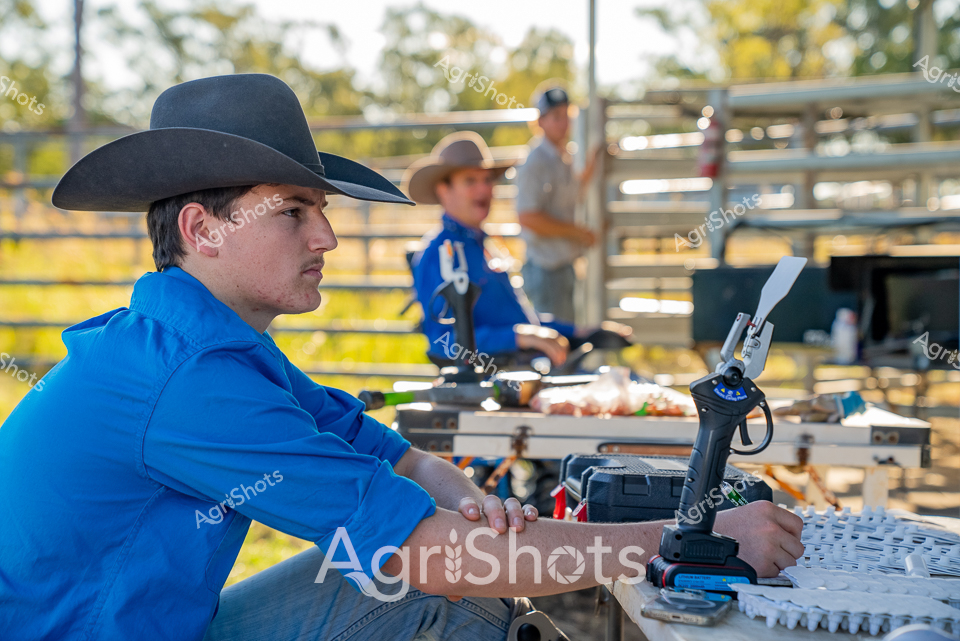
Young stockman in a deep navy blue shirt and classic black cowboy hat operates precision cattle tagging equipment in a sunlit rural Queensland cattle yard. Weathered wooden livestock yards frame the background, with golden winter light filtering through distant trees, creating a soft, warm atmosphere typical of the Queensland. The stockman leans intently over a professional data recording station, his hands carefully managing specialized electronic ear-tagging gear, demonstrating the modern technological approach to livestock management. In the background, another worker in a blue jacket and cowboy hat assists, suggesting a collaborative team approach to cattle processing. The scene captures the intersection of traditional agricultural practices and contemporary digital tracking technologies, highlighting the precision and care fundamental to Queensland's cattle industry. Metallic equipment, crisp blue workwear, and the natural timber and landscape tones create a composition that speaks to the professionalism and heritage of Australian rural work.
 Image
In the steel-clad interior of a rural sheep handling shed, a seasoned farmer tenderly administers livestock care during lamb processing season. Wearing a classic wide-brimmed Australian farmstead hat and a navy wool jacket, the weathered agricultural worker carefully uses a blue Te Pari drench gun to provide medication or nutritional supplement to a young lamb. The precise agricultural equipment surrounds him - a Clipex sheep handler and digital weighing scale frame the intimate moment of animal health management. Winter's muted light filters through the corrugated metal walls, casting soft shadows across the working space and highlighting the gentle interaction between human and livestock. The farmer's experienced hands move with practiced efficiency, representing generations of agricultural knowledge and compassionate animal husbandry typical of regional Victoria's pastoral landscape. This scene captures the quiet dedication of Australian farmers, where technology and traditional farming practices merge to ensure the health and productivity of their flocks.
 Image
In the heart of Victoria's Moorabool region, a skilled farm worker tends to a lamb within a robust Clipex sheep handler during the crisp winter months. Dressed in a navy blue knitted jacket and a wide-brimmed sun hat, the worker carefully administers medication using a bright blue Te Pari drench gun, a precision tool designed for efficient animal health management. The metallic sheep handling equipment surrounds the lamb, with a Tru-Test digital scale visible in the background, suggesting a methodical approach to livestock care and monitoring. Soft, creamy wool contrasts against the industrial steel infrastructure, while the worker's weathered hands demonstrate years of agricultural expertise. The controlled environment—a corrugated metal shed—provides shelter and stability for this critical task of drenching, which helps maintain the flock's health and productivity. Every movement speaks to the careful, professional approach of Australian farmers who blend traditional skills with modern agricultural technologies.
 Image
In the cool light of a Victorian winter morning, a skilled farm worker wearing a navy sweater and wide-brimmed hat operates precision livestock management technology within a steel-framed sheep handling shed. A Tru-Test digital scale display shows critical weight measurements at 4.2, while the worker carefully manages a blue Te Pari drench gun, preparing to administer animal health treatment to a young lamb. The corrugated metal walls and robust Clipex sheep handler frame the scene, highlighting the blend of traditional farming practices and modern digital agricultural technologies. Soft ambient light filters through the shed, casting subtle shadows across the metallic equipment and creating a sense of quiet concentration as the worker methodically tends to the animal's health requirements. This image captures the meticulous care and technological sophistication of contemporary Australian sheep farming, where animal welfare and precise data management intersect in the working landscape of the Moorabool region.
 Image
A skilled farmer in a navy blue fleece and wide-brimmed hat carefully administers livestock medication using a blue Te Pari drench gun in a steel-framed sheep handling facility. The weathered farmhand grips a young lamb firmly yet gently, ensuring precise dosage of animal health treatment during the winter drenching process. Metallic equipment frames and yellow machinery partially visible in the background suggest a well-equipped, professional agricultural workspace typical of Victoria's Moorabool region. Soft blues of the drench gun contrast with the warm tones of the lamb's wool and the farmer's ruddy complexion, capturing the tactile, hands-on nature of pastoral care. This intimate moment demonstrates the meticulous attention to animal health and welfare integral to successful sheep farming, where every individual animal receives careful management. The scene epitomizes the quiet expertise of Australian agricultural workers, balancing technological tools with generations of practical knowledge.
 Image
Brahman cattle shift nervously through the steel-framed export yards near Adelaide River, Northern Territory. A worker in a vivid pink long-sleeved shirt stands alert in the cattle crush, his brown felt work cap positioned carefully as he monitors the livestock's movement. Another worker in a blue shirt with a yellow-trimmed cap speaks on a mobile phone, maintaining communication during the critical drafting process. The industrial steel infrastructure surrounds them - a complex network of metal gates, chutes, and hydraulic equipment designed for efficient cattle handling. Harsh sunlight streams through the open-sided structure, casting sharp shadows across the weathered metal surfaces and highlighting the dusty, utilitarian environment of this critical agricultural logistics point. The scene captures the precision and focus required in preparing livestock for potential live export, a key economic activity in Australia's northern cattle industry.
 Image
Merino ewes gather around a golden hay bale in a lush winter pasture, their woolly coats gleaming softly against the deep green backdrop of pine trees. The tranquil rural scene captures the essence of Victorian sheep farming in the Moorabool region, where verdant winter grasslands provide sustenance for a healthy flock. Varied in age, the ewes and lambs cluster near the hay bale, some standing alert with elegant necks stretched, others grazing peacefully on the straw-strewn ground. The rich texture of the hay contrasts beautifully with the silvery-white fleeces of the sheep, creating a serene pastoral tableau that speaks to the rhythms of agricultural life. Soft grey-green grasses carpet the ground, while the dense pine forest creates a sheltered environment protecting the flock from winter winds. This image epitomizes the quiet productivity of Australian sheep farming - a testament to careful husbandry and the harmonious relationship between livestock and landscape.
 Image
In the dim light of a corrugated-iron sheep shed, a seasoned farmer stands resolute in a navy wool sweater and wide-brimmed sun hat, carefully administering animal health treatment. A sophisticated Te Pari drench gun rests in his hand, delivering precise medication to a lamb secured in the metallic weighing cradle. The Tru-Test digital scale display illuminates the space, recording critical data at 45.0 kilograms with clinical accuracy, highlighting the meticulous approach to livestock management. Winter's muted palette permeates the scene - steel grays, industrial blues, and weathered metal surfaces reflect the pragmatic resilience of agricultural practice in Victoria's Moorabool region. Intricate equipment and thoughtful technique converge, demonstrating the modern farmer's commitment to animal welfare through advanced technological intervention. The carefully controlled environment of the sheep yards speaks to generations of agricultural knowledge distilled into every measured movement and calculated treatment.
 Image
Merino ewes cluster around a golden hay bale nestled in a lush winter pasture of the Moorabool Region, Victoria. The flock of pale cream-fleeced lambs and adult sheep graze contentedly beneath towering pine trees, creating a serene pastoral landscape that captures the essence of Australian sheep farming. Soft straw blankets the ground, providing texture and warmth against the rich green backdrop of winter vegetation. Each woolly animal stands with quiet purpose, their delicate frames and alert postures showcasing the robust yet gentle nature of these prized Merino sheep. The dense hay bale serves as a central landmark, offering sustenance and shelter, symbolizing the careful nurturing practiced by regional farmers. This tranquil scene represents the quiet productivity of Victorian agricultural landscapes - where careful husbandry, natural beauty, and livestock welfare combine to create a harmonious agricultural ecosystem.
 Image
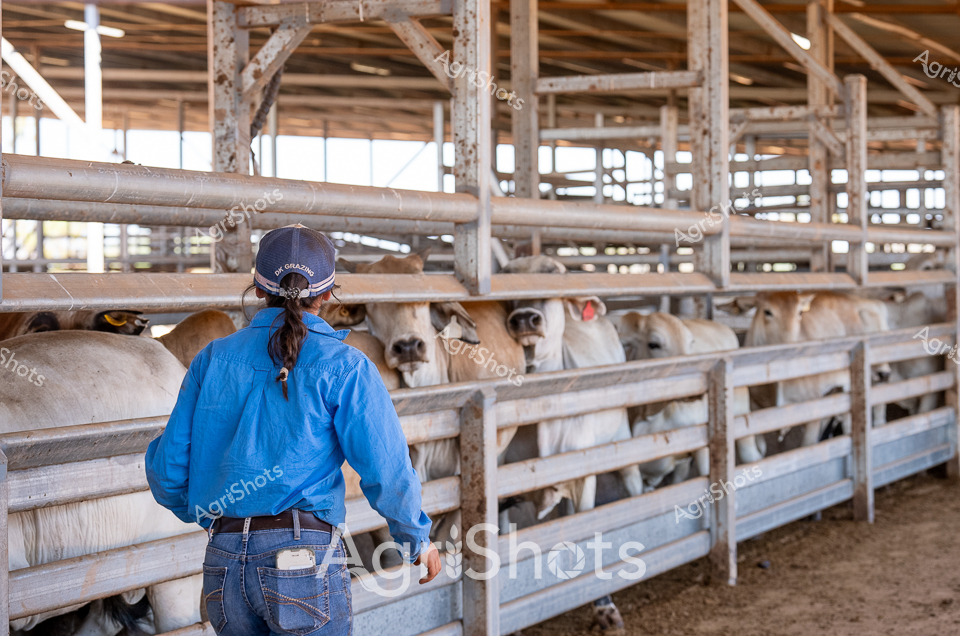
A seasoned livestock handler stands resolute in a robust timber and metal cattle yard, surveying a line of pristine Brahman cattle. Dressed in a vivid blue work shirt and a navy cap, the person faces away, embodying the quiet concentration of agricultural professionals. The cattle - pale, muscular, and alert - are penned in meticulously constructed wooden and metal gates, their distinctive broad heads and muscular frames characteristic of the resilient Brahman breed. Soft natural light filters through the structural framework of the shed, casting gentle shadows across the packed earth floor and highlighting the industrial yet carefully maintained agricultural infrastructure. This scene captures the precision and care integral to the Northern Territory's cattle export industry, where generations of expertise converge in the careful management of livestock. The image resonates with the unspoken rhythms of rural work - a testament to the skill, dedication, and understated strength of those who sustain Australia's agricultural heritage.
 Image
Working the Cattle Yards: A Northern Territory Perspective Under the golden autumn light of the Adelaide River region, a dedicated agricultural team operates a sophisticated cattle drafting system. Wearing practical workwear in shades of blue, yellow, and pink, the team moves with synchronized efficiency around a heavy-duty cattle crush, essential equipment for managing Brahman cattle in the Northern Territory's live export industry. Sunlight filters through the open-sided steel-framed shed, casting long shadows across the dusty yard where metal gates and hydraulic mechanisms stand ready to safely handle and process livestock. The workers - representing a diverse team that includes women in agriculture - demonstrate professional calm and expertise, their body language revealing years of experience in this challenging environment. Overhead, industrial lighting and exposed structural timbers frame the scene, while glimpses of paddocks and trees outside suggest the expansive northern Australian landscape. This image captures the technical precision and human skill integral to modern pastoral operations, highlighting the blend of technology, animal husbandry, and human teamwork that defines contemporary Australian cattle management.
 Image
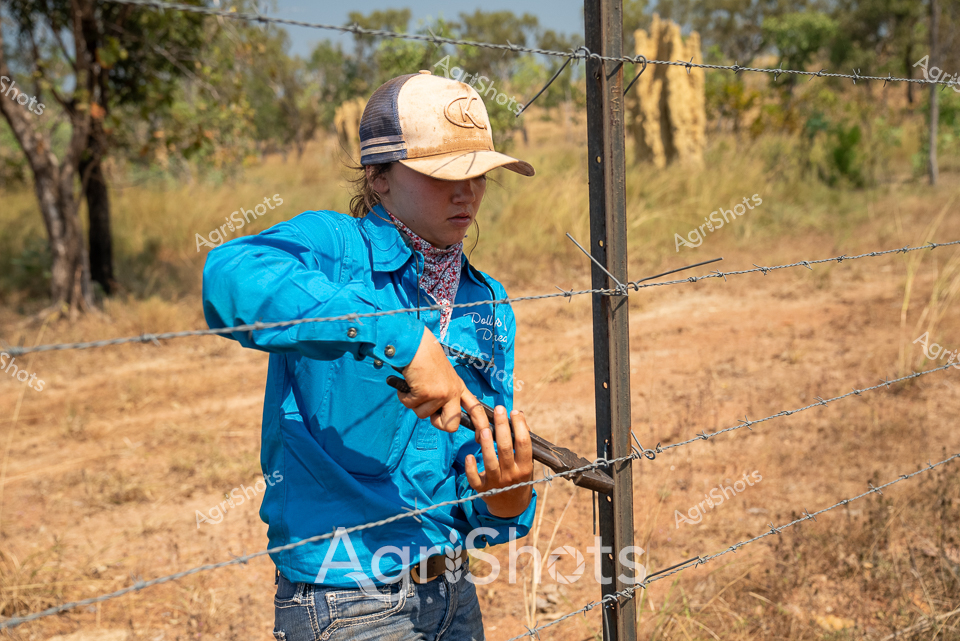
Rural fencing expertise unfolds against a sun-drenched Northern Territory landscape. A skilled agricultural worker in a vibrant turquoise work shirt and patterned bandana concentrates intently while repairing a barbed wire fence, her hands deftly manipulating the wire with practiced precision. Wearing a classic rural baseball cap and standing amid dry grasslands and scattered eucalyptus trees, she embodies the resilience of women in Australian agriculture. The golden-brown earth and weathered fence posts tell a story of challenging pastoral conditions, while her purposeful stance suggests the ongoing maintenance critical to rural infrastructure. Her attire - functional blue workshirt, carefully fitted jeans, and protective headwear - speaks to both practical necessity and professional pride in agricultural work. The scene captures a powerful moment of quiet determination, representing the DoitforDolly campaign's spirit of rural community solidarity and women's crucial role in agricultural landscapes.
 Image
Rural resilience gleams in the crisp autumn light of the Northern Territory's Adelaide River region. A woman in a vibrant blue work shirt carefully repairs a barbed wire fence, her movements deliberate and practiced against a backdrop of golden grasslands and scattered eucalyptus trees. Her tan trucker cap and protective workwear speak to the challenging agricultural environment, while her focused posture demonstrates the precision required in rural maintenance. The stark wire fence cuts through the dry landscape, a testament to the boundaries that define pastoral life in this rugged terrain. Her blue shirt bears a subtle logo, hinting at a professional agricultural organization, while the "DoitforDolly" tag suggests a connection to rural community support initiatives. The scene captures the essence of Australian agricultural work - resilient, methodical, and deeply connected to the land, with each careful wire adjustment representing the ongoing care and maintenance that sustains rural communities.
 Image
Dusty autumn sunlight bathes the expansive cattle yards of Australia's Adelaide River region in the Northern Territory. A dense herd of Brahman cattle—a distinctive breed renowned for heat tolerance and tick resistance—clusters tightly within sturdy metal fence panels. Their varied coats range from pristine white to rich chocolate brown and charcoal grey, showcasing the genetic diversity of this robust breed. In the background, a robust John Deere tractor and feed mixer stand ready, representing the sophisticated agricultural infrastructure supporting the live export industry. Sparse eucalyptus woodland frames the scene, its muted green and brown tones reflecting the dry seasonal landscape. This powerful image captures the intersection of modern agricultural technology and traditional cattle breeding, highlighting the Northern Territory's critical role in Australia's livestock export economy—a testament to the resilience and innovation of rural agricultural practices.
 Image
A young farm worker, dressed in a vibrant blue work jacket and a light-colored cap, stands focused among the golden grasslands of the Adelaide River region in the Northern Territory. Her hands grip a steel fencepost as she carefully adjusts the barbed wire, her posture reflecting the precision and dedication of rural agricultural work. The dry autumn landscape surrounds her, with scattered gum trees and sun-bleached grasses creating a quintessential Top End backdrop. Her attire - practical and sturdy - speaks to the DoitforDolly campaign, a grassroots movement against rural bullying that has become a powerful symbol of community solidarity in agricultural regions. The image captures a moment of quiet concentration, highlighting the essential role of women in Australian agriculture, their resilience etched in every careful movement. The barbed wire fence represents more than a boundary - it's a testament to the ongoing work of maintaining and protecting rural landscapes.
 Image
Golden tendrils of dawn pierce through a misty winter landscape in Queensland's Queensland, illuminating a tranquil pastoral scene. Gossamer layers of morning fog drift between silhouetted trees, creating ethereal light streams that transform the rural terrain into a luminous canvas. Soft amber and emerald hues blend across the undulating landscape, with scattered eucalyptus and native trees standing sentinel in the golden morning light. The rising sun blazes with intense radiance, casting long dramatic shadows and warming the cool morning atmosphere with its brilliant amber glow. Distant hills fade into a hazy horizon, softened by delicate mist that hovers just above the ground, lending an almost mystical quality to this quintessential Australian agricultural landscape. The scene captures the serene beauty of rural Queensland at daybreak - a moment of quiet anticipation before the day's agricultural activities commence.
 Image
Pearlescent dawn light cascades across an expansive cattle yard near Adelaide River, Northern Territory, where hundreds of pale Brahman cattle crowd together in meticulously organized paddocks. The early autumn morning bathes the landscape in soft golden hues, casting long shadows across the dusty earth and highlighting the muscular, pale grey and white bodies of these iconic Australian livestock. Sturdy steel fencing defines geometric holding areas, creating a structured backdrop against the undulating bushland and distant blue-green treeline. These export-ready cattle, renowned for their heat tolerance and distinctive humped shoulders, stand clustered in tight formations, their collective presence a testament to the Northern Territory's robust pastoral industry. The dramatic cloudscape overhead suggests the transitional season, with wispy stratified clouds creating a textural canvas that echoes the dense arrangement of cattle below. This scene captures the raw essence of Australian cattle farming - a delicate balance of agricultural precision, natural beauty, and the enduring spirit of the northern pastoral landscape.
 Image
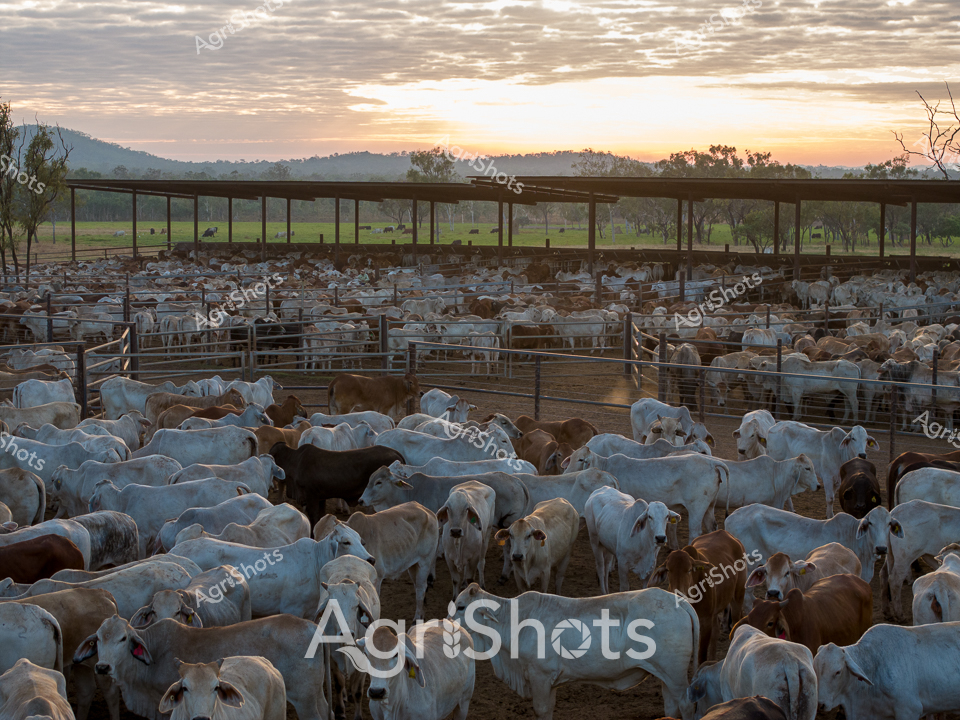
Golden light breaks across the horizon, illuminating a vast cattle yard filled with pristine Brahman cattle. The early morning sunrise casts a soft, textured glow over hundreds of white and rich brown cattle, tightly packed within steel rail enclosures. These robust, muscular cattle - hallmarks of Northern Territory pastoral landscapes - stand clustered together, their distinctive humped shoulders and loose skin reflecting the Adelaide River region's rugged agricultural heritage. Skeletal gum trees punctuate the distant treeline, silhouetted against a layered cloudscape of muted greys and warm amber tones. The expansive export yards stretch across the foreground, representing Australia's critical live cattle export infrastructure, with neat metal pens containing these carefully managed herds. This panoramic scene captures the essence of northern Australian cattle production - a testament to the resilience of pastoral agriculture in one of the continent's most challenging environments.
 Image
Pearlescent dawn light bathes the expansive Adelaide River cattle yards, revealing a dense congregation of Brahman cattle packed into interconnected metal pens. Predominantly white and light brown cattle stand shoulder-to-shoulder, their distinctive humped shoulders and loose skin characteristic of this heat-tolerant tropical breed. The early morning landscape stretches beyond the yards, with misty blue-green hills and scattered gum trees creating a quintessential Northern Territory backdrop. Soft golden sunlight filters through a textured cloud cover, casting long shadows across the dusty holding area and illuminating the muscular frames of these export-ready cattle. The meticulously organized yards represent a critical infrastructure of Australia's live export industry, showcasing the scale and precision of modern pastoral operations. In the distant green pastures, a few lone cattle graze, providing a serene counterpoint to the bustling, tightly packed export yards in the foreground.
 Image
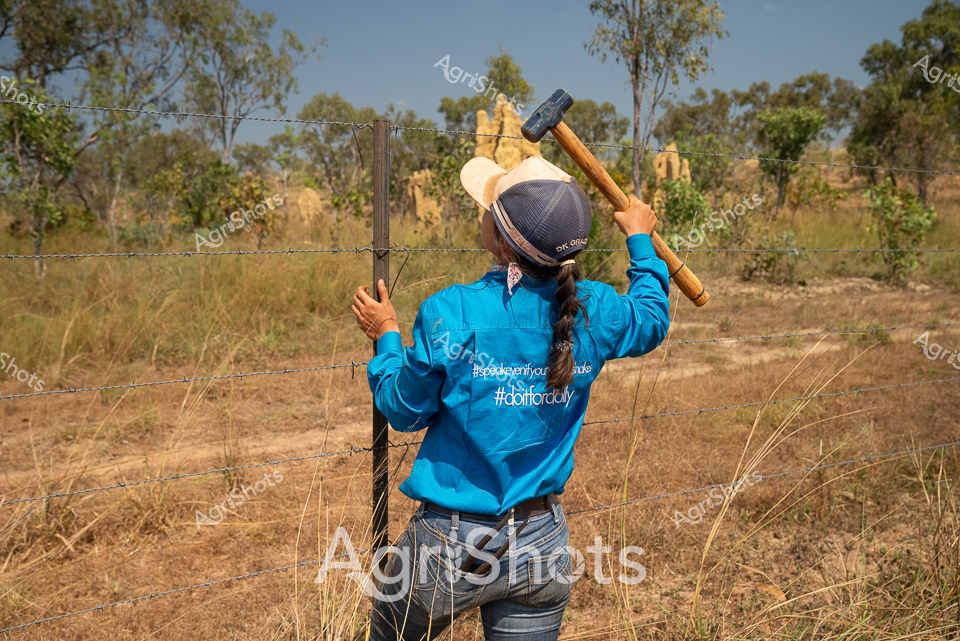
Fencing the dusty savanna of Australia's Northern Territory, a dedicated agricultural worker reinforces boundary lines under the golden afternoon light of autumn. Dressed in a vibrant blue long-sleeved work shirt and a protective cap, the individual carefully stretches barbed wire between sturdy metal fence posts, surrounded by sparse eucalyptus trees and dry grasslands. A weathered hammer rests across their shoulder, ready to secure the wire, while their back is turned to reveal a hashtag #doitfordolly printed on their shirt - suggesting a deeper community narrative or memorial purpose behind this rural task. The landscape speaks of resilience: sun-bleached grasses, scattered woodland, and the essential infrastructure of agricultural boundaries that define pastoral life in remote Australian regions. Her careful, methodical approach to mending the fence represents the quiet determination of women in agriculture, maintaining critical infrastructure under challenging environmental conditions. The scene captures the essence of rural work - solitary, precise, and fundamental to sustaining livestock and land management in one of Australia's most demanding agricultural landscapes.
 Image
Windswept grasslands stretch beneath a pale blue sky as a rural worker repairs a barbed wire boundary fence. Wearing a brilliant turquoise long-sleeved work shirt and a protective straw sun hat, the skilled agricultural worker carefully tensions the wire, her hands deftly manipulating the fence line. Weathered denim jeans and sturdy boots anchor her stance on the dry, ochre-colored earth, with scattered gum trees providing a sparse backdrop to her focused labor. A red toolkit rests on the ground, suggesting methodical preparation for rural maintenance work. This scene captures the resilience and practical skill of agricultural workers managing remote landscape boundaries, embodying the "Women in Ag" spirit of rural Australia. The image speaks to the ongoing maintenance and care required to manage pastoral lands in the challenging Northern Territory environment, specifically around the Adelaide River region during the autumn season.
 Image
Rural Resilience: Boundary Building in the Top End A dedicated agricultural worker navigates the challenging terrain of the Adelaide River region, her bright blue workshirt a beacon against the sun-bleached grasslands of the Northern Territory. Carefully maneuvering along a barbed wire fence line, she balances with practiced skill, her sturdy work boots gripping the fence post as she tensions the wire. A straw hat shields her from the intense Territory sun, while a red-handled fencing tool lies ready at her feet - a testament to the day's labor. The dry season landscape surrounds her - golden grasses, scattered eucalyptus trees, and the unmistakable red earth that defines Australia's rugged agricultural heartland. This is more than just fence maintenance; it's a moment of connection between human determination and the harsh but beautiful rural environment. Her posture speaks of strength, skill, and an intimate understanding of the land - a powerful representation of women's critical role in Australian agriculture.