About this image
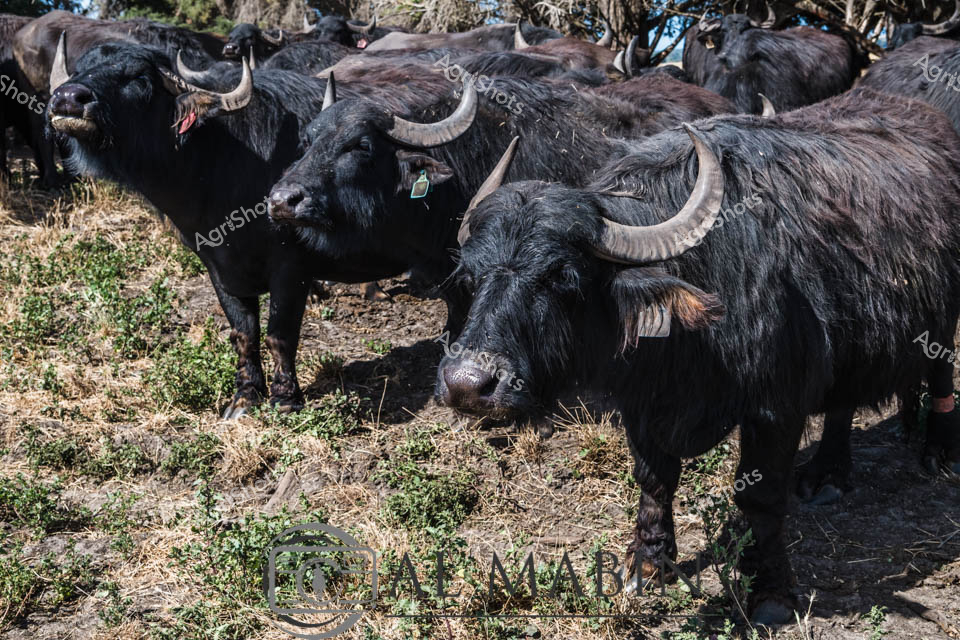
Water buffalo cluster in a dense herd across a dry, sparse pasture with scattered ground vegetation and trees in the background. Their massive black bodies and curved white horns create a powerful visual, highlighting the robust nature of these resilient dairy animals. Each buffalo displays a distinctive thick, bristly coat and muscular frame, adapted to challenging agricultural environments. One animal wears a green ear tag, signaling systematic livestock management and tracking within the herd. The ground appears slightly parched, suggesting a late summer or early autumn setting in the Barwon South Region of Victoria, where these animals play a critical role in specialized dairy production. The tight grouping of the buffalo indicates a calm, well-managed herd, with animals standing closely together in a typical protective formation characteristic of their social structure.
Similar media
 Image
Image
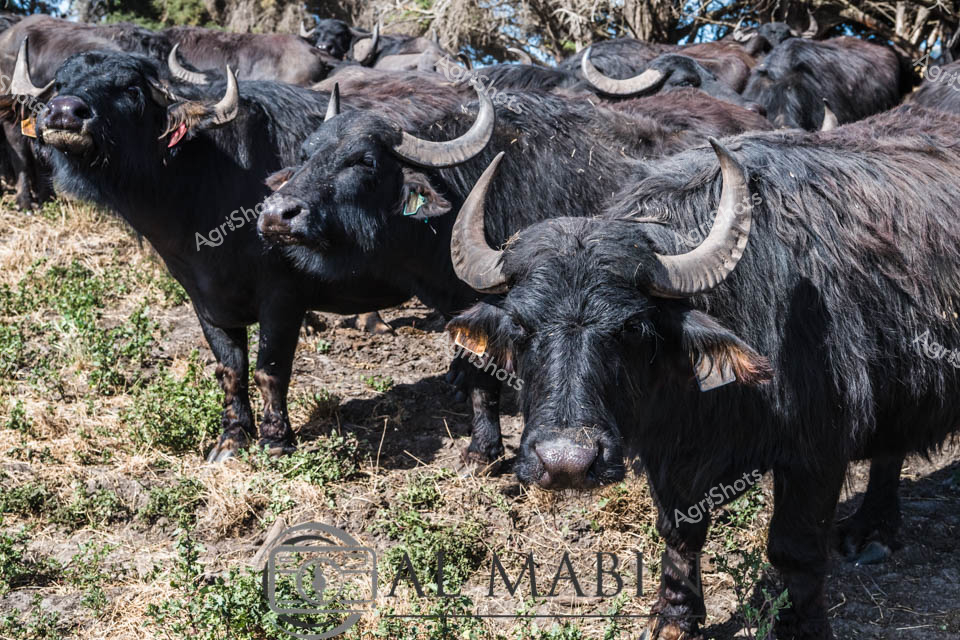
Water buffalo cluster in tight formation across a rugged pasture, their dense black coats and curved ivory-tipped horns creating a powerful visual landscape. These robust dairy animals represent a critical agricultural resource in Victoria's Barwon South Region, their muscular frames highlighting the hardy nature of buffalo breeds adapted to challenging rural environments. Thick fur absorbs the midday sunlight, while their closely packed bodies suggest a sense of protective herd solidarity against the sparse grassland backdrop. Ear tags glint softly, indicating professional livestock management and traceability within modern agricultural practices. The buffalo's broad muzzles and alert postures demonstrate their resilience, with each animal displaying subtle individual characteristics while maintaining a collective presence. Weathered ground beneath them speaks to the challenging terrain of this southeastern Australian agricultural landscape, where these animals contribute significantly to specialized dairy production systems.
 Image
Image
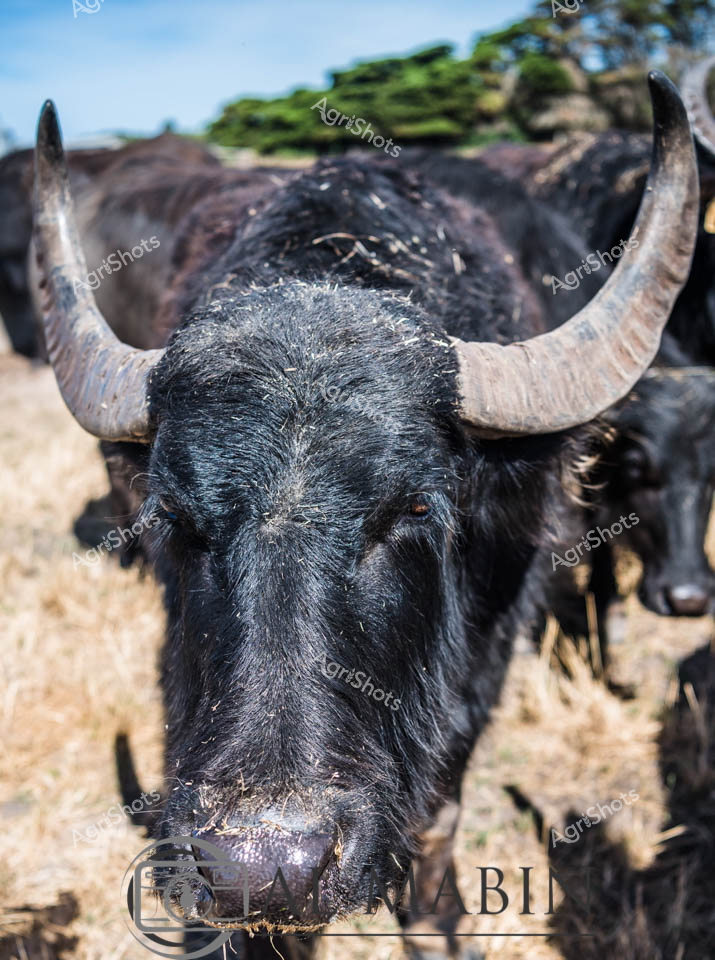
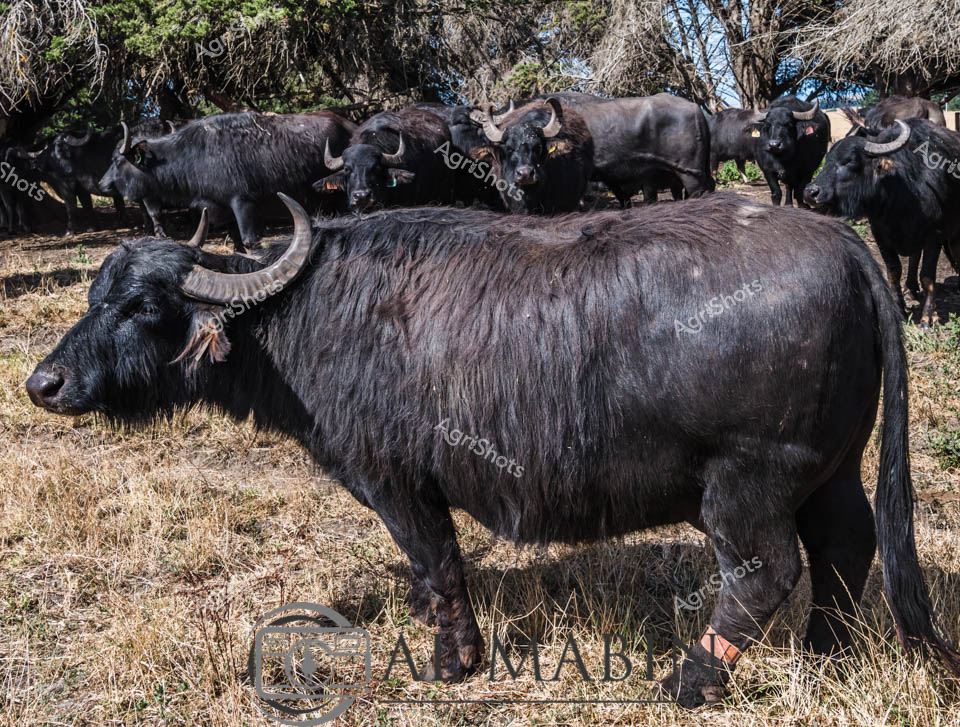
A robust water buffalo dominates the frame, its massive curved horns and dense charcoal-black coat capturing the rugged essence of Australia's northern pastoral landscapes. Weathered and powerful, the animal's close-up perspective reveals intricate textural details - coarse hair with silver-grey highlights, a broad muscular neck, and an intense, knowing gaze that speaks to generations of agricultural resilience. The dry golden grassland and soft green treeline in the background suggest a late dry season setting, typical of northern Queensland or the Northern Territory's agricultural regions. This magnificent beast represents more than just livestock; it embodies the hardy spirit of tropical dairy and beef production, where water buffalo have become an integral part of Australia's diverse agricultural heritage. The animal's proximity and direct eye contact create an intimate, almost confrontational composition that highlights the strength and character of these remarkable bovine breeds. Every textural nuance - from the slightly mottled hide to the worn horns - tells a story of survival in challenging pastoral environments.
 Image
Image
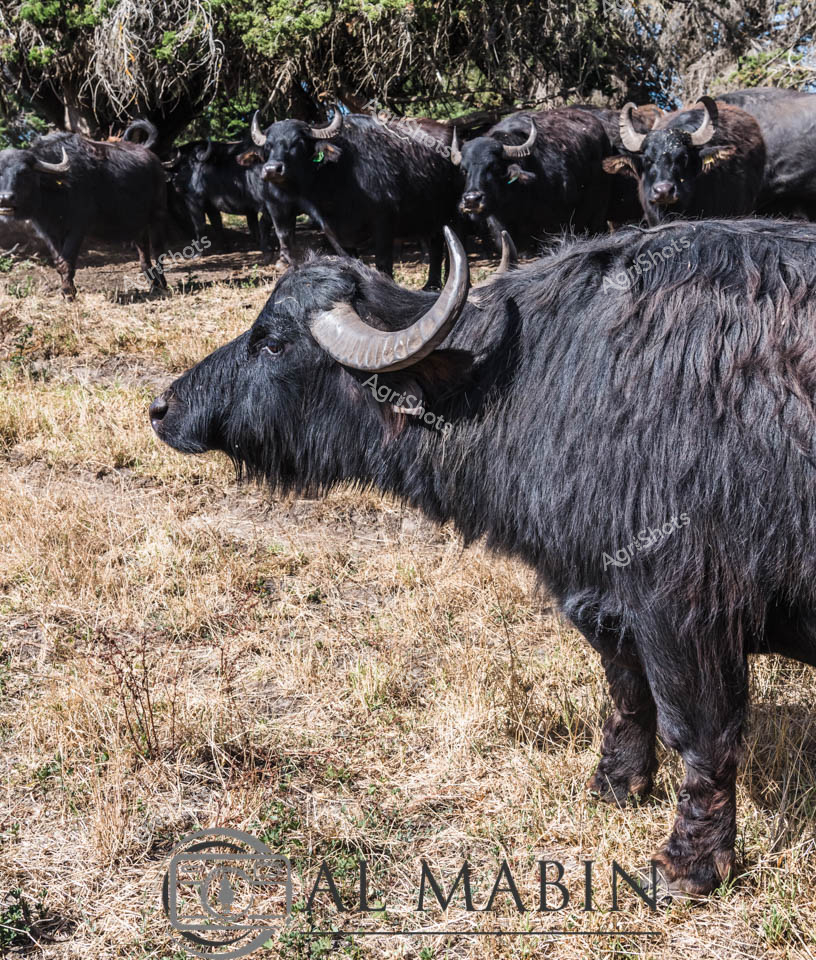
Water buffalo herd grazes across a sun-drenched, dry grassland near Barwon South in Victoria, their dense black coats contrasting against the golden winter pasture. Massive creatures with distinctive curved horns and muscular frames dominate the frame, representing a critical component of Australia's diverse dairy agriculture. The lead buffalo, positioned prominently in the foreground, displays powerful musculature and an impressive set of sweeping horns, embodying the robust genetic lines developed for harsh agricultural environments. Surrounding vegetation suggests a late dry season landscape, with sparse grasses and native shrubs providing minimal ground cover. Each buffalo bears subtle ear tags, indicating careful livestock management and genetic tracking typical of modern Australian agricultural practices.
 Image
Image
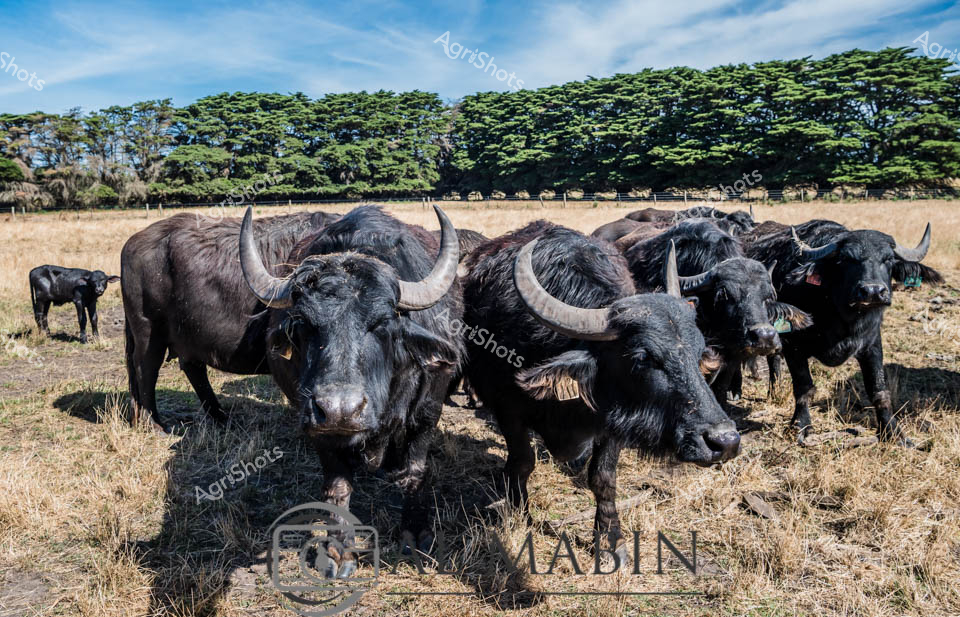
Water buffalo cluster in a dry, sun-dappled paddock, their massive dark forms standing in sharp contrast against weathered golden grass and sparse tree cover. These robust Murrah breed animals display impressive curved horns and thick, dense coats of deep charcoal black, revealing the muscular physiques that make them prized dairy and agricultural livestock across northern Victoria. The lead buffalo dominates the foreground, its powerful muscular frame and distinctive curved horns embodying the resilience of these animals in challenging Australian pastoral landscapes. Each buffalo bears subtle individual markings and ear tags, indicating careful livestock management typical of progressive dairy and agricultural operations in the Barwon South region. Filtered sunlight highlights the textural complexity of their thick, slightly matted coats, suggesting the animals have been grazing through the day in this semi-arid environment. The scene captures the quiet strength and communal nature of water buffalo herds, showcasing their adaptation to Australian agricultural terrains.
 Image
Image
Water buffalo graze contentedly across a lush pastoral landscape in southwestern Victoria, their muscular black bodies contrasting against the golden dry grass and verdant green tree line. These robust dairy buffalo, with their imposing curved horns and thick woolly coats, represent a critical segment of Australia's emerging alternative dairy industry. The herd clusters together in a protective formation, with mature bulls and younger calves sharing the sun-drenched paddock, highlighting the resilient nature of these animals adapted to challenging agricultural environments. The scene captures the expansive rural terrain of the Barwon South Region, where scattered trees provide gentle background contrast to the open grasslands. Wispy cirrus clouds streak across a brilliant azure sky, suggesting a mild late summer or early autumn day with perfect grazing conditions. Each buffalo displays distinctive characteristics - powerful shoulders, alert expressions, and varying horn configurations that speak to their individual genetic lineage. This image powerfully communicates the potential of water buffalo farming in Australian agricultural landscapes, showcasing how diverse livestock breeds can thrive in carefully managed pastoral ecosystems. The composition emphasizes both the animals' impressive physical presence and the harmonious relationship between livestock, land, and sustainable agricultural practices.
 Image
Image
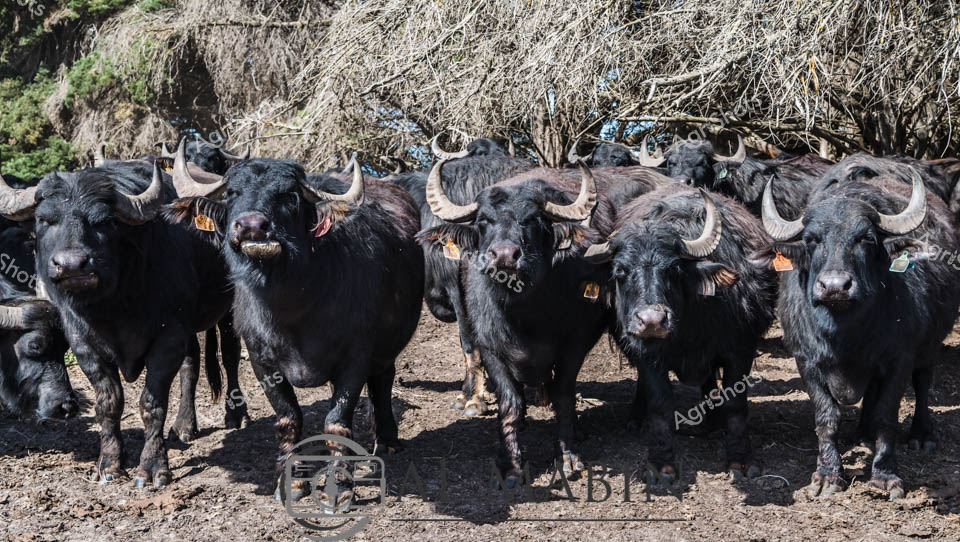
Water buffalo huddle tightly in a dusty, straw-strewn paddock, their midnight-black coats gleaming with hints of charcoal and slate under the harsh midday sunlight. Massive curved horns arc dramatically from their muscular heads, each animal bearing a distinctive yellow ear tag indicating careful livestock management. The herd clusters together, creating a powerful visual of strength and solidarity, their stocky bodies radiating a sense of quiet intensity against the dry, packed earth and tangled straw backdrop. These robust dairy buffalo represent a critical component of Victoria's diverse agricultural landscape, particularly in the Barwon South Region where specialized livestock breeding requires precision and expertise. Their thick, muscular frames and alert expressions suggest robust health and careful breeding, with each animal displaying the hallmarks of a well-maintained commercial herd. The tight clustering and uniform coloration speak to professional agricultural practices, highlighting the sophisticated approach to dairy buffalo farming in this region of Victoria.
 Image
Image
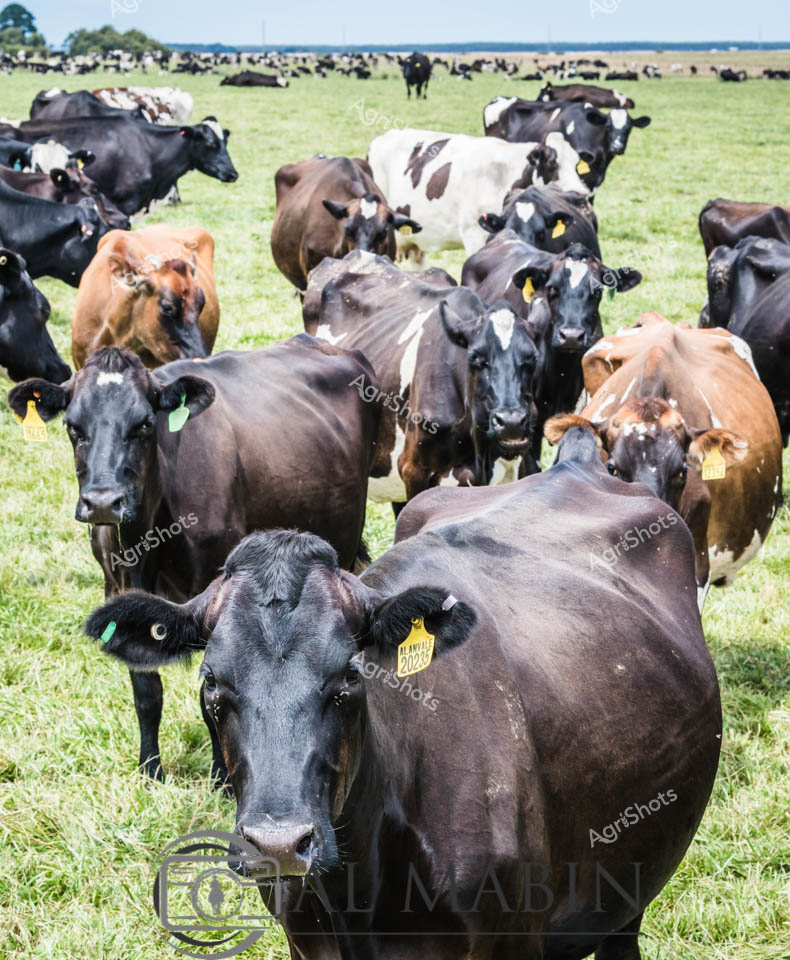
A dense herd of dairy cattle grazes contentedly across a lush green pasture, their varied coats creating a rich tapestry of black, white, and warm caramel jerseys. Holstein and jersey breeds cluster together, their muscular bodies showcasing the genetic diversity of a thriving Victorian dairy operation. Yellow ear tags punctuate each animal, signaling meticulous herd management and individual tracking in this productive agricultural landscape. The expansive paddock stretches toward a distant blue horizon, with soft green grass providing abundant nutrition for these high-yielding milk producers. Compact and robust, these dairy cows represent the backbone of Australia's agricultural sector, embodying generations of careful breeding and sustainable farming practices. The tight grouping of animals suggests a well-managed, high-performance dairy enterprise typical of the Barwon South region's agricultural excellence.
 Image
Image
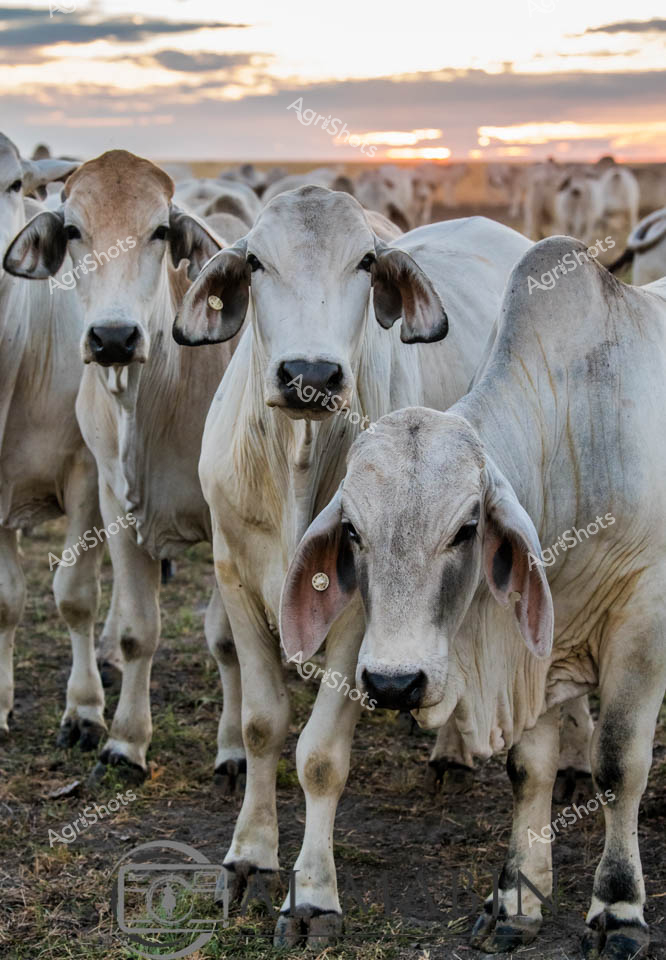
Brahman cattle stand resolute against the luminous twilight of Australia's Northern Territory, their distinctive white-grey coats gleaming softly in the fading sunlight. These robust beef cattle, renowned for their distinctive large ears and loose skin - adaptations that help them thrive in tropical climates - cluster together on the dusty station ground. Their muscular bodies and alert expressions capture the resilience of Australia's northern cattle industry, where these heat-tolerant animals are crucial to extensive pastoral operations. The sunset paints a muted palette of soft oranges and pastel clouds behind the herd, creating a serene backdrop that highlights the cattle's pale silvery-white coloration. Each animal bears the subtle markings of the Brahman breed - prominent dewlaps, large pendulous ears, and a lean, athletic build that speaks to generations of genetic adaptation to harsh environmental conditions. Their collective stance suggests both strength and calm, a living testament to the enduring spirit of Australian agricultural enterprise. In the foreground, the cattle's powerful legs stand firmly on the dry earth, their tagged ears indicating careful livestock management. This intimate portrait reveals the quiet dignity of Australia's beef production heritage, where every animal represents a complex story of survival, breeding, and agricultural innovation.