About this image
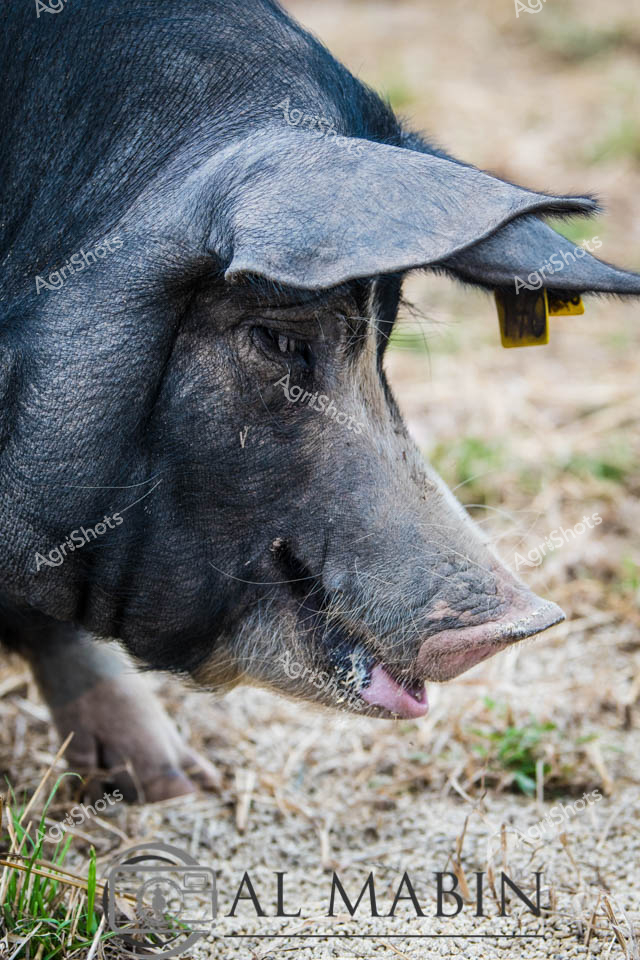
A black pig with distinctive floppy ears rests on dry ground in a free-range piggery operation in Victoria's Heathcote Region. The pig displays the characteristic relaxed posture of animals raised in extensive farming systems, with its snout close to the earth and a yellow ear tag visible for identification. The setting captures the natural environment of modern pig farming practices that allow animals freedom to move and forage across open paddocks.
Similar media
 Image
Image
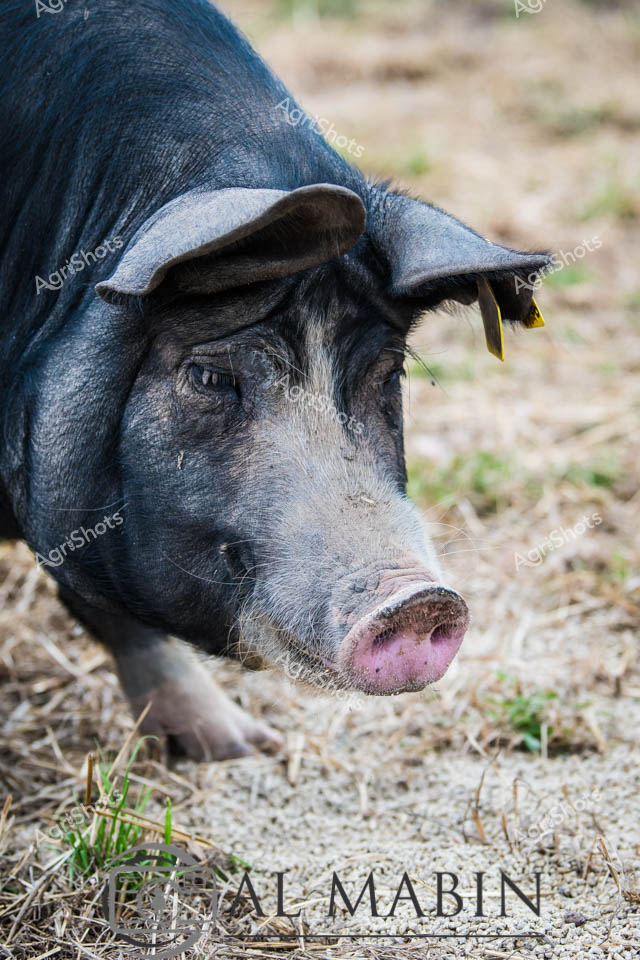
A black and white pig with distinctive floppy ears grazes in a free-range piggery setting in Victoria's Heathcote Region. The pig displays the characteristic coloring and sturdy build typical of large-scale farming operations, with its snout close to the ground as it forages naturally. The outdoor environment shows the balance between commercial pig production and animal welfare practices common in modern Australian piggeries.
 Image
Image
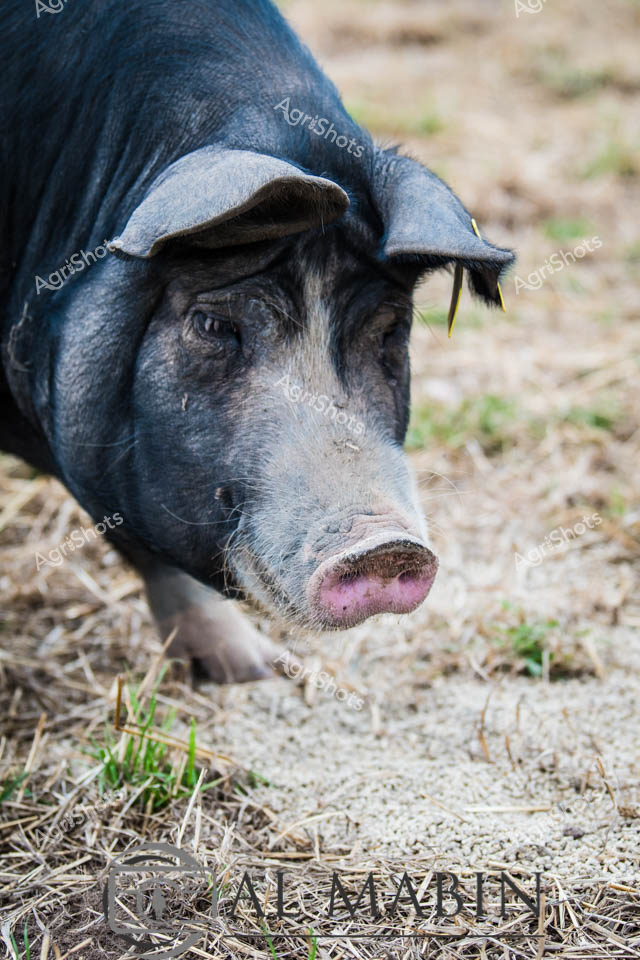
Black-haired and pink-nosed, this heritage breed pig rests on weathered straw and compacted earth, embodying the pastoral character of a Victorian small-scale piggery. The animal's distinctive coloration - deep charcoal transitioning to a pale grey - highlights the genetic diversity of free-range livestock breeding in the Heathcote region. Its sturdy frame and alert expression suggest a well-cared-for animal, with delicate ears folded softly and a robust snout pressed close to the ground, indicating a calm, contemplative moment in the farm's daily rhythm. The surrounding terrain of sparse grass and textured ground covering reflects the rugged agricultural landscape of central Victoria, where sustainable farming practices blend traditional animal husbandry with modern ecological awareness. Soft natural lighting emphasizes the pig's textured skin and the subtle variations in its coat, creating an intimate portrait that speaks to the connection between land, animal, and agricultural stewardship. This image captures the essence of small-scale, ethical livestock farming - a testament to the careful balance between production and animal welfare in Australian agricultural traditions.
 Image
Image
Black Berkshire pig grazes contentedly in a windswept paddock near Heathcote, Victoria. The robust swine's slate-grey and white coat glistens against the dry, straw-scattered ground, revealing the rugged texture of free-range farming in central Victoria. Its distinctive pink snout is slightly open, suggesting active foraging among sparse grass shoots emerging from the weathered ground. This heritage breed exemplifies the robust livestock traditions of Australian agricultural practice, highlighting the intersection of traditional farming methods and contemporary sustainable agriculture. The muted earth tones and the pig's alert posture communicate a sense of quiet productivity, characteristic of small-scale large-scale farming operations in the region. The image captures the raw, unfiltered essence of rural animal husbandry, where each creature plays a vital role in the agricultural ecosystem.
 Image
Image
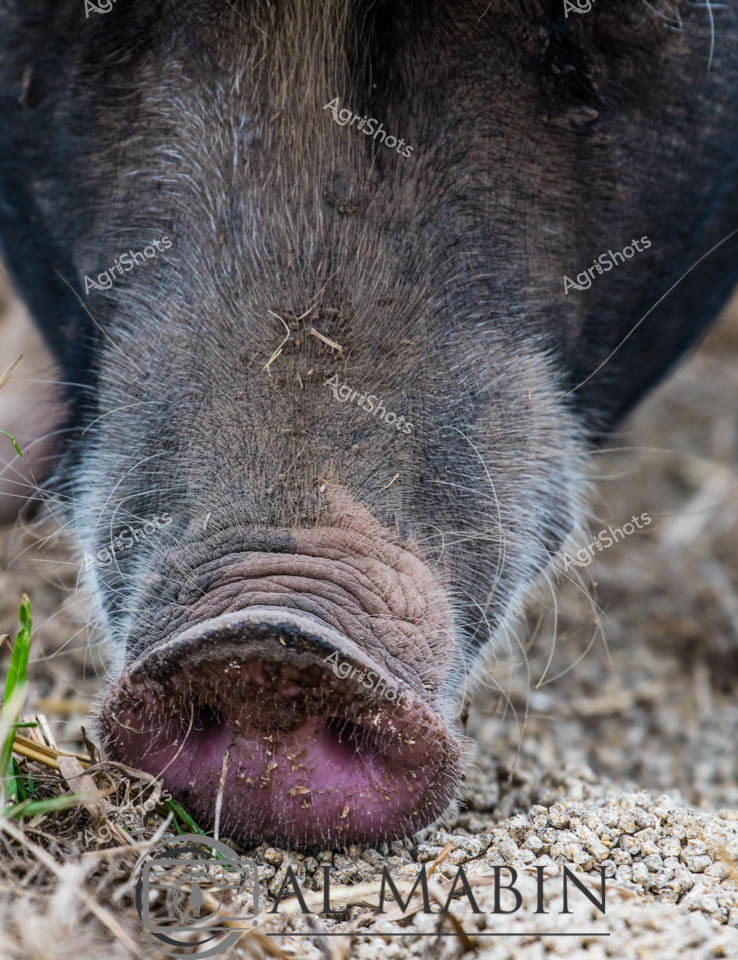
A close-up study of a heritage breed pig's distinctive snout, revealing the raw textural complexity of free-range farming in Victoria's Heathcote region. The animal's dense grey-black bristles transition to a deeply wrinkled, pink-tinged nose pressed against granular soil and scattered grass shoots. Minute whiskers and organic debris cling to the robust facial features, capturing the unfiltered authenticity of small-scale large-scale livestock production. The pig's powerful, muscular muzzle speaks to generations of agricultural breeding, where genetic selection meets the rugged environmental conditions of rural Australian landscapes. Subtle lighting emphasizes the tactile quality of the animal's skin, highlighting the intricate relationship between livestock and the earth they inhabit. This intimate portrait celebrates the unsung details of agricultural life, where every textural nuance tells a story of sustenance, survival, and the intricate ecosystems of farming.
 Image
Image
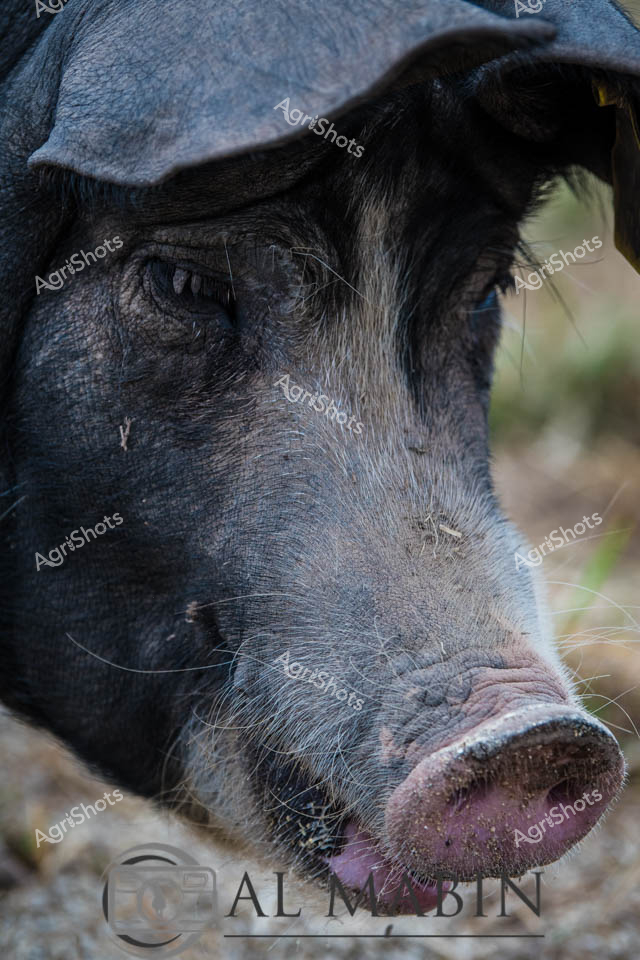
Close-up portrait of a robust black heritage pig, revealing intricate textural details of its weathered, slate-grey skin and delicate facial features. The animal's intelligent eyes and powerful snout speak to the robust breeding lines of Australian free-range pig farming, likely from a small-scale piggery in Victoria's rich Heathcote agricultural region. Coarse grey-black bristles catch soft ambient light, highlighting the nuanced coloration and resilient character of this livestock breed adapted to large-scale farming environments. Fine whiskers and the subtle pink tones of its nose provide textural contrast against the animal's dark, textured hide, capturing the raw authenticity of contemporary Australian agricultural practices. The intimate framing and sharp focus emphasize the individual dignity of the pig, suggesting a thoughtful approach to animal husbandry that values the creature beyond mere commercial production. This powerful image encapsulates the intersection of agricultural expertise, animal welfare, and the distinctive landscape of rural Victoria.
 Image
Image
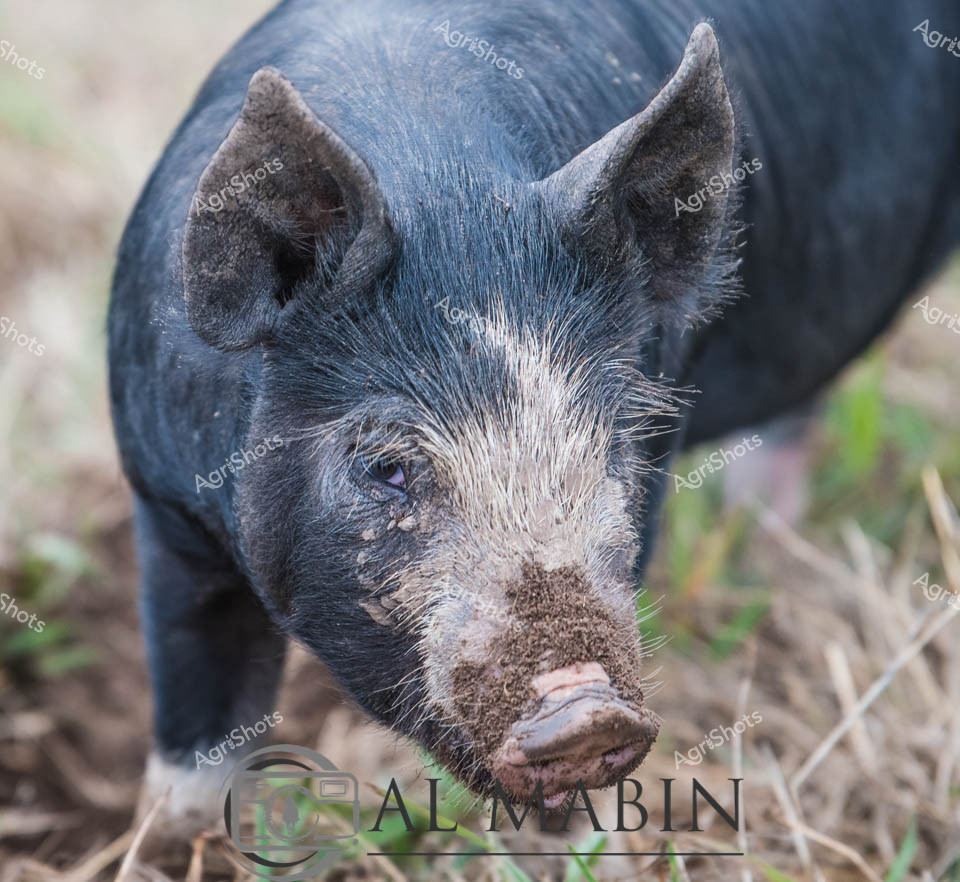
Rare heritage breed black and white pig forages intently in a dry pasture, embodying the resilient spirit of small-scale Victorian livestock farming. This stocky swine, with its distinctive salt-and-pepper coat and alert triangular ears, displays the robust characteristics of traditional pig breeding practices in the Heathcote region. Coarse fur and a mud-dusted snout suggest this animal roams freely, turning soil and seeking sustenance in a rugged agricultural landscape. The muted green and brown ground textured with sparse grasses indicates late summer or early autumn conditions, typical of central Victoria's challenging farming environment. Such heritage breed pigs represent a critical link to sustainable agricultural traditions, offering genetic diversity and adaptability in an era of large-scale farming practices. The close-up perspective highlights the animal's individual character - intelligent eyes, purposeful stance, and the nuanced coloration that speaks to generations of careful breeding and pastoral management.
 Image
Image
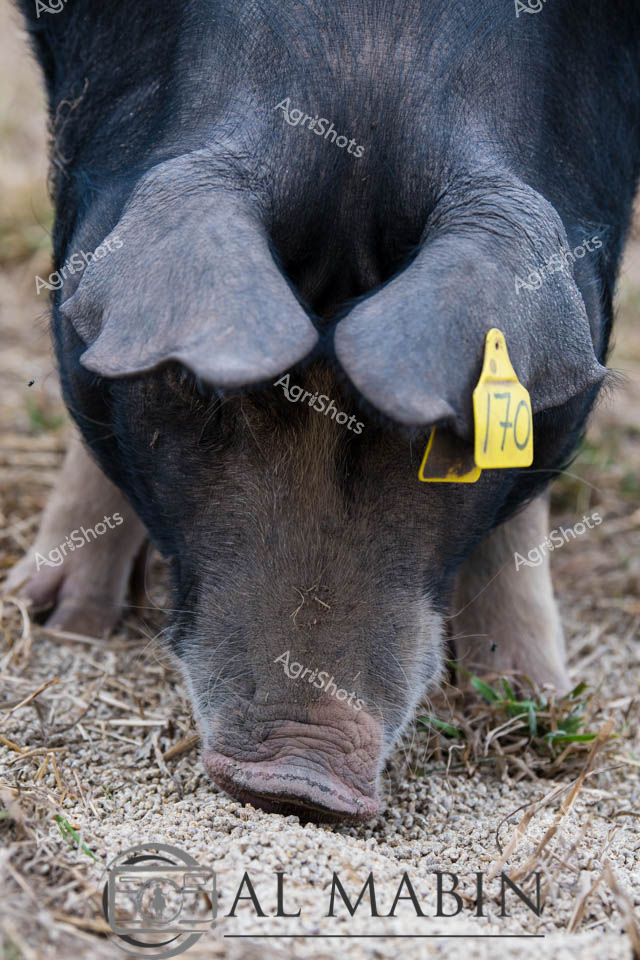
Close-up of a dark-skinned pig with a distinctive yellow ear tag numbered "170", resting on dry ground scattered with straw and sparse vegetation. The pig's muscular body displays a deep charcoal-black color, with subtle gray undertones highlighting its powerful physique. Its snout is pressed against the ground, suggesting a moment of rest or foraging in what appears to be a free-range or semi-large-scale farming environment typical of Victoria's agricultural landscapes. The yellow identification tag provides a sharp contrast against the pig's dark skin, a standard practice in livestock management that allows for individual animal tracking and health monitoring. The textured ground and the pig's proximity to it evoke the tactile, earthy nature of rural pig farming, capturing the intimate relationship between livestock and their immediate environment. This image speaks to the nuanced world of Australian agricultural practices, where animal welfare and systematic farm management intersect.
 Image
Image
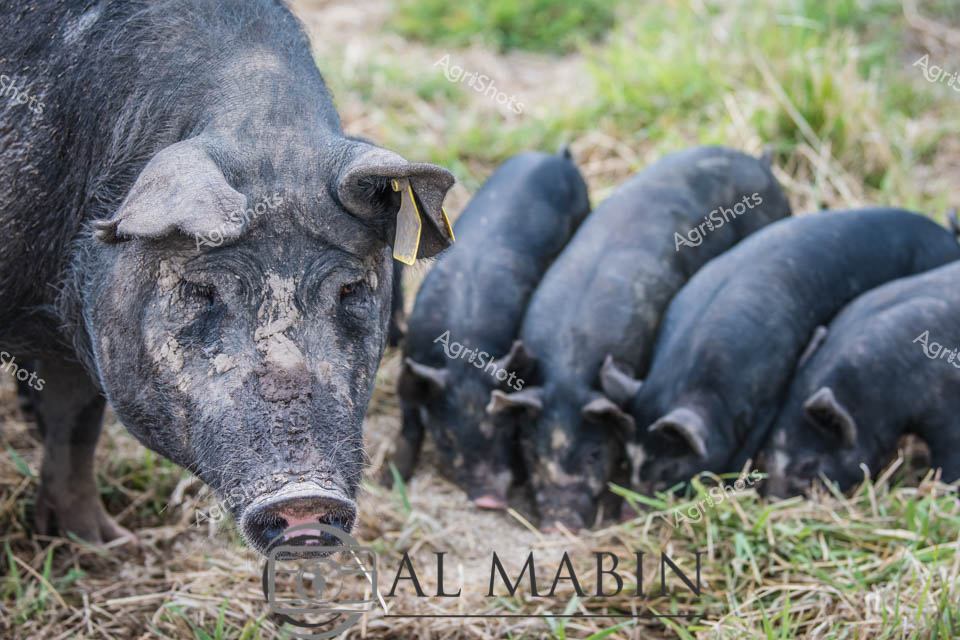
Rare breed black-haired sow nestles protectively with her litter of dark-coated piglets in a verdant pasture, showcasing the essence of free-range pig farming in Victoria's Heathcote region. The mature sow's weathered, mud-caked skin and distinctive ear tags highlight the robust nature of heritage pig breeds adapted to outdoor agricultural environments. Her young piglets, clustered tightly together, display the same deep charcoal-grey coloration, suggesting a carefully maintained bloodline of heritage pork stock. Soft grasses and scattered vegetation provide a natural foraging ground, illustrating sustainable farming practices that prioritize animal welfare and environmental integration. The intimate scene captures the raw authenticity of small-scale agricultural production, where traditional breeding methods and open-range conditions produce high-quality, ethically raised livestock. Rich textures of earth, hair, and vegetation create a sensory tableau that speaks to the connection between land, animal, and agricultural tradition in the Australian rural landscape.